Vietnam continues to be one of Southeast Asia’s most fascinating destinations, offering a compelling blend of natural landscapes, centuries-old heritage, dynamic cities, and welcoming local communities. Travel experiences in Vietnam can differ significantly depending on preparation, cultural understanding, and seasonal factors. Understanding what to know before traveling to Vietnam allows international visitors to plan with greater confidence, avoid common pitfalls, and enjoy a smoother journey from North to South. This guide is created for travelers visiting Vietnam in 2026, delivering practical insights and cultural context shaped by real travel experience and expert guidance from Best Vietnam Tours.
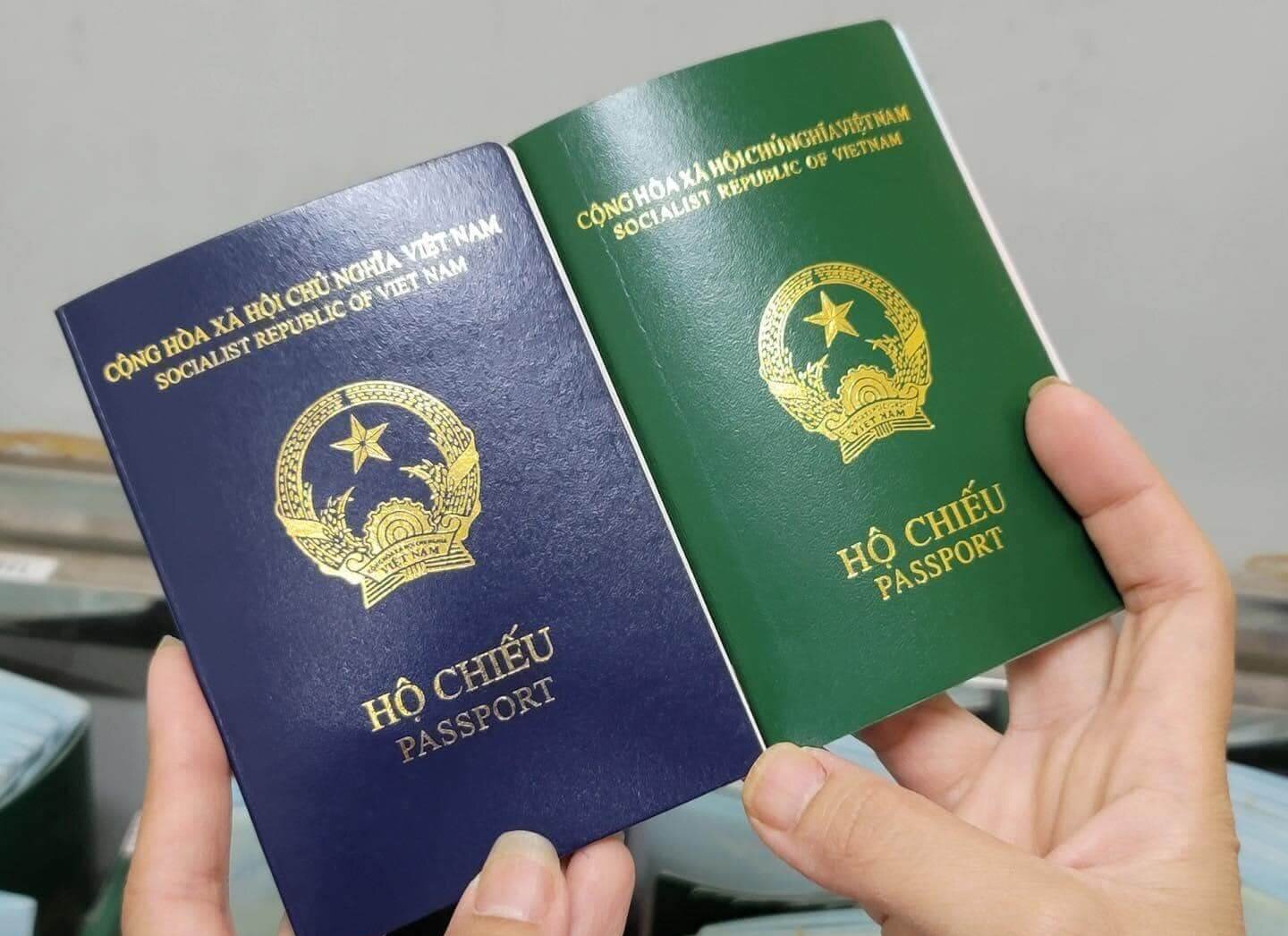
Vietnam visa and entry requirements for international travelers in 2026
What To Know Before Traveling To Vietnam? Visa Rules In 2026
When planning an international journey, understanding entry regulations is a fundamental part of what to know before traveling to Vietnam, especially as policies may evolve from year to year. For anyone researching what to know before traveling to Vietnam in 2026, travelers are expected to meet specific documentation and immigration requirements based on nationality and travel duration. Staying aware of these rules is an essential element of what to know before traveling to Vietnam, as being informed in advance helps visitors avoid unnecessary stress at airports and ensures a smooth start to their Vietnam experience.
One of the key aspects of what to know before traveling to Vietnam is preparing the correct paperwork before departure. While Vietnam remains accessible for many travelers, entry conditions should always be reviewed carefully as part of what to know before traveling to Vietnam, helping prevent unexpected issues upon arrival and allowing travelers to begin their journey with confidence.
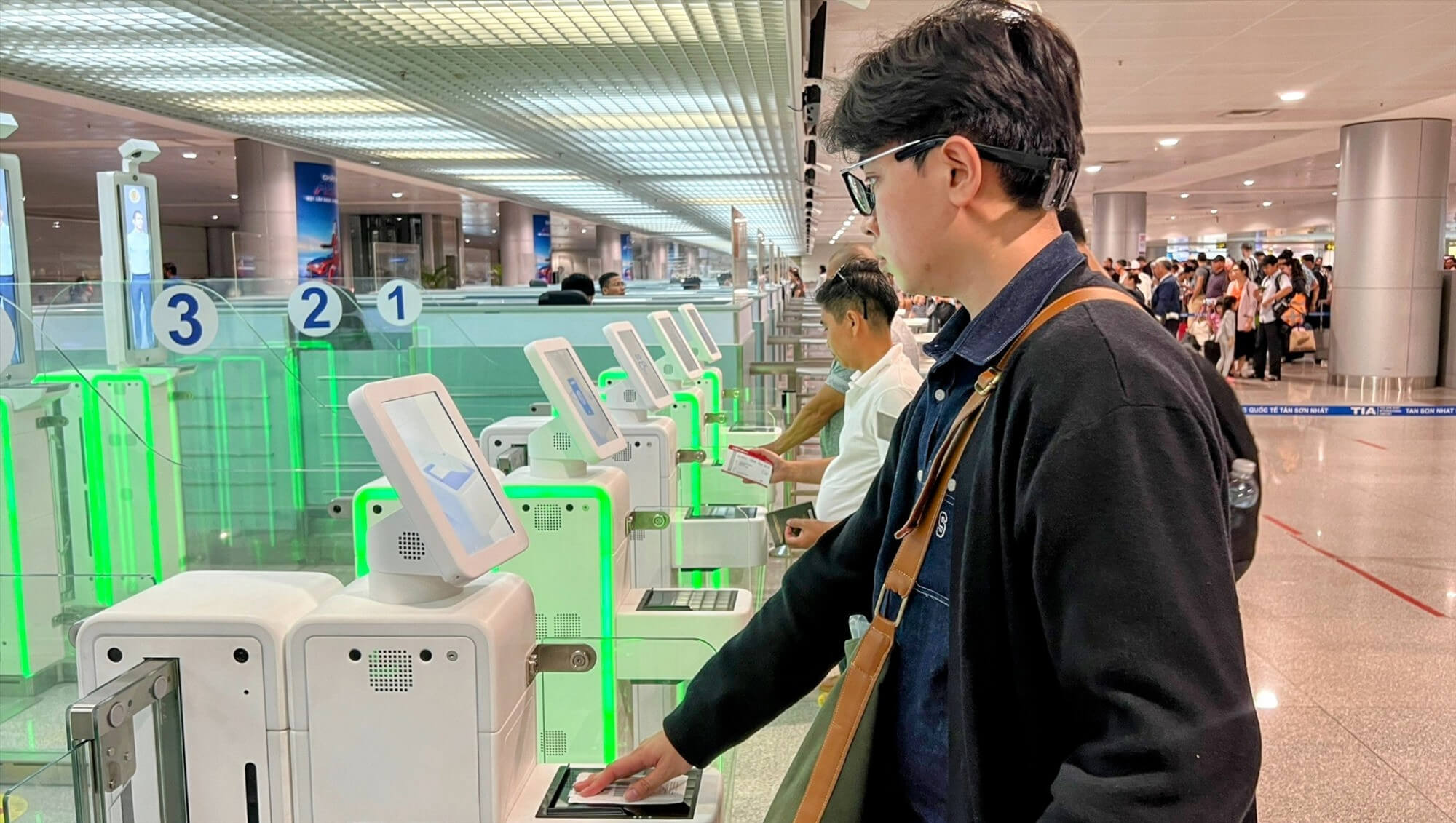
Immigration process at Vietnam international airport for foreign visitors
Passport Validity And Essential Entry Documents
A valid passport is mandatory for all international visitors, with a remaining validity of at least six months beyond the planned entry date. This requirement is strictly enforced and is an essential consideration for anyone researching what to know before traveling to Vietnam in 2026. In addition to a passport, travelers may be asked to present proof of onward or return travel, particularly for short-term visits.
Although not always compulsory, travel insurance is strongly advised, as it provides coverage for medical emergencies, trip delays, or unforeseen disruptions. Carrying both digital and printed copies of travel documents can be helpful when navigating airports or dealing with unexpected situations during the trip.
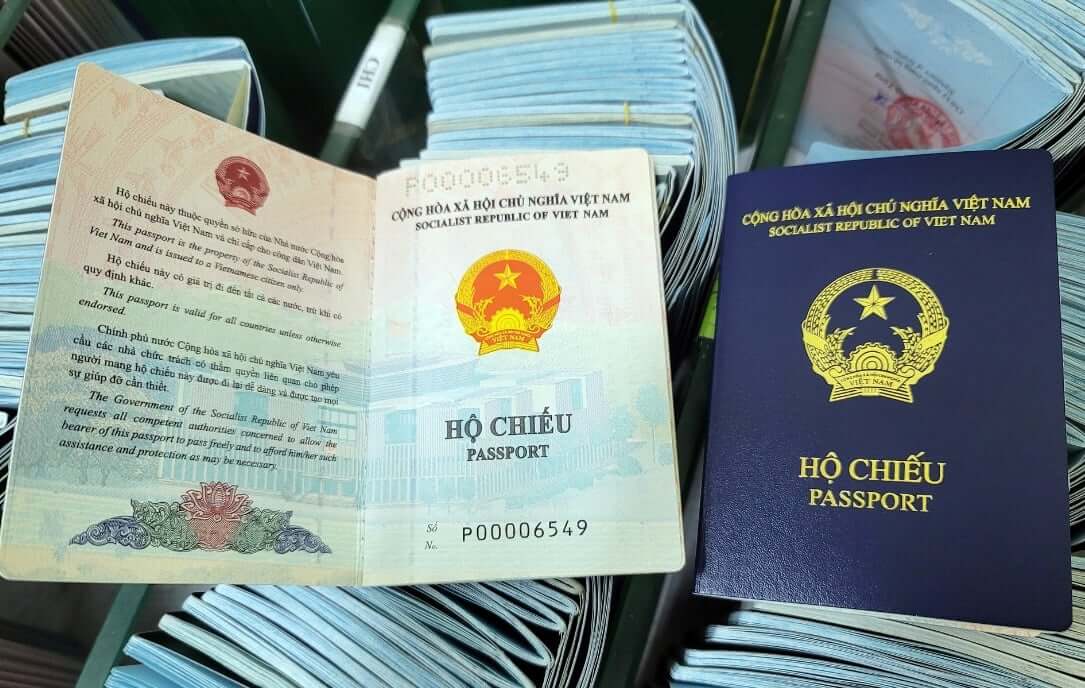
Passport validity and required documents for traveling to Vietnam
Tourist Visa Options And Current Policies
Another important element of what to know before traveling to Vietnam involves understanding available visa options. For many nationalities, Vietnam visa for tourists can be obtained through electronic application systems, visa exemptions, or embassy-issued visas, depending on eligibility. The e-visa process is widely used due to its convenience, allowing travelers to complete applications online prior to arrival.
Visa-free entry may be granted to citizens of selected countries, but permitted lengths of stay vary significantly. Travelers planning extended trips or multiple entries should review visa validity and conditions carefully to avoid overstaying, which can result in fines or travel restrictions. For travelers comparing destinations across the region, Vietnam stands out as a key highlight within the broader Asia travel landscape, with detailed insights available through Best Vietnam Tour’s Vietnam travel Asia resources.
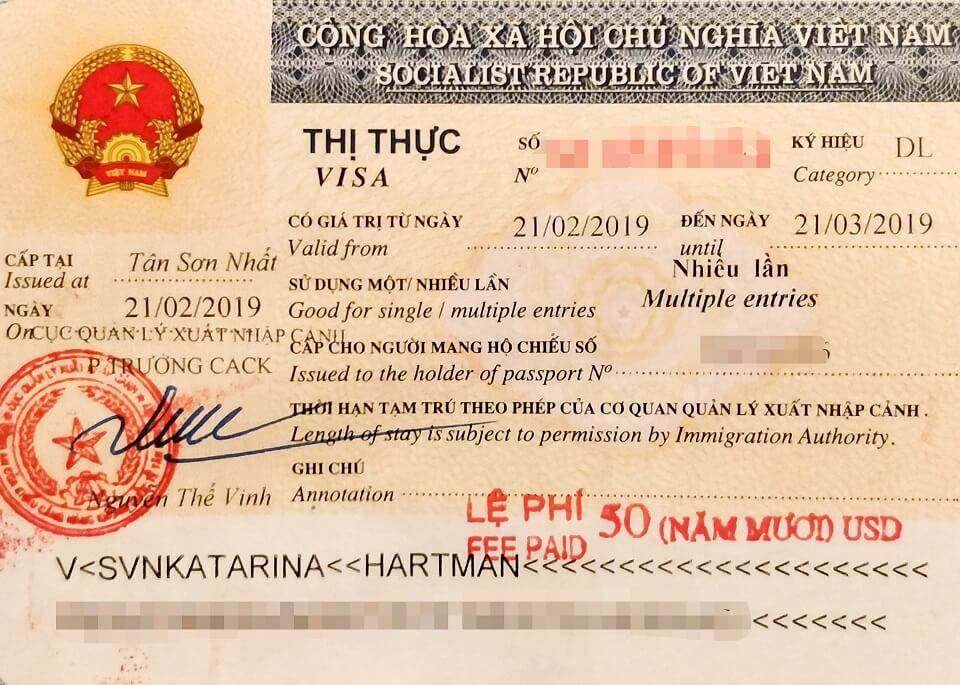
Vietnam visa policies based on nationality and travel duration
Best Time To Visit Vietnam In 2026
Choosing the right travel period is a crucial part of understanding what to know before traveling to Vietnam, as the country’s climate varies significantly by region. Vietnam stretches over a long geographic range, meaning weather conditions in the North, central areas, and the South can be very different at the same time of year. Travelers who plan carefully are more likely to enjoy comfortable temperatures, clearer skies, and smoother travel experiences.
For many international visitors, identifying the Best time to visit Vietnam depends on personal interests such as sightseeing, outdoor activities, cultural exploration, or beach relaxation. Being aware of seasonal patterns helps travelers align expectations with reality and avoid weather-related disruptions. For travelers who want a more detailed, month-by-month breakdown by region, Best Vietnam Tours provides an in-depth guide on the best time to visit Vietnam.
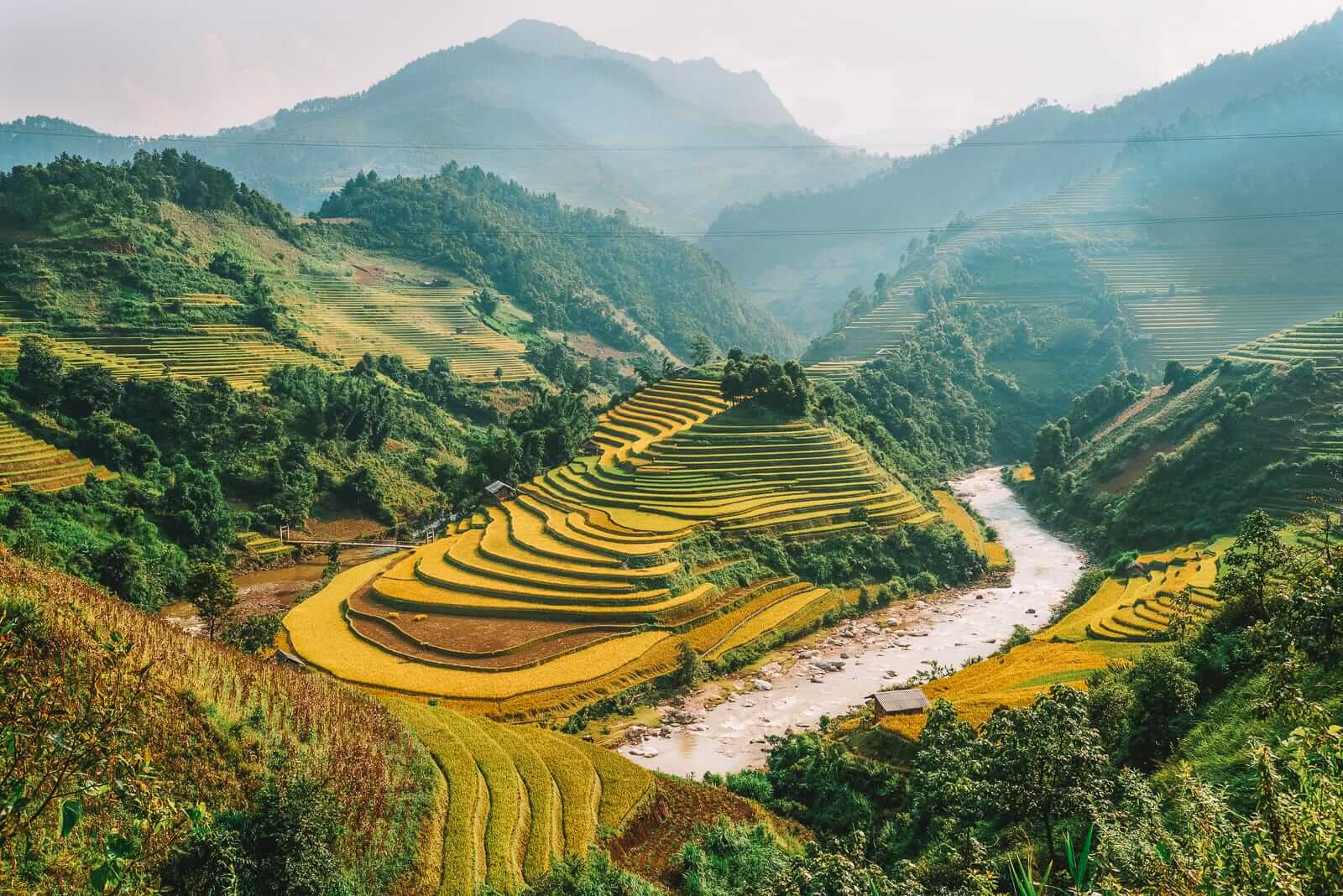
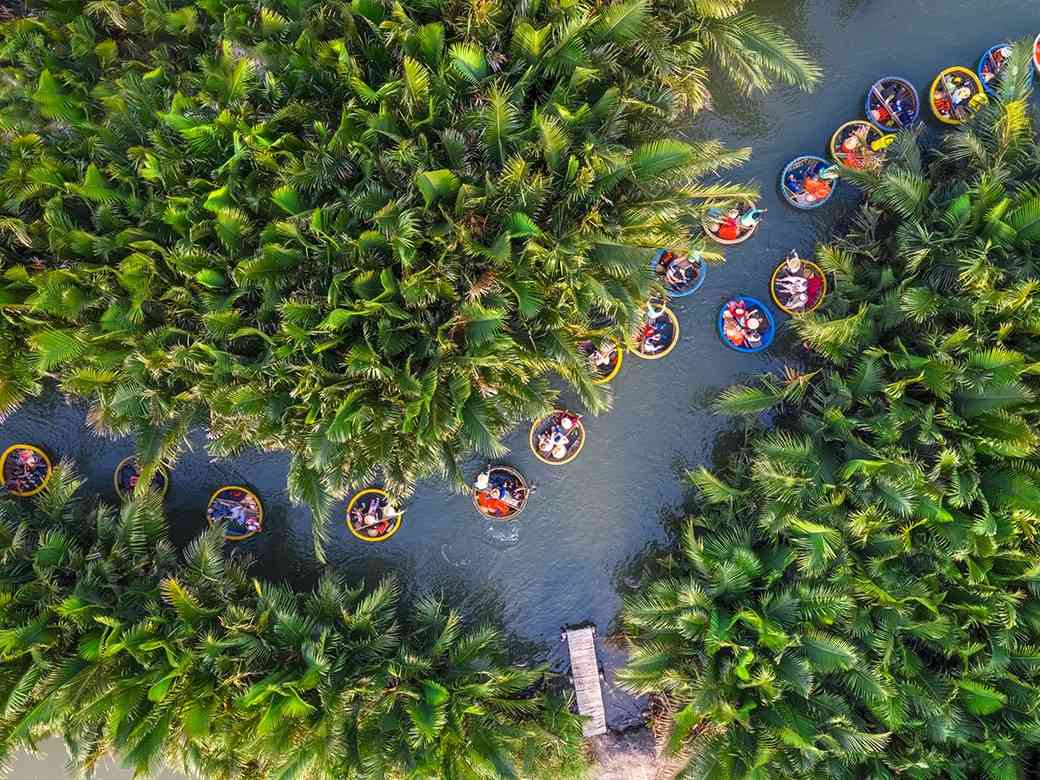
Seasonal landscapes across Vietnam throughout the year
Seasonal Weather Differences Across Vietnam
Vietnam’s climate is generally divided into regional zones. Northern Vietnam experiences four distinct seasons, with cooler temperatures during winter months and warmer, more humid conditions in summer. Central Vietnam often sees a longer rainy season, particularly toward the end of the year, while Southern regions tend to maintain warmer temperatures year-round with a clearer distinction between dry and wet seasons.
Understanding these regional differences is an essential part of what to know before traveling to Vietnam, especially for travelers planning multi-city or cross-country itineraries. Visiting several regions in one trip may require flexibility and careful timing to experience favorable conditions throughout the journey. Understanding the climate of Vietnam helps travelers plan their trips more effectively and avoid extreme weather conditions.
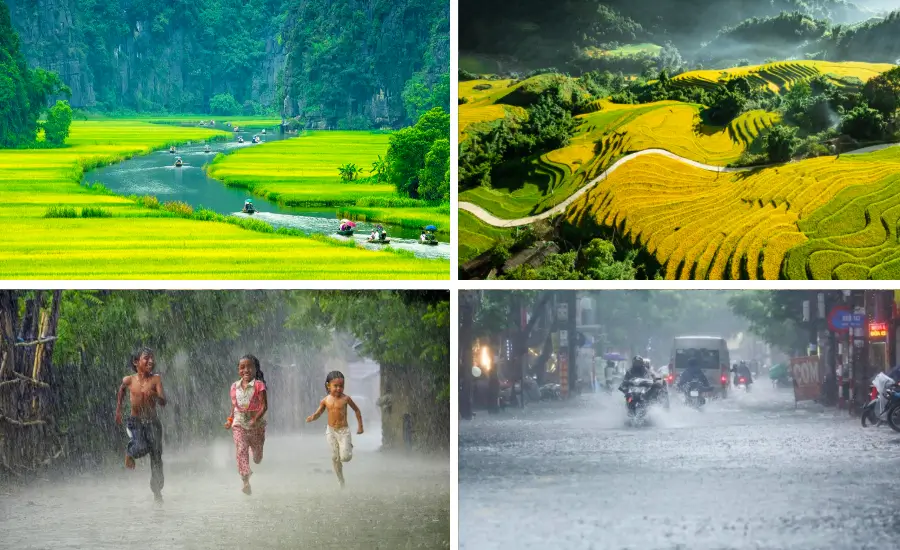
Weather differences between Northern, central, and Southern Vietnam
Peak Season, Shoulder Season, And Crowd Levels
Vietnam’s peak travel season generally coincides with periods of milder weather and major international holidays, when popular destinations can become crowded and prices may rise. During these times, attractions are lively, but travelers should expect higher demand for accommodations and transportation.
Shoulder seasons often provide a balance between pleasant weather and fewer crowds, making them appealing for visitors who prefer a more relaxed pace. Recognizing these patterns is another important aspect of what to know before traveling to Vietnam, particularly for those seeking quieter experiences or better value for money.
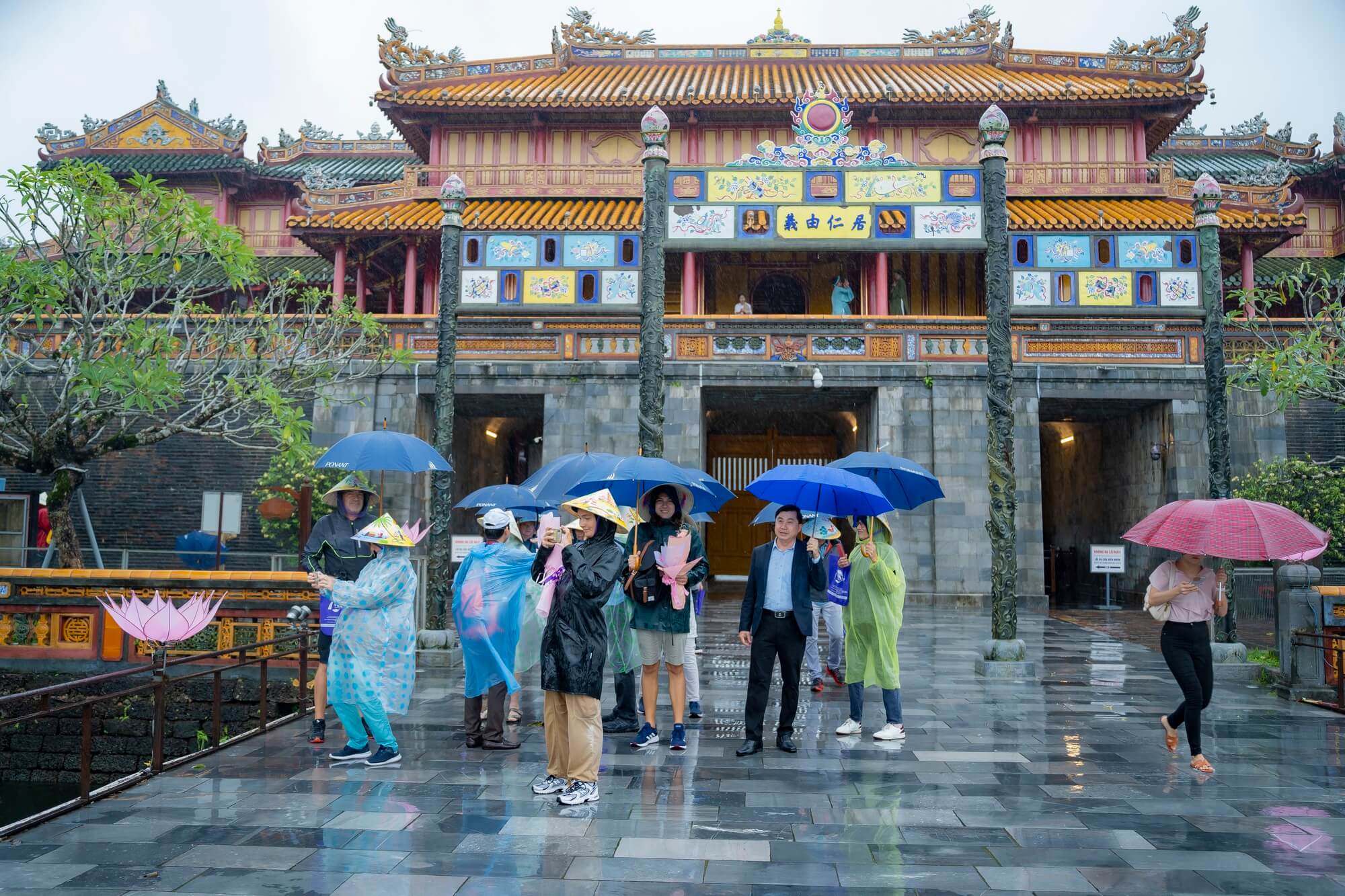
Dry season and rainy season travel considerations in Vietnam
Planning Activities Based On Travel Timing
Different travel seasons can significantly influence available activities. Clearer weather is ideal for city exploration, cultural sightseeing, and outdoor adventures, while certain times of year are better suited for beach-focused trips or scenic photography. Festivals and local celebrations may also impact travel plans, offering unique cultural experiences but increasing visitor numbers in specific locations.
By aligning travel dates with personal interests and weather conditions, visitors gain a deeper understanding of what to know before traveling to Vietnam and can create itineraries that feel both enjoyable and well-paced.
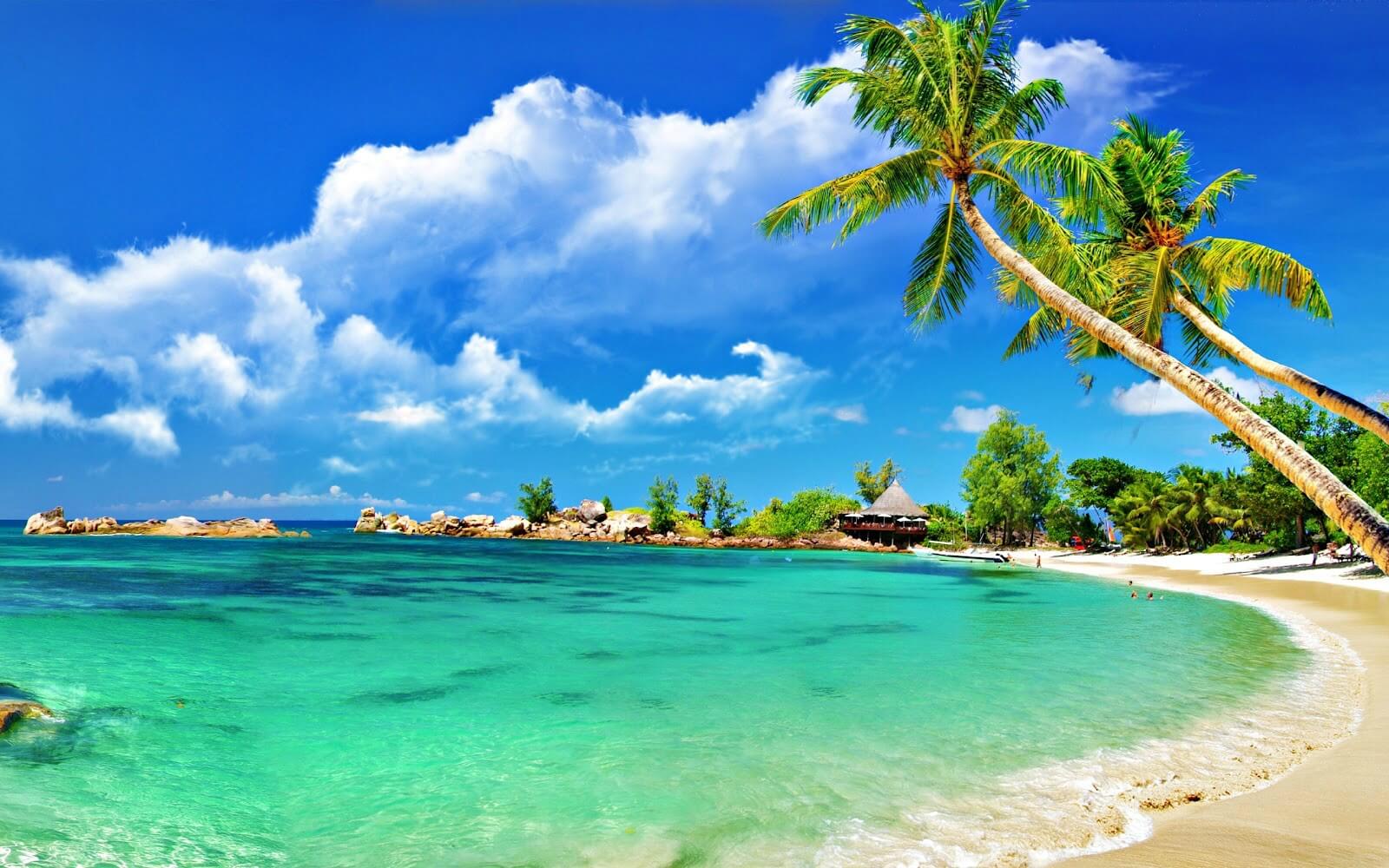
Best time to visit Vietnam by region and season
Vietnam Local Customs And Cultural Etiquette
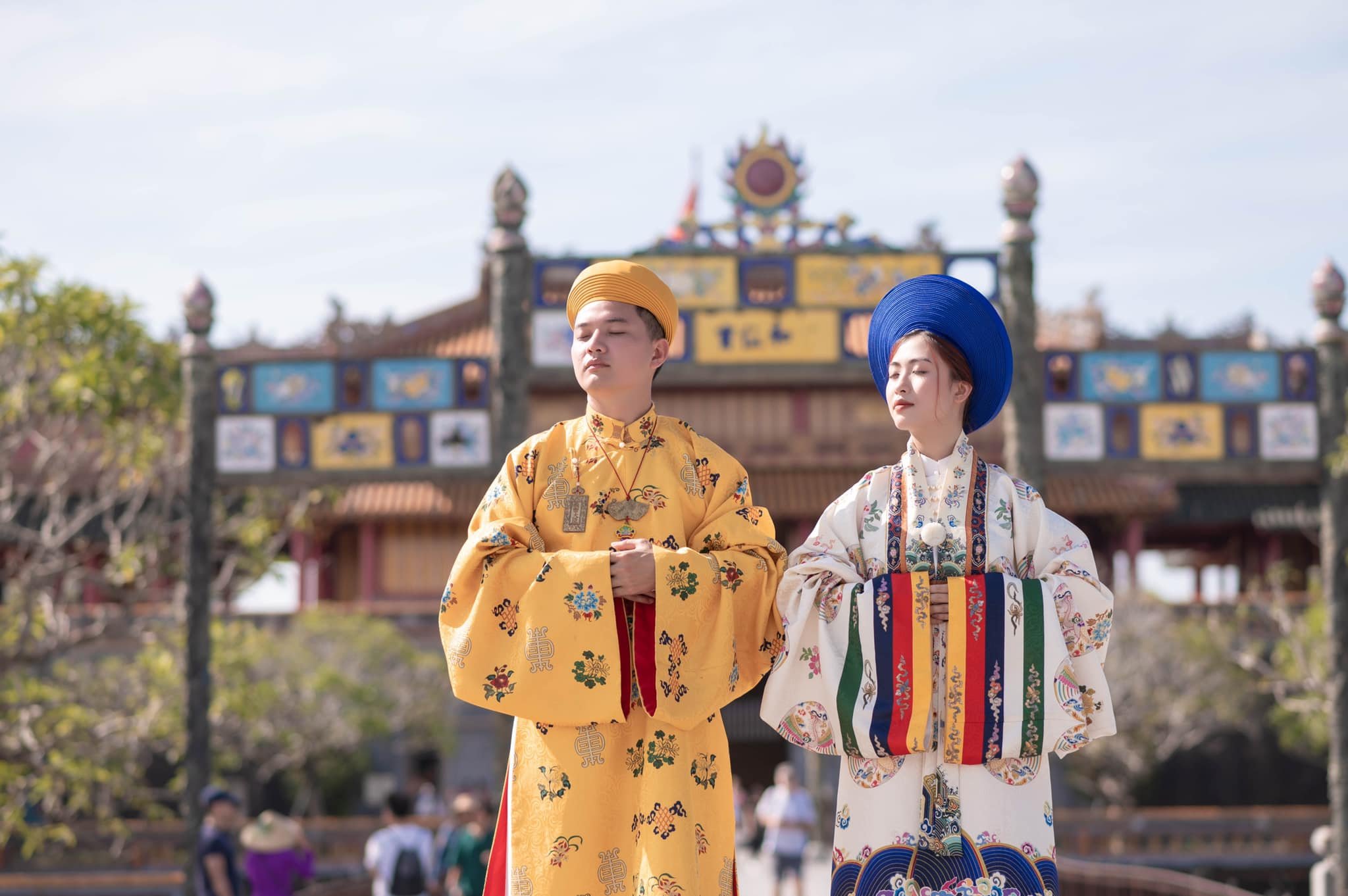
Cultural awareness plays a major role in shaping meaningful travel experiences, making it an essential part of what to know before traveling to Vietnam. While Vietnam is known for its friendly atmosphere and welcoming communities, social norms and traditional values continue to influence daily interactions. Visitors who understand these cultural foundations often find it easier to connect with locals and navigate social situations respectfully.
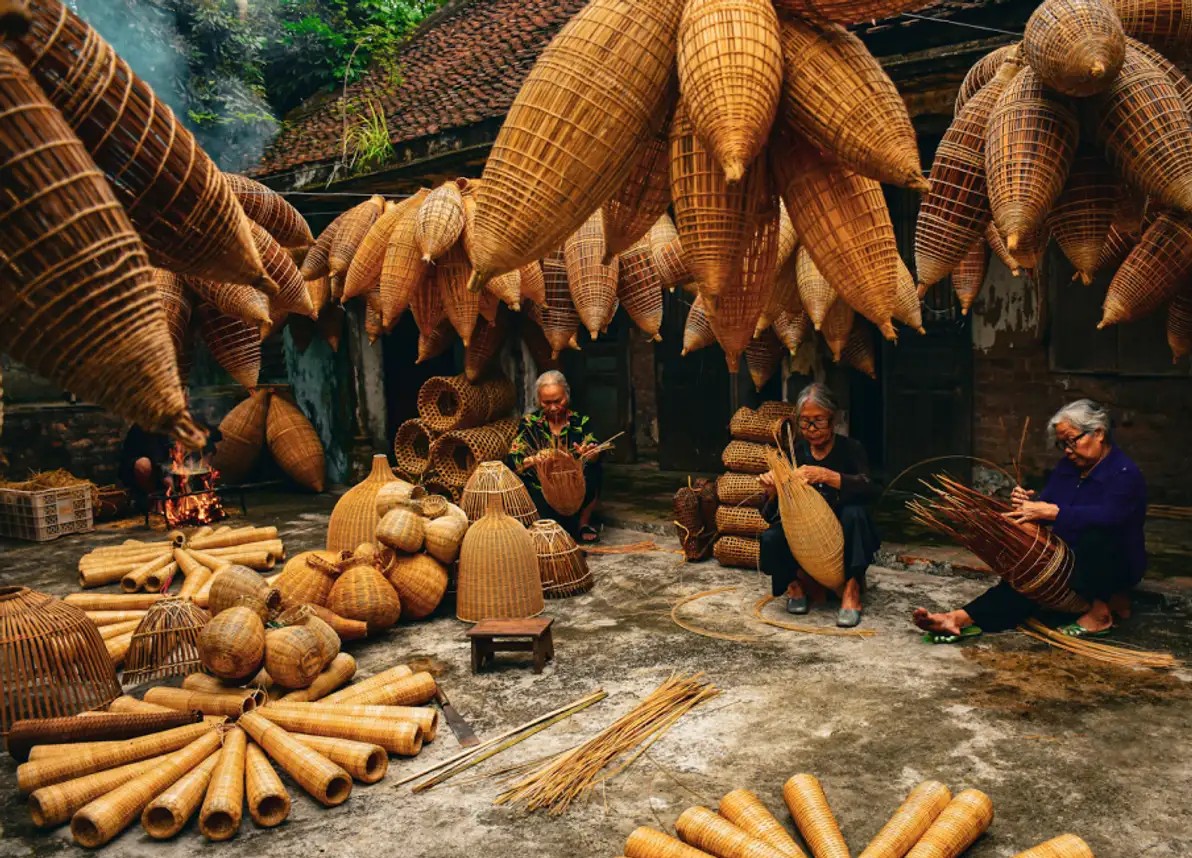
Learning about Vietnam local customs and etiquette helps travelers avoid unintentional misunderstandings, particularly in formal settings, rural areas, or religious spaces. Small gestures of respect are highly valued and can leave a positive impression throughout the journey. For travelers who want to experience these traditions more deeply rather than just observe them, exploring curated Vietnam unique culture tours can offer meaningful cultural interactions guided by local experts.
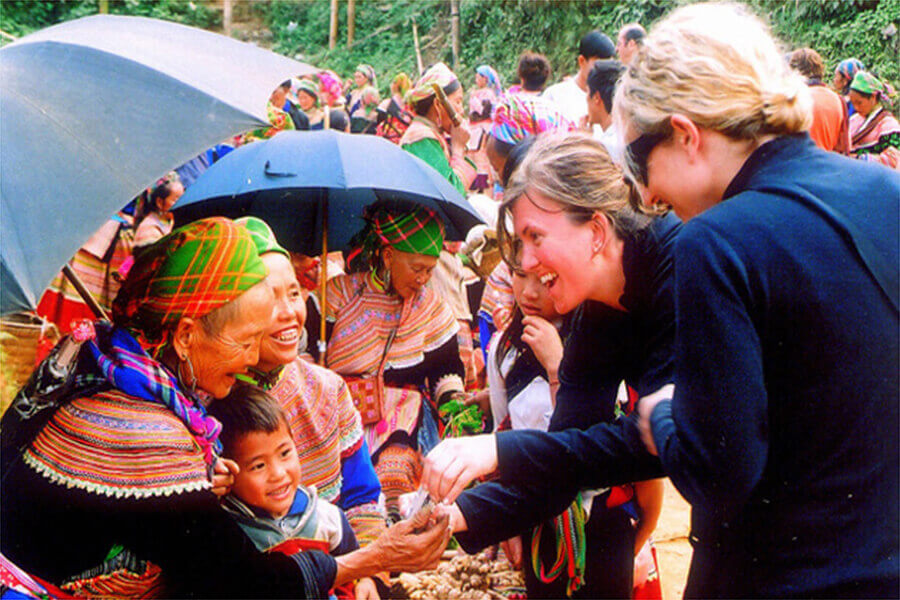
Vietnam local customs and everyday social etiquette
Respectful Behavior At Temples And Religious Sites
Temples, pagodas, and shrines remain active places of worship across Vietnam, not merely tourist attractions. One important aspect of what to know before traveling to Vietnam is understanding appropriate behavior in these sacred environments. Visitors are expected to dress modestly, covering shoulders and knees, and to maintain a calm, quiet demeanor while inside religious grounds.
Physical interactions with statues, altars, or offerings should be avoided unless explicitly permitted. Photography may be restricted in certain areas, particularly during prayer times. Showing respect in these settings reflects cultural sensitivity and demonstrates awareness of Vietnam’s deeply rooted spiritual traditions.

Cultural values and social norms in Vietnamese daily life
Social Etiquette In Daily Interactions
Vietnamese society places strong emphasis on politeness, humility, and harmonious relationships. When greeting others, a gentle smile and polite tone are generally appreciated, while public displays of anger or confrontation are discouraged. Understanding these norms is a practical part of what to know before traveling to Vietnam, especially for visitors unfamiliar with Southeast Asian social customs.
In conversations, indirect communication is often preferred over blunt expressions, particularly when discussing sensitive topics. Respect for elders and authority figures is also important, and small gestures, such as offering items with both hands can signal courtesy and good manners.
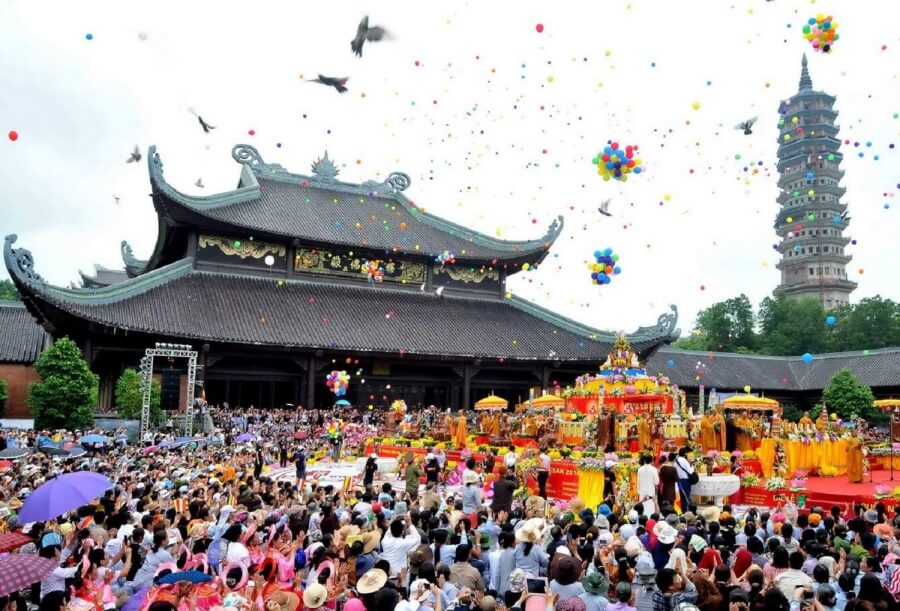
Religious practices and temple etiquette in Vietnam
Cultural Sensitivity In Rural And Local Communities
Travelers venturing beyond major cities may encounter communities that follow more traditional lifestyles. In these areas, cultural expectations may be stronger, and visitors should observe local behavior before acting. Recognizing boundaries, asking permission before taking photographs of people, and dressing conservatively contribute to respectful engagement. Understanding these nuances adds depth to what to know before traveling to Vietnam, allowing travelers to move beyond surface-level tourism and experience the country through a more culturally informed perspective.
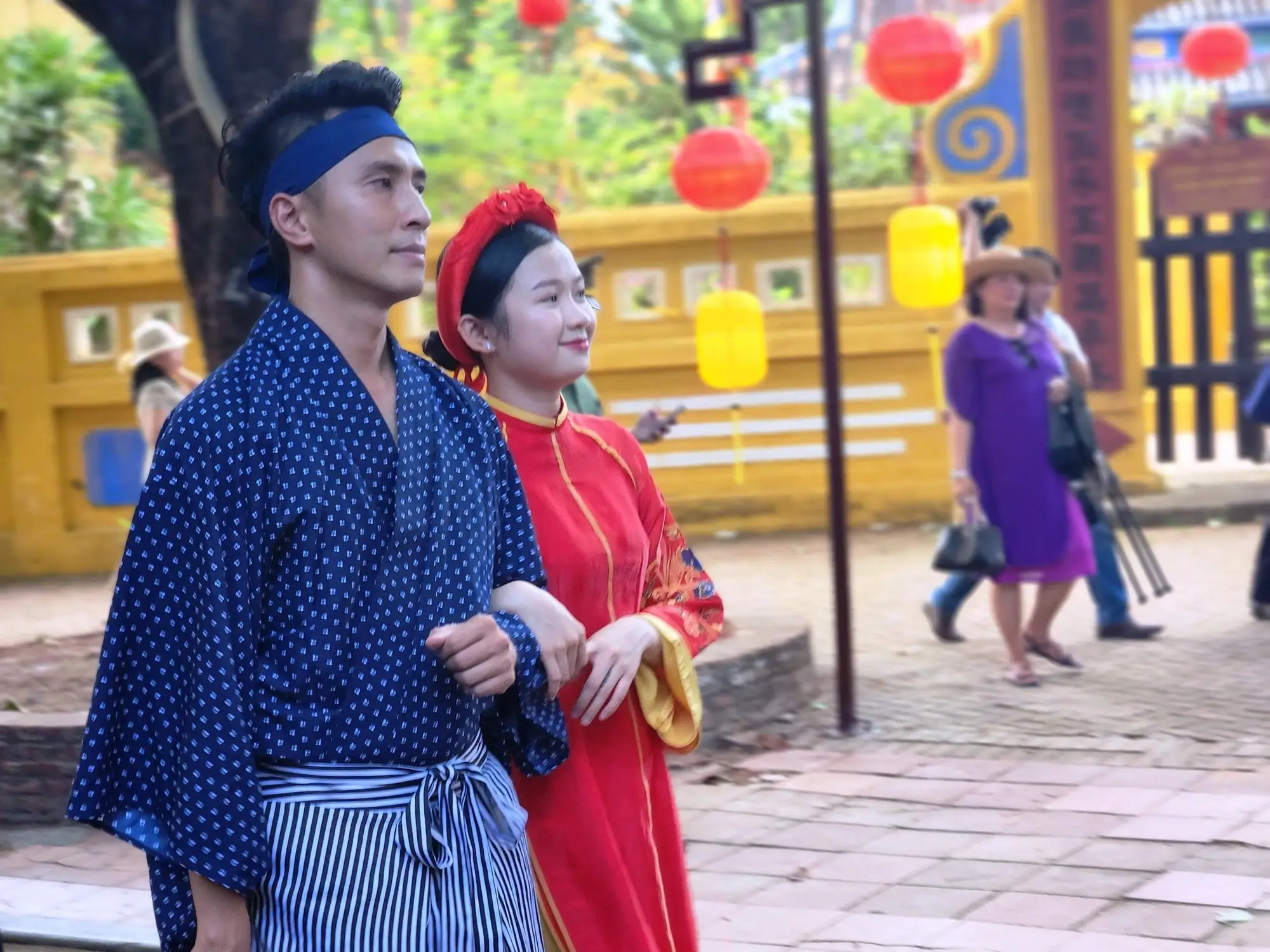
Cultural etiquette for visitors at temples in Vietnam
Vietnam Travel Costs And Budget Planning
Budget planning is an important part of understanding what to know before traveling to Vietnam, as overall expenses can vary widely depending on travel style, destination choices, and length of stay. Vietnam is often considered affordable compared to many international destinations, yet costs may differ significantly between major cities, tourist hotspots, and rural areas. Having realistic expectations allows travelers to plan more effectively and avoid unnecessary financial stress.
Understanding typical Vietnam travel costs helps visitors design itineraries that align with their comfort level, whether traveling on a modest budget or seeking higher-end services. While prices remain competitive, thoughtful budgeting ensures a more balanced and enjoyable experience. For travelers who prefer clear budgeting and efficient itineraries, Vietnam highlight tours can help simplify planning while covering the country’s most important destinations.
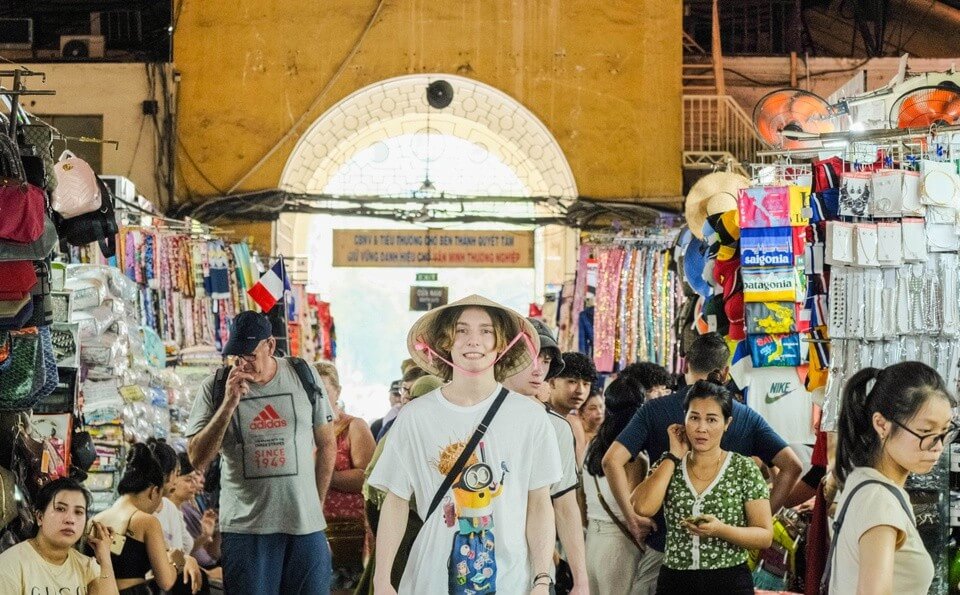
Vietnam travel costs and daily expenses for visitors
Average Daily Expenses For Travelers
Daily travel expenses in Vietnam can range considerably. Budget travelers may spend a modest amount per day on accommodation, local meals, and public transportation, while mid-range travelers often allocate more for comfortable hotels, guided experiences, and dining at well-known restaurants. Luxury travelers, on the other hand, may experience higher costs in premium resorts, private transfers, and curated tours. Recognizing these variations is an essential part of what to know before traveling to Vietnam, as costs depend heavily on personal preferences rather than fixed national standards.
Accommodation, Food, And Transportation Costs
Accommodation prices fluctuate based on location and season, with higher rates in popular cities and coastal destinations during peak travel periods. Food expenses are generally reasonable, especially when enjoying local cuisine, while international dining options tend to be more expensive. Transportation costs remain relatively affordable, particularly when using domestic flights, trains, or app-based ride services.
Factoring these elements into a daily budget helps travelers maintain financial flexibility and adapt plans as needed. Understanding this balance is another key aspect of what to know before traveling to Vietnam, especially for longer stays.
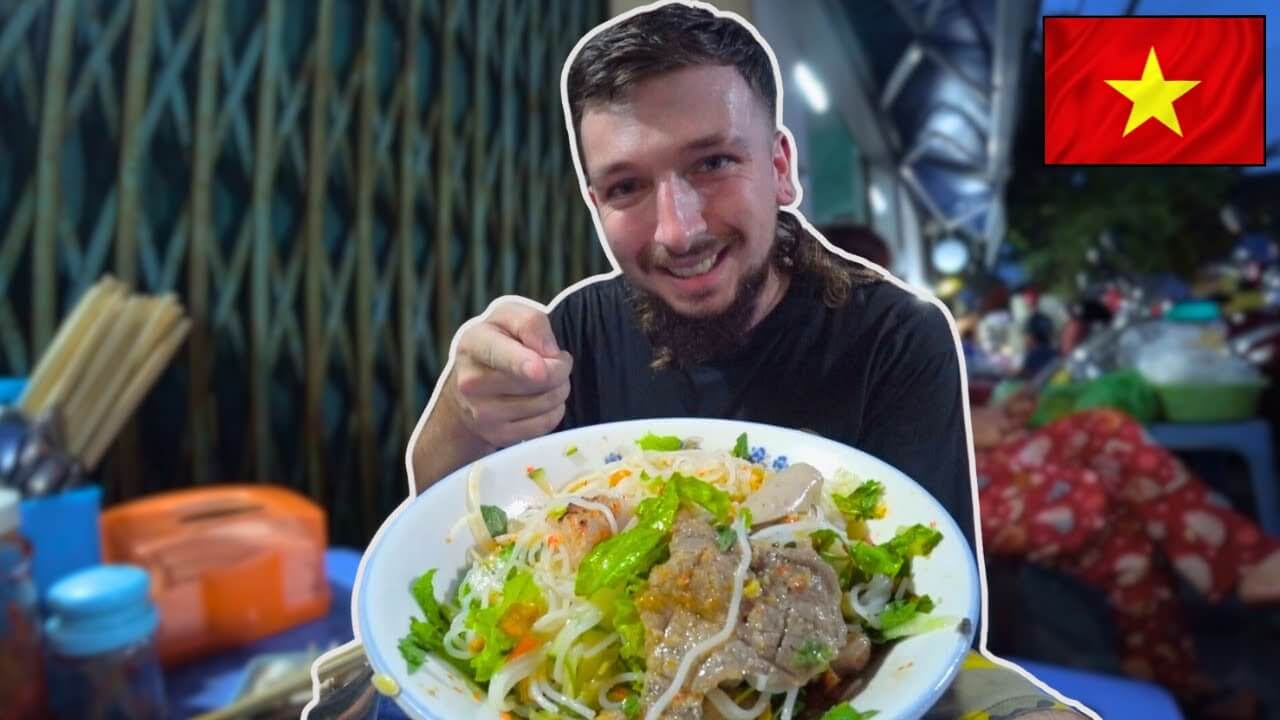
Average daily travel expenses in Vietnam
Managing Money, Payments, And Extra Expenses
Cash remains widely used in Vietnam, particularly in smaller towns and local markets, while digital payments are increasingly accepted in urban areas. Travelers should also account for additional expenses such as entrance fees, guided tours, souvenirs, and occasional tipping for exceptional service. Being aware of these potential costs contributes to smarter budgeting and forms an important part of what to know before traveling to Vietnam, allowing travelers to focus more on the experience and less on financial surprises.
Safety, Health And Common Travel Risks In Vietnam
Personal safety and health awareness are essential elements of what to know before traveling to Vietnam, particularly for first-time visitors unfamiliar with local conditions. Overall, Vietnam is considered a safe destination for international travelers, with low rates of serious crime involving tourists. However, like in any popular travel destination, being informed and attentive helps visitors avoid common inconveniences and travel-related risks. Understanding safety tips for traveling in Vietnam allows travelers to move confidently through cities, rural areas, and tourist destinations while maintaining a relaxed and enjoyable experience.
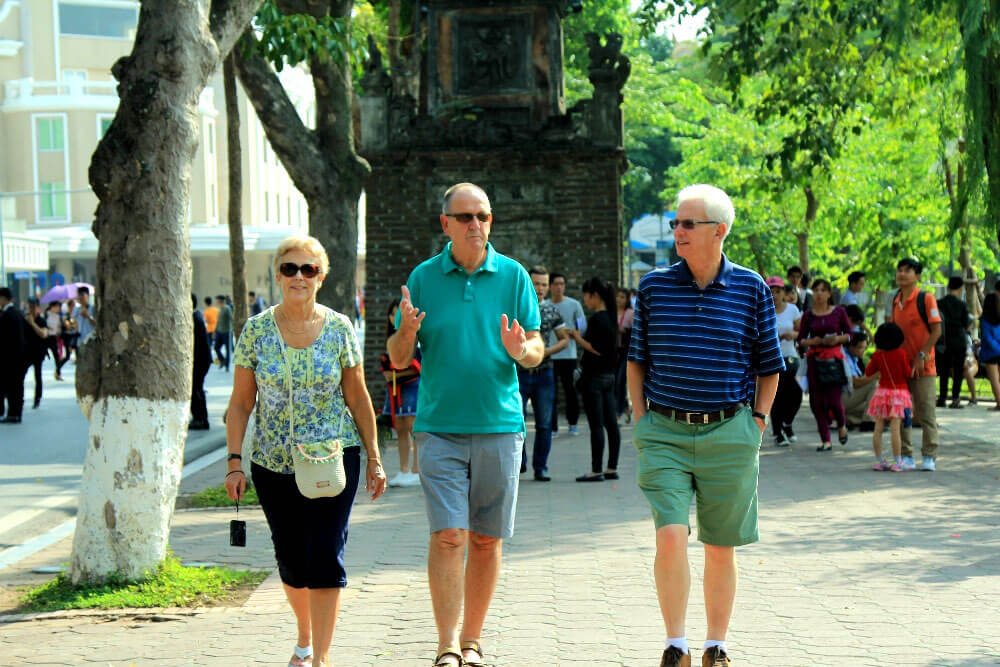
Safety and health considerations for travelers visiting Vietnam
Personal Safety And Everyday Awareness
Most safety concerns in Vietnam relate to minor issues such as pickpocketing, bag snatching, or petty scams in crowded areas. These situations are generally preventable by staying alert, securing valuables, and avoiding distractions in busy streets or public transportation hubs.
Practicing situational awareness is a key part of what to know before traveling to Vietnam, especially in large cities where traffic and pedestrian environments may feel overwhelming at first. Using reputable transportation services and keeping personal belongings close significantly reduces potential risks.
Common Scams And How To Avoid Them
Tourist-oriented scams, though not widespread, can occur in popular destinations. These may include overcharging, misleading tour offers, or unofficial transportation services. Being informed in advance is a valuable part of what to know before traveling to Vietnam, as awareness often prevents problems before they arise. Choosing licensed operators, confirming prices in advance, and relying on trusted recommendations help travelers navigate unfamiliar situations with confidence and peace of mind.
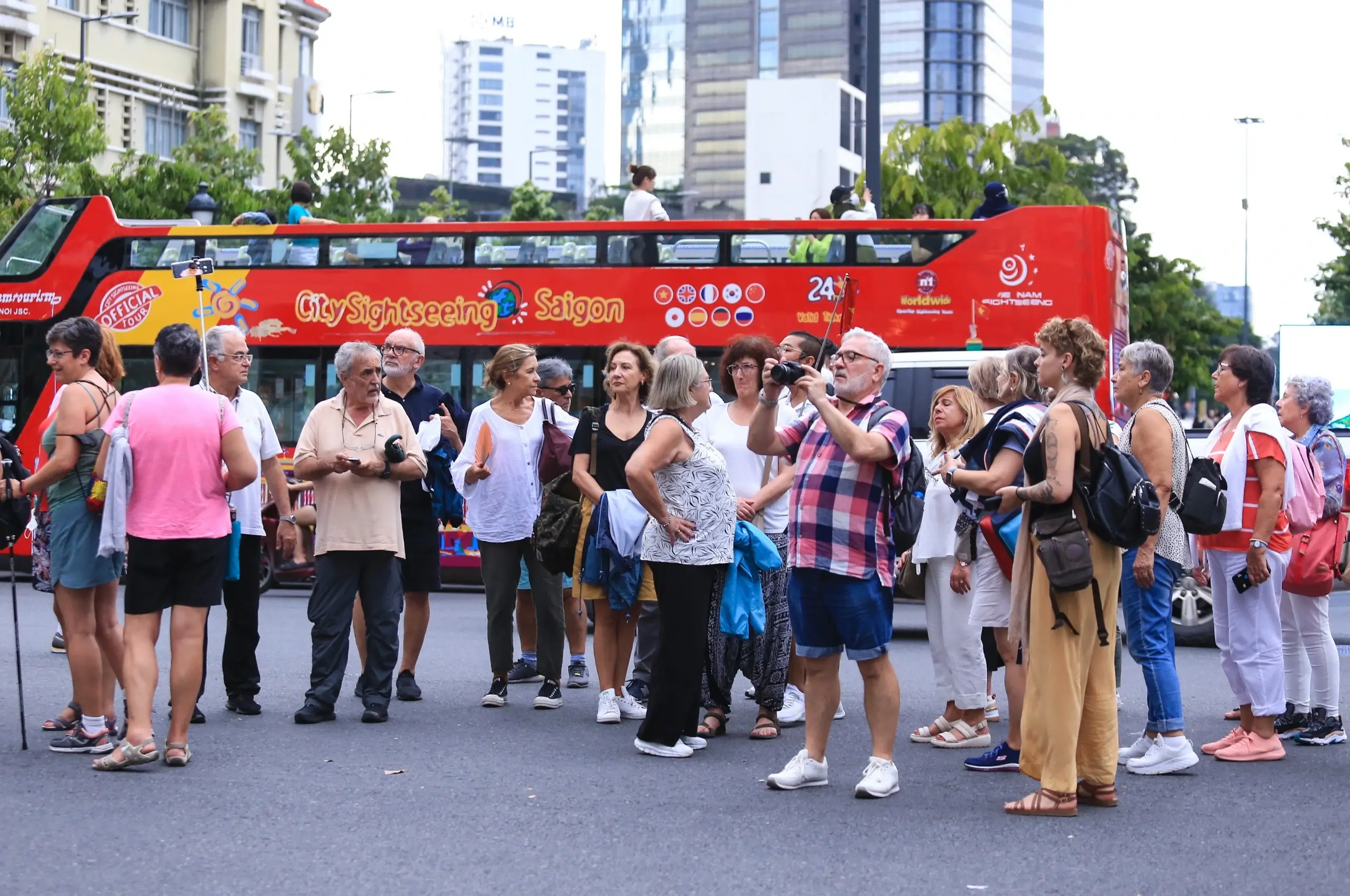
Common travel scams in Vietnam and how visitors can avoid them
Health Considerations And Travel Preparation
Health-related preparation is another important aspect of what to know before traveling to Vietnam. Travelers should consider routine vaccinations and carry basic medications for common issues such as digestive discomfort or minor illnesses. While healthcare facilities in major cities are well-developed, access may be more limited in remote areas.
Staying hydrated, taking breaks in hot weather, and listening to one’s body are practical habits that contribute to a healthier travel experience. Travel insurance is also strongly recommended to cover unexpected medical needs or trip disruptions.
Practical Travel Tips For First-Time Visitors To Vietnam
Practical preparation often determines how smoothly a trip unfolds, making this section a valuable part of what to know before traveling to Vietnam. Beyond visas, weather, and budgeting, everyday logistics can strongly influence comfort and efficiency during the journey. Travelers who prepare for local transportation, packing needs, and connectivity tend to feel more confident and adaptable once they arrive.
Understanding Vietnam transportation tips helps first-time visitors navigate unfamiliar systems while saving time and avoiding unnecessary stress. Combined with thoughtful packing and basic digital preparation, these practical considerations contribute to a more enjoyable travel experience.
For more experience-based advice that helps avoid common mistakes, travelers can review Best Vietnam Tours practical Vietnam travel tips before their trip.
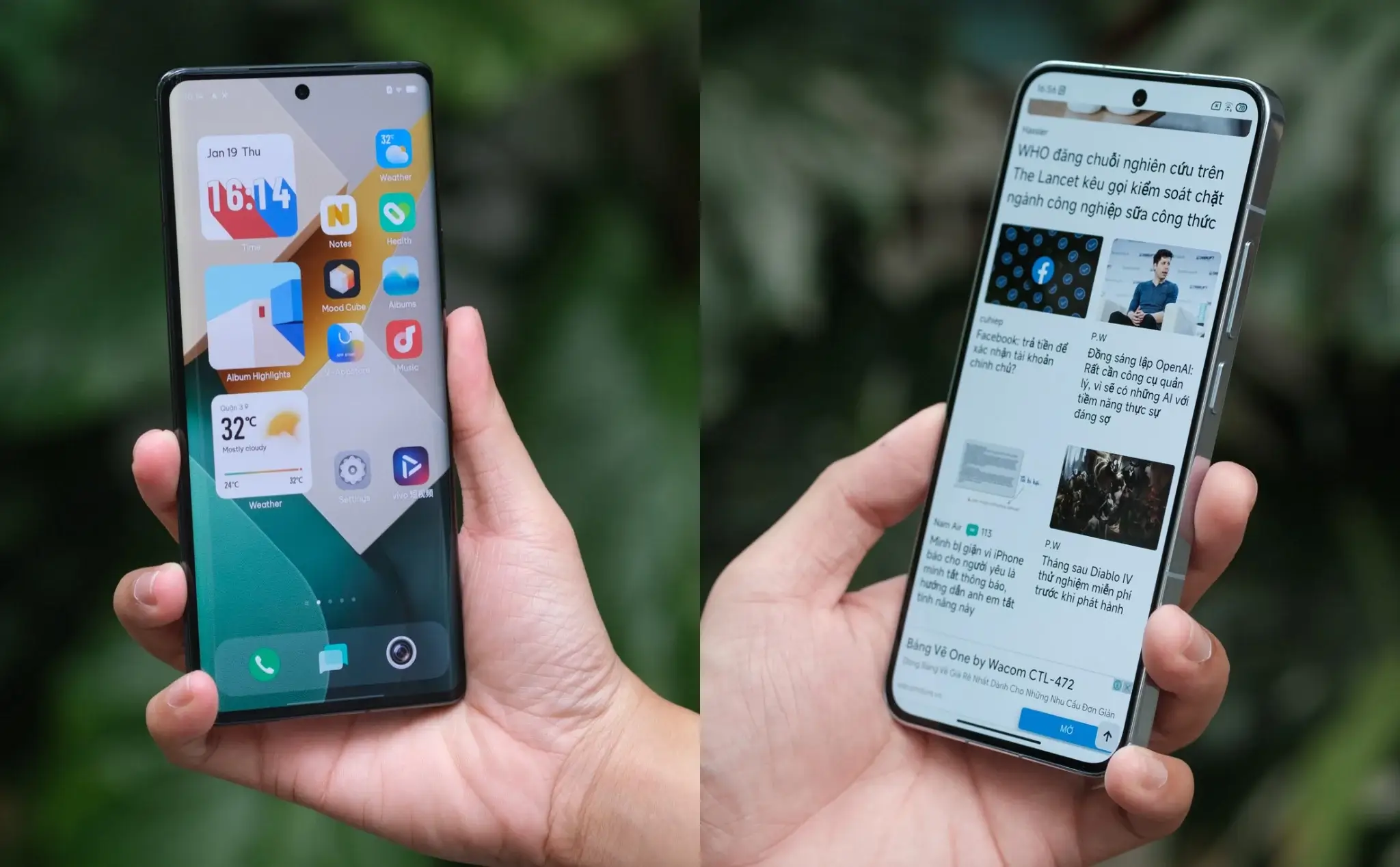
Practical travel tips for navigating Vietnam
Packing Essentials For Comfort And Convenience
Packing appropriately can significantly enhance travel comfort. Lightweight clothing, comfortable walking shoes, and sun protection are practical choices for Vietnam’s climate. A compact daypack, reusable water bottle, and basic medical supplies can also prove useful throughout the trip.
Knowing what to prepare in advance is a practical extension of what to know before traveling to Vietnam, helping travelers adapt easily to changing weather conditions and varied activities without overpacking. Travelers who want more detailed planning advice, including suggested itineraries and destination highlights, can refer to Best Vietnam Tours in-depth Vietnam travel guide.
Getting Around Cities And Between Destinations
Vietnam offers a wide range of transportation options, from domestic flights and long-distance trains to taxis and app-based ride services. Major cities have well-developed transport networks, while travel between regions is relatively convenient and affordable. However, traffic conditions can be intense, especially for those unaccustomed to local driving styles.
Being flexible with travel time and choosing reliable transport providers are essential aspects of what to know before traveling to Vietnam, particularly for visitors planning multi-city itineraries.
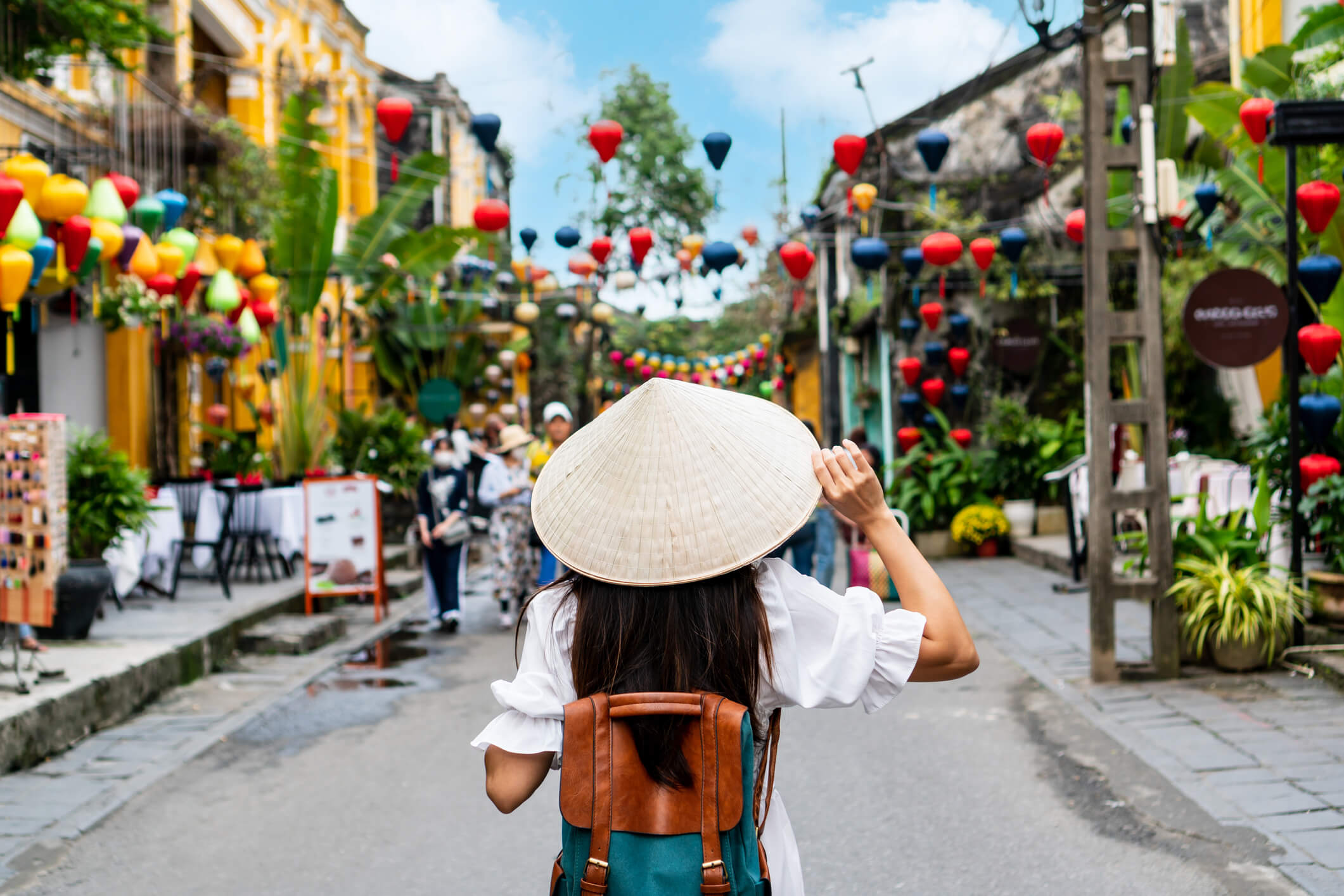
Transportation and navigation options for travelers in Vietnam
Connectivity, Apps, And Travel Tools
Staying connected is increasingly important for navigation, communication, and planning on the go. Local SIM cards and mobile data services are widely available and affordable, providing reliable access to maps, translation tools, and transportation apps. Digital payment apps and booking platforms further simplify daily travel decisions.
These tools support independent exploration and reflect a modern understanding of what to know before traveling to Vietnam, especially for travelers who prefer flexible, self-guided experiences. To navigate cities, manage transportation, and communicate more easily, having the right mobile tools is essential, and a curated list of useful apps for Vietnam travel can significantly simplify the experience.
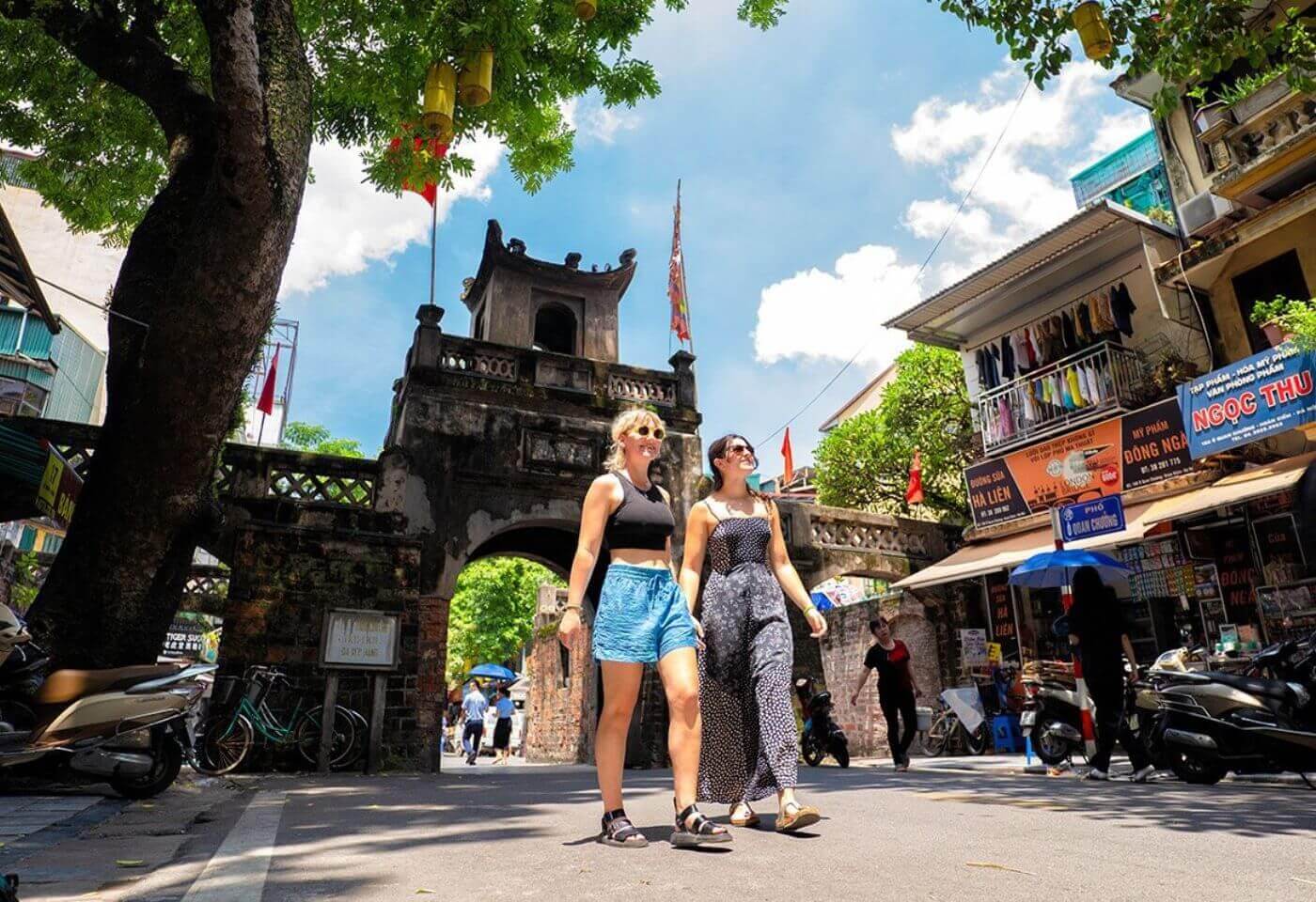
what to know before traveling to Vietnam
Conclusion
Traveling to Vietnam in 2026 can be an enriching and rewarding experience when approached with the right preparation and mindset. From understanding entry regulations and seasonal differences to respecting cultural norms, managing budgets, and staying aware of everyday safety considerations, each element contributes to a smoother and more meaningful journey. Bringing all of these aspects together is the final step in fully grasping what to know before traveling to Vietnam, allowing travelers to move with confidence, flexibility, and cultural sensitivity throughout their trip.
For those who prefer expert support, well-designed itineraries, and up-to-date local insight, Best Vietnam Tours provides carefully curated travel experiences that help visitors explore Vietnam comfortably and responsibly. Whether you are planning your first visit or returning for a deeper discovery, choosing the right guidance can transform a good trip into a truly memorable one.
Connect with us to explore tailored itineraries and stay updated on our latest travel deals.
- WhatsApp: +84.968804998
- Email: info@bestour.net
- Address:No. 55 Bui Thi Xuan Street, Hai Ba Trung Ward, Hanoi, Vietnam
- Fanpage:Best Vietnam Tours