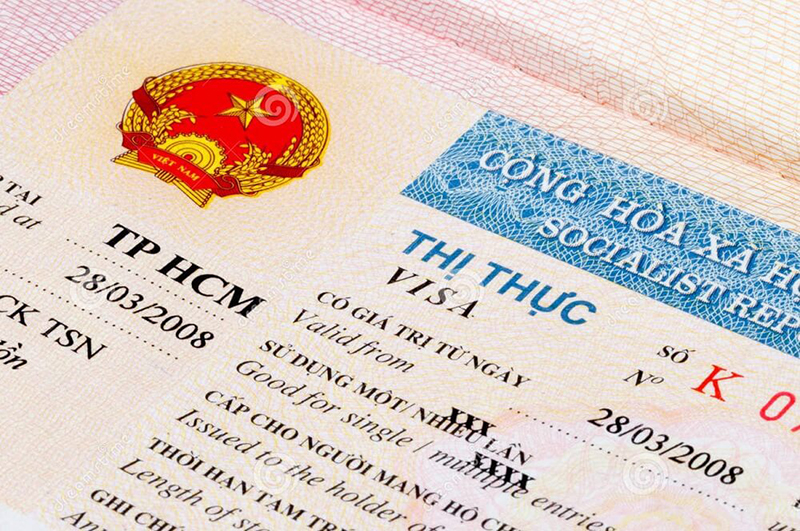
Stretching from mist-covered mountains in the North to the fertile delta in the South, Vietnam is a country shaped by centuries of resilience, spirituality, and community spirit. At its heart, Vietnamese culture reflects a delicate balance between deep-rooted traditions and rapid modernization. Family bonds remain strong, ancestral reverence continues in everyday households, and social harmony guides personal behavior across generations. For international travelers seeking authentic understanding beyond landmarks, cultural awareness transforms every interaction into meaningful connection.
Through the expertise of Best Vietnam Tours, visitors gain more than itineraries, they gain insight into values, rituals, and lived experiences that define the nation. This guide explores the historical foundations, social structures, spiritual practices, and daily rhythms that continue to shape Vietnam today. Travelers seeking practical cultural insights can also read our guide on vietnam culture for tourists before planning their journey.
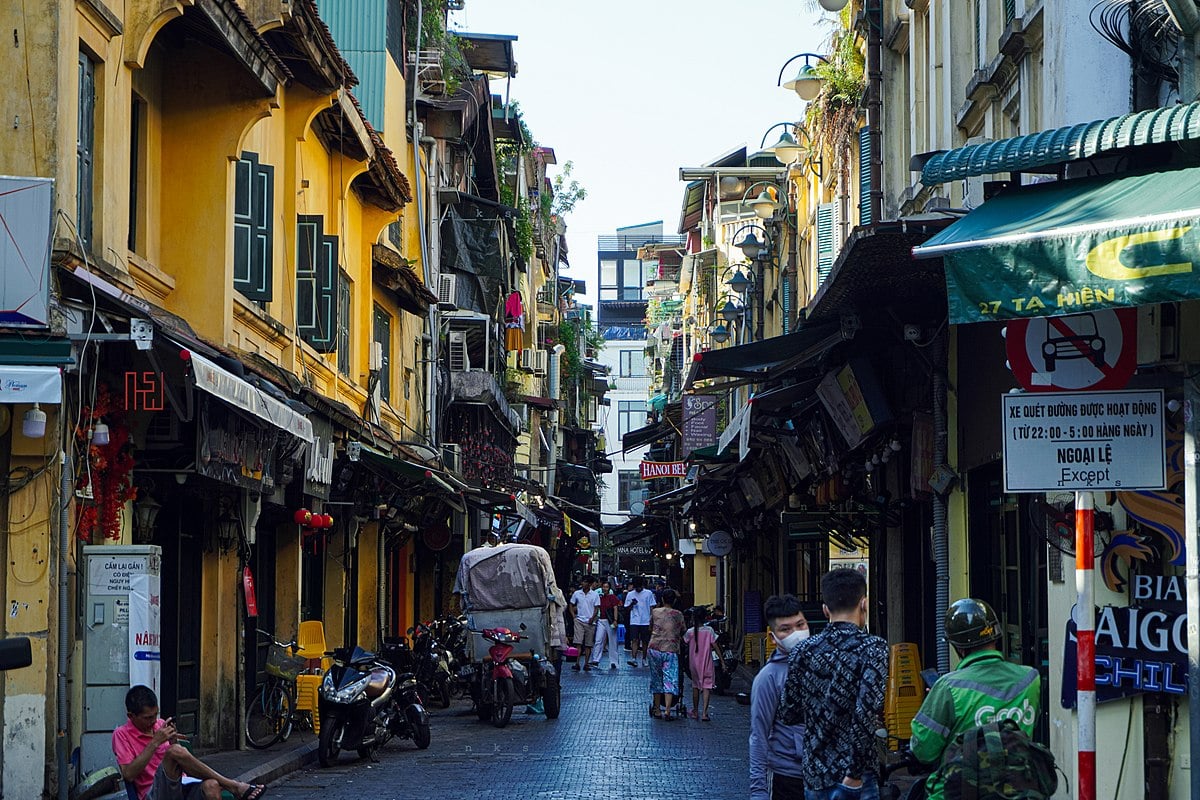
Local life and travelers walking through Hanoi Old Quarter reflecting Vietnam’s cultural identity
The Historical Foundations of Vietnamese Identity
Understanding modern Vietnam requires examining the long historical journey that shaped its national character. At its core, culture reflects centuries of adaptation, resilience, and continuity. A broader overview of these historical foundations can be explored in our detailed cultural guide. Despite foreign influence and political upheaval, core social values have remained remarkably stable, forming a strong sense of identity that continues to guide society today.
Ancient Civilizations and Early Cultural Roots
The earliest communities in the Red River Delta were built around wet-rice agriculture, where cooperation ensured survival. Villages functioned as tightly connected social units, prioritizing collective well-being over individual ambition. These early patterns of communal living laid the groundwork for Vietnamese culture, embedding solidarity and shared responsibility into everyday life.
Archaeological artifacts such as Dong Son bronze drums reveal a society rich in symbolism and spiritual meaning. Nature, ancestors, and seasonal cycles were deeply respected, demonstrating that reverence for harmony between humanity and the environment.
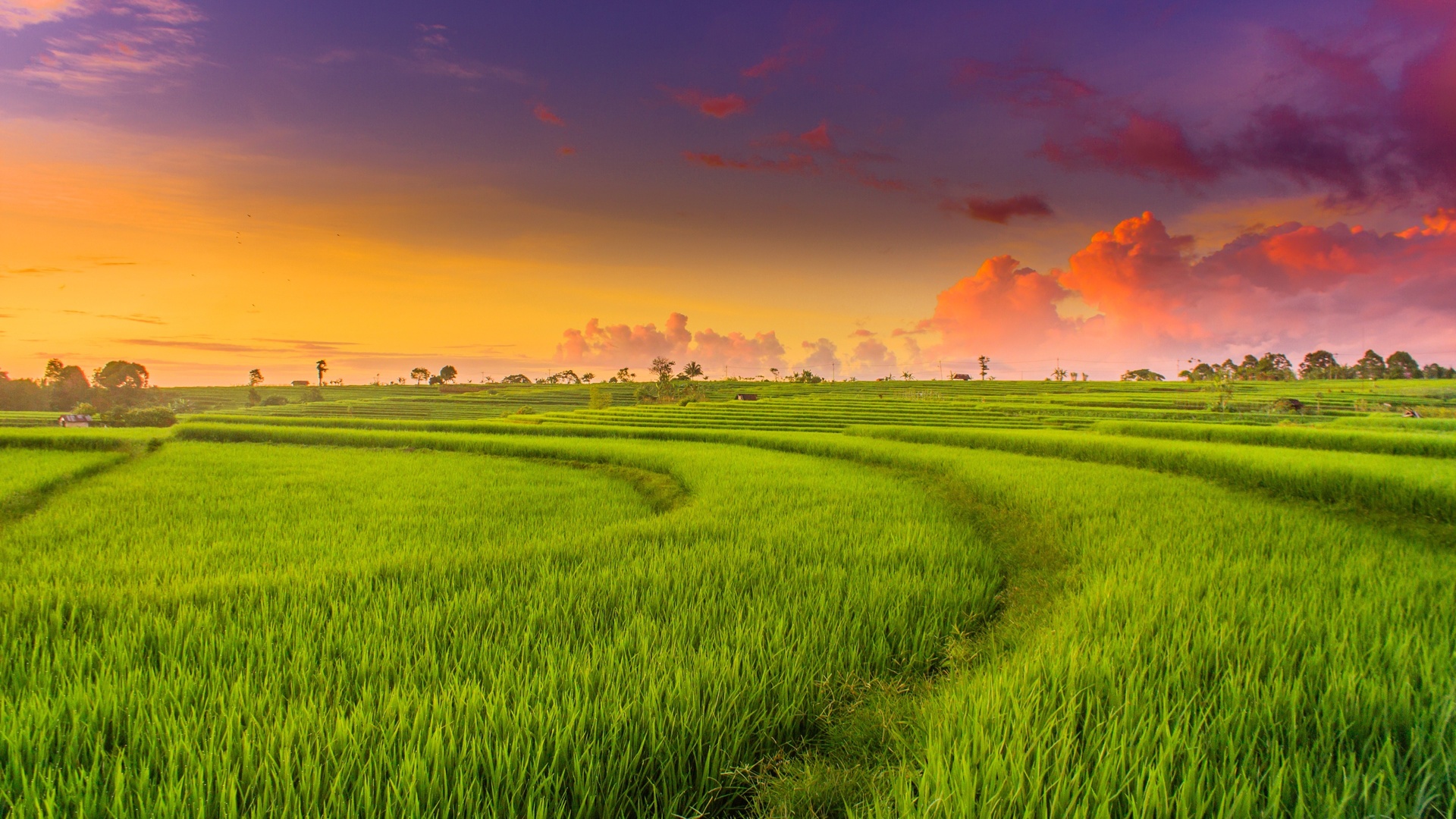
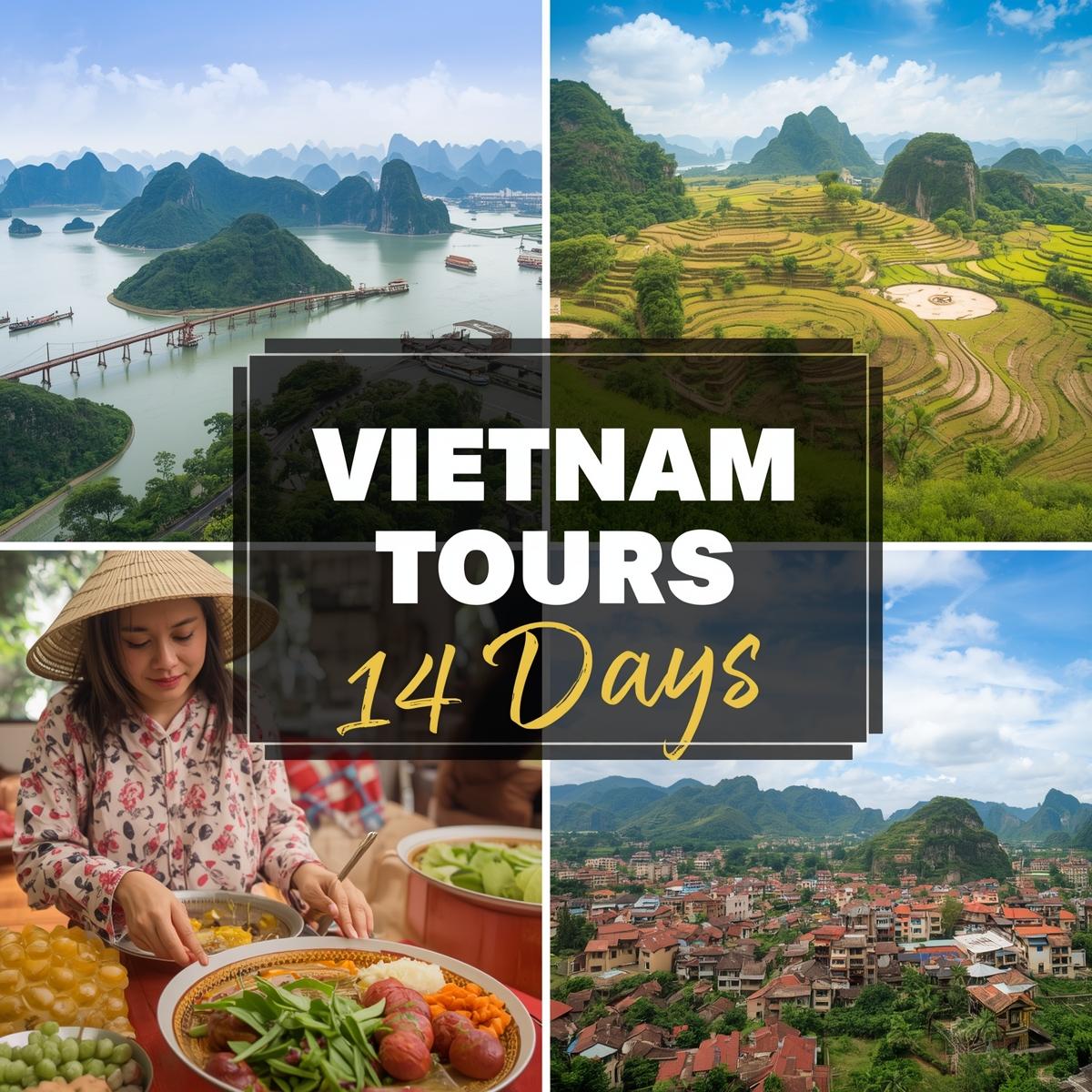
Rice terraces and traditional village landscape representing early agricultural civilization in Vietnam.
Chinese, French, and Regional Influences
More than a thousand years of Chinese governance introduced Confucian philosophy, administrative systems, and educational ideals. While these influences reshaped governance and social hierarchy, local traditions persisted. The ability to absorb external ideas without losing identity became a defining feature of Vietnamese culture.
French colonial rule later added architectural, religious, and intellectual dimensions. Urban landscapes still display European aesthetics blended with local design, through selective adaptation rather than replacement.
Resilience Through War and Modern Transformation
The twentieth century tested the nation through conflict and reconstruction. Collective endurance and intergenerational sacrifice strengthened unity across communities. These experiences reinforced perseverance as a defining trait shaping attitudes toward hardship and progress.
Economic reforms and globalization have accelerated modernization, yet historical consciousness remains influential. Even amid rapid development, respect for elders, social harmony, and communal responsibility continue to anchor Vietnamese culture, proving that history is not a distant memory but an active force in contemporary life.
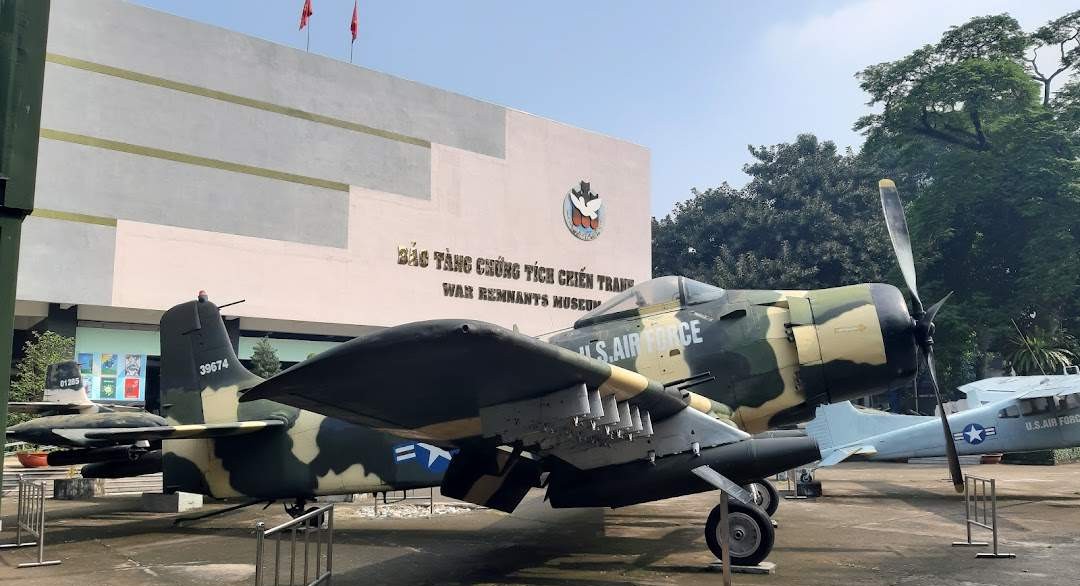
Modern Vietnamese city skyline shaped by historical transformation and resilience
Family, Community, and Social Structure
Family and community are the structural pillars that sustain social order across generations. Within Vietnamese culture, identity is rarely defined by individual achievement alone; it is deeply connected to family lineage, collective honor, and shared responsibility. Social relationships form a network of obligation and care that influences education, career choices, and personal decisions.
The Central Role of Family
The household is traditionally multi-generational, often including grandparents, parents, and children under one roof. This arrangement reinforces continuity and interdependence, reflecting the strength of Vietnamese family values in shaping behavior and expectations. Elders are viewed as moral authorities, and their guidance carries significant weight in major life decisions.
Respect for parents is not merely symbolic but expressed through everyday actions, financial support, cohabitation, and regular visits. Within culture, filial devotion is both a moral duty and a social norm, strengthening stability within communities.
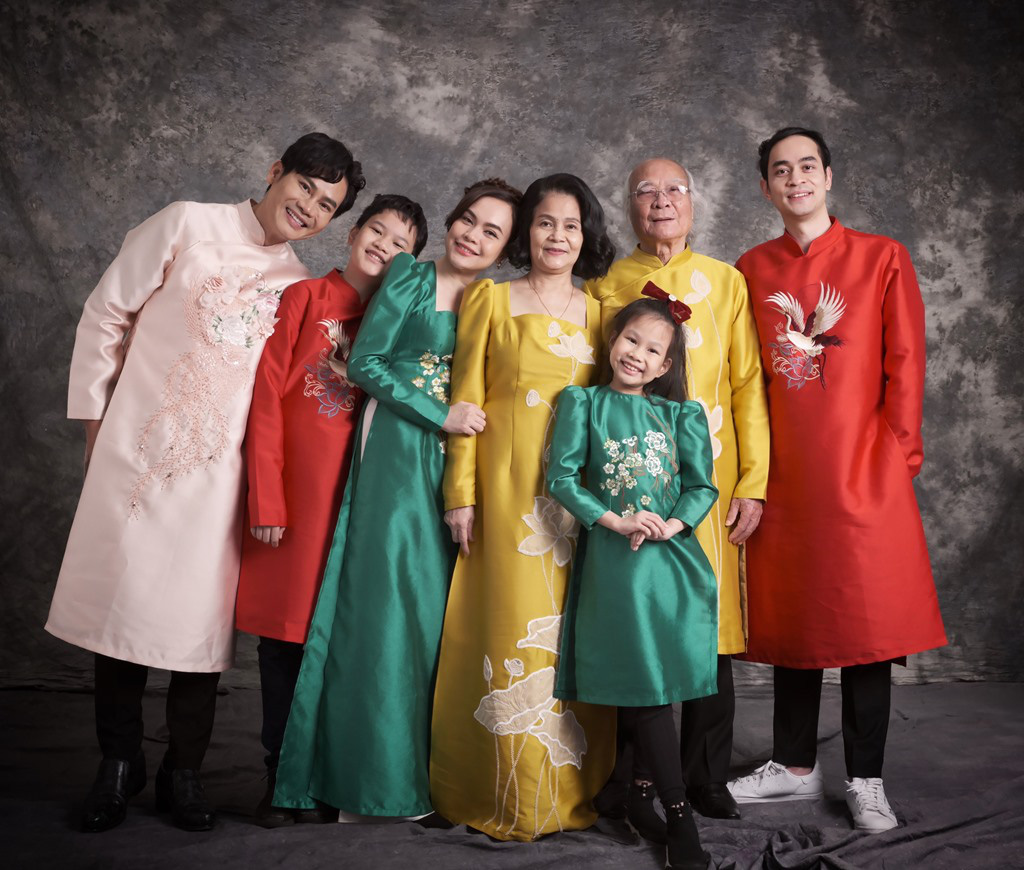
Multi-generational Vietnamese family gathering at home during a traditional celebration
Respect, Hierarchy, and Social Harmony
Social interaction is guided by clearly defined roles and age-based hierarchy. Language itself encodes respect, as pronouns shift depending on status and relationship. These patterns reflect deeply rooted Vietnamese social norms that prioritize harmony over confrontation.
Public disagreement is often softened to avoid embarrassment or loss of face. Maintaining balance within groups is considered more important than asserting personal opinion. In this way, Vietnamese culture emphasizes relational awareness and emotional intelligence in everyday exchanges.
Community Spirit in Rural and Urban Life
Beyond the family unit, neighborhood and village ties remain influential even in rapidly modernizing cities. Community celebrations, shared responsibilities, and mutual support systems demonstrate the continuity of Vietnamese daily life traditions across rural and urban spaces.
Collective cooperation remains visible in festivals, local initiatives, and informal social networks. Whether in small countryside villages or dynamic metropolitan districts, culture continues to prioritize interconnectedness, reinforcing the idea that identity is shaped not in isolation, but through community. Visitors who want practical behavioral guidance can review our complete guide on vietnam travel dos and donts before interacting in local settings.
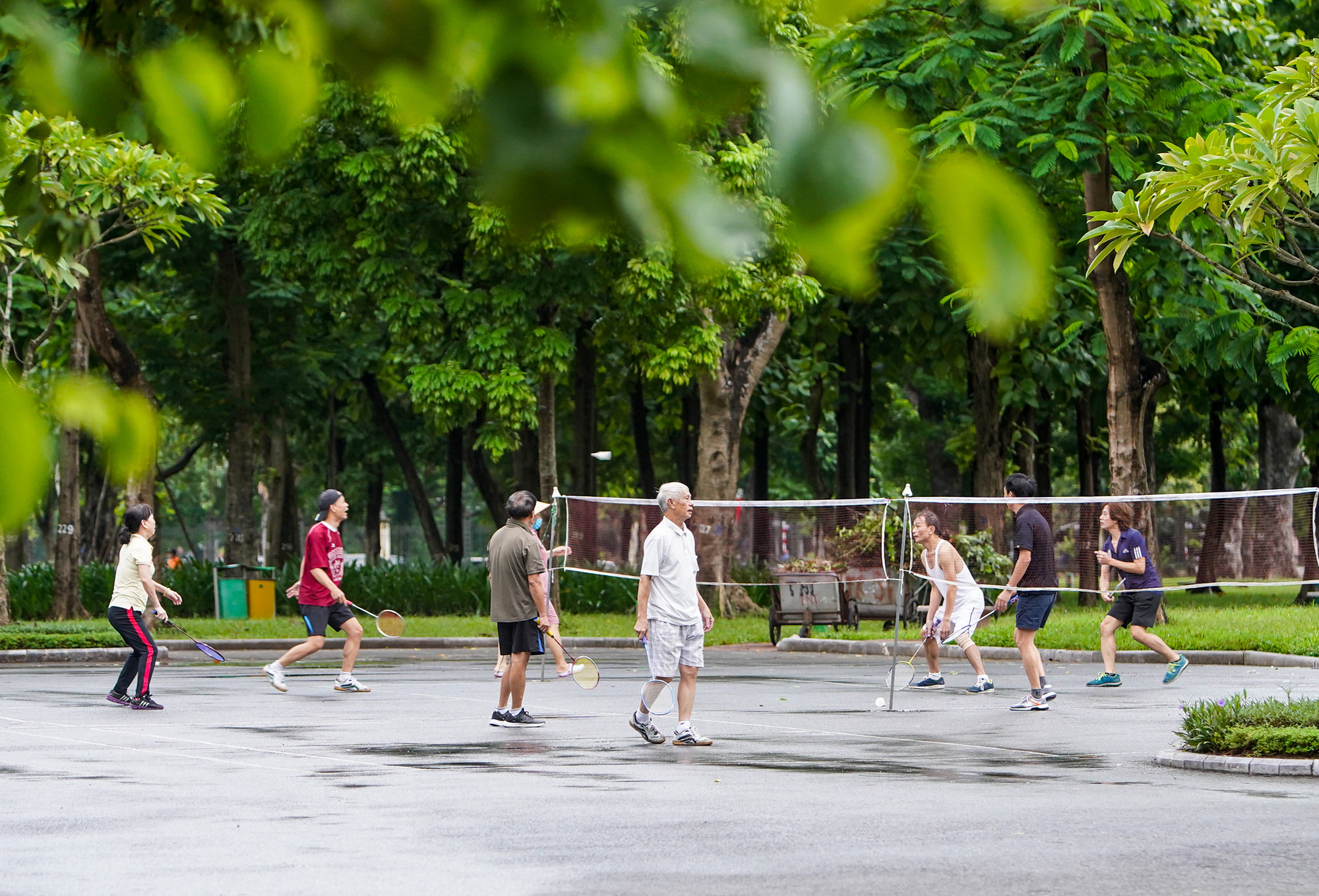
Community members working together in a rural village environment
Spiritual Life and Traditional Beliefs
Spirituality plays a profound role in shaping moral behavior, family structure, and social responsibility. Within Vietnamese culture, religious practice is less about strict doctrine and more about harmony between the living, the deceased, and the natural world. Faith is woven into everyday routines rather than confined to formal institutions.
Ancestor Worship and Home Altars
In most households, a home altar stands as a symbolic bridge between generations. This practice reflects the enduring importance of Vietnamese beliefs and religion, where honoring ancestors ensures spiritual protection and continuity. Offerings of fruit, incense, and flowers are presented on important dates, reinforcing remembrance as a living tradition.
Rather than viewing death as separation, families maintain ongoing relationships with those who came before them. Through these rituals, Vietnamese culture expresses gratitude, lineage pride, and the belief that family extends beyond physical life.
Major Annual Celebrations
Seasonal celebrations unite communities across regions and generations. Lunar New Year remains the most significant holiday, marking renewal, reunion, and hope for prosperity. These events illustrate the vibrancy of Vietnamese festivals, where symbolic foods, ancestral ceremonies, and communal gatherings strengthen collective identity.
Beyond Tet, mid-autumn celebrations and local temple festivals reinforce gratitude toward deities and ancestors. In each case, culture transforms celebration into an affirmation of shared history and spiritual continuity.
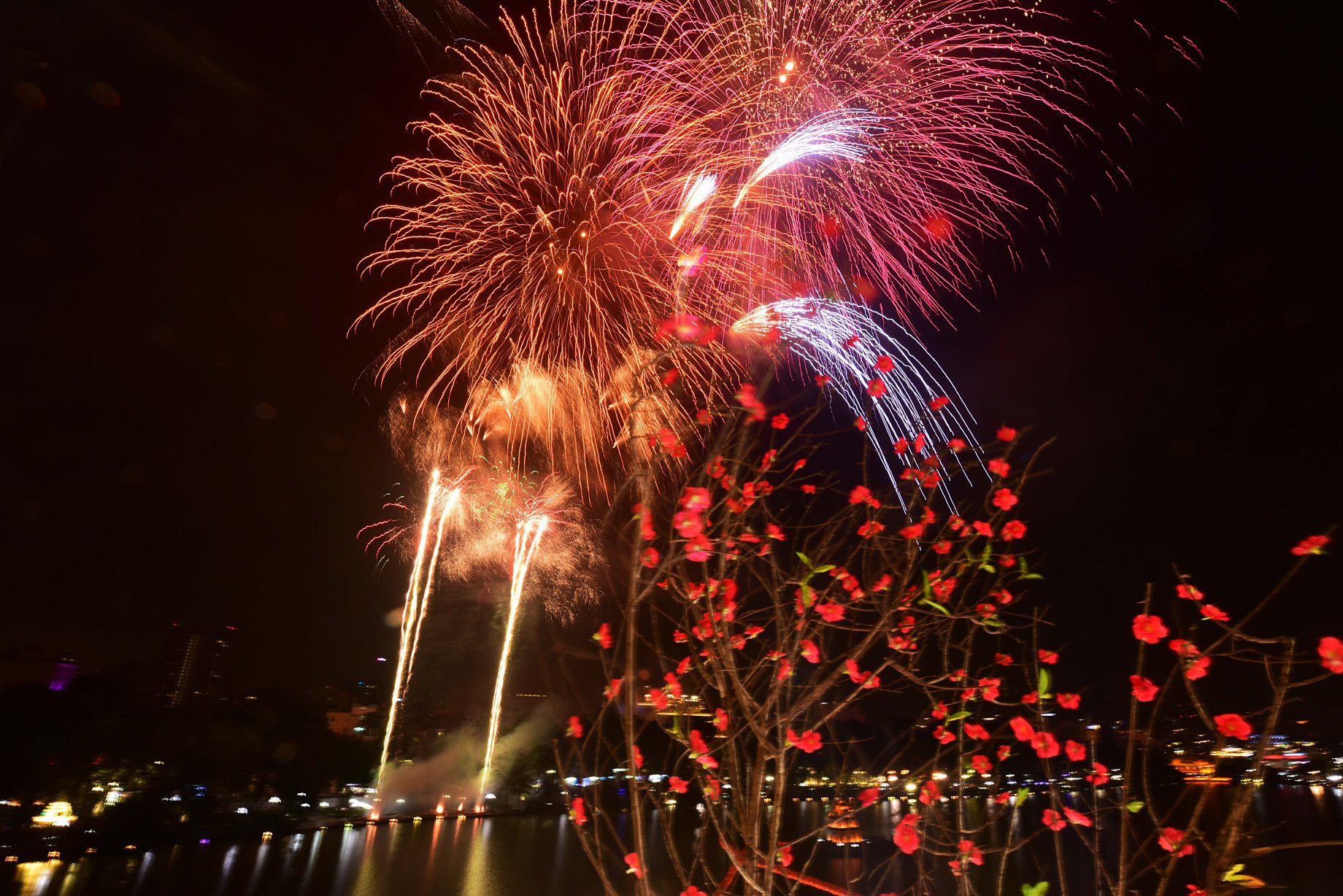
Colorful lantern festival celebration in central Vietnam
Rituals and Cultural Ceremonies
Life milestones such as weddings, funerals, and coming-of-age rituals reflect layered symbolism. Ceremonies emphasize respect for elders, blessings for prosperity, and acknowledgment of communal support. Even as modern lifestyles evolve, many families preserve traditional rites to maintain balance between old and new.
Through ritual practice, Vietnamese culture demonstrates that spirituality is not separate from social life—it is embedded in relationships, memory, and collective responsibility. The sacred and the everyday coexist seamlessly, shaping a worldview grounded in continuity and reverence.
Customs, Etiquette, and Everyday Behavior
Daily interaction in Vietnam is guided by subtle codes of conduct shaped over generations. Behavior reflects respect, modesty, and awareness of social hierarchy. Politeness is not merely a courtesy but a reflection of moral upbringing and family reputation. For practical guidance on behavior and social expectations, readers can explore our detailed guide on Vietnam etiquette for foreigners.
Greetings and Politeness Rules
Forms of address depend on age, status, and relationship. Rather than using fixed pronouns, speakers adjust language to show deference, a hallmark of Vietnamese etiquette. A slight bow of the head, a warm smile, or a gentle handshake communicates sincerity and respect. Public composure is highly valued. Raising one’s voice or displaying strong confrontation is generally discouraged, as maintaining harmony is essential. Social grace lies in subtlety rather than directness.

Polite greeting gesture commonly practiced in Vietnam
Dining Habits and Shared Meals
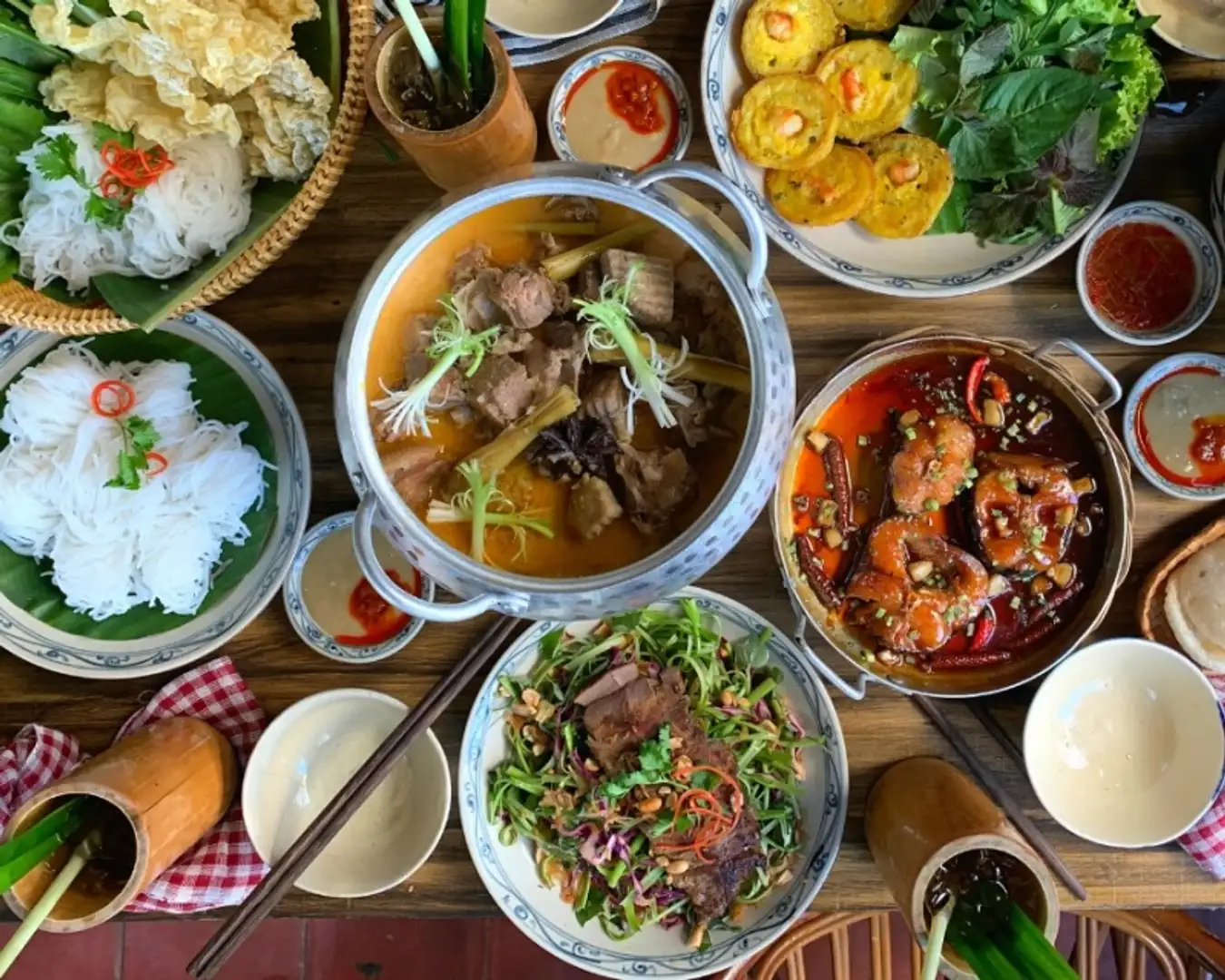
Meals are central to bonding, whether within households or among colleagues. Dishes are typically shared, reinforcing unity and equality at the table. This communal style reflects the essence of Vietnamese food culture, where dining is a collective experience rather than an individual act.
Chopstick etiquette, offering food to elders first, and waiting for the eldest person to begin are widely observed practices. Through these small gestures, Vietnamese expresses gratitude, hierarchy, and togetherness in everyday life.
Clothing and Symbolic Identity
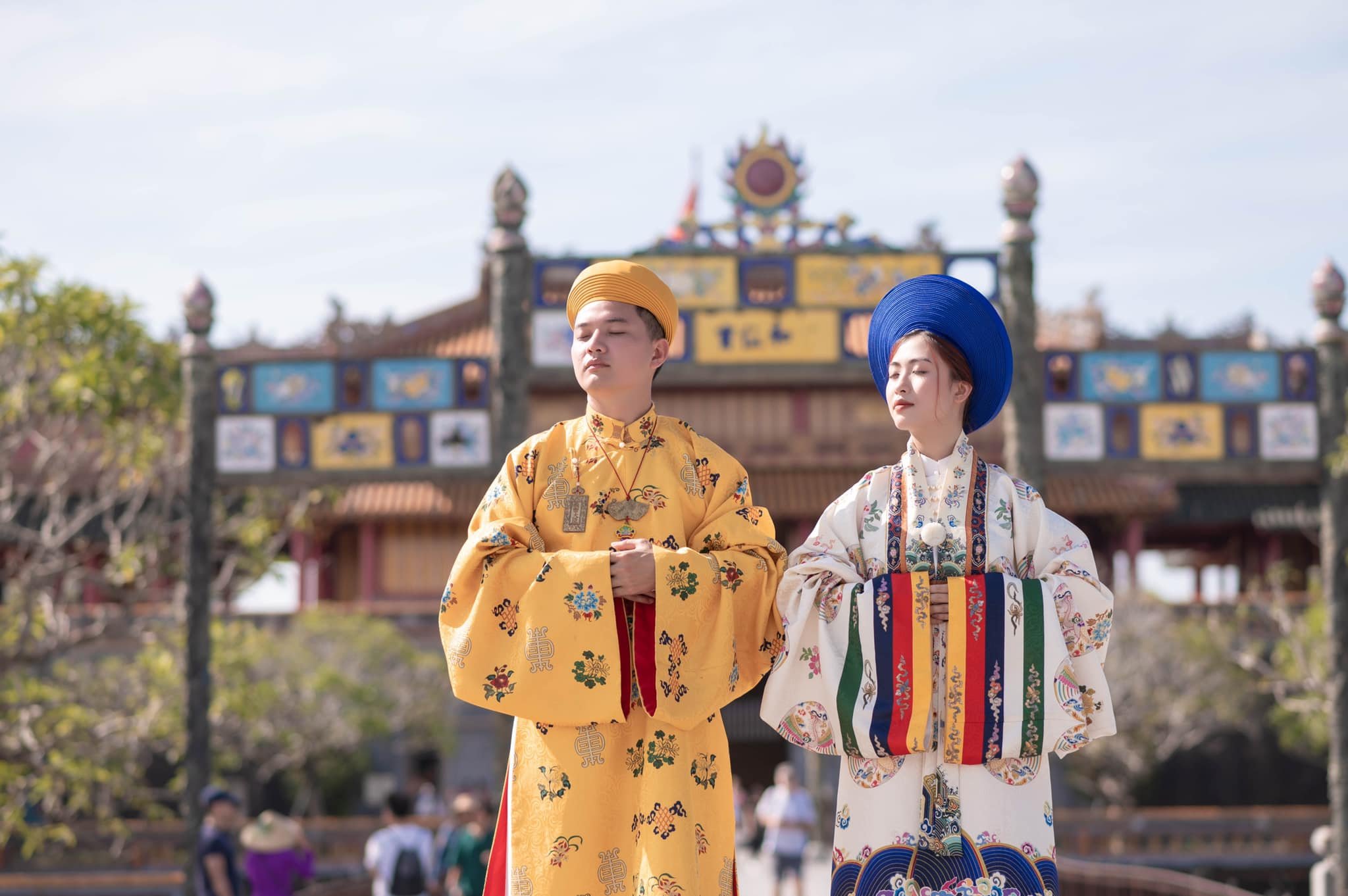
Traditional garments continue to hold symbolic meaning during ceremonies and national celebrations. The flowing áo dài, worn during formal occasions, represents grace and continuity across generations. These garments illustrate the elegance embedded within Vietnamese clothing traditions.
Even modern fashion choices often balance global trends with modest presentation. In both urban and rural settings, Vietnamese culture reflects a preference for neatness and social appropriateness, reinforcing respect through appearance as well as behavior.
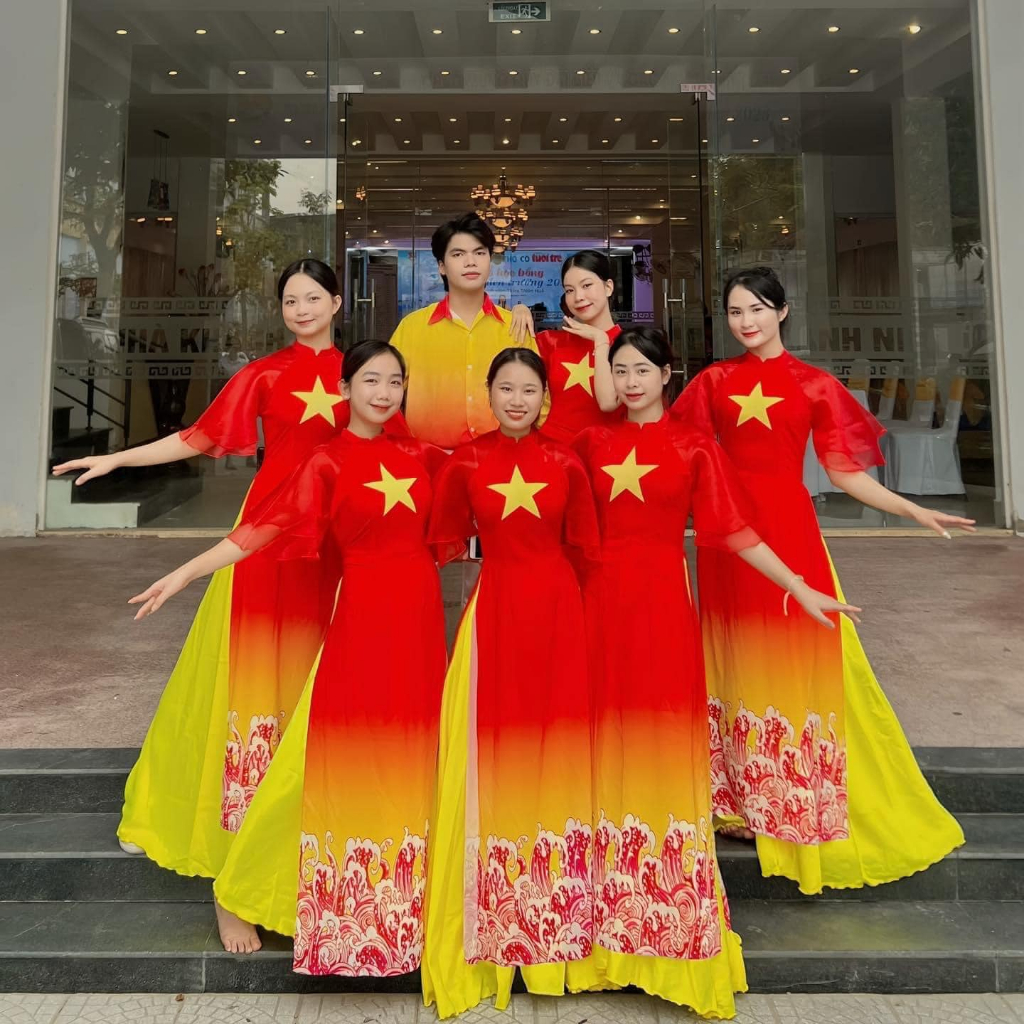
Woman wearing traditional ao dai representing cultural identity
Modern Life and Cultural Evolution
Vietnam today is experiencing rapid transformation driven by technology, education, and global integration. Yet modernization has not erased tradition. Instead, Vietnamese culture continues to adapt while preserving its historical depth, creating a dynamic balance between continuity and change.
Urbanization and Global Influence
Major cities have become centers of entrepreneurship, digital innovation, and international exchange. Young professionals study abroad, global brands enter local markets, and social media shapes communication patterns. These shifts are redefining Vietnamese customs in subtle but visible ways, especially among younger generations.
Despite these changes, family obligations and communal expectations remain strong. Even in fast-paced urban environments, Vietnamese culture retains its emphasis on respect, responsibility, and intergenerational connection.
Preserving Tradition in a Modern Era
Cultural preservation efforts are visible in education, arts, and public celebrations. Schools continue teaching history and moral philosophy rooted in Vietnamese traditions, reinforcing collective memory amid globalization.
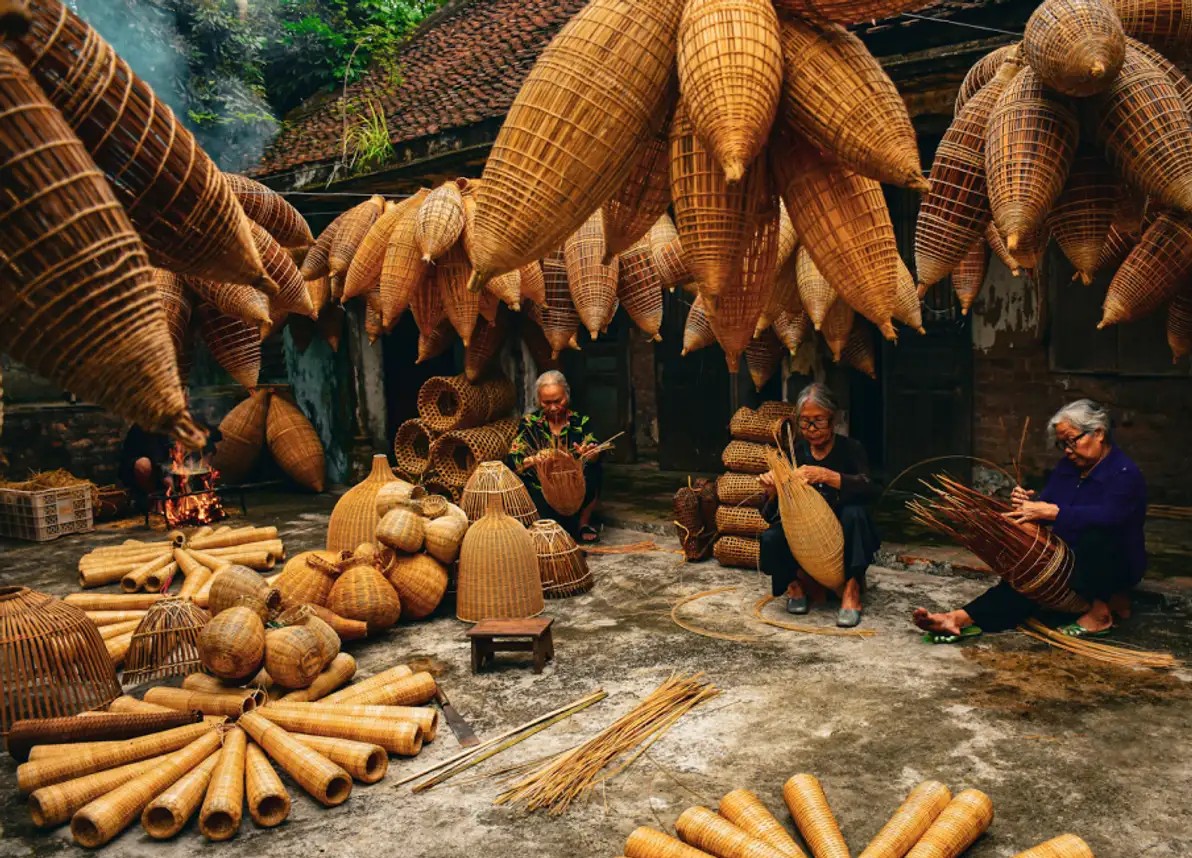
Craft villages, traditional music performances, and ceremonial practices are actively maintained, not only as heritage displays but as living expressions of identity. Through this balance, Vietnamese culture demonstrates resilience, absorbing modern influences without abandoning foundational values.
Identity in a Changing Society
Younger generations increasingly navigate dual identities: global citizens and guardians of ancestral legacy. Career mobility and international exposure expand opportunities, yet many still prioritize family bonds and community approval when making life decisions.
In this evolving landscape, Vietnamese culture proves neither static nor fragile. It evolves thoughtfully, shaped by dialogue between past and present. The result is a society that moves forward confidently while remaining anchored in its historical consciousness.
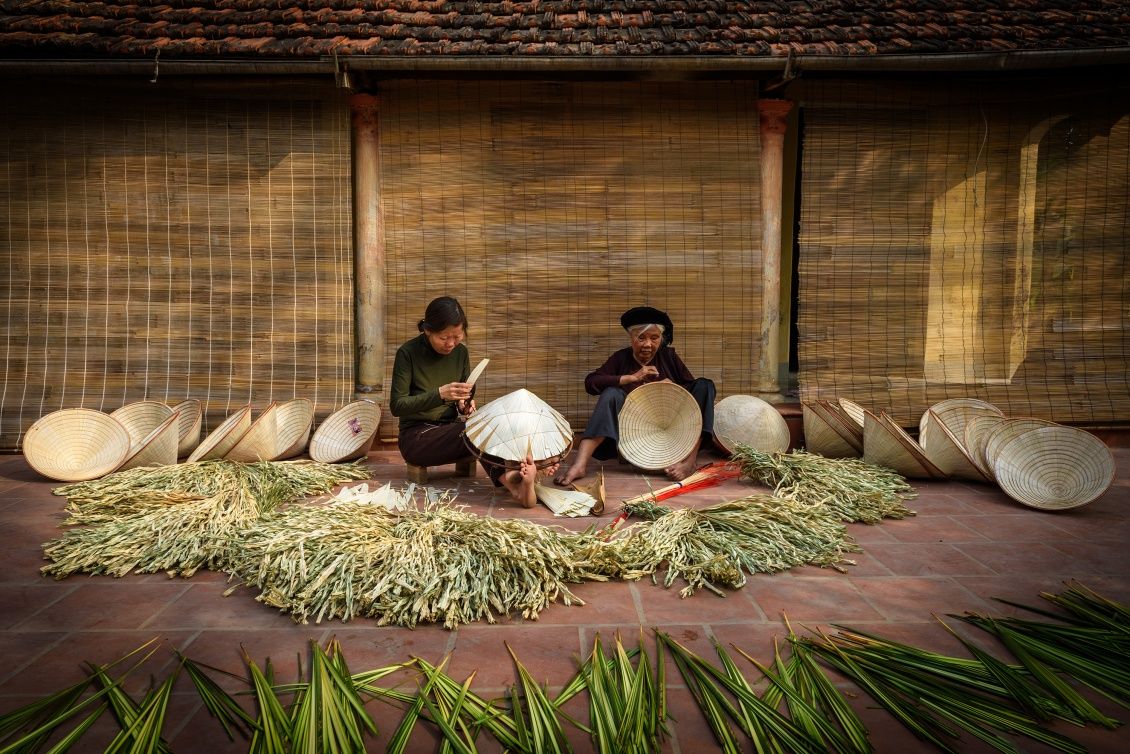
Local artisan preserving traditional craftsmanship in contemporary Vietnam
Conclusion
Vietnam’s identity has been shaped by centuries of resilience, spiritual depth, and strong community bonds. From ancestral practices to modern urban transformation, continuity remains central to national character. What makes Vietnamese culture distinctive is its ability to evolve while preserving respect, harmony, and intergenerational responsibility.
For travelers seeking more than surface-level experiences, cultural understanding enriches every journey. Meaningful encounters begin with awareness and appreciation of local values.
If you are ready to explore authentic traditions, historical depth, and everyday life beyond the guidebooks, begin your journey with Best Vietnam Tours and experience Vietnam through a deeper cultural lens.
Connect with our team to craft your perfect itinerary and receive the latest exclusive travel offers.
- WhatsApp: +84.968804998
- Email: info@bestour.net
- Address:No. 55 Bui Thi Xuan Street, Hai Ba Trung Ward, Hanoi, Vietnam
- Fanpage:Best Vietnam Tours