Major Traditional Celebrations Across the Country
Across different regions, Vietnam festivals reflect the country’s remarkable cultural diversity while maintaining shared spiritual and historical foundations. Among the major festivals in Vietnam, several stand out for their scale, symbolism, and national importance. These celebrations attract both domestic pilgrims and international travelers seeking meaningful cultural encounters.
Tet Festival in Vietnam – The Lunar New Year
No celebration embodies the spirit of renewal more fully than Tet Festival in Vietnam. As the most important holiday of the year, it marks the arrival of spring according to the lunar calendar and symbolizes fresh beginnings. During this time, families reunite, ancestral altars are carefully prepared, and homes are decorated with peach blossoms or apricot flowers depending on the region.
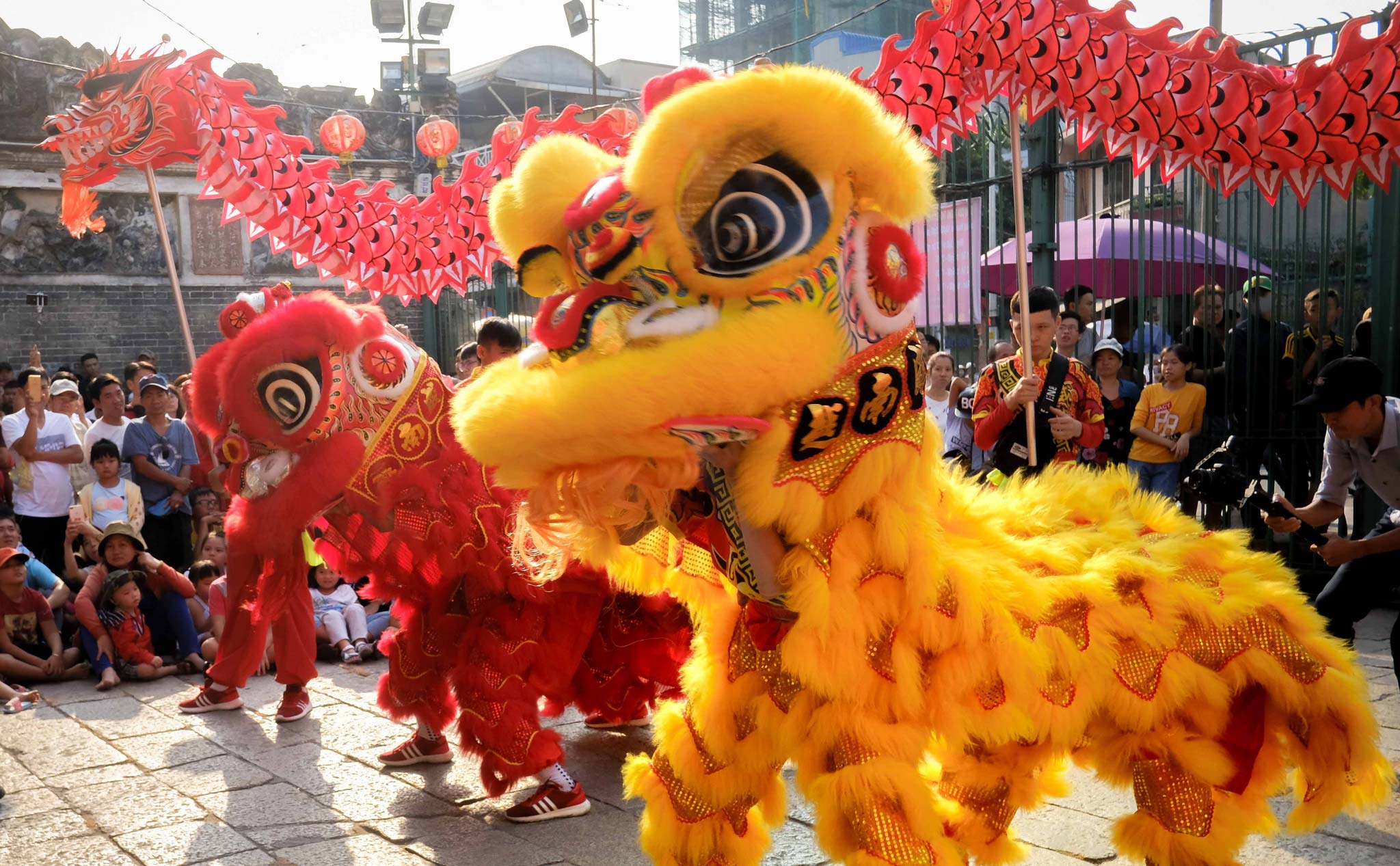
Tet blends solemn rituals with joyful public activities. Streets come alive with lion dances, fireworks, and festive markets, while temples welcome visitors praying for prosperity and good fortune. The balance between family intimacy and community celebration makes this event uniquely powerful.
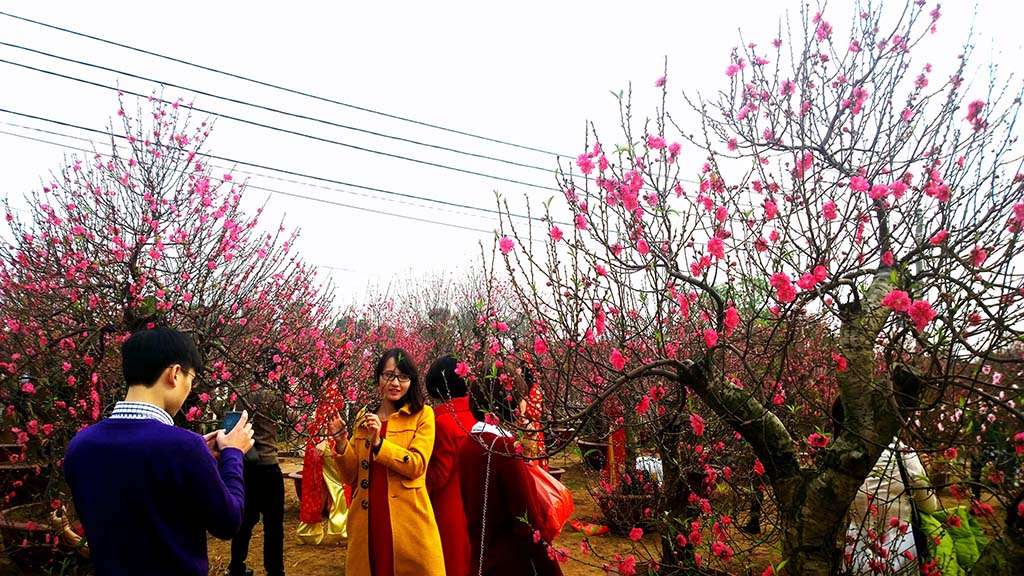
Yellow apricot blossoms decorating homes for Lunar New Year
Hung Kings Temple Festival – Honoring the Nation’s Founders
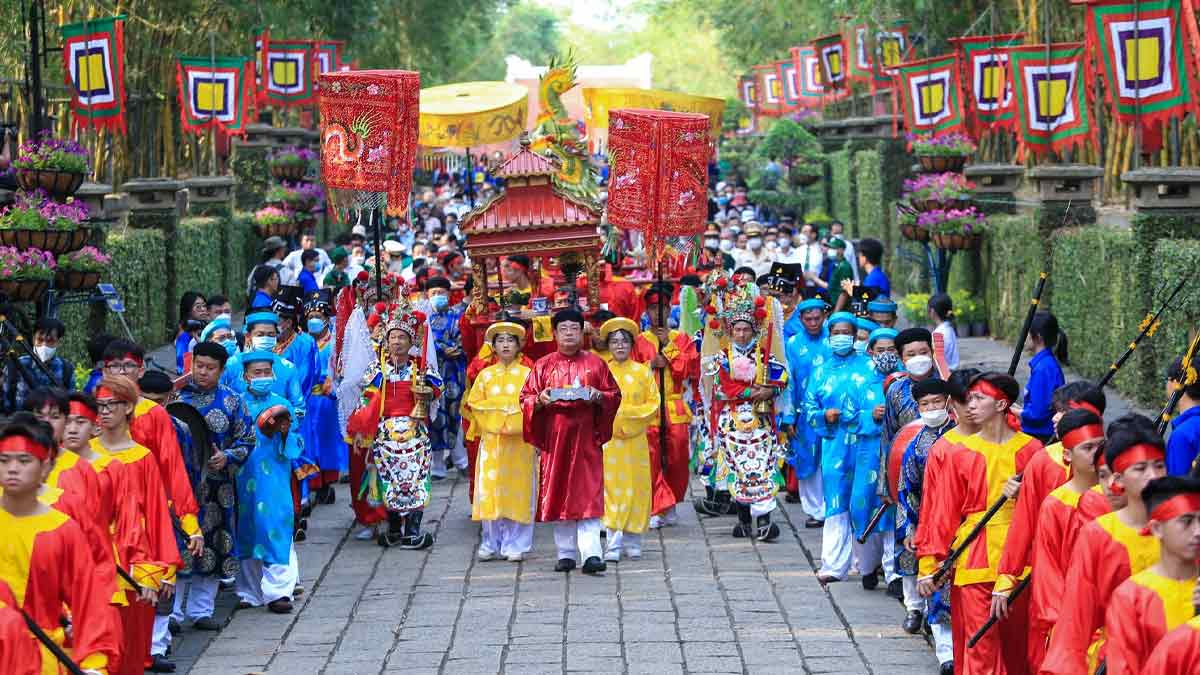
The Hung Kings Temple Festival pays tribute to the legendary founders of the nation. Held annually at the sacred complex in Phu Tho Province, this event reinforces gratitude toward ancestral rulers who shaped early Vietnamese civilization.
This commemoration stands out for its patriotic tone. Processions, drum performances, and ceremonial offerings express national unity and historical continuity. For many participants, attending the festival is both a spiritual pilgrimage and a reaffirmation of cultural identity.
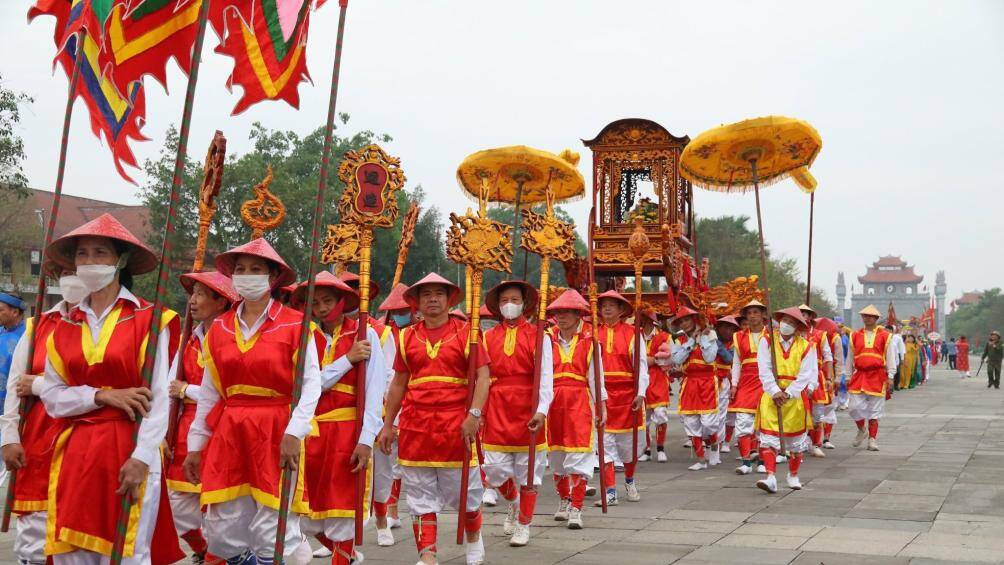
Ceremonial procession honoring the country’s legendary founders
Mid-Autumn Festival Vietnam – A Celebration of Childhood and Harvest
Celebrated on the 15th day of the eighth lunar month, the Mid-Autumn Festival Vietnam transforms urban neighborhoods and rural villages alike into lantern-filled landscapes. Traditionally associated with the harvest season, it has evolved into a joyful occasion dedicated especially to children.
Among Vietnam traditional festivals, this event is notable for its vibrant visual culture. Colorful lantern processions, lion dances, and mooncake exchanges create a festive atmosphere that blends folklore with family-centered celebration. The symbolism of the full moon reflects reunion, harmony, and gratitude for abundance.
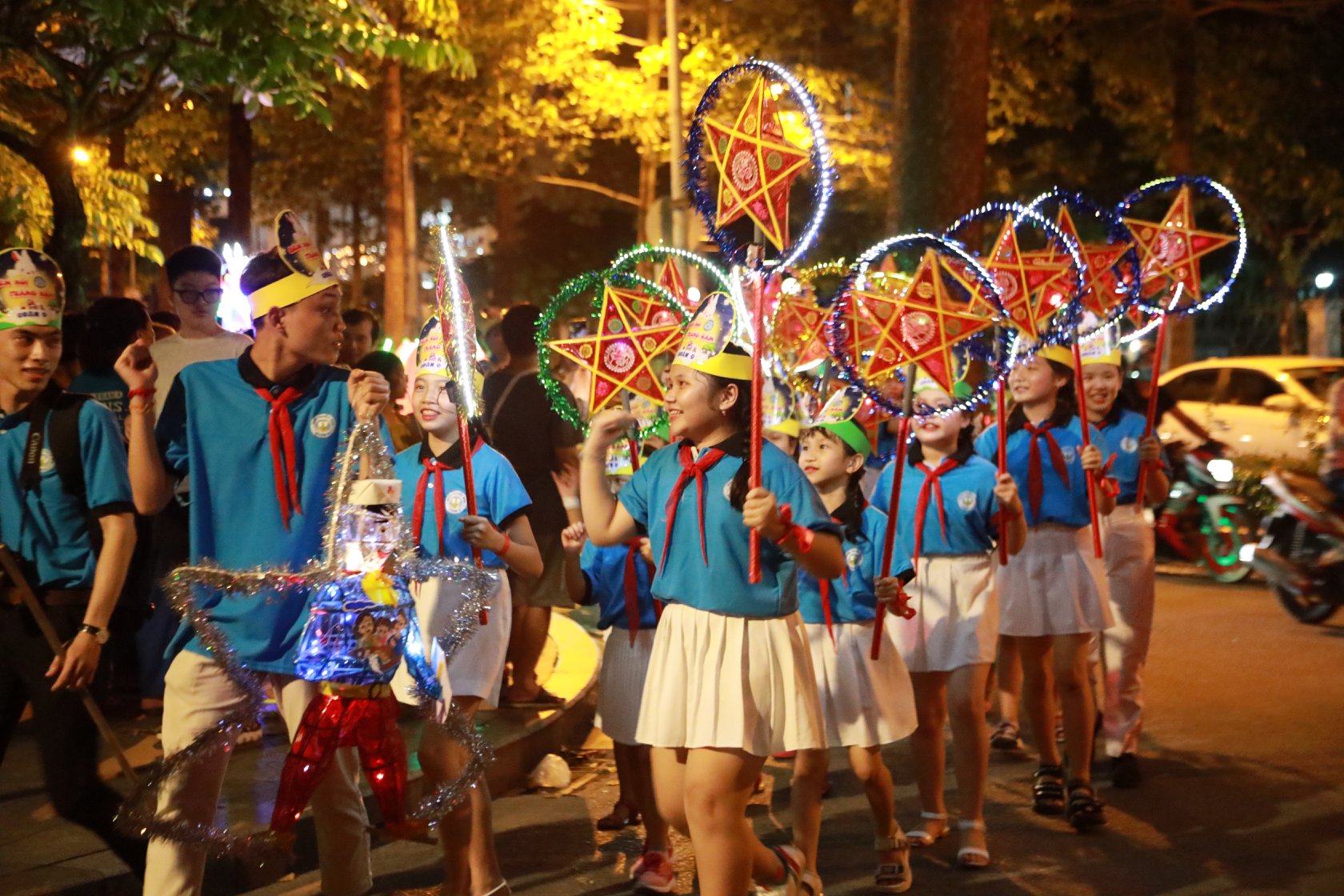
Children carrying colorful lanterns at night
Hoi An Lantern Festival – Illuminating Heritage
Set against the historic backdrop of the ancient trading port, the Hoi An Lantern Festival offers a more intimate yet equally captivating experience. On designated lunar evenings, electric lights are dimmed and thousands of handmade lanterns illuminate the streets and riverbanks.
As part of the living tapestry of Vietnam festivals, this celebration highlights the preservation of heritage within a modern tourism landscape. Visitors release floating lanterns onto the river as wishes for happiness and peace, creating a tranquil spectacle that honors both spiritual belief and architectural legacy.
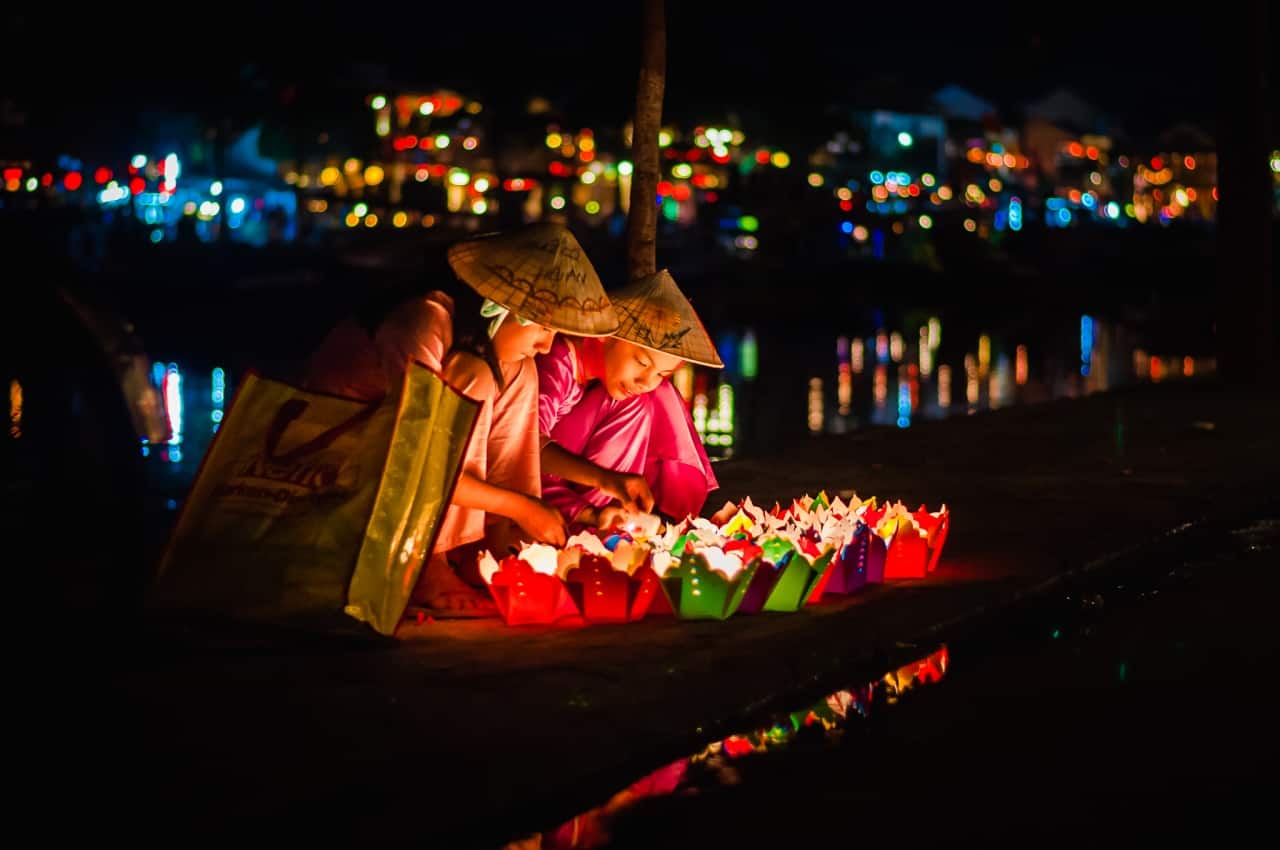
Glowing lanterns illuminating the ancient town at night
Traditional Festivals in Vietnam by Month
Understanding traditional festivals in Vietnam by month allows travelers to align their journeys with meaningful cultural events throughout the year. Because many celebrations follow the lunar calendar, dates shift annually, yet their seasonal patterns remain consistent. From vibrant spring gatherings to reflective winter rituals, each period offers distinct cultural experiences rooted in history and agricultural rhythm.
Spring (January – March)
Spring marks the most festive season of the year. Following the Lunar New Year, temples and communal houses host ceremonies that pray for prosperity, peace, and favorable weather. Pilgrimages to sacred sites become especially popular during this period, as communities seek blessings for new beginnings.
During these early months, Vietnam traditional festivals are characterized by lively processions, folk games, and traditional music performances. The atmosphere is optimistic and celebratory, reflecting renewal and hope after the previous year’s cycle.
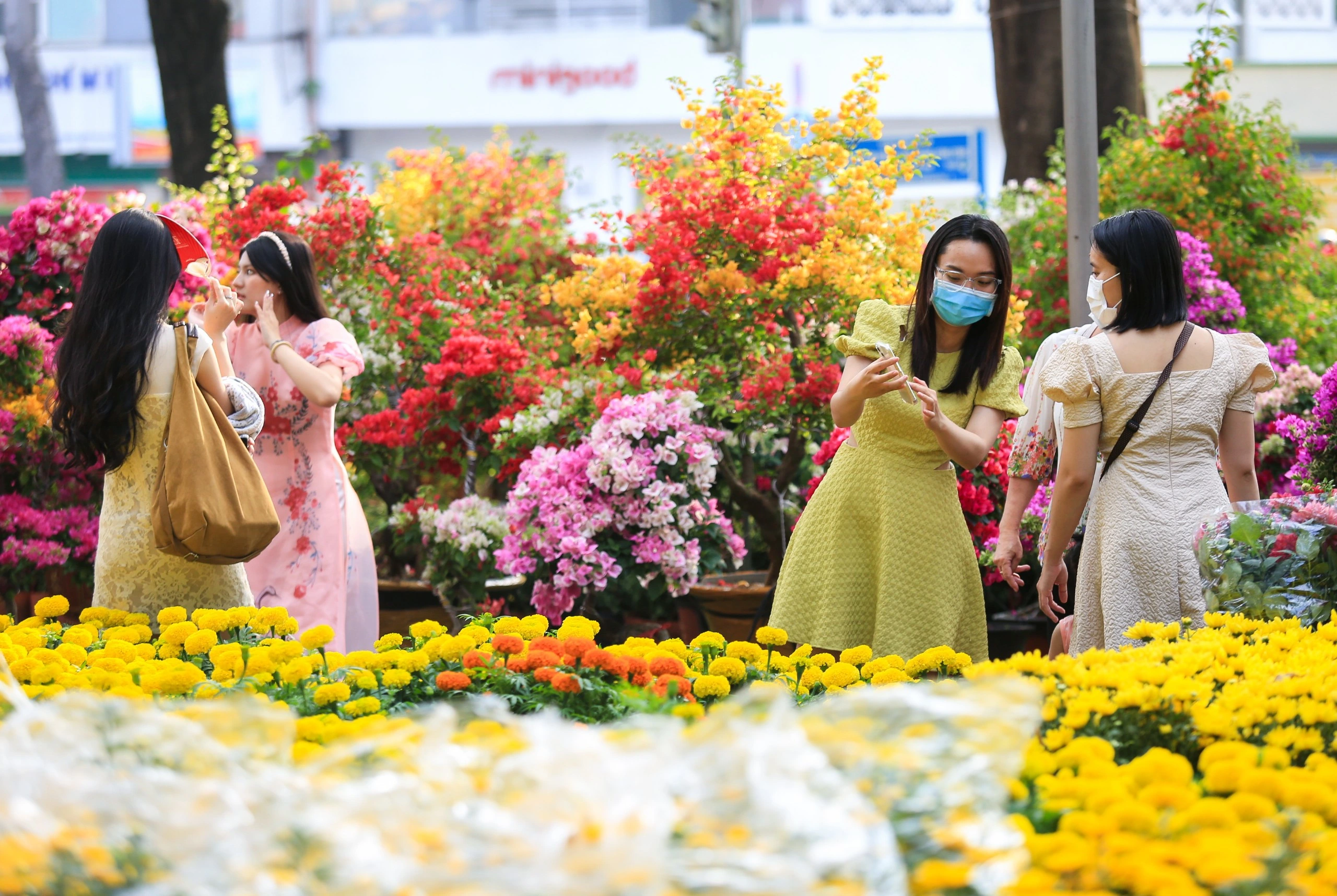
Early-year festival taking place in Northern Vietnam
Summer (April – July)
Summer festivals often emphasize historical remembrance and local legends. Coastal communities may organize sea-related rituals to pray for safe fishing seasons, while inland provinces hold temple ceremonies honoring guardian spirits.
Although temperatures rise, Vietnam traditional festivals during summer remain deeply ceremonial, with structured rituals conducted by village elders. These events tend to feel more intimate compared to the energetic spring gatherings.
Autumn (August – October)
Autumn brings harvest-related celebrations and family-oriented festivities. The cooler weather creates a comfortable setting for outdoor performances, lantern displays, and cultural exhibitions in both urban and rural areas.
At this time of year, Vietnam festivals often highlight themes of gratitude and reunion. Agricultural symbolism becomes visible through offerings of seasonal produce and communal feasts that celebrate abundance.
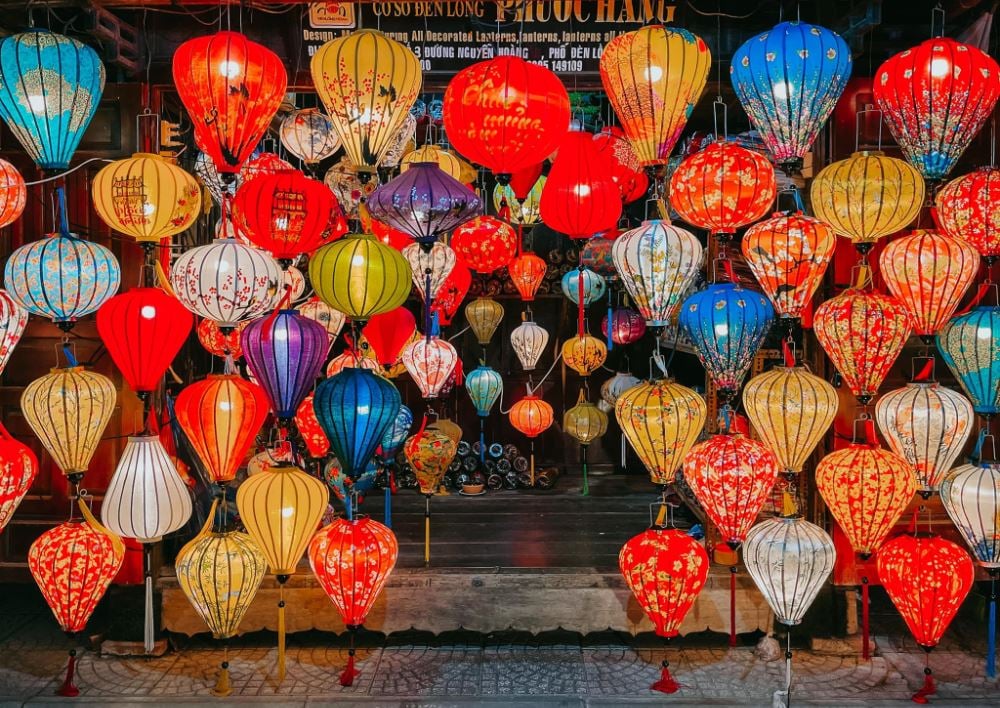
Families celebrating under the full moon
Winter (November – December)
Winter is generally quieter in terms of large-scale public events, yet important temple ceremonies and remembrance rituals still take place. Some ethnic minority communities in mountainous regions organize unique year-end observances tied to their own lunar systems.
Even in these calmer months, Vietnam traditional festivals continue to reinforce spiritual continuity and community cohesion. While fewer in number, they maintain the same depth of meaning found in celebrations held earlier in the year.
Regional Diversity in Vietnamese Cultural Celebrations
The richness of Vietnamese cultural celebrations lies in their regional diversity, shaped by geography, climate, and ethnic heritage. From mountainous highlands to coastal trading ports and fertile river deltas, each area expresses identity through distinct rituals and festive customs. While united by shared history, Vietnam traditional festivals adapt creatively to local traditions and community structures.
Northern Highlands and Ethnic Traditions
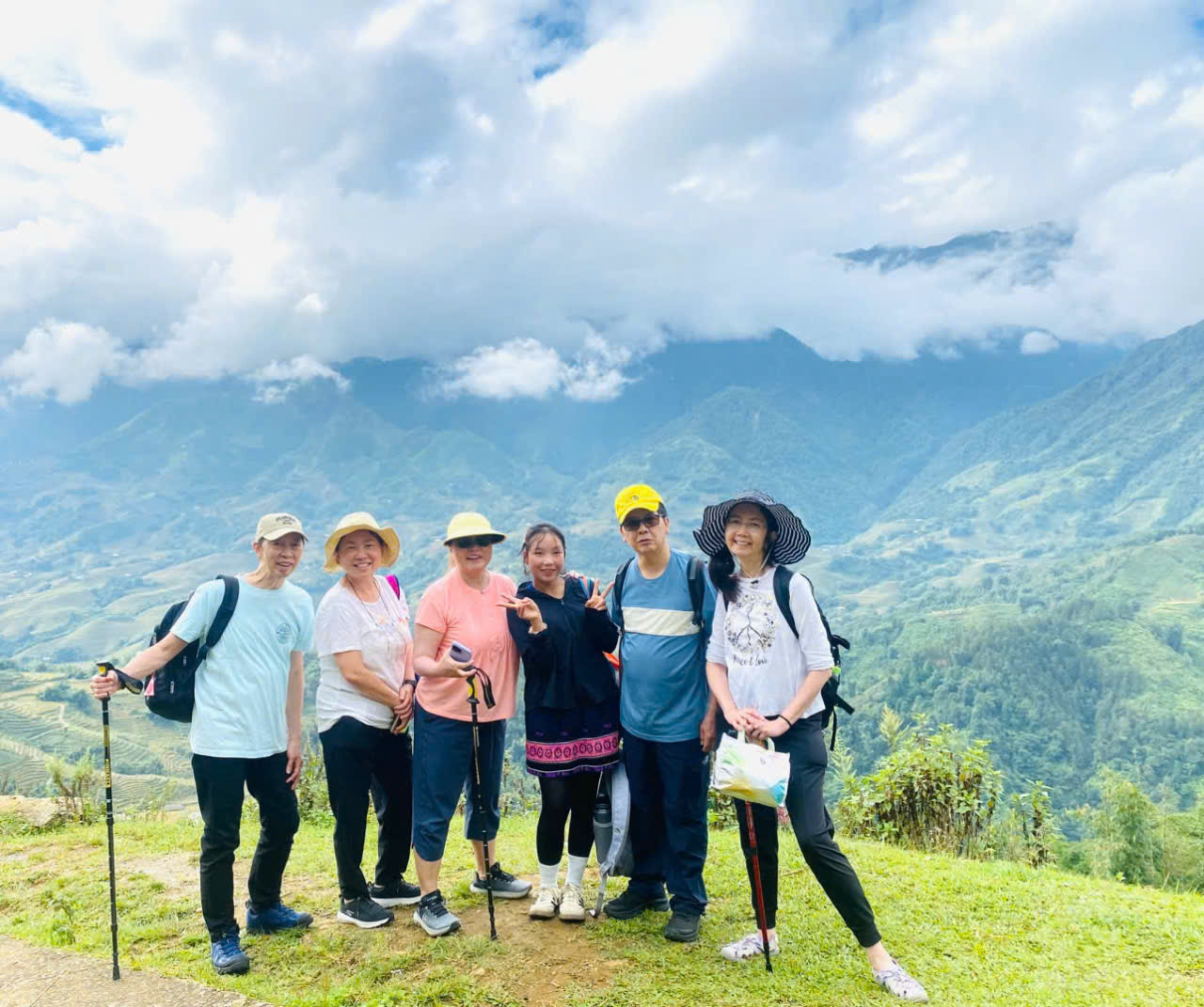
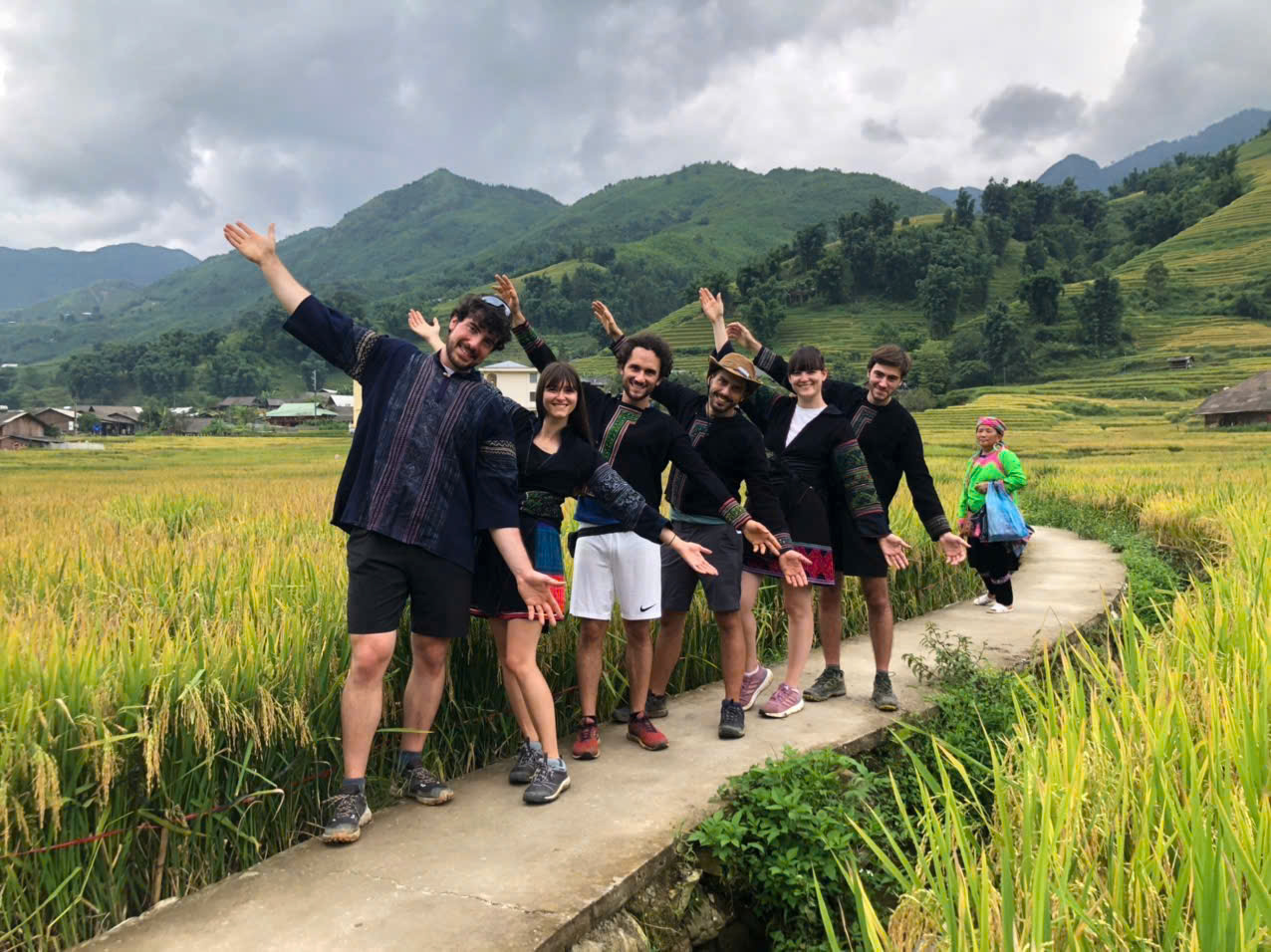
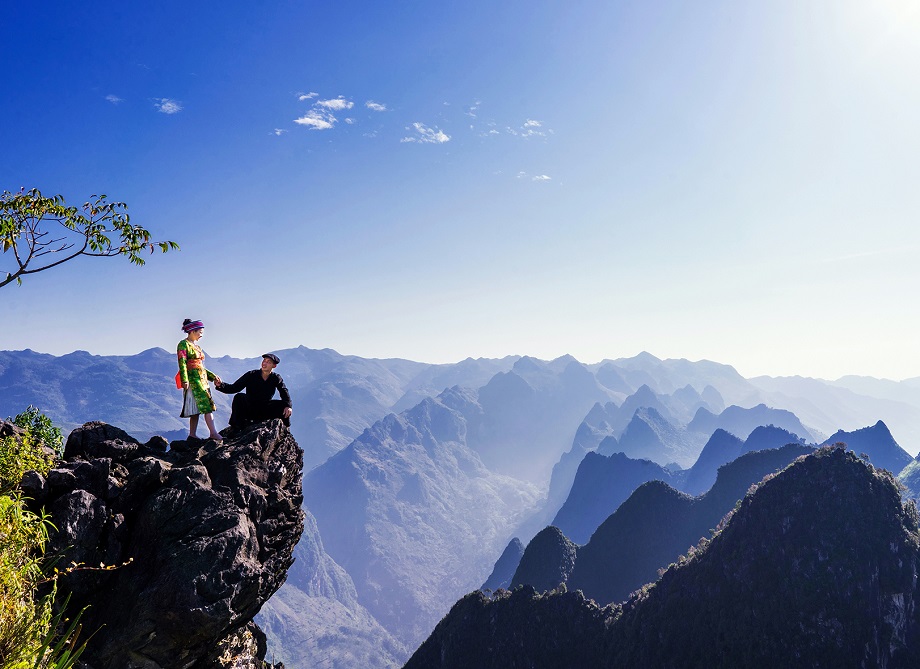
In the Northern highlands, festivals are closely tied to ethnic minority communities such as the Hmong, Dao, and Tay. Celebrations often include traditional costumes, bamboo instruments, and symbolic courtship games performed in open mountain fields.
Here, Vietnam traditional festivals reflect strong connections to nature and ancestral spirits. Ritual offerings are conducted to ensure favorable weather, protect livestock, and strengthen village solidarity. These gatherings preserve indigenous heritage that predates dynastic rule, adding layers of diversity to the national cultural landscape.
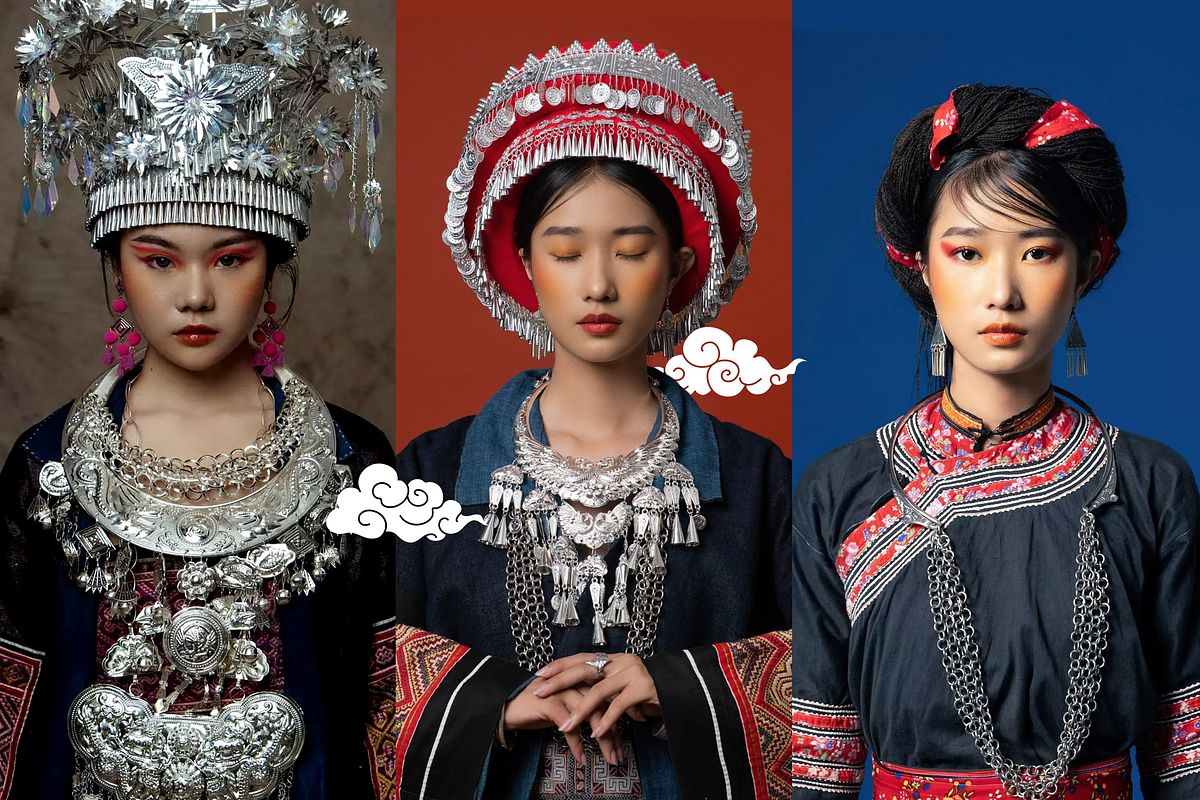
Ethnic minority community performing ancestral rites
Central Heritage and Coastal Rituals
Central Vietnam, home to ancient capitals and trading ports, presents a blend of imperial ceremony and maritime belief systems. Royal-inspired processions, temple rites, and folk opera performances remain prominent in this region.
Along the coastline, fishing communities organize sea-related rituals to pray for safety and abundant catches. In these areas, Vietnam festivals demonstrate how spiritual life integrates with economic livelihood. The combination of courtly refinement and coastal devotion creates a distinctive cultural atmosphere unique to central provinces.
Southern River Delta Festivities
In the Mekong Delta and Southern provinces, festivals are often influenced by agricultural cycles and a more relaxed communal lifestyle. River processions, floating markets, and open-air performances contribute to vibrant seasonal gatherings.
Within Southern communities, Vietnam traditional festivals emphasize hospitality and inclusiveness. Cultural exchanges between Vietnamese, Khmer, and Chinese populations have enriched local practices, resulting in dynamic celebrations that showcase multicultural harmony.
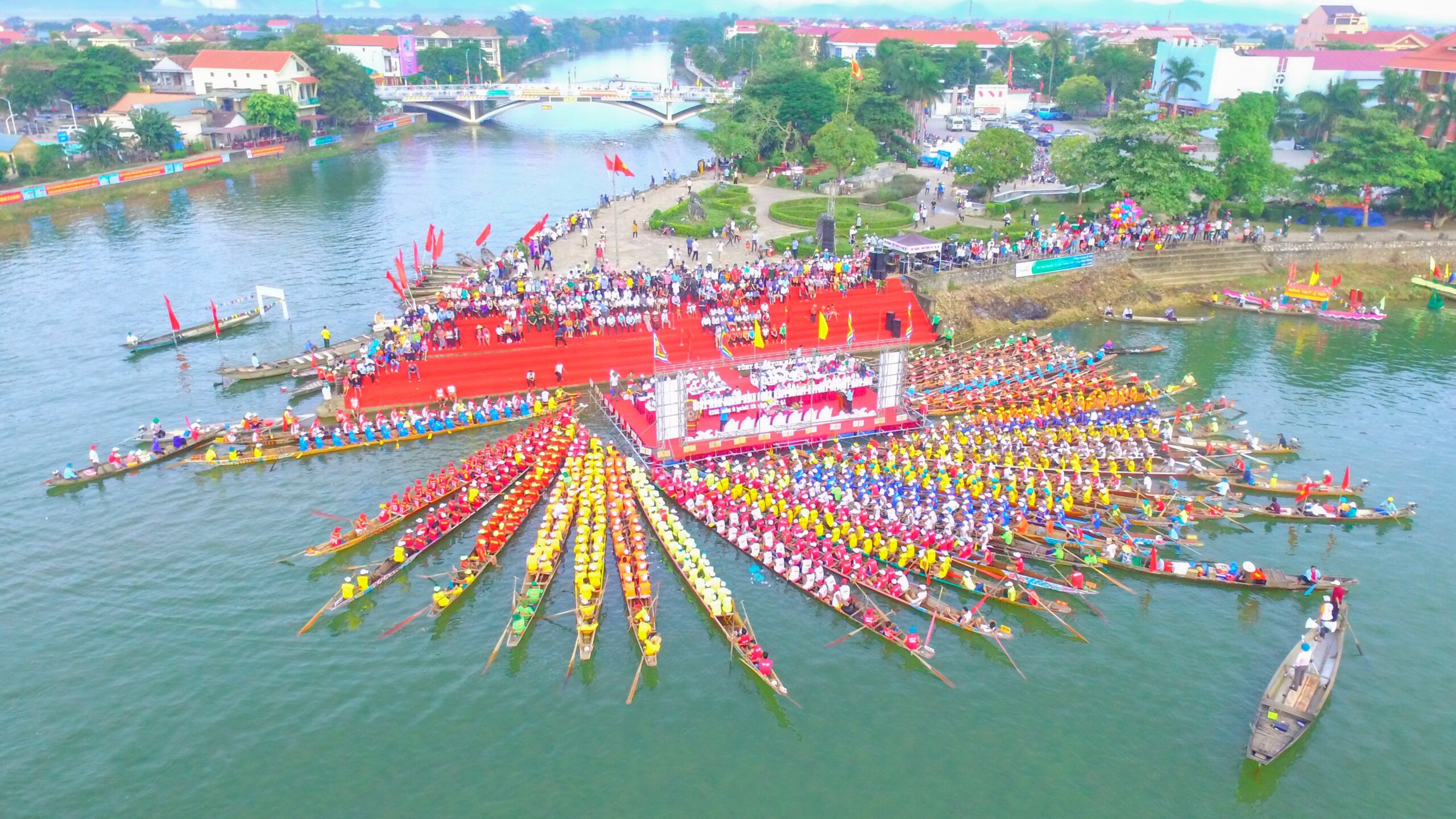
Local residents enjoying a traditional river festival
Best Time to Visit Vietnam for Festivals
Determining the best time to visit Vietnam for festivals depends largely on seasonal preferences, regional climate differences, and the type of cultural atmosphere travelers hope to experience. Because many celebrations follow the lunar calendar, careful planning is essential for aligning travel dates with specific events. Throughout the year, Vietnam traditional festivals unfold in ways that reflect both natural rhythms and historical memory.
Weather Considerations and Regional Climate
Vietnam stretches across multiple climate zones, meaning seasonal conditions vary significantly between North, central, and Southern regions. Spring in the North offers mild temperatures and vibrant landscapes, while central provinces may experience drier conditions during early summer. Southern areas, influenced by tropical weather patterns, often see afternoon rains during the wet season.
When planning around Vietnam traditional festivals, understanding regional weather patterns enhances comfort and accessibility. Outdoor processions, temple ceremonies, and community gatherings are most enjoyable when climate conditions support extended participation.
Weather plays a significant role in shaping festival experiences, especially during outdoor celebrations. Climate conditions vary greatly between Northern, central, and Southern regions. To better align your travel plans with seasonal patterns, explore this detailed guide on Vietnam weather by month before booking your trip.
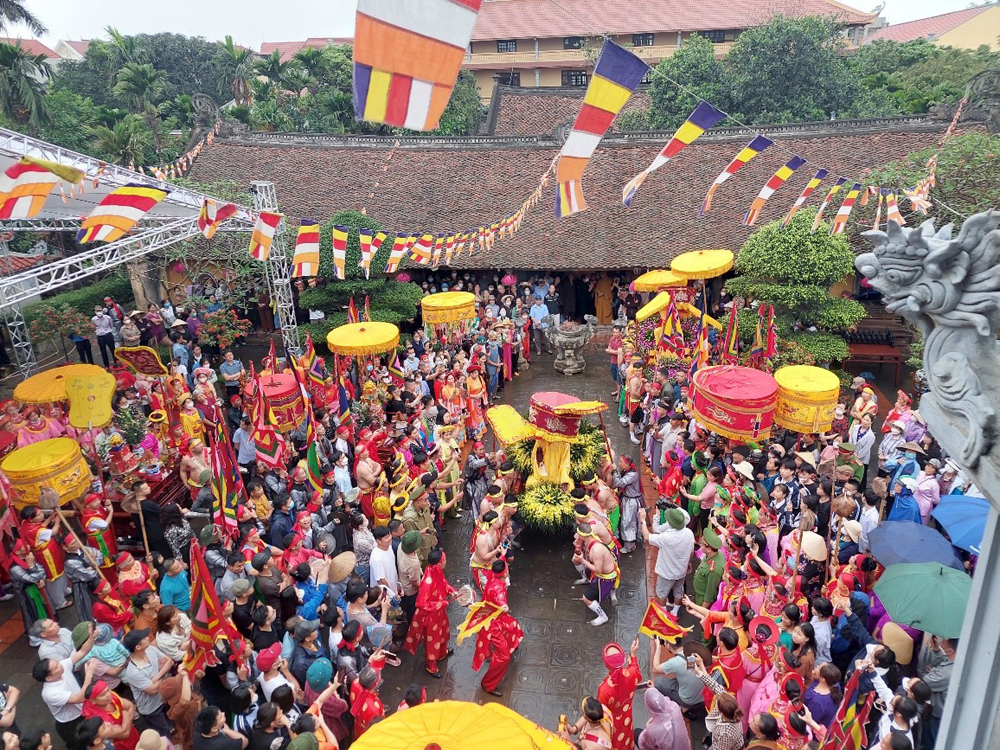
Participants carrying umbrellas during a rainy festival
Peak Cultural Seasons
The most dynamic festival period generally occurs in the months following the Lunar New Year, when communities organize pilgrimages, folk performances, and ceremonial rites. This period is marked by high domestic travel demand and a lively social atmosphere.
During these peak months, Vietnam traditional festivals draw large crowds, creating an energetic environment that appeals to visitors seeking immersive cultural experiences. However, increased popularity also means higher accommodation demand and advanced booking requirements.
Planning for Authentic Experiences
Travelers aiming for a quieter yet meaningful encounter may consider visiting outside the busiest holiday windows. Smaller provincial events often provide deeper engagement with local customs and fewer commercial influences.
Regardless of timing, Vietnam traditional festivals offer opportunities to witness traditions that remain deeply woven into everyday life. Aligning travel dates with carefully researched festival calendars ensures a more enriching and well-prepared cultural journey.
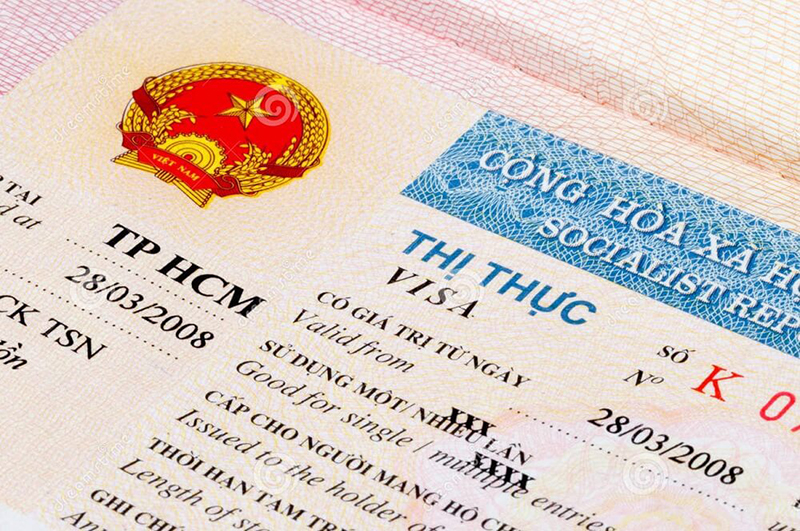
Beyond choosing the right season, travelers should also prepare for visa requirements, local transportation, currency exchange, and cultural expectations. For a complete checklist, explore this practical guide on what to know before traveling to Vietnam in 2026 to ensure a smooth and enjoyable journey.
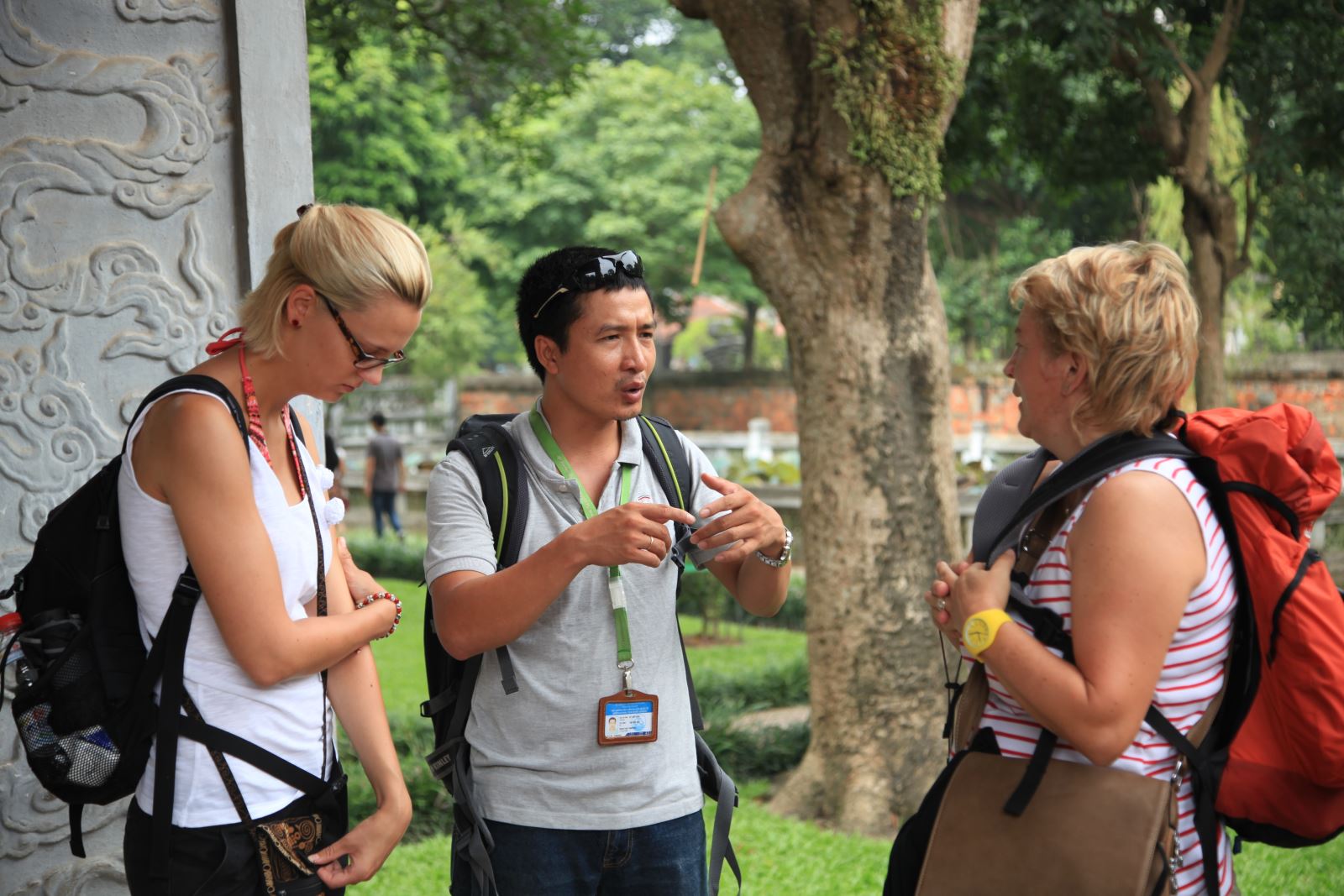
Local guide explaining cultural traditions
Practical Travel Tips for Festival Experiences
Experiencing Vietnam traditional festivals firsthand requires thoughtful preparation and cultural awareness. While these events are welcoming to visitors, understanding local etiquette and planning logistics in advance can significantly enhance the overall experience.
Cultural Etiquette and Dress Code
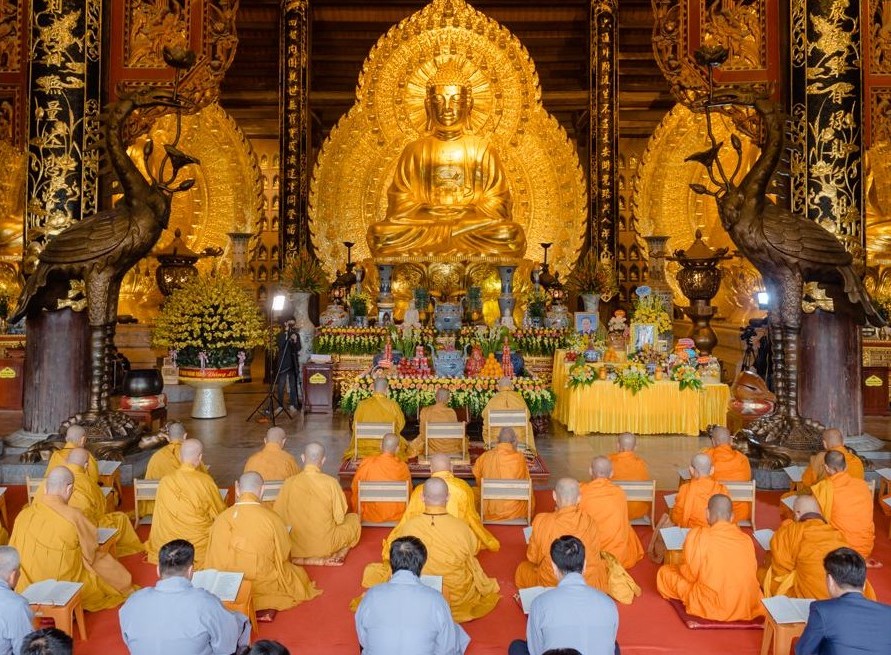
Many festivals take place in temples, communal houses, or sacred public spaces. Modest attire is recommended, especially when entering religious sites. Clothing that covers shoulders and knees demonstrates respect for spiritual traditions.
When participating in Vietnam traditional festivals, visitors should observe how locals behave during incense offerings, prayer rituals, and ceremonial processions. Speaking softly, avoiding intrusive photography during sacred moments, and following guidance from event organizers help maintain the solemnity of important rites.
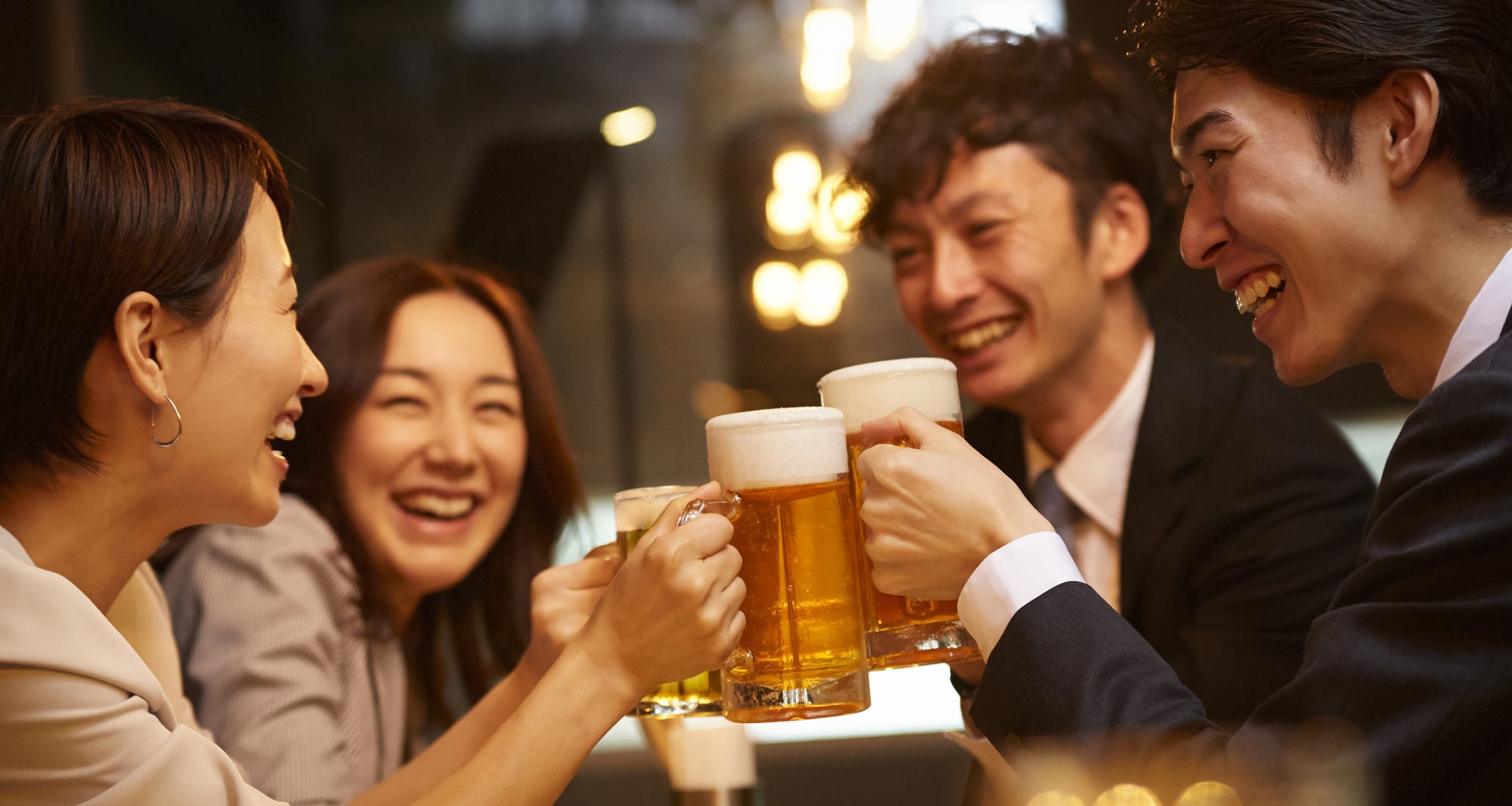
Social customs during festive gatherings also include shared meals and communal toasting. Understanding local dining traditions can enhance the experience, especially when participating in group celebrations. Visitors may benefit from learning more about Vietnamese drinking etiquette to avoid cultural misunderstandings.
Many festivals take place in temples, pagodas, or sacred communal houses, where modest clothing is expected. Wearing outfits that cover shoulders and knees demonstrates respect for local spiritual traditions. Travelers who are unsure about appropriate attire can review detailed guidance on how to dress in Vietnam temples before attending important ceremonie
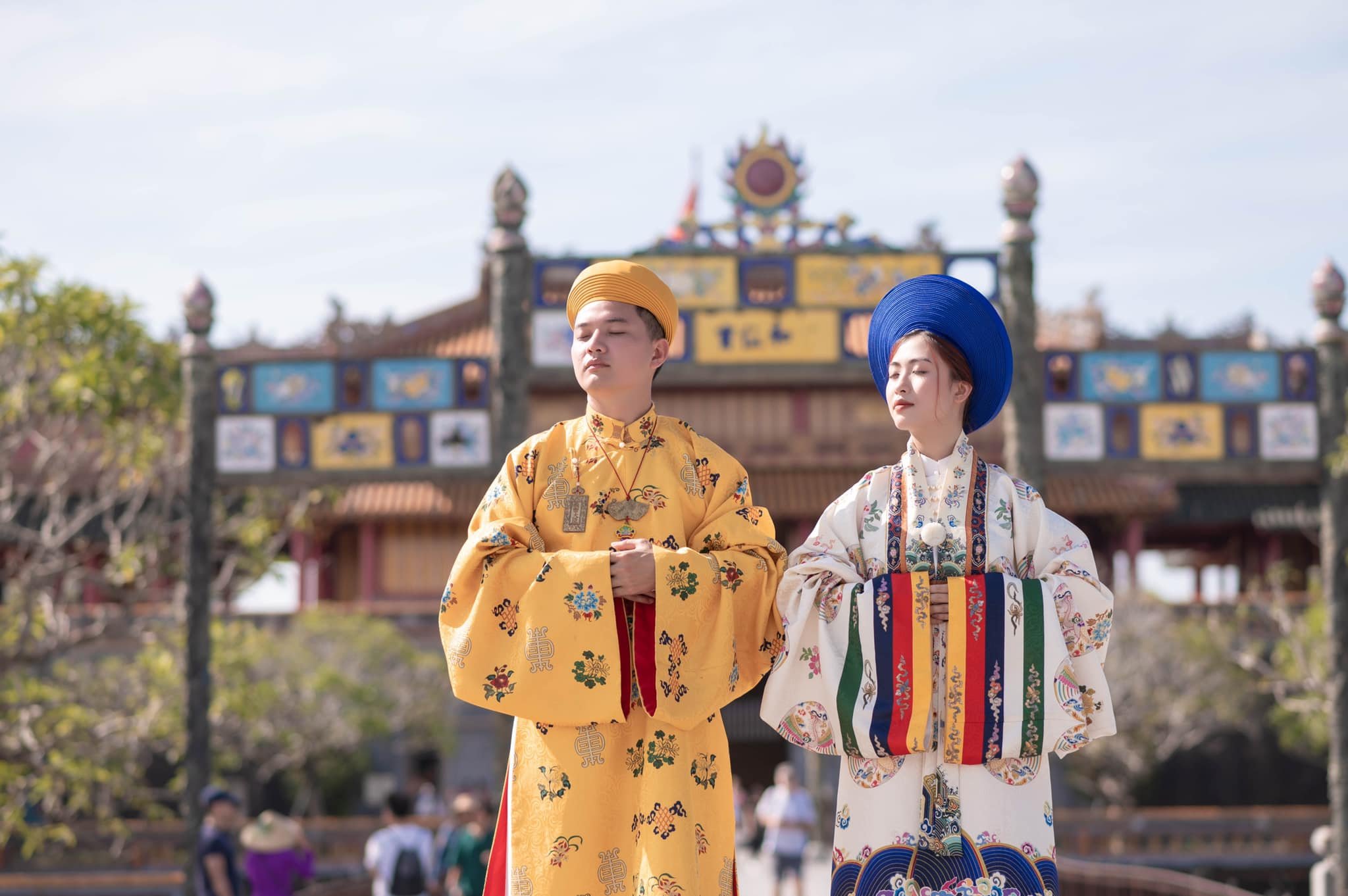
Modest attire worn at a religious site
Photography and Respectful Participation
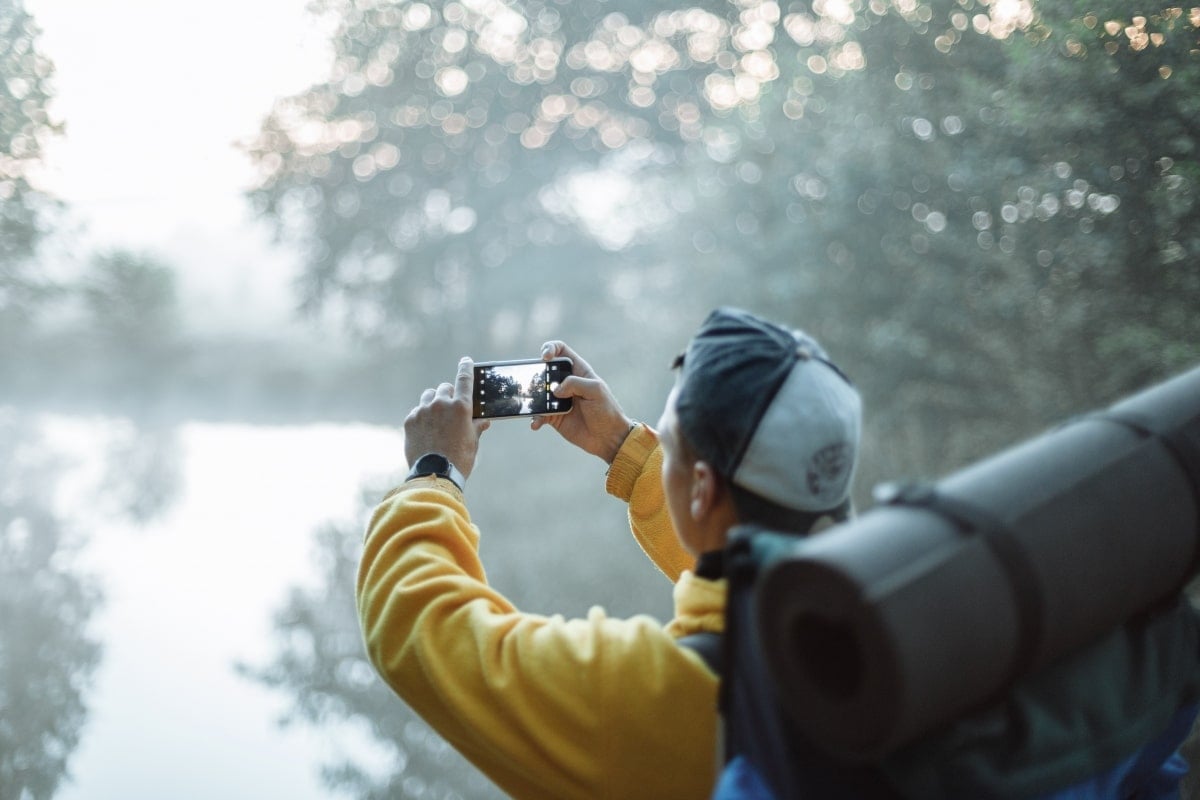
Festivals provide visually captivating scenes, from lantern-lit streets to colorful processions. However, responsible photography is essential. Always ask permission before taking close-up portraits, particularly of elderly participants or monks.
During Vietnam traditional festivals, engagement should go beyond observation. Joining communal games, tasting seasonal foods, or listening to local storytelling fosters genuine cultural exchange rather than passive tourism.
Booking Early and Local Guidance
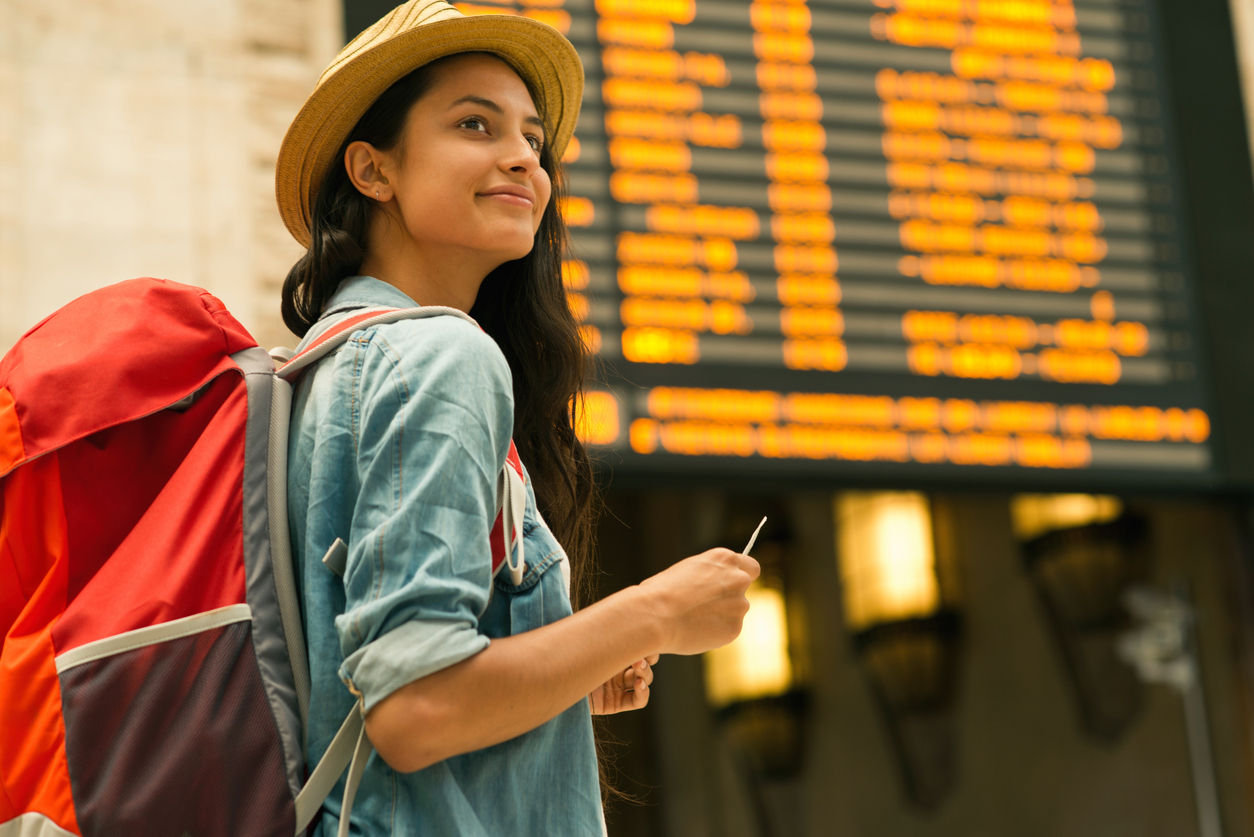
Major celebrations often coincide with increased domestic travel, making transportation and accommodation more competitive. Early reservations help avoid last-minute inconvenience.
To fully appreciate the depth of Vietnam festivals, many travelers benefit from knowledgeable local guides who can explain symbolism, historical references, and regional variations. Professional guidance transforms a visually impressive event into an educational and meaningful journey.
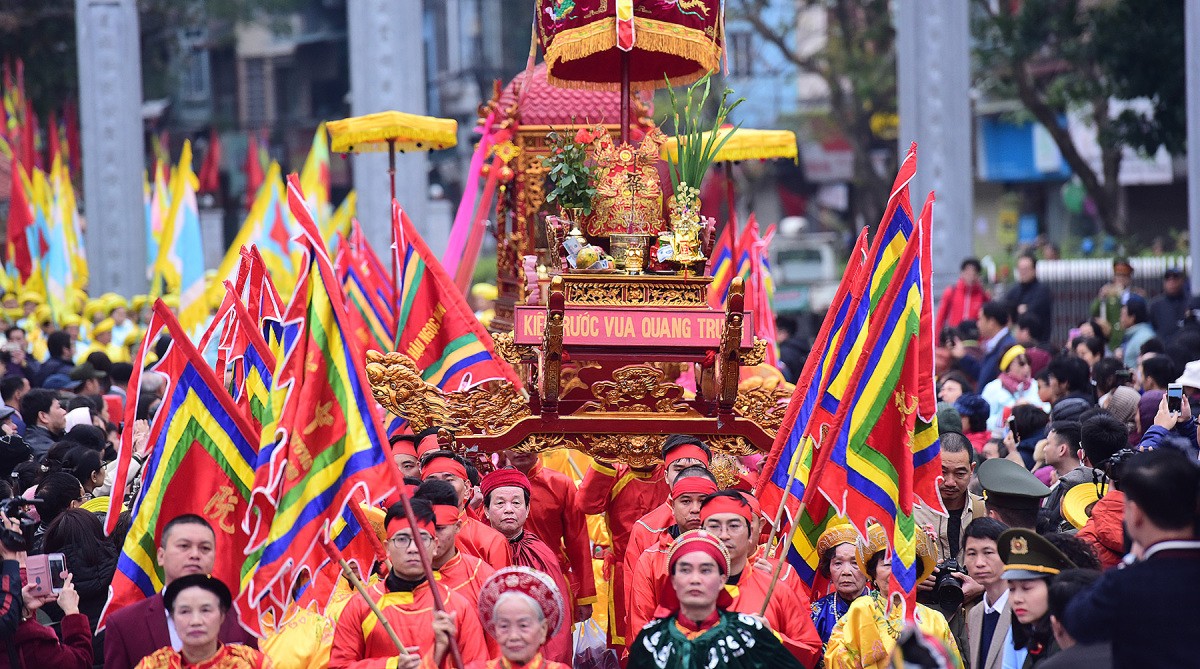
Early reservation for a cultural tour
Conclusion
From sacred temple ceremonies to lantern-filled river nights, the enduring appeal of Vietnam traditional festivals lies in their ability to unite history, spirituality, and community life. These celebrations are not static traditions preserved only for display; they remain dynamic expressions of identity that continue to shape everyday society.
For travelers seeking authentic cultural immersion, timing a journey around these events offers an unforgettable perspective on the country’s heritage. To explore festival-focused itineraries designed with local insight and careful planning, visit Best Vietnam Tours and begin crafting a meaningful cultural adventure today.
Get in touch with our team to plan your ideal adventure and be the first to know about exclusive travel deals.
- WhatsApp: +84.968804998
- Email: info@bestour.net
- Address:No. 55 Bui Thi Xuan Street, Hai Ba Trung Ward, Hanoi, Vietnam
- Fanpage:Best Vietnam Tours