Traveling long distances in Vietnam often involves overnight journeys, and sleeper buses have become a popular choice for both locals and visitors. For first-time travelers, understanding the Vietnam sleeper bus experience helps turn a night on the road into a smoother and more enjoyable part of the trip. Instead of simply getting from one city to another, this form of travel offers insight into how people move efficiently across the country while saving time and accommodation costs.
At Best Vietnam Tours, we often meet travelers who are curious about what actually happens once the bus departs, the lights dim, and the journey continues through the night. This guide is designed to set realistic expectations, explain what you will encounter onboard, and help you decide whether sleeper bus travel fits your Vietnam itinerary.
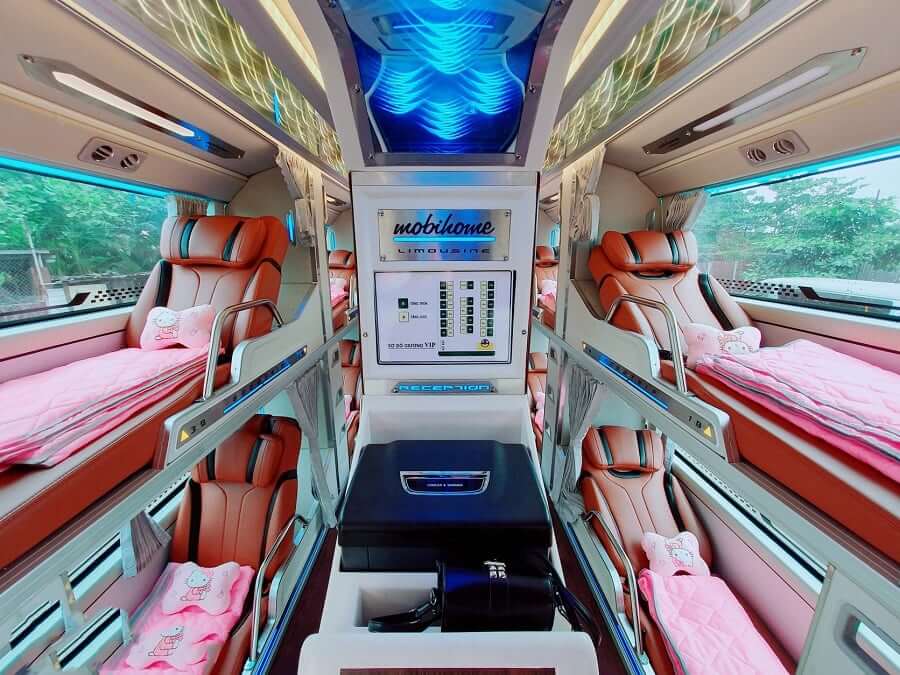
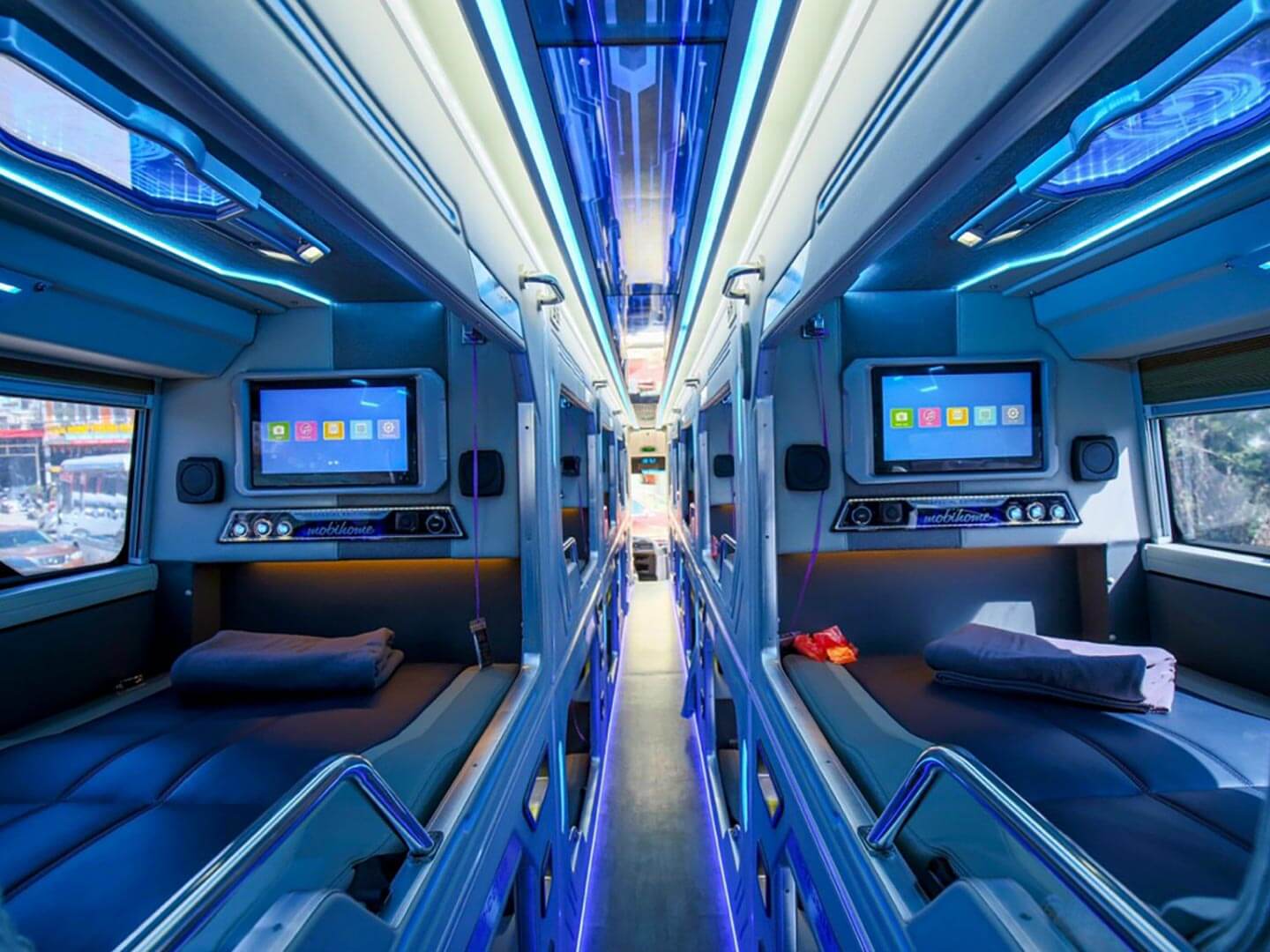
Vietnam sleeper bus interior with sleeping pods for overnight travel
Why Travelers Choose Sleeper Buses in Vietnam
For many visitors, long-distance travel in Vietnam is not just about reaching the next destination but about how that journey fits into the overall trip. Sleeper buses are often chosen because they turn travel time into rest time, allowing passengers to cover hundreds of kilometers while still preserving valuable daytime hours. When planned well, the Vietnam sleeper bus experience becomes a practical solution for travelers who want to move efficiently without feeling rushed or exhausted upon arrival.
Saving Time While Traveling Overnight
One of the strongest advantages of sleeper buses is the ability to travel through the night. Instead of spending an entire day sitting upright on the road, passengers can board in the evening and arrive early the next morning. An overnight bus Vietnam journey helps travelers avoid heavy daytime traffic and makes it easier to fit long routes into tight itineraries. For those moving between distant regions, this approach often feels less disruptive than breaking the trip into multiple daytime segments.
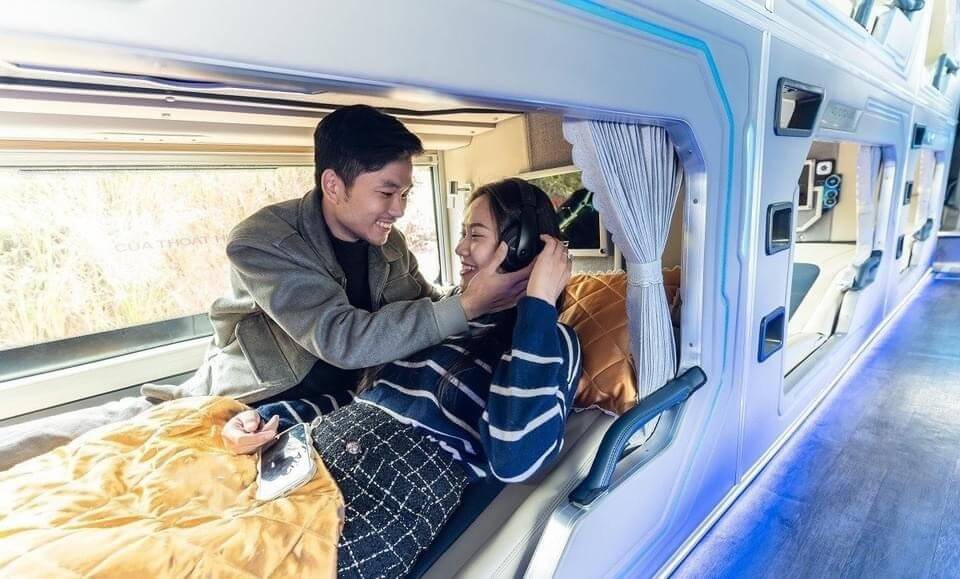
Overnight sleeper bus travel across Vietnam
Reducing Overall Travel Expenses
Another reason sleeper buses remain popular is their cost efficiency. By traveling at night, passengers effectively combine transportation and accommodation into a single expense. This can significantly reduce daily travel budgets, especially on routes where flights or trains are limited or expensive. Many travelers find that this aspect of the Vietnam sleeper bus experience allows them to allocate more money toward activities, food, or extended stays rather than transit alone.
Experiencing Travel Like a Local
Beyond convenience and cost, sleeper buses offer a glimpse into everyday travel habits within Vietnam. From brief late-night rest stops to the quiet atmosphere onboard after midnight, these journeys reflect how locals move between cities for work, family, or study. Sharing this space with Vietnamese passengers often adds an unexpected cultural layer to the trip, making the Vietnam sleeper bus experience feel less like a tourist service and more like an authentic part of local life.
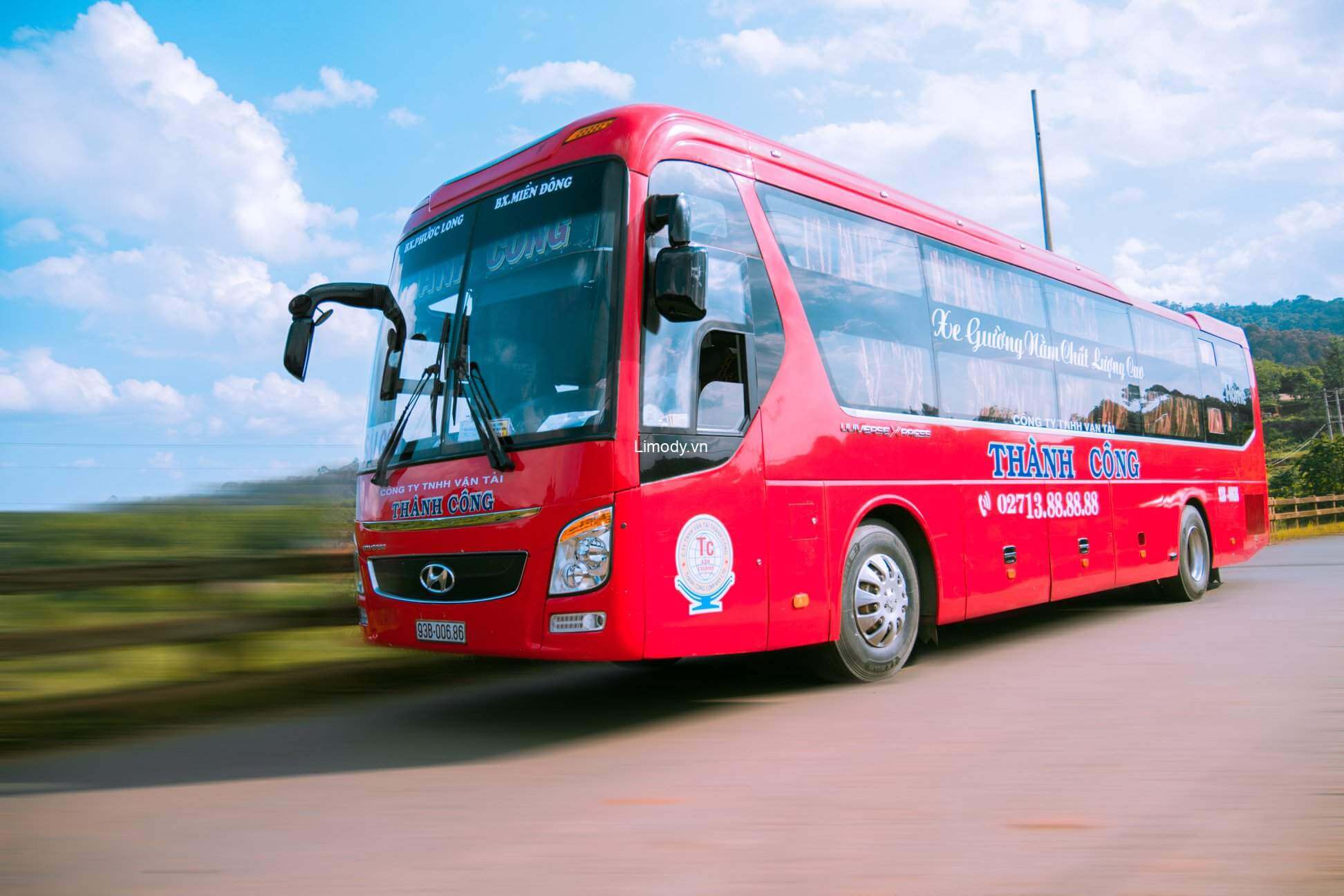
Budget-friendly sleeper bus travel in Vietnam
What to Expect on a Sleeper Bus Journey
For many first-time visitors, knowing what actually happens once you step onboard helps remove unnecessary anxiety. A sleeper bus journey in Vietnam follows a rhythm that may feel unfamiliar at first, but most travelers adjust quickly. With realistic expectations, the Vietnam sleeper bus experience often feels far more manageable, and even interesting, than imagined before departure.
Sleeping Pods and Interior Layout
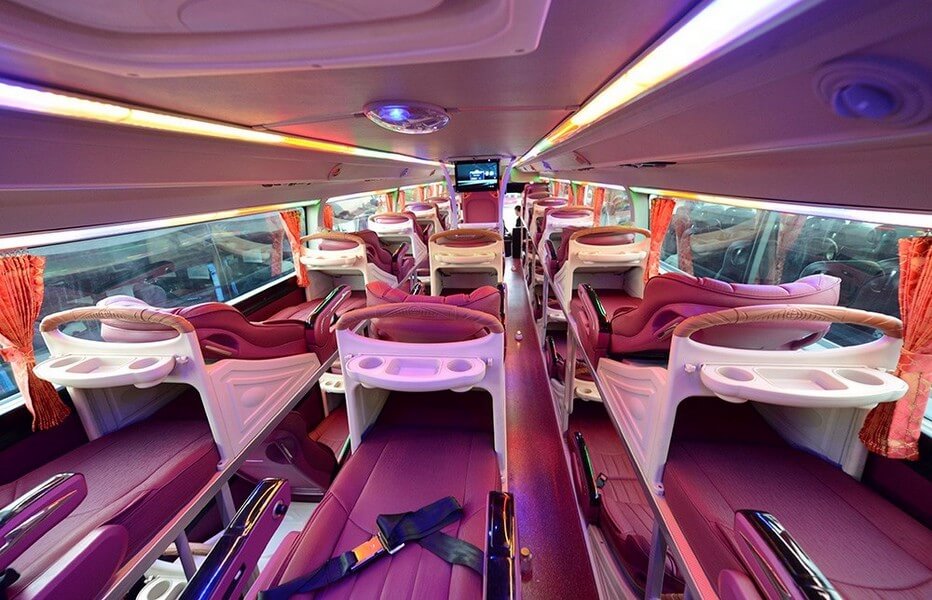
Inside a sleeper bus, traditional seats are replaced by reclining sleeping pods arranged in rows or tiers. Each pod is designed to support the body in a semi-flat position rather than allowing full horizontal sleep. While the layout may feel compact, it is intentionally structured to maximize space and safety during long-distance travel. For many travelers, this is the moment when the Vietnam sleeper bus experience truly begins, as stepping into the pod immediately signals that this is not a standard bus ride.
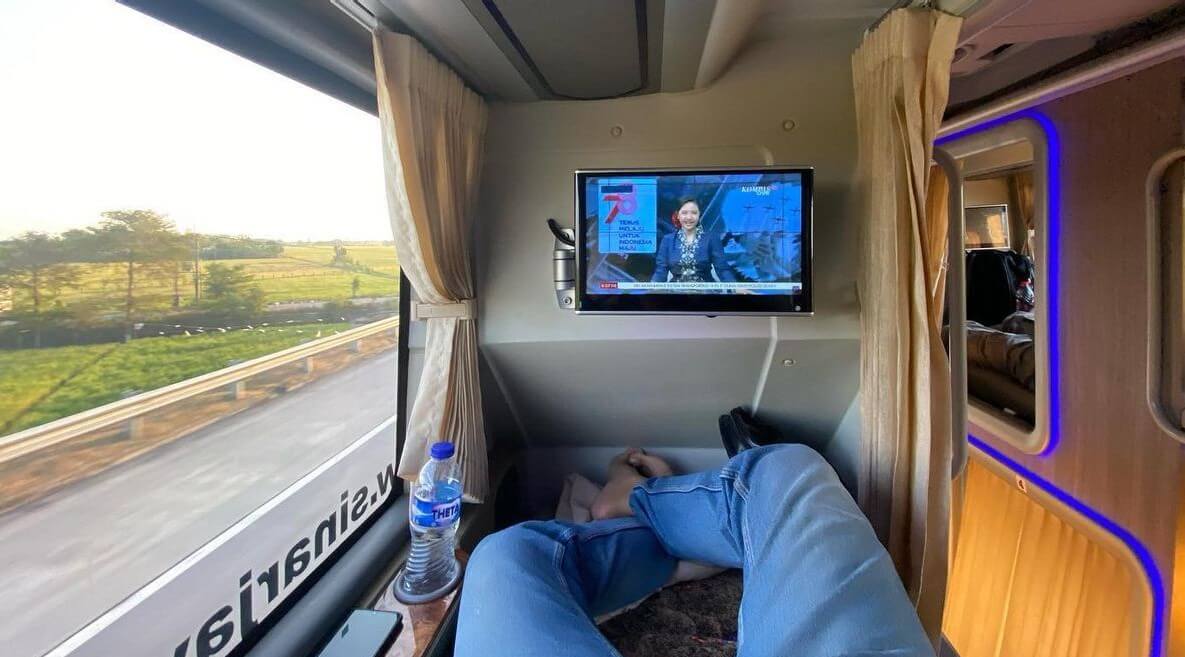
Personal space is limited but clearly defined. Most buses provide a thin mattress, a light blanket, and sometimes a small pillow. Storage areas are usually located above or below the pod, meaning passengers need to keep essential items, such as phones or water, within arm’s reach before settling in.
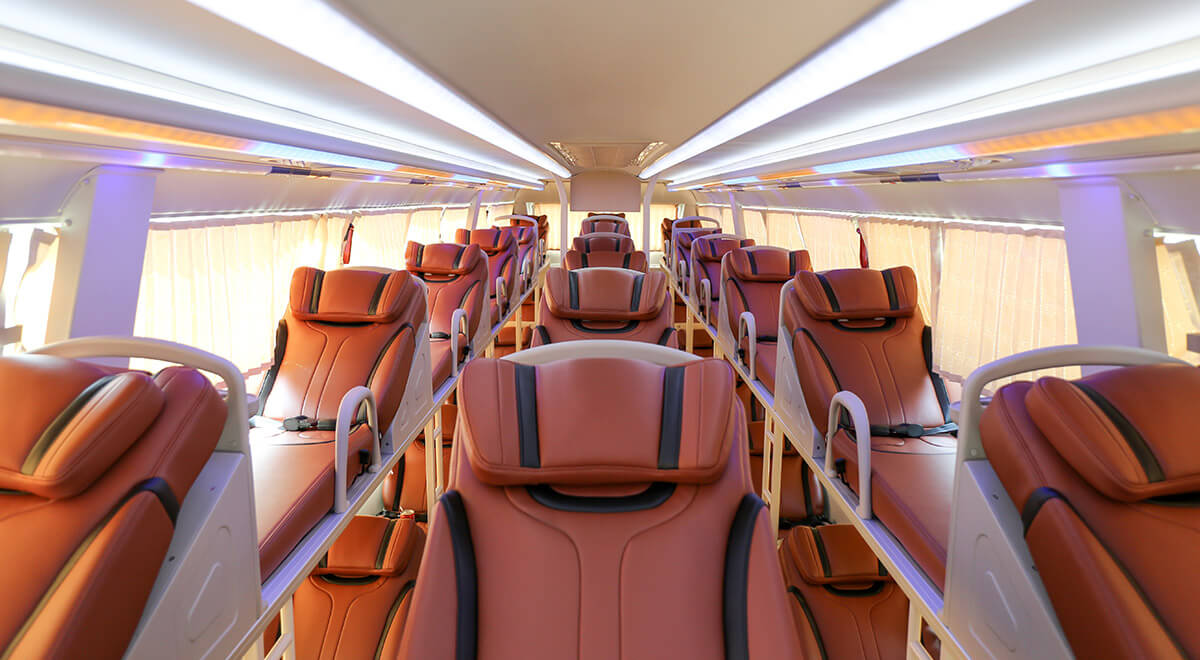
Sleeping pods inside a Vietnam sleeper bus
Comfort Level, Noise, and Movement
Comfort on a sleeper bus varies depending on personal tolerance and body type. Shorter travelers often find it easier to relax, while taller passengers may notice limited leg extension. Movement from the road is constant, and gentle swaying is part of the journey, especially on winding routes. Rather than complete silence, the environment typically includes engine noise, occasional announcements, and the sound of the road beneath the wheels.
Many travelers report that once their body adjusts, the Vietnam sleeper bus experience becomes less about perfect sleep and more about rest. Even light or fragmented sleep can still feel refreshing when compared to sitting upright for hours. Earplugs and a sleep mask often make a noticeable difference in overall comfort.
Night Stops and Onboard Routine
Sleeper buses usually make several scheduled stops during the night, allowing passengers to stretch, use restrooms, or purchase snacks. These stops are brief and efficient, often taking place at roadside service areas that cater specifically to night travelers. Lights may turn on temporarily, and passengers are expected to return promptly when the driver signals departure.
Over time, this routine becomes predictable. Once travelers understand the flow of the journey, the Vietnam sleeper bus experience feels more structured and less uncertain. Knowing when stops occur and what to expect during them helps passengers relax and settle back into rest more easily.
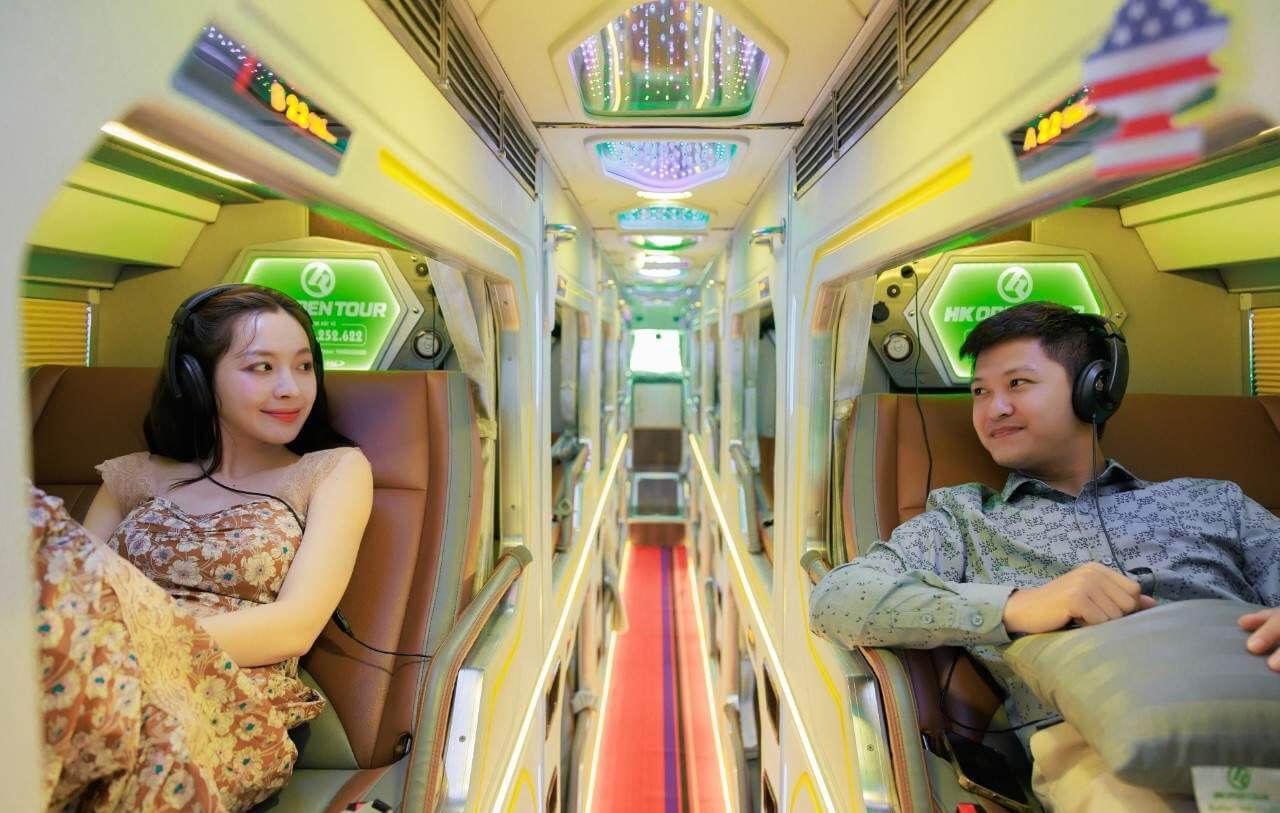
Night stops during a Vietnam sleeper bus journey
Safety and Reliability of Sleeper Buses
Concerns about safety are common among travelers planning overnight journeys, especially when exploring a new country. Understanding how sleeper bus services operate helps clarify many of these worries. For most travelers, the Vietnam sleeper bus experience becomes far less intimidating once they recognize that these routes run nightly and follow familiar patterns. With proper expectations, safety feels like a managed part of the journey rather than an unpredictable risk.
Driving Practices and Road Conditions
Sleeper bus drivers are usually assigned fixed long-distance routes, allowing them to become highly familiar with road conditions, curves, and rest points along the way. Night driving can feel different from daytime travel, as lighter traffic often leads to smoother and more continuous movement. For passengers unfamiliar with this rhythm, the Vietnam sleeper bus experience may initially feel fast-paced, but it often settles into a steady and controlled ride after the first few hours.
Road quality varies between regions, particularly in mountainous areas, yet major intercity routes are regularly maintained and heavily used. Travelers often question whether is sleeper bus safe in Vietnam, especially when comparing it to trains or flights. While each transport option carries its own risks, choosing well-known operators plays a major role in maintaining consistent safety standards throughout the journey.
Vietnam’s intercity sleeper bus network is part of the country’s broader transport system, which relies heavily on long-distance road travel connecting major cities and remote regions across the country.

Road conditions for sleeper bus routes in Vietnam
Personal Safety and Peace of Mind Onboard
Personal safety onboard sleeper buses is closely linked to preparation and awareness rather than constant vigilance. The sleeping pod design limits movement inside the cabin, which naturally reduces disturbances during the night. Most passengers remain in their assigned spaces, creating a calm environment once the journey is underway. As a result, many travelers find that the Vietnam sleeper bus experience feels more secure than expected after the initial adjustment period.
Keeping valuables nearby and understanding the flow of night stops further contributes to peace of mind. When passengers know what is normal, lights turning on briefly, short breaks, and quiet reboarding, the Vietnam sleeper bus experience becomes more predictable. This familiarity allows travelers to relax, rest more easily, and focus on the journey ahead instead of potential concerns.
For travelers unfamiliar with overnight transportation in Southeast Asia, understanding broader travel norms and safety considerations in advance can greatly reduce uncertainty, especially when planning night journeys across Vietnam.
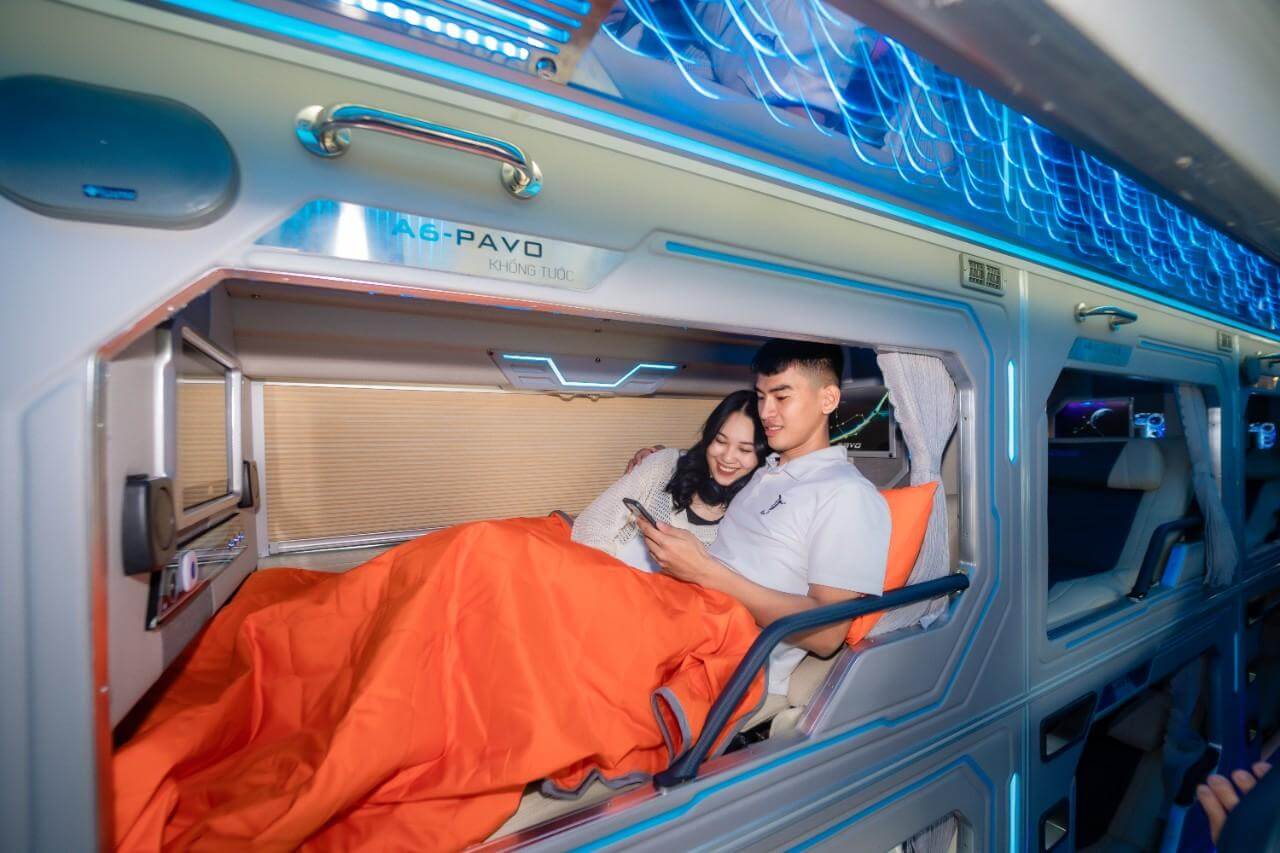
Personal sleeping space on a Vietnam sleeper bus
Ticket Prices and How to Book
Understanding ticket prices and booking methods plays an important role in shaping expectations before an overnight journey. For many travelers, cost planning directly affects how comfortable and stress-free the Vietnam sleeper bus experience feels from the very beginning. Knowing how prices are structured and where to book helps travelers avoid last-minute surprises and make informed decisions that suit their travel style. Planning ahead and following essential travel tips can help travelers avoid common booking mistakes and better manage overnight travel arrangements.
Average Ticket Costs and What Influences Them
Sleeper bus ticket prices in Vietnam are usually calculated based on distance, route difficulty, and service quality. Longer journeys naturally cost more, especially when routes pass through mountainous regions or remote areas. Many travelers notice that the sleeper bus Vietnam price remains reasonable when compared with other forms of overnight transportation, particularly when accommodation savings are taken into account.
Some operators offer upgraded services such as newer buses, improved sleeping pods, or quieter cabin layouts. While these options may come with slightly higher fares, travelers often feel that the added comfort enhances the overall Vietnam sleeper bus experience. Paying more for a smoother ride and better rest can make a noticeable difference on longer routes.
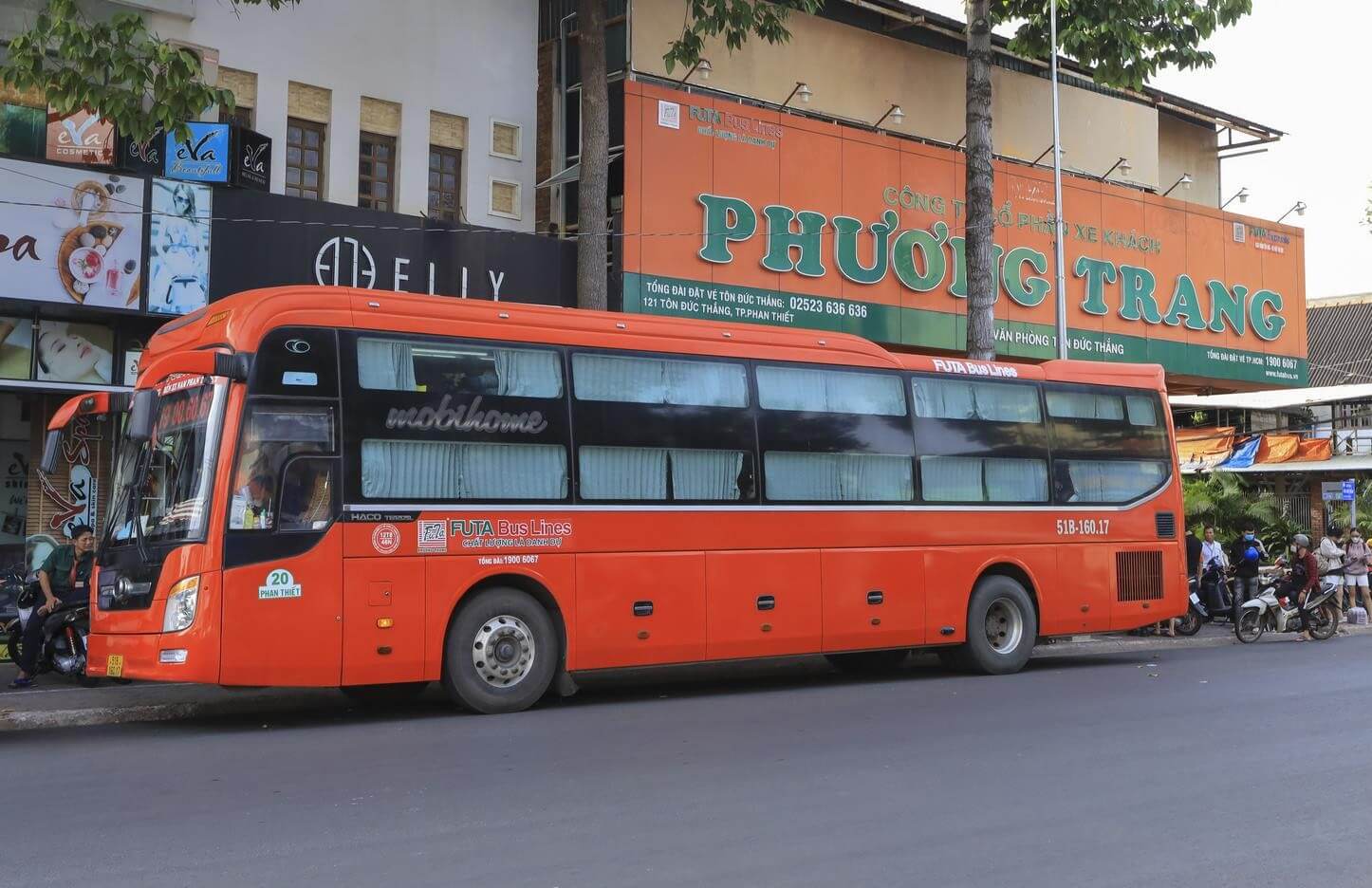
Vietnam sleeper bus routes connecting major cities
Booking Methods and Choosing Trusted Operators
There are several ways to book sleeper bus tickets, including online platforms, travel agencies, and hotel front desks. Online booking allows travelers to plan ahead and secure preferred departure times, while in-person booking offers the chance to clarify details directly. Regardless of the method chosen, selecting reliable operators strongly influences how the Vietnam sleeper bus experience unfolds on travel day.
Reputable companies tend to maintain clearer schedules, better vehicle conditions, and more consistent onboard routines. Travelers who book with well-known operators often report feeling more relaxed before departure, knowing that the Vietnam sleeper bus experience is likely to follow a predictable and organized process. Travel apps also help passengers check routes, manage bookings, and stay informed about departure times while traveling between cities.
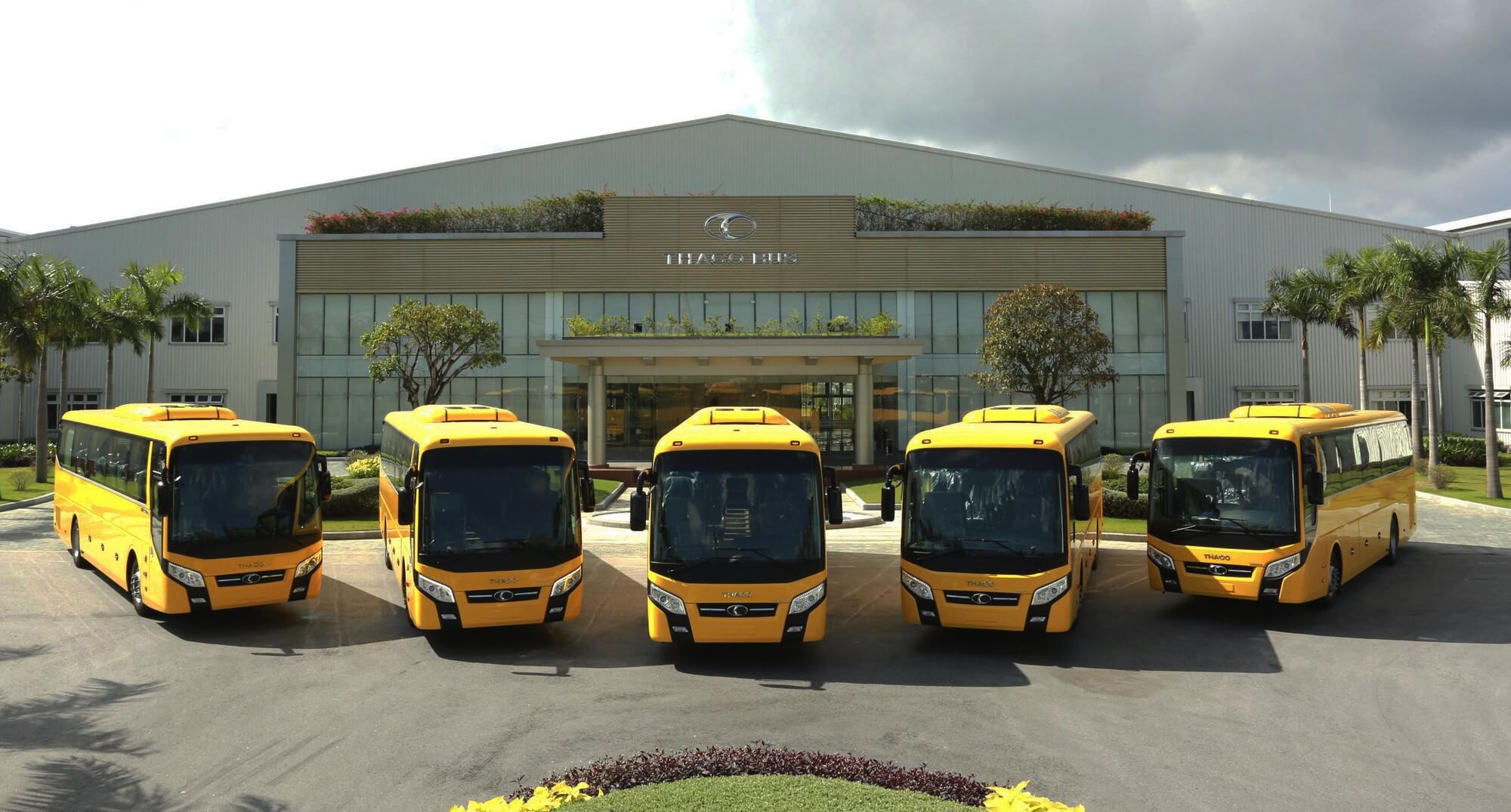
Choosing reliable sleeper bus services in Vietnam
Advantages and Drawbacks of Sleeper Bus Travel
Every travel option comes with both benefits and limitations, and sleeper buses are no exception. Understanding both sides helps travelers decide whether this form of overnight transport aligns with their expectations. When viewed realistically, the Vietnam sleeper bus experience offers clear advantages for certain travel styles while presenting challenges that may not suit everyone.
Key Advantages for Long-Distance Travelers
One of the strongest advantages of sleeper buses is efficiency. Traveling overnight allows passengers to move between cities without sacrificing daytime hours, which is especially valuable on multi-stop itineraries. For many visitors, this efficiency becomes a defining part of the Vietnam sleeper bus experience, as it frees up more time for sightseeing and activities.
Cost savings are another major benefit. By combining transportation and rest into a single journey, travelers often reduce overall expenses. This makes sleeper buses particularly appealing for budget-conscious visitors and first-time travelers navigating Vietnam’s long distances. In many cases, the Vietnam sleeper bus experience feels practical rather than exhausting, especially when routes are well chosen and expectations are realistic.
Sleeper buses are also widely accessible and familiar to locals, making them a common choice for Vietnam sleeper bus for tourists seeking a more immersive way to travel. Sharing space with local passengers and following everyday travel routines can add an unexpected cultural layer to the journey.

Backpackers using sleeper buses for long-distance travel in Vietnam
Common Drawbacks to Consider
Despite their advantages, sleeper buses are not ideal for everyone. Comfort levels can vary, particularly for taller passengers or those who struggle to sleep in moving vehicles. Limited space and constant motion may prevent deep sleep, which can affect how refreshed travelers feel upon arrival. For some, this becomes the most challenging aspect of the Vietnam sleeper bus experience.
Noise, lighting changes during stops, and occasional schedule delays can also disrupt rest. Travelers expecting hotel-level comfort may feel disappointed if they are not mentally prepared for these conditions. Recognizing these drawbacks in advance helps travelers approach the Vietnam sleeper bus experience with balanced expectations, reducing frustration and increasing overall satisfaction.
Limited sleeping space on a Vietnam sleeper bus
Essential Tips for First-Time Sleeper Bus Travelers
For travelers taking a sleeper bus for the first time, preparation plays a major role in shaping the overall journey. Knowing a few practical details in advance can greatly improve comfort and reduce stress. With the right mindset and simple preparation, the Vietnam sleeper bus experience often feels smoother and more manageable than expected.
Choosing appropriate clothing is one of the simplest yet most overlooked factors. Temperatures inside the bus can fluctuate during the night, so light layers work best. Keeping essential items, such as water, a phone charger, and personal valuables—within easy reach helps avoid unnecessary movement once the journey is underway. These small habits contribute to a calmer Vietnam sleeper bus experience, especially on longer routes.
Essential items for a comfortable Vietnam sleeper bus experience
Managing sleep expectations is equally important. Sleeper buses are designed for rest rather than deep, uninterrupted sleep. Travelers who approach the night as a period of light rest rather than full recovery tend to feel more satisfied the next morning. Using earplugs, a sleep mask, or calming music can noticeably improve comfort and make the Vietnam sleeper bus experience more restful.
Timing and route awareness also matter. Boarding early, listening carefully to staff instructions, and understanding when night stops usually occur helps travelers feel more in control. Many seasoned travelers recommend treating sleeper buses as part of the adventure rather than just transportation.
Following basic Vietnam bus travel tips allows first-time passengers to relax and adapt quickly, turning uncertainty into confidence as the journey unfolds. Being aware of common travel dos and don’ts in Vietnam helps first-time travelers avoid misunderstandings and adapt more easily to overnight public transportation.
Vietnam Sleeper Bus Experience
Conclusion
Traveling overnight by sleeper bus can feel unfamiliar at first, but with the right expectations, it often becomes one of the most memorable parts of a journey through Vietnam. From saving time and travel costs to gaining a closer look at how locals move between cities, this form of transport offers more than simple convenience. When travelers understand comfort limits, safety routines, and booking practices, the journey feels less uncertain and far more manageable. Ultimately, the Vietnam sleeper bus experience is best approached as a balance between practicality and adventure, one that rewards flexibility, preparation, and an open mindset.
For travelers planning long-distance routes across the country, choosing the right transportation can shape the entire trip. If you’re looking to explore Vietnam with confidence and well-planned itineraries, Best Vietnam Tours is ready to help you design a journey that fits your pace, comfort level, and travel goals. Let your next overnight ride be not just a transfer, but a meaningful part of discovering Vietnam.
Reach out to us for tailor-made travel plans and to stay informed about our newest travel promotions.
- WhatsApp: +84.968804998
- Email: info@bestour.net
- Address: No. 55 Bui Thi Xuan Street, Hai Ba Trung Ward, Hanoi, Vietnam
- Fanpage: Best Vietnam Tours