Vietnam is a country rich in history, traditions, and social values that shape everyday interactions, especially for international visitors. Understanding Vietnam etiquette for foreigners is essential not only to avoid awkward situations, but also to show genuine respect toward local people and their way of life.
From how you dress and greet others to the way you behave in public spaces, cultural awareness can greatly influence your travel experience. At Best Vietnam Tours, we believe that responsible travel begins with cultural understanding, helping visitors connect more deeply with Vietnam while traveling confidently and respectfully.
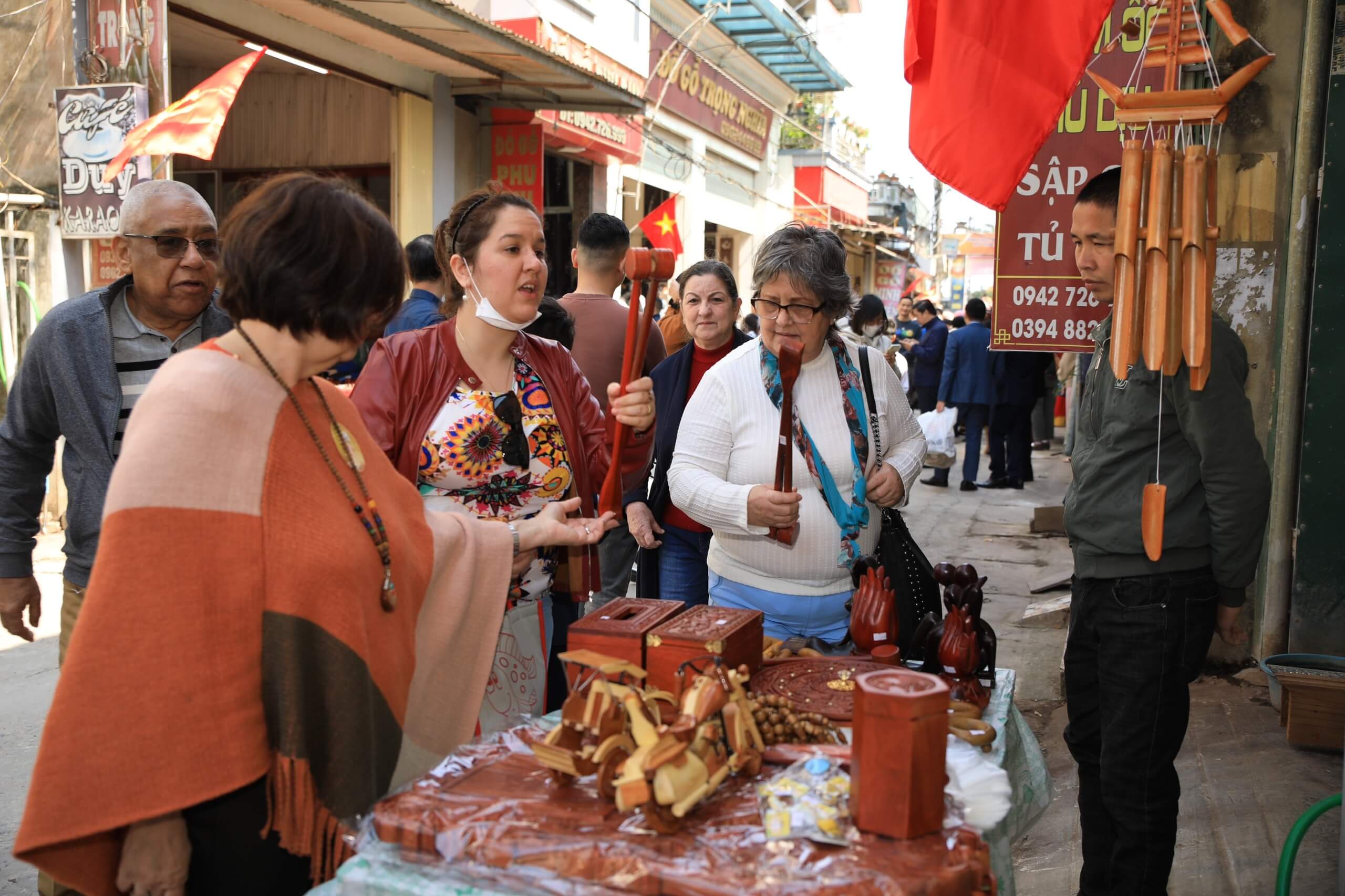
Vietnam Etiquette For Foreigners
Vietnam Etiquette For Foreigners – Dress And Religious Places
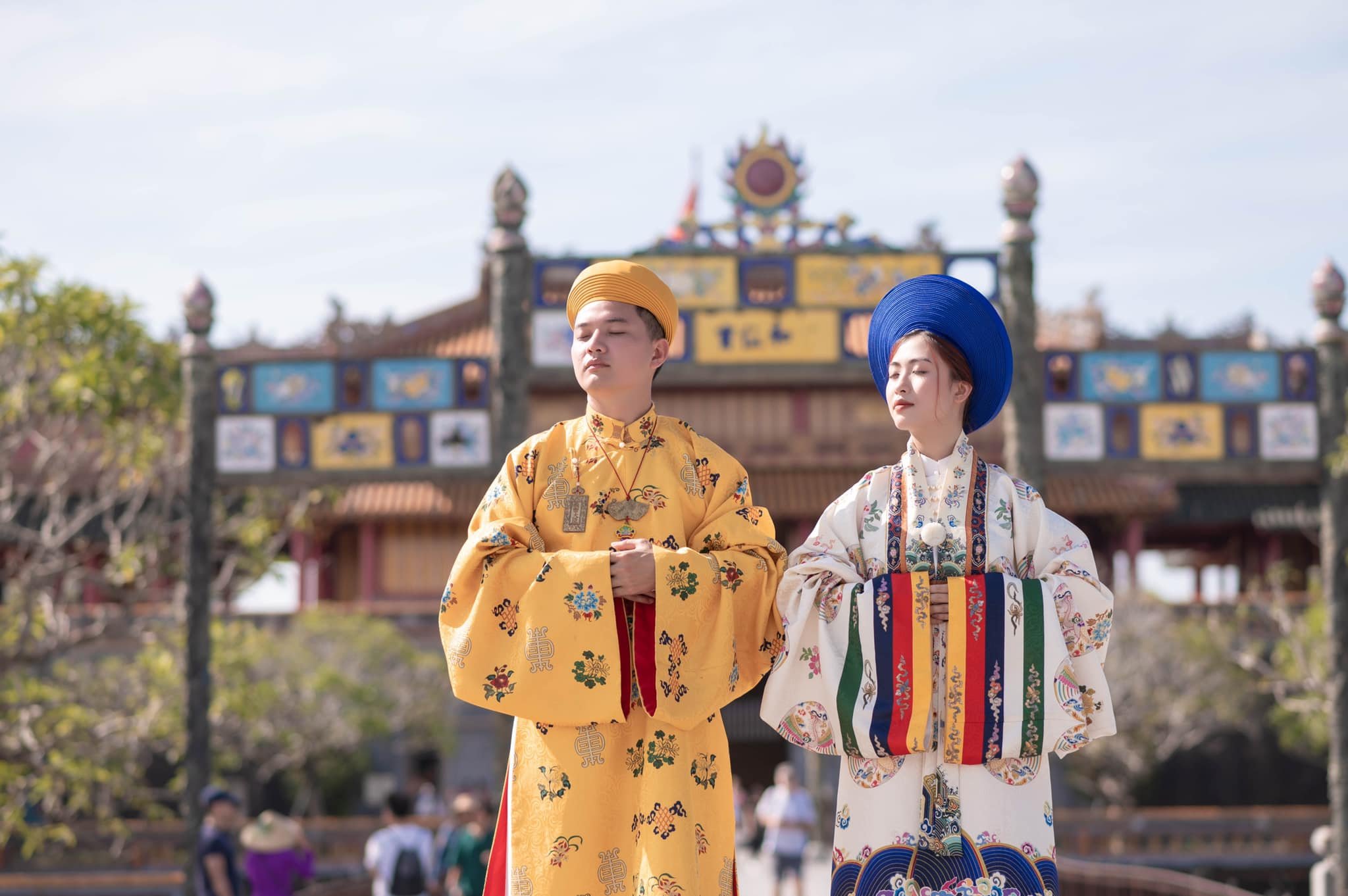
When it comes to first impressions, clothing is one of the most immediate ways locals perceive visitors. For many travelers, understanding Vietnam etiquette for foreigners begins with learning how to dress appropriately in different social and cultural contexts. While Vietnam is becoming increasingly globalized, traditional values surrounding modesty and respect remain deeply rooted. Choosing suitable attire helps foreigners show cultural awareness and feel more comfortable navigating daily life.
In many situations, dressing respectfully is not about following strict rules but about adapting to the environment. Whether walking through a city street or entering a sacred site, being mindful of appearance reflects an understanding of Vietnam etiquette for foreigners and contributes to smoother social interactions throughout the trip. While Vietnam is becoming increasingly globalized, many aspects of Vietnamese culture remain deeply influenced by traditional values and social norms.
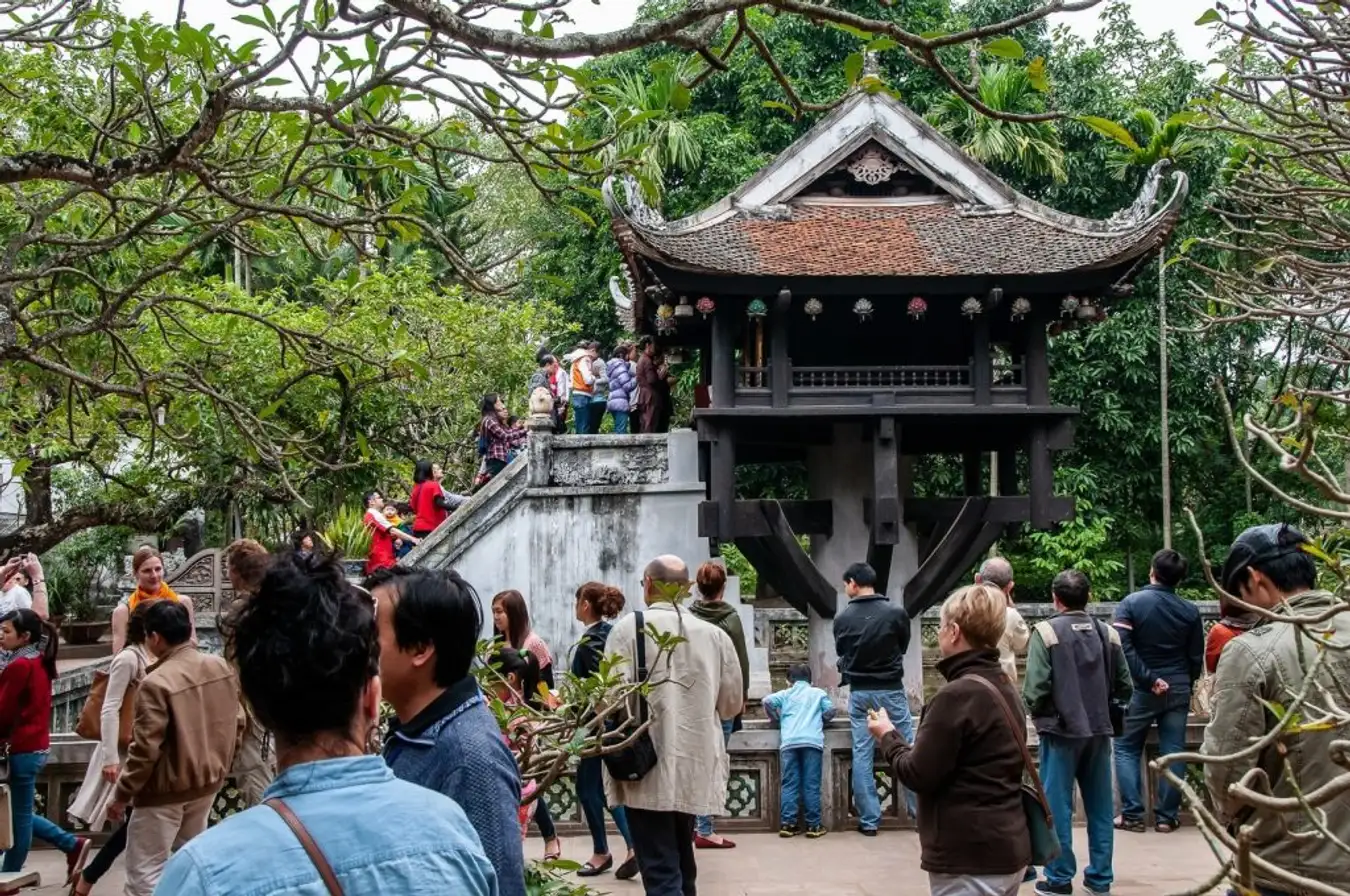
Foreign travelers dressing respectfully while visiting a Vietnamese temple
Appropriate Clothing In Temples And Pagodas
Temples and pagodas are among the most culturally sensitive places visitors will encounter, making them key settings where Vietnam etiquette for foreigners is especially important. These locations are active places of worship, not just historical landmarks, and locals often visit them for prayer, reflection, and important life events. As a result, modest dress is seen as a basic sign of respect.
Visitors should wear clothing that covers the shoulders and knees, such as long pants, maxi skirts, or tops with sleeves. Light fabrics are ideal due to Vietnam’s warm climate and allow travelers to remain comfortable while still dressing appropriately. Following these practices demonstrates an understanding of Vietnam etiquette for foreigners, helping visitors enter religious spaces respectfully and observe local customs without causing offense.
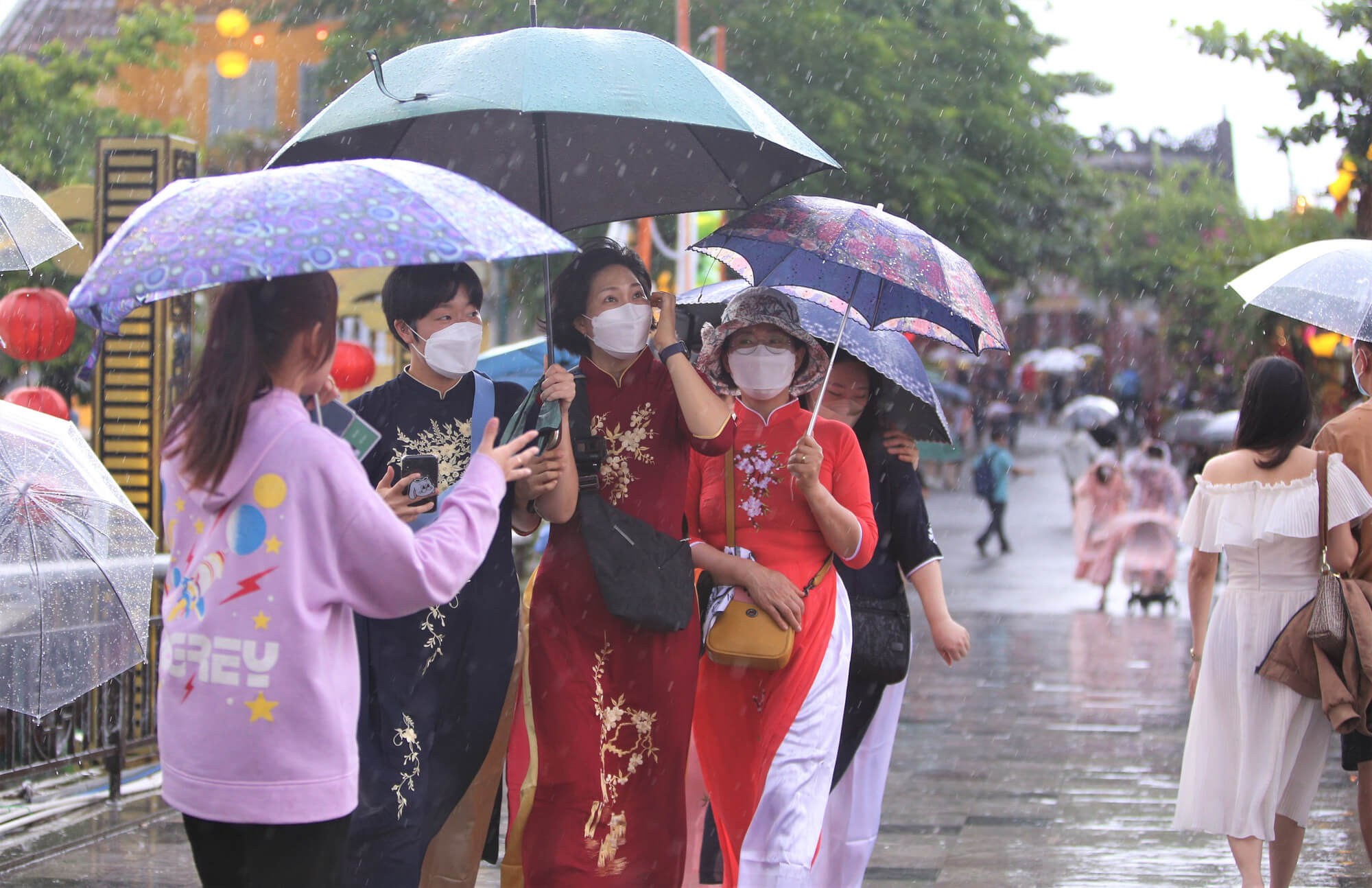
Appropriate clothing worn by foreigners at temples and pagodas in Vietnam
What Foreigners Should Avoid Wearing In Daily Life
Beyond religious sites, daily clothing choices also play a role in how foreigners are viewed. Part of learning Vietnam etiquette for foreigners involves recognizing that overly revealing outfits, offensive graphics, or extreme fashion statements may attract negative attention, especially in traditional neighborhoods or smaller towns. While major cities are more relaxed, locals still appreciate modest and practical attire in most everyday situations.
Items such as swimwear should be reserved for beaches and resorts, and walking shirtless in public areas is generally discouraged. Dressing in a simple, neat, and culturally appropriate manner allows travelers to blend in more naturally. By paying attention to these details, foreigners show respect for local norms and gain a deeper understanding of Vietnam etiquette for foreigners in everyday life.
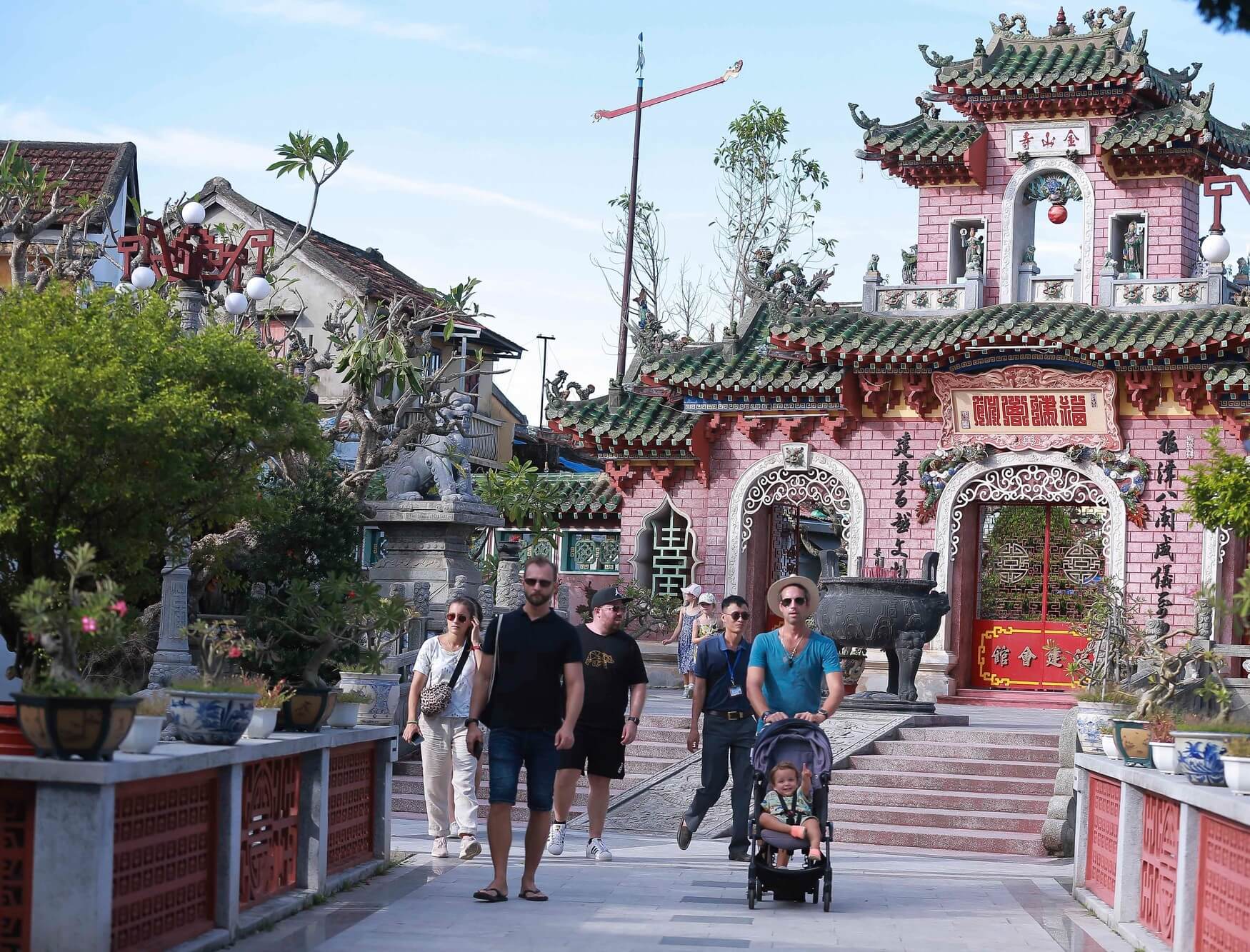
Clothing styles foreigners should avoid in daily life
Rule 2 – Understand How To Greet And Address People
Greetings are a fundamental part of daily interaction and play an important role in shaping first impressions. For travelers, learning how locals greet and address one another is an essential part of understanding Vietnam etiquette for foreigners. Vietnamese communication tends to be polite, subtle, and respectful, especially when interacting with elders or people in formal roles. A proper greeting helps establish trust and shows cultural sensitivity from the very first encounter.
Unlike some Western cultures, greetings in Vietnam are often understated rather than expressive. Foreigners who take time to observe and adapt their behavior demonstrate an appreciation for social norms and gain more positive responses in everyday interactions. Mastering this aspect of Vietnam etiquette for foreigners can greatly improve communication throughout the trip.
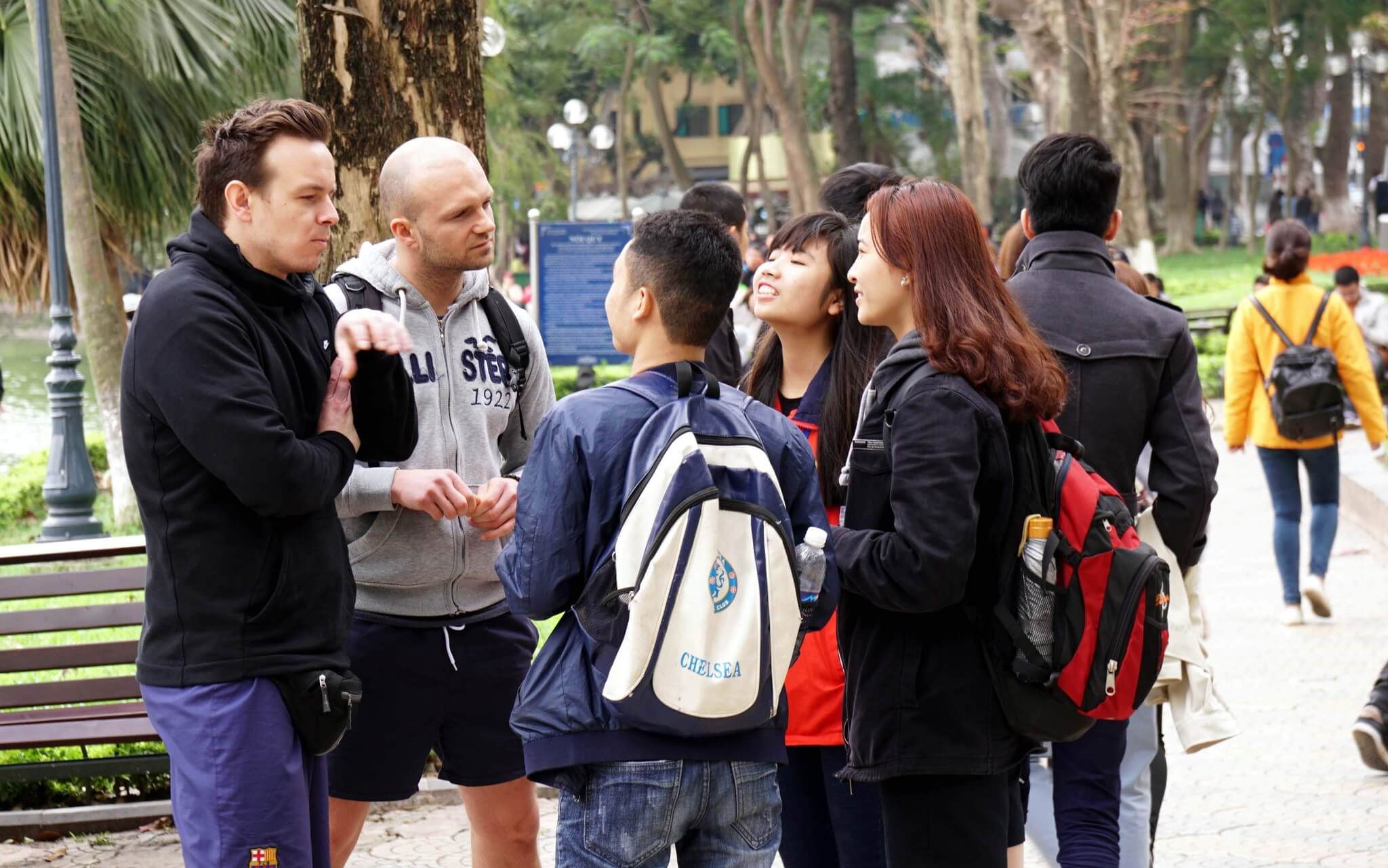
Polite greeting between a foreign visitor and local people
Greetings And Titles In Daily Interactions
In Vietnam, greetings usually begin with a gentle smile and a slight nod rather than physical contact. Handshakes are common in business or formal settings, but they are typically light and brief. When greeting someone, using appropriate titles is far more important than saying a person’s first name. Addressing people correctly reflects respect and social awareness.
Understanding how to greet people in Vietnam also involves recognizing age and status. Elders are highly respected, and younger people are expected to greet them first. Titles are often used instead of names, especially in casual conversations, and failing to acknowledge this hierarchy may be seen as impolite. By observing how locals interact, foreigners can quickly adapt and avoid uncomfortable situations.
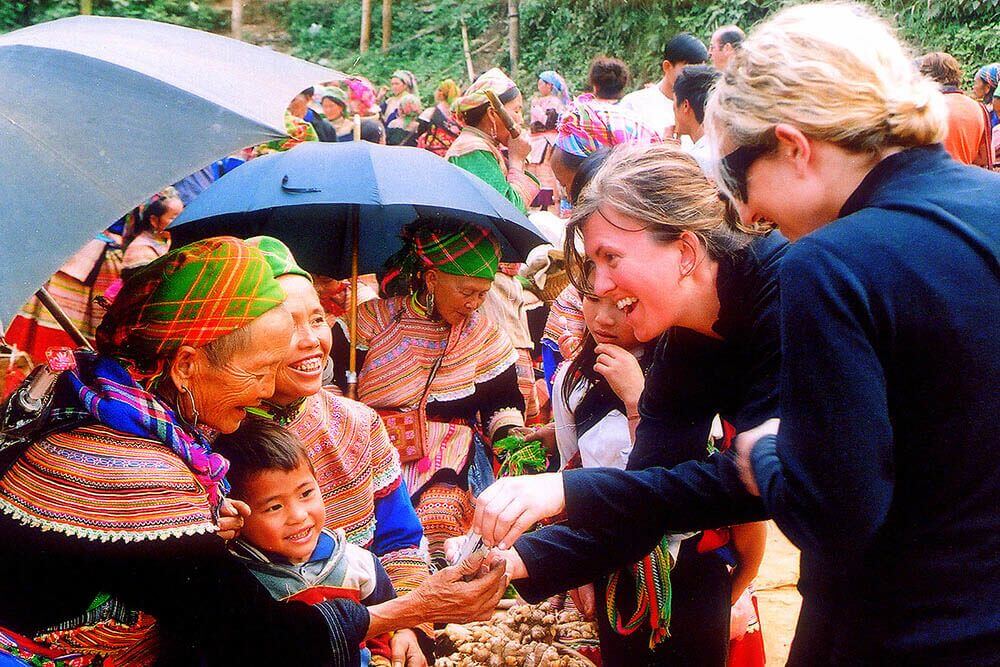
Appropriate body language and first impressions when practicing Vietnam etiquette for foreigners
Body Language And First Impressions
Non-verbal communication is just as important as spoken words. In Vietnamese culture, calm gestures and controlled body language are preferred. Loud voices, exaggerated movements, or overly familiar behavior may create distance rather than friendliness. Maintaining a relaxed posture and respectful eye contact contributes to smoother interactions.
As part of learning Vietnam etiquette for foreigners, visitors should also be mindful of gestures that may carry unintended meanings. For example, pointing directly at people or touching someone’s head can be considered disrespectful. By paying attention to body language and social cues, foreigners can make better first impressions and communicate more effectively in both formal and informal settings.
Cultural behaviors can also vary by region, and this comparison of North vs South Vietnam helps travelers better understand differences in communication styles and social attitudes.
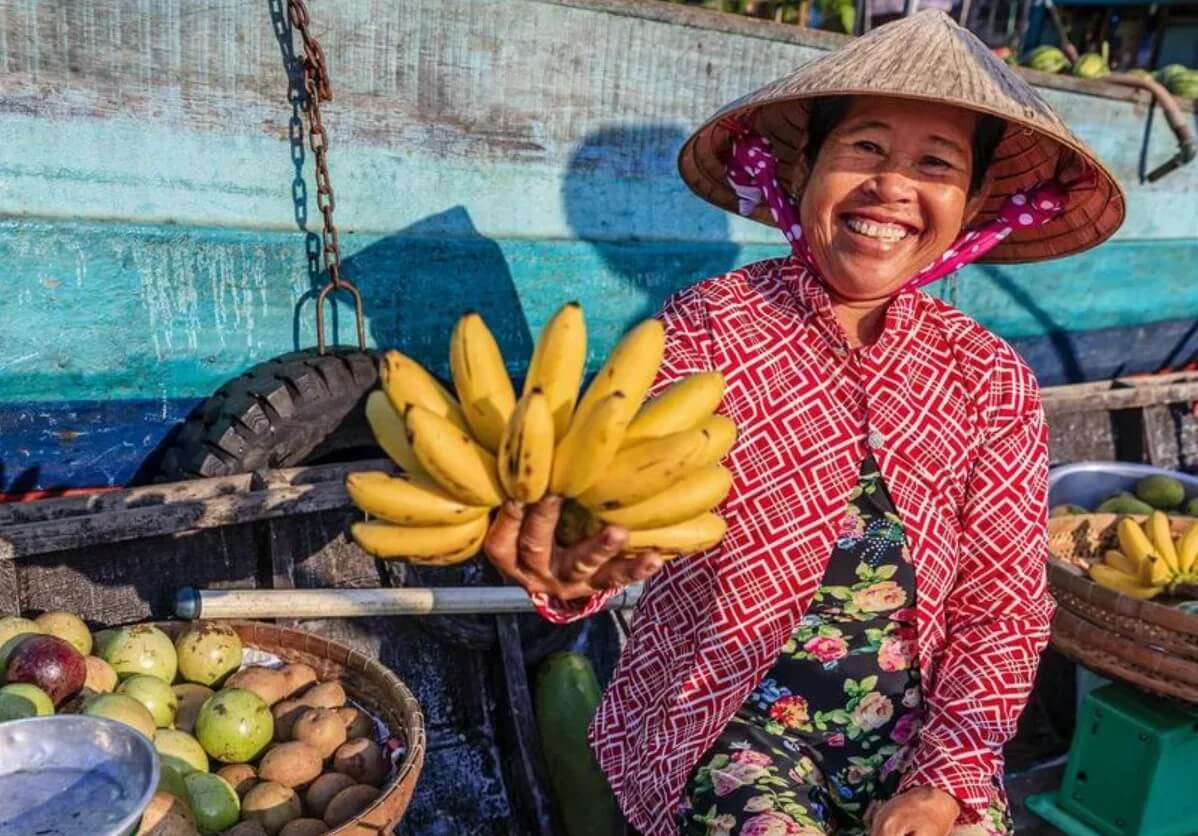
Daily greetings and respectful addressing styles that foreigners should understand
Rule 3 – Table Manners And Dining Etiquette In Vietnam
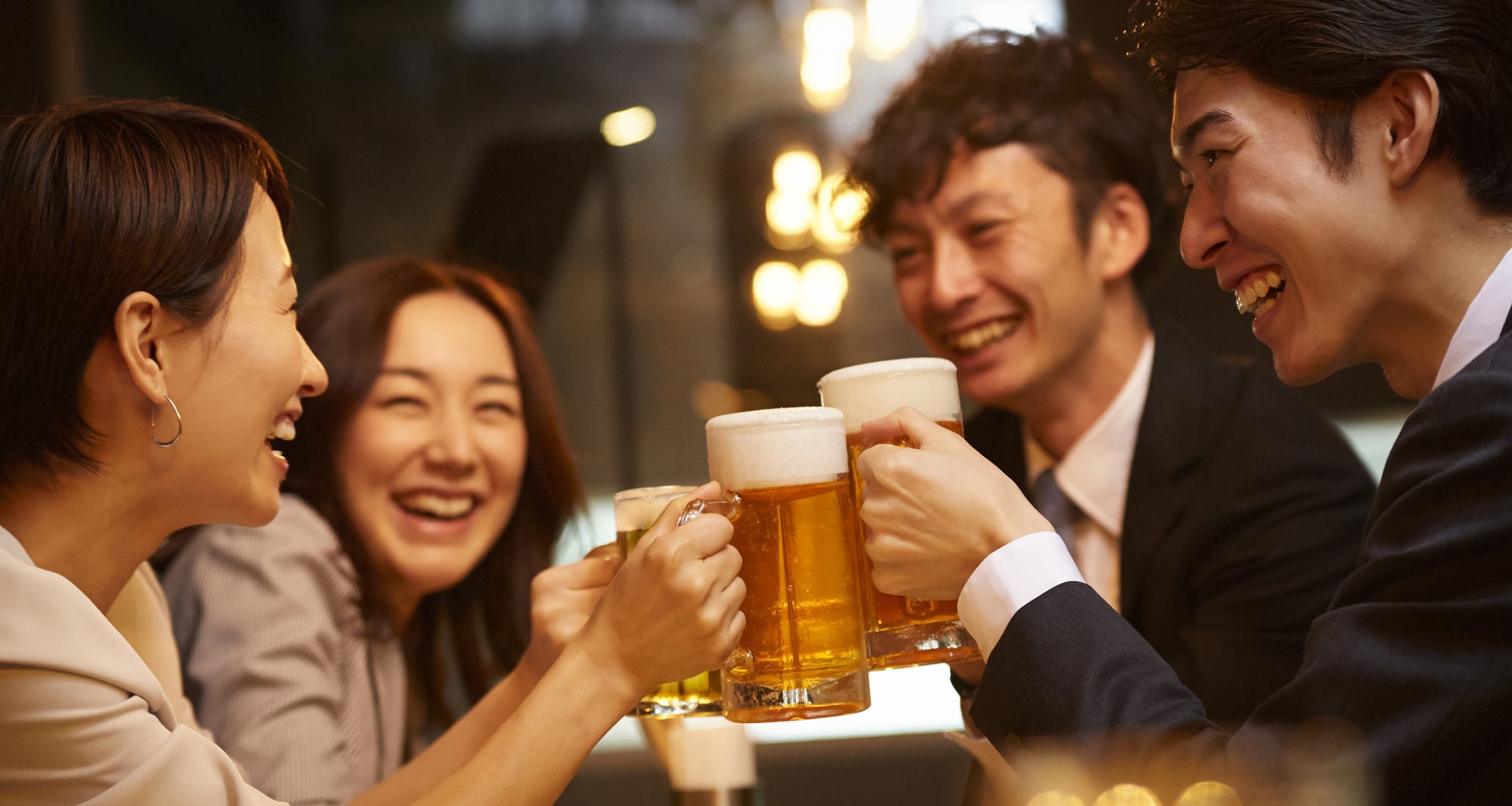
Sharing meals is an important social activity in Vietnamese culture and often reflects deeper values such as respect, harmony, and family connection. For travelers, understanding table manners is a practical way to apply Vietnam etiquette for foreigners in everyday situations. Whether eating at a local restaurant or being invited into a Vietnamese home, proper dining behavior helps foreigners feel more welcomed and avoid unintentional mistakes.
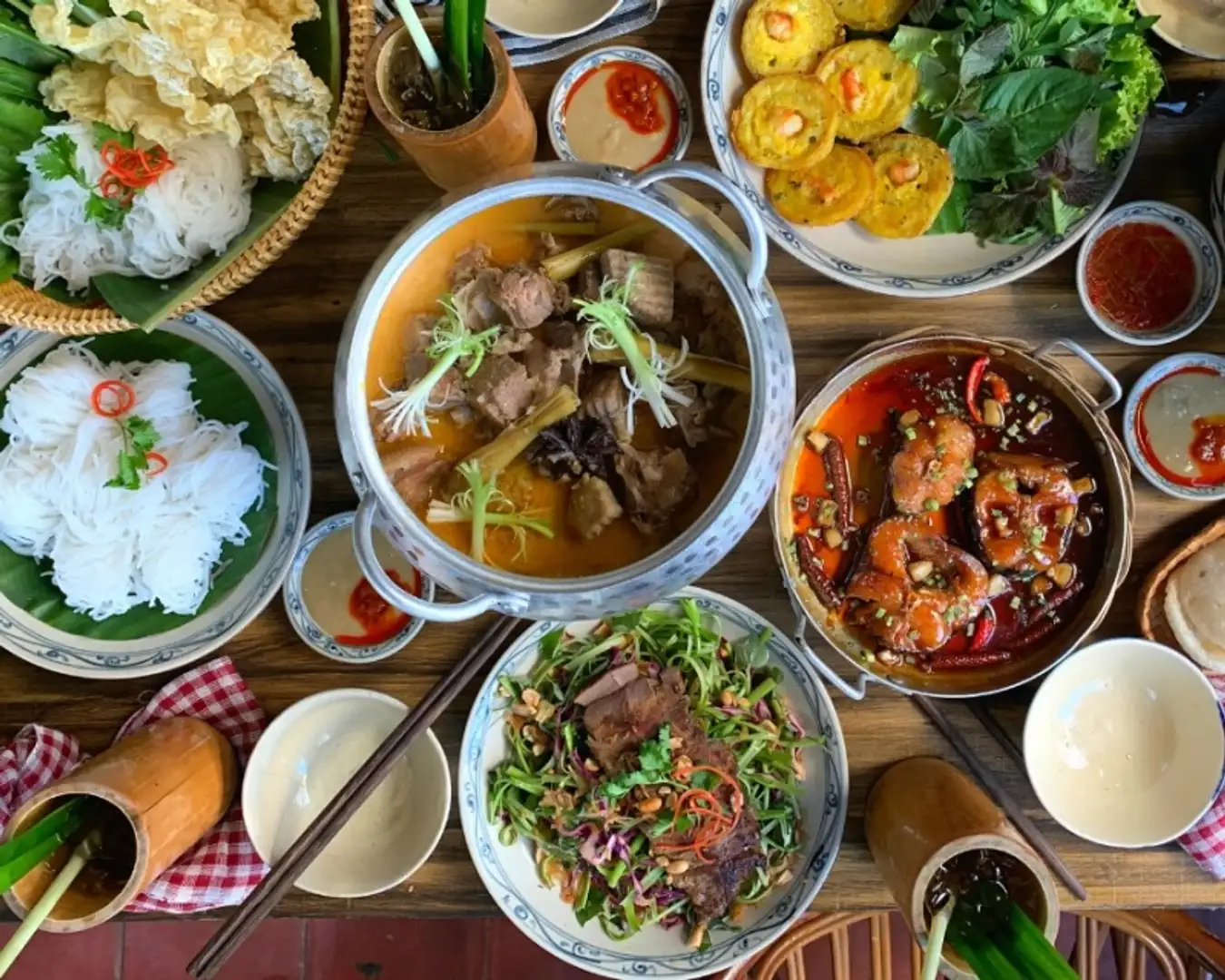
Meals in Vietnam are typically communal, with multiple dishes placed at the center of the table and shared by everyone. Observing how locals eat, waiting for cues, and showing appreciation for the food are simple but meaningful ways to demonstrate cultural awareness. Paying attention to these details strengthens one’s understanding of Vietnam etiquette for foreigners and enhances the overall travel experience.
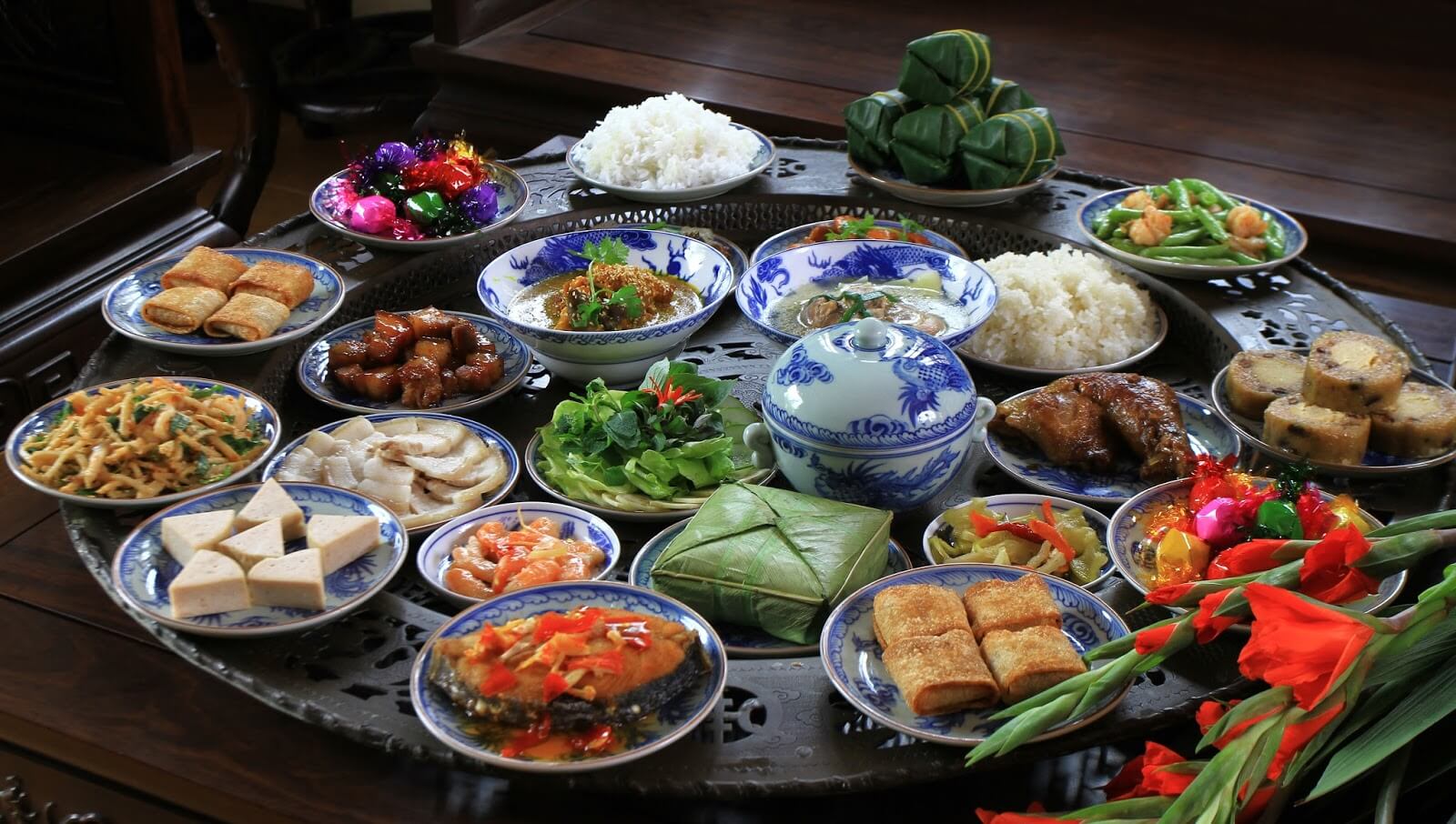
Traditional Vietnamese dining setting demonstrating Vietnam etiquette for foreigners at the table
Eating In Vietnamese Homes And Local Restaurants
When dining with locals, especially in family settings, there is usually an unspoken order and rhythm to the meal. Elders are often invited to eat first, and younger guests may wait briefly before beginning. Using chopsticks correctly, placing them neatly when not in use, and taking food in moderate portions are all signs of good manners.
Learning dining etiquette in Vietnam also includes showing gratitude to the host. Complimenting the food politely and trying a variety of dishes is appreciated, while leaving large amounts of food uneaten may be seen as wasteful. These small gestures help foreigners show respect and align their behavior with local expectations.
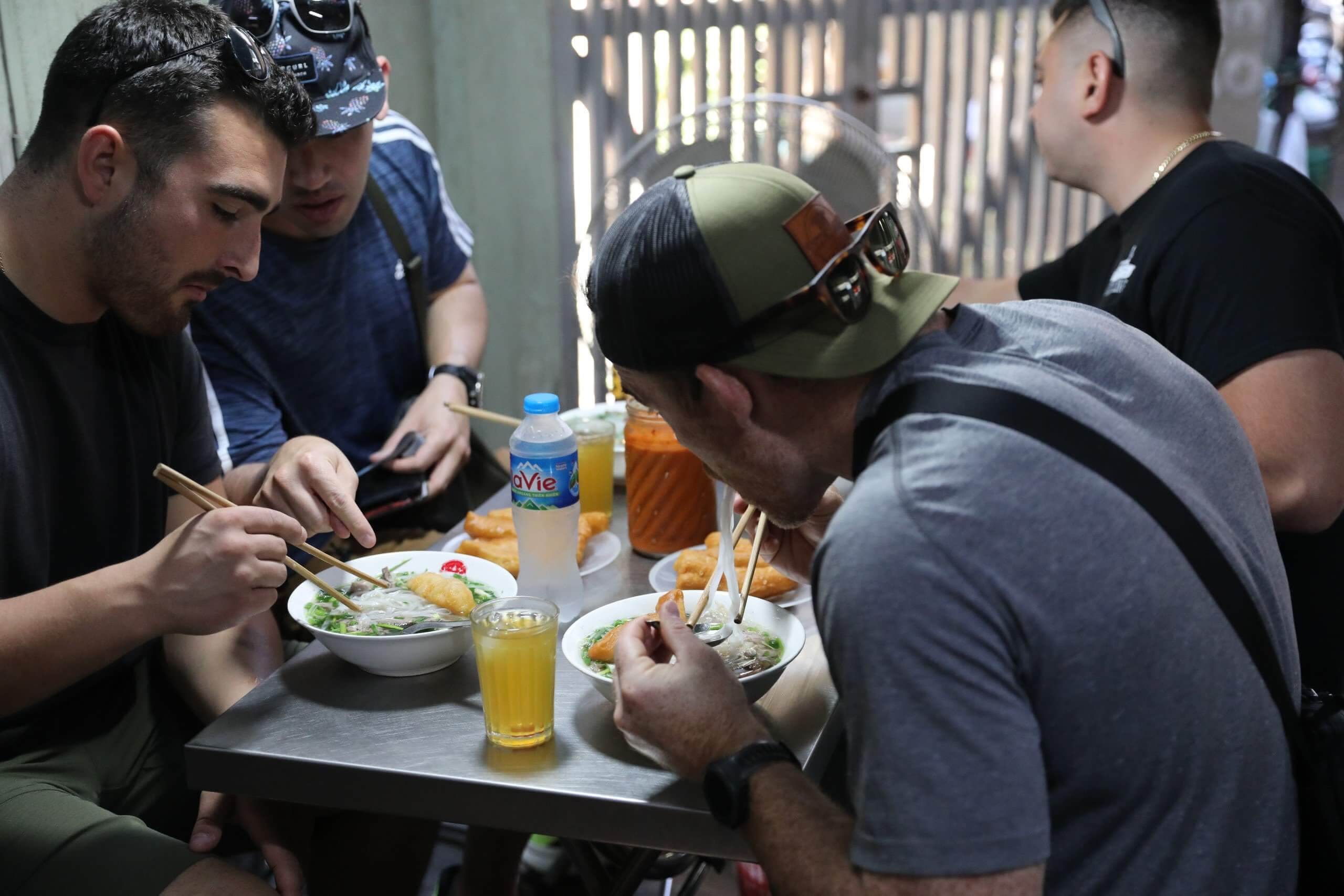
Basic table manners foreigners should follow when dining in Vietnam
Common Dining Mistakes Foreigners Should Avoid
Some habits that are normal elsewhere may feel uncomfortable to locals. Talking loudly, tapping chopsticks on bowls, or sticking chopsticks upright in rice can be considered inappropriate in certain settings. Additionally, reaching across the table without awareness of others or focusing only on personal dishes may disrupt the shared dining experience.
As part of understanding Vietnam etiquette for foreigners, travelers should also be mindful of pace and politeness during meals. Eating too quickly, ignoring shared dishes, or appearing impatient can create awkward moments. By observing others and adapting calmly, foreigners can enjoy meals more fully while respecting cultural norms.
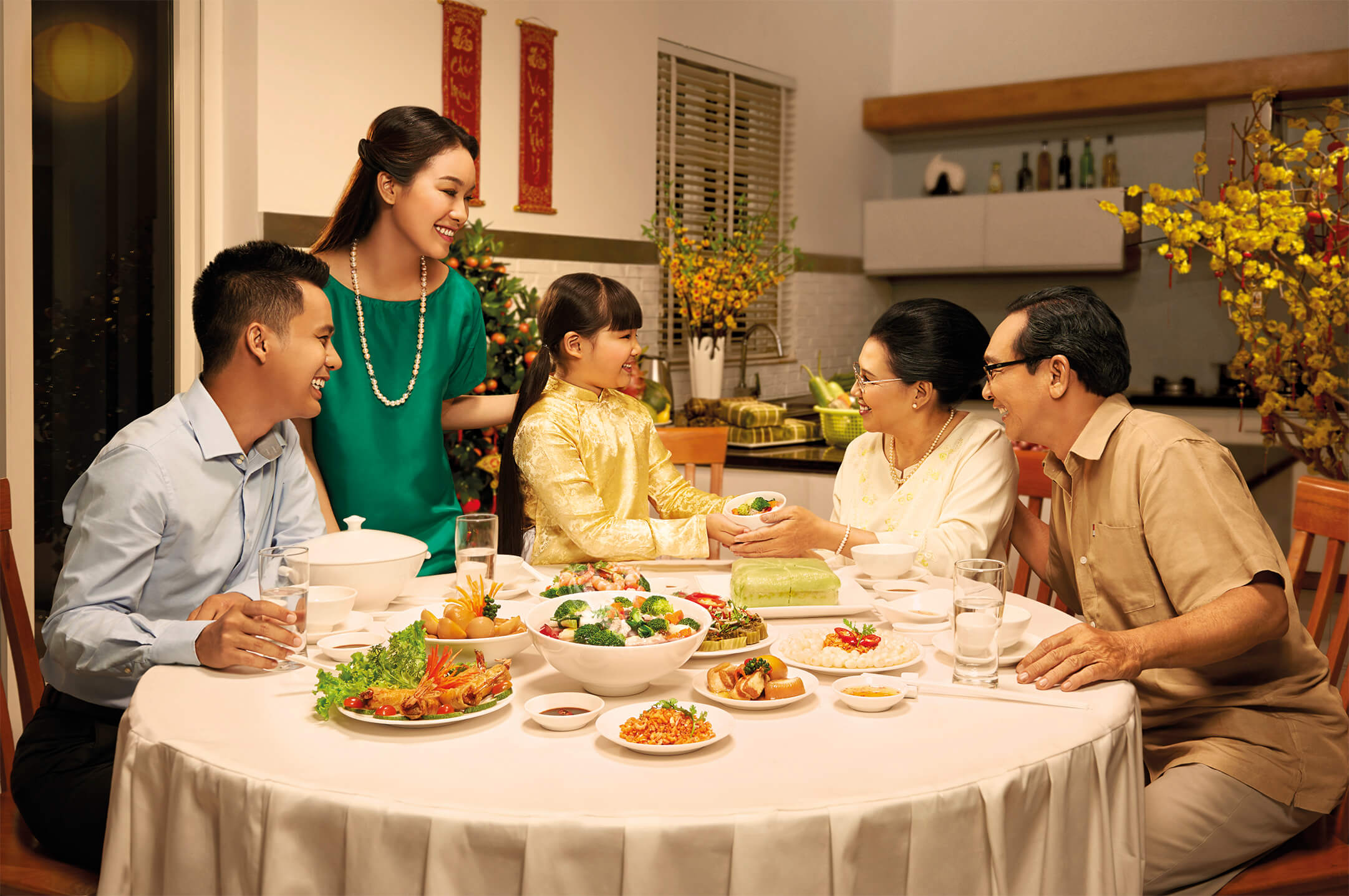
Family dining customs that reflect in social meals
Rule 4 – Respect Personal Space And Public Behavior
Understanding social boundaries is an important part of adapting to daily life in Vietnam. While the country is known for its friendly and welcoming atmosphere, public behavior is often guided by subtle social expectations. Learning how to act appropriately in shared spaces is a key aspect of Vietnam etiquette for foreigners, especially in crowded cities, public transport, and community areas.
Vietnamese society generally values calmness and social harmony. Loud or disruptive behavior may draw unwanted attention, even if it is not directly confronted. By observing local customs and adjusting behavior accordingly, foreigners demonstrate cultural sensitivity and gain smoother interactions throughout their journey.
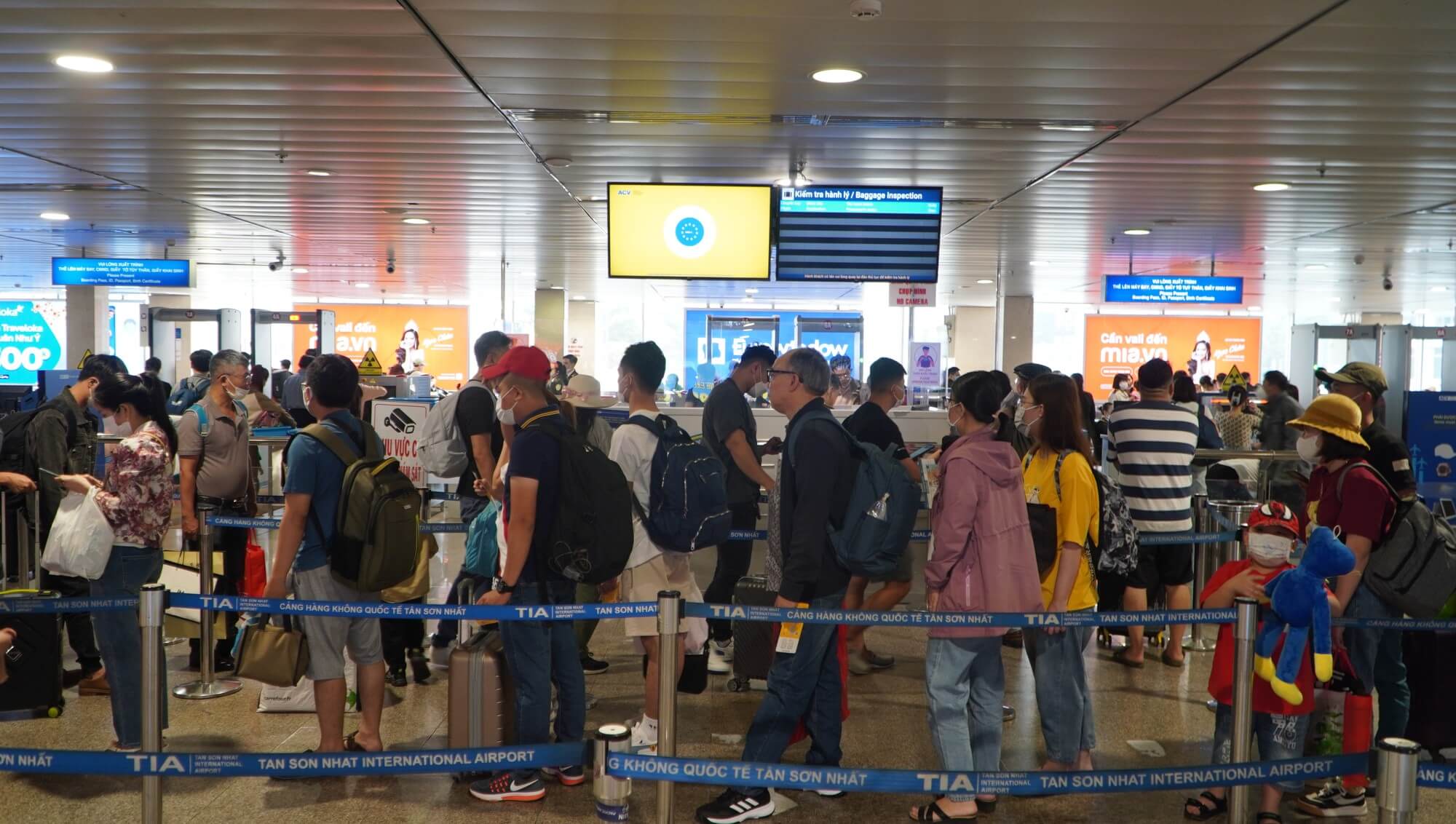
Respectful public behavior by travelers following Vietnam etiquette for foreigners
Public Conduct And Social Awareness
In public spaces, people tend to be mindful of those around them. Speaking at a moderate volume, queuing patiently, and showing consideration in crowded areas are all appreciated. Actions that may seem casual elsewhere, such as arguing loudly or displaying strong emotions in public, can make locals uncomfortable.
Practicing respectful behavior in Vietnam often means blending in rather than standing out. Foreigners who remain calm, polite, and observant are more likely to be treated warmly and respectfully in return. This awareness plays a significant role in navigating everyday situations, from markets to public transportation. Using the right digital tools can also improve daily interactions, and these recommended apps for Vietnam travel help visitors move around more confidently and respectfully.
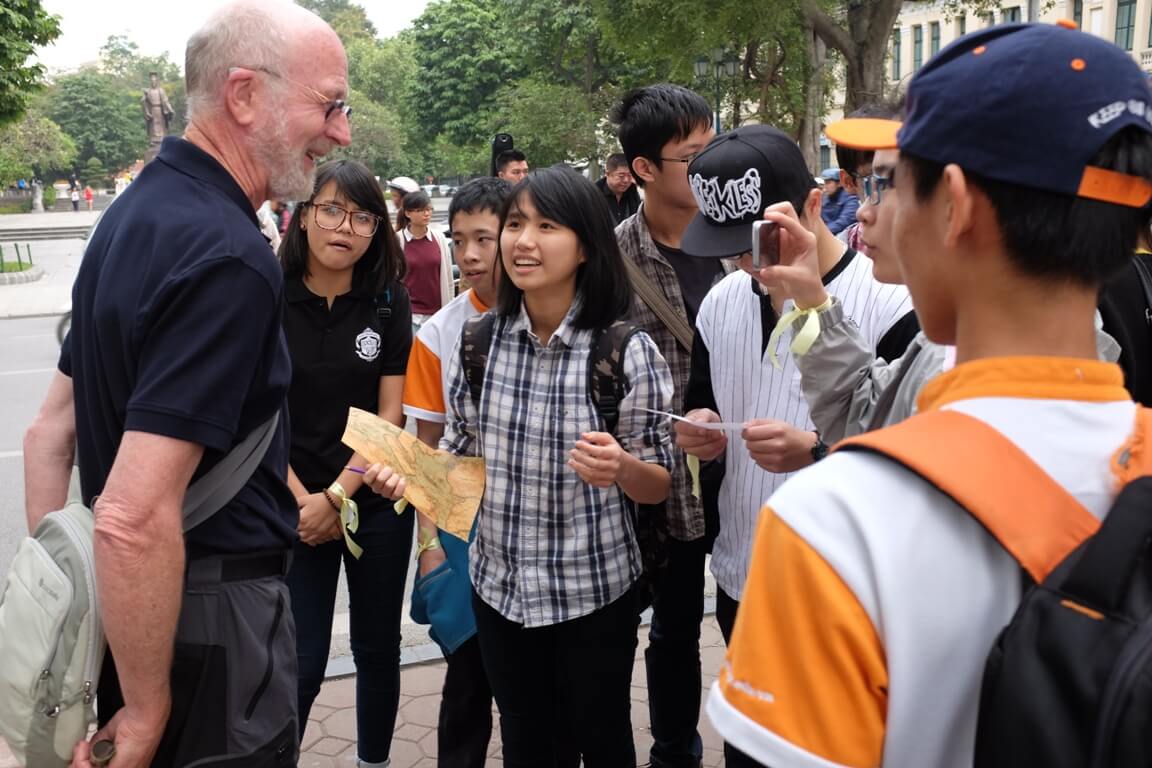
Understanding personal space in daily interactions as part of Vietnam
Gestures And Actions That May Be Misunderstood
Certain gestures carry different meanings in Vietnam and should be used carefully. Pointing directly at people, using exaggerated hand movements, or showing impatience through body language may be interpreted negatively. Physical contact between strangers is generally limited, and personal space is respected, particularly in formal settings.
As part of understanding Vietnam etiquette for foreigners, visitors should also be cautious with casual displays of affection in public. While attitudes are gradually changing, subtlety is still preferred in many places. Paying attention to local behavior helps foreigners avoid misunderstandings and interact more comfortably within Vietnamese society.
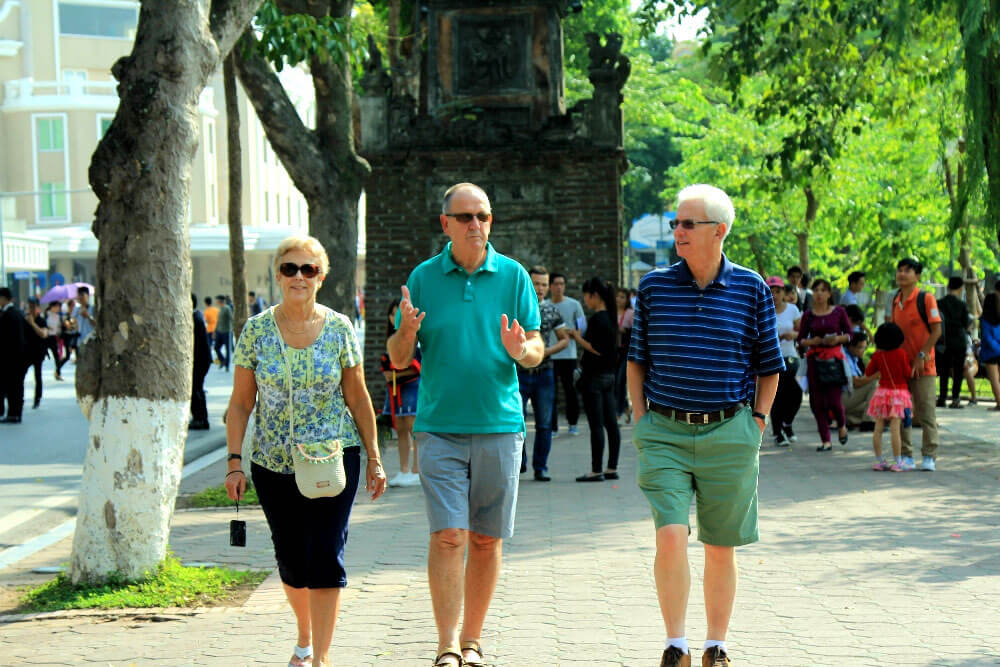
Appropriate public behavior expected from visitors
Rule 5 – Temple, Pagoda And Sacred Place Etiquette
Sacred sites are deeply woven into daily life and spiritual identity in Vietnam. Temples and pagodas are not only architectural landmarks but also meaningful places where locals come to pray, reflect, and mark important moments in life. For travelers, behaving appropriately in these spaces is one of the clearest expressions of Vietnam etiquette for foreigners, as actions taken here are often closely observed.
Visitors are generally welcomed, but respect is expected at all times. Moving quietly, observing before acting, and following visible rules help foreigners show appreciation for local beliefs. Understanding the atmosphere of sacred places allows travelers to experience them more respectfully and meaningfully while practicing Vietnam etiquette for foreigners in its most traditional form.
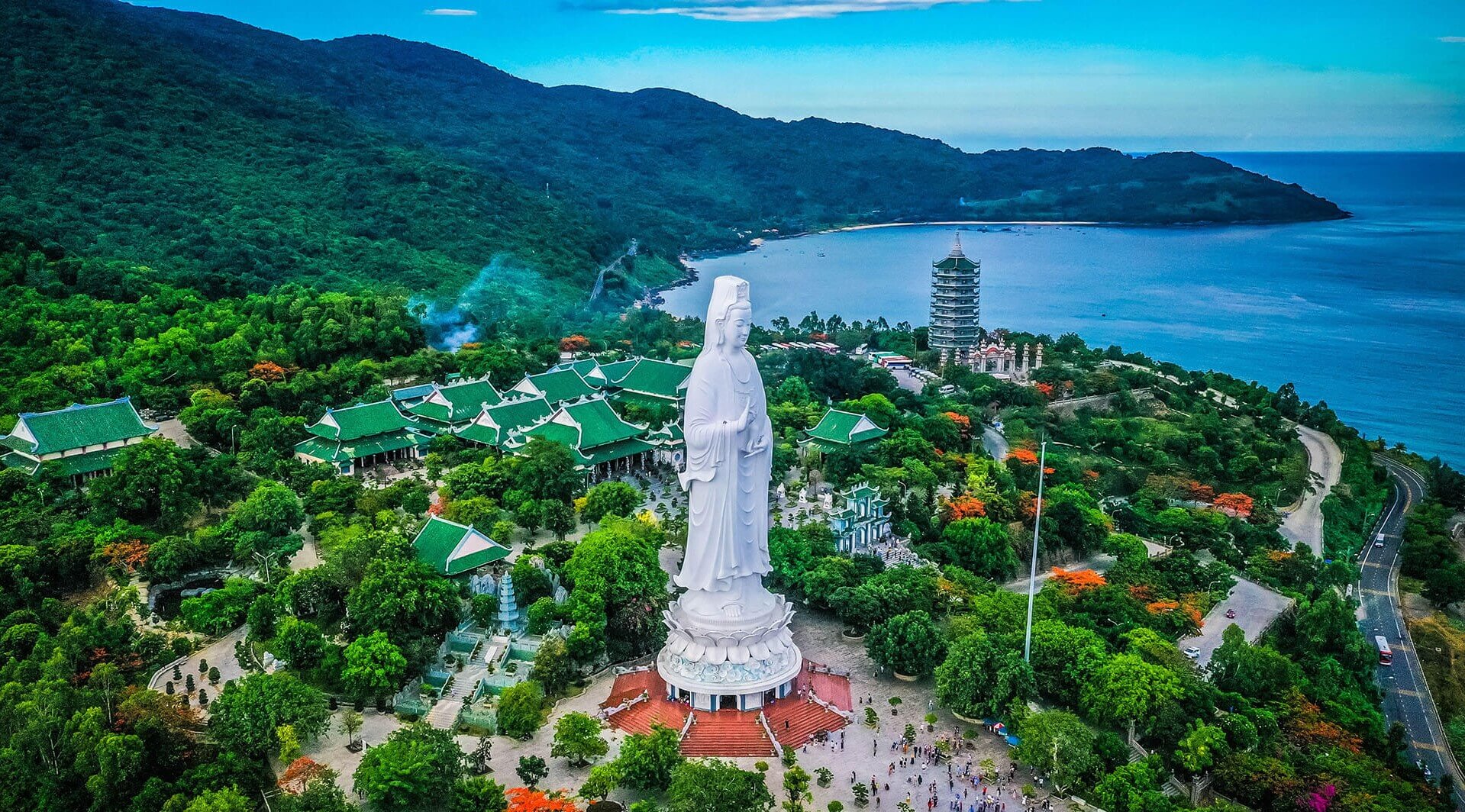
Sacred temples and pagodas should be carefully observed
Behavior Rules Inside Religious Sites
Inside temples and pagodas, calm and respectful behavior is essential. Speaking softly, walking slowly, and avoiding unnecessary noise help maintain the peaceful environment. Visitors should never touch statues, offerings, or ritual objects unless explicitly invited to do so. Shoes may need to be removed in certain areas, and signs or local cues should always be followed.
Learning Vietnam etiquette at temples also includes understanding proper posture and movement. Turning one’s back directly toward altars, stepping over offerings, or sitting in inappropriate positions may be viewed as disrespectful. By observing how locals behave and mirroring their actions, foreigners can navigate these sacred spaces with greater cultural sensitivity.
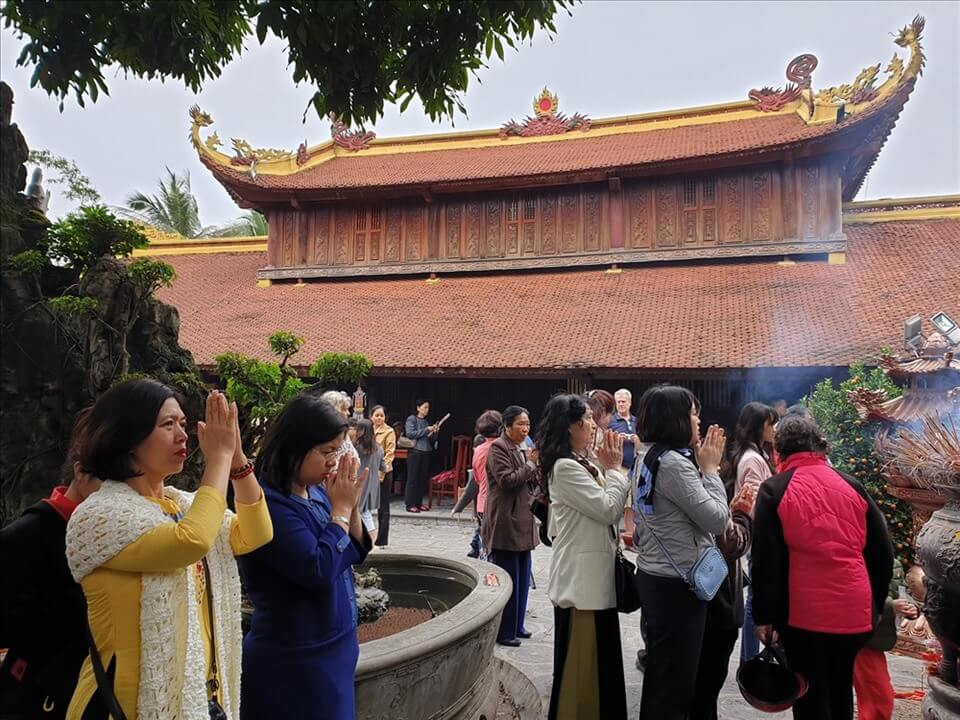
Proper conduct inside sacred places
Photography And Worship Practices
Photography is often allowed in temple grounds, but restrictions may apply in inner sanctuaries or during active worship. Flash photography, intrusive angles, or interrupting ceremonies can be disruptive. It is always best to look for posted signs or ask politely before taking photos, especially when monks or worshippers are present.
As part of respecting Vietnam etiquette for foreigners, visitors should also remain mindful during prayer rituals. Standing aside, keeping a respectful distance, and avoiding distractions show consideration for those engaged in worship. Approaching these moments with patience and awareness allows foreigners to observe local spiritual practices without causing offense.
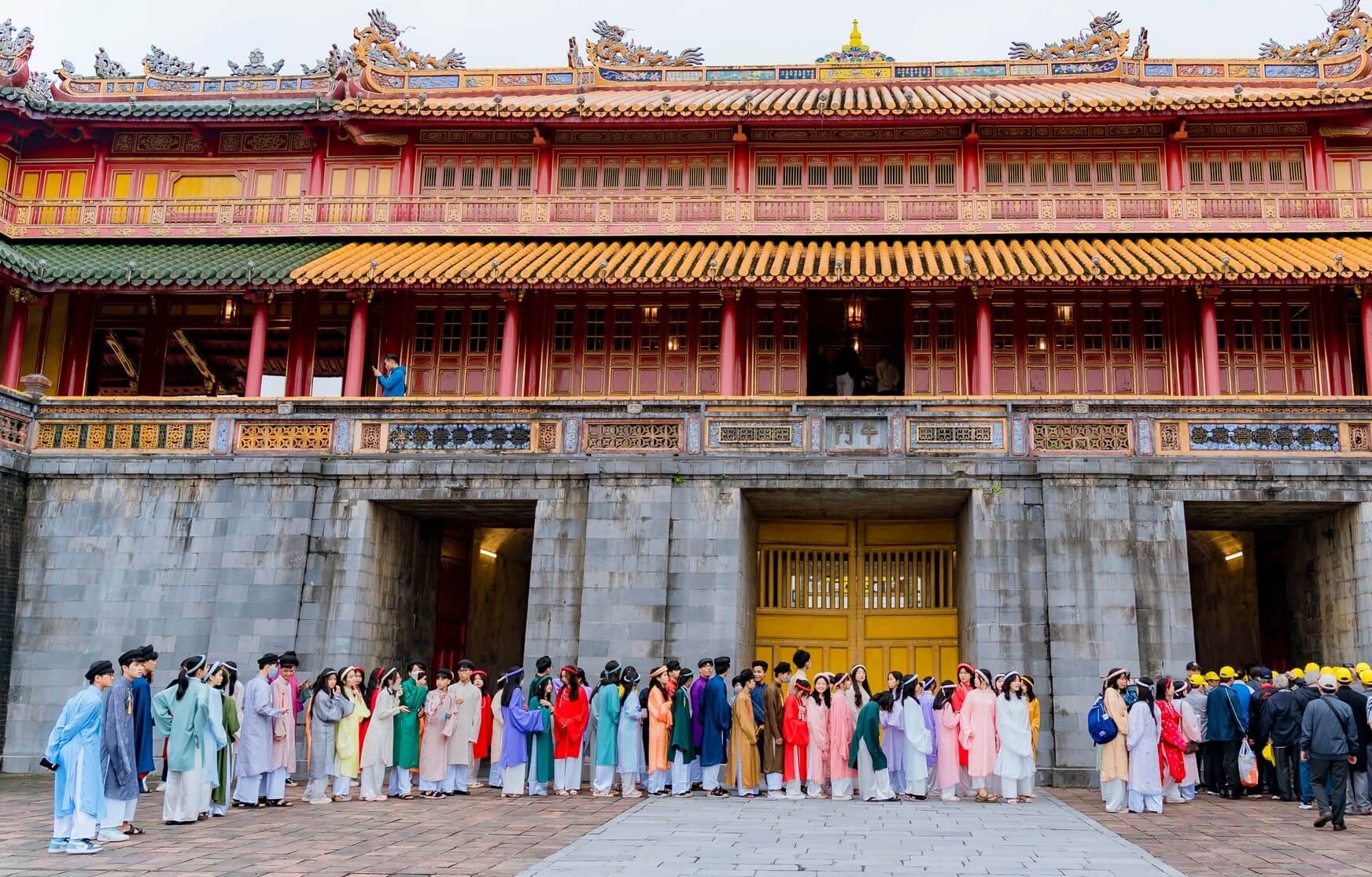
Photography rules foreigners should respect at religious sites
Rule 6 – Tipping, Bargaining And Money Etiquette
Handling money appropriately is an important yet often misunderstood aspect of traveling in Vietnam. From tipping to bargaining, financial interactions are guided more by social awareness than fixed rules. For visitors, understanding these practices is a practical way to apply Vietnam etiquette for foreigners in everyday situations, especially in markets, restaurants, and service-related encounters.
For a broader overview of practical advice beyond cultural etiquette, travelers can explore these essential Vietnam travel tips to prepare more confidently for everyday situations. While Vietnam is not a tipping-based culture in the traditional sense, showing appreciation in the right way can leave a positive impression. Being polite, patient, and fair during financial exchanges reflects respect for local customs and helps foreigners navigate transactions with confidence and cultural sensitivity.
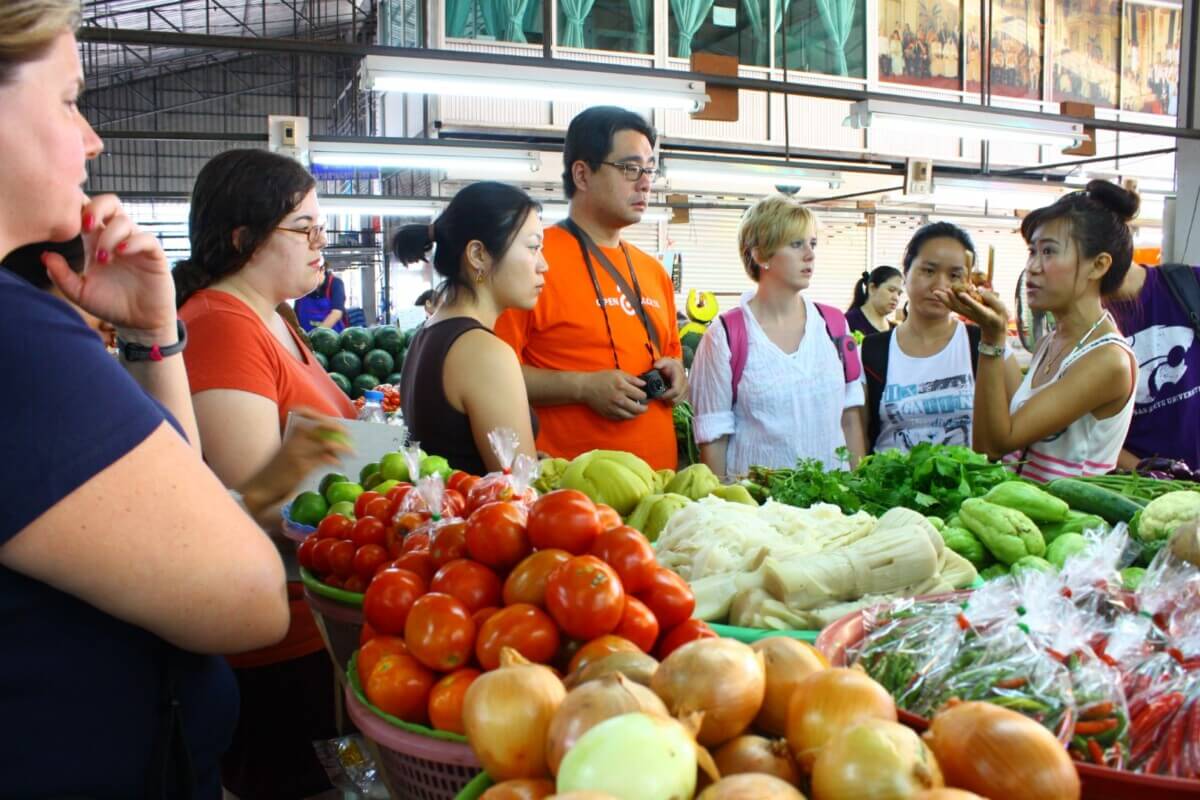
Tipping and bargaining practices that foreigners should understand in Vietnam
Understanding Tipping Practices In Vietnam
Tipping is not mandatory in most situations, but it is becoming more common in tourist-oriented services. Small tips are often appreciated by tour guides, drivers, or hotel staff, particularly when service has been exceptional. However, excessive tipping may feel awkward or unnecessary in many local settings.
Knowing Vietnam tipping etiquette means recognizing that appreciation is usually shown through politeness rather than money alone. A sincere thank-you, a friendly attitude, and respectful behavior often matter more than the amount given. Foreigners who tip modestly and appropriately demonstrate an understanding of local expectations without creating discomfort.
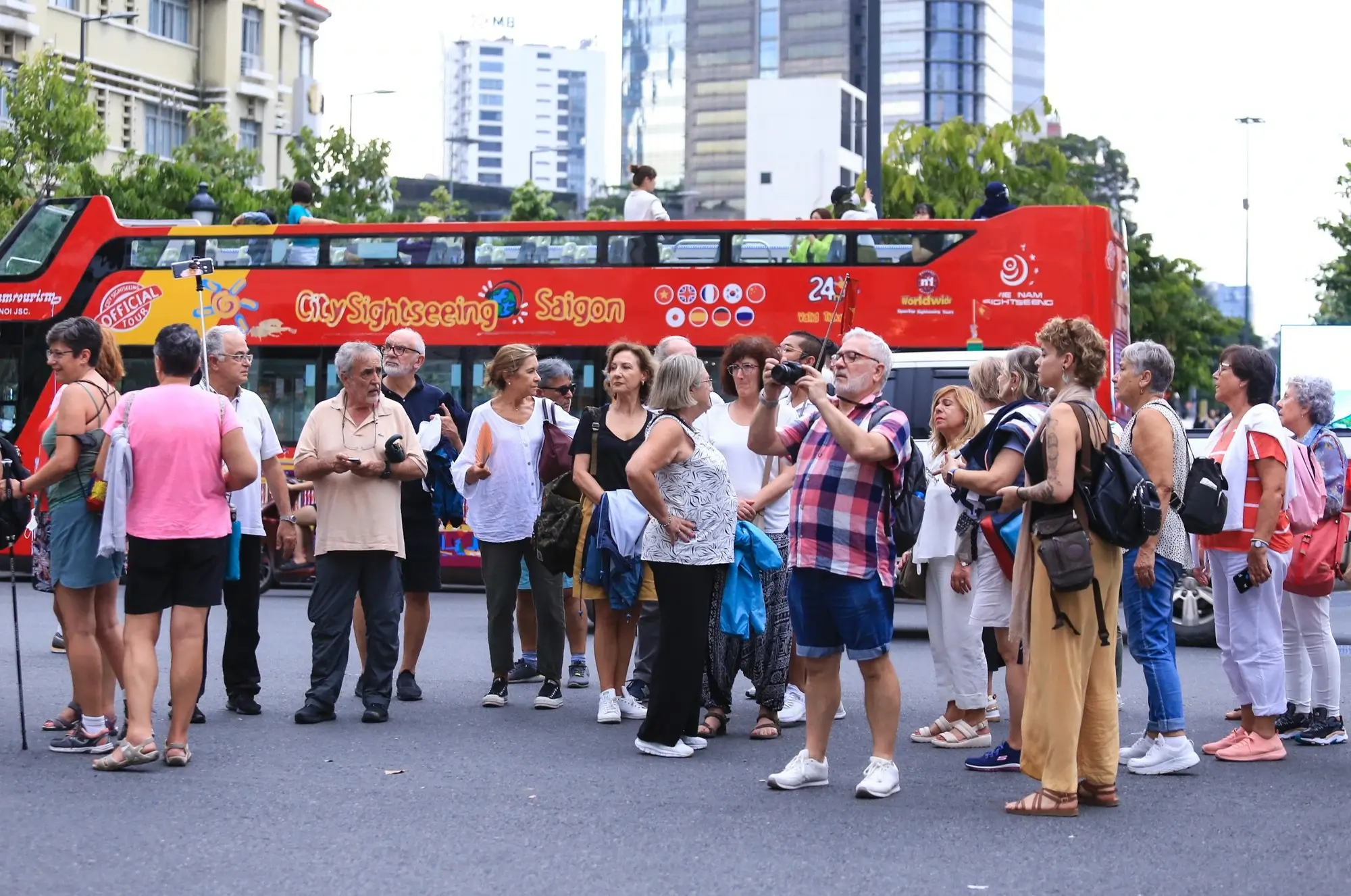
Tipping culture explained for travelers
Bargaining Politely In Markets And Shops
Bargaining is a normal part of shopping in traditional markets and small shops, especially for souvenirs or non-fixed-price items. However, it should always be done with a calm and friendly attitude. Aggressive negotiation or showing frustration can quickly harm the interaction.
As part of practicing Vietnam etiquette for foreigners, visitors should approach bargaining as a social exchange rather than a competition. Smiling, keeping a relaxed tone, and accepting a final price gracefully all contribute to a positive experience. When done respectfully, bargaining can become an enjoyable way to connect with locals while shopping.
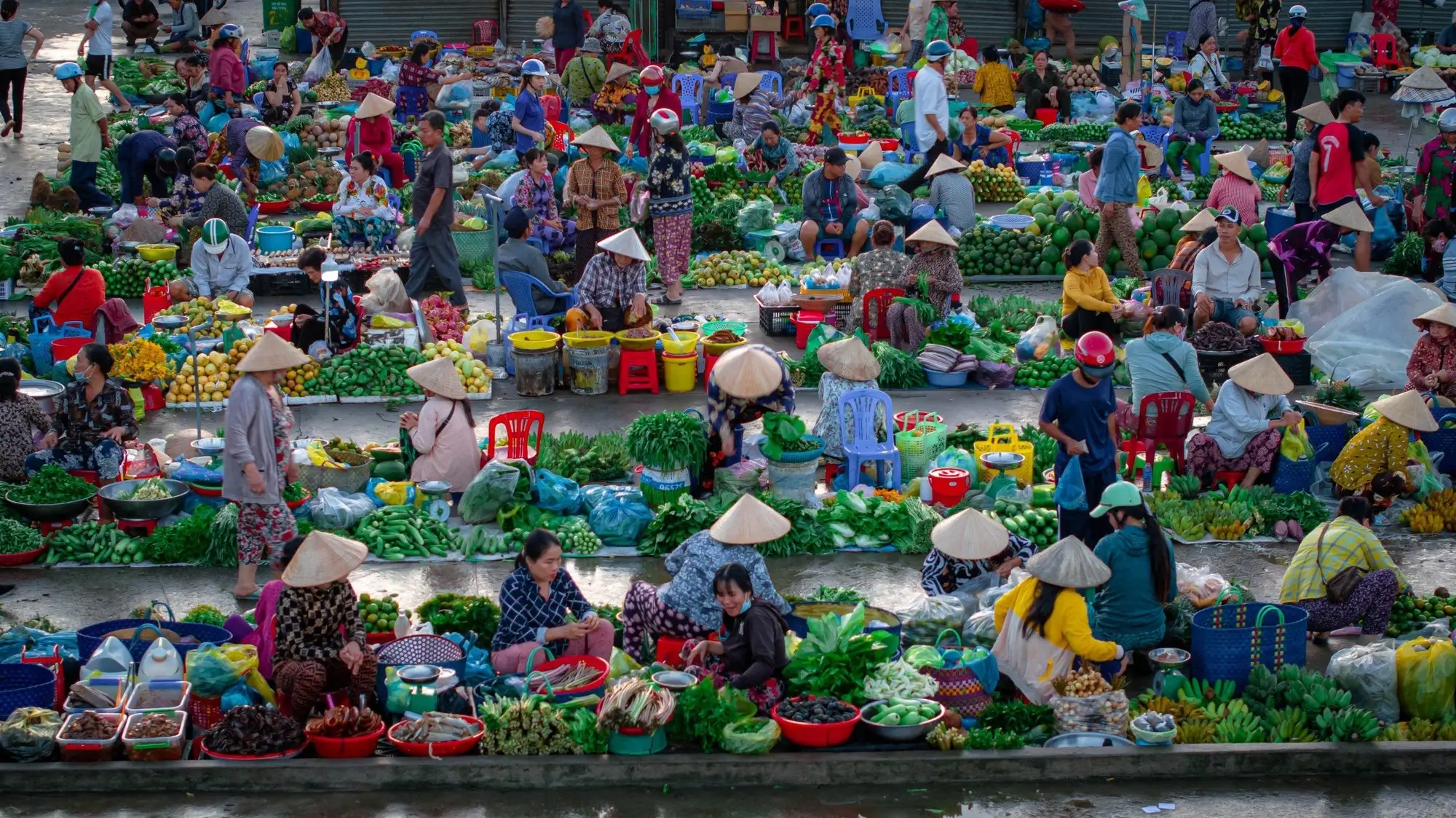
Polite bargaining methods
Rule 7 – Communication Style And Saving Face
Communication in Vietnam often relies more on context, tone, and non-verbal cues than on direct words. Understanding this subtle style is an important part of Vietnam etiquette for foreigners, especially when interacting with locals in everyday situations. Vietnamese people generally value harmony and emotional balance, which strongly influences how opinions, disagreements, and feedback are expressed.
Rather than being direct or confrontational, communication tends to be indirect and polite. Foreigners who adapt to this approach often find conversations smoother and relationships more positive. Learning how to communicate thoughtfully helps visitors avoid misunderstandings and navigate social situations with greater confidence.
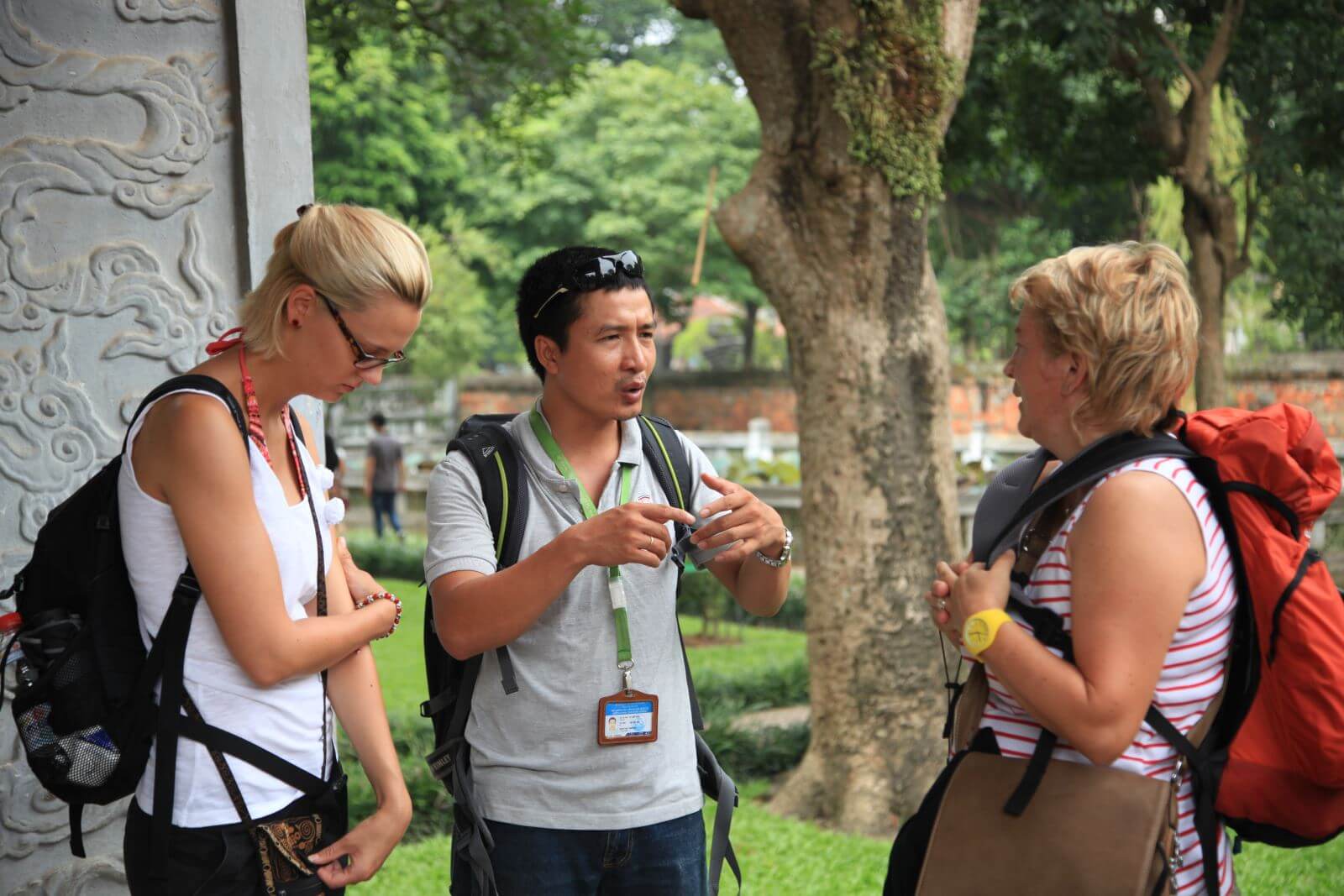
Communication style in Vietnam emphasizing
Indirect Communication And Social Harmony
In Vietnamese culture, saying “no” directly may be avoided in order to preserve harmony. Instead, responses may be vague, indirect, or expressed through body language. Silence, hesitation, or a gentle smile can sometimes signal disagreement or discomfort rather than approval.
As part of learning Vietnam etiquette for foreigners, travelers should pay close attention to these subtle cues. Pressuring someone for a clear answer or insisting too strongly on personal opinions can create tension. Understanding this indirect style allows foreigners to communicate more respectfully and adapt to local expectations.
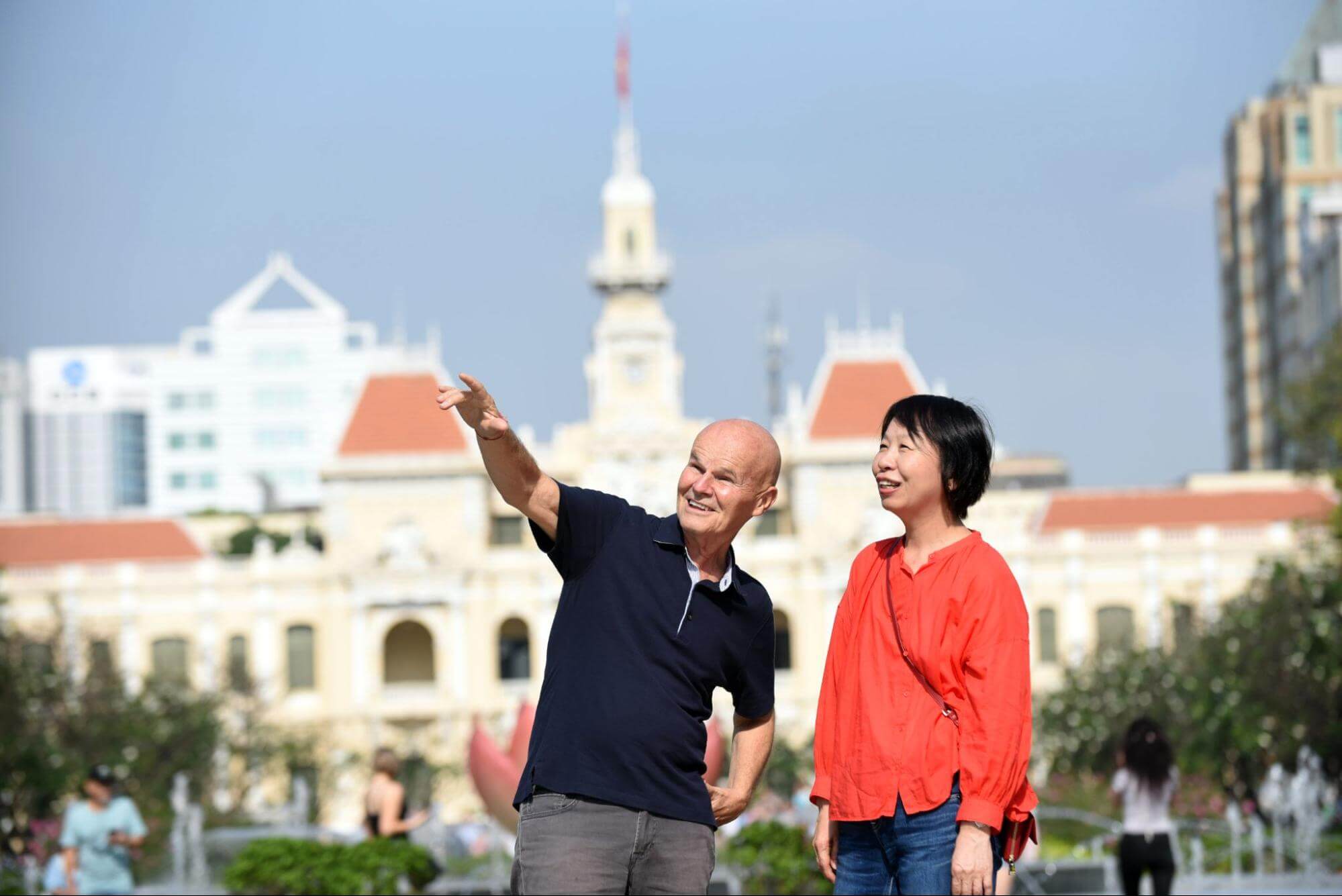
Indirect communication style commonly used in Vietnam
Understanding The Concept Of Saving Face
“Saving face” refers to protecting one’s dignity and social image, and it plays a significant role in daily interactions. Public criticism, confrontation, or embarrassment can cause discomfort, even if unintentional. Correcting someone openly or raising one’s voice may lead to awkward situations.
Many Vietnam dos and don’ts for tourists revolve around this concept. Addressing problems privately, using calm language, and showing patience help maintain mutual respect. By being mindful of how words and actions affect others, foreigners can build trust and navigate communication challenges more effectively while respecting cultural norms. For travelers who want a deeper understanding of acceptable behavior, this guide on Vietnam travel dos and don’ts provides clear, practical examples to help avoid common cultural misunderstandings.
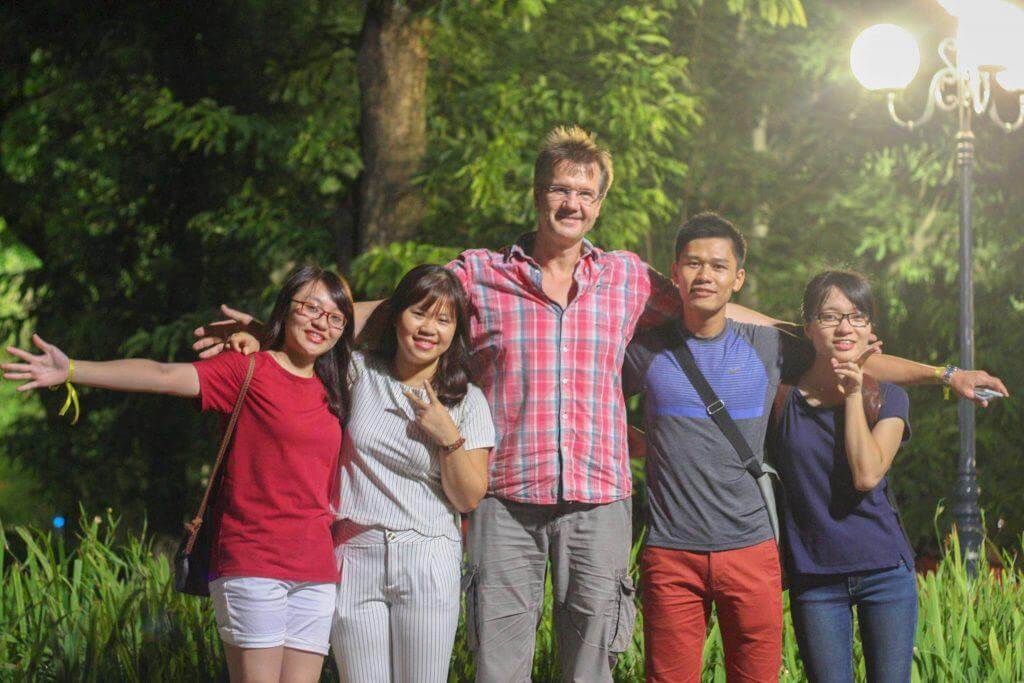
Avoiding conflict and embarrassment while respecting Vietnam etiquette for foreigners
Conclusion
Understanding local culture is one of the most meaningful ways to enrich a journey, and mastering Vietnam etiquette for foreigners allows travelers to experience the country with greater confidence and respect. From how you dress and greet others to the way you communicate, dine, and behave in sacred spaces, these cultural guidelines help build positive connections with local people and avoid unnecessary misunderstandings.
Travel becomes more rewarding when curiosity is paired with cultural awareness. If you are planning your trip and want to explore Vietnam responsibly while gaining authentic insights into local life, let Best Vietnam Tours guide you toward experiences that are respectful, immersive, and truly memorable.
We can help you plan a custom itinerary and stay updated with the best current travel deals.
- WhatsApp: +84.968804998
- Email: info@bestour.net
- Address: No. 55 Bui Thi Xuan Street, Hai Ba Trung Ward, Hanoi, Vietnam
- Fanpage: Best Vietnam Tours