Nestled in the misty mountains of Northern Vietnam, Sapa is a destination that instantly captures the imagination of travelers seeking dramatic landscapes and authentic cultural encounters. From towering peaks and rolling rice terraces to ethnic villages that preserve centuries-old traditions, the region offers a rich blend of nature and heritage. For travelers planning their first journey here, understanding the most iconic places to see in Sapa can make the experience far more rewarding and well-paced.
As a trusted travel brand specializing in immersive journeys across Vietnam, Best Vietnam Tours – Bestour provides carefully curated insights and itineraries designed to help visitors explore Sapa with confidence, comfort, and deeper cultural appreciation. This guide is crafted specifically for first-time travelers, highlighting essential landmarks, natural wonders, and cultural highlights that define Sapa’s unique charm.
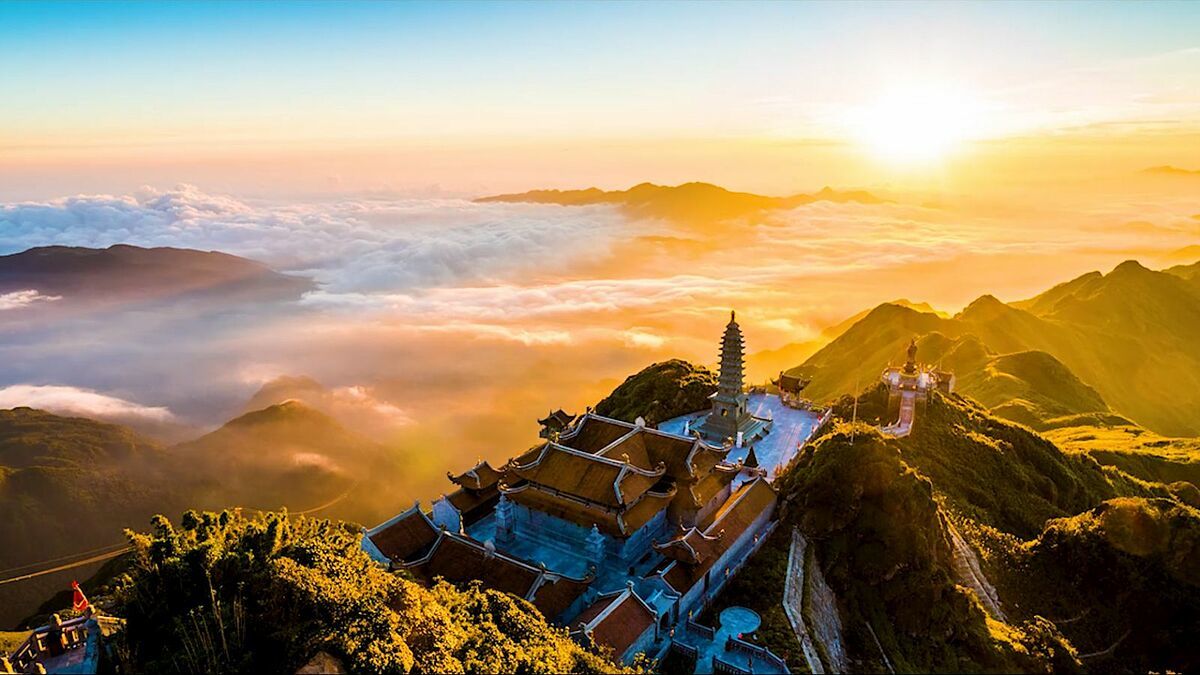
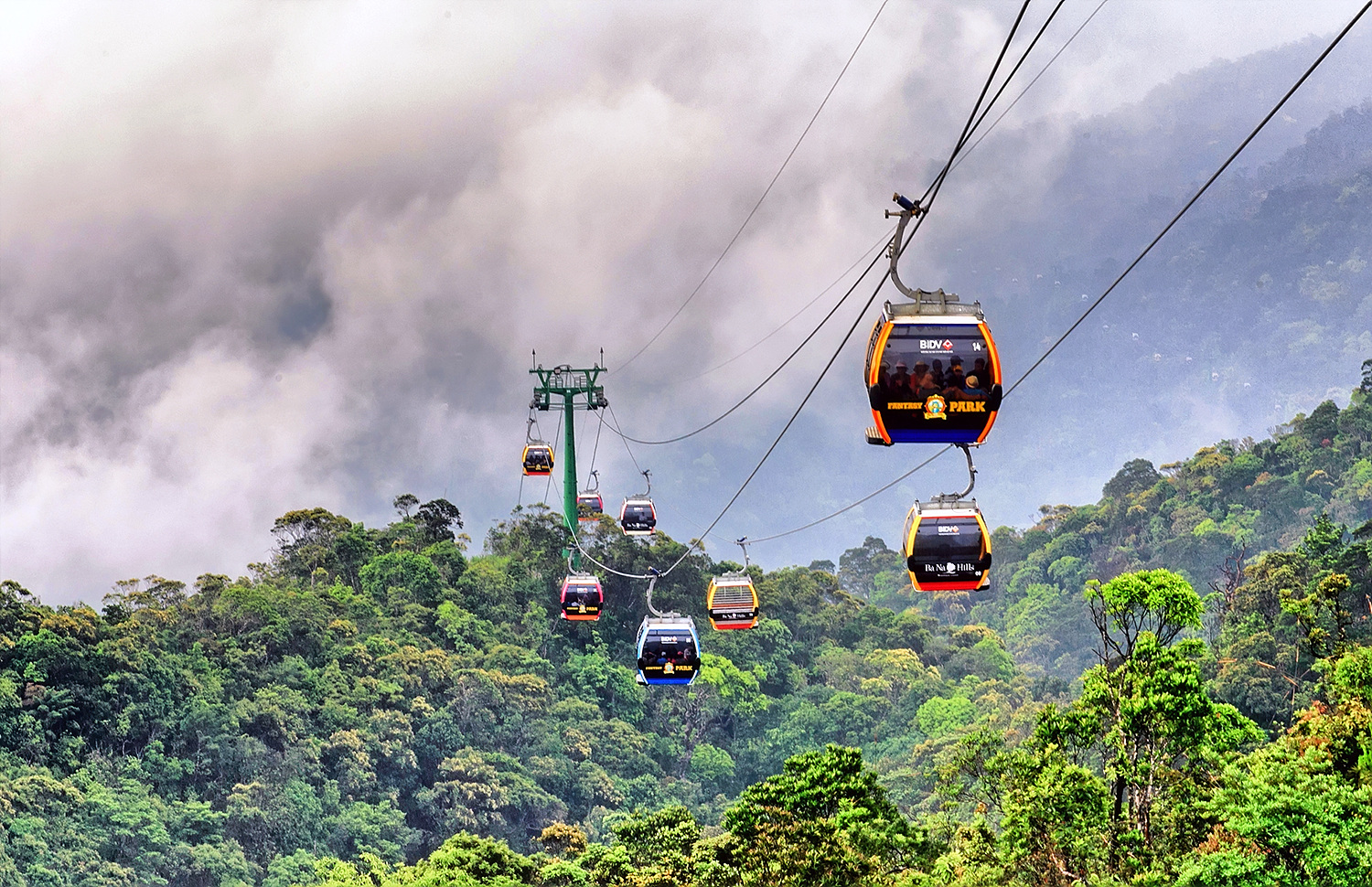
Fansipan Mountain cable car surrounded by clouds, one of the most iconic places to see in Sapa
Fansipan Mountain – The Roof of Indochina
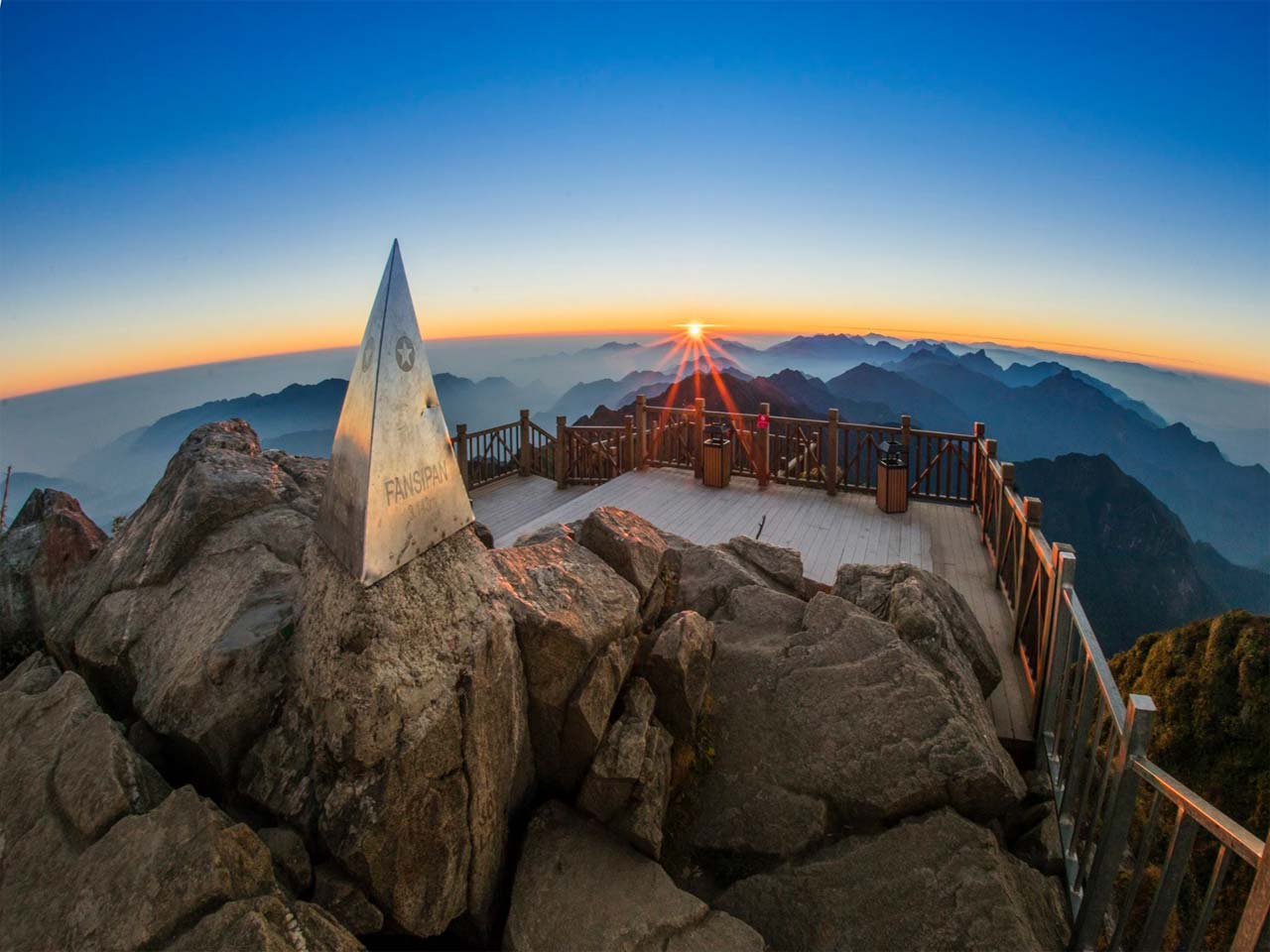
Rising dramatically above the Hoang Lien Son mountain range, Fansipan Mountain is widely recognized as the highest peak in Vietnam and the entire Indochina region. Standing at 3,143 meters above sea level, this iconic landmark represents both a natural wonder and a cultural symbol of Sapa. For many visitors, setting foot on Fansipan marks a defining moment of their journey through the highlands.
An Iconic Natural Landmark of Northern Vietnam
Fansipan’s reputation extends far beyond its elevation. The mountain is surrounded by layers of mist, dense forests, and rugged ridgelines that create a constantly changing landscape throughout the day. Early mornings often reveal seas of clouds drifting below the summit, while afternoons offer clearer views of distant valleys and peaks. This ever-shifting scenery is one of the reasons Fansipan consistently ranks among the top attractions in Sapa for travelers from around the world.
Beyond its visual appeal, Fansipan also holds cultural significance. The surrounding area is considered sacred by local ethnic communities, and spiritual structures near the summit reflect a deep connection between nature and belief systems in the region.
Fansipan Mountain rising above the clouds, one of the most iconic places to see in Sapa
Reaching the Summit: A Comfortable Experience for First-Time Travelers
In the past, conquering Fansipan required a demanding multi-day trek through challenging terrain. Today, the modern cable car system has transformed the experience, making the summit accessible to visitors of all ages and fitness levels. This development has positioned Fansipan as one of the most approachable and memorable places to see in Sapa for first-time travelers who want breathtaking views without physical strain.
The cable car journey itself is an attraction. As the cabins glide above deep valleys and forested slopes, passengers gain a panoramic perspective of Sapa’s mountainous landscape. The gradual ascent allows travelers to appreciate the scale and beauty of the region before stepping onto the summit complex.
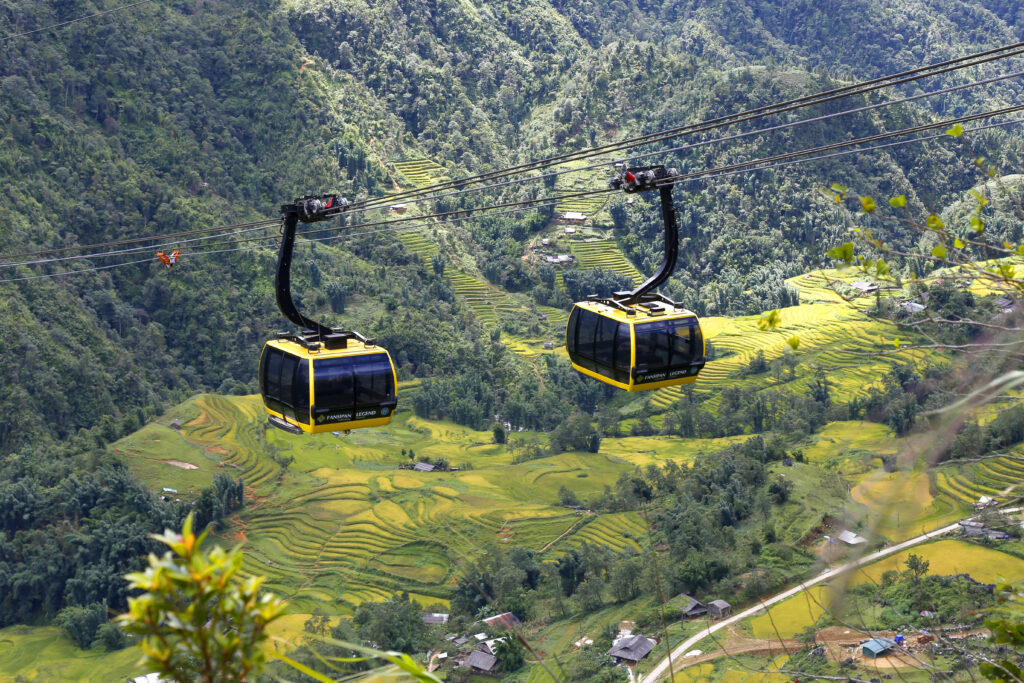
Fansipan cable car offering panoramic views of famous places to see in Sapa
Scenic Viewpoints and Photo Opportunities
At the top, a network of walkways and observation points invites visitors to explore at their own pace. On clear days, the summit offers expansive views stretching across the Hoang Lien Son range, while misty conditions create an otherworldly atmosphere where clouds swirl around temples and stairways.
Fansipan is also one of the most rewarding locations for photography in Sapa. The contrast between monumental mountain scenery and carefully designed architectural elements provides endless visual interest. Whether capturing wide landscape shots or intimate moments above the clouds, travelers often consider this experience a highlight of their journey and a cornerstone of any list of things to do in Sapa.
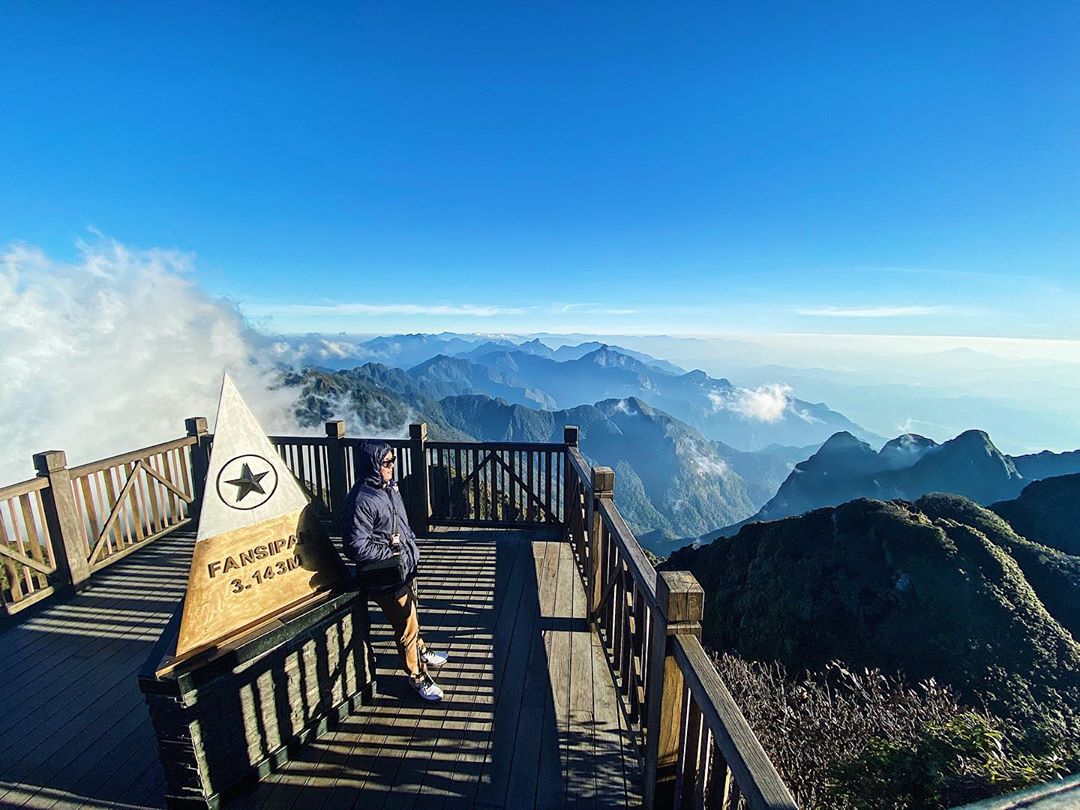
Fansipan summit and spiritual complex overlooking breathtaking places to see in Sapa
Cat Cat Village – A Cultural Highlight Near Sapa Town
Located just a short distance from the center of Sapa town, Cat Cat Village offers an accessible and immersive introduction to the cultural identity of the region. Unlike more remote villages that require long treks, Cat Cat can be explored comfortably within a half-day, making it one of the most practical places to see in Sapa for travelers with limited time.
The village is home primarily to the H’Mong ethnic group, whose traditional way of life remains visible through architecture, clothing, handicrafts, and daily activities. For visitors eager to understand local culture beyond scenic viewpoints, Cat Cat provides a meaningful and visually engaging experience.
Traditional houses in Cat Cat Village, a cultural highlight among places to see in Sapa
H’Mong Culture and Traditional Village Life
Walking through Cat Cat Village feels like stepping into a living cultural museum. Wooden houses with stone foundations line the descending paths, while looms, indigo-dyed fabrics, and handcrafted silver jewelry reflect skills passed down through generations. Many residents continue traditional practices such as weaving, farming, and crafting, allowing visitors to observe authentic daily routines rather than staged performances.
This cultural depth is a key reason Cat Cat is frequently included among the most representative Sapa tourist attractions. The village illustrates how ethnic communities have adapted to mountainous terrain while preserving strong cultural identities, offering first-time visitors valuable context about life in Sapa beyond its landscapes.
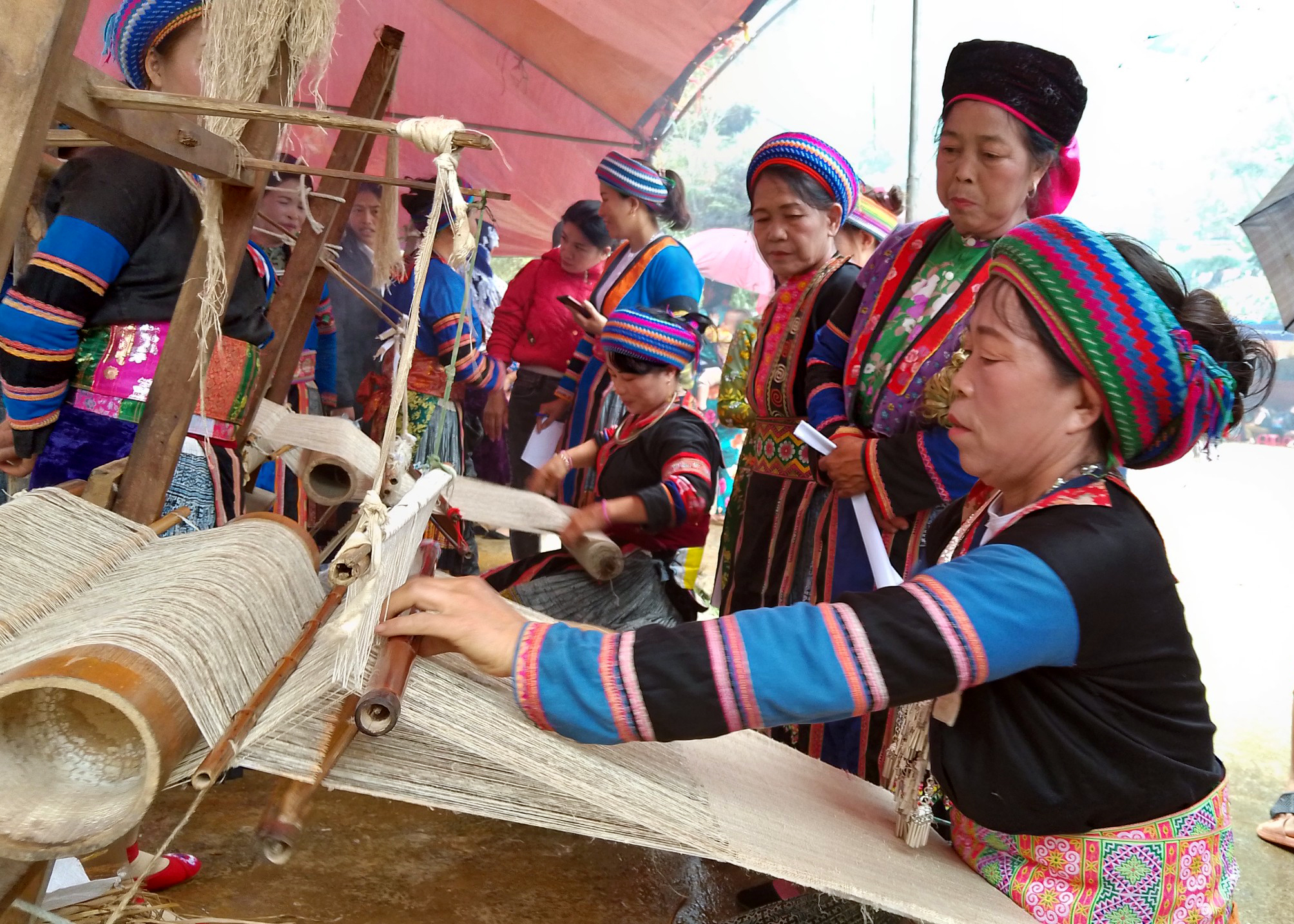
Daily life of the Hmong people in Cat Cat Village, authentic places to see in Sapa
Walking Routes, Scenic Corners, and Photography
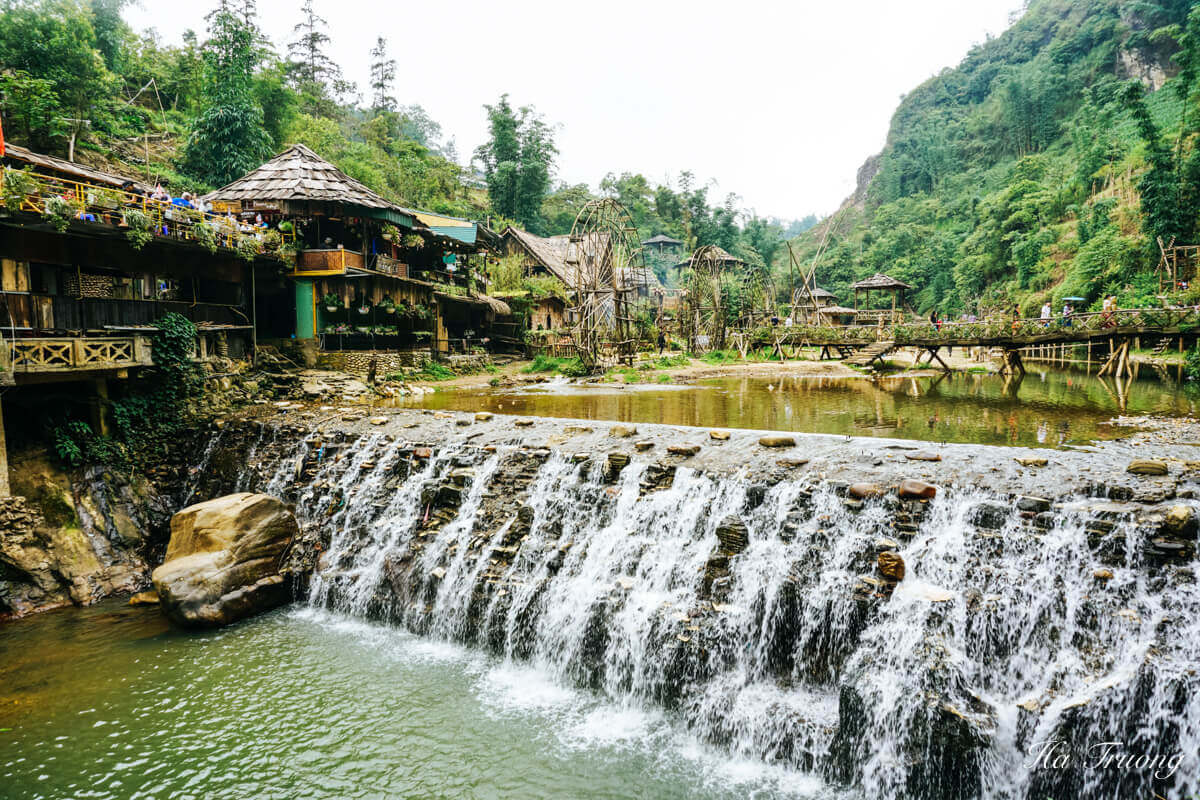
The layout of Cat Cat Village naturally guides visitors along stone-paved paths that descend through terraced slopes toward a small waterfall at the base of the valley. Along the way, viewpoints open up to layered mountain scenery, rice fields, and traditional homes framed by greenery. These elements combine to create one of the most photogenic environments among the many places to visit in Sapa Vietnam.
Photography enthusiasts often appreciate the balance Cat Cat offers between cultural subjects and natural backdrops. The village’s proximity to town also means lighting conditions are easier to plan around, making it an ideal location for relaxed exploration rather than rushed sightseeing.
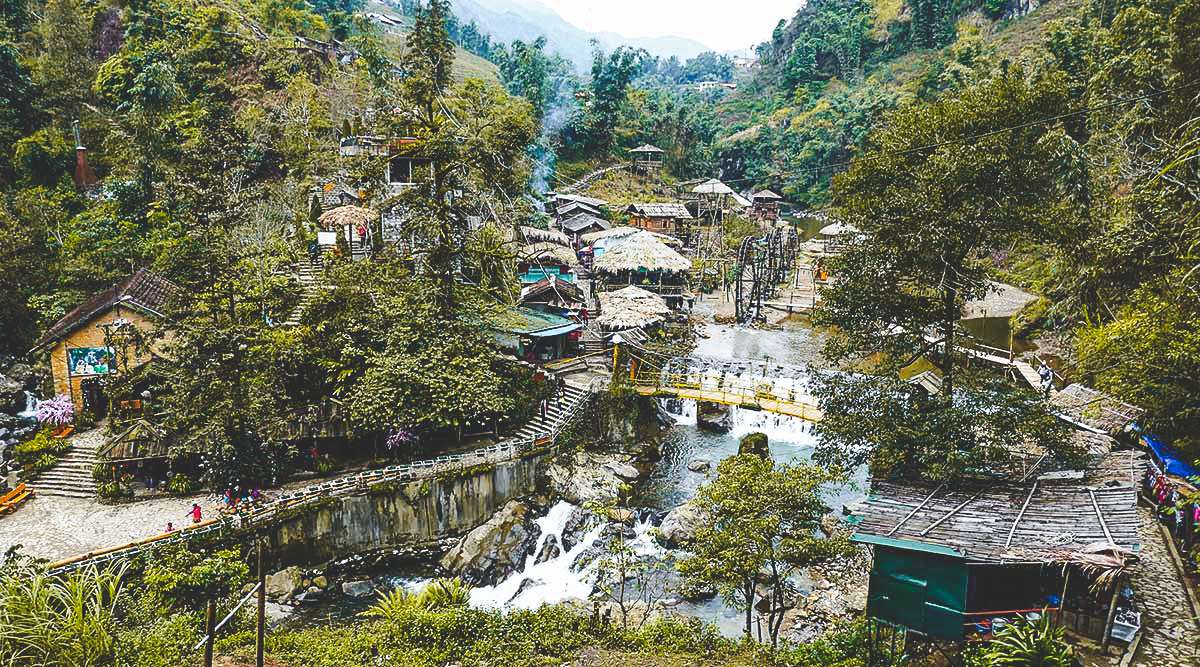
Scenic walking paths and waterfalls in Cat Cat Village
Why Cat Cat Village Suits First-Time Travelers
For those visiting Sapa for the first time, Cat Cat Village strikes an excellent balance between accessibility and authenticity. The walking distance from town eliminates complex logistics, while the clearly defined paths reduce the need for guided trekking. This ease of access allows travelers to focus on cultural discovery rather than navigation.
Because of these advantages, Cat Cat is particularly well suited to Sapa for first-time travelers who want to experience ethnic culture without committing to overnight stays or long hikes. The village serves as a gentle introduction to the broader cultural landscape of Sapa, often inspiring visitors to explore deeper into the surrounding valleys afterward.
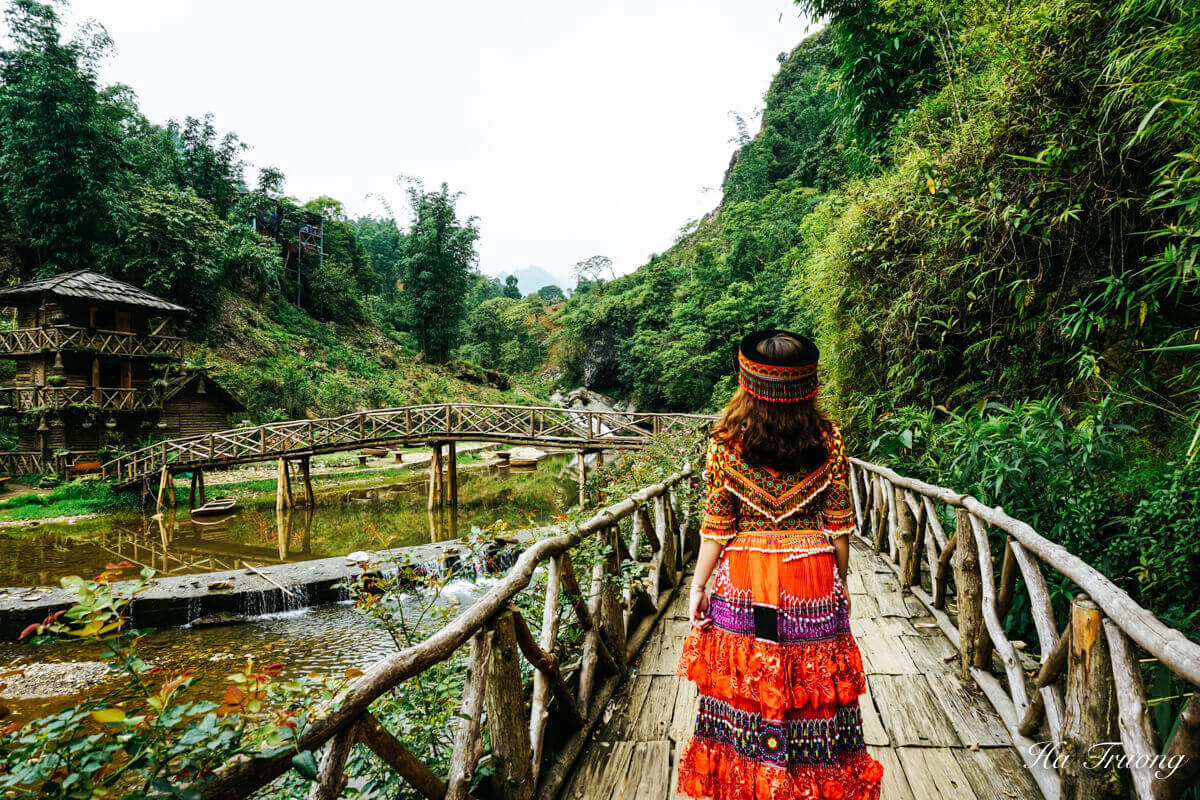
Scenic walking paths and waterfalls in Cat Cat Village, peaceful places to see in Sapa
Muong Hoa Valley – The Most Scenic Valley in Sapa
Stretching southeast from Sapa town, Muong Hoa Valley is widely regarded as the most visually striking landscape in the region. This expansive valley is defined by cascading rice terraces, winding streams, and a collection of ethnic villages nestled along mountain slopes. For many travelers, Muong Hoa represents the quintessential image they imagine when thinking about the most memorable places to see in Sapa.
Unlike attractions concentrated around the town center, Muong Hoa Valley unfolds gradually, rewarding those who take time to explore its depth and diversity. The sense of space, combined with uninterrupted mountain views, makes this valley an essential stop for travelers seeking a deeper connection with Sapa’s natural environment.
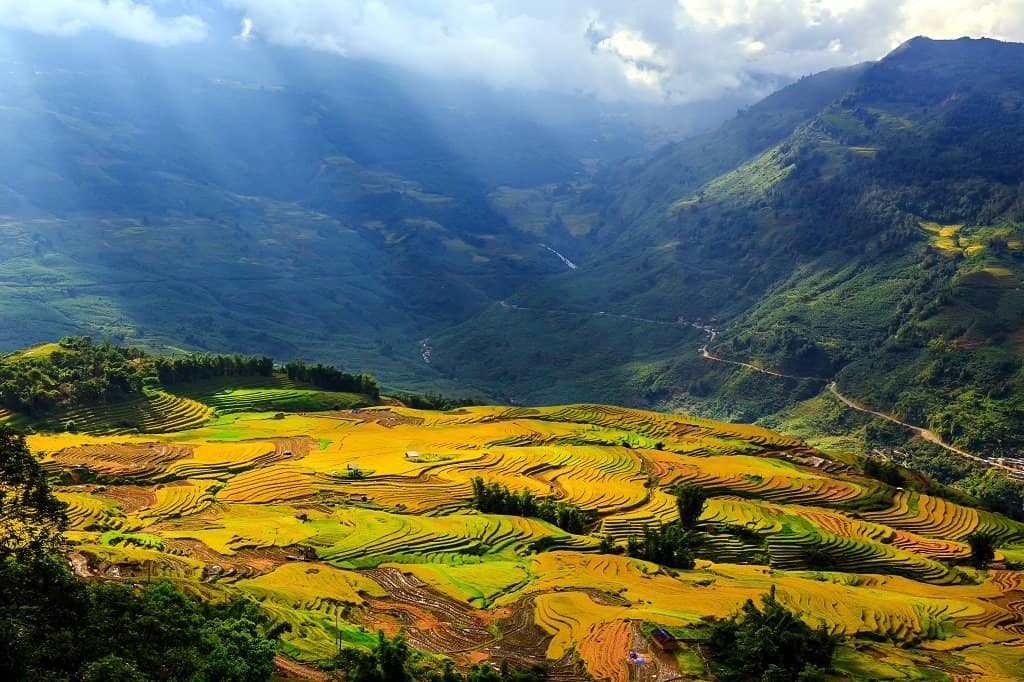
Muong Hoa Valley with rice terraces, one of the most scenic places to see in Sapa
Terraced Rice Fields and Natural Landscapes
The terraced rice fields of Muong Hoa are among the most iconic agricultural landscapes in Vietnam. Carefully carved into steep hillsides, these terraces follow the natural contours of the land, creating flowing patterns that change color with the seasons. During planting season, the fields reflect the sky like mirrors, while harvest time transforms the valley into layers of golden tones.
This harmonious relationship between people and nature is what places Muong Hoa among the best places to see in Sapa for travelers who value scenery shaped by human tradition rather than untouched wilderness. The valley’s scale and openness also make it ideal for slow exploration, allowing visitors to absorb details that are often missed in more crowded destinations.
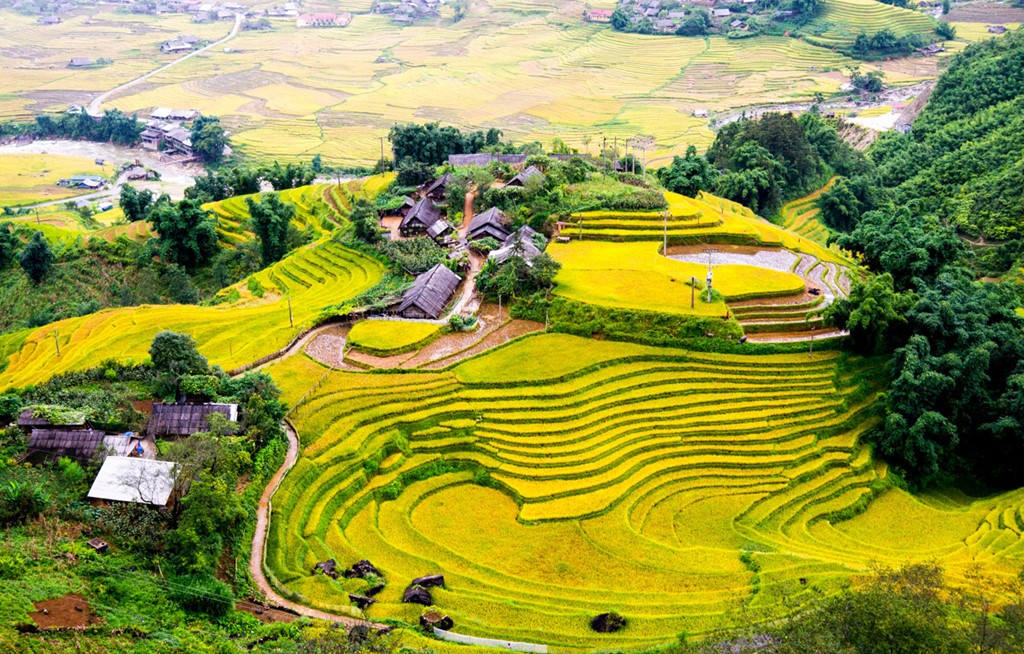
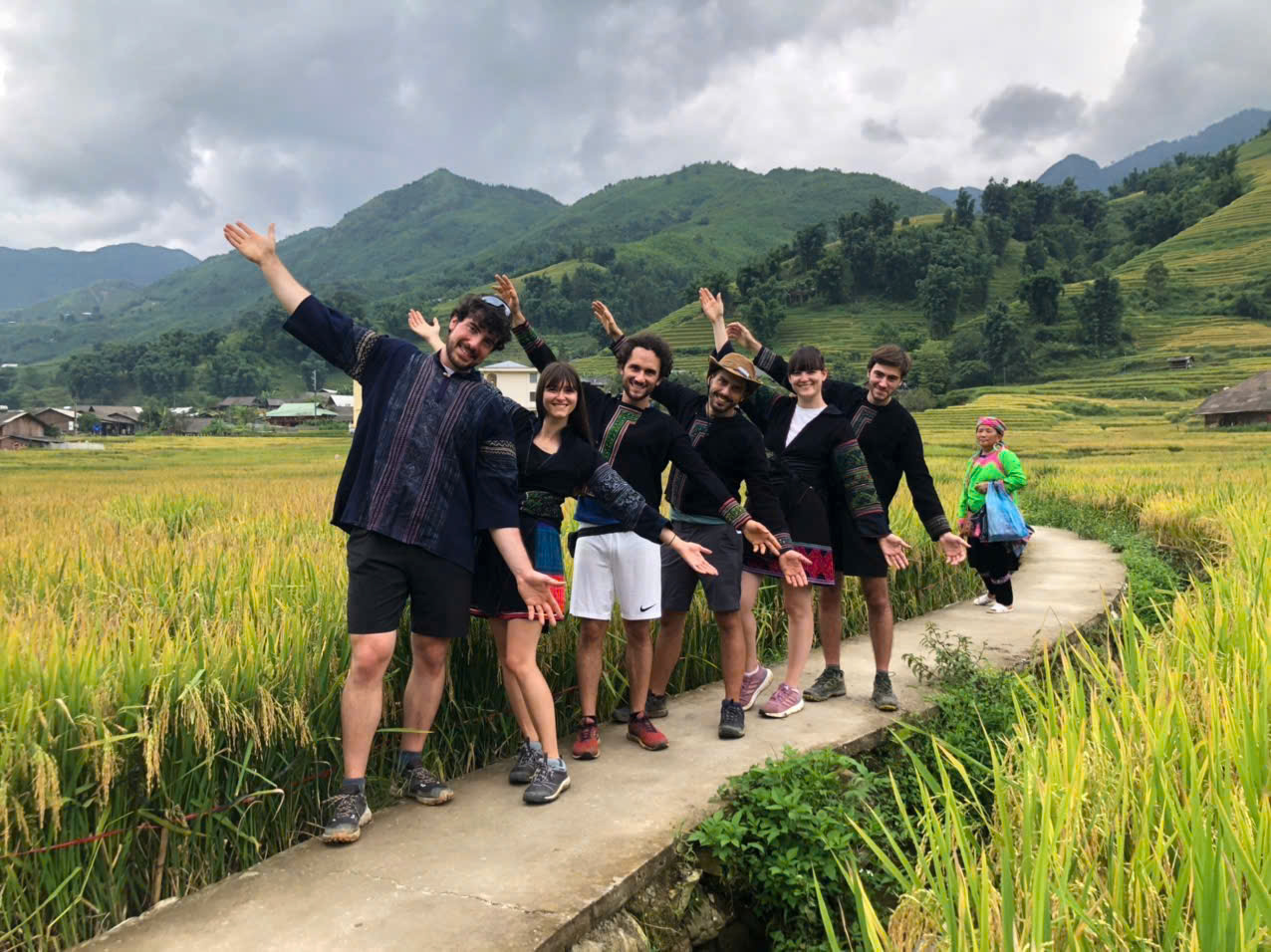
Rice terraces and ethnic villages in Muong Hoa Valley, timeless places to see in Sapa
Ethnic Villages Along the Valley
Scattered throughout Muong Hoa Valley are villages inhabited by ethnic groups such as the H’Mong, Dao, and Tay. Each community contributes its own architectural style, farming methods, and cultural customs, giving the valley a rich social texture. Daily life unfolds openly here, from tending fields to caring for livestock, offering visitors a genuine glimpse into rural mountain living.
Because of this cultural diversity, Muong Hoa is frequently highlighted in comprehensive Sapa travel guide resources as a place where landscape and lifestyle are inseparable. Visiting the valley provides context for understanding how ethnic communities sustain themselves in challenging terrain while maintaining strong cultural identities.
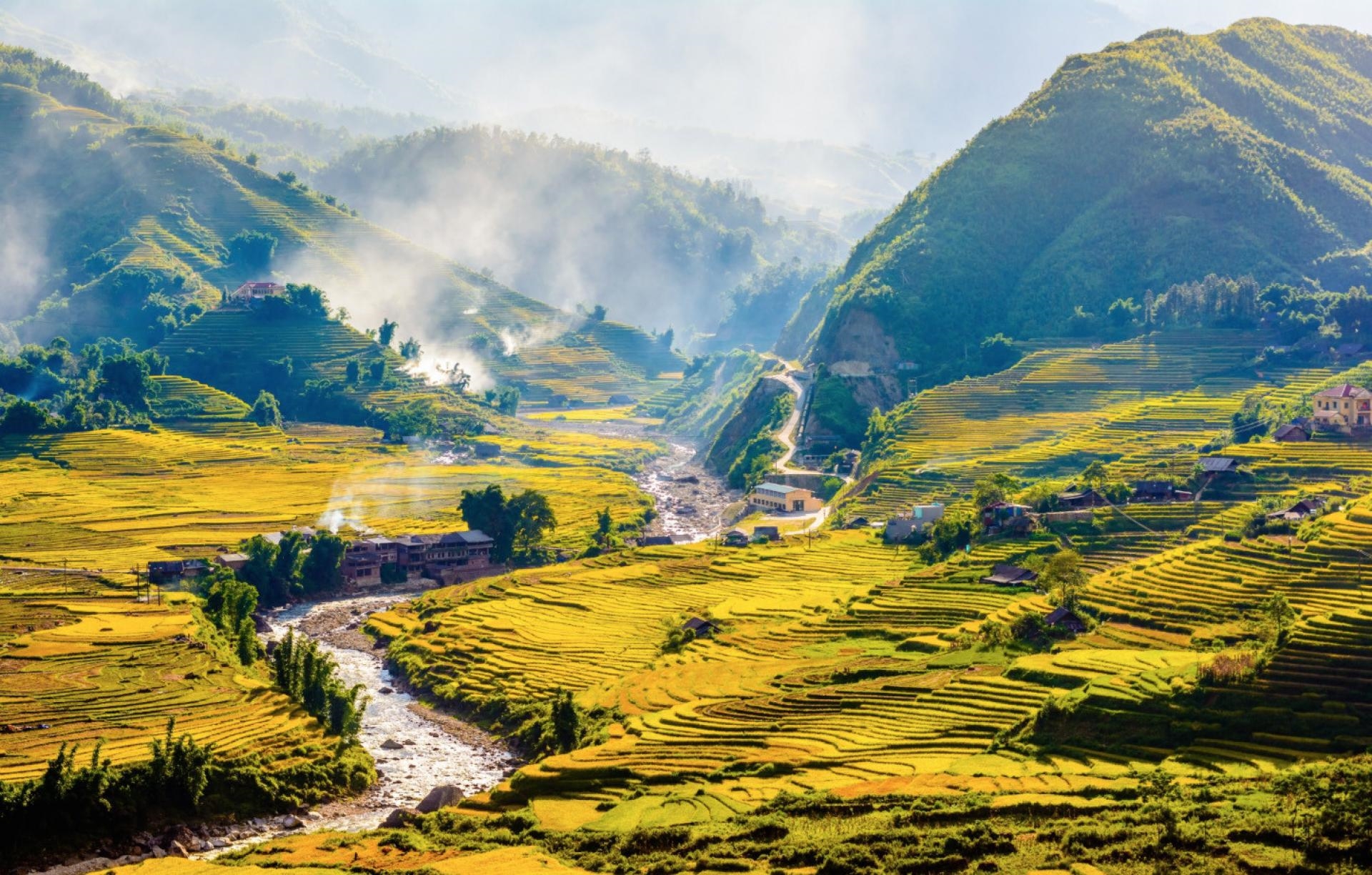
Rice terraces and ethnic villages in Muong Hoa Valley, timeless places to see in Sapa
Best Time to Visit Muong Hoa Valley
The beauty of Muong Hoa Valley varies dramatically throughout the year. Spring brings fresh greenery and flowing water, while summer showcases vibrant rice growth across the terraces. Autumn is often considered the most photogenic season, as the fields turn golden before harvest, creating sweeping panoramic views.
Regardless of the season, Muong Hoa remains one of the most rewarding Sapa sightseeing spots for travelers who prioritize nature, space, and authenticity. Planning visits earlier in the day also enhances the experience, as morning light and mist add depth and atmosphere to the valley’s already dramatic scenery.
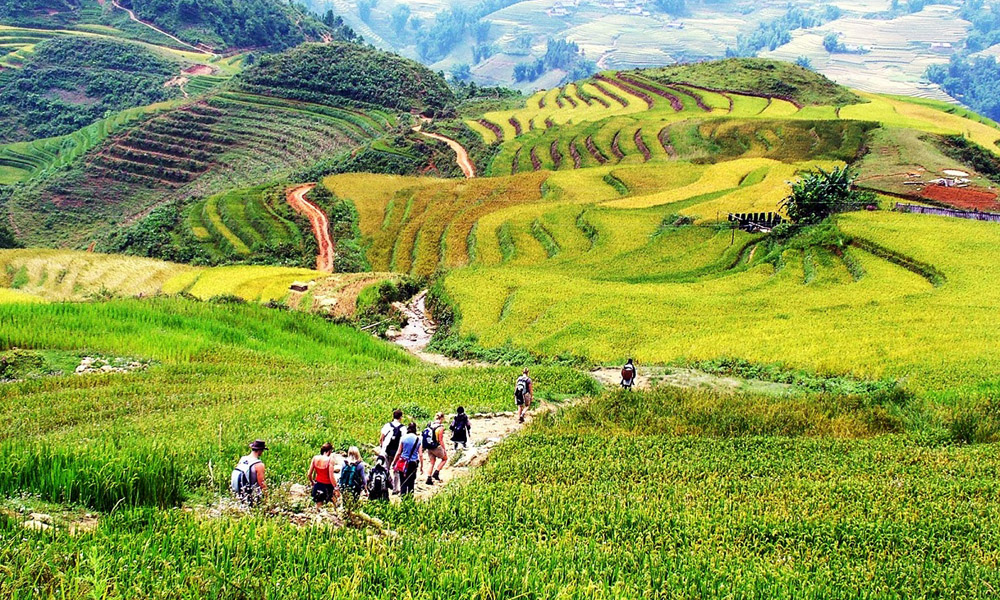
Hiking routes through Muong Hoa Valley, adventurous places to see in Sapa
Silver Waterfall & Love Waterfall – Beautiful Natural Spots Near Sapa
Located along the scenic route leading toward O Quy Ho Pass, Silver Waterfall and Love Waterfall are two of the most accessible natural attractions near Sapa town. Often visited together in a single trip, these waterfalls offer contrasting experiences while showcasing the raw beauty of the Hoang Lien Son mountain range. For travelers interested in expanding their itinerary beyond the town center, this area answers many questions about what to see in Sapa beyond villages and viewpoints.
The combination of ease of access and dramatic natural scenery makes these waterfalls especially appealing to first-time visitors who want to experience Sapa’s landscapes without committing to long treks.
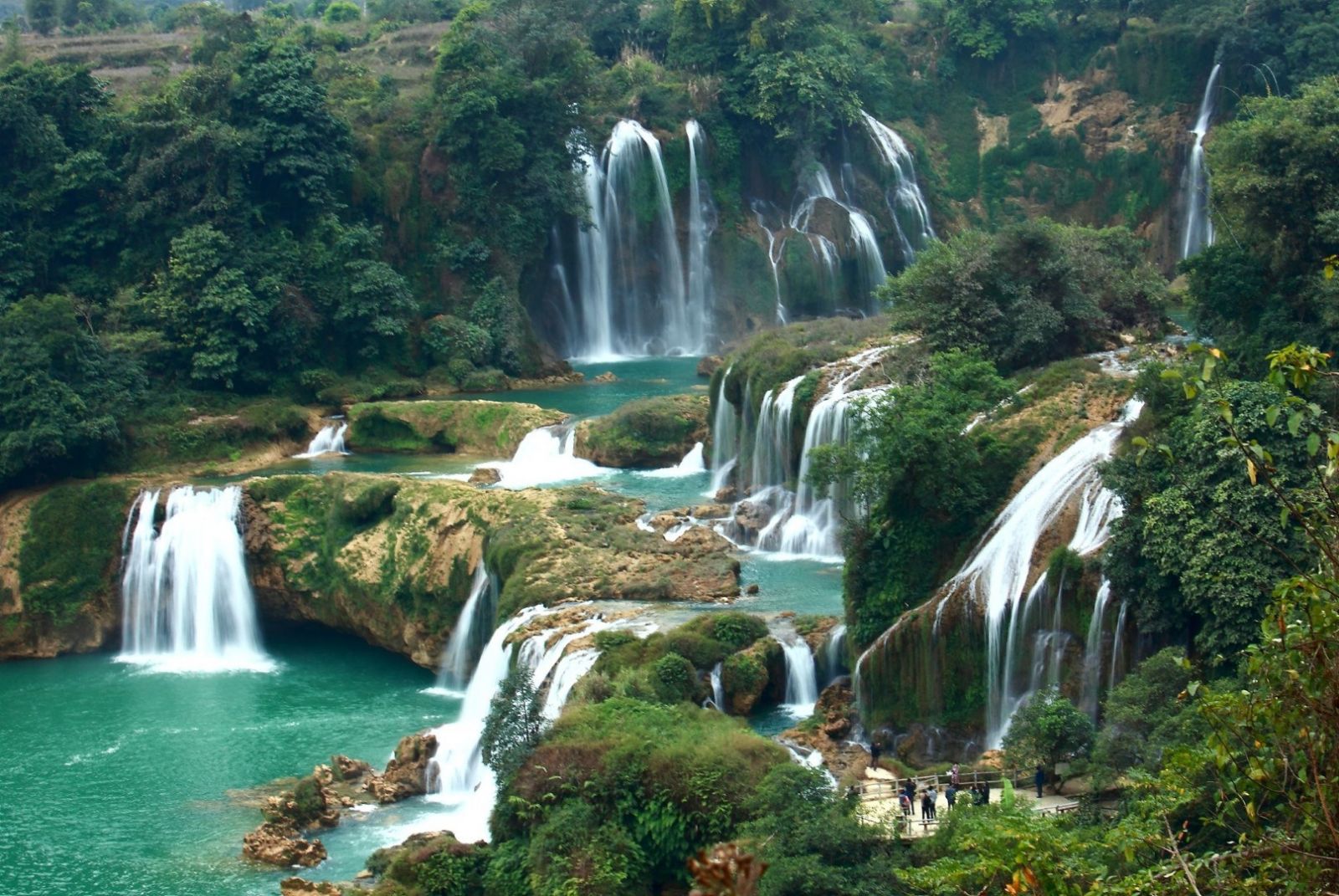
Silver Waterfall cascading through the mountains, refreshing natural places to see in Sapa
Silver Waterfall: Power and Accessibility
Silver Waterfall, known locally as Thac Bac, is one of the most prominent waterfalls in the Sapa region. Fed by mountain streams from Fansipan, the waterfall cascades down steep rock faces, creating a powerful visual and acoustic presence. Its roadside location allows visitors to reach the viewing platform with minimal walking, making it an ideal stop for travelers of all ages.
The constant flow of water and surrounding alpine scenery provide a refreshing contrast to the built-up areas of Sapa town. Because of its accessibility and visual impact, Silver Waterfall is frequently listed among the must-see places in Sapa for travelers seeking natural landmarks that are easy to include in a short itinerary.
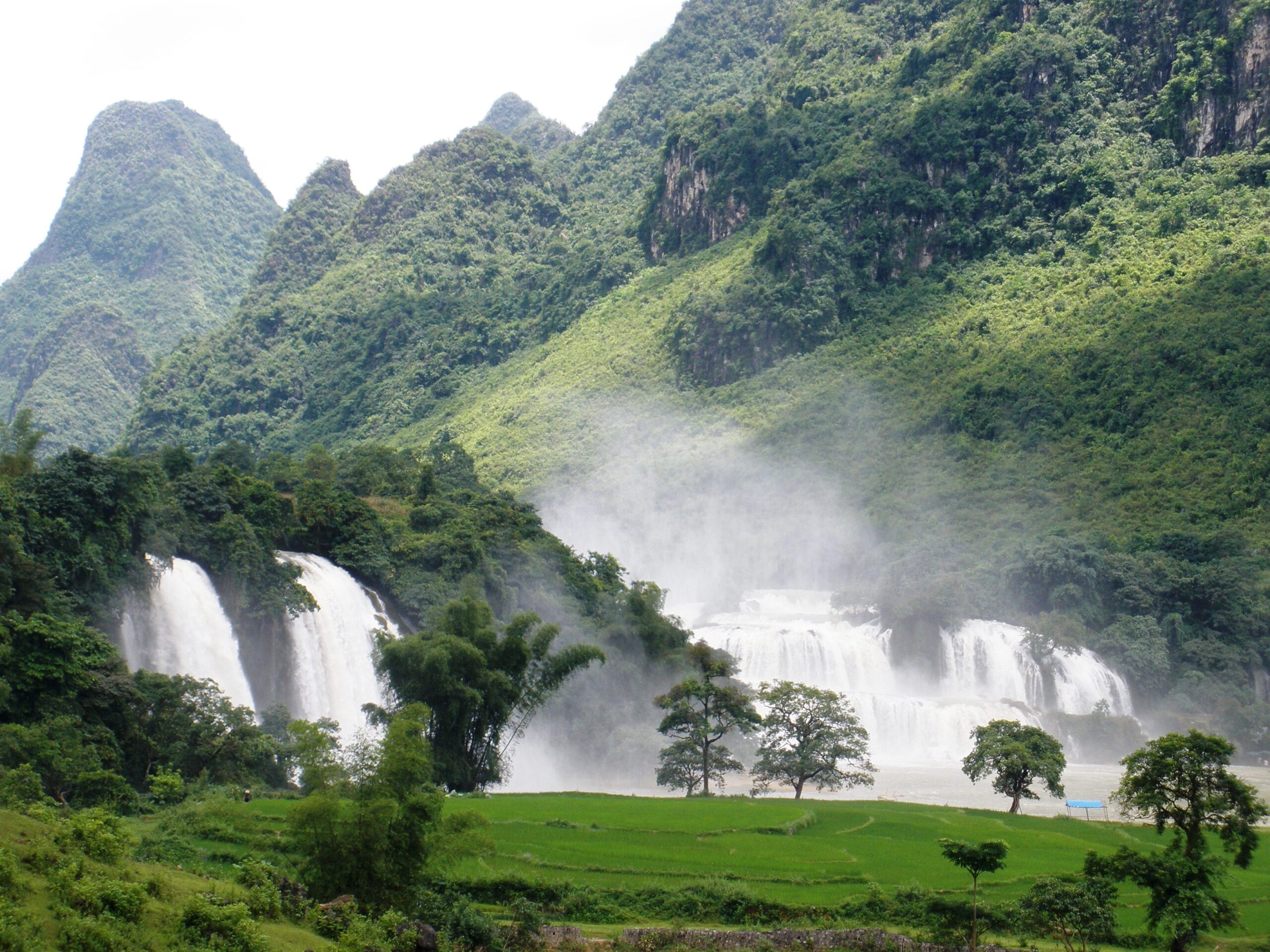
Thac Bac Silver Waterfall near Sapa, one of the most accessible places to see in Sapa
Love Waterfall: A Peaceful Forest Escape
In contrast to the dramatic energy of Silver Waterfall, Love Waterfall offers a quieter and more immersive experience. Reached via a gentle forest trail, this waterfall is surrounded by dense greenery and the sounds of flowing water rather than traffic. The walk to Love Waterfall passes through shaded paths and wooden bridges, making the journey as enjoyable as the destination itself.
Local legends surrounding the waterfall add a romantic dimension to the visit, enhancing its appeal for couples and nature lovers alike. The sense of calm and seclusion here provides a refreshing pause within a busy travel schedule.
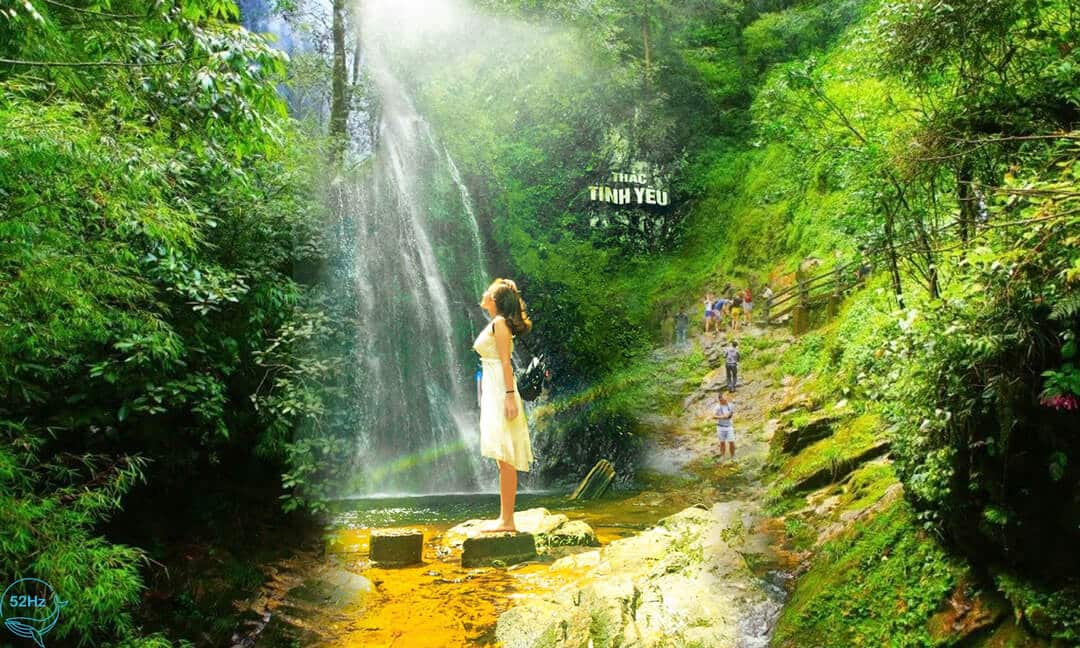
Love Waterfall surrounded by forest trails, romantic places to see in Sapa
Sapa Stone Church – A Historical Landmark in the Heart of Town
Located at the very center of Sapa town, Sapa Stone Church is one of the most iconic cultural landmarks among the essential places to see in Sapa. Built during the French colonial period, the church reflects a strong European architectural influence combined with locally sourced stone, creating a structure that blends naturally into the surrounding mountain landscape. Thanks to its central position and historical significance, it is often one of the first places to see in Sapa that travelers encounter upon arrival.
Unlike many scenic attractions that lie beyond the town center, Sapa Stone Church offers a convenient cultural stop that requires no additional travel. Visitors often pass by the church multiple times during their stay, making it a familiar reference point while exploring other nearby places to see in Sapa on foot.
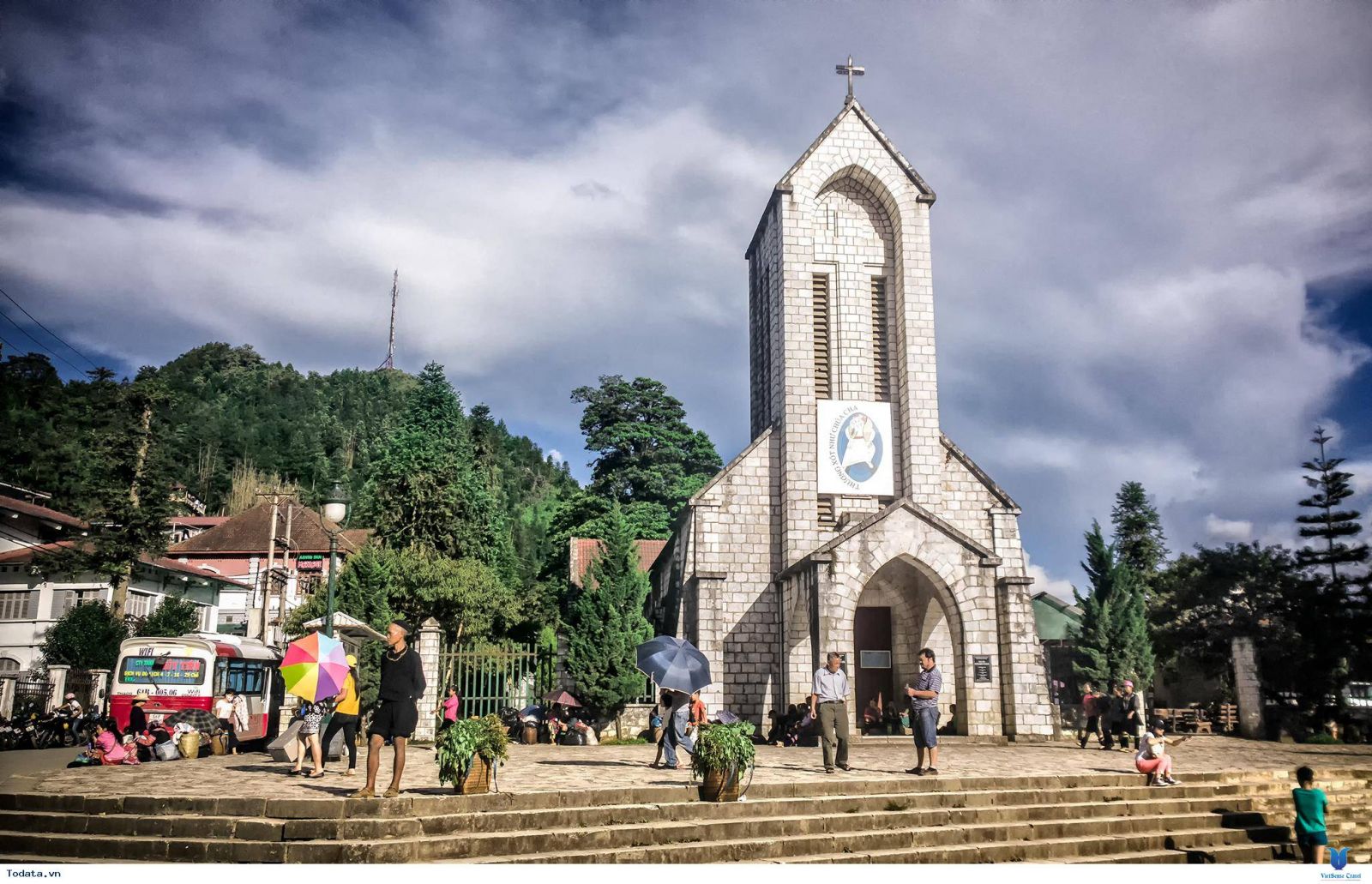
Sapa Stone Church in the town center, a historic landmark among places to see in Sapa
Colonial Architecture and Historical Significance
Constructed entirely from stone quarried in the region, the church was designed to endure Sapa’s harsh climate. Its thick stone walls and prominent bell tower dominate the town skyline, showcasing Roman Gothic architectural elements rarely seen elsewhere among the places to see in Sapa. This architectural contrast highlights a period when Sapa functioned as a French hill station and religious center.
Over the decades, Sapa Stone Church has witnessed major historical transitions, from colonial administration to the rise of modern tourism. Today, it remains one of the best-preserved colonial structures and a valuable historical reference point for travelers interested in understanding the cultural layers behind the most visited places to see in Sapa.
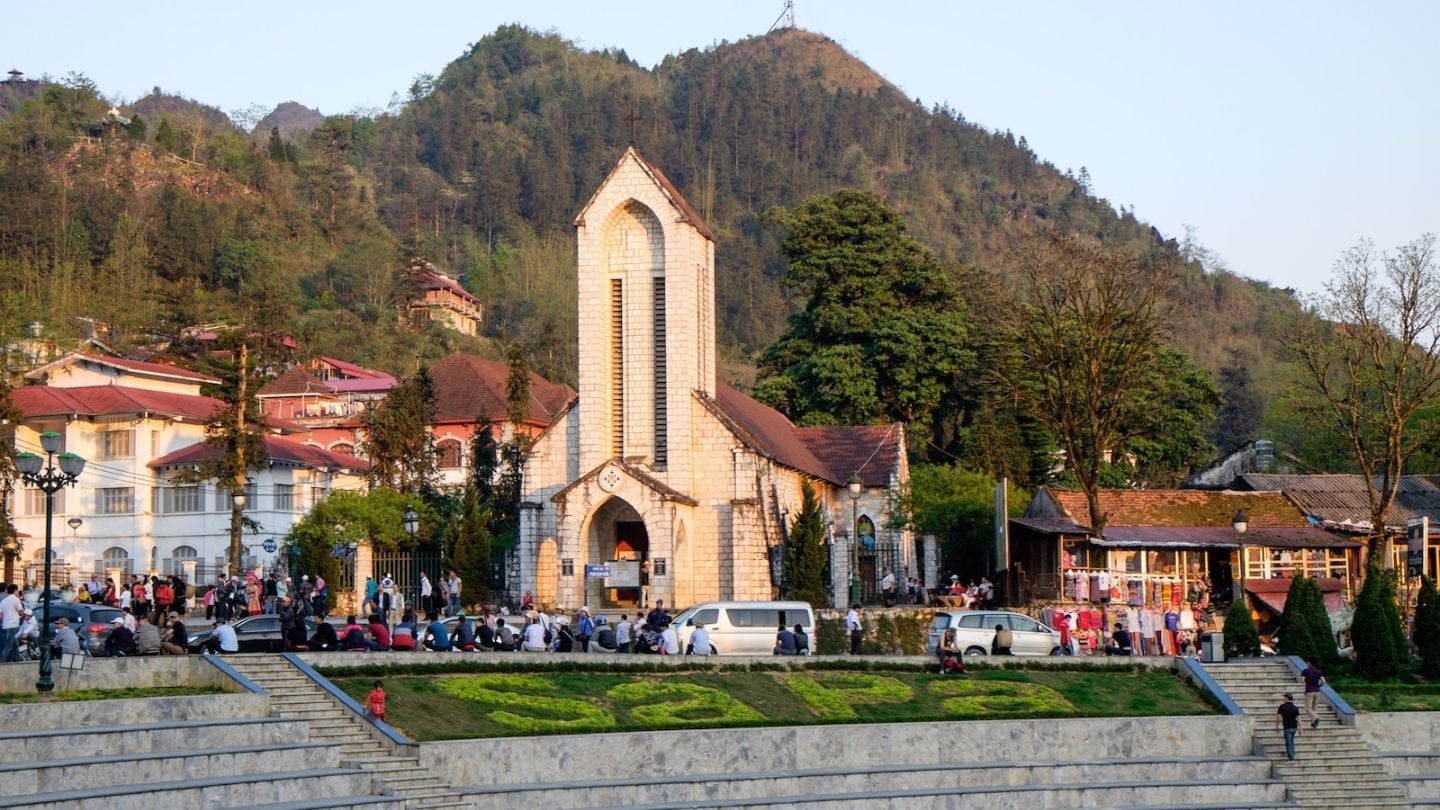
Colonial architecture of Sapa Stone Church, culturally important places to see in Sapa
Cultural Life Around the Church Square
The significance of Sapa Stone Church extends beyond its physical structure. The square in front of the church serves as a vibrant social space, connecting local life with tourism activity. In the evenings, the area becomes lively with casual gatherings, traditional music performances, and small stalls selling snacks and handicrafts, creating one of the most atmospheric places to see in Sapa after sunset.
For first-time visitors, spending time around the church square offers an easy way to observe cultural interaction without venturing far from town. This experience adds depth to itineraries focused on natural scenery by introducing a social and cultural dimension to the broader range of places to see in Sapa.
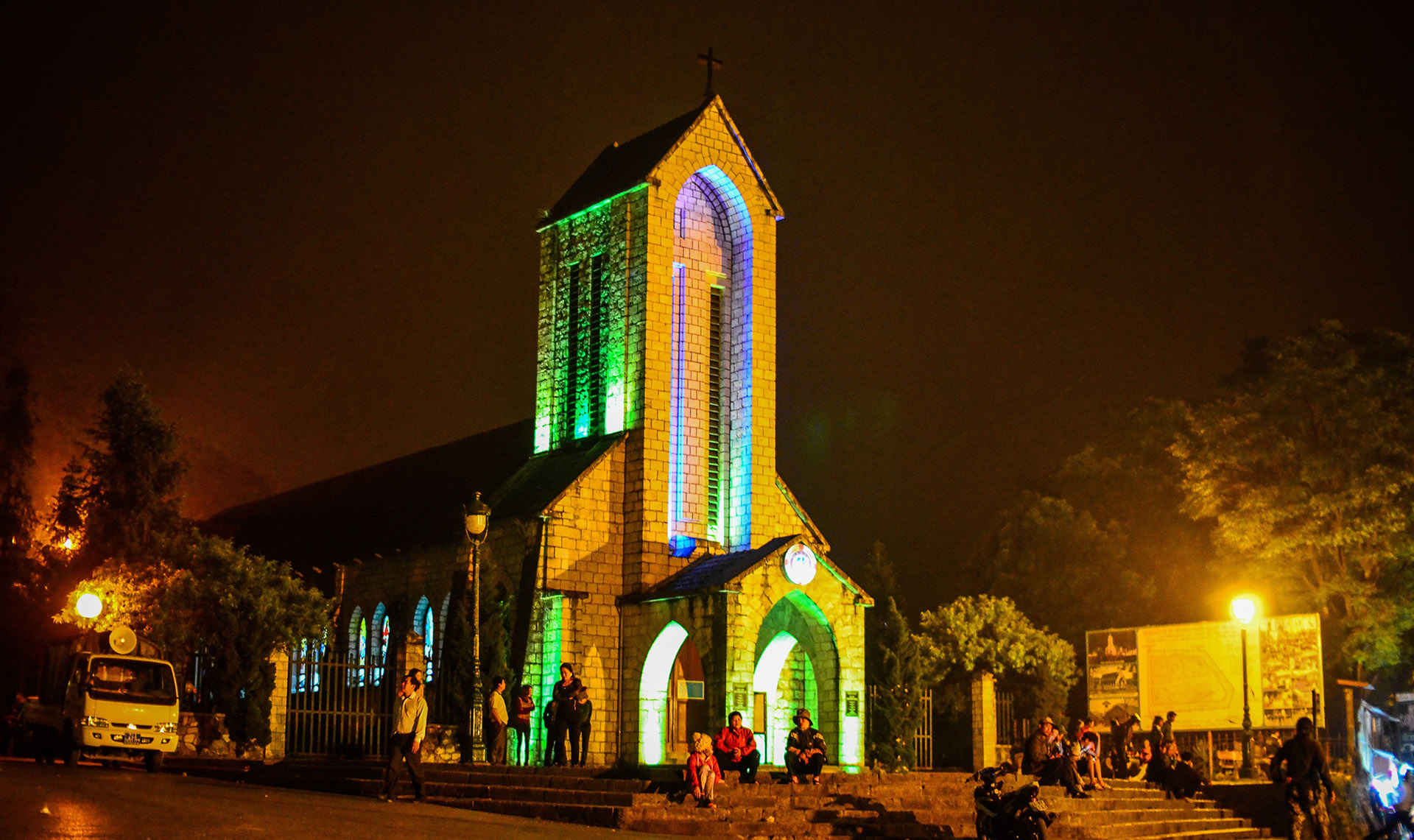
Evening cultural life around Sapa Stone Church square, lively places to see in Sapa
Practical Tips for First-Time Travelers in Sapa
Planning a first trip to Sapa can feel overwhelming due to the region’s mountainous terrain, unpredictable climate, and wide range of attractions spread across valleys and hillsides. With thoughtful preparation, however, travelers can move smoothly between the most memorable places to see in Sapa while avoiding common logistical challenges. These practical tips are designed to help first-time visitors make the most of their journey and experience Sapa with greater ease and confidence.
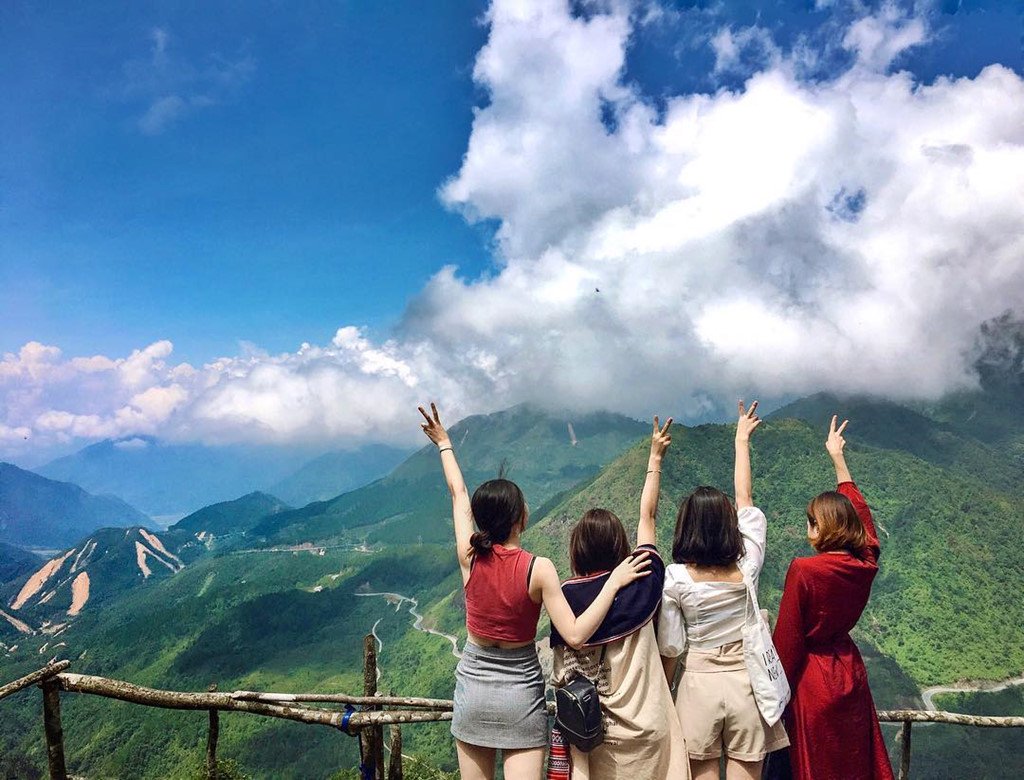
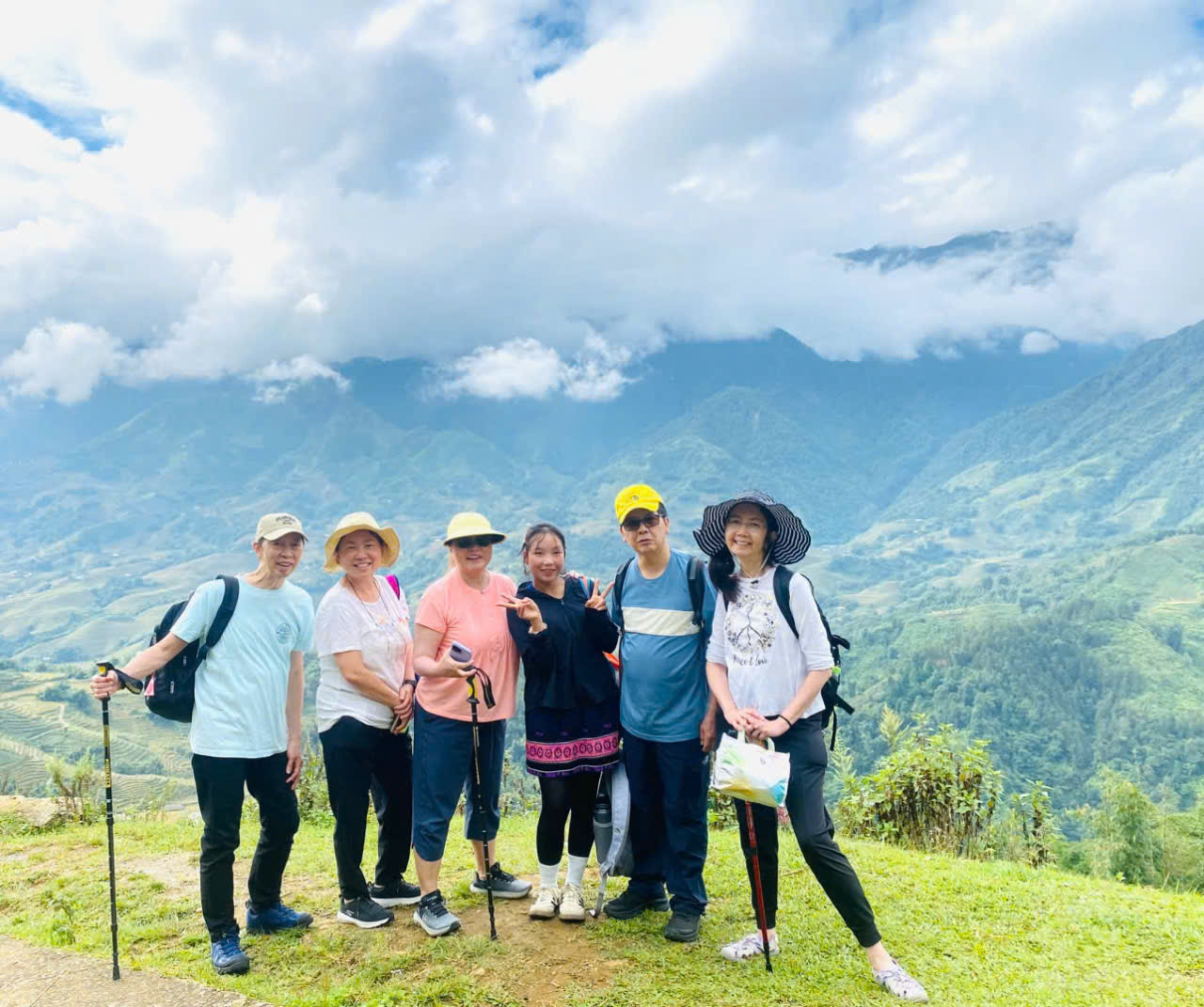
First-time travelers exploring Sapa town and nearby places to see in Sapa
Best Time to Visit Sapa
Timing plays a crucial role in shaping your experience of the places to see in Sapa. The region’s weather changes noticeably throughout the year, influencing visibility, trail conditions, and overall comfort. Spring brings mild temperatures and lush greenery, creating pleasant conditions for village visits and scenic walks. Summer highlights vibrant rice growth across valleys, though occasional rain may affect outdoor plans.
Autumn is often considered the most favorable season, offering clearer skies and golden terraces that enhance many of the most photographed places to see in Sapa. Winter, while quieter, can be cold and foggy, limiting mountain views but offering a more tranquil atmosphere for travelers who prefer fewer crowds.
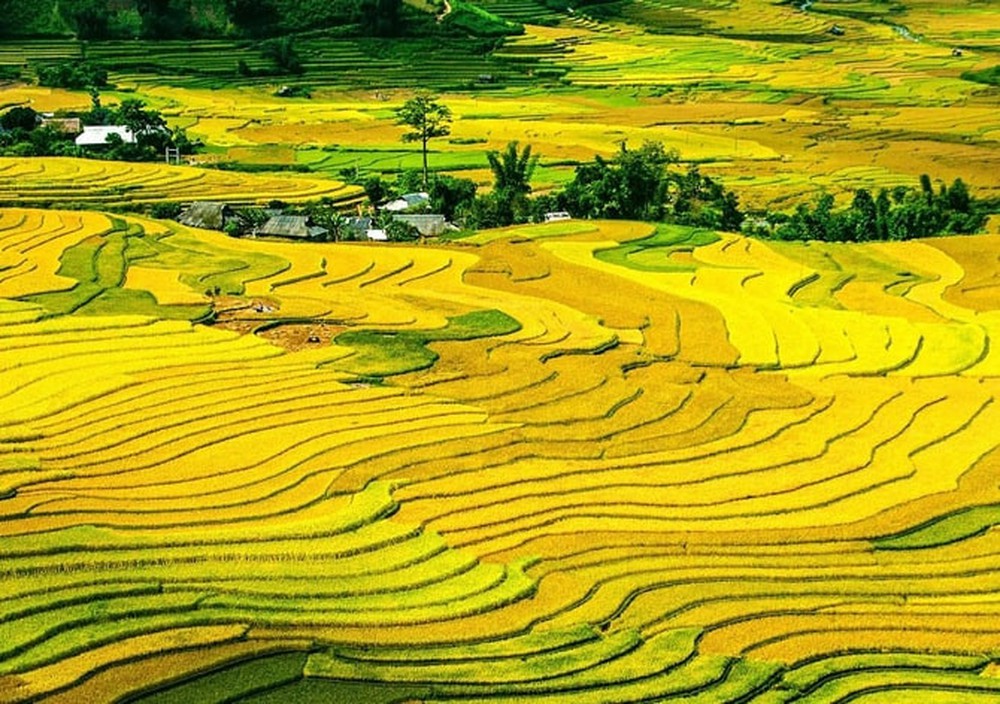
Seasonal landscapes showing the best time to visit places to see in Sapa
Clothing, Footwear, and Weather Preparation
Exploring the places to see in Sapa often involves walking on uneven paths, stone steps, and sloped terrain. Comfortable clothing and sturdy footwear are therefore essential, even for travelers who plan only light exploration. Temperatures can shift quickly throughout the day, making layered clothing a practical choice.
Rain protection is recommended year-round, as sudden showers are common in mountainous areas. Being well prepared ensures that changing weather does not interrupt visits to important places to see in Sapa, allowing travelers to continue their journey comfortably and safely.
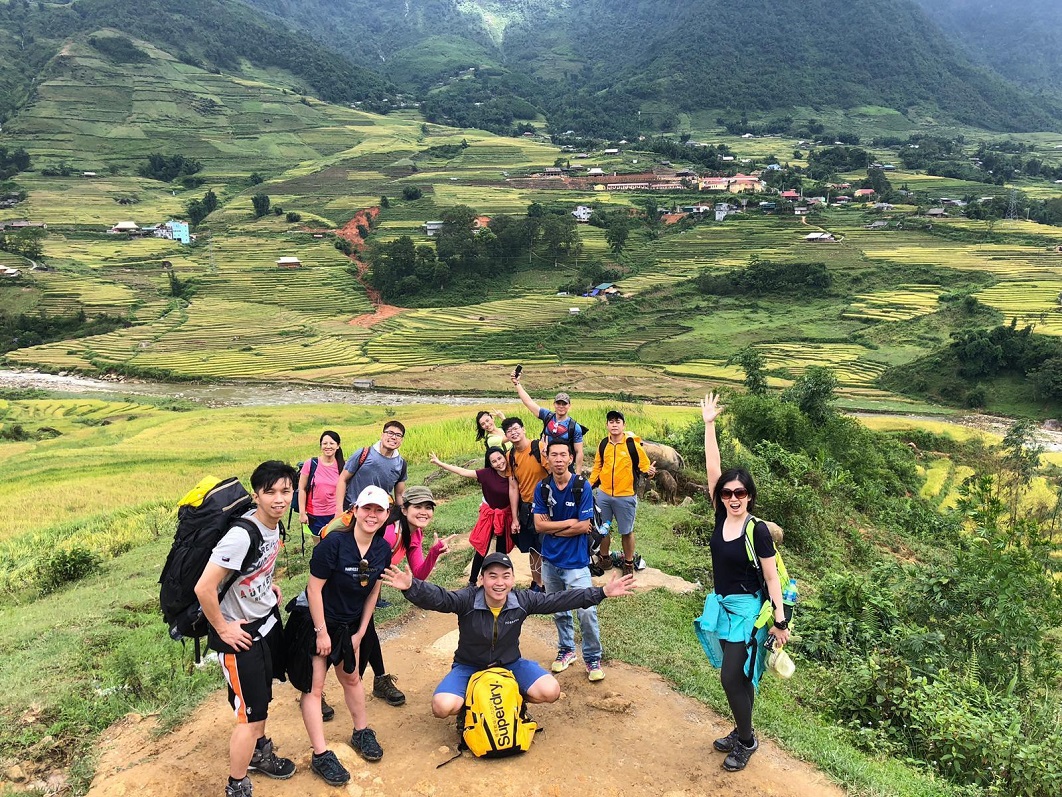
Proper clothing and footwear for exploring mountain places to see in Sapa
Transportation and Getting Around
Getting between the main places to see in Sapa requires a mix of transportation options. While many attractions within town are walkable, reaching valleys, waterfalls, and viewpoints often involves short drives. First-time travelers typically benefit from combining walking with taxis, private transfers, or guided transportation for more distant locations.
Allowing extra travel time between different places to see in Sapa helps reduce stress and prevents schedules from becoming overly tight. A slower pace not only improves safety on mountain roads but also enhances the overall travel experience, giving visitors more time to absorb the region’s scenery and culture.
For first-time travelers starting from Hanoi, choosing a comfortable transfer helps set the tone for the journey before exploring the most memorable places to see in Sapa. Many visitors prefer traveling from Hanoi to Sapa by train as a convenient overnight option that allows them to arrive rested and ready to explore.
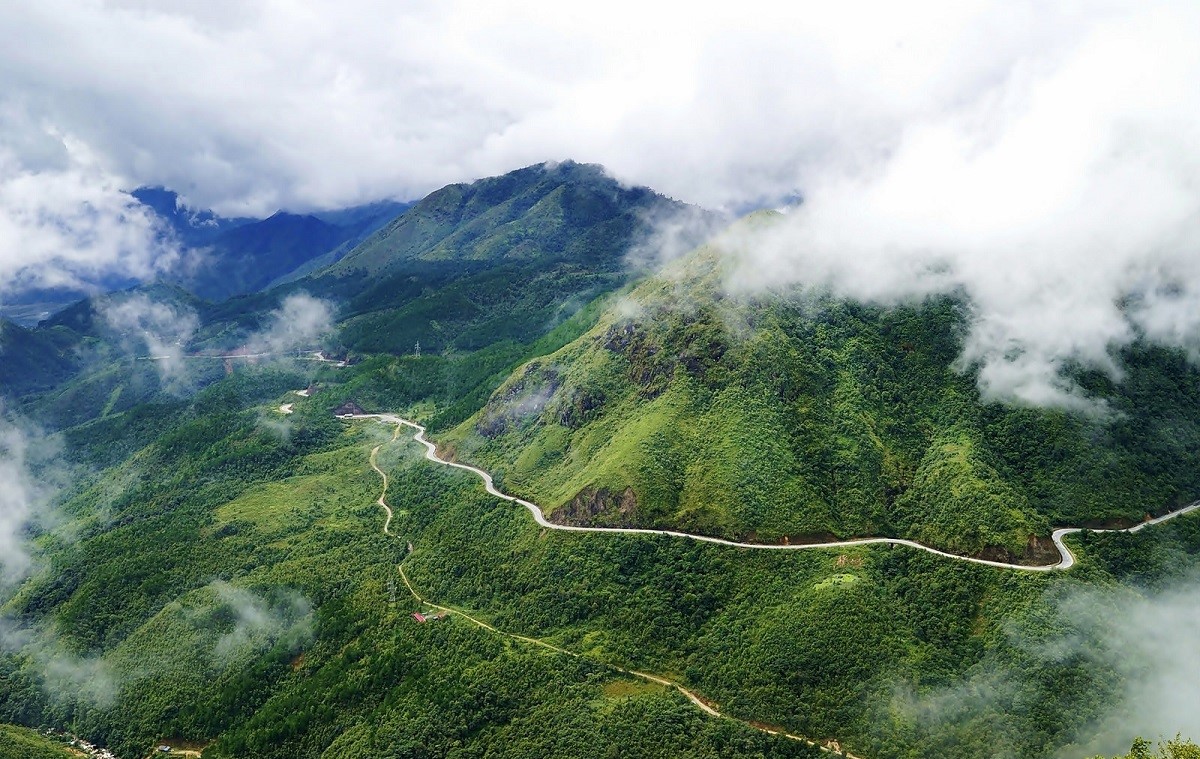
Transportation routes connecting Hanoi and Sapa, helping travelers reach places to see in Sapa
Conclusion
Sapa offers a rare balance of dramatic landscapes, rich cultural heritage, and accessible experiences that make it especially appealing for those visiting for the first time. From towering mountain peaks and sweeping valleys to historic landmarks and living ethnic traditions, each destination contributes a distinct layer to the journey. When explored at a thoughtful pace, these highlights come together to create a deeper understanding of the region and its people, turning a simple trip into a meaningful travel experience centered around the most essential places to see in Sapa.
For travelers seeking a well-organized and insightful way to explore the region, Best Vietnam Tours provides carefully designed travel experiences that combine local knowledge, comfort, and cultural authenticity. Whether you are planning your first visit or looking to refine your itinerary, connecting with Best Vietnam Tours is a great step toward experiencing Sapa with clarity, confidence, and lasting memories.
- WhatsApp: +84.968804998
- Email: info@bestour.net
- Address: No. 55 Bui Thi Xuan Street, Hai Ba Trung Ward, Hanoi, Vietnam
- Fanpage: Best Vietnam Tours