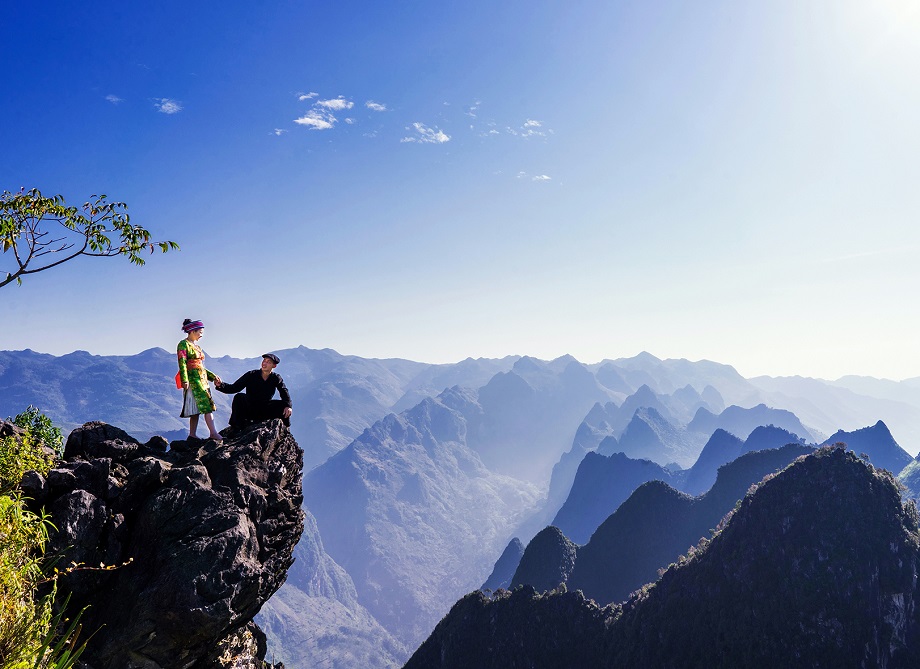
Vietnam’s dramatic landscapes stretch far beyond its coastline, rising into layers of misty peaks, fertile plateaus, and remote valleys shaped by nature and culture over centuries. From cool Northern ranges to vast central plateaus, the mountains and highlands in Vietnam offer travelers a deeper, quieter side of the country, where scenery, traditions, and everyday life remain closely connected. This guide is designed to help you understand these regions through geography, experiences, and seasonal insights, while also serving as a practical reference for planning meaningful journeys with Best Vietnam Tours.
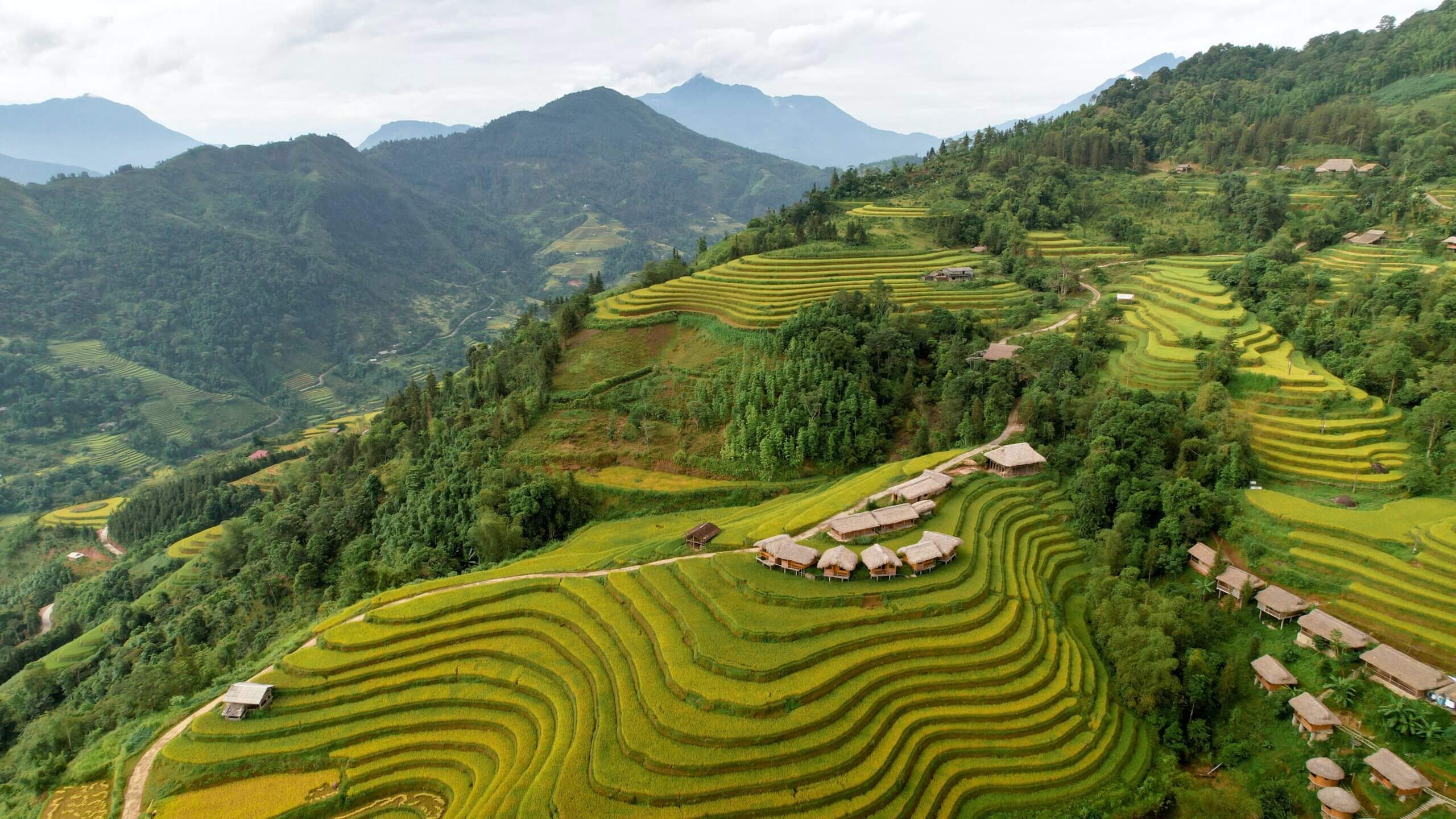
Vietnam mountains landscape
Overview of Mountains and Highlands in Vietnam
Vietnam is a country defined by elevation as much as coastline. Nearly three-quarters of its territory consists of hills, plateaus, and uplands, forming a complex network of ranges that stretch from the Northern border with China down through the spine of the country. These physical features explain why the mountains and highlands in Vietnam play such a central role in shaping the nation’s geography, ecosystems, and regional identities.
Geographic Distribution and Elevation
The mountainous terrain of Vietnam can be broadly divided into three major zones: the Northern highlands, the central plateaus, and upland corridors running along the Truong Son mountain chain. Elevation changes rapidly across short distances, creating a landscape of valleys, ridges, and high plateaus that strongly influence land use and settlement patterns.
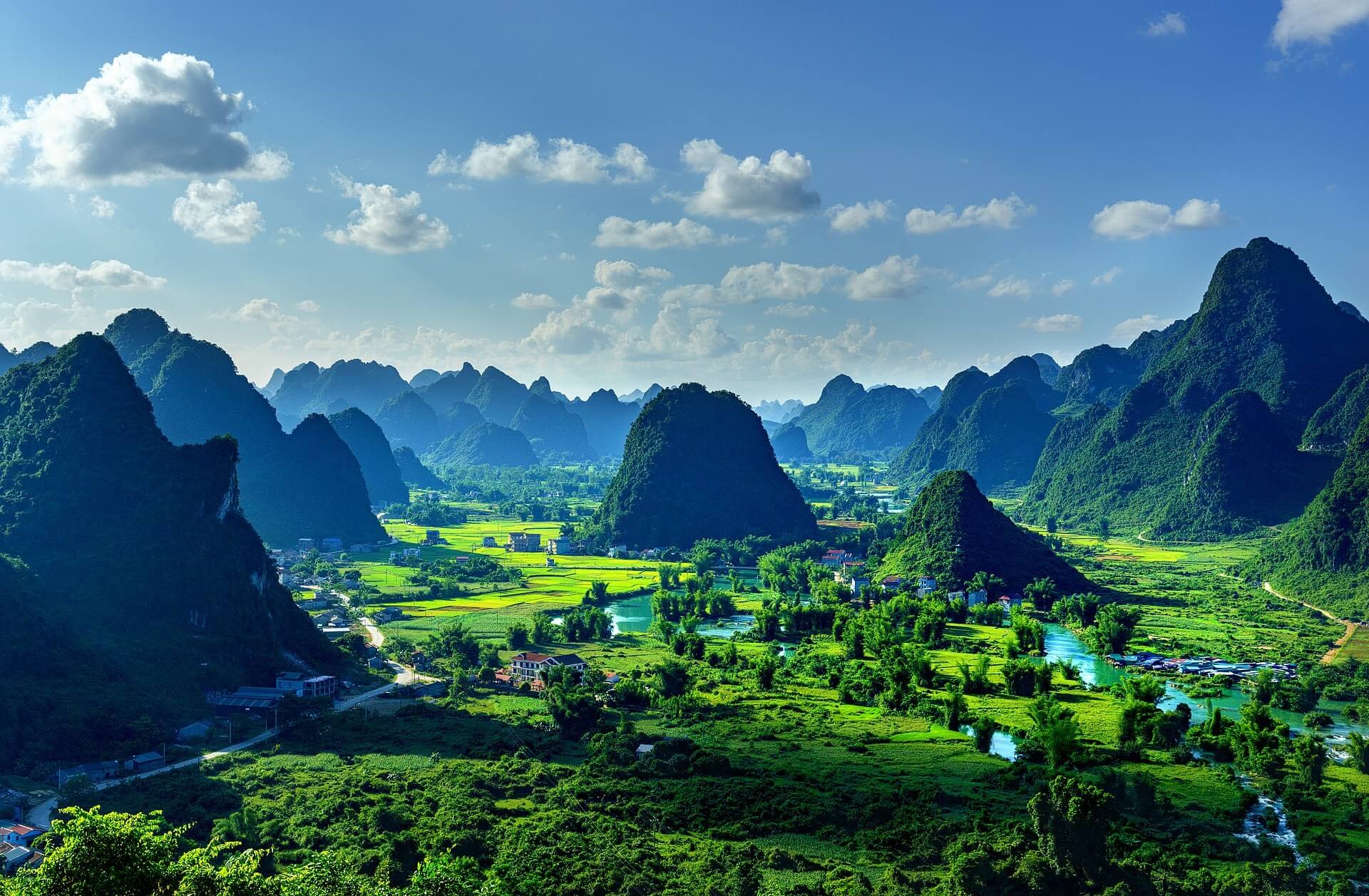
Vietnam mountains landscape
Climate Characteristics of Highland Areas
Climate conditions vary significantly depending on altitude and location. Highland regions generally experience cooler temperatures, greater rainfall, and more defined seasonal transitions than lowland areas. Morning mist, mild daytime temperatures, and cool evenings are common features that shape daily life, agriculture, and travel experiences.
Natural Scenery and Environmental Value
The elevated landscapes support a remarkable range of natural scenery, from terraced rice fields and forested slopes to limestone plateaus and fertile volcanic soil. These upland areas are also vital watersheds, feeding major rivers that sustain lowland agriculture. As a result, the ecological importance of the mountains extends far beyond their visual appeal.
Cultural and Economic Importance
Historically, mountainous and highland areas have fostered distinct cultural traditions shaped by isolation, climate, and terrain. Communities developed farming techniques, housing styles, and social structures adapted to upland living. Today, agriculture, forestry, and tourism all contribute to local economies, reinforcing the continuing relevance in both cultural preservation and sustainable development.
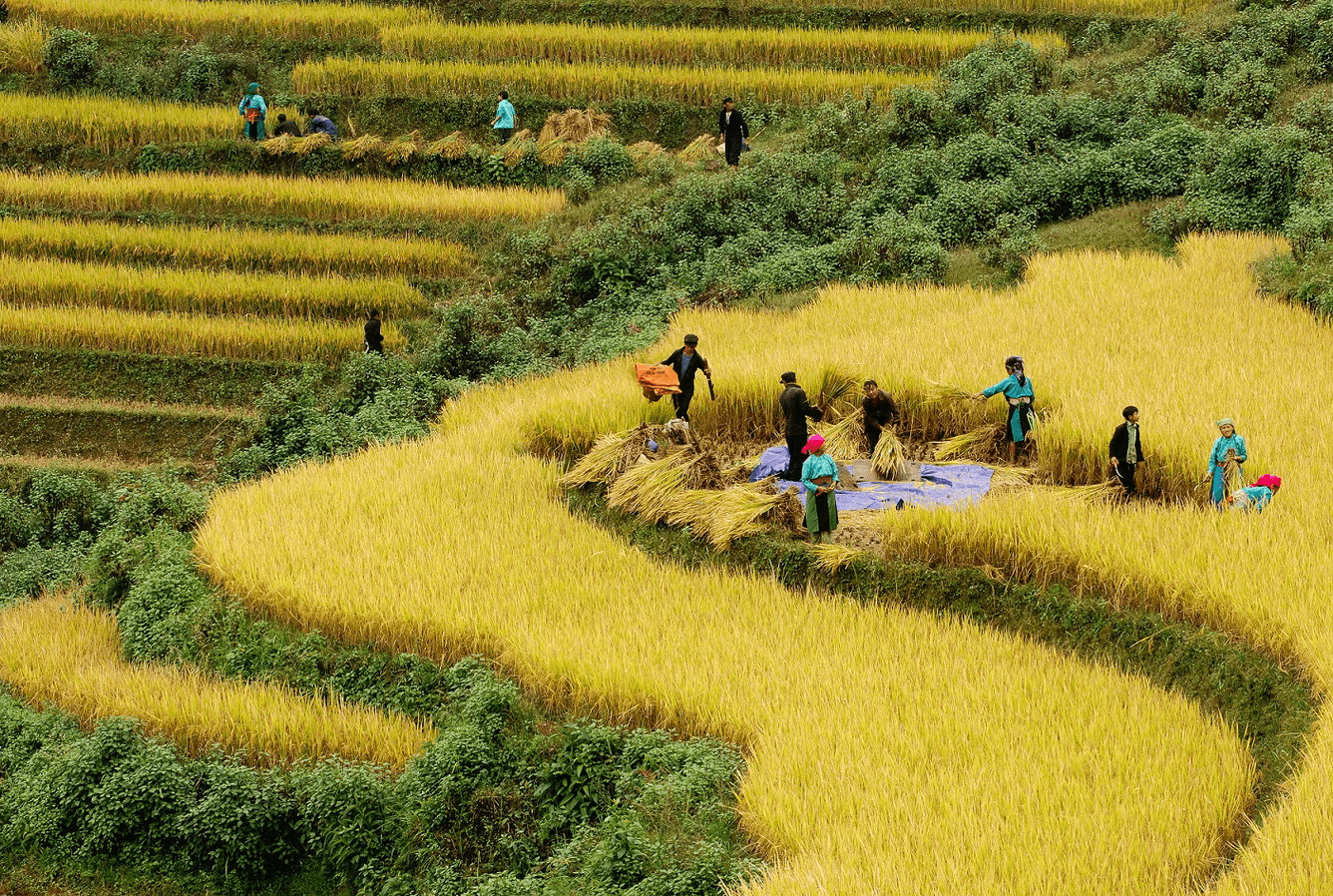
Ethnic minority agriculture Vietnam
Northern Mountains of Vietnam
The Northern region is widely regarded as the most dramatic mountainous area of the country, where steep terrain meets deep valleys and long-standing cultural traditions. Stretching from the Red River Delta toward the Chinese border, the mountains and highlands in Vietnam reach their highest elevations here, forming a landscape that feels remote, rugged, and deeply rooted in nature. This area is often associated with striking scenery, cooler climates, and strong regional identities shaped by geography.
Northwest Mountain Landscapes
The Northwest is known for towering peaks, terraced rice fields, and winding mountain roads that reveal expansive views at every turn. Places such as Sa Pa, Mu Cang Chai, and the Hoang Lien Son range sit at the heart of the mountains and highlands in Vietnam, offering some of the country’s most iconic upland scenery. The area’s terrain supports seasonal agriculture and creates ever-changing colors across the landscape, especially during planting and harvest periods.
Beyond visual appeal, the Northwest has become a key destination for outdoor exploration and slow travel. Hiking routes, local markets, and rural villages provide insight into everyday life in high-altitude environments. These experiences have helped define the reputation in Vietnam as destinations that reward travelers seeking depth rather than speed. If you have limited time in the Northern mountains, a 2-day Sapa itinerary with an overnight hotel stay provides a well-balanced mix of trekking, cultural encounters, and relaxation.
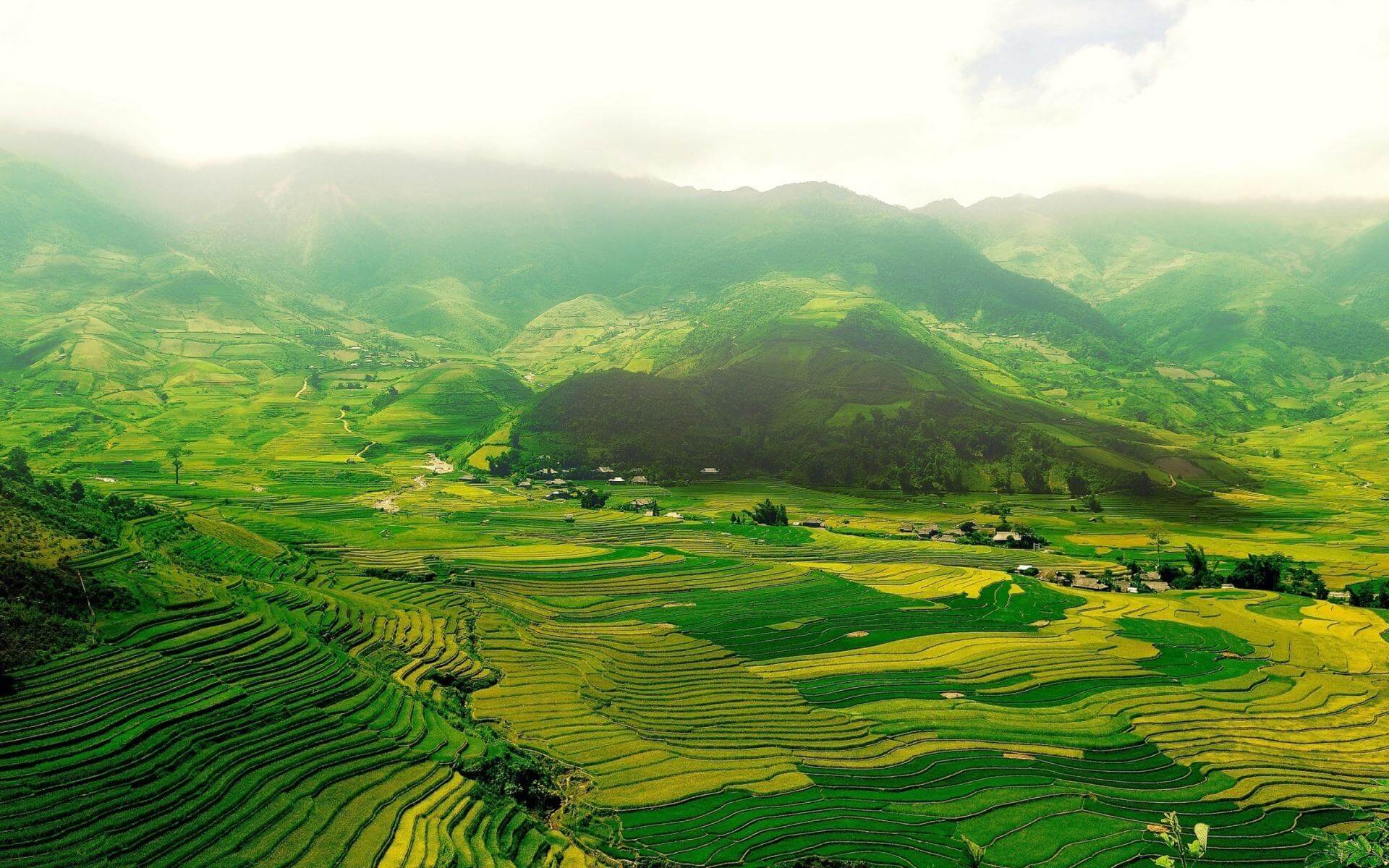
Northwest Vietnam rice terraces
Northeast Highlands and Karst Plateaus
In contrast to the Northwest, the Northeast features a landscape dominated by limestone formations, deep gorges, and vast stone plateaus. The Dong Van Karst Plateau stands as one of the most distinctive geological areas within the mountains and highlands in Vietnam, characterized by sharp ridges, sparse vegetation, and dramatic elevation changes. Roads here trace mountain edges, revealing views that feel raw and untouched.
This region is also closely linked to traditional lifestyles that have adapted to challenging terrain. Small settlements cling to rocky slopes, relying on resilience and local knowledge to sustain daily life. Together, these elements have made the Northern Vietnam mountains a powerful symbol of both natural beauty and human adaptation in the country’s highland regions.
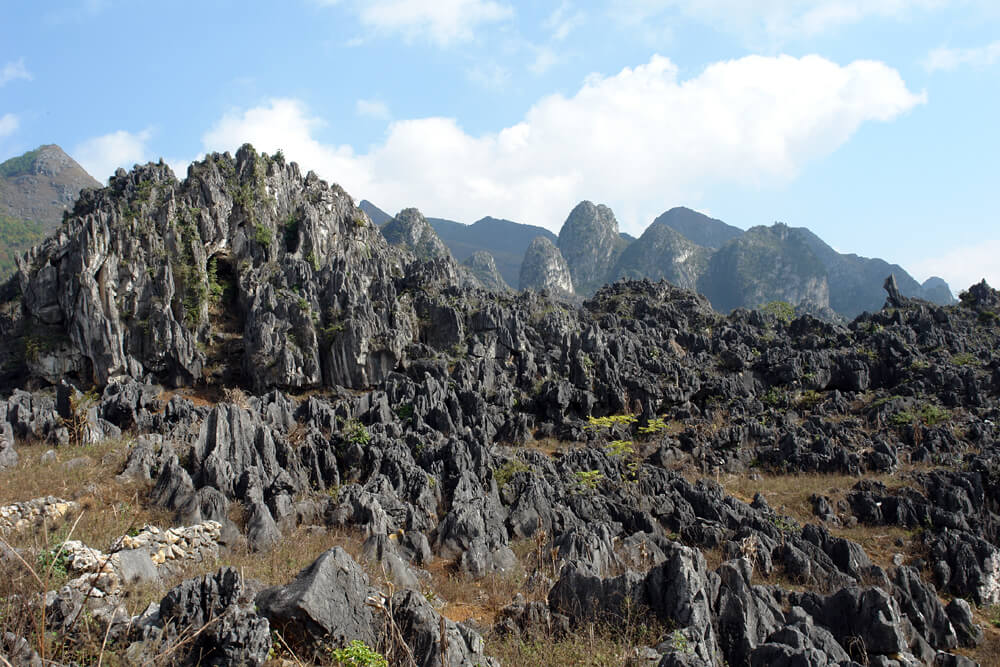
Dong Van Karst Plateau
Central Highlands Vietnam
Located in the heart of the country, the central upland region forms a vast plateau system shaped by volcanic soil, pine forests, and rolling hills. Compared to the sharper peaks of the North, this area presents a softer but equally expansive landscape, where agriculture and nature coexist across wide horizons. Within the broader context of the mountains and highlands in Vietnam, the central highlands stand out for their open terrain, fertile land, and slower pace of life.
Da Lat and the Langbiang Plateau
Da Lat is often considered the cultural and climatic gateway to the highlands, known for its mild temperatures, pine-covered slopes, and lake-filled valleys. The surrounding Langbiang Plateau rises gently above the city, offering panoramic viewpoints and forested trails that contrast with Vietnam’s tropical lowlands. These characteristics make Da Lat one of the most accessible areas for experiencing the mountains and highlands in Vietnam, especially for travelers seeking cooler weather and relaxed exploration.
Beyond its scenery, Da Lat has developed a reputation as a center for leisure travel, outdoor activities, and agricultural tourism. Flower farms, coffee plantations, and hillside viewpoints contribute to a landscape that feels carefully shaped yet closely connected to nature. As part of the broader Vietnam scenic highlands, the area balances tourism growth with environmental and cultural preservation.
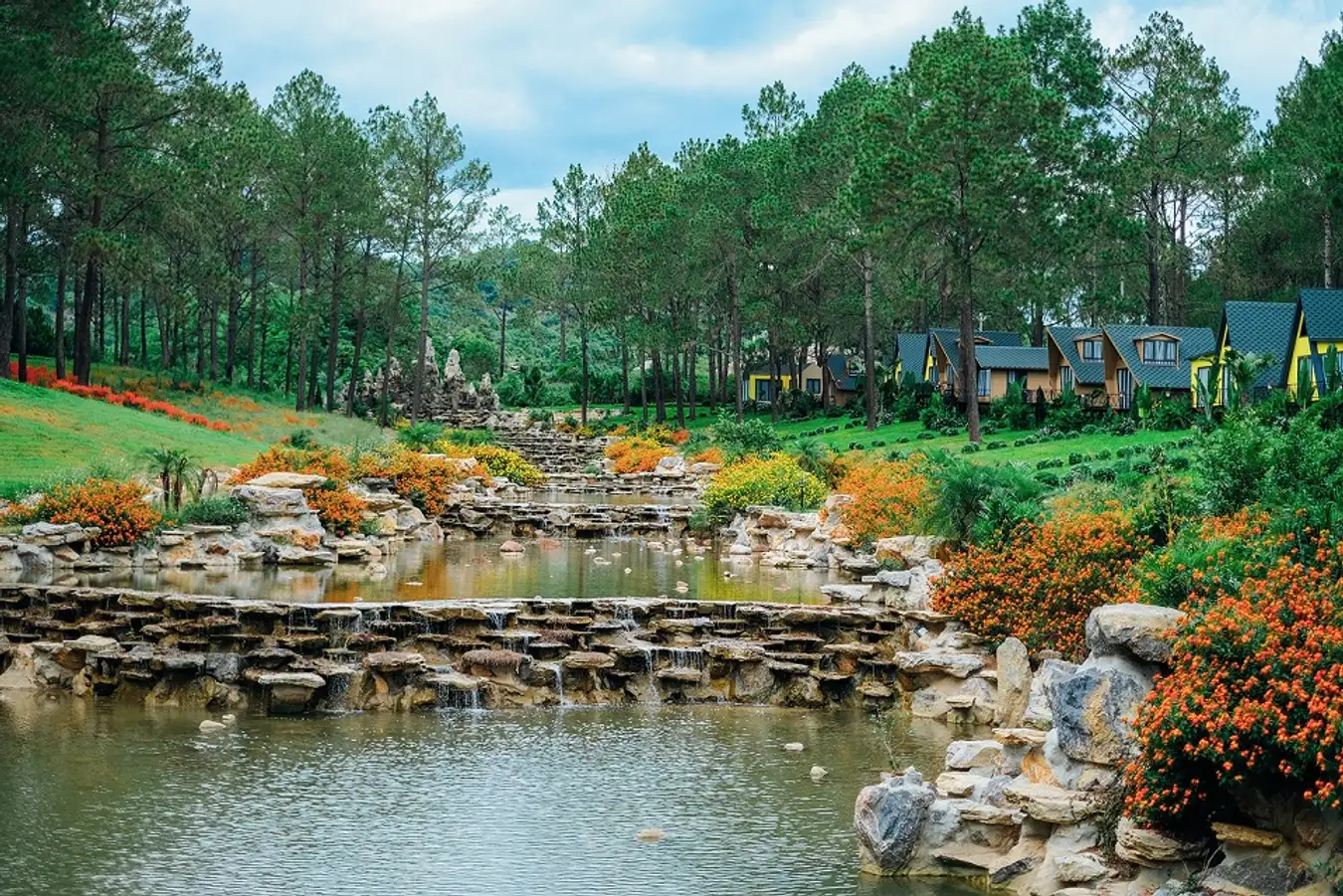
Da Lat pine forest
Buon Ma Thuot and Coffee-Growing Regions
Further North, Buon Ma Thuot anchors a region defined by red basalt soil and large-scale coffee cultivation. The surrounding countryside stretches across broad plateaus rather than steep slopes, creating a distinctive highland environment shaped by farming and seasonal rhythms. These agricultural zones play a major role in the economy of the mountains and highlands in Vietnam, supplying products that are recognized both nationally and internationally.
Life in these areas remains closely tied to the land, with villages, farms, and forests forming interconnected landscapes. Traditional practices continue alongside modern production, offering insight into how highland communities adapt to changing economic demands. This blend of tradition and development reflects the evolving identity of the mountains and highlands in Vietnam beyond their visual appeal.
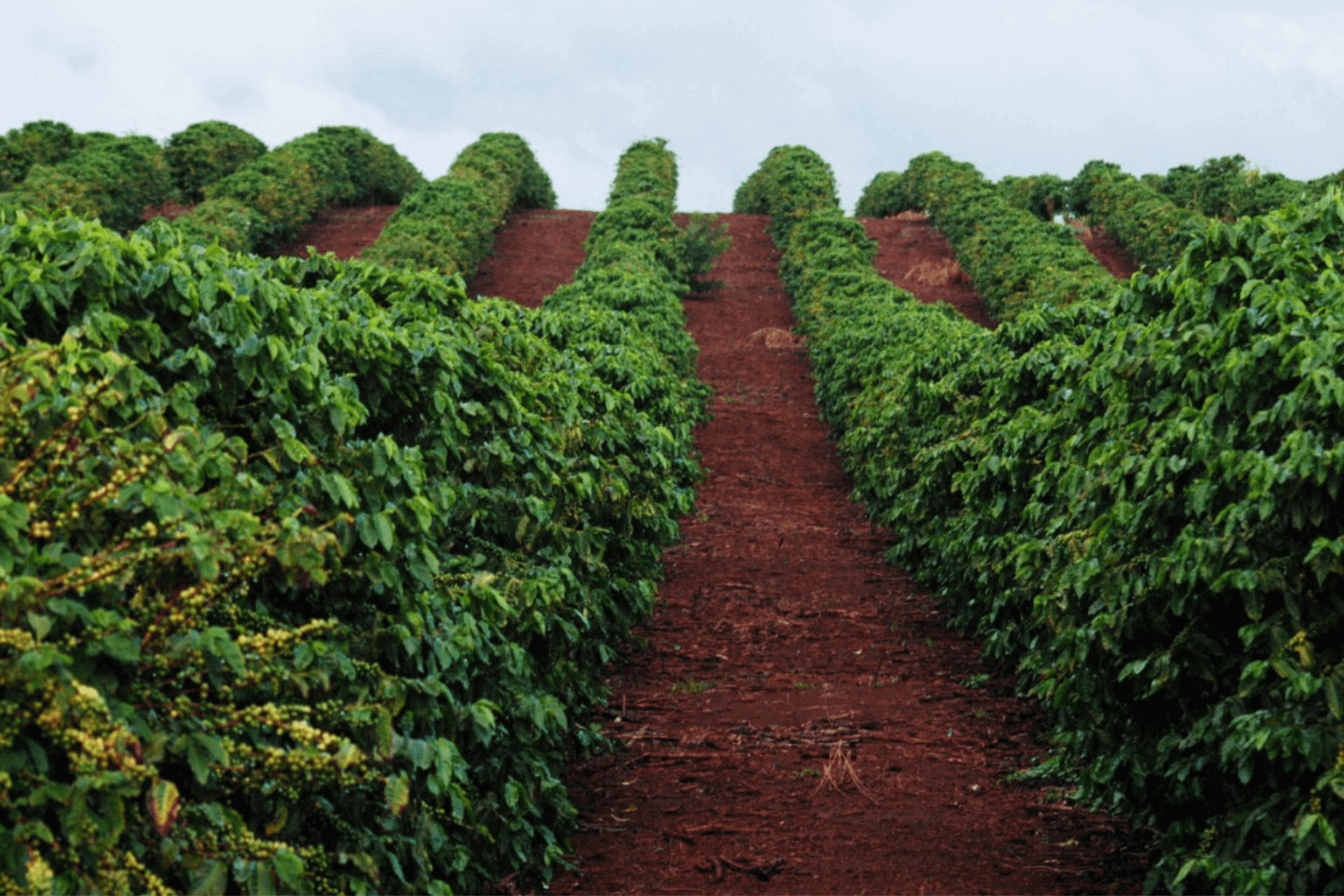
Central Highlands coffee farms
Best Things to Do in Vietnam Mountains and Highlands
Travel experiences in elevated regions tend to move at a slower, more immersive pace, shaped by terrain and local lifestyles. Rather than fast sightseeing, journeys here focus on landscapes, daily rhythms, and meaningful interaction with place. For travelers interested in deeper exploration, the mountains and highlands in Vietnam offer a wide range of activities that align naturally with nature-based and cultural travel, making them ideal for long-form Vietnam highlands travel rather than short stopovers.
Trekking and Outdoor Exploration
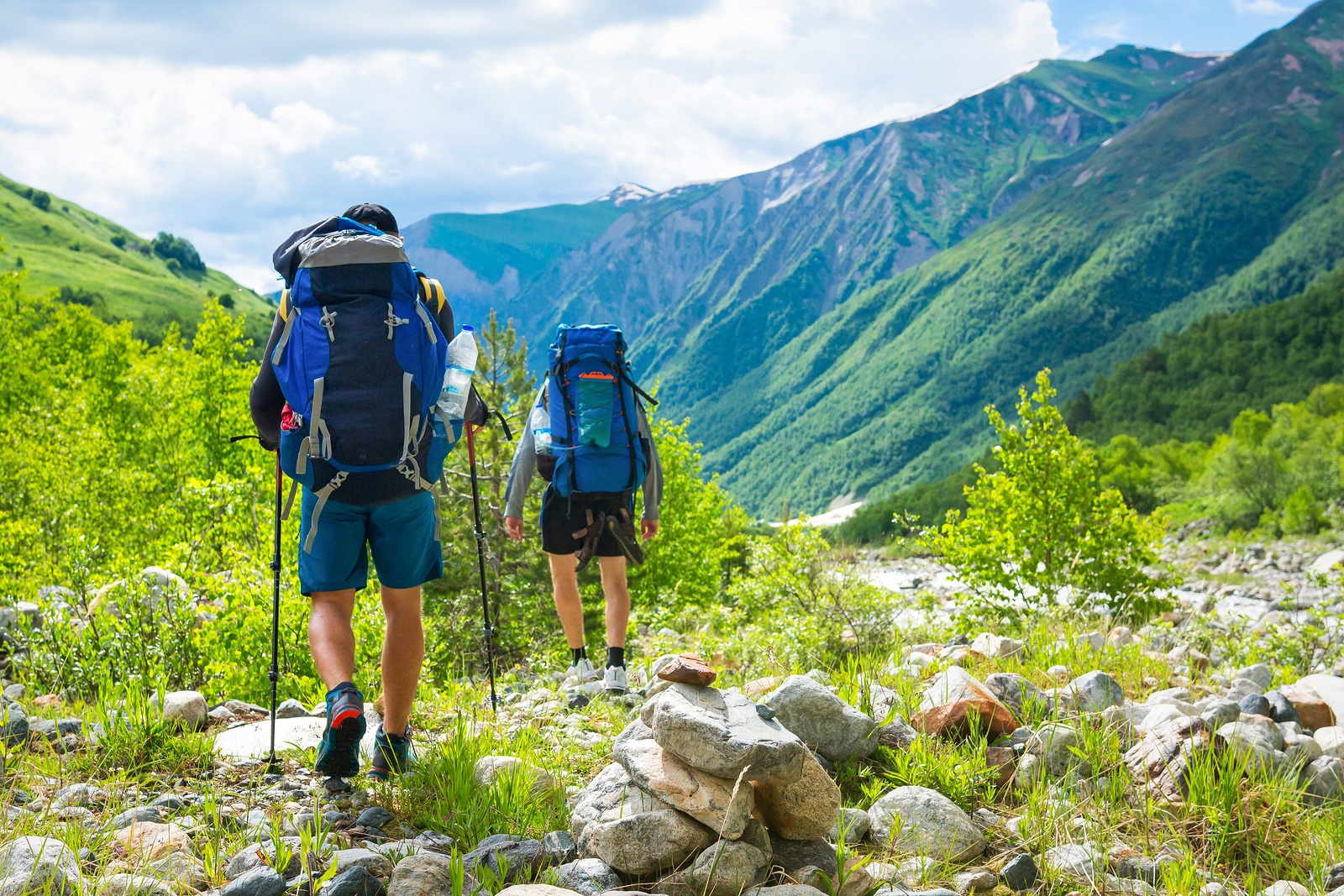
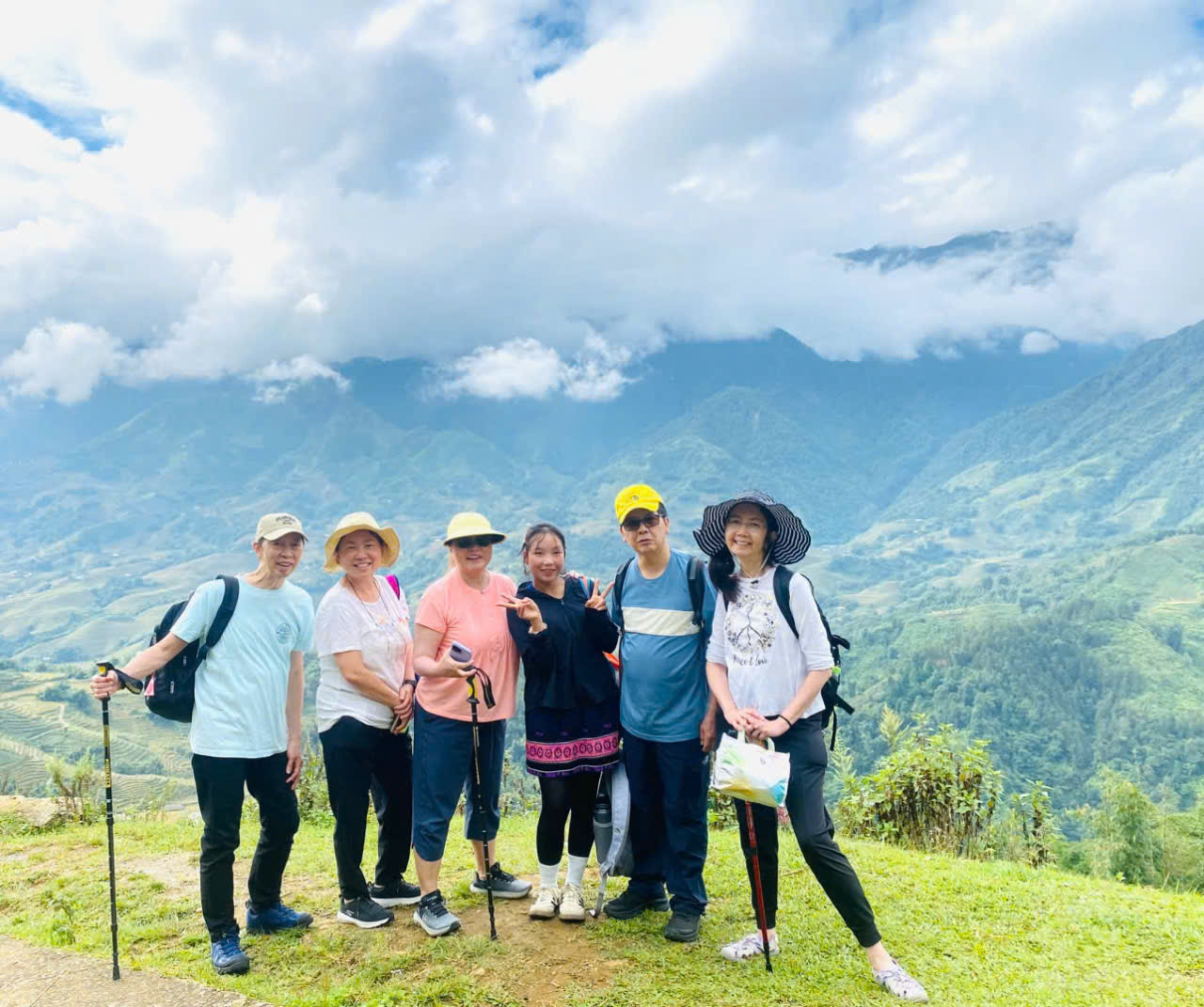
One of the most popular ways to experience highland environments is on foot, following trails that wind through valleys, forests, and terraced hillsides. Trekking routes vary from gentle village walks to challenging multi-day hikes, allowing visitors to experience changing scenery and climate zones within a single journey. These paths define many of the most rewarding Vietnam trekking destinations, where physical effort is balanced by sweeping views and quiet moments in nature found throughout the mountains and highlands in Vietnam.

Vietnam mountain trekking
Cultural Encounters in Highland Communities
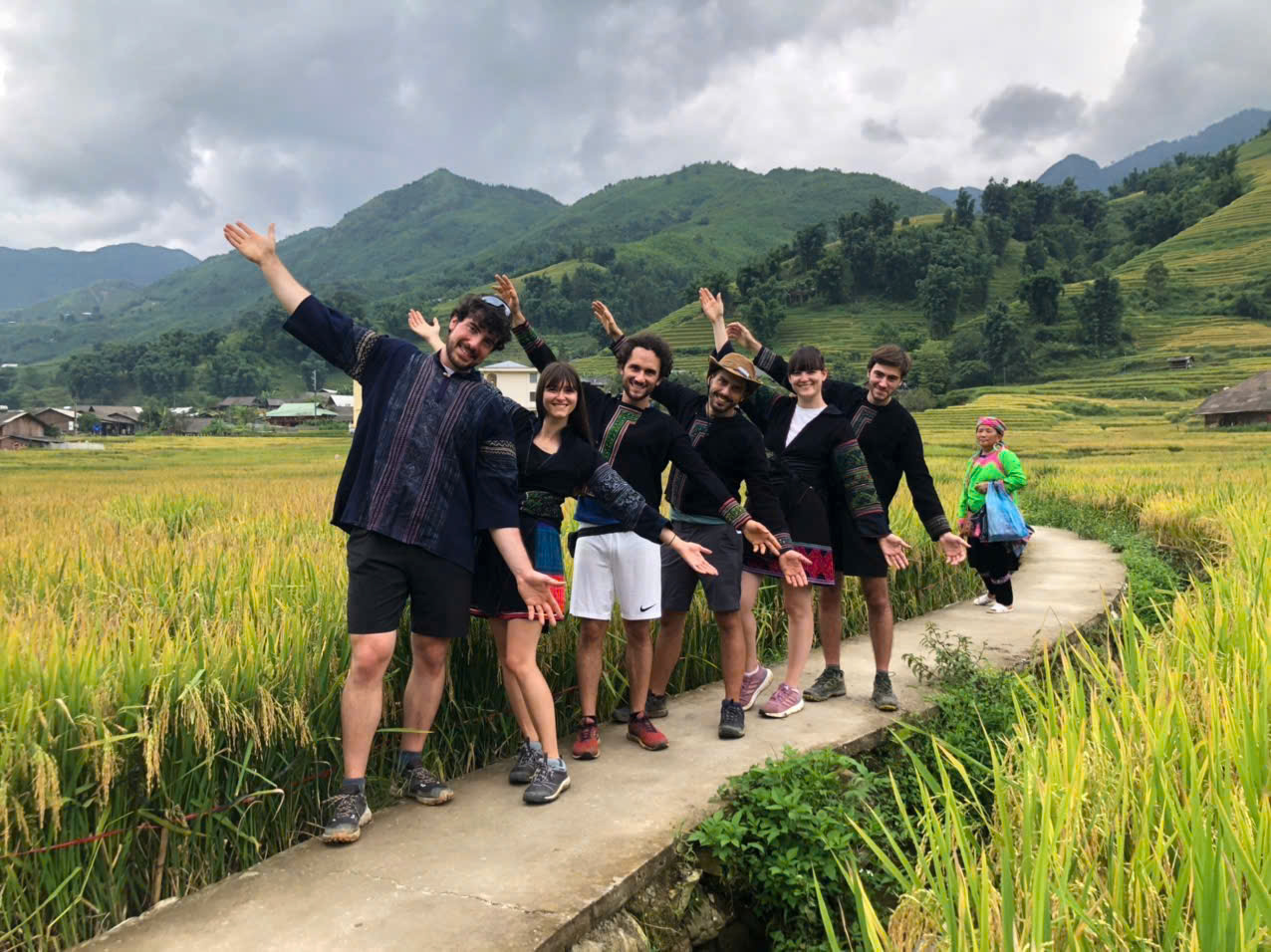
Beyond landscapes, cultural interaction is a central part of the highland experience. Many upland areas are home to communities that have maintained distinct traditions, languages, and farming practices for generations. Visiting local markets, staying in village homestays, or joining seasonal activities provides insight into Vietnam hill tribes culture, adding human context to the scenery and highlighting how people have adapted to life in the mountains and highlands in Vietnam.
Scenic Viewpoints and Photography
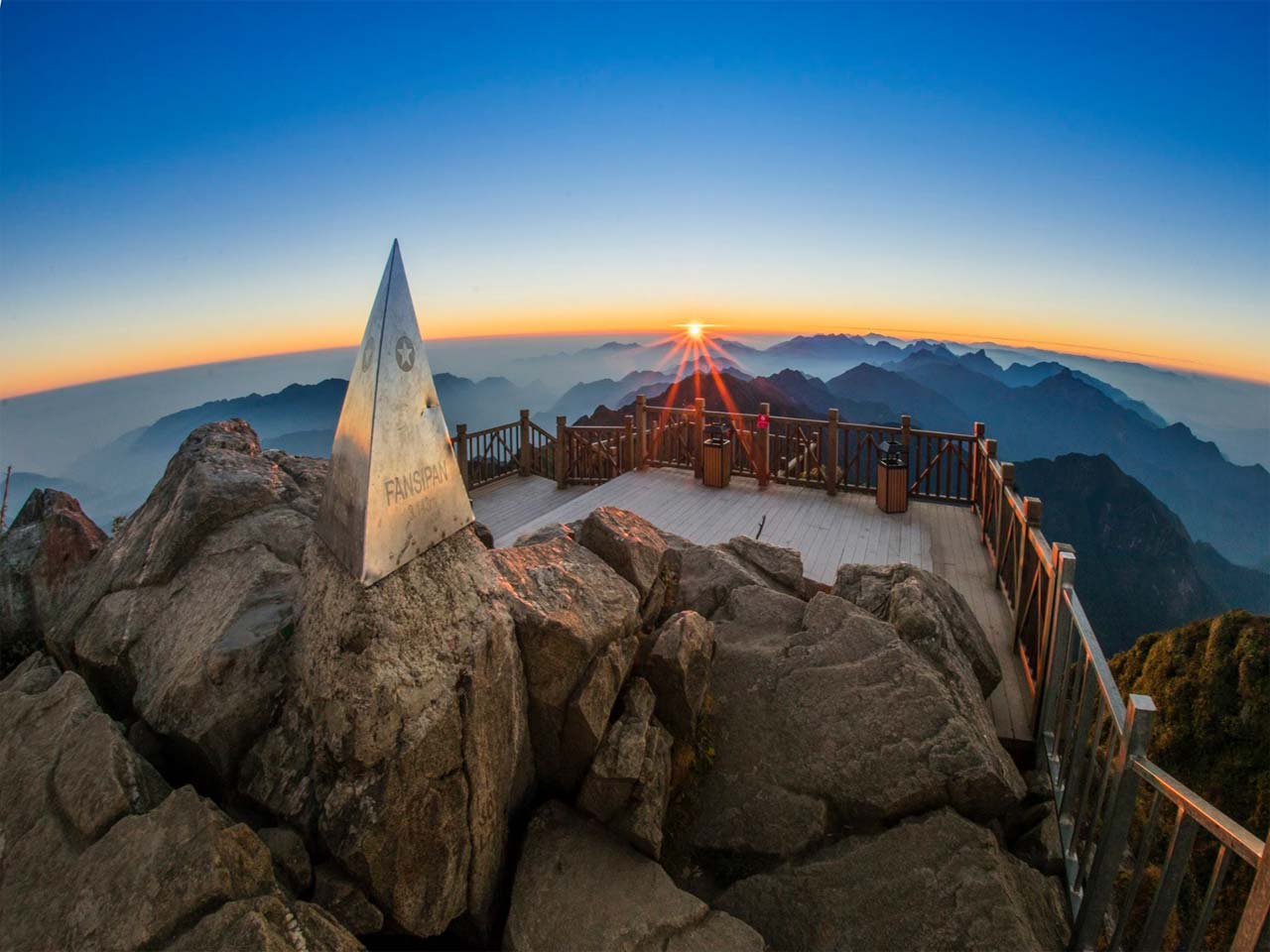
Highland regions are defined by elevation, making viewpoints and panoramic landscapes an essential part of the journey. Mountain passes, ridge-top lookouts, and valley overlooks offer changing perspectives throughout the day as light and weather shift. These locations are often considered among the best mountains to visit in Vietnam, drawing photographers and nature lovers who want to capture the scale and atmosphere unique to the mountains and highlands in Vietnam.
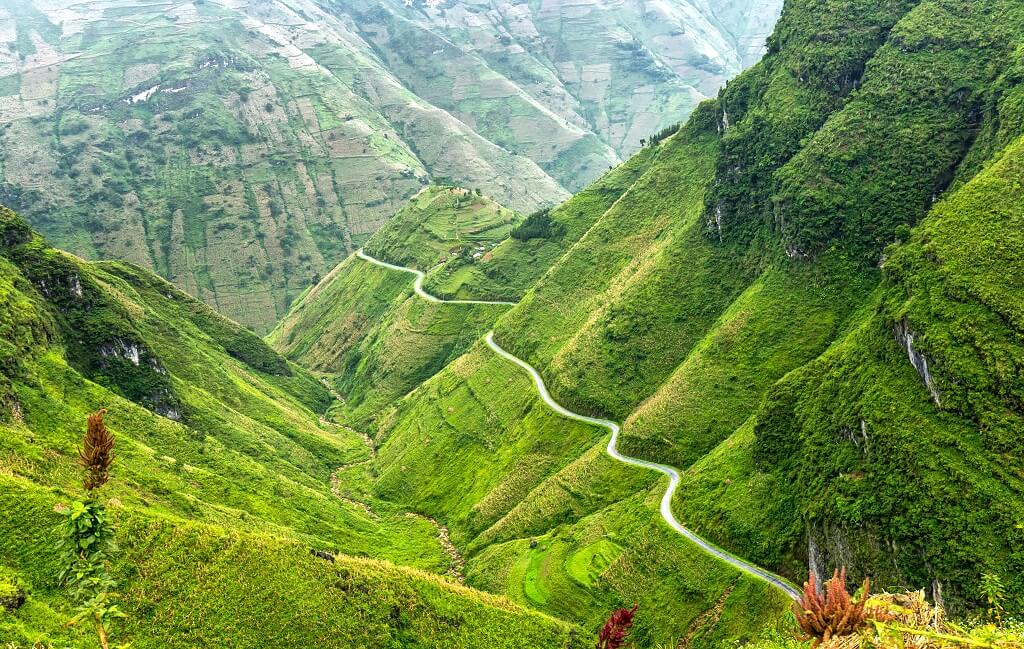
Highlands scenic view Vietnam
Seasonal Planning and Weather Awareness
Activities in elevated areas are closely linked to seasonal conditions, which can affect accessibility, visibility, and comfort. Rainfall patterns, temperature changes, and mist are all common features that shape travel experiences throughout the year. Understanding Vietnam highland weather helps travelers plan suitable activities and timing, ensuring safer and more enjoyable exploration of the mountains and highlands in Vietnam. Before heading into remote highland areas, travelers should be aware of local conditions, cultural norms, and practical travel considerations, especially those outlined in what to know before traveling to Vietnam in 2026.
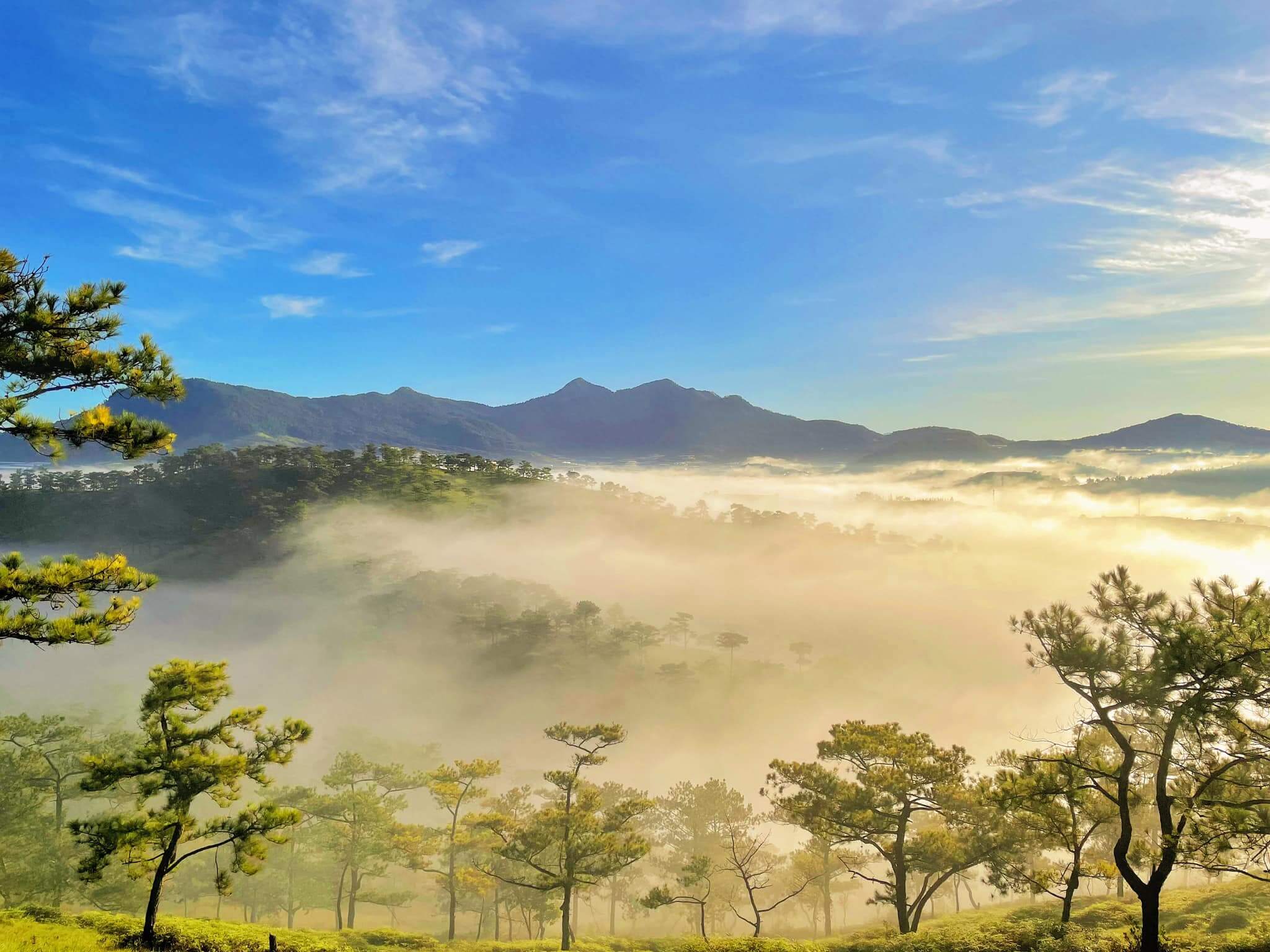
Foggy mountains Vietnam
Best Time to Visit Mountains and Highlands in Vietnam
Timing plays a crucial role in shaping experiences across elevated regions, where weather patterns differ significantly from coastal and lowland areas. Seasonal changes affect visibility, road conditions, and outdoor activities, making planning especially important when exploring the mountains and highlands in Vietnam. Understanding regional variations allows travelers to choose periods that match their interests, whether focused on scenery, culture, or outdoor adventure.
Seasonal Differences Across Highland Regions
Northern highland areas tend to experience cooler winters and warmer, wetter summers, while central upland plateaus maintain more stable temperatures year-round. Rainfall often peaks during mid-year months, bringing lush greenery but also occasional travel disruptions. These variations mean that the mountains and highlands in Vietnam rarely share a single “perfect season,” instead offering different highlights depending on timing and location.
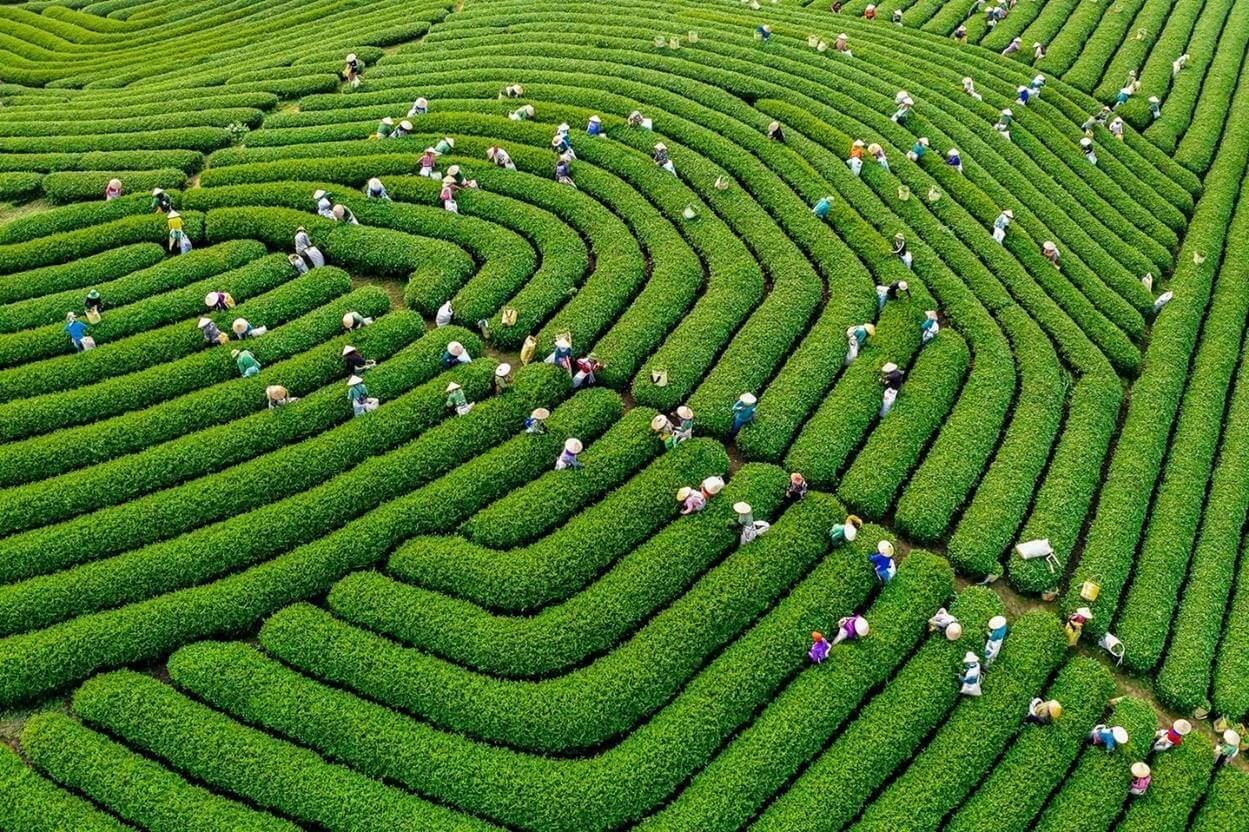
Northern Vietnam highlands climate
Ideal Months for Scenic Travel
Dry seasons are generally favored for clear views and comfortable trekking conditions, especially when terraced fields are at their most visually striking. During these months, skies tend to be clearer and temperatures moderate, enhancing access to viewpoints and mountain routes. Choosing the right window helps travelers fully appreciate the scale and beauty of the mountains and highlands in Vietnam, particularly for photography and long-distance exploration. For those combining highland journeys with coastal routes, understanding the best time to visit Central Vietnam can help create smoother itineraries and avoid extreme weather changes.
Cultural Seasons and Local Life
Seasonal cycles also shape cultural experiences in highland regions, where agricultural calendars influence festivals, markets, and daily routines. Visiting during planting or harvest periods offers insight into local traditions tied closely to the land. These moments provide a deeper connection to the mountains and highlands in Vietnam, revealing how climate and culture remain closely intertwined in upland communities. To better understand local etiquette and traditions, travelers can explore the broader context of Vietnamese society through Vietnamese culture.
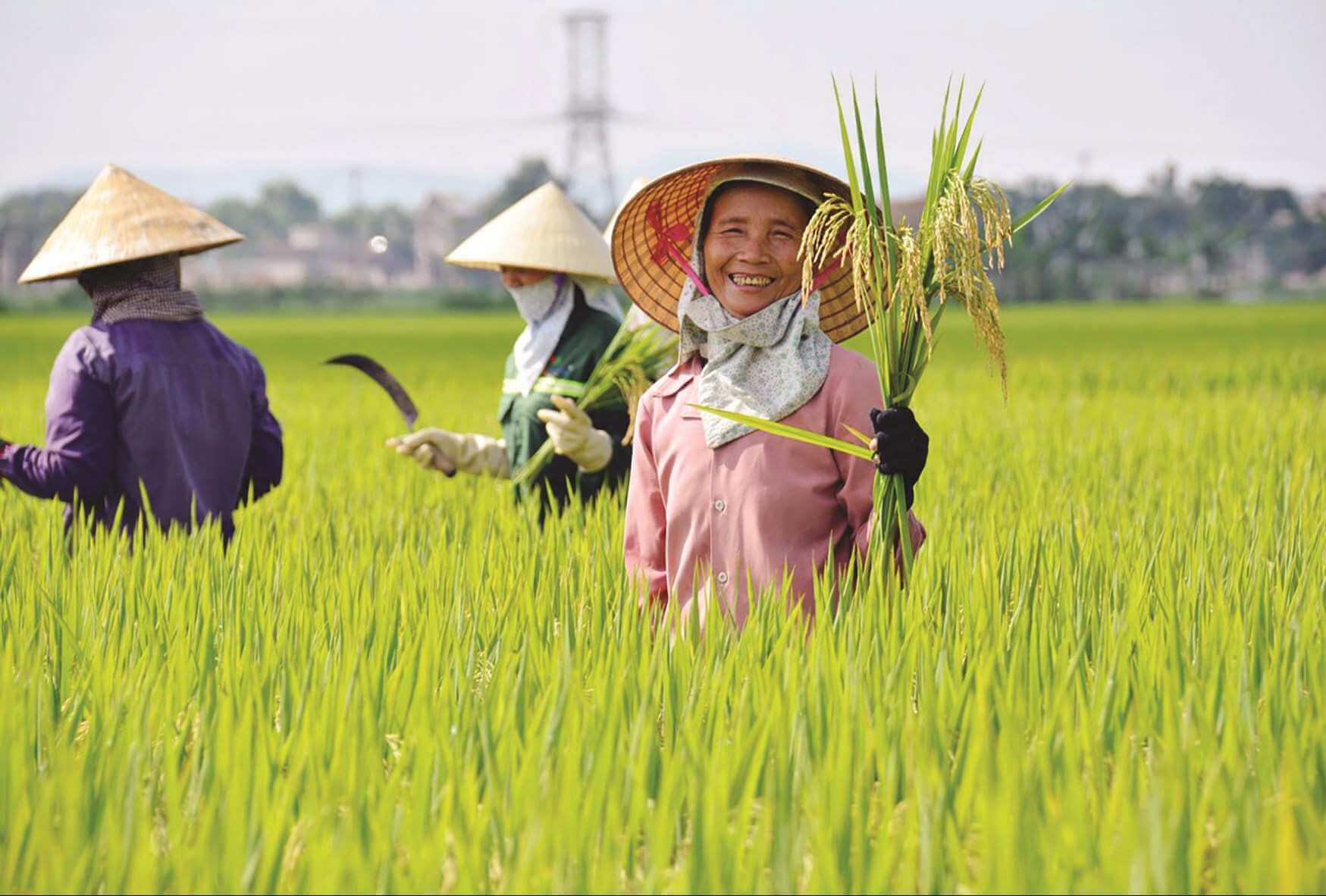
Ethnic minority farming season Vietnam
Conclusion
From mist-covered peaks in the North to fertile plateaus in the center of the country, the diversity of the mountains and highlands in Vietnam reveals a side of the nation shaped by elevation, tradition, and natural rhythm. These regions reward travelers who seek depth, scenery, and meaningful cultural encounters beyond mainstream routes. To explore these landscapes with thoughtful planning and local insight, consider crafting your journey together with Best Vietnam Tours, where expertly designed itineraries help transform highland travel into unforgettable experiences.
Stay connected with us for customized travel planning and access to our newest travel promotions.
- WhatsApp: +84.968804998
- Email: info@bestour.net
- Address: No. 55 Bui Thi Xuan Street, Hai Ba Trung Ward, Hanoi, Vietnam
- Fanpage: Best Vietnam Tours