Located just outside Ho Chi Minh City, Cu Chi Tunnel offers a powerful one-day experience for travelers interested in Vietnam’s history and wartime resilience. With a well-planned schedule, visitors can explore key areas of the site, understand daily life underground, and gain meaningful historical context without spending multiple days. Many travelers choose guided tours by Best Vietnam Tours for their clear storytelling, comfortable transport, and balanced pace, making this short journey both informative and easy to manage.
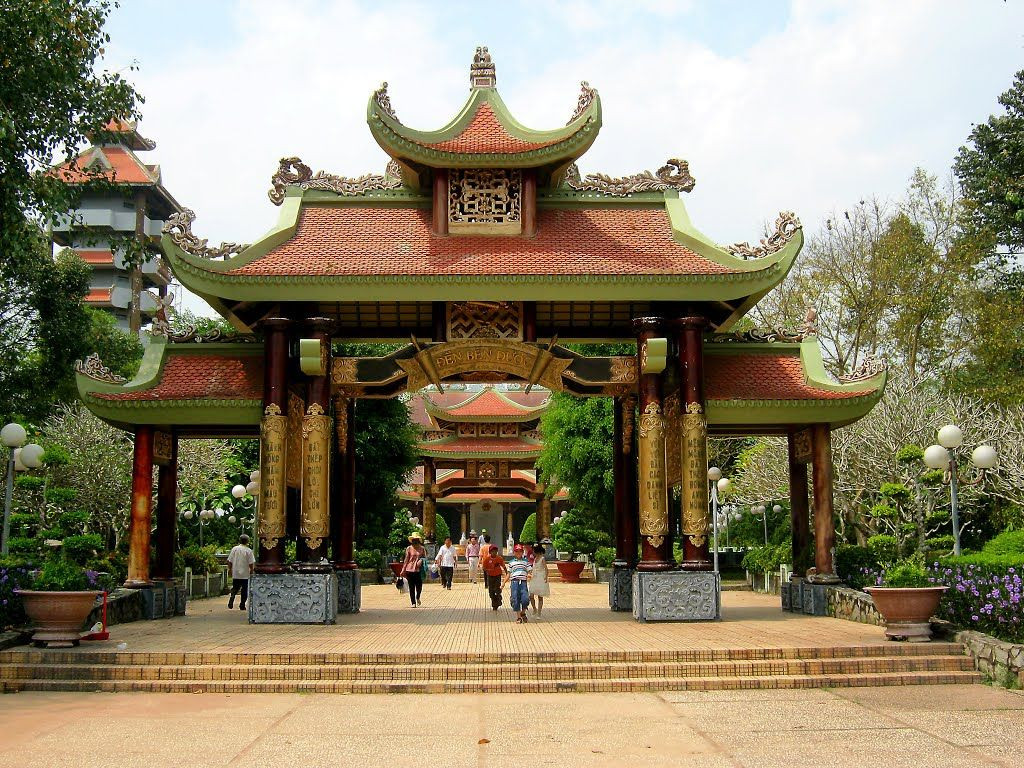
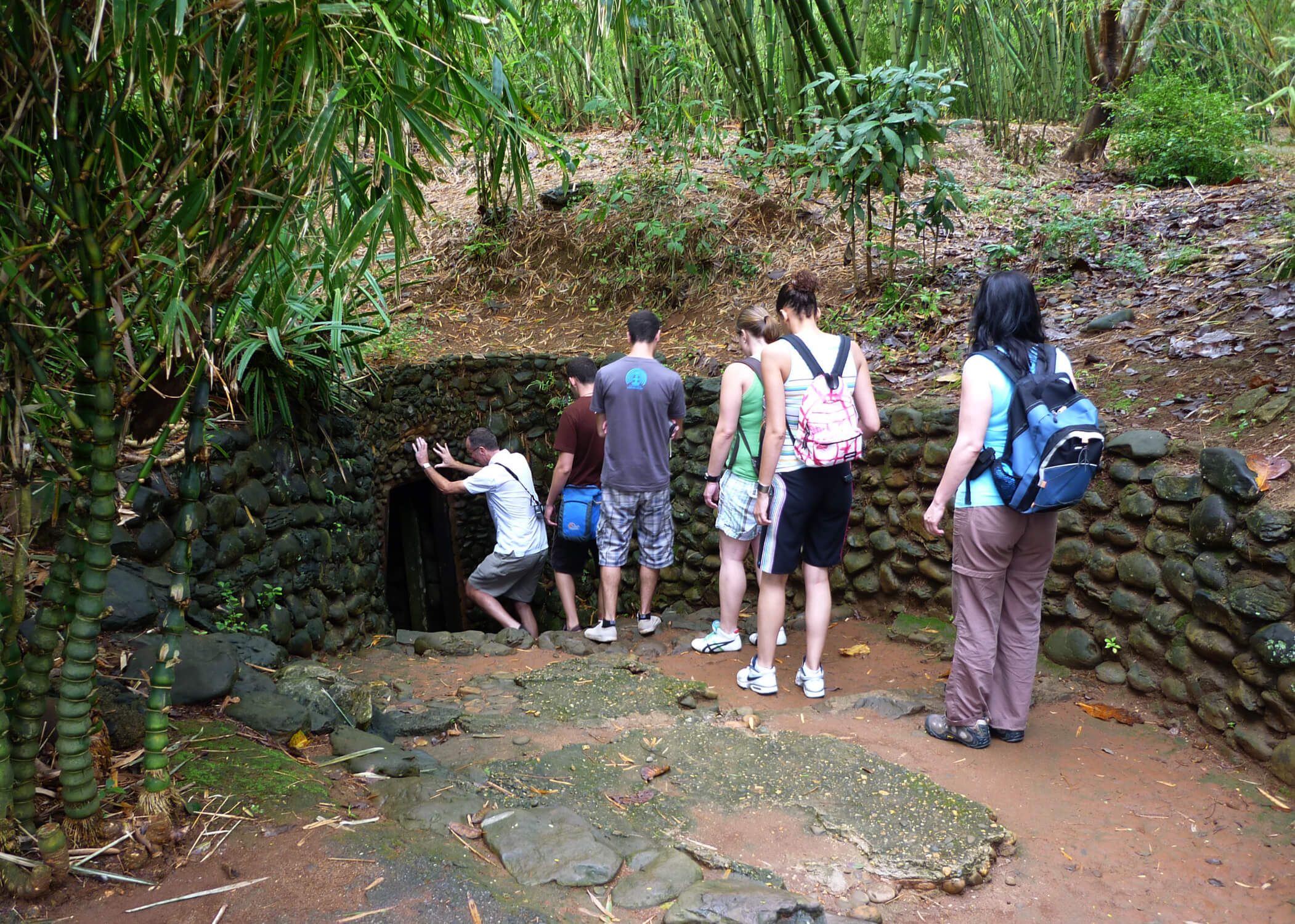
Tunnel entrance hidden among forested surroundings near Ho Chi Minh City
Overview of a One-Day Visit to the Cu Chi Tunnel
Distance, Travel Time, and Daily Schedule
The site is located approximately 60 kilometers from the city center, with an average travel time of 1.5 to 2 hours depending on traffic conditions. Situated within Cu Chi District, the area offers a clear contrast between urban development and rural landscapes.
Most one-day programs begin early in the morning and return by mid-afternoon, allowing travelers to enjoy a meaningful excursion without affecting their evening plans. This accessibility explains why the Cu Chi Tunnel from Ho Chi Minh City continues to attract a large number of international visitors.
Who This Experience Is Best Suited For
This one-day format is ideal for travelers who are interested in history, culture, and educational travel experiences. Cu Chi Tunnel suits first-time visitors who prefer guided explanations, as well as those with limited time who still want to explore an important historical site. Families, small groups, and independent travelers often find this itinerary convenient because it delivers depth and context without the need for overnight travel or complex planning.
Overview map showing Cu Chi Tunnel location from Ho Chi Minh City
Suggested One-Day Itinerary
Morning Departure and Countryside Drive
The day typically begins with an early morning departure, allowing travelers to leave the city before traffic becomes heavy. As the journey progresses, the scenery gradually shifts from busy streets to open countryside, offering a calmer start to the day.
This transition helps set the tone for the experience, as the contrast between modern urban life and rural surroundings becomes increasingly clear. For travelers who want a broader understanding of the city before heading into historical sites, combining this journey with insights from a structured urban exploration such as highlights covered in Ho Chi Minh City full-day tour can provide useful context on how the metropolis has evolved around the Cu Chi Tunnel area and why this location held strategic importance in the past.
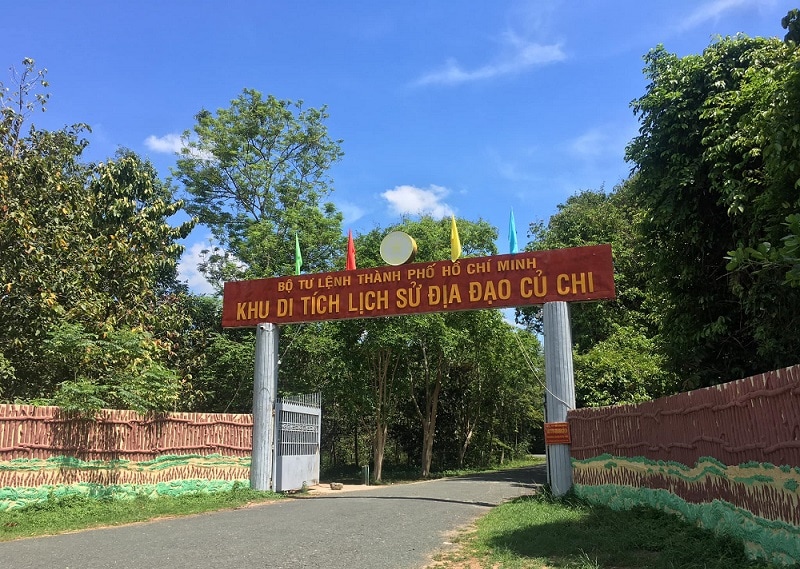
Morning journey from Ho Chi Minh City to the Cu Chi countryside.
Arrival and Guided Introduction at the Site
Upon arrival, visitors are welcomed with a short orientation that explains the historical background of the Cu Chi Tunnel system. A documentary-style presentation is often included to provide essential context before exploration begins. This introduction helps travelers understand how the tunnels were constructed, how they functioned, and why they played a crucial role during wartime. At this stage, the guide outlines the full Cu Chi Tunnel tour itinerary, preparing visitors for what they will see and experience throughout the day.
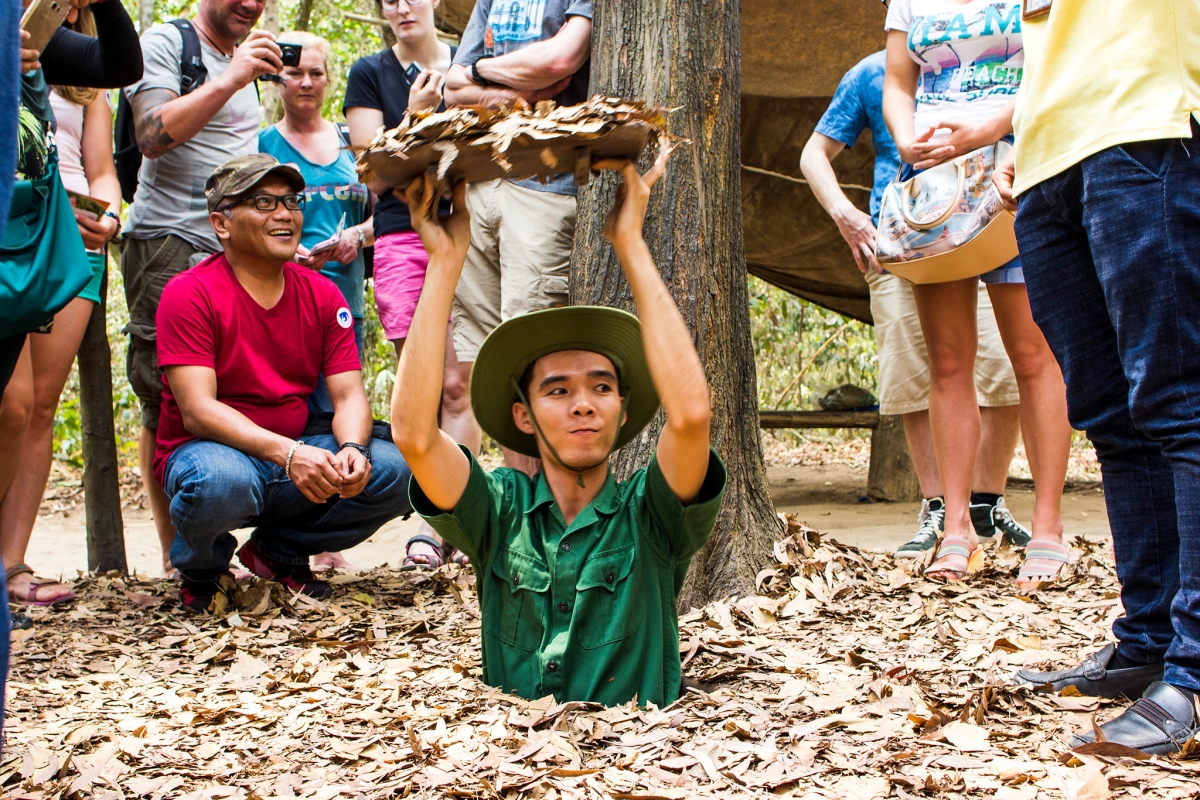
Guided introduction and historical briefing at the site
Exploring the Tunnel Network and Key Areas
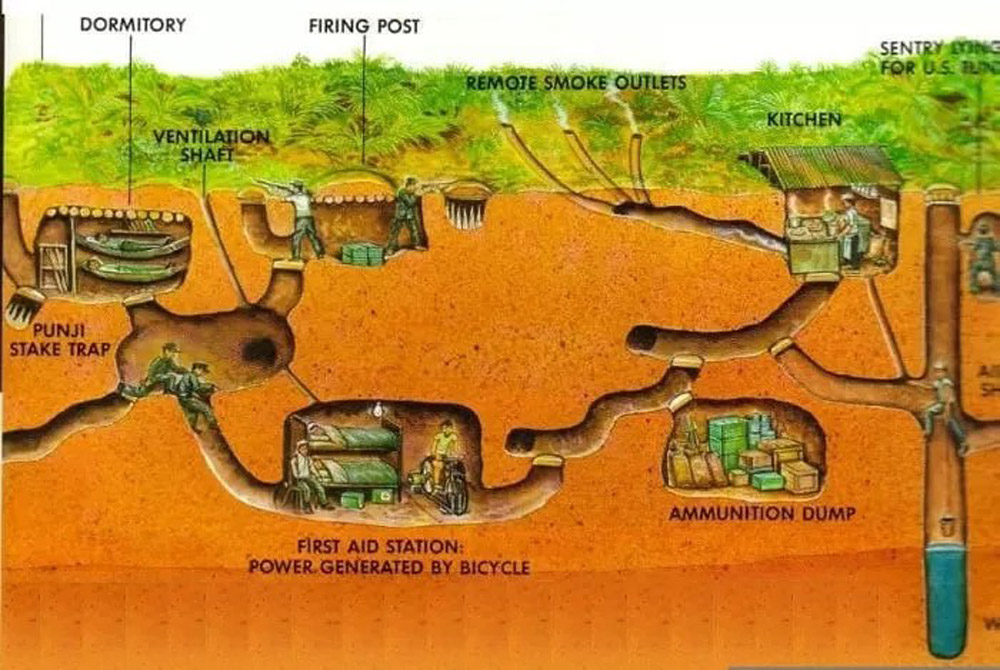
The main highlight of the visit is the guided walk through preserved sections of the Cu Chi Tunnel complex. Travelers can observe concealed entrances, underground living quarters, and strategic passages designed for survival and defense. Selected tunnel segments are widened for visitors, allowing them to experience the confined underground environment safely. Moving through these areas provides a deeper appreciation of the ingenuity and endurance required to live and operate beneath the surface for extended periods.
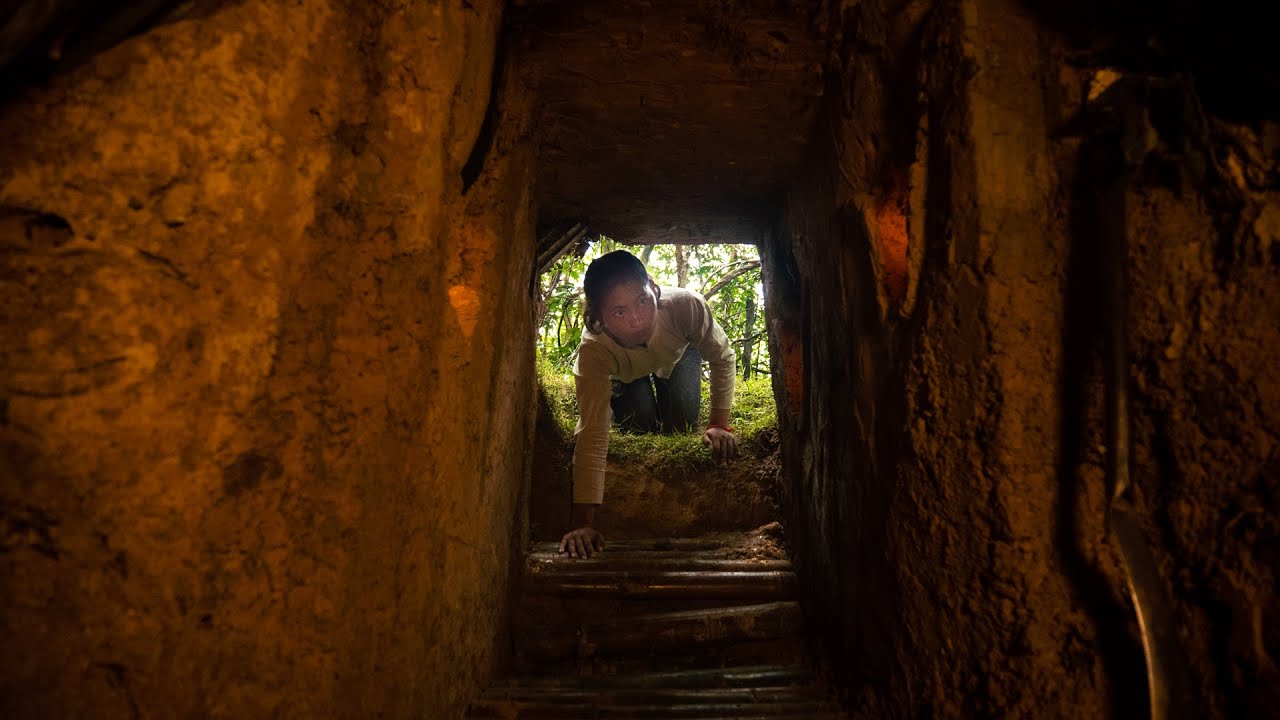
Visitors exploring the underground tunnel sections
Interactive Experiences and Optional Activities
Beyond observation, the itinerary often includes interactive elements that make the experience more engaging. Visitors may examine handmade traps, view wartime tools, or explore reconstructed areas that demonstrate daily life underground. Optional activities are usually offered for those interested in further immersion, while others can choose to observe from a distance. These moments add variety to the day and help balance educational content with hands-on exploration at the Cu Chi Tunnel site.
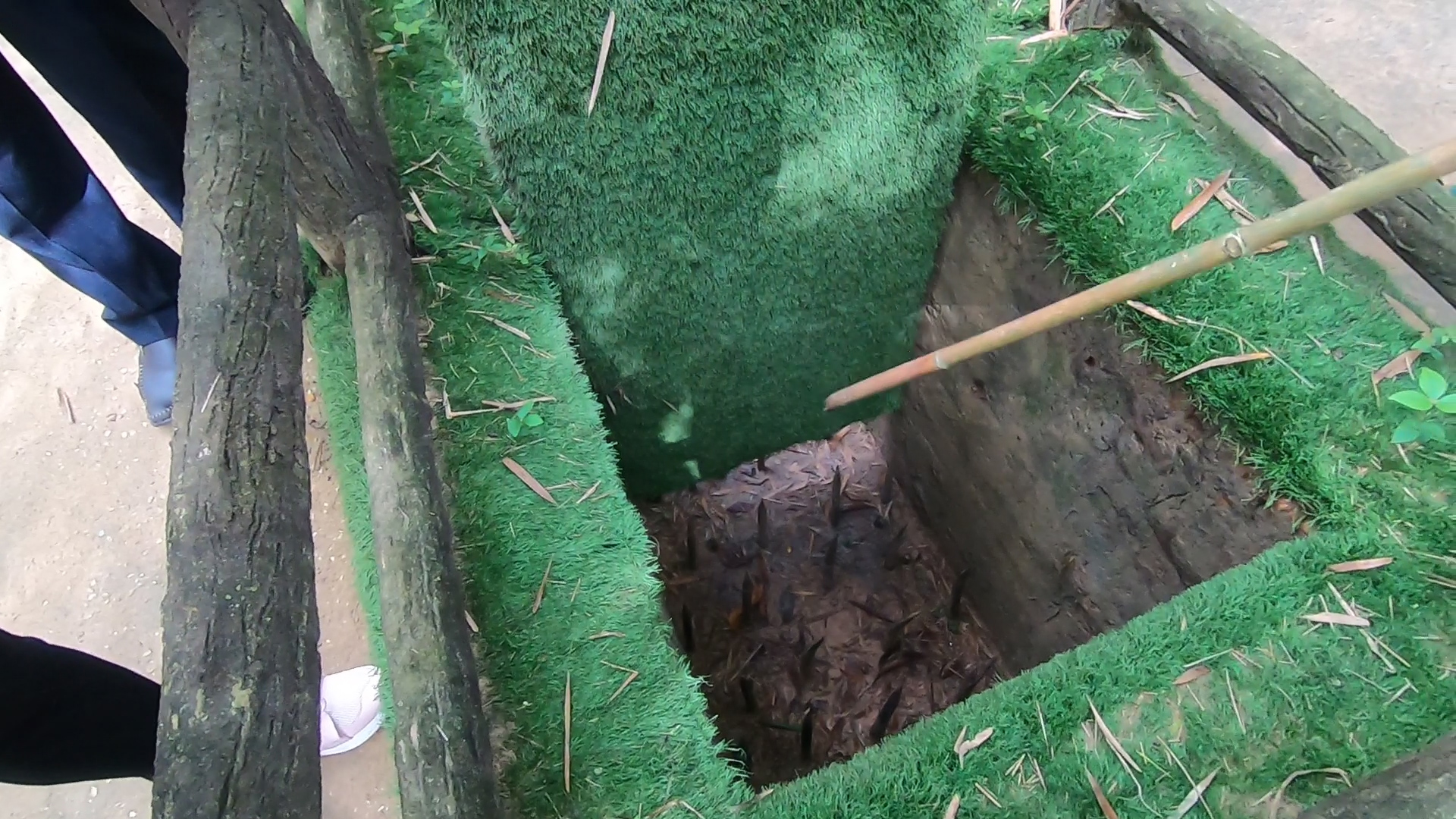
Hands-on displays and historical wartime traps found throughout the site
Lunch Break and Return to the City
After completing the main activities, travelers typically enjoy a short break before beginning the return journey. Lunch may be arranged at a local restaurant or included as part of the tour, depending on the program. The return trip offers time to reflect on the experience while traveling back through the countryside toward the city. By mid-afternoon, most visitors arrive back at their accommodation, having completed a full and well-paced day centered around the Cu Chi Tunnel experience.
Historical Importance of the Site
Strategic Role During the Vietnam War
The historical value of the Cu Chi Tunnel lies in its strategic function during the Vietnam War, when the underground network supported communication, shelter, and supply routes over an extended period. Built gradually by hand, the tunnels allowed local forces to move unseen, withstand heavy bombardment, and maintain long-term operations close to major urban centers. Understanding this background helps visitors see the site not only as a physical structure, but also as a symbol of tactical adaptation and survival under extreme conditions.
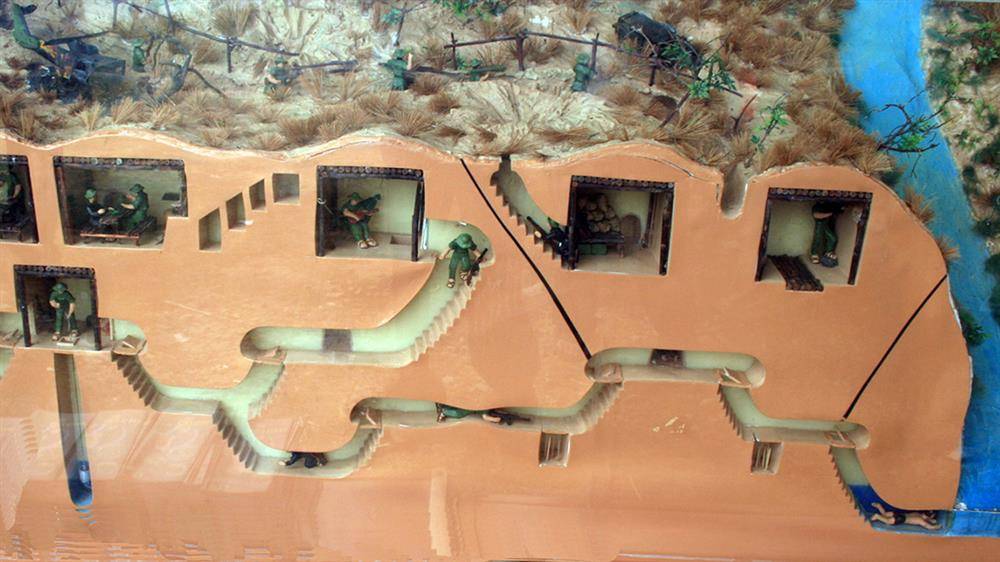
An overview of the underground tunnel system in the context of the Vietnam War.
Daily Life and Survival Underground
Beyond military strategy, the Cu Chi Tunnel system reveals how people adapted their daily lives to an underground environment. Living quarters, kitchens, medical areas, and meeting rooms were carefully designed to function below the surface with limited resources. Ventilation systems and concealed entrances played a critical role in sustaining life. These elements collectively define the location as a significant Cu Chi Tunnel history site, offering insight into how ordinary life continued despite constant danger.
Preserving History for Future Generations
Today, preserved sections of the Cu Chi Tunnel allow visitors to engage directly with this period of history. Educational displays and guided explanations help translate complex wartime realities into an accessible learning experience. By maintaining these structures, the site serves as an open-air classroom where visitors can reflect on resilience, innovation, and the human impact of conflict. This preservation ensures that the historical lessons of the Cu Chi Tunnel remain relevant and understandable for future generations.
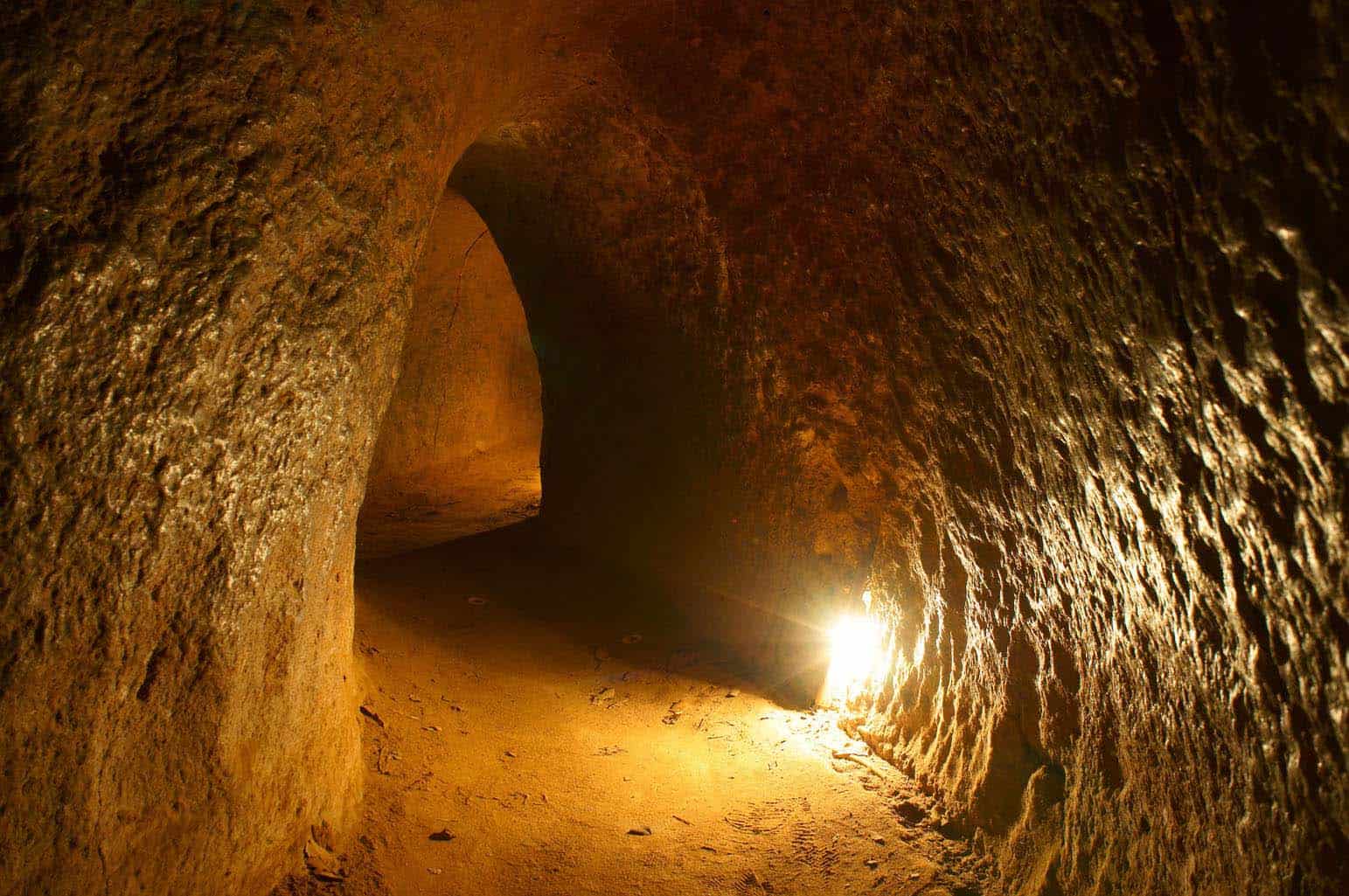
A strategic underground network that played a crucial role during
Visitor Experiences at the Site
Walking Through Preserved Areas and Exhibitions
One of the most impactful aspects of visiting the Cu Chi Tunnel is the opportunity to walk through carefully preserved areas that reflect life during wartime. Above ground, visitors can explore exhibition spaces displaying photographs, tools, and everyday objects used by those who lived and operated underground. These displays provide important context before entering the tunnel areas, helping visitors connect physical structures with real human stories tied to the Cu Chi Tunnel environment. For travelers interested in expanding this cultural perspective beyond historical exhibits, complementary experiences such as traditional craft village visits—including activities featured in conical hat and incense craft villages tour offer additional insight into Vietnam’s living heritage.
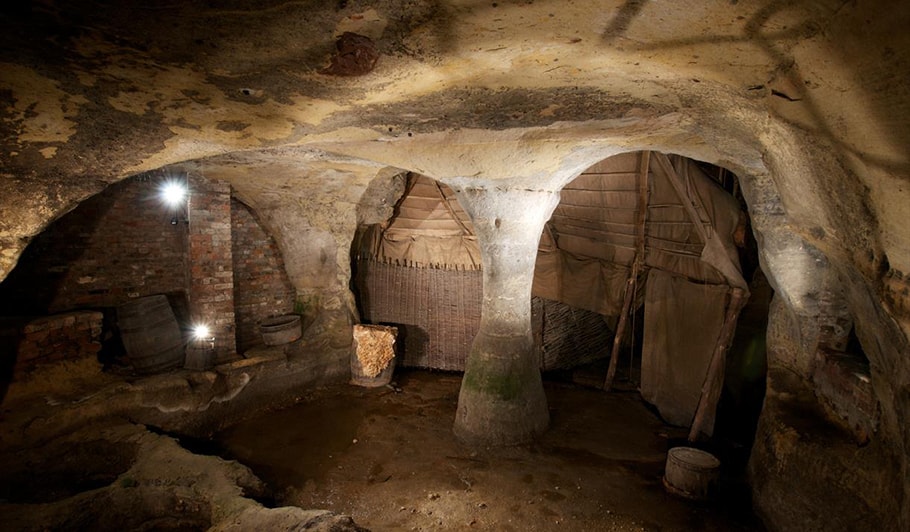
Narrow underground passages inside the Cu Chi Tunnel system
Experiencing the Underground Tunnel Sections
Selected tunnel sections of the Cu Chi Tunnel have been widened and reinforced to allow visitors to safely experience the underground space. Crawling through these narrow passages offers a firsthand understanding of the physical challenges faced by those who relied on the tunnel system. Even brief exposure to the confined environment leaves a lasting impression, making this part of the visit one of the most memorable experiences on site.
Interactive Displays and Hands-On Learning
In addition to observation, the site includes interactive elements that encourage deeper engagement. Visitors can examine reconstructed traps, learn about camouflage techniques, and observe how basic infrastructure functioned underground. These activities are designed to educate rather than entertain, allowing travelers to understand the ingenuity behind survival strategies. For many, these interactive moments clearly define the most meaningful Cu Chi Tunnel things to do during a one-day visit.
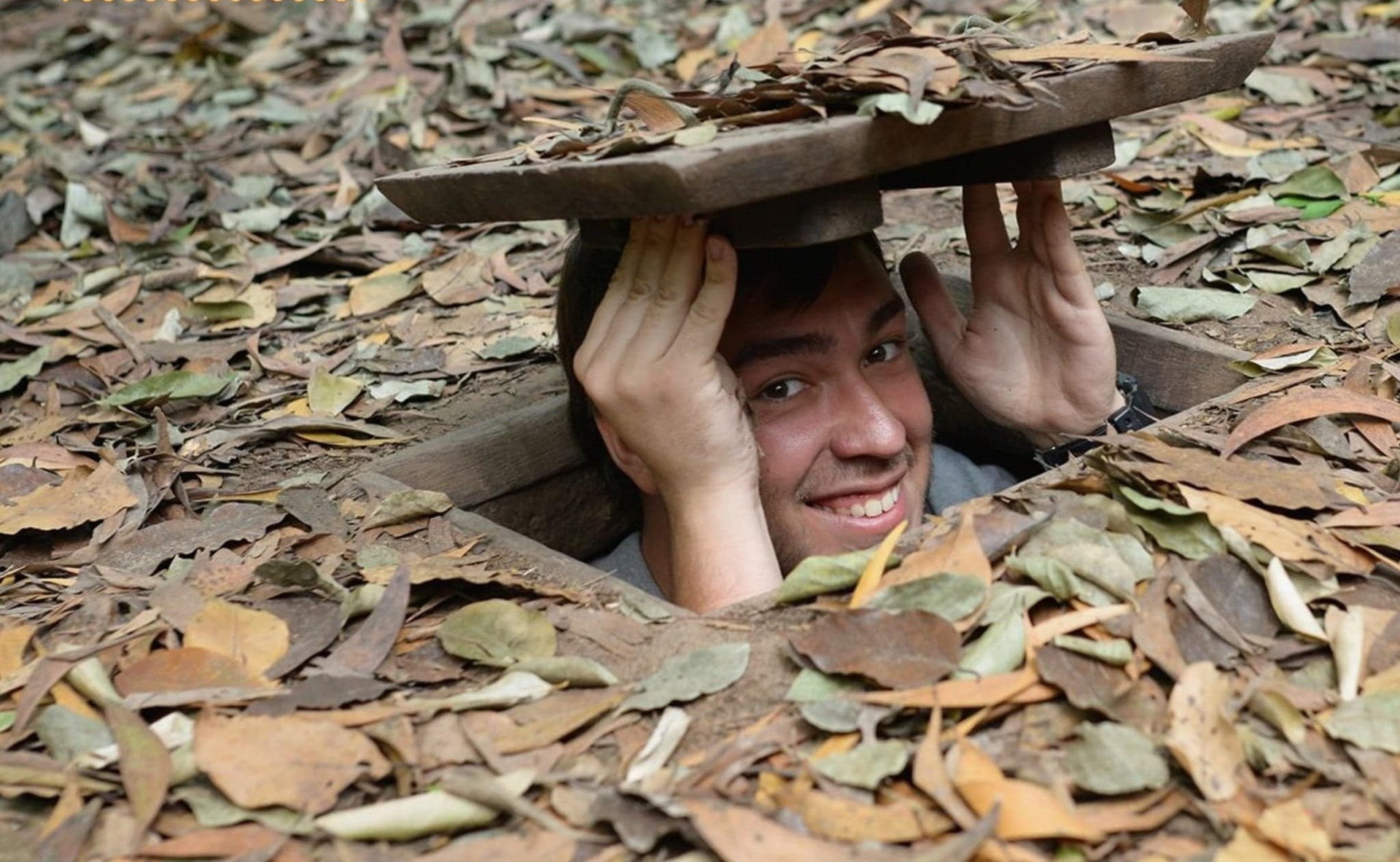
Hands-on learning activities at the Cu Chi Tunnel historical site
Practical Travel Information
What to Wear and Bring for the Visit
When planning a visit to the Cu Chi Tunnel, comfortable clothing is essential due to the outdoor setting and uneven terrain. Lightweight, breathable fabrics are recommended, along with sturdy walking shoes that provide good grip. As parts of the site involve narrow paths and underground sections, visitors should avoid bulky bags. Sunscreen, insect repellent, and bottled water are also useful, especially during warmer months. Preparing properly ensures a smoother and more enjoyable experience throughout the Cu Chi Tunnel complex.
Best Time of Day and Season to Visit the Cu Chi Tunnel
The most comfortable time to explore the Cu Chi Tunnel is in the morning, when temperatures are cooler and visitor numbers are generally lower. Early departures allow travelers to complete most outdoor activities before midday heat becomes intense. From a seasonal perspective, weather conditions play an important role in overall comfort. Vietnam experiences a tropical climate with distinct dry and rainy seasons, as explained in Vietnam’s tropical climate. The dry months usually offer better conditions for walking and exploration, while the rainy season may bring brief showers but fewer crowds. Choosing the right time helps ensure a smoother and more enjoyable visit.
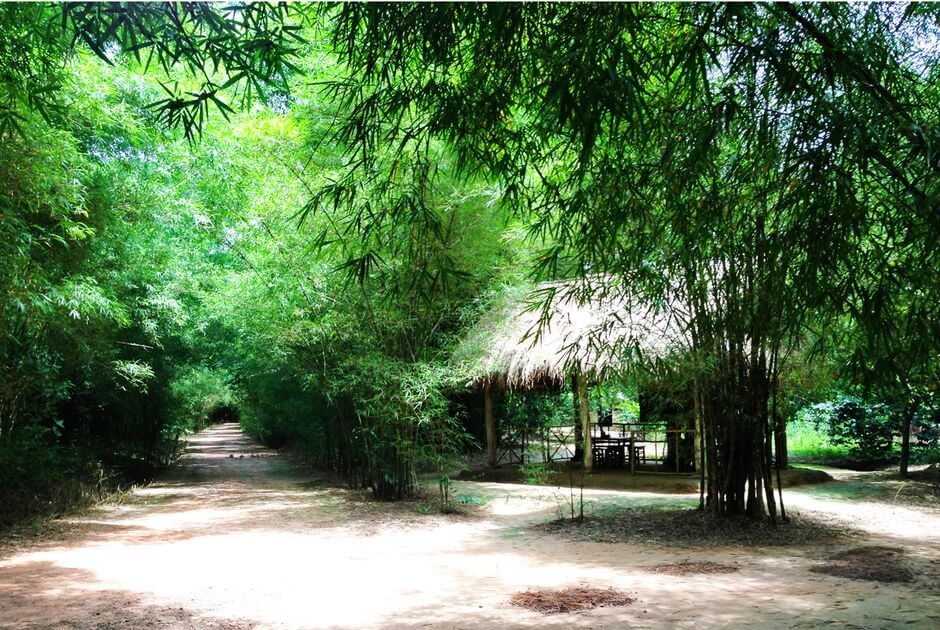
Best visiting conditions during dry season
Health, Safety, and Accessibility Considerations
Visitors should be aware that certain sections of the Cu Chi Tunnel involve tight spaces and limited lighting, which may not be suitable for everyone. Those with mobility concerns or claustrophobia can opt to skip underground segments and focus on above-ground exhibits. Guided explanations help travelers make informed choices during the visit. For first-time visitors, following a structured Cu Chi Tunnel travel guide approach helps ensure safety while still gaining a full understanding of the site.
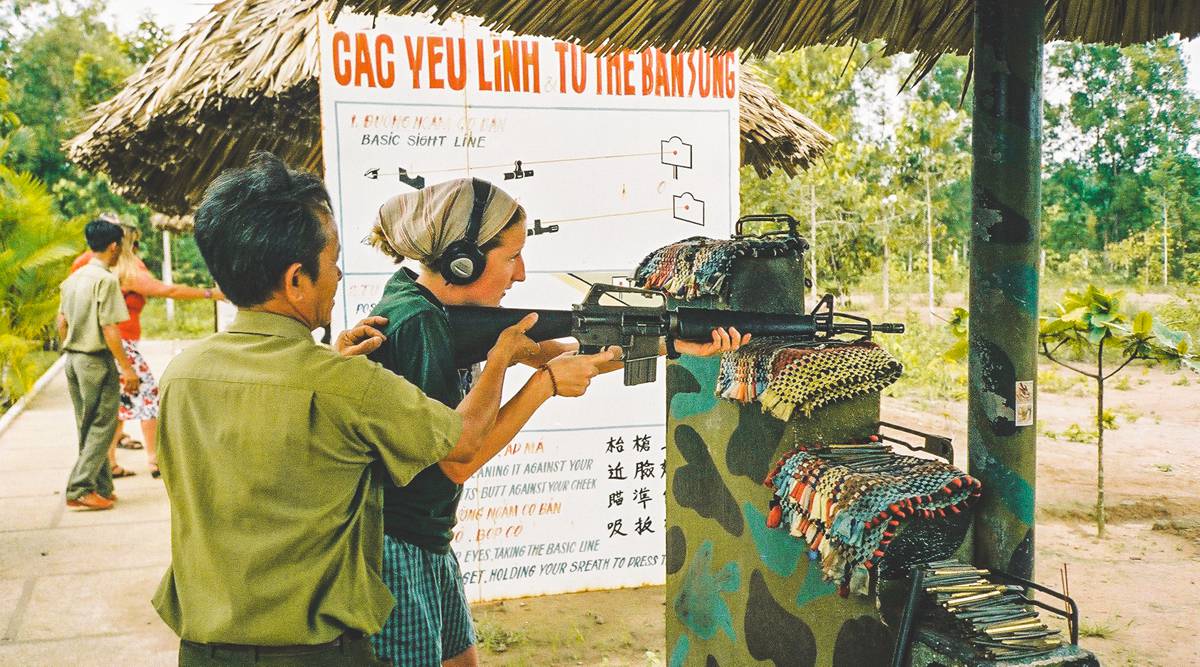
Recommended clothing and footwear
What to Do After Returning to the City
After returning to Ho Chi Minh City in the afternoon, many travelers prefer a relaxed activity to balance the intensity of the daytime visit. Evening experiences along the river provide a slower pace and a different perspective on the city’s atmosphere. Options such as dinner cruise on the Saigon River allow visitors to unwind while enjoying city views, local cuisine, and gentle sightseeing without additional planning pressure.
Is This Tour Worth Your Time?
Key Benefits of a One-Day Visit
For travelers interested in meaningful cultural experiences, the Cu Chi Tunnel offers strong value within a limited timeframe. The site delivers historical depth, visual impact, and educational insight without requiring multiple days of travel. A structured itinerary allows visitors to see preserved tunnel sections, exhibitions, and surrounding areas in a logical flow. This makes the Cu Chi Tunnel a rewarding choice for those who want substance rather than surface-level sightseeing during their stay in southern Vietnam.
Visitor reflections after completing the Cu Chi Tunnel experience
Considerations Before You Go
While the experience is highly informative, visitors should be aware of certain physical and environmental factors. Some areas of the Cu Chi Tunnel involve narrow underground passages and outdoor walking in warm conditions. Travelers who prefer a more relaxed pace or have mobility concerns may choose to focus on above-ground areas. Understanding these aspects in advance helps set realistic expectations and ensures a more comfortable visit overall.
Who Will Appreciate This Experience Most
This excursion is especially well-suited for travelers who enjoy history, guided storytelling, and structured exploration. First-time visitors to Vietnam often include it as a cultural highlight, while returning travelers value the deeper context it provides. For those planning a broader journey through the country, this experience fits naturally within longer itineraries such as comprehensive Vietnam travel programs offered in Vietnam tour packages for 2026. As part of a well-designed route, this one-day visit adds historical depth without overwhelming the overall schedule.
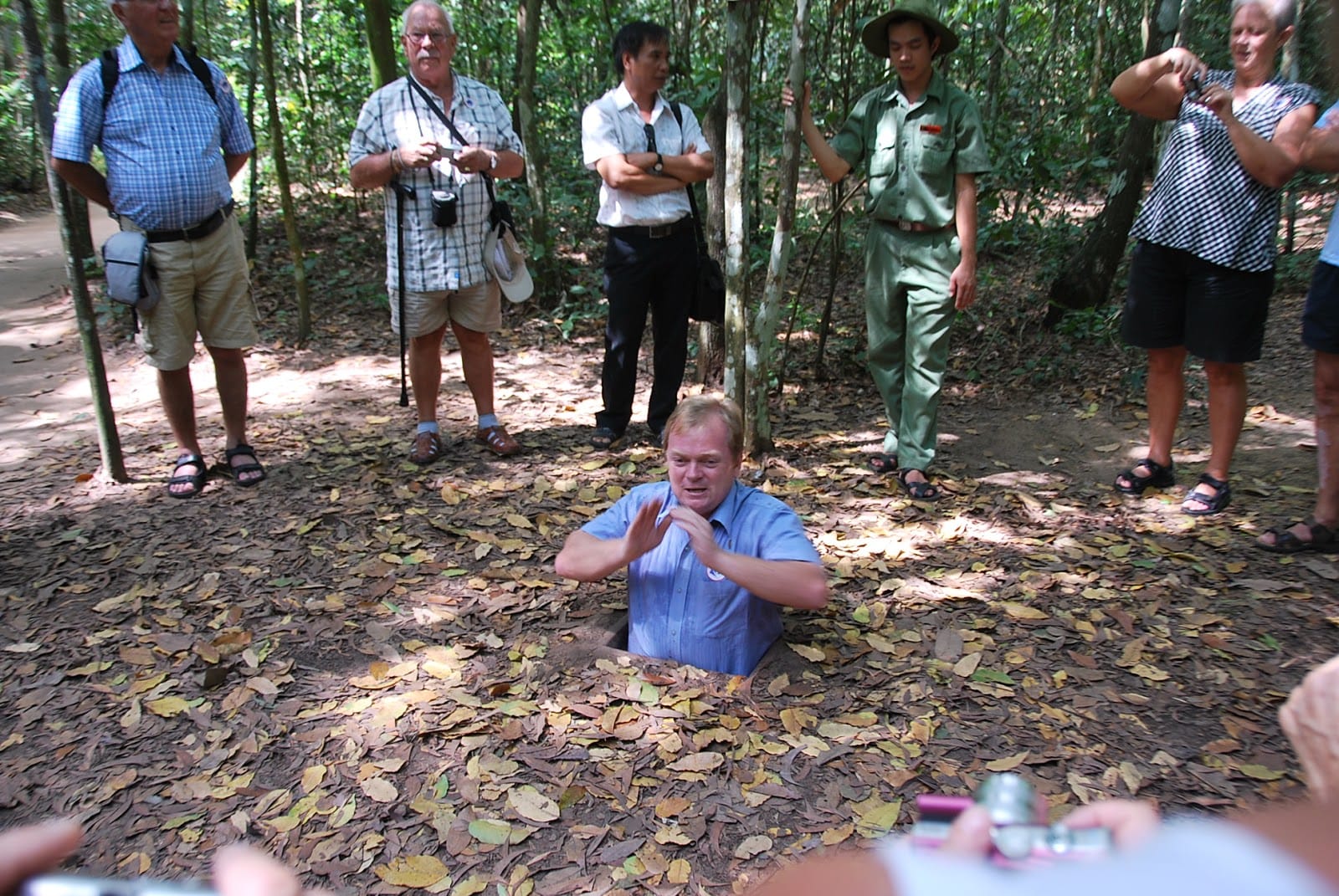
Guided Cu Chi Tunnel tour with included services and facilities
Conclusion
A one-day journey to the Cu Chi Tunnel offers a rare opportunity to step beyond sightseeing and gain a deeper understanding of Vietnam’s history through firsthand experience. With a well-structured itinerary, knowledgeable guidance, and thoughtfully preserved sites, this excursion delivers meaningful insight without requiring extensive travel time. From rural landscapes to underground passages, each stage of the visit adds context and perspective that stays with travelers long after returning to the city.
For those seeking a smooth, informative, and well-paced experience, choosing a professionally organized tour can make a significant difference. With its focus on clarity, comfort, and cultural depth, Best Vietnam Tours provides carefully designed programs that help travelers make the most of a single day while fully appreciating the historical value of the site. If you are planning your time in southern Vietnam and want a day trip that is both educational and memorable, this experience deserves a place on your itinerary.
Message us to receive detailed itineraries, destination suggestions, and the latest offers.
- WhatsApp: +84.968804998
- Email: info@bestour.net
- Address: No. 55 Bui Thi Xuan Street, Hai Ba Trung Ward, Hanoi, Vietnam
- Fanpage: Best Vietnam Tours