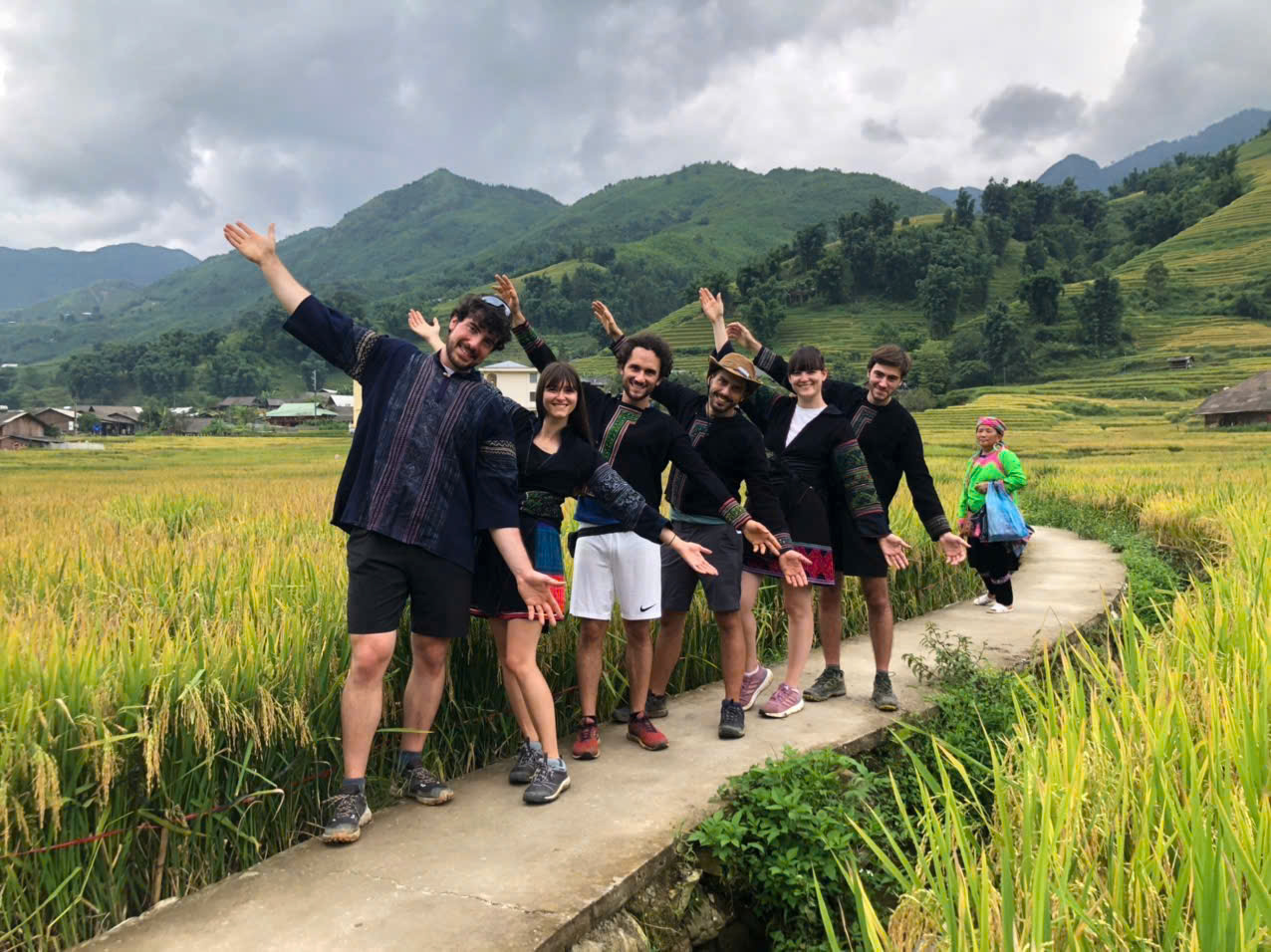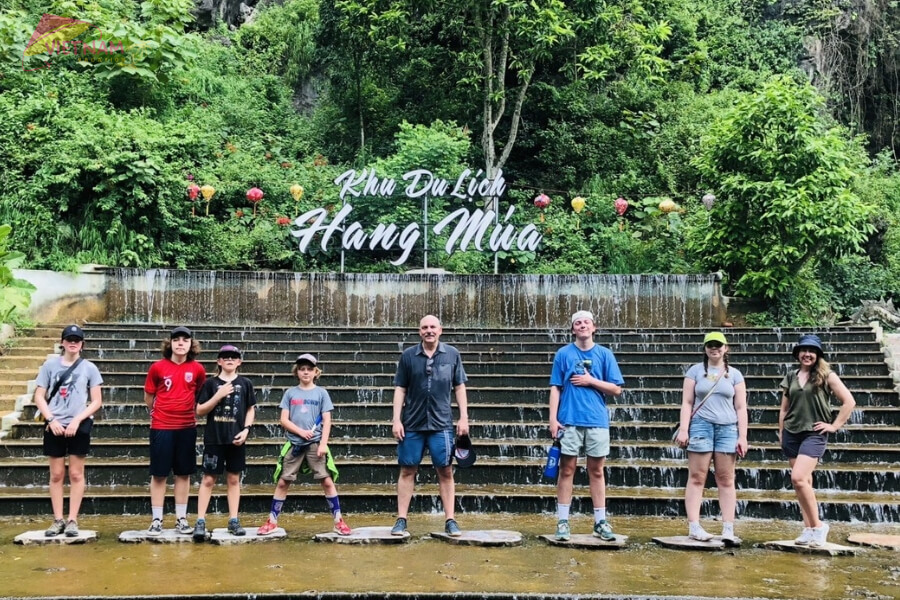
Central Vietnam offers a rare combination of ancient towns, coastal landscapes, spiritual landmarks, and imperial heritage, making it an ideal region for a multi-day journey. This central Vietnam itinerary follows an eight-day route connecting Da Nang, Hoi An, and Hue, designed to balance sightseeing, travel time, and cultural depth without rushing from place to place. Built around a professionally organized tour concept by Bestour, the itinerary reflects a practical travel flow that allows visitors to experience historic streets, rural villages, mountain scenery, and royal architecture in a smooth and well-paced manner.
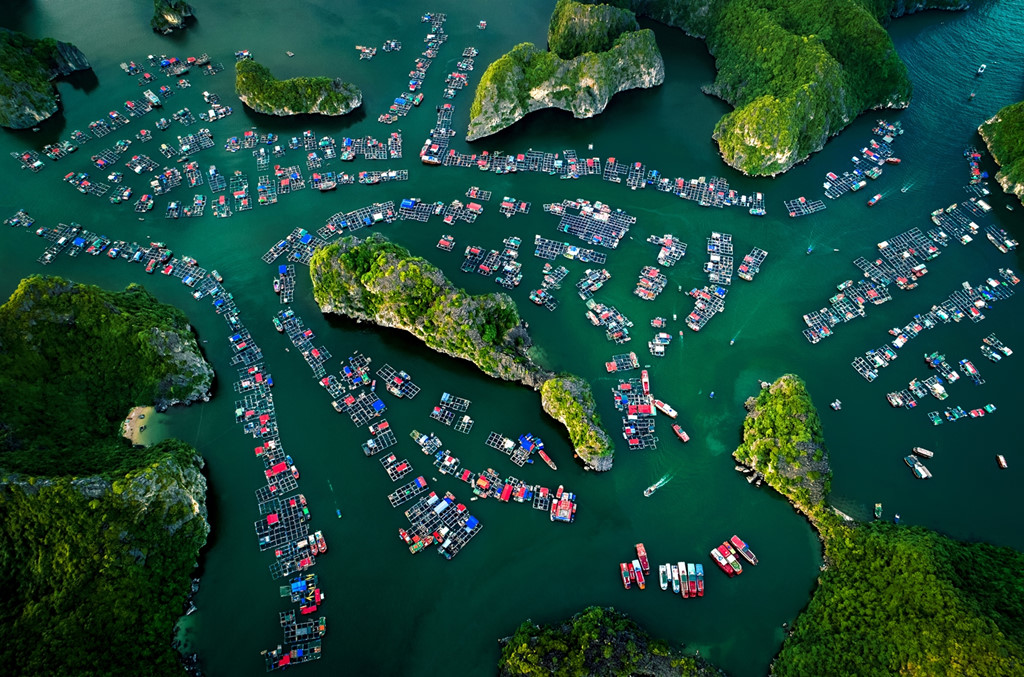
Da Nang, Hoi An, and Hue in an 8-day journey
Overview of the 8-Day Central Vietnam Itinerary
This journey is structured as an 8 days central Vietnam itinerary that moves gradually from coastal cities to heritage sites, allowing travelers to experience the region’s diversity without unnecessary backtracking. The route begins with a gentle introduction in Hoi An, continues through the dynamic coastal landscape of Da Nang, and concludes with a cultural deep dive into Hue’s imperial legacy. Each destination is positioned to complement the next, creating a seamless flow rather than a collection of disconnected stops.
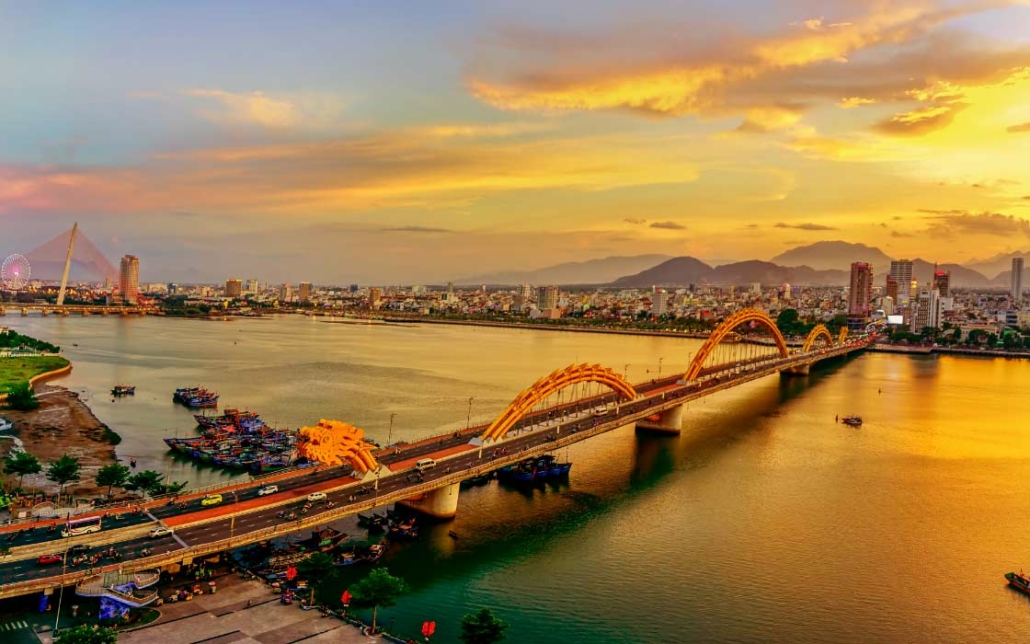
Overview highlighting Da Nang, Hoi An and Hue
Key Destinations and Travel Flow
The itinerary is built around three core hubs: Hoi An, Da Nang, and Hue. Hoi An serves as the starting point, offering a slower pace and immersive cultural atmosphere that helps travelers adjust after arrival. From there, the journey transitions north to Da Nang, where natural landmarks, spiritual sites, and modern city life come together within short driving distances. The final long-distance excursion leads to Hue, once the capital of Vietnam, where historical monuments and royal architecture provide deeper context to the country’s past.
Travel times between destinations are intentionally kept reasonable, with scenic routes such as coastal roads and mountain passes forming part of the experience rather than a logistical burden. This structure minimizes long transfers while maximizing time spent at meaningful locations.
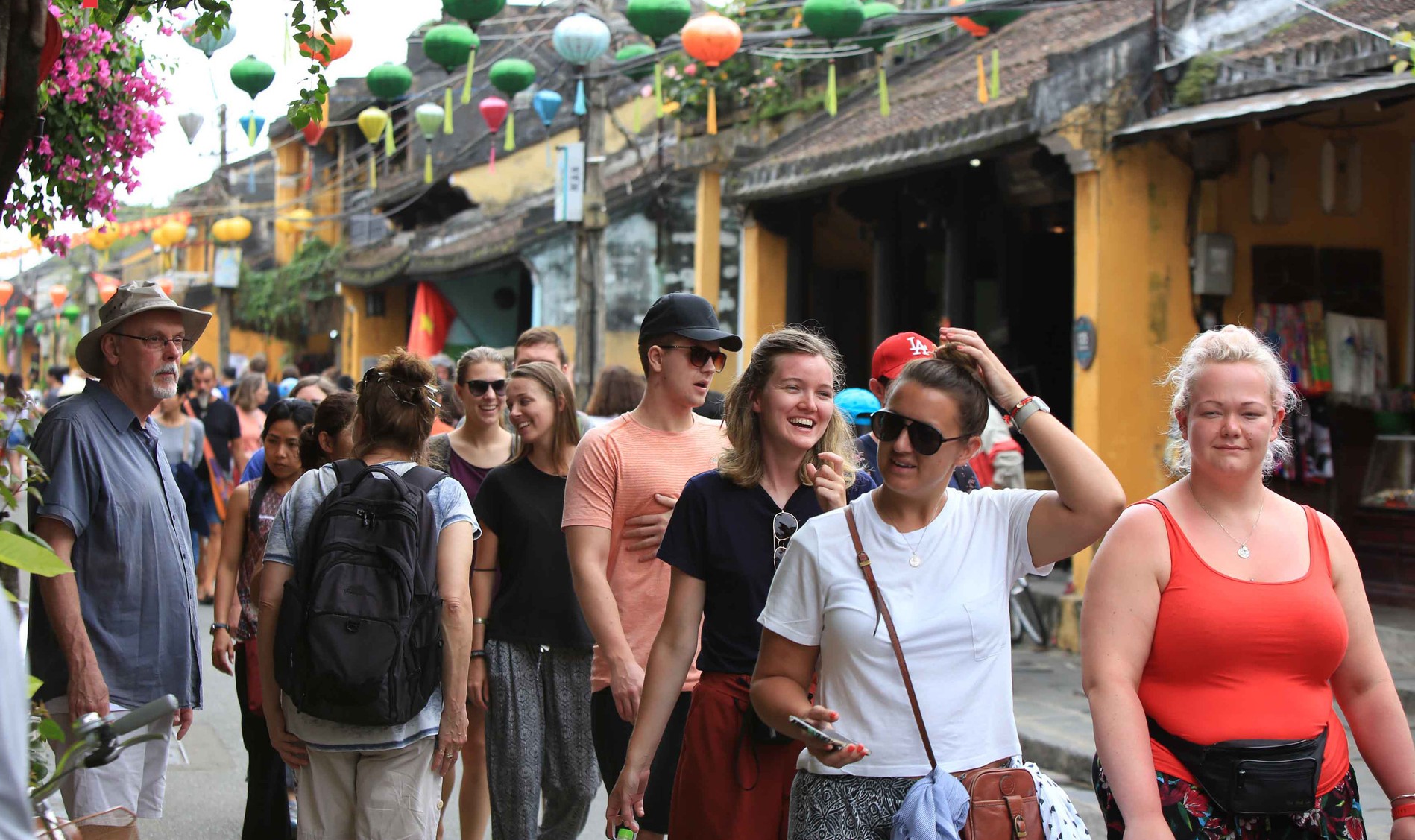
Travel style combining culture, nature and heritage
Travel Style and Experience Focus
Rather than attempting to cover every attraction, the itinerary emphasizes depth over density. Days are balanced between guided sightseeing and relaxed exploration, ensuring that travelers can absorb each location without fatigue. Cultural activities, nature-based experiences, and architectural highlights are evenly distributed throughout the journey to avoid repetition.
The overall pace is suitable for first-time visitors to Vietnam as well as travelers who prefer a comfortable rhythm. By combining coastal scenery, rural landscapes, spiritual landmarks, and historical cities into a single coherent route, the itinerary presents a comprehensive yet manageable way to understand central Vietnam within eight days.
For travelers who prefer a clear, structured reference, the full 8-day tour program can be reviewed in detail through the complete itinerary document.
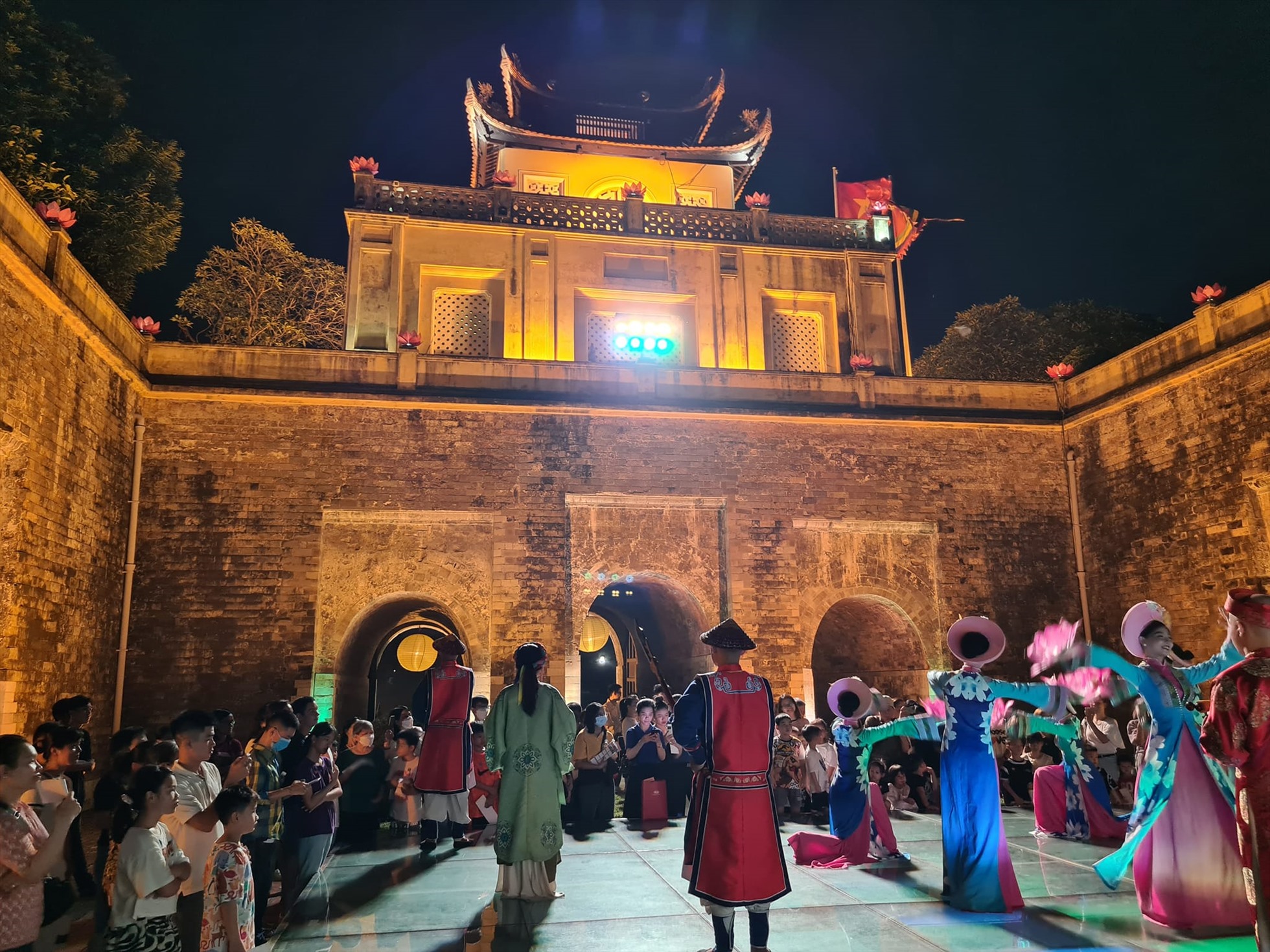
Central Vietnam itinerary travel style combining culture
Day-by-Day Central Vietnam Itinerary
Day 1 – Arrival in Da Nang and Transfer to Hoi An
The first day of this central Vietnam itinerary focuses on arrival and adjustment rather than sightseeing intensity. After landing at Da Nang International Airport, travelers are transferred south to Hoi An, a short and convenient journey that introduces the coastal scenery of central Vietnam without causing travel fatigue.
Once settled in, the day remains open for light exploration. Walking through the ancient town offers an easy introduction to local life, from historic streets and riverside views to the relaxed atmosphere of the evening lantern scene. This soft beginning helps set a comfortable pace for the rest of the central Vietnam itinerary.
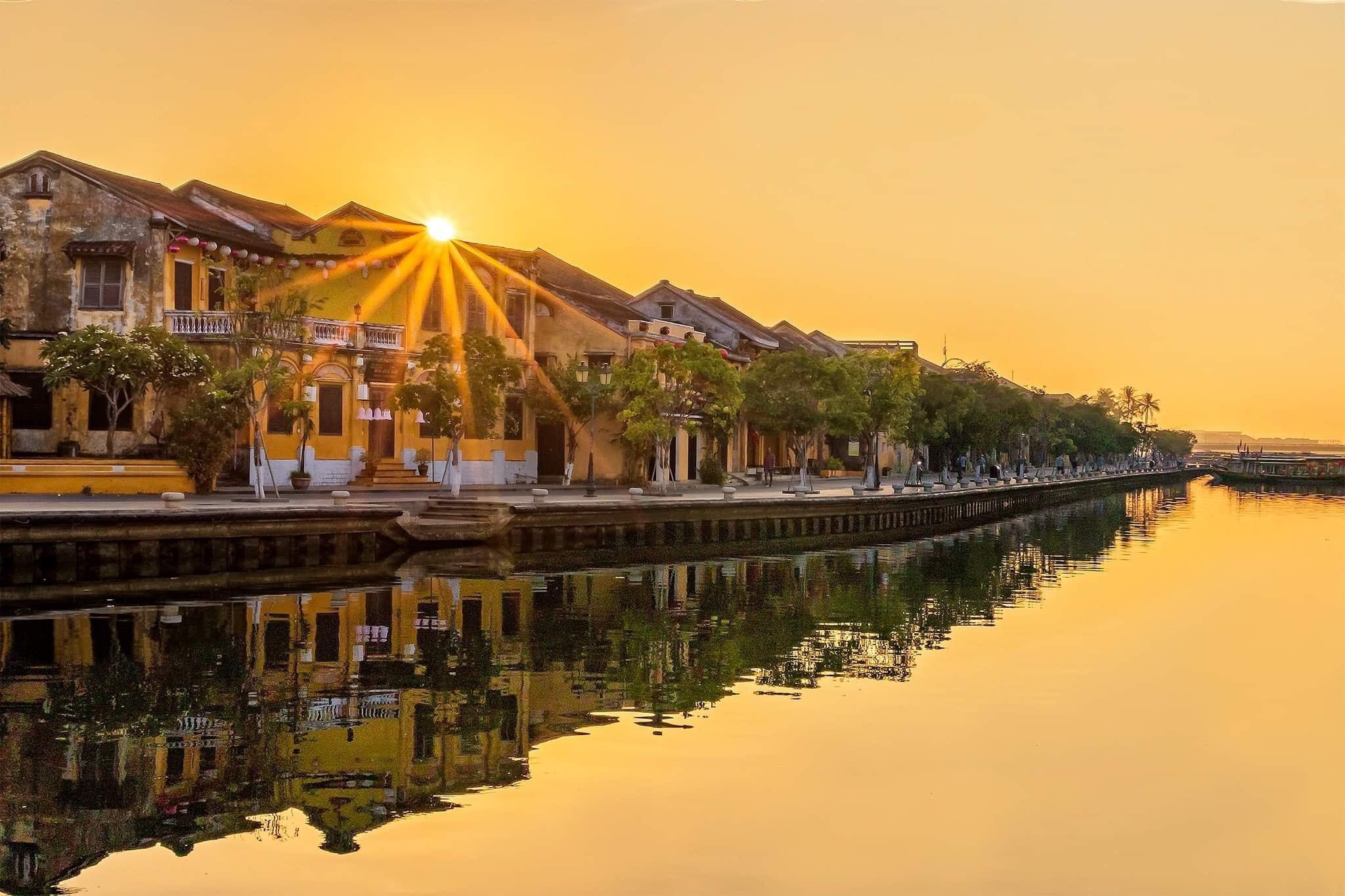
Da Nang and transfer to Hoi An
Day 2 – Cam Thanh Coconut Village and Lantern Craft Experience
Day two adds cultural depth to the central Vietnam itinerary through experiences rooted in local tradition. The afternoon excursion leads to Cam Thanh, where travelers explore water coconut forests by basket boat and observe traditional fishing practices shaped by the region’s river-based lifestyle.
This Hoi An coconut village tour continues with a lantern-making activity guided by local artisans. By engaging directly in a traditional craft, travelers gain a clearer understanding of Hoi An’s cultural identity while enjoying a slower, more immersive experience beyond the historic center.
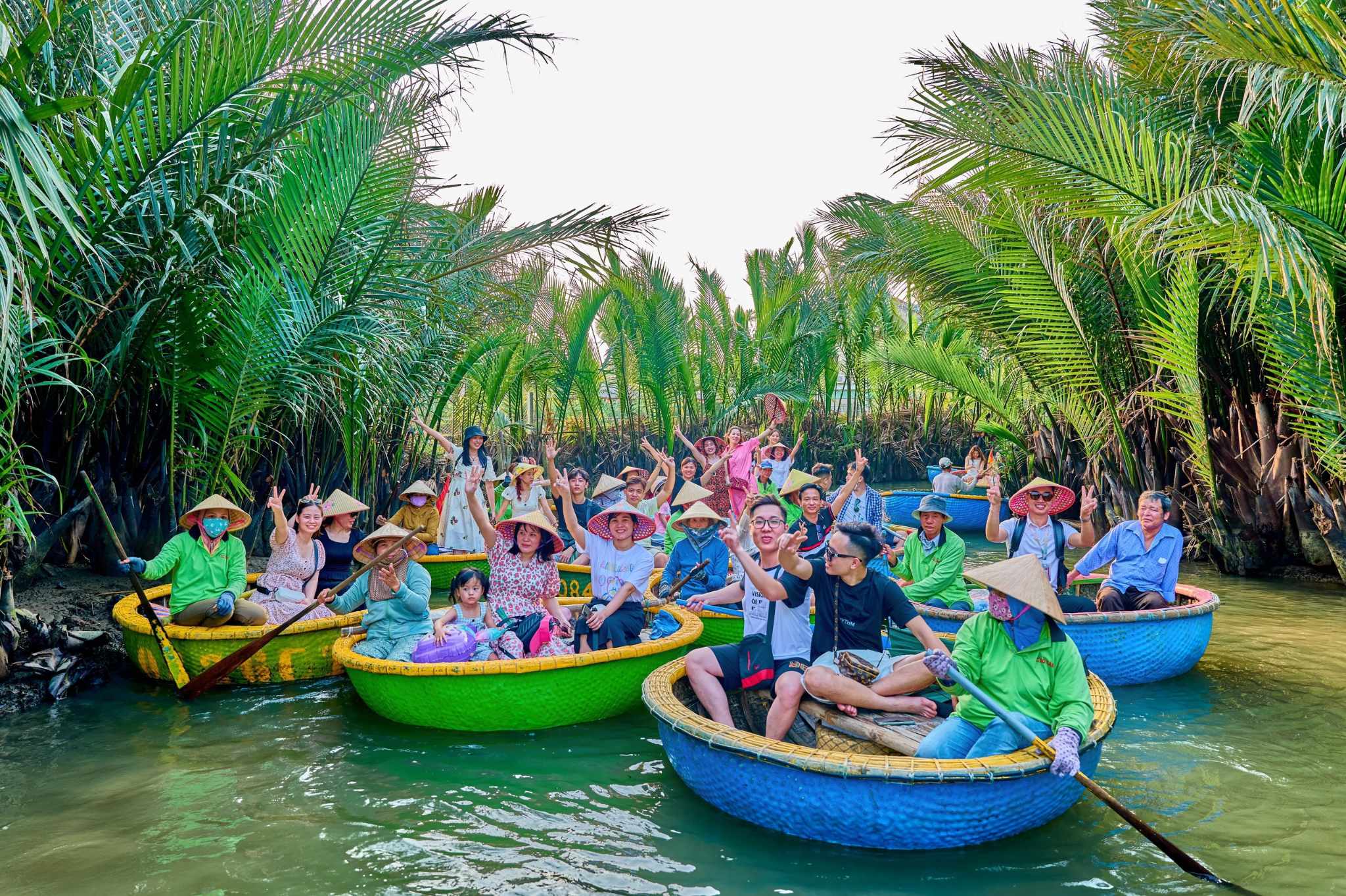
Cam Thanh coconut village basket boat experience
Day 3 – Cham Island Marine Exploration and Coastal Escape
On the third day, the central Vietnam itinerary expands offshore with a visit to the Cham Islands, a protected marine area reached by speedboat from Cua Dai Harbor. The journey introduces a different side of the region, where clear waters and island landscapes contrast with the mainland’s urban and rural settings.
This Cham Island snorkeling tour combines light sightseeing with leisure time, allowing travelers to swim, relax on the beach, and enjoy a fresh seafood lunch. Returning to Hoi An in the early afternoon, the day maintains a balanced rhythm while adding a coastal highlight to the overall route.
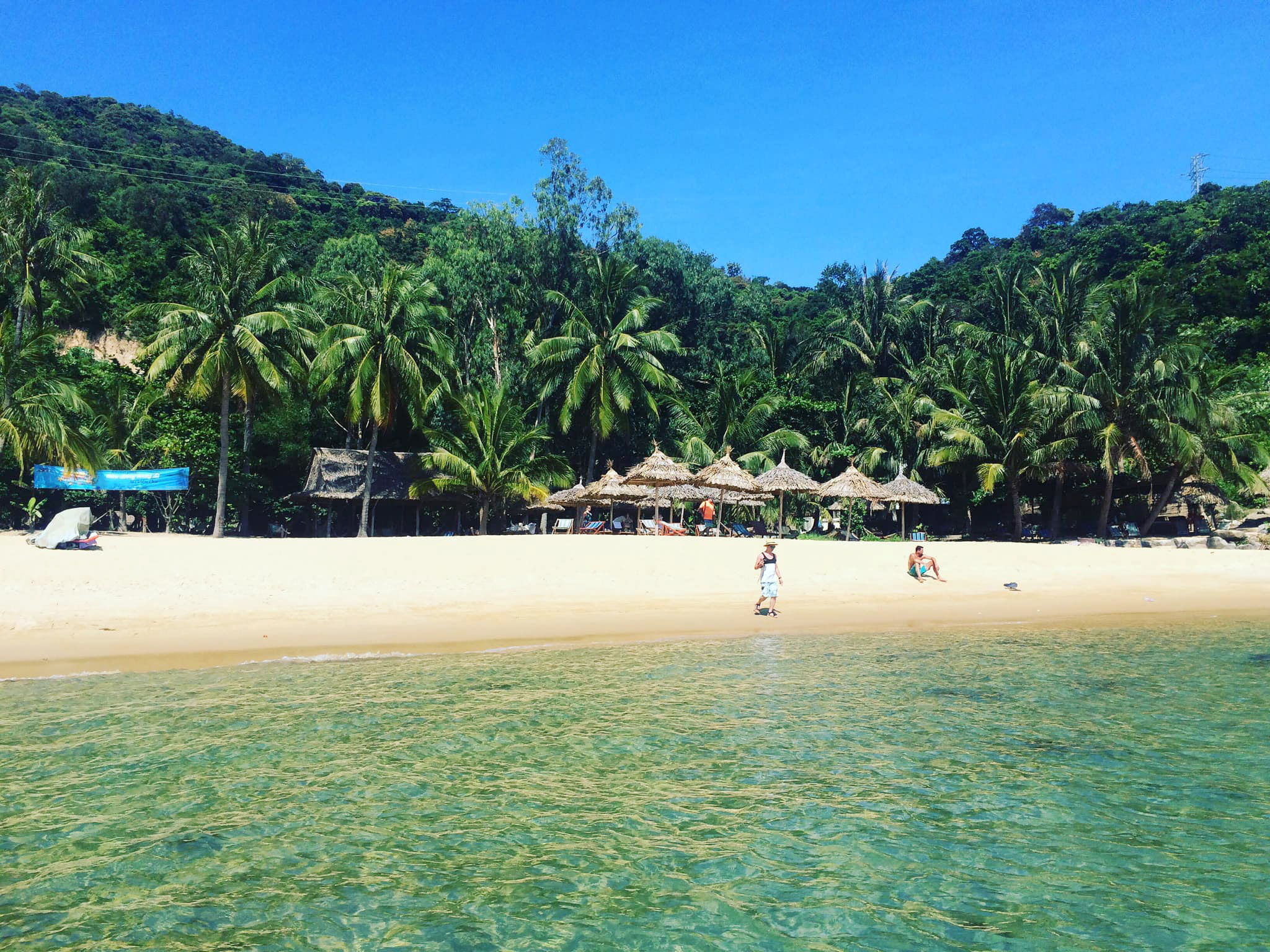
Cham Island snorkeling and coastal scenery
Day 4 – From Hoi An to Da Nang’s Spiritual and Natural Landmarks
Day four marks a gentle transition from Hoi An to Da Nang, adding spiritual and geological depth to the central Vietnam itinerary. After checking out, the journey heads north to explore one of the region’s most iconic natural formations, where mountains, caves, and pagodas are closely intertwined. This part of the route introduces a slower, more contemplative travel rhythm compared to the coastal days before.
The highlight of the day is the visit to Marble Mountains and Lady Buddha, where limestone peaks rise dramatically above the surrounding plains. Walking through ancient caves and hilltop pagodas offers insight into local beliefs and religious symbolism, while the towering Lady Buddha statue overlooking the sea provides a peaceful conclusion to the day. By evening, travelers settle into Da Nang, ready for the next stage of the central Vietnam itinerary. Linh Ung Pagoda is home to one of the tallest statues of the Goddess of Mercy in Vietnam, overlooking Da Nang’s coastline.
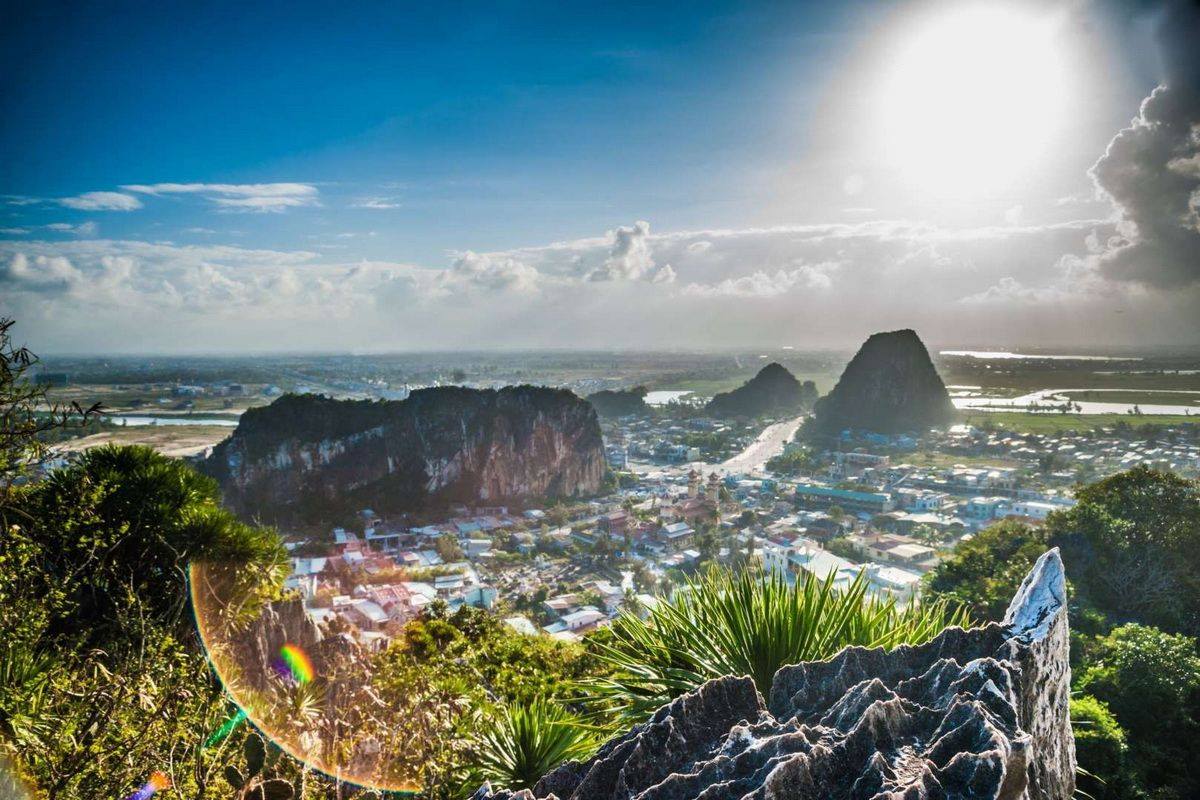
Marble Mountains and Lady Buddha in Da Nang
Day 5 – Mountain Escapes and Elevated Views at Ba Na Hills
Day five shifts the focus inland, bringing a change of scenery within the central Vietnam itinerary through a journey into the mountains west of Da Nang. A cable car ride carries travelers above forests and valleys, gradually revealing cooler air and panoramic views that contrast sharply with the coastal lowlands experienced earlier in the trip.
This Ba Na Hills Golden Bridge itinerary centers on a mix of architectural landmarks and leisure time. From strolling across the iconic bridge to exploring landscaped gardens and European-style squares, the experience balances visual highlights with relaxed exploration. The altitude and open spaces create a refreshing pause in the journey, allowing travelers to recharge before returning to Da Nang in the afternoon as the central Vietnam itinerary continues its steady pace.

Ba Na Hills and Golden Bridge mountain views
Day 6 – Imperial Heritage and Coastal Roads on the Way to Hue
The sixth day expands the geographical scope of the central Vietnam itinerary with a full-day journey north to Hue, once the imperial capital of Vietnam. Traveling along coastal roads and mountain passes, the route itself becomes part of the experience, offering sweeping views that connect sea, sky, and land in a single frame.
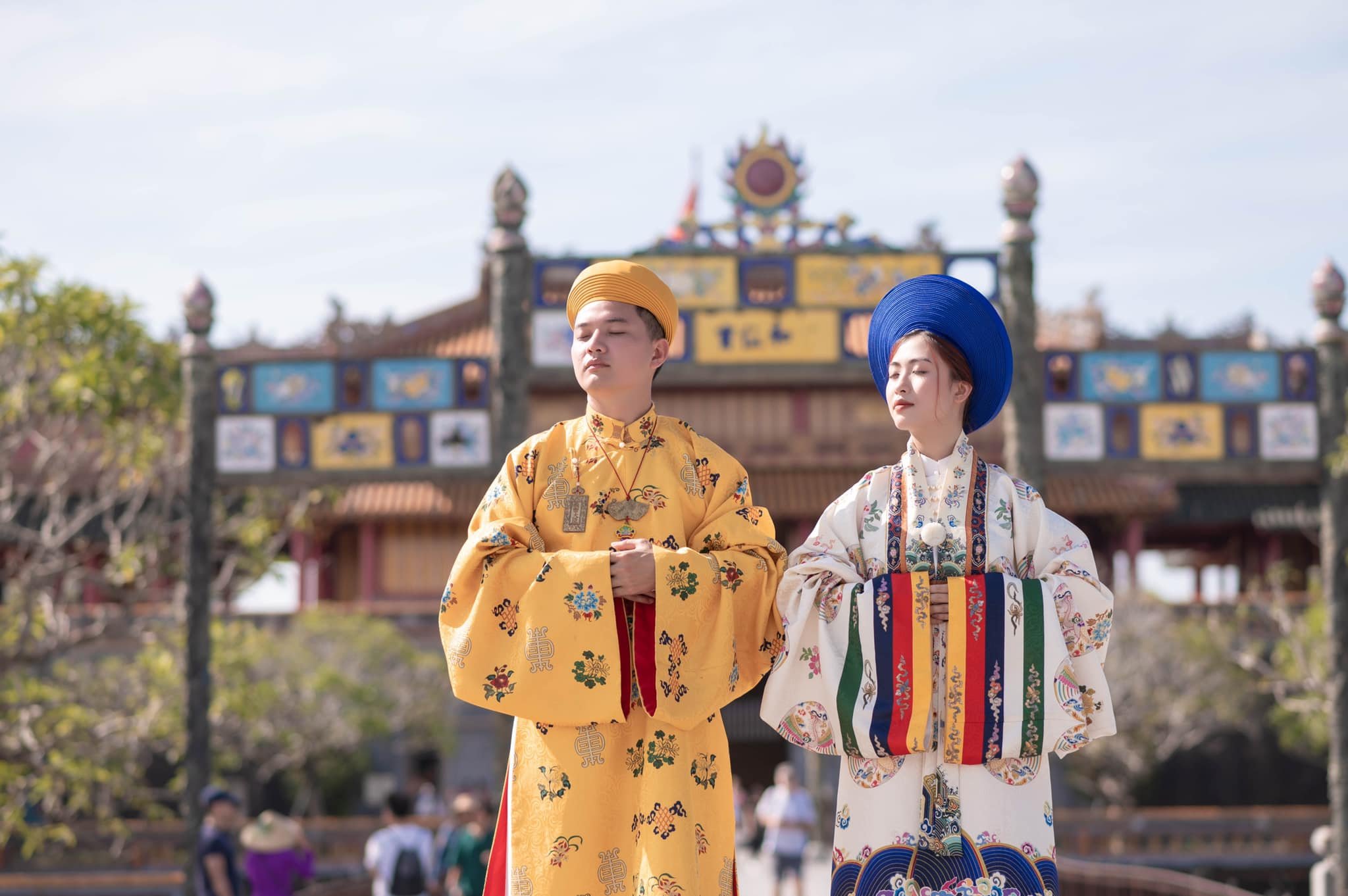
This Hue day trip from Da Nang focuses on historical depth rather than surface-level sightseeing. Visits to royal tombs, ancient gates, and religious landmarks reveal layers of imperial history that differ sharply from the commercial heritage of Hoi An. By the time travelers return to Da Nang in the evening, the central Vietnam itinerary has successfully woven together natural beauty, spiritual meaning, and historical significance within a single, coherent route.
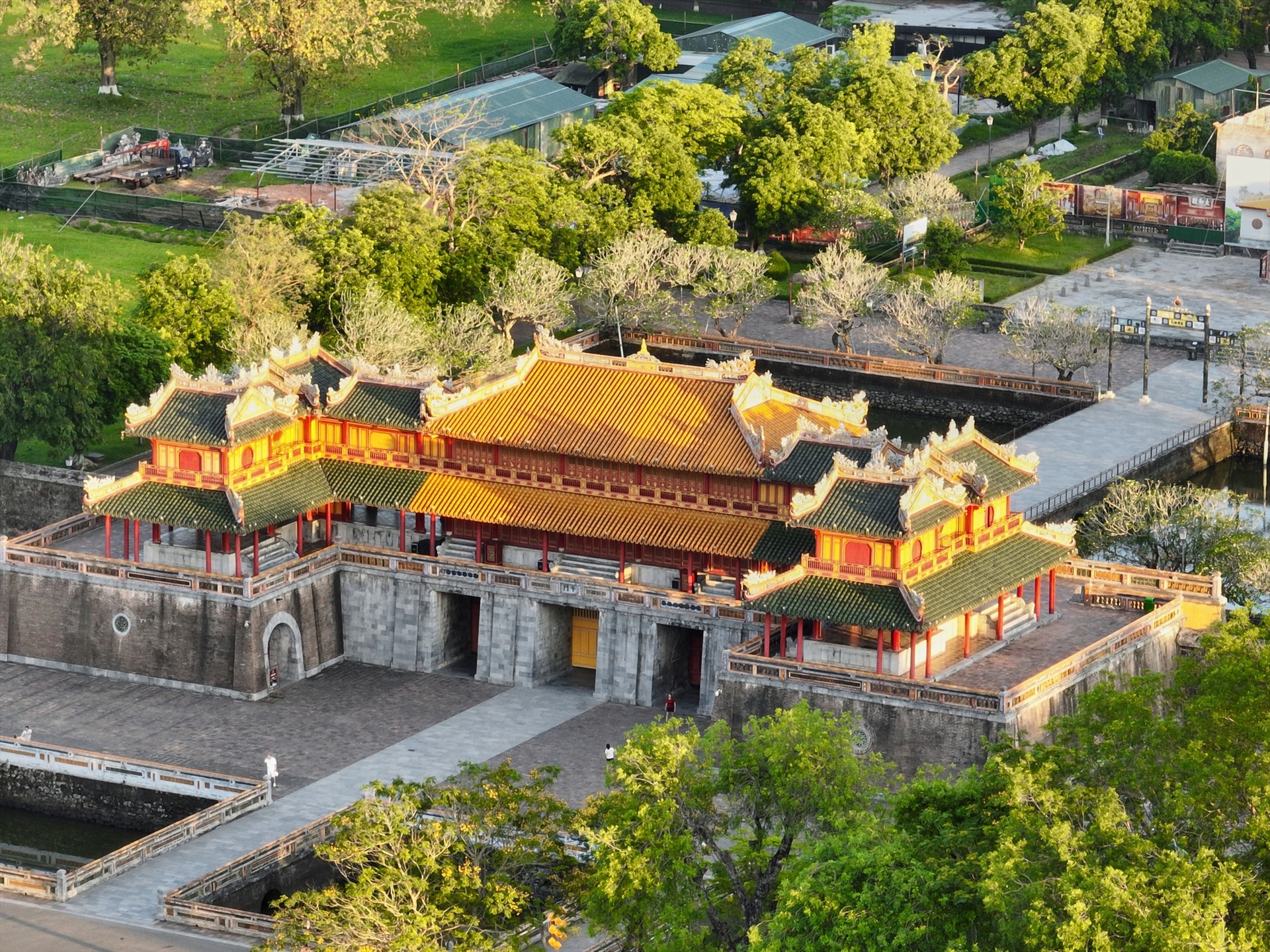
Hai Van Pass and Hue imperial heritage
Day 7 – Discovering Da Nang’s Urban Rhythm and Cultural Layers
Day seven brings the journey back into the urban landscape, offering a slower-paced exploration that complements the broader central Vietnam itinerary. Da Nang reveals a different character here — modern, spacious, and shaped by its position between mountains and sea. The day is structured to highlight cultural institutions and local daily life rather than long-distance travel.
Visits to museums, riverfront areas, and traditional markets provide insight into how the city balances rapid development with historical preservation. As part of a well-paced Central Vietnam travel itinerary, this day allows travelers to observe contemporary Vietnamese life while still remaining connected to the cultural themes introduced earlier in Hoi An and Hue.
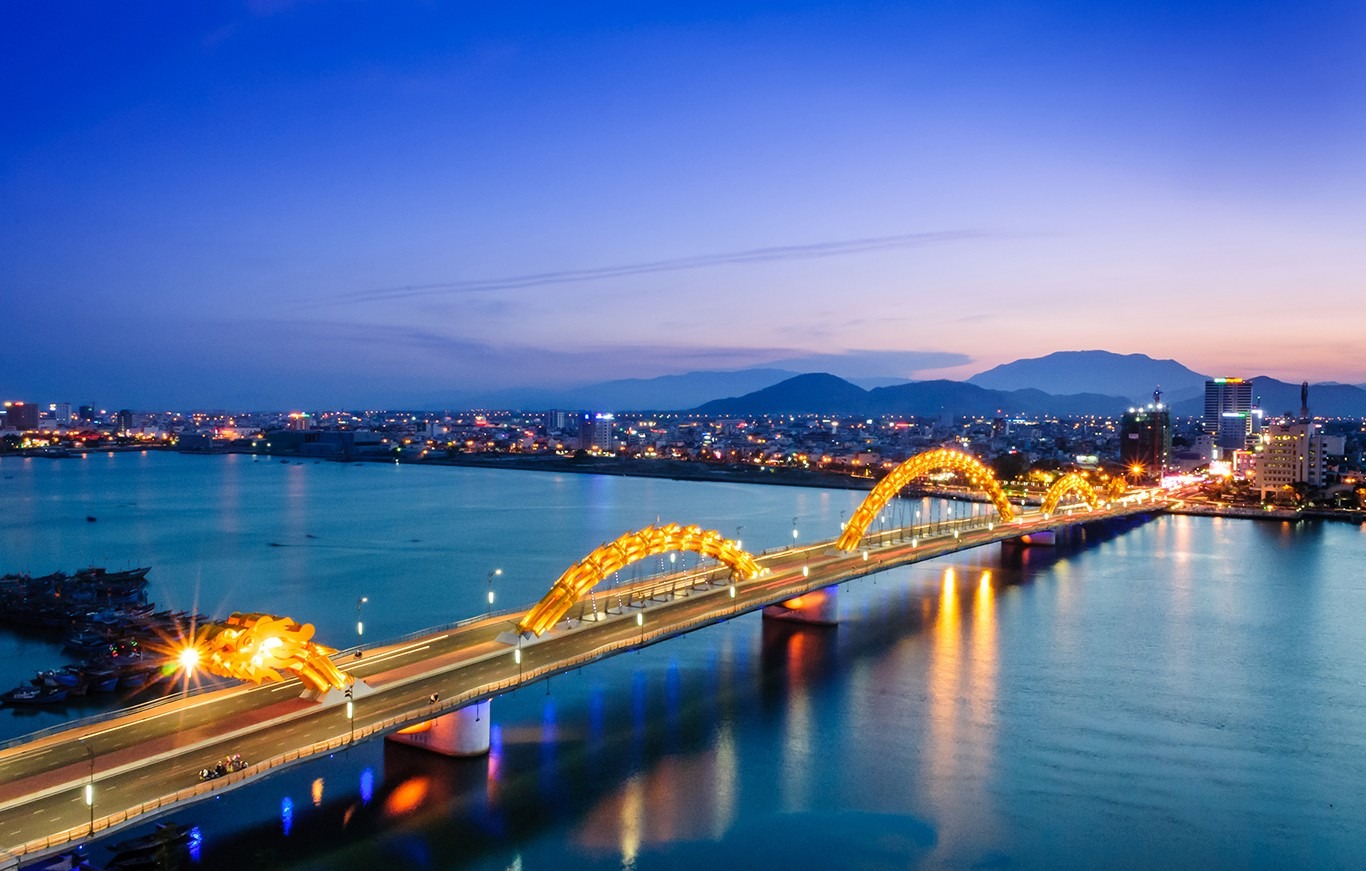
Central Vietnam itinerary day 7 Da Nang city culture and urban landmarks
Day 8 – Departure and Reflecting on the Journey
The final day of the journey is intentionally simple, allowing time for reflection rather than activity. After breakfast, travelers prepare for departure from Da Nang, marking the conclusion of a route that has gradually unfolded across cities, villages, coastlines, and heritage sites.
As an experience-based Da Nang Hoi An 8 days tour, the journey emphasizes continuity over intensity. By the time travelers leave central Vietnam, they carry a layered understanding of the region — shaped not only by landmarks, but also by landscapes, traditions, and daily rhythms encountered along the way.
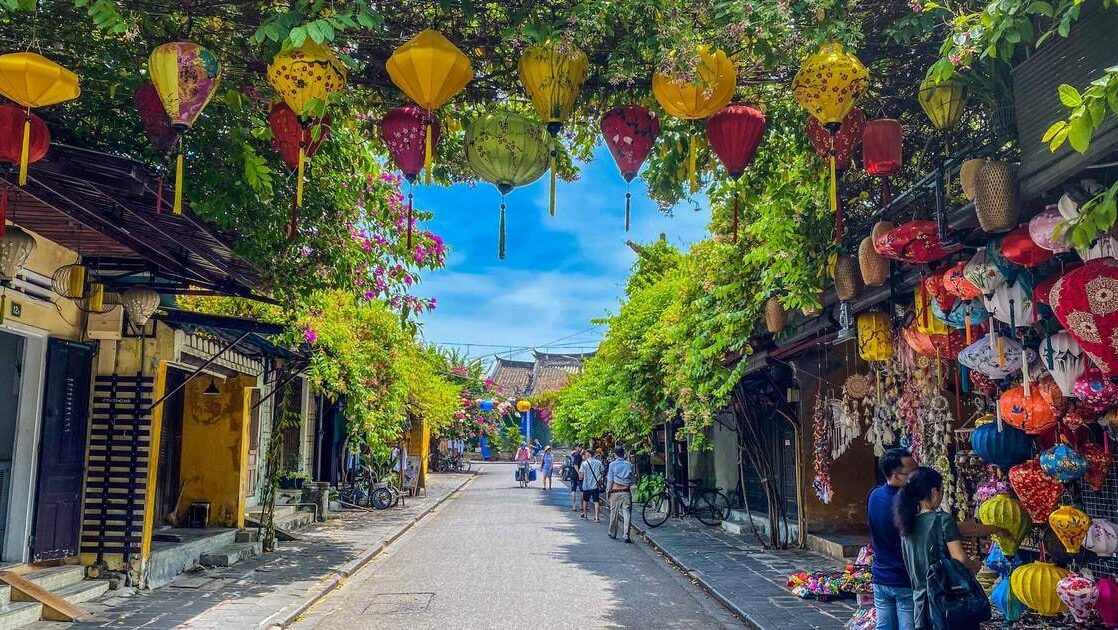
central Vietnam itinerary day 8 departure from Da Nang
Best Time to Follow This Central Vietnam Itinerary
Understanding seasonal conditions is an important part of planning any multi-day journey in Vietnam, especially when the route moves between coastal cities, mountain areas, and historical inland sites. Central Vietnam experiences distinct weather patterns throughout the year, which can influence travel comfort, visibility, and activity choices. Choosing the right season helps ensure that each destination along the itinerary can be enjoyed at a comfortable pace.
Weather Patterns Across Central Vietnam
Central Vietnam typically experiences two main seasons: a dry season and a rainy season, with variations depending on elevation and proximity to the coast. From late February to August, weather conditions are generally warmer and drier, making it easier to explore outdoor landmarks such as ancient towns, beaches, and mountain viewpoints. Coastal areas like Da Nang and Hoi An often enjoy stable sea conditions during this period, while inland destinations remain accessible with minimal disruption.
From September to January, rainfall becomes more frequent, particularly in areas closer to Hue and the central highlands. While short showers may affect outdoor activities, this period also brings cooler temperatures and fewer crowds. Travelers during these months often experience a quieter atmosphere at heritage sites and cultural landmarks, adding a different dimension to the journey without significantly altering the overall route.
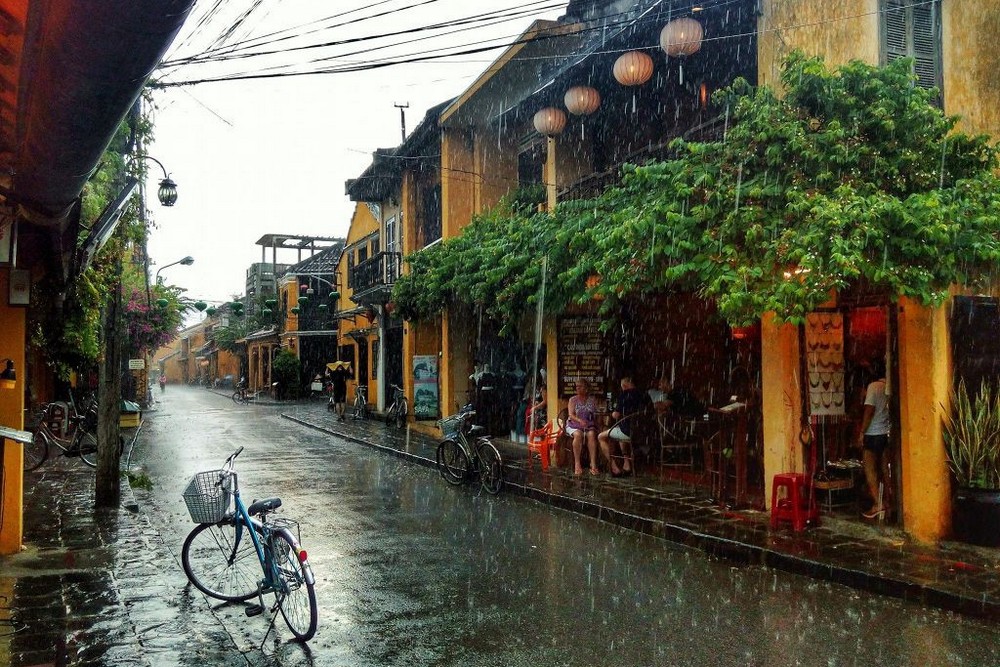
Weather patterns across coastal and inland regions
Seasonal Travel Tips for Different Travelers
Travel preferences can play a key role in determining the most suitable season for this itinerary. Travelers who prioritize photography, beach time, and outdoor sightseeing may find late spring and early summer particularly appealing due to clearer skies and longer daylight hours. Those seeking a more relaxed pace, cultural immersion, and reduced tourist density may prefer traveling during the shoulder or wetter months, when destinations feel less commercial and more locally focused.
For travelers planning well in advance and comparing options across different times of the year, reviewing broader Vietnam tour packages for 2026 can offer useful insight into seasonal availability and route variations. Understanding how travel timing aligns with personal interests allows this itinerary to remain flexible while still delivering a rewarding experience across central Vietnam.
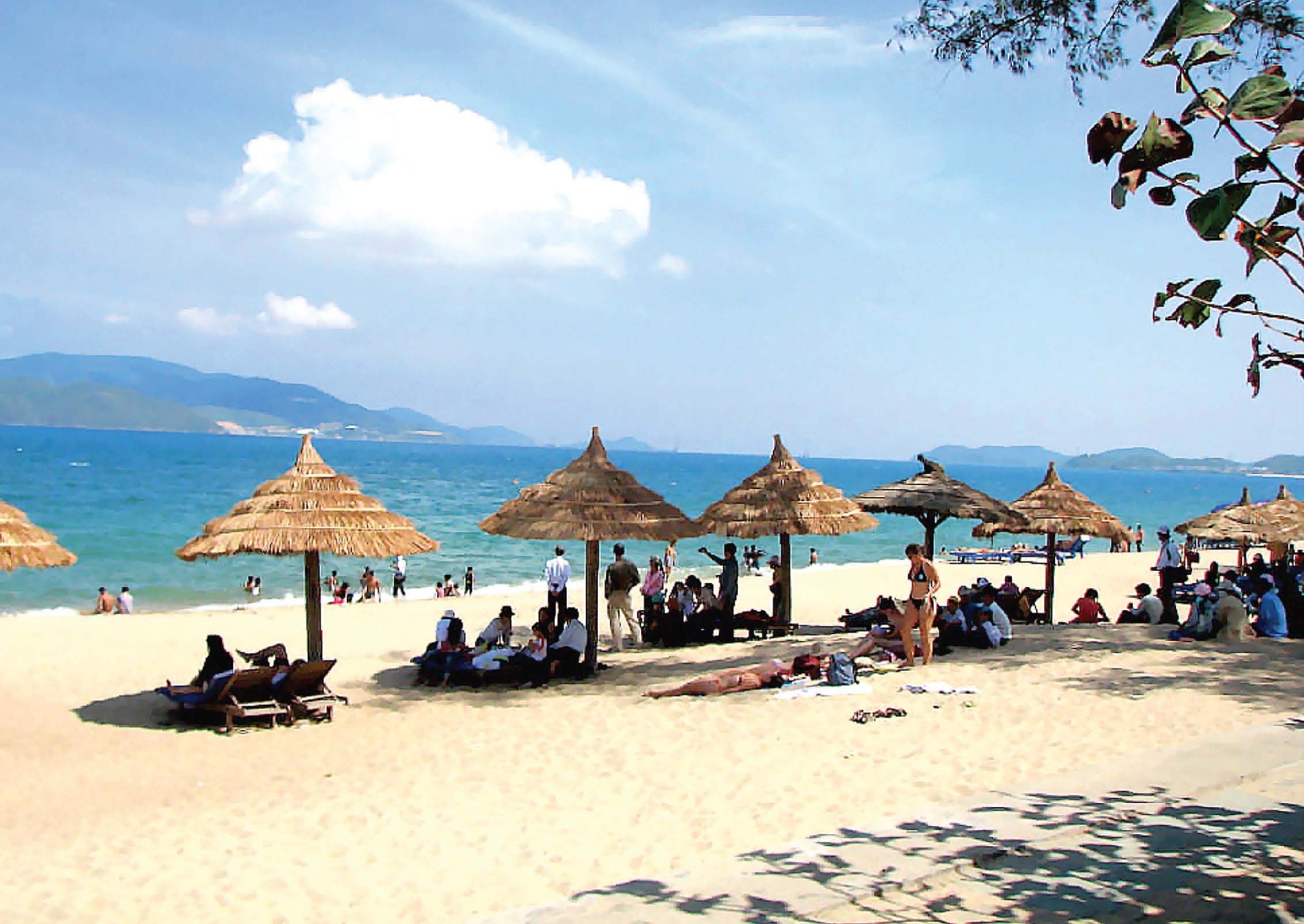
Seasonal travel tips for different travel styles
Conclusion
Choosing the right timing can significantly shape the overall experience, and understanding the Best time to visit central Vietnam helps travelers enjoy the region at its most comfortable and visually striking. Seasonal weather patterns influence everything from coastal visibility to mountain temperatures, making thoughtful planning an essential part of any successful journey.
This central Vietnam itinerary presents an eight-day route designed to balance movement and meaning, combining cultural heritage, natural scenery, and local interaction without unnecessary complexity. For travelers seeking a well-structured and immersive journey through Da Nang, Hoi An, and Hue, exploring this itinerary with Best Vietnam Tours offers a reliable way to experience central Vietnam with clarity, comfort, and depth.
Message us to receive detailed itineraries, destination suggestions, and the latest offers.
- WhatsApp: +84.968804998
- Email: info@bestour.net
- Address: No. 55 Bui Thi Xuan Street, Hai Ba Trung Ward, Hanoi, Vietnam
- Fanpage:Best Vietnam Tours