How Visitors Reach the Village
Reaching Cat Cat Village Sapa is straightforward thanks to its close proximity to the town center. Unlike more remote ethnic villages that require long drives or guided treks, this destination can be accessed independently by most travelers. The route itself is part of the experience, offering mountain views and a gradual transition from urban Sapa to traditional village life.
Walking from Sapa Town
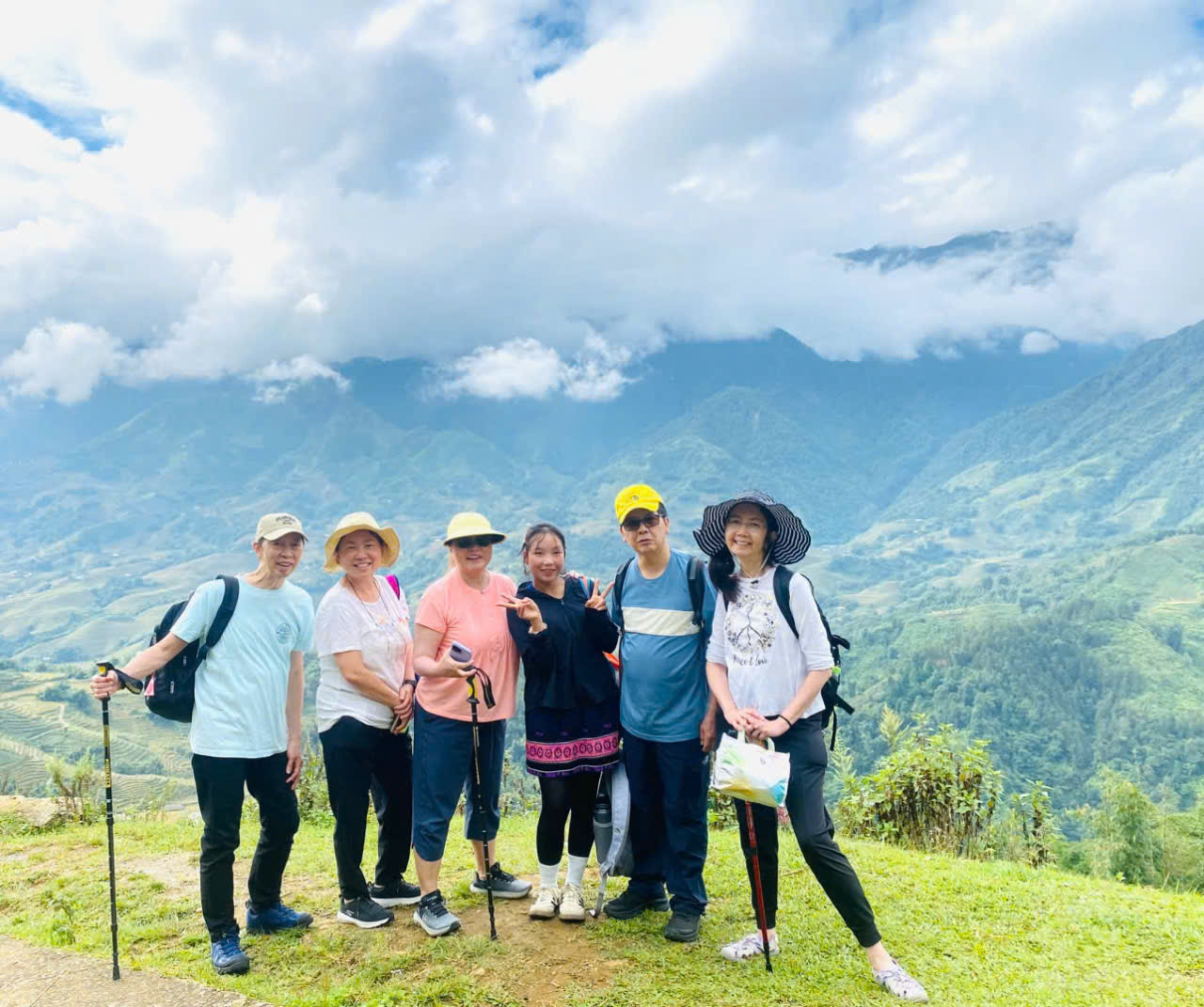
Many visitors choose to walk from the town center, as the downhill road leading to Cat Cat Village Sapa is well-paved and clearly marked. The walk usually takes 20–30 minutes, depending on pace and photo stops along the way. Along the route, travelers can enjoy views of surrounding hillsides and observe how the scenery slowly shifts from hotels and cafés to wooden houses and terraced fields. Walking is ideal for those who want a relaxed approach and time to absorb the atmosphere before entering the village.
Walking route from Sapa town to Cat Cat Village Sapa
Taxi or Motorbike Options
For travelers who prefer convenience, taxis and motorbike rentals are widely available in Sapa. A short ride brings visitors directly to the entrance area, making this option suitable for families, elderly travelers, or anyone short on time. Motorbikes also offer flexibility, allowing visitors to stop at viewpoints overlooking Cat Cat Village Sapa before descending into the valley. Regardless of transport choice, access to the village remains simple and well-organized.
Guided Tours and Local Transfers
Some travelers reach the village as part of a half-day tour that includes nearby attractions. These tours often combine transportation, basic cultural explanations, and flexible visiting time. While independent travel is easy, guided options can add context for those interested in learning more about local traditions and daily life within Cat Cat Village Sapa.
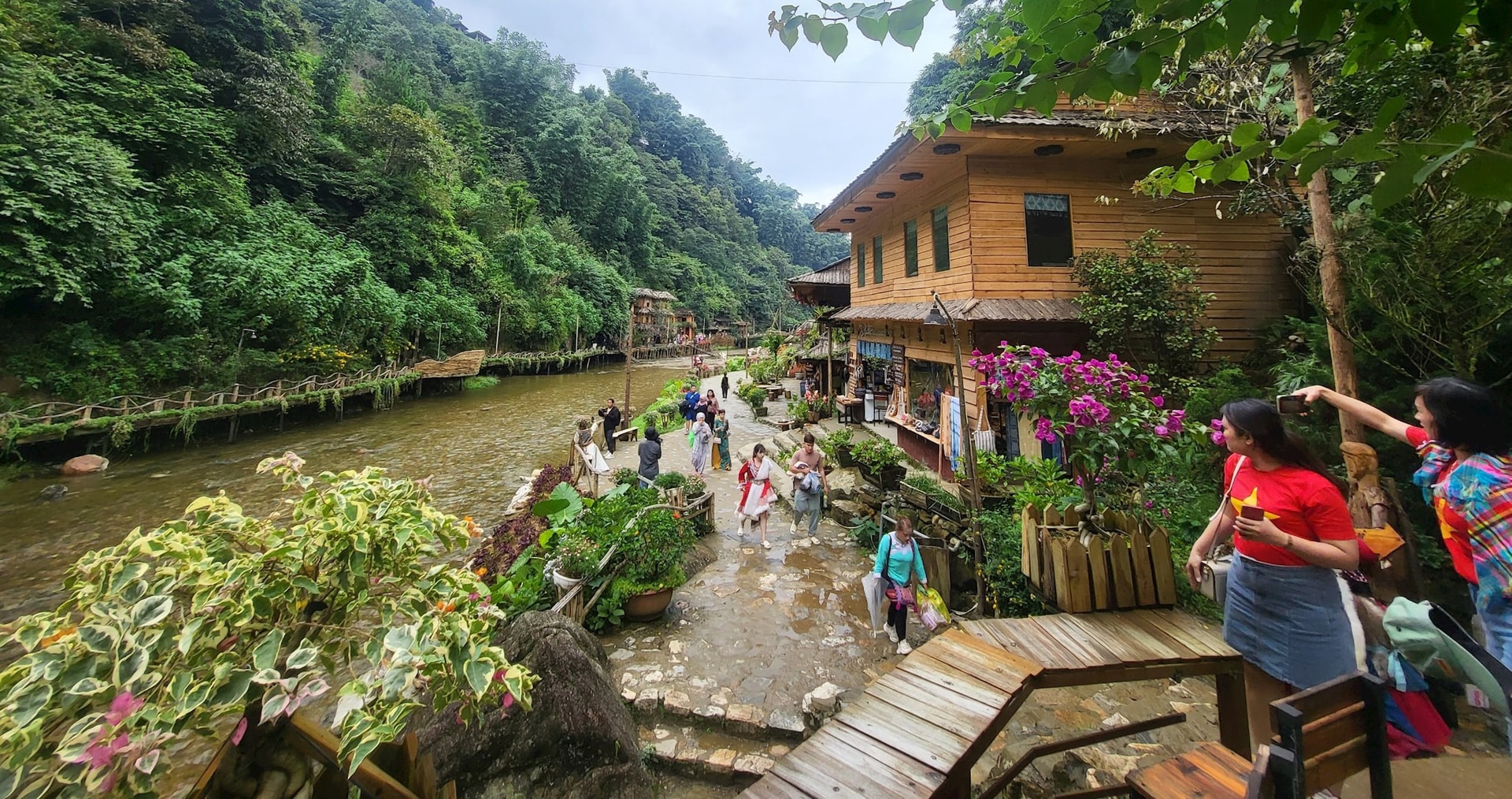
Visitors learning about local culture during a Cat Cat Village Sapa tour
Entrance Information for Visitors
Before entering Cat Cat Village Sapa, visitors are required to purchase a ticket at the main entrance gate located at the top of the descending road from Sapa town. The entrance area is clearly organized, with signboards and staff available to assist international travelers. Once inside, the path leads downhill through the village, passing houses, scenic viewpoints, and cultural spots along the way.
Visitors entering Cat Cat Village Sapa from the main downhill path
Ticket Price and What It Includes
The Cat Cat Village Sapa entrance fee covers access to the main walking routes, traditional houses open to visitors, cultural display areas, and scenic locations throughout the village. The ticket also contributes to village maintenance and local community services, helping preserve both the landscape and cultural heritage. After passing the gate, visitors are free to explore at their own pace, stopping for photos or short breaks as desired.
Opening Schedule and Timing
In general, Cat Cat Village Sapa opening hours are designed to accommodate both early-morning visitors and those arriving later in the day. Visiting earlier often provides a quieter atmosphere and softer natural light, while midday tends to be busier with tour groups. Regardless of arrival time, the clear internal paths make it easy to navigate Cat Cat Village Sapa without feeling rushed.
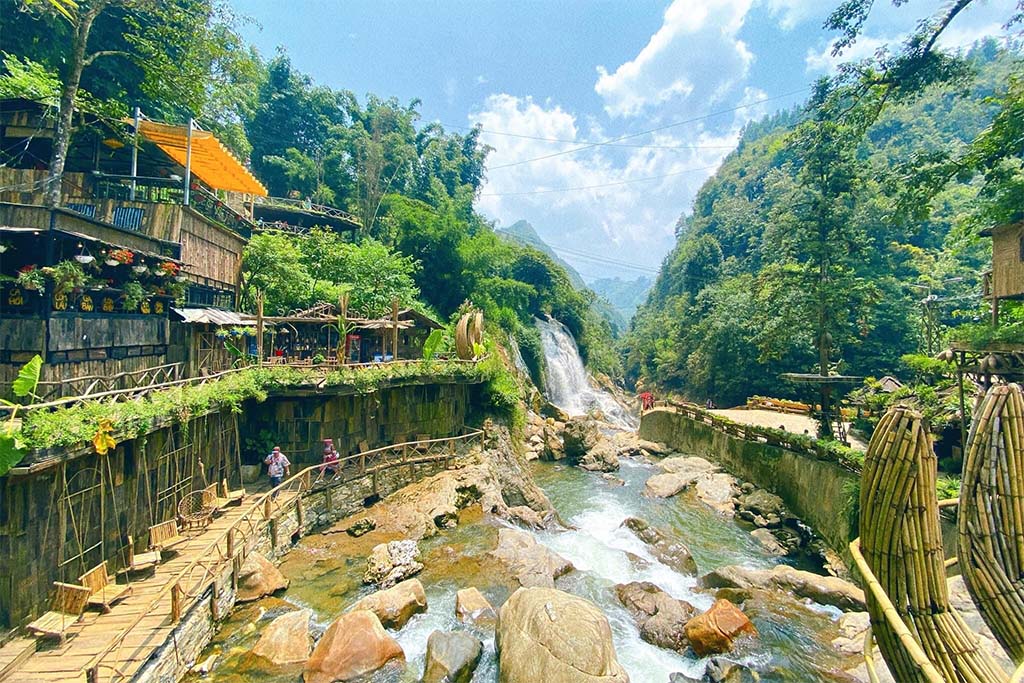
Early morning atmosphere at Cat Cat Village Sapa with soft natural light
Entry Tips for a Smooth Visit
To make the most of the visit, travelers should keep their ticket until exiting the village, as checkpoints may request it along the route. Wearing comfortable walking shoes is recommended due to sloped paths and stairs. Planning sufficient time allows visitors to enjoy the scenery and cultural highlights without having to rush back uphill from Cat Cat Village Sapa.
What to See Inside the Village
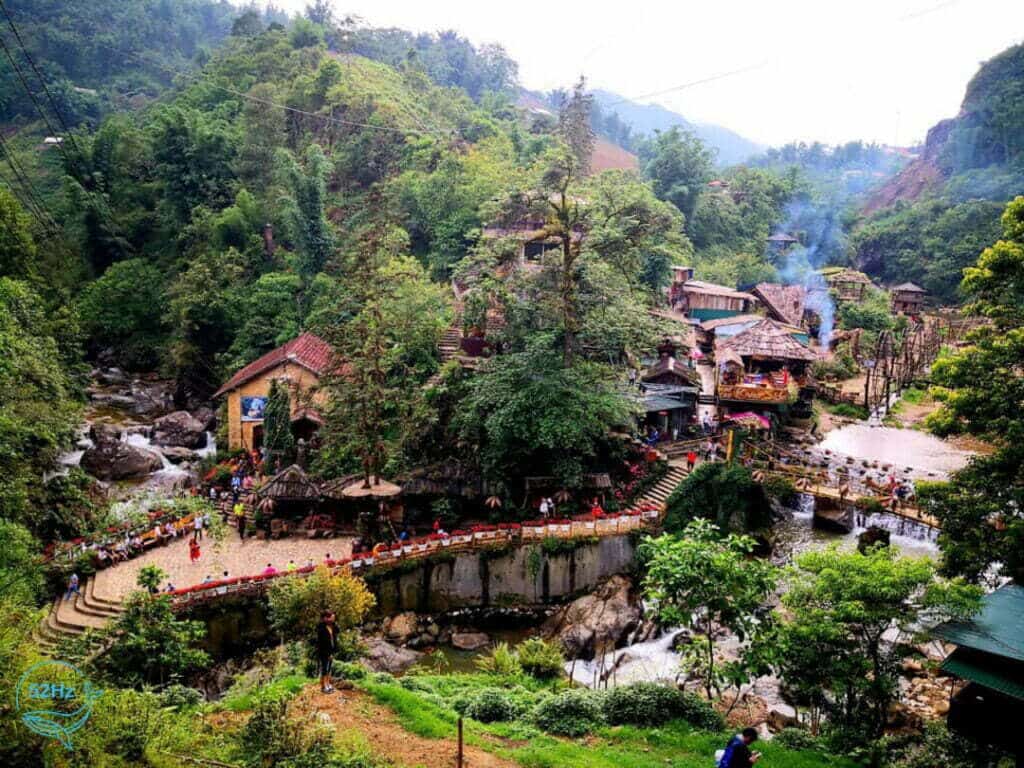
Exploring Cat Cat Village Sapa reveals a carefully layered landscape where culture, daily life, and natural scenery blend into a continuous walking experience. As visitors move downhill through the village, each section offers a different perspective on how local traditions have adapted to the mountain environment while preserving their original character.
Traditional Houses and Local Life
One of the most distinctive features of Cat Cat Village Sapa is the presence of traditional wooden houses built along the slopes. These homes reflect Cat Cat Village Sapa traditional culture, with simple structures designed to withstand mountain weather and support daily agricultural life. Inside some houses, visitors can observe weaving looms, cooking spaces, and handcrafted tools that illustrate how local families maintain long-established customs. This part of the village provides insight into everyday routines rather than staged performances, making it a meaningful cultural highlight.
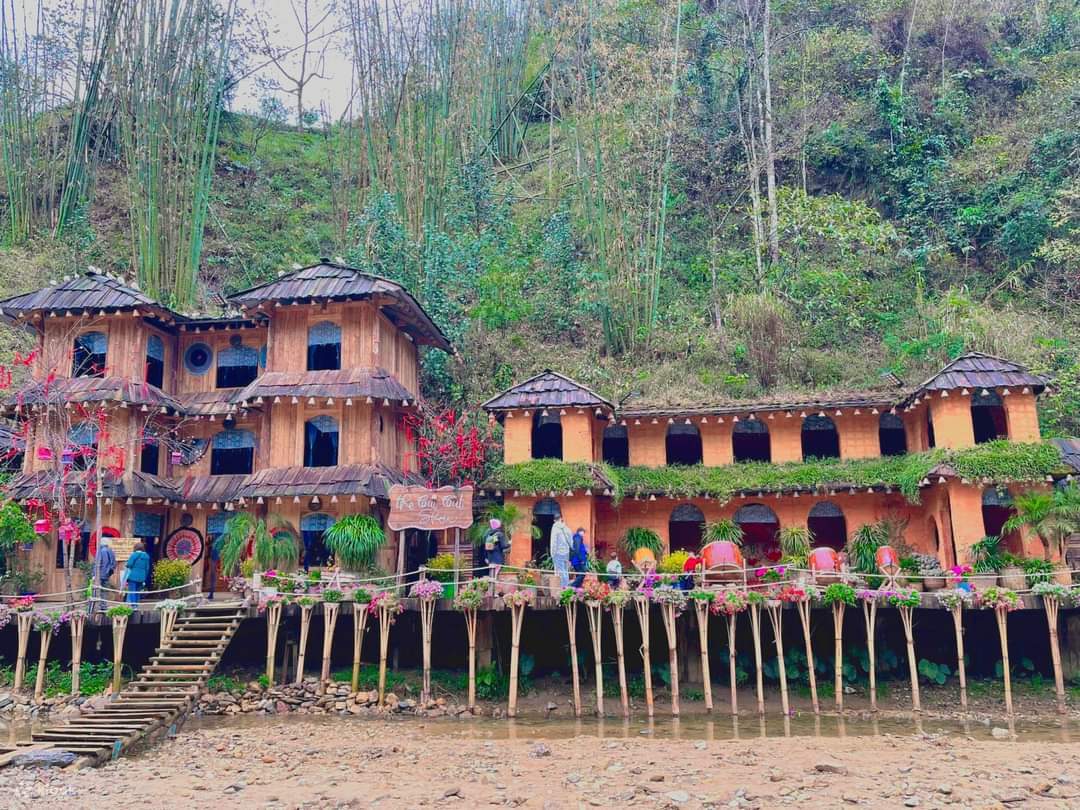
Traditional wooden houses reflecting local life in Cat Cat Village Sapa
Waterfall and Mountain Stream
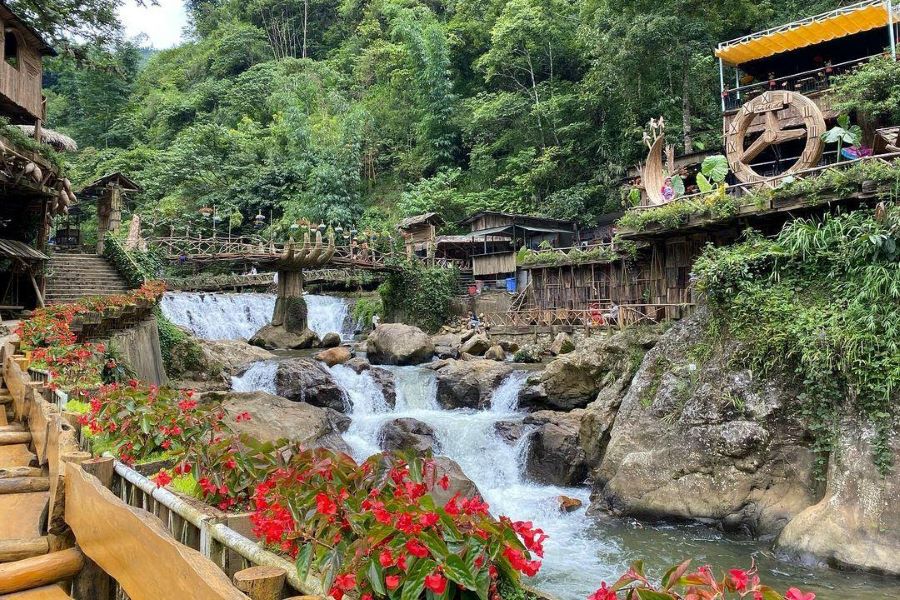
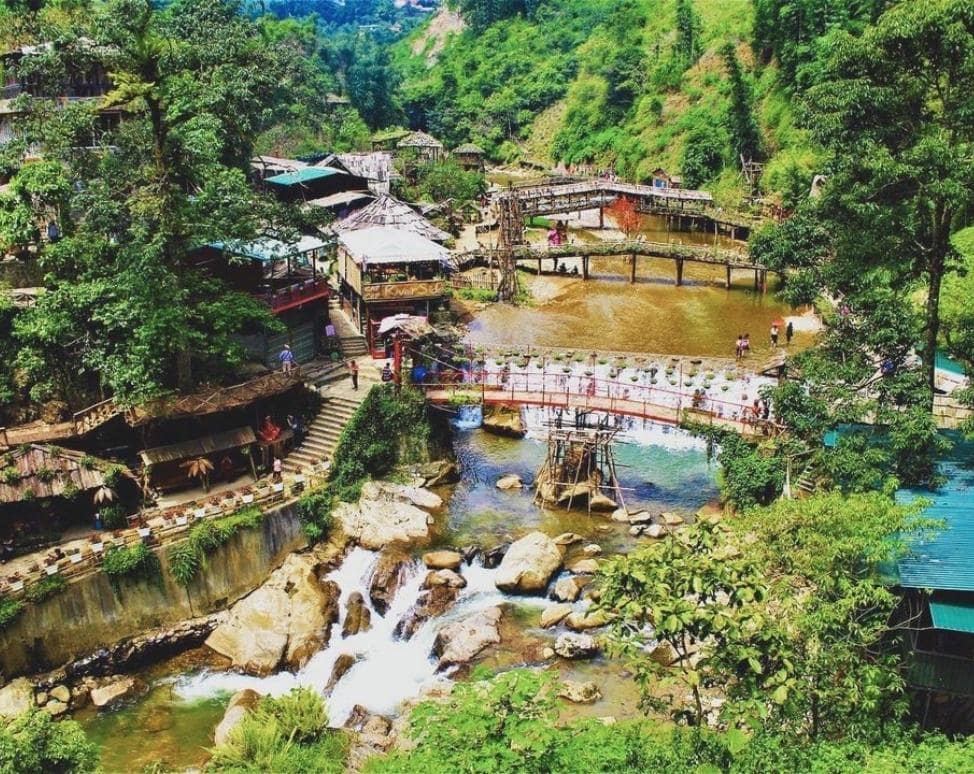
As the path continues downward, the sound of flowing water becomes more prominent. The stream that runs through the valley leads to the well-known Cat Cat Village Sapa waterfall, a scenic spot surrounded by rocks, wooden bridges, and shaded viewpoints. This natural feature plays an important role in village life while also serving as one of the most photographed locations in Cat Cat Village Sapa. Many visitors pause here to rest, enjoy the cool air, and take in the surrounding mountain scenery before continuing their walk.
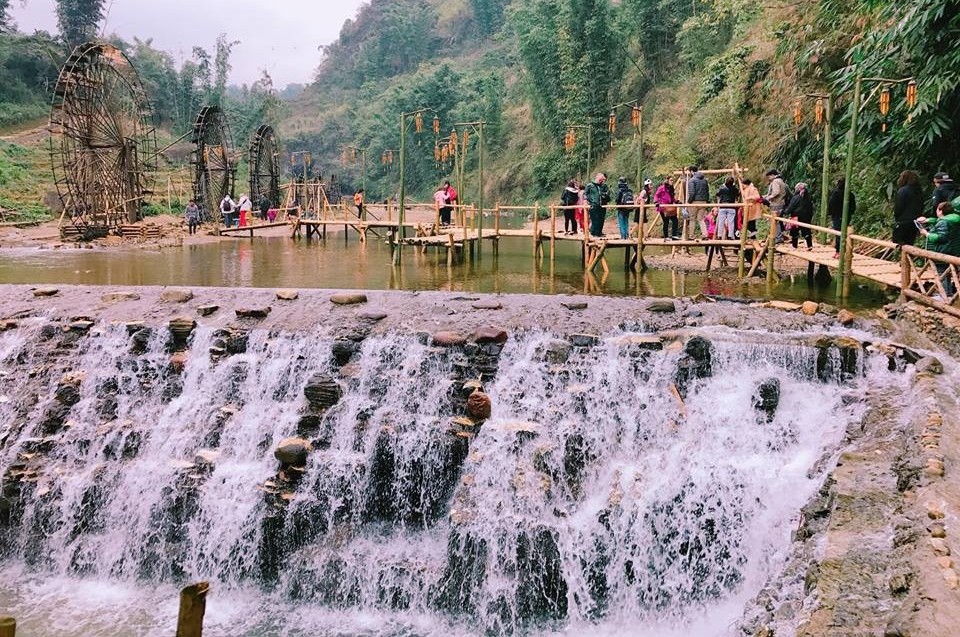
Cat Cat Village Sapa waterfall surrounded by rocks and greenery
Terraced Fields and Scenic Viewpoints
Beyond the houses and water features, open viewpoints reveal terraced rice fields stretching across the hillsides. These terraces demonstrate how residents of Cat Cat Village Sapa have shaped the land to suit farming needs over generations. From higher points along the path, visitors can look back toward the village entrance or down into the valley, capturing wide views that highlight the village’s unique position within the mountainous landscape.

Panoramic viewpoint overlooking Cat Cat Village Sapa and the valley
Activities You Should Not Miss
A visit to Cat Cat Village Sapa is not only about sightseeing but also about engaging with the rhythms of village life and its surrounding landscape. Moving through the village at a relaxed pace allows travelers to participate in simple yet memorable activities that highlight both culture and scenery.
Cultural Observation and Daily Routines
Walking through Cat Cat Village Sapa, visitors can observe local residents going about their daily routines, from tending small gardens to preparing traditional meals in front of their homes. These everyday moments offer a genuine glimpse into village life, shaped by long-standing customs rather than staged cultural displays. By slowing down and spending time observing these activities, travelers gain a deeper understanding of how cultural practices continue to influence daily living. This quiet interaction with local life helps create a more meaningful and authentic travel experience beyond simple sightseeing.
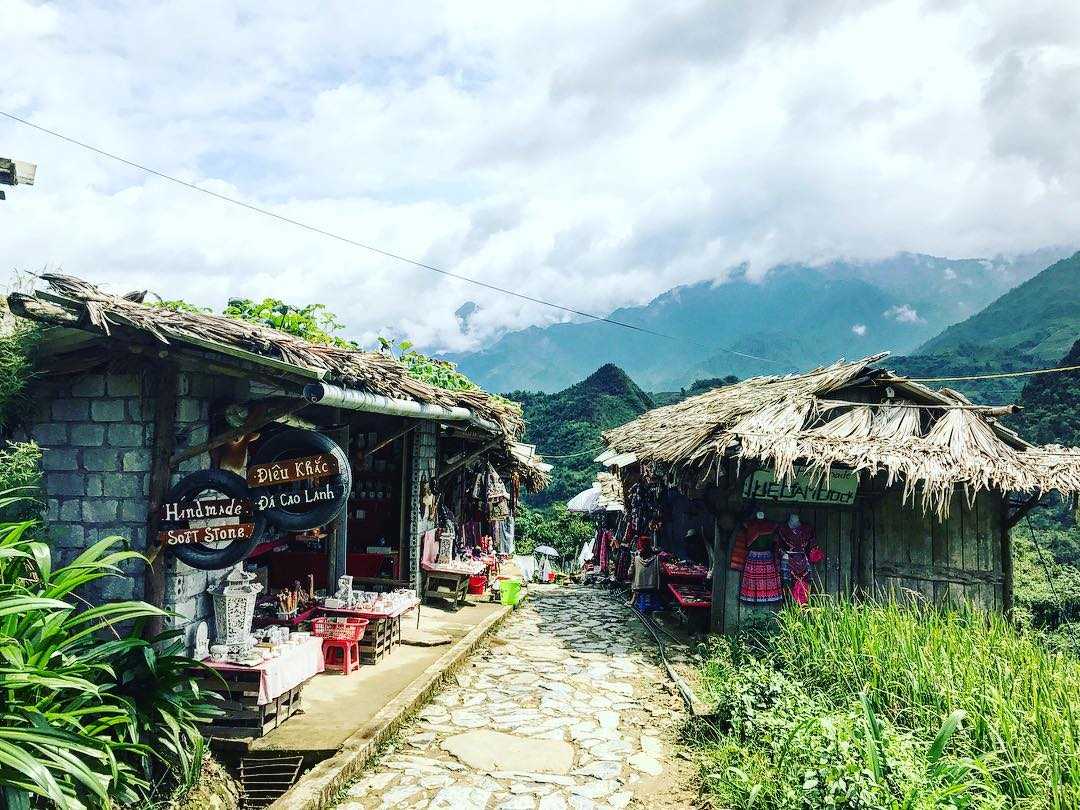
Villagers preparing traditional food in Cat Cat Village Sapa
Photography Along the Village Path
Photography is one of the most popular ways to experience Cat Cat Village Sapa, as the village offers a rich combination of layered landscapes and naturally changing light throughout the day. Wooden houses set against stone paths, flowing streams, and mountain backdrops create strong visual contrast at nearly every turn. As visitors move through the village, subtle shifts in elevation and perspective help frame scenes naturally, making composition feel effortless.
Many travelers find that slowing their pace and exploring small side paths leads to quieter corners, where unique angles and more intimate scenes can be captured. These less-traveled spots often reveal the most memorable photographic moments within Cat Cat Village Sapa.
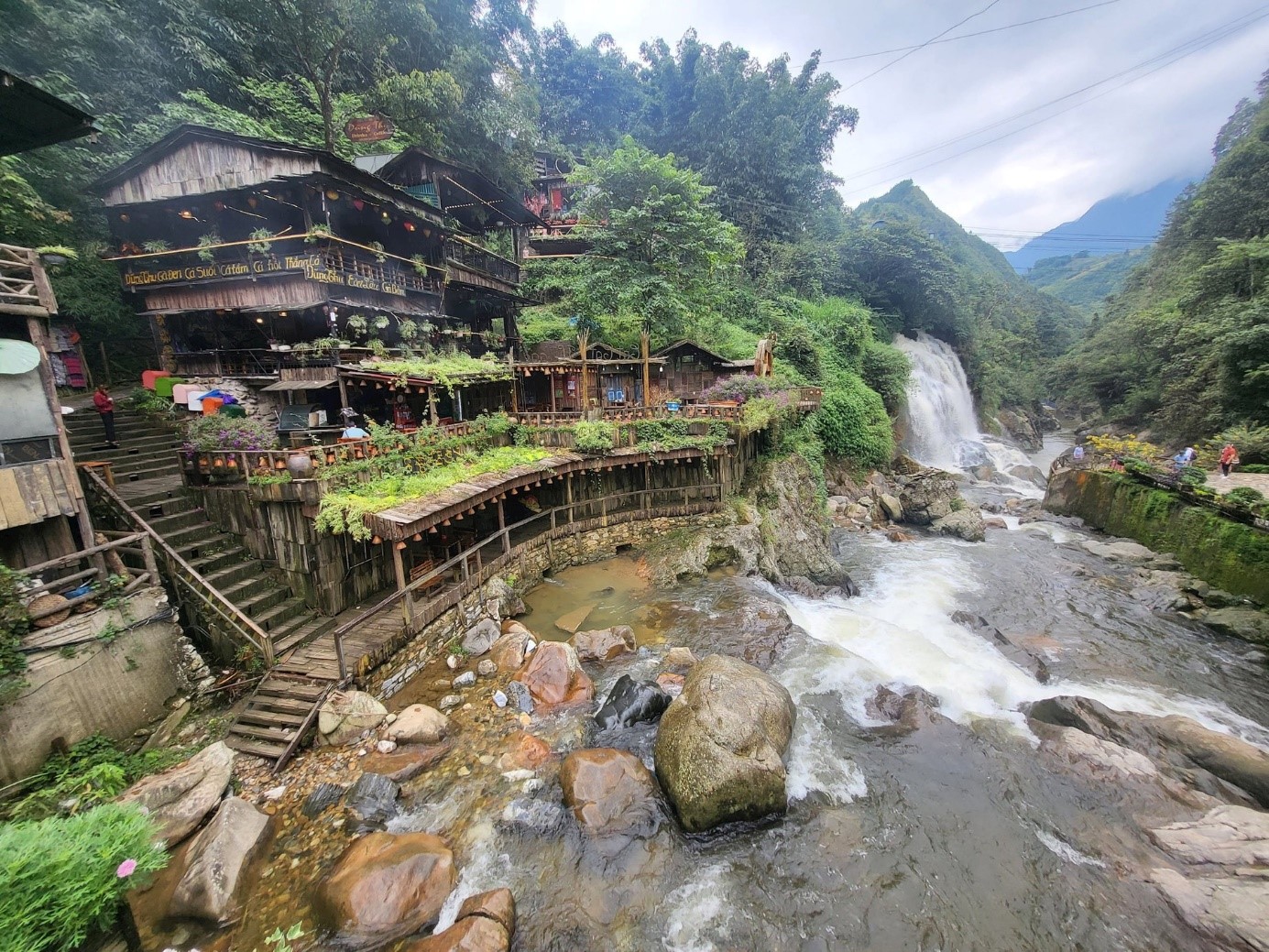
Wooden houses and mountain backdrop in Cat Cat Village Sapa
Relaxed Exploration and Scenic Stops
Rather than rushing from one highlight to another, visitors are encouraged to pause along the route, sit near the stream, or enjoy views across the valley. This slow-paced exploration defines many of the best things to do in Cat Cat Village, allowing travelers to absorb the atmosphere while appreciating how the village blends into its natural surroundings.
Taking time to explore freely often results in a more meaningful and personal experience within Cat Cat Village Sapa. Visitors who want to expand their experience beyond the village can explore additional cultural activities, scenic walks, and local highlights through Bestour’s guide on things to do in Sapa, helping them plan a more complete itinerary in the area.

Relaxing by the stream during a visit to Cat Cat Village Sapa
Photography Experience in the Village
For many travelers, photography is a central part of exploring Cat Cat Village Sapa, as the village offers a wide range of natural and cultural subjects within a compact walking route. The combination of mountain light, traditional architecture, and layered landscapes allows photographers of all skill levels to capture strong images without extensive planning.
Natural Light and Scenic Composition
Soft light in the morning and late afternoon enhances textures across the village, from wooden houses to stone paths and flowing water. As visitors move through Cat Cat Village Sapa, shifting elevations create natural framing opportunities, with terraces, trees, and rooftops guiding the eye toward distant mountains. This interplay between light and terrain helps produce balanced compositions throughout the walk.
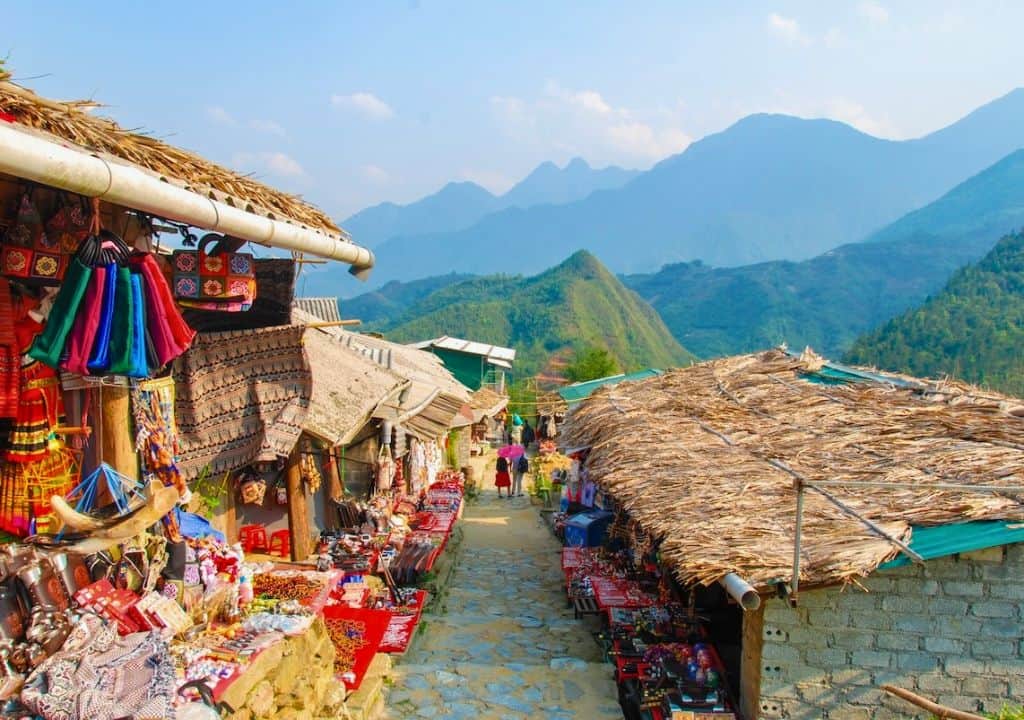
Soft natural light highlighting scenery in Cat Cat Village Sapa
Popular Viewpoints and Photo Spots
Several viewpoints along the route are especially popular for capturing photos, particularly near elevated paths overlooking the valley. These locations provide clear sightlines across houses, fields, and streams, making them ideal for both landscape and portrait photography. Moving slightly off the main path can also lead to quieter angles and more distinctive shots within Cat Cat Village Sapa.
Capturing Cultural Details
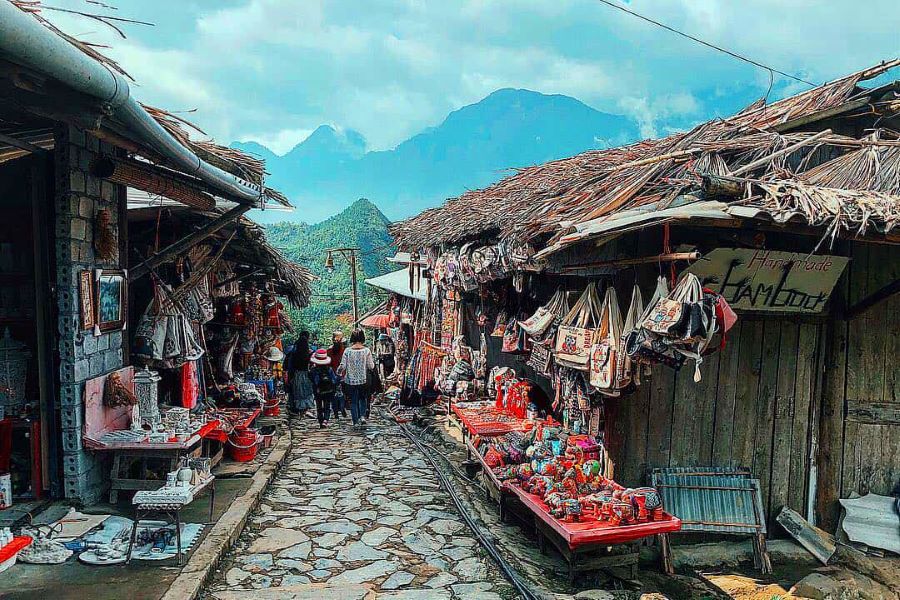
Beyond wide landscapes, the village also rewards those who focus on small details. Handcrafted objects, textiles, and everyday tools reveal the human side of Cat Cat Village Sapa, adding depth to a photography collection. Taking time to observe daily life can result in meaningful images that reflect the village’s character rather than only its scenery.
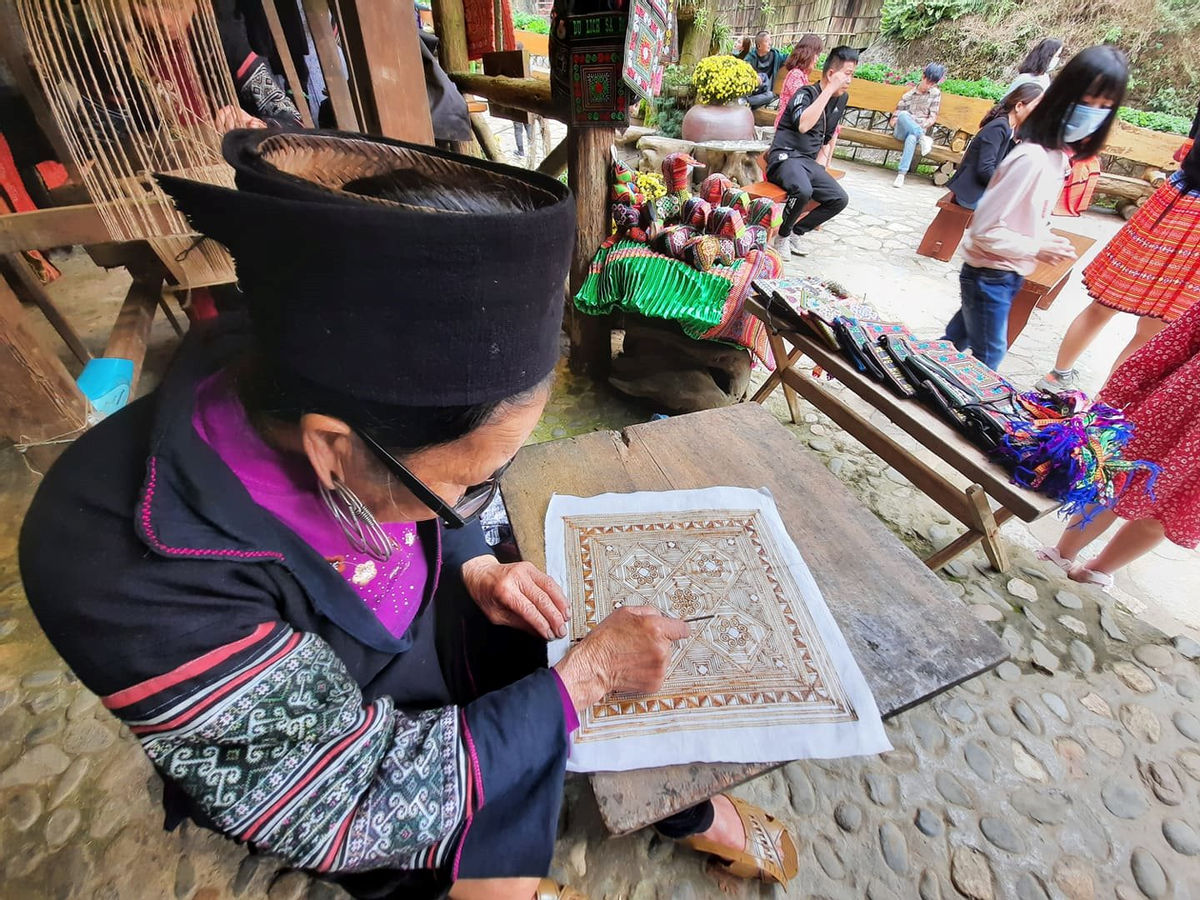
Handcrafted items representing culture in Cat Cat Village Sapa
When Is the Best Time to Visit?
Timing plays an important role in shaping the overall experience at Cat Cat Village Sapa, as weather, light, and visitor flow can significantly affect how the village feels. While the village is accessible year-round, certain periods offer clearer views, more comfortable walking conditions, and a calmer atmosphere for exploration.
Seasonal Considerations
Spring and autumn are often regarded as the most pleasant seasons to explore Cat Cat Village Sapa, with mild temperatures and relatively stable weather. During these months, the surrounding hills appear lush, and visibility across the valley is generally clear.
Summer brings greener landscapes but also a higher chance of rain, which can make stone paths slippery, while winter creates a cooler, misty ambiance that adds mood to the scenery but may limit distant views. Understanding the best time to visit helps travelers align their expectations with seasonal conditions.

Spring scenery and fresh atmosphere in Cat Cat Village Sapa
Best Time of Day for Visiting
Early morning is ideal for those who prefer quieter paths and softer natural light. Visiting Cat Cat Village Sapa shortly after opening allows travelers to move through the village at a relaxed pace before larger tour groups arrive. Late afternoon offers warmer light and longer shadows across terraces and houses, creating a different visual character. Midday tends to be the busiest, especially during peak travel seasons, which can affect the sense of tranquility.

Early morning calm atmosphere in Cat Cat Village Sapa
Balancing Weather and Crowd Levels
Choosing the right time involves balancing comfort and atmosphere. Travelers who value photography and calm surroundings often favor off-peak hours, while those with limited schedules may visit during busier periods without missing key highlights. Regardless of timing, planning the visit thoughtfully ensures a more enjoyable experience within Cat Cat Village Sapa.

Comfortable visiting conditions at Cat Cat Village Sapa
Conclusion
A visit to Cat Cat Village Sapa offers a balanced introduction to the landscapes, traditions, and everyday life of Vietnam’s northern highlands. With its close distance to Sapa town, clearly defined walking paths, and combination of cultural and natural highlights, the village fits easily into many travel itineraries. Whether you are drawn by scenic views, photography opportunities, or cultural curiosity, this destination provides a rewarding experience without demanding extensive time or preparation.
For travelers planning a journey to Sapa and looking to build a well-structured itinerary, reliable local insights can make all the difference. Explore travel routes, suggested schedules, and practical planning support with Best Vietnam Tours, and start shaping a trip that allows you to experience the region with confidence and ease.
Phone/WhatsApp: +84.968804998
Email: info@bestour.net
Address: No. 55 Bui Thi Xuan Street, Hai Ba Trung District, Hanoi City, Vietnam
Bestour Fanpage: Message us to receive detailed itineraries, destination suggestions, and the latest offers.