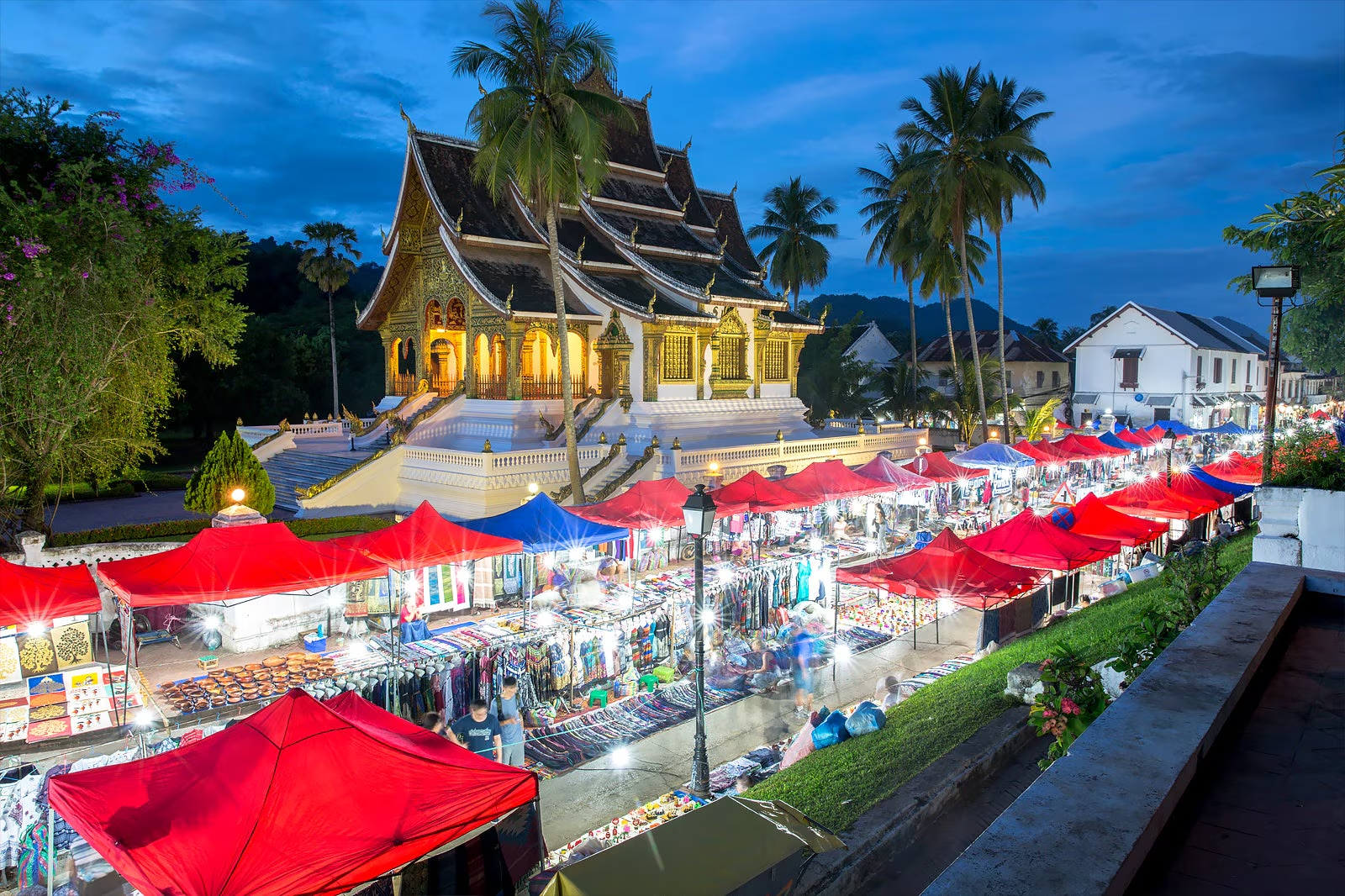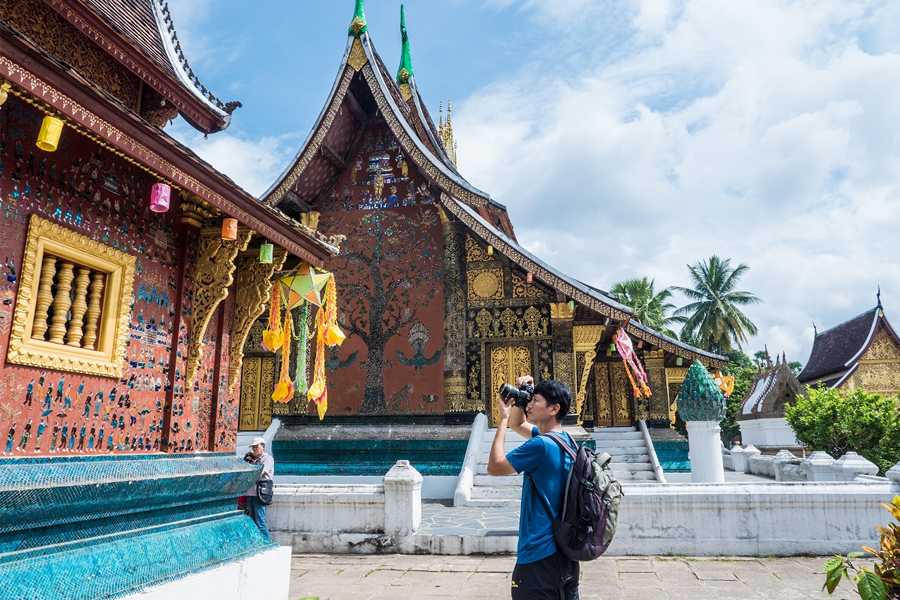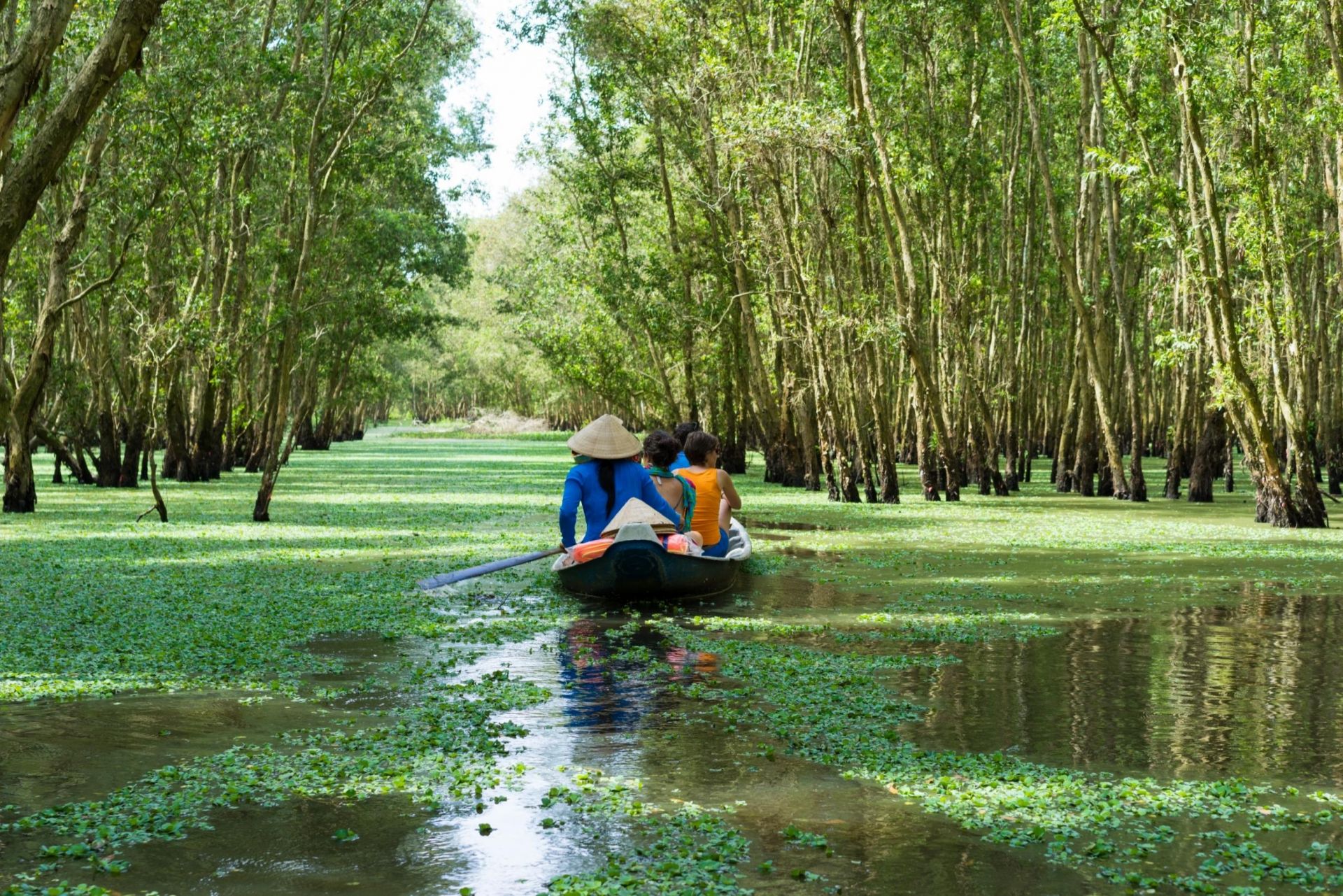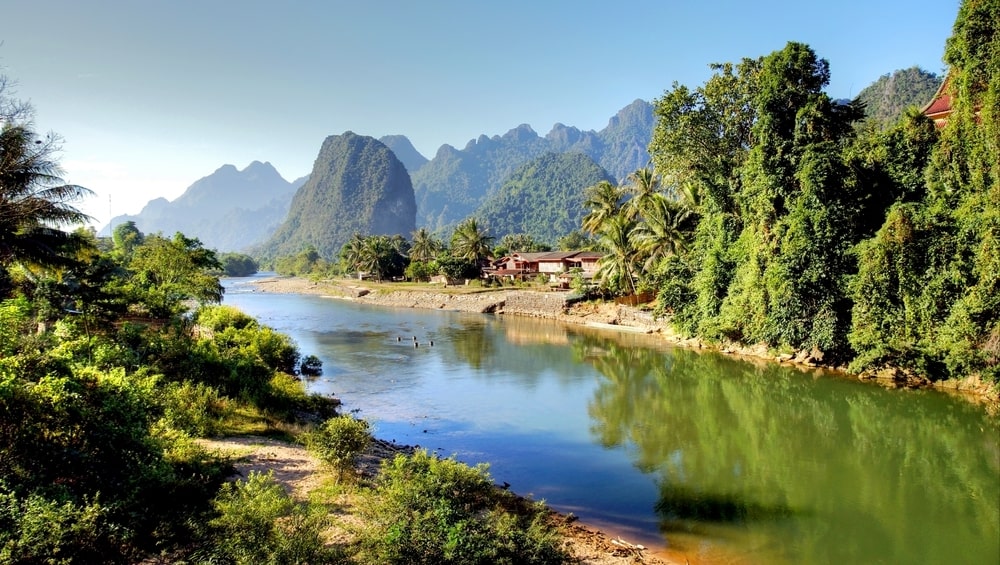
Vietnam has rapidly emerged as one of Southeast Asia’s most exciting destinations for trekking and hiking, offering dramatic mountain ranges, dense jungles, terraced rice fields, and remote ethnic villages waiting to be explored. From the misty peaks of the North to the tropical forests of the central region, the country presents an extraordinary diversity of landscapes within relatively short travel distances.
What makes Vietnam especially appealing is the balance between raw natural beauty and deep cultural immersion, where travelers can walk through centuries-old communities while experiencing untouched wilderness. With carefully designed itineraries and experienced local experts, Best Vietnam Tours helps adventurers navigate both iconic routes and lesser-known trails safely and responsibly. Whether you are seeking high-altitude summits, multi-day mountain crossings, or gentle countryside walks, Vietnam delivers a compelling blend of challenge, authenticity, and unforgettable scenery.
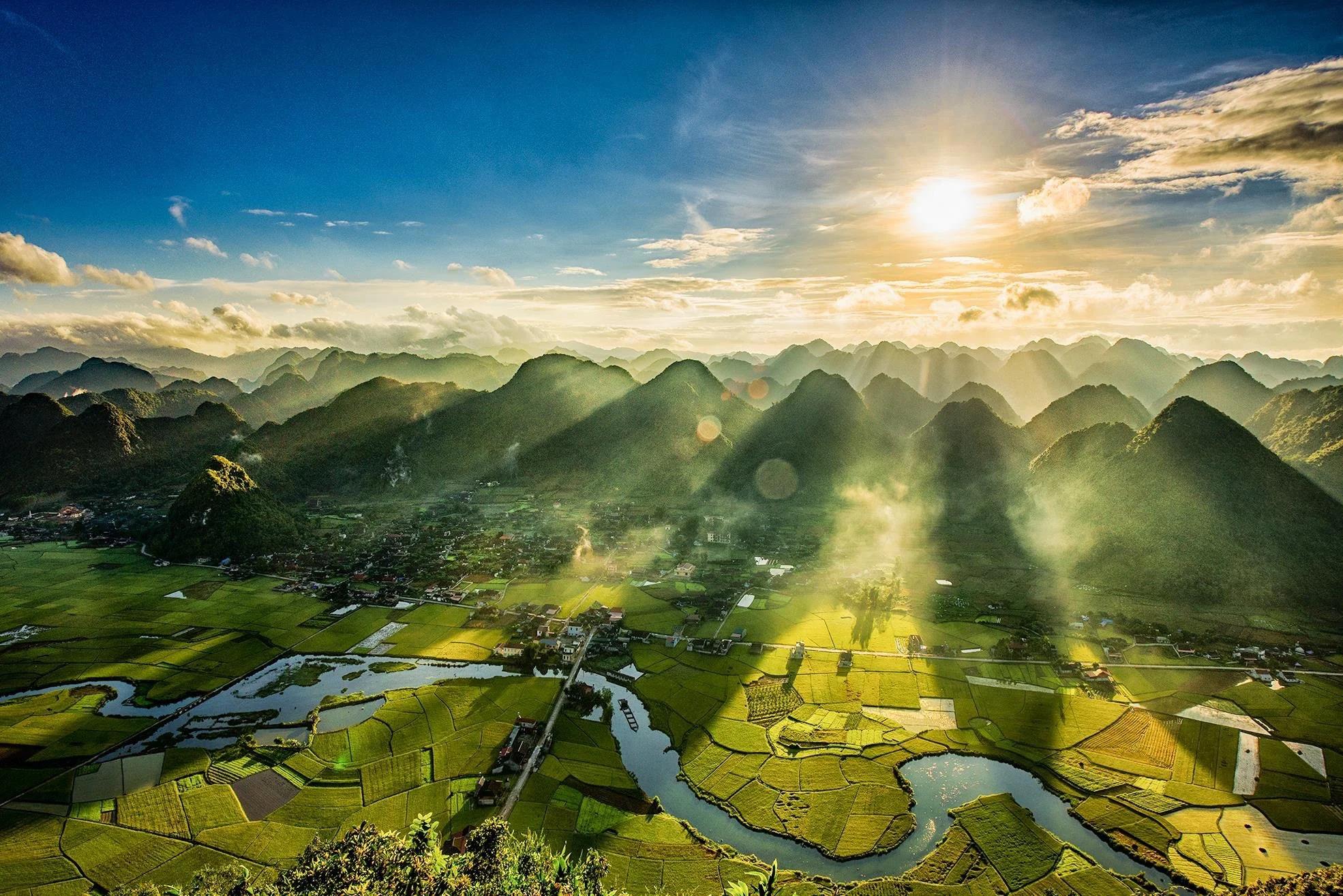
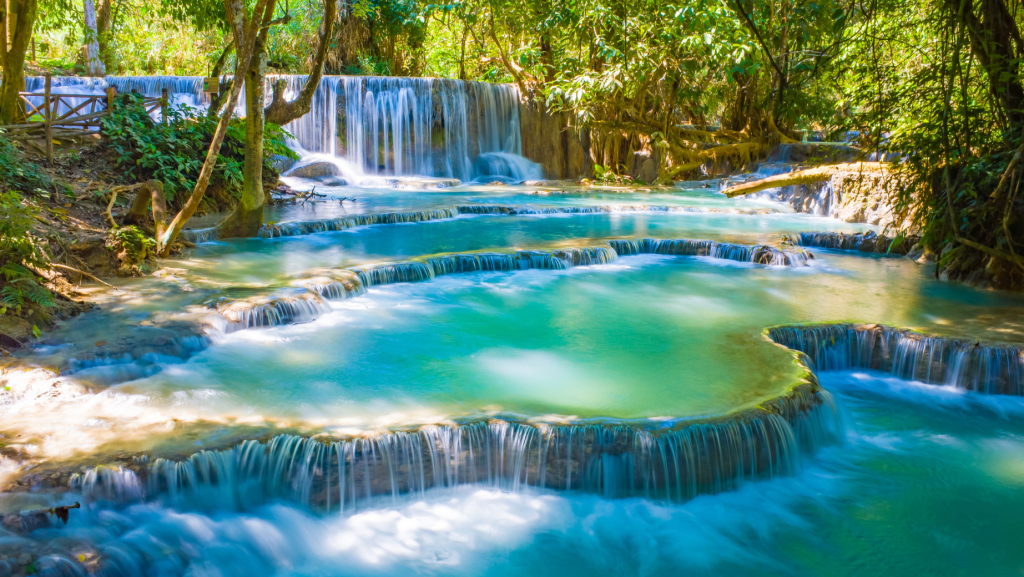
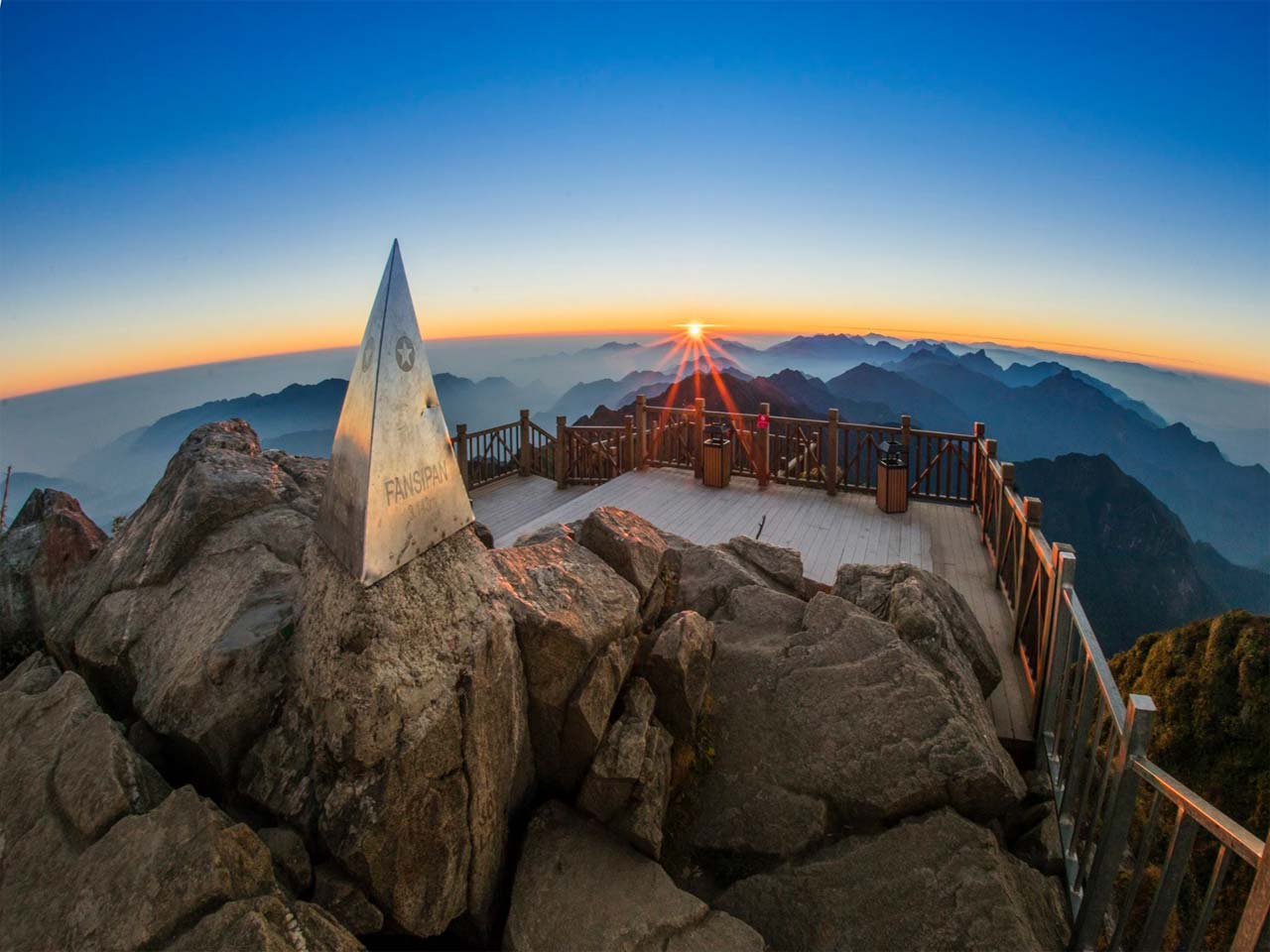
Sunrise over misty mountain landscapes in Northern Vietnam
Why Vietnam Is a Rising Destination for Adventure Travelers
Vietnam is increasingly recognized as one of Asia’s most compelling destinations for trekking and hiking, thanks to its dramatic terrain and authentic rural landscapes. Unlike heavily commercialized mountain regions elsewhere, the country still offers wide expanses of unspoiled nature where travelers can explore without overwhelming crowds. Its blend of rugged scenery and living cultural heritage creates a rare balance between physical challenge and meaningful discovery.
Diverse Landscapes from North to South
Few destinations offer such geographical variety within a single journey. Northern Vietnam is defined by high mountain ranges, mist-covered valleys, and cascading rice terraces, while the central region introduces dense jungles and limestone formations carved by time. This natural diversity allows trekking and hiking routes to vary in difficulty, scenery, and climate, giving visitors the flexibility to tailor experiences based on skill level and seasonal conditions.
Cultural Encounters in Remote Villages
Beyond the landscapes, Vietnam’s highland regions are home to ethnic minority communities whose traditions remain deeply rooted in daily life. Many trekking and hiking paths pass through small villages where travelers can witness traditional farming, textile weaving, and communal living firsthand. These cultural exchanges transform outdoor adventures into immersive journeys, offering insights that go far beyond scenic viewpoints.
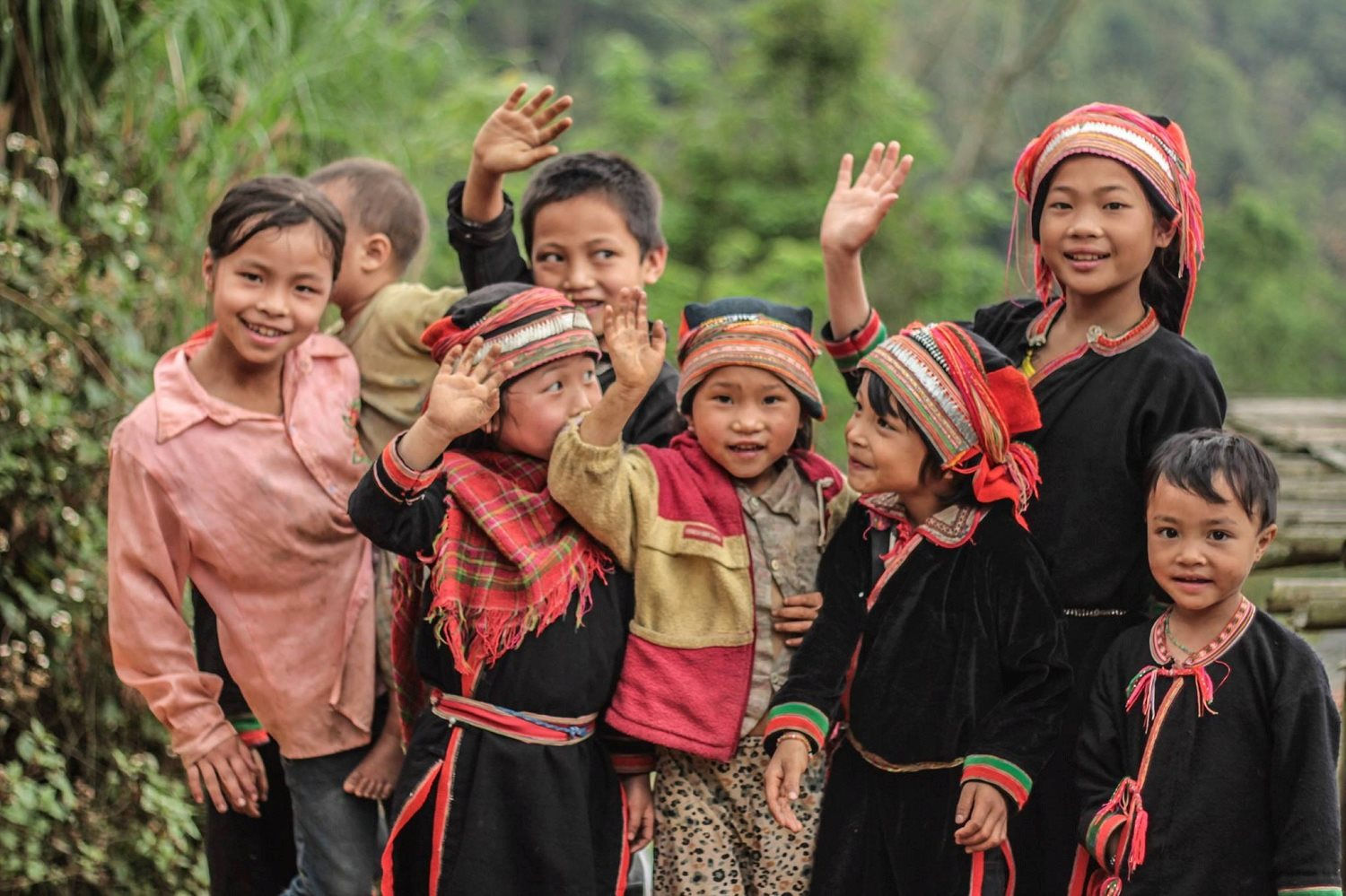
Local ethnic community in a remote mountain village
Accessibility and Value for Outdoor Travelers
Another reason for Vietnam’s growing popularity is its accessibility. Compared to other global mountain destinations, trekking and hiking here remain relatively affordable while maintaining strong guiding standards and improving infrastructure. With better road connections and an expanding eco-tourism network, the country provides both convenience and authenticity, a combination that continues to attract international adventurers year after year.
Best Trekking and Hiking Routes in Northern Vietnam
Northern Vietnam is widely regarded as the heart of trekking and hiking in the country. Towering mountains, deep valleys, and centuries-old villages create some of the most rewarding outdoor experiences in Southeast Asia. For travelers seeking dramatic scenery combined with cultural immersion, this region offers routes that range from gentle countryside walks to demanding multi-day expeditions across high-altitude terrain.
Sapa & Fansipan – The Roof of Indochina
Sapa remains one of the most iconic destinations for mountain exploration, known globally for its terraced rice fields and panoramic ridgelines. Many visitors begin their journey with organized Sapa trekking tours, which guide travelers through ethnic minority villages and scenic valleys carved into the Hoàng Liên Sơn range. These routes vary in length and difficulty, making them suitable for both beginners and experienced hikers.
For those seeking a greater challenge, the Fansipan mountain hike offers the opportunity to summit the highest peak in Indochina at 3,147 meters above sea level. Reaching the top requires stamina and preparation, but the sweeping views across layered mountain ranges make it one of the most rewarding trekking and hiking achievements in Vietnam. The combination of alpine scenery and rich cultural encounters makes Sapa a cornerstone of Northern adventure travel.
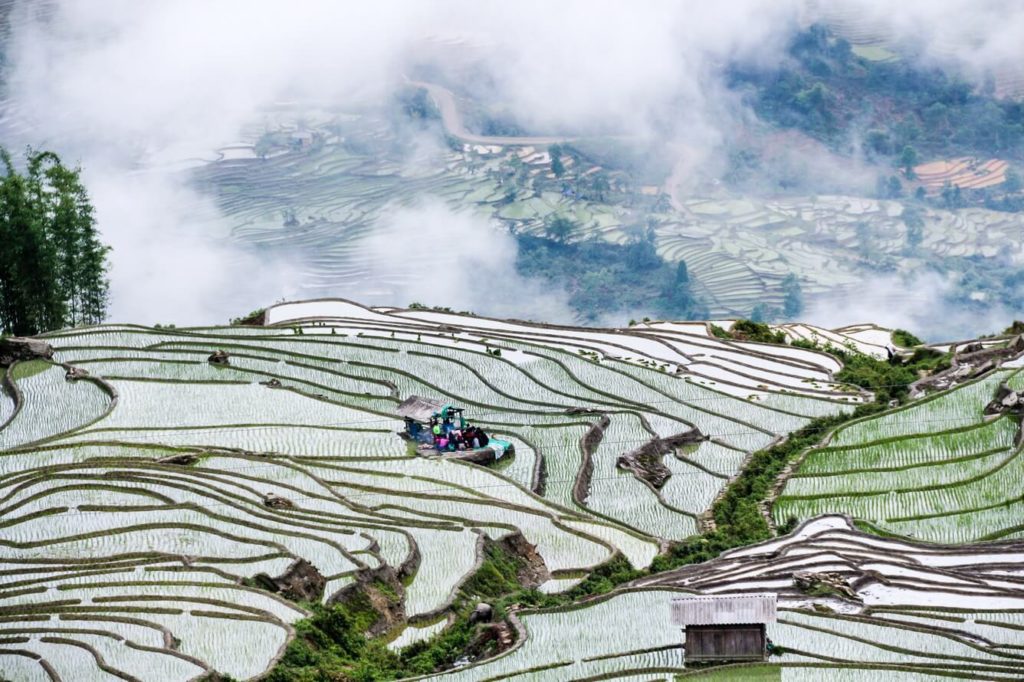
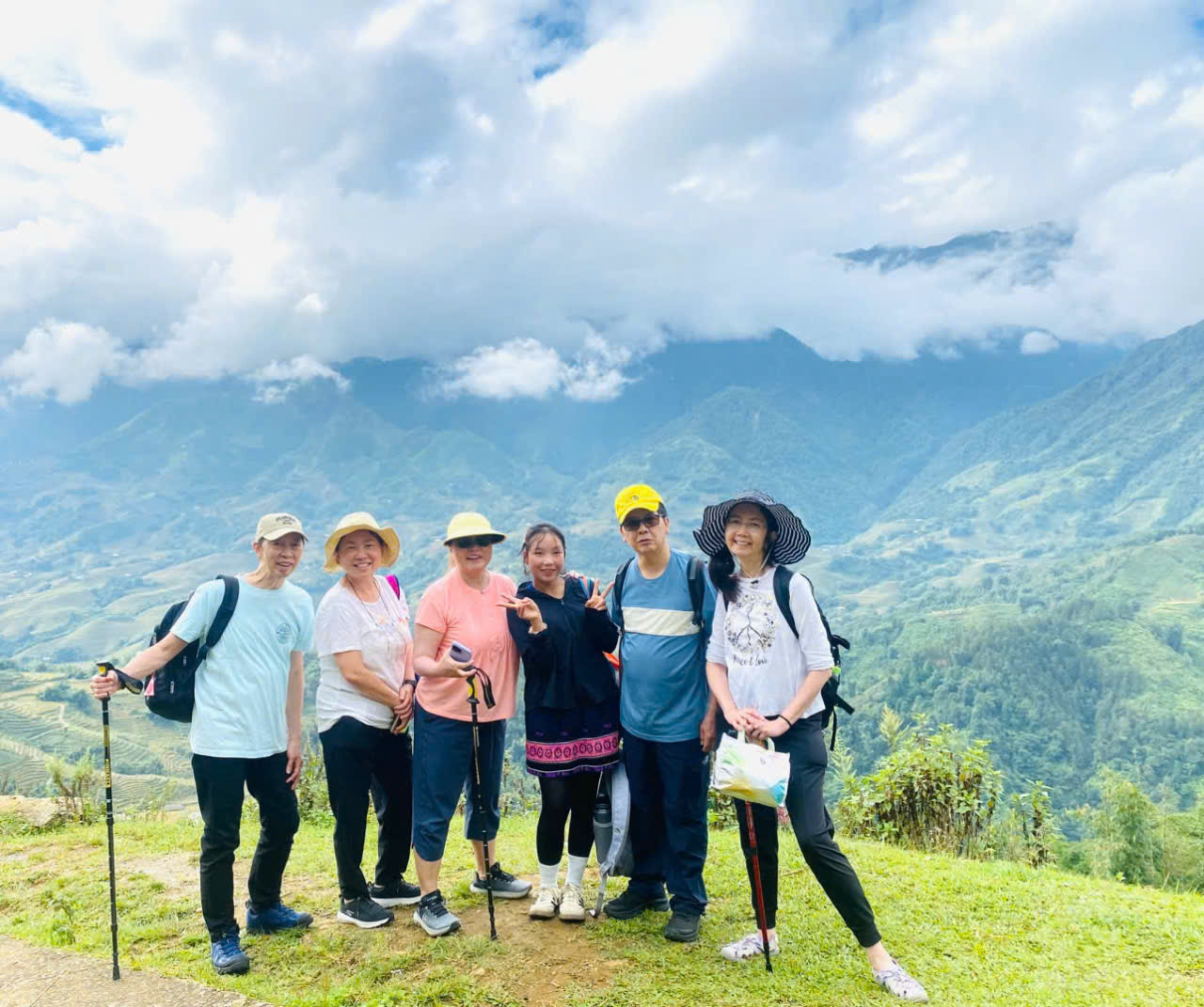
Terraced rice fields in Sapa during guided Sapa trekking tours
Ha Giang – Dramatic Limestone Landscapes
Further North, Ha Giang presents a more remote and rugged alternative. The region’s limestone plateaus, winding passes, and deep canyons create a striking backdrop for exploration. While many travelers know the area for its scenic motorbike routes, Ha Giang loop trekking is gaining attention among those who prefer to explore on foot.
Here, trekking and hiking routes often pass through small highland villages perched on rocky slopes, offering uninterrupted views across dramatic karst formations. The terrain can be physically demanding, but the sense of isolation and authenticity sets Ha Giang apart from more established destinations. For adventurers looking to escape busier trails, this province delivers raw beauty and cultural depth in equal measure.
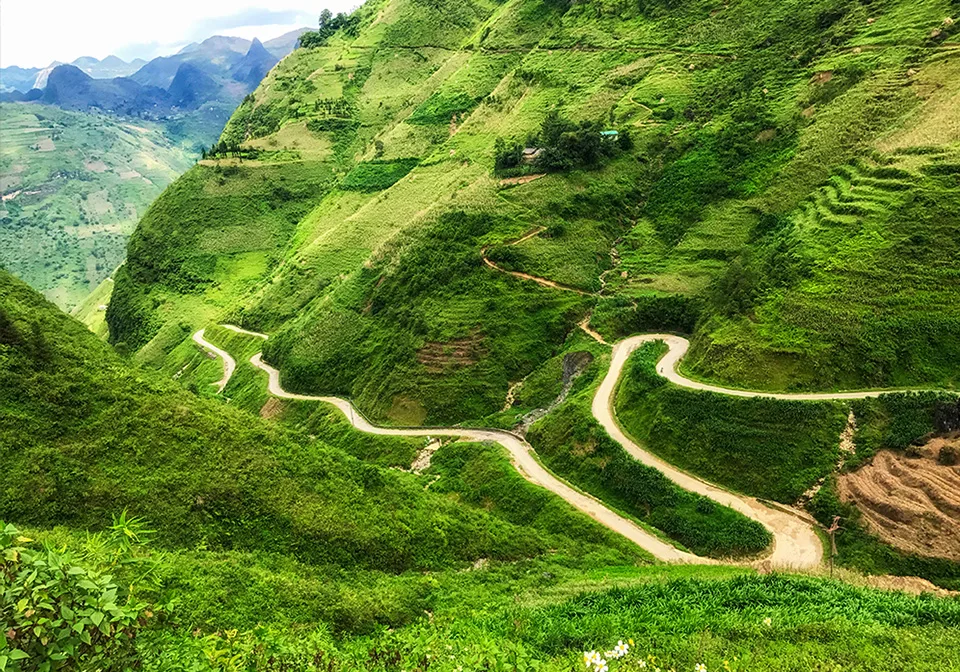
Limestone mountains along the Ha Giang loop trekking route
Pu Luong – A Peaceful Valley Escape
For a quieter alternative, Pu Luong Nature Reserve offers lush valleys, bamboo forests, and cascading water wheels that feel far removed from urban life. The Pu Luong hiking trails are generally less strenuous than high mountain climbs, making them ideal for travelers who want scenic trekking experiences without extreme altitude gains.
Paths weave between rice paddies and traditional stilt houses, allowing visitors to move at a relaxed pace while still enjoying impressive mountain scenery. Pu Luong’s charm lies in its tranquility a place where nature, agriculture, and village life exist in harmonious balance. For those seeking a gentler but equally rewarding adventure, this hidden valley is an excellent choice.
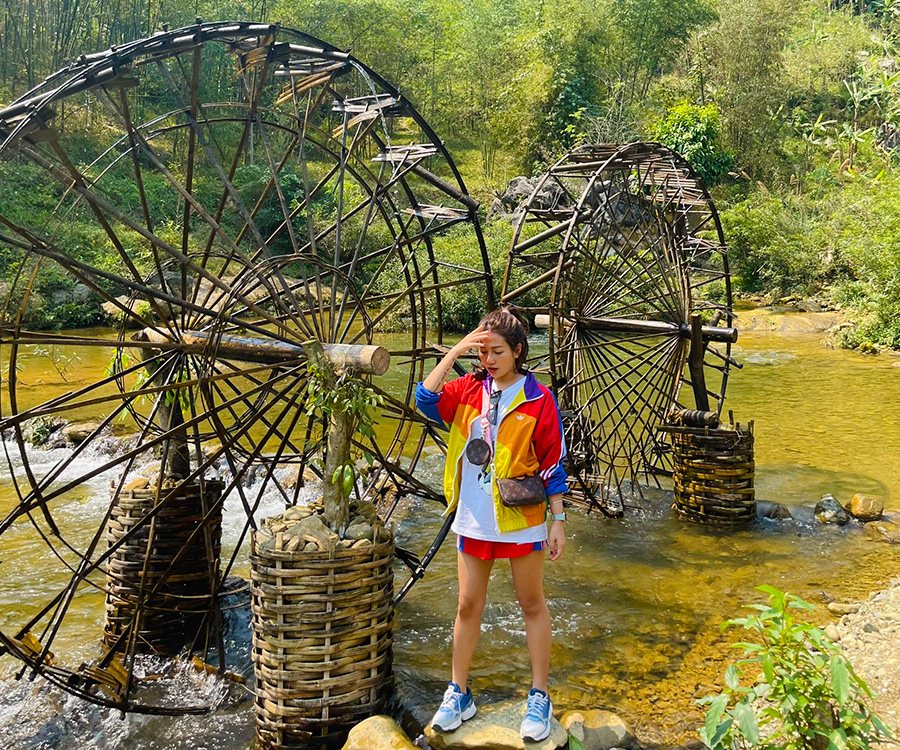
Lush rice terraces and traditional water wheels on Pu Luong hiking trails
Central Vietnam Jungle & Mountain Adventures
While Northern Vietnam is known for its towering peaks, the central region introduces a different dimension of trekking and hiking defined by dense tropical forests, limestone karsts, and hidden waterfalls. For travelers seeking more immersive wilderness experiences, this area offers terrain that feels raw, humid, and biologically rich.
Phong Nha-Ke Bang National Park
Home to some of the world’s largest caves and vast primary forests, Phong Nha-Ke Bang National Park stands out as one of Southeast Asia’s most remarkable natural landscapes. A guided Phong Nha jungle trek combines forest navigation, river crossings, and cave exploration, creating a layered experience that goes beyond standard mountain trails. This style challenges both endurance and adaptability, as routes often shift between muddy jungle paths and rocky cave interiors.
Unlike high-altitude climbs in the North, hiking in Phong Nha focuses on exploration rather than elevation gain. Multi-day expeditions may include camping near underground rivers or venturing into colossal caverns, offering a sense of discovery that few destinations can replicate. The park’s UNESCO World Heritage status reinforces its ecological importance while elevating its reputation among serious outdoor travelers.
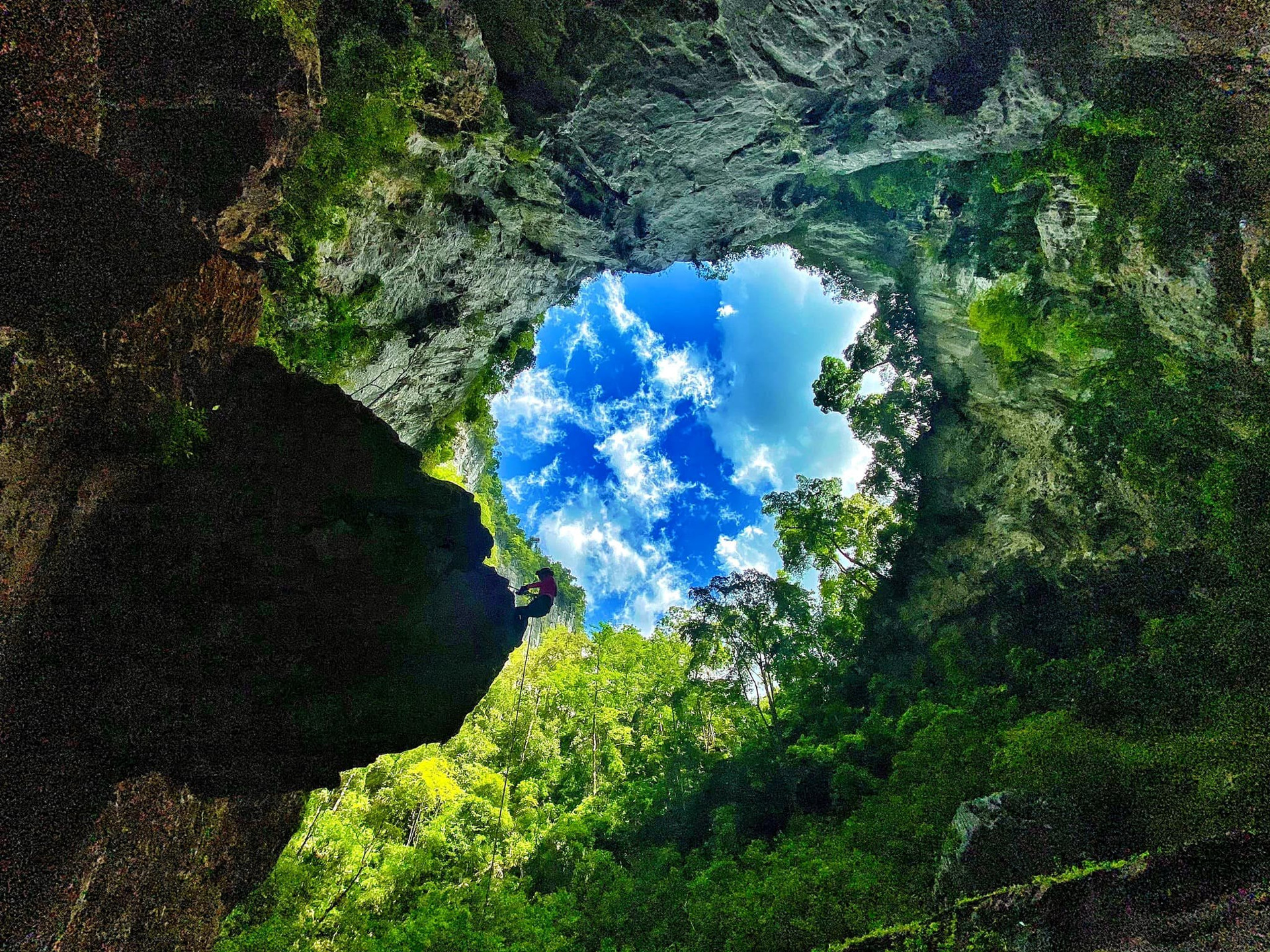
Explorers on a Phong Nha jungle trek near limestone caves
Bach Ma National Park
Further South, Bach Ma National Park presents a cooler mountain climate paired with sweeping coastal views. Once developed as a hill station retreat, the area is now a protected reserve known for its biodiversity and scenic lookouts. Routes here are generally well-maintained, making the park suitable for both experienced adventurers and travelers seeking moderate challenges.
Trails lead through subtropical forest to waterfalls and summit viewpoints that reveal lagoons and distant beaches. The combination of mountain elevation and sea proximity creates a distinctive atmosphere that differentiates Bach Ma regions in Vietnam. For those who value scenic variety within manageable distances, this park offers a balanced and accessible adventure.
Travelers interested in exploring protected ecosystems across the country can also discover more about Vietnam’s diverse national parks before planning their route.
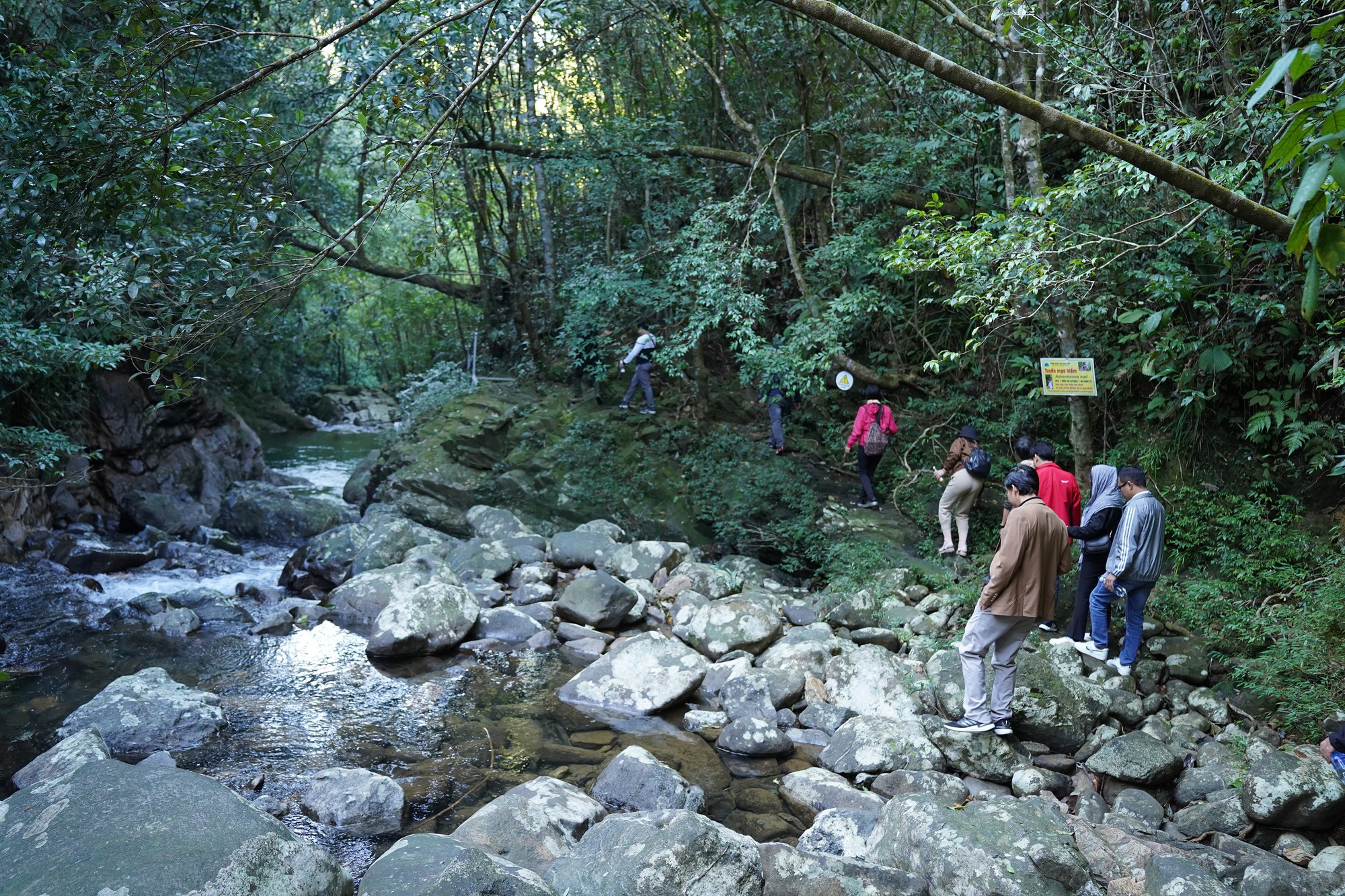
Forest trail leading to a waterfall in Bach Ma National Park
Island & Coastal Trails Worth Exploring
Beyond the mountains and jungles, Vietnam’s islands and coastal reserves offer a refreshing dimension of trekking and hiking where sea views replace highland ridges. These routes combine forested hills, limestone cliffs, and ocean panoramas, creating a distinctive contrast to inland terrain. For travelers who appreciate scenic diversity, coastal landscapes add depth to a well-rounded adventure itinerary.
Cat Ba National Park
Located within the famous limestone archipelago of Northern Vietnam, Cat Ba National Park is one of the country’s most accessible island wilderness areas. Cat Ba National Park trekking routes guide visitors through dense forest, steep slopes, and elevated viewpoints overlooking the emerald waters of Lan Ha Bay. The terrain is moderately challenging, with humid conditions that add intensity without requiring technical climbing skills.
Trekking and hiking in Cat Ba often culminate in panoramic summit views where karst towers rise dramatically from the sea. Wildlife enthusiasts may also encounter endemic species unique to the island ecosystem. Because of its combination of forest trails and coastal scenery, Cat Ba is frequently ranked among the best hiking trails in Vietnam for travelers seeking a balance between adventure and accessibility.
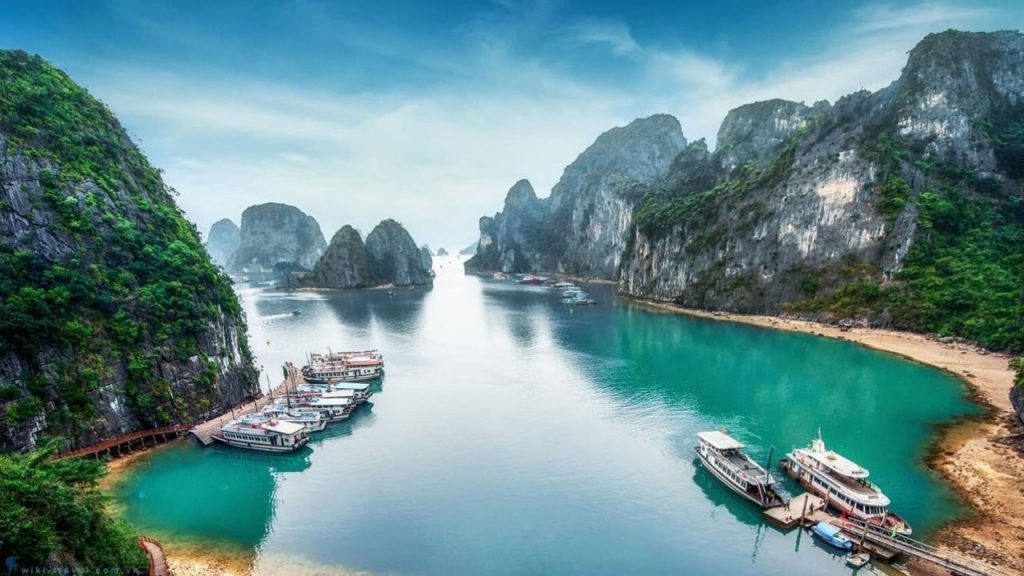
Limestone cliffs during Cat Ba National Park trekking adventure
Con Dao National Park
Further South, Con Dao National Park presents a quieter and more remote coastal experience. The islands are known for their protected marine areas, pristine beaches, and forest-covered hills that slope toward the sea. Trekking and hiking routes here are typically less crowded, offering a peaceful atmosphere ideal for travelers who prefer solitude.
Trails wind through tropical woodland before opening onto dramatic cliffside viewpoints and hidden beaches. The blend of terrestrial and marine ecosystems creates opportunities to combine forest exploration with snorkeling or wildlife observation. For those who want to experience Vietnam’s natural diversity beyond the mountains, Con Dao offers a compelling coastal alternative.
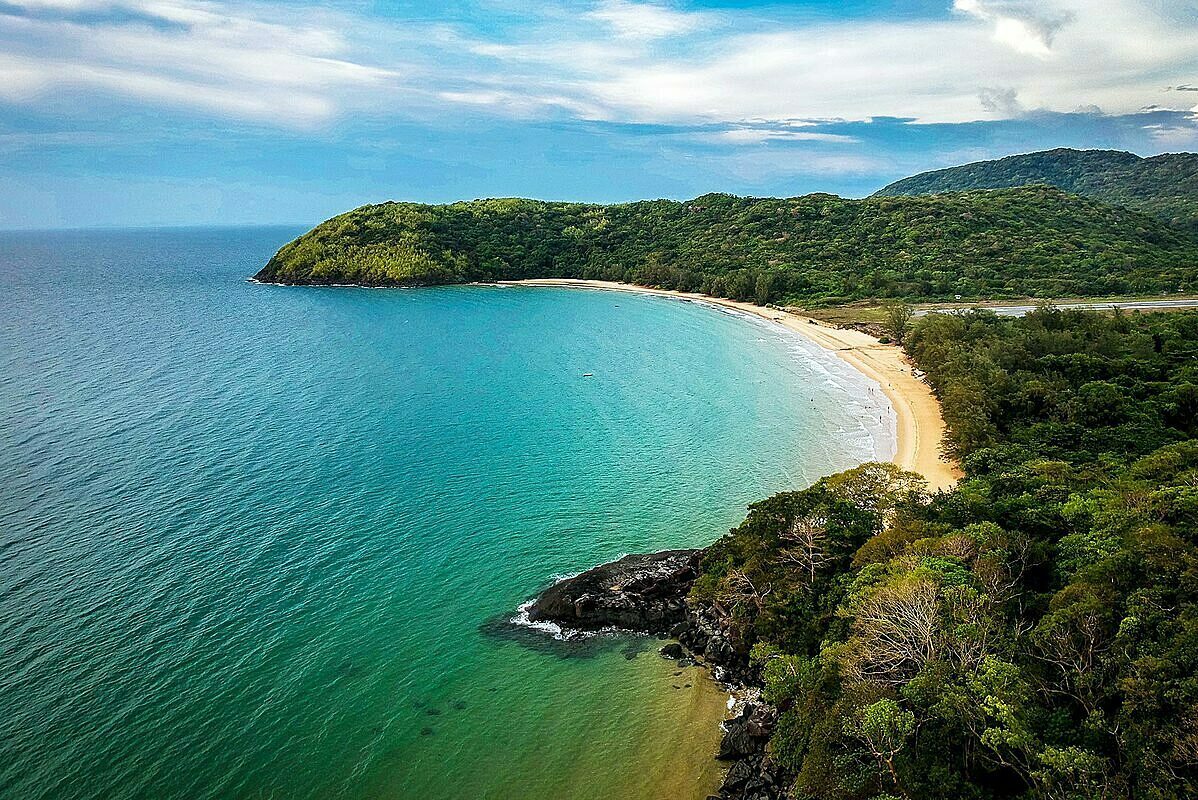
Tropical forest meeting the sea in Con Dao National Park
When Is the Best Time for Outdoor Adventures in Vietnam?
Timing plays a crucial role in planning successful journeys across Vietnam. Because the country stretches over 1,600 kilometers from North to South, weather patterns vary dramatically by region. Selecting the appropriate season plays a crucial role in shaping trail conditions, visibility, and overall safety, ultimately ensuring travelers enjoy the most rewarding experience possible.
Northern Vietnam: September to November & March to May
In the mountainous North, autumn and spring are widely regarded as the most favorable seasons. From September to November, cooler temperatures and clear skies create ideal conditions for exploring high-altitude ridges and terraced valleys. Spring, particularly March to May, offers mild weather and vibrant landscapes before heavier summer rains begin.
Winter can bring cold temperatures and limited visibility at higher elevations, while summer often introduces slippery terrain and unpredictable storms. Many travelers researching when to go trekking in Vietnam discover that these shoulder seasons provide the most balanced conditions for extended mountain routes.
For travelers seeking a structured experience with local guides and authentic village stays, a Sapa 3 days 2 nights trekking tour offers a well-balanced mix of adventure and cultural immersion.
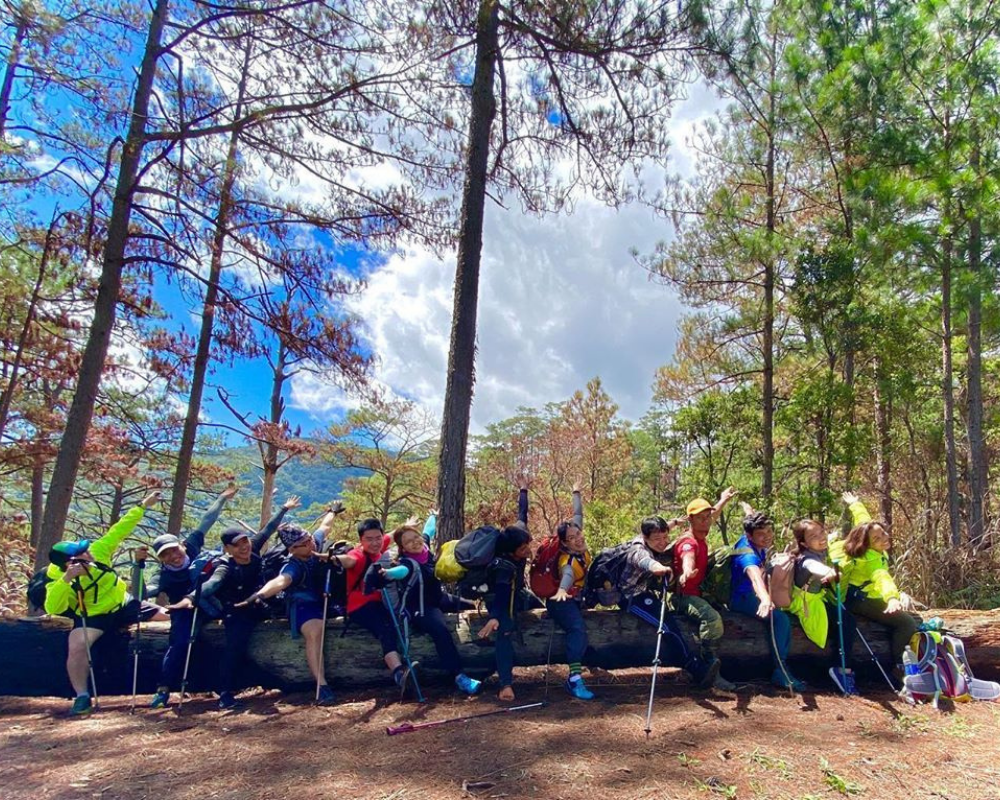
Clear skies and dry conditions ideal for trekking in Vietnam
Central Vietnam: February to August
Central Vietnam’s climate is influenced by coastal monsoon systems, making seasonal planning especially important for trekking and hiking activities. The dry season, typically from February through August, offers more stable weather, firmer ground underfoot, and safer river crossings in forested environments.
From September onward, heavy rainfall and occasional typhoons can affect accessibility and trail safety. Monitoring forecasts and adjusting itineraries accordingly is essential for maintaining a smooth schedule in this region.
Southern Vietnam: December to April
Southern Vietnam experiences a tropical climate with distinct wet and dry periods. December to April is generally considered the optimal window for trekking and hiking, as rainfall is limited and humidity levels are more manageable. During the wet season, afternoon downpours are common, which can make forest trails muddy and more physically demanding.
By aligning travel plans with regional climate patterns, adventurers can ensure that their trekking and hiking experiences remain both safe and rewarding throughout Vietnam’s diverse landscapes.
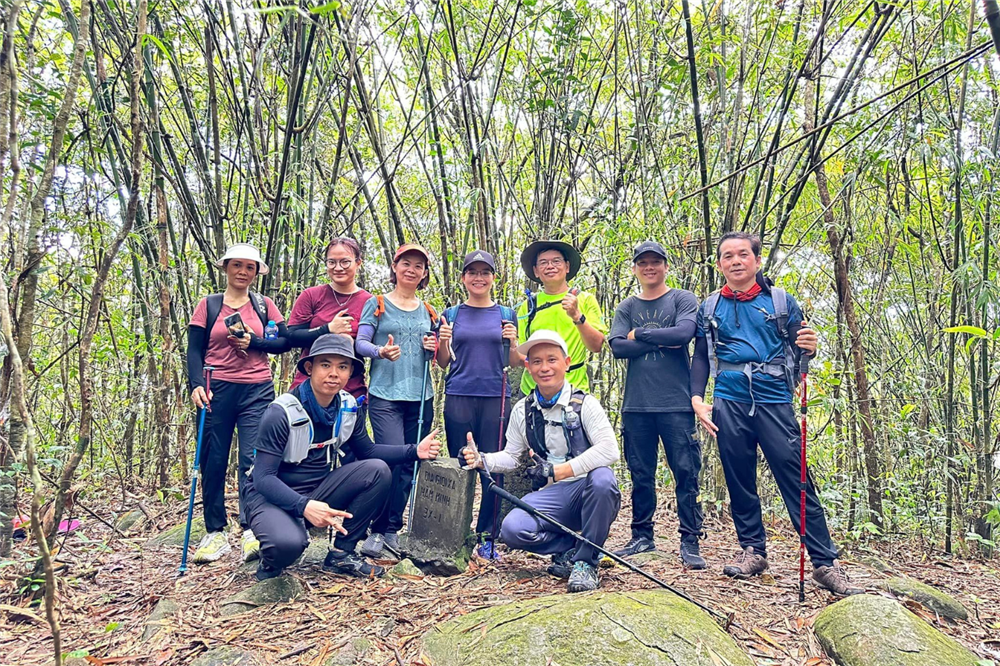
When Is the Best Time for Outdoor Adventures in Vietnam
Essential Planning Tips for First-Time Visitors
Proper preparation plays a crucial role in ensuring that experiences in Vietnam are both safe and deeply rewarding. Although the country offers trails suitable for different fitness levels, terrain, climate, and infrastructure can vary widely between regions. First-time visitors should approach trekking and hiking with thoughtful planning, realistic expectations, and a clear understanding of local conditions before setting out.
Research Routes and Local Regulations
Before choosing specific Vietnam trekking routes, travelers should evaluate elevation profiles, trail duration, seasonal weather patterns, and transportation access. Some protected areas require permits or licensed guides, particularly in remote mountain regions. Preparing carefully for trekking and hiking not only improves safety but also enhances the overall quality of the journey.
Consulting a reputable Vietnam mountain trekking guide provides practical insights into equipment recommendations, route selection, and cultural considerations when passing through minority villages. Experienced local guidance can make trekking and hiking smoother and more secure, especially in areas where trail markings are limited or weather changes unexpectedly.
For a more detailed breakdown of preparation steps, route comparisons, and seasonal insights, travelers can consult this comprehensive Vietnam trekking guide before finalizing their itinerary.
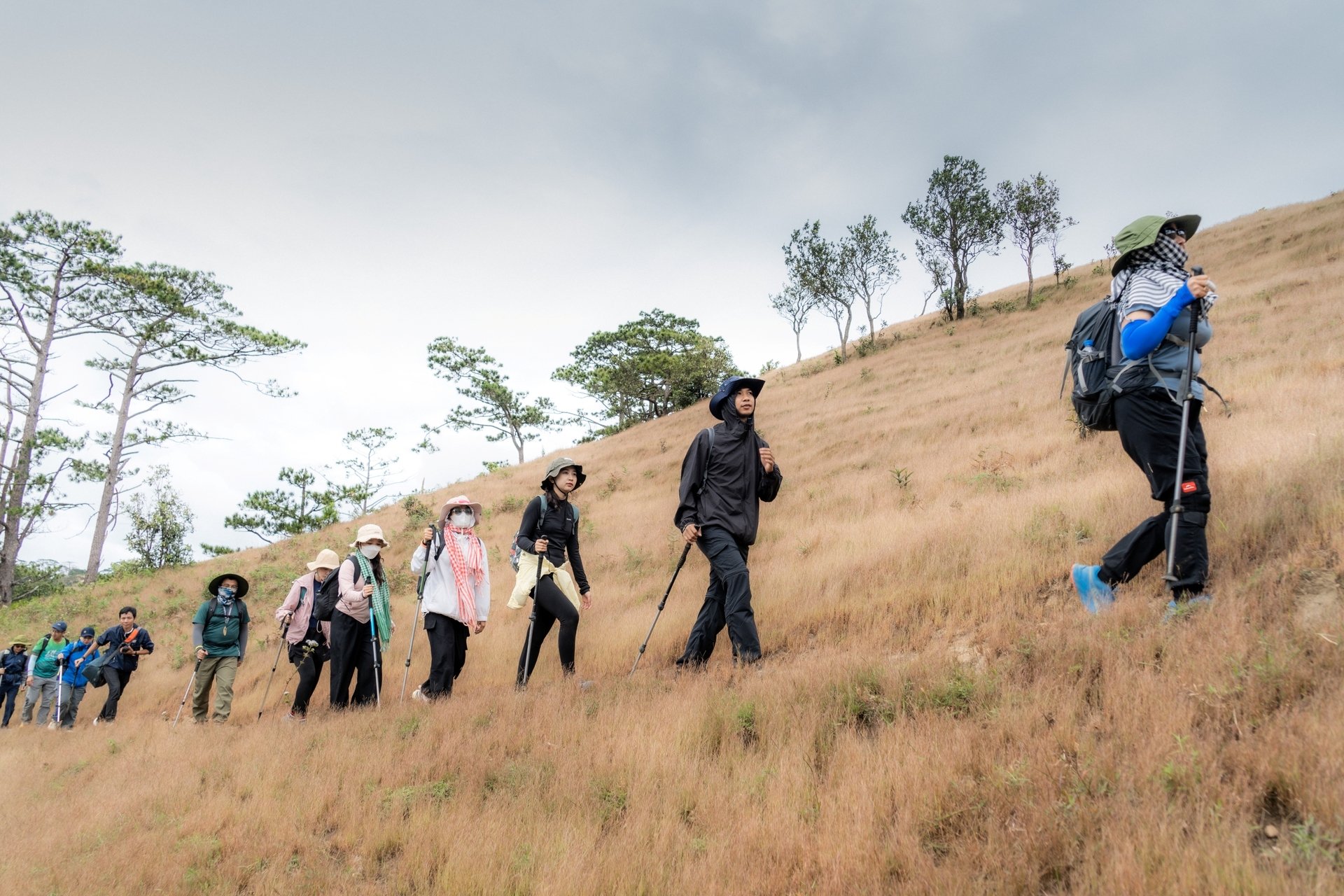
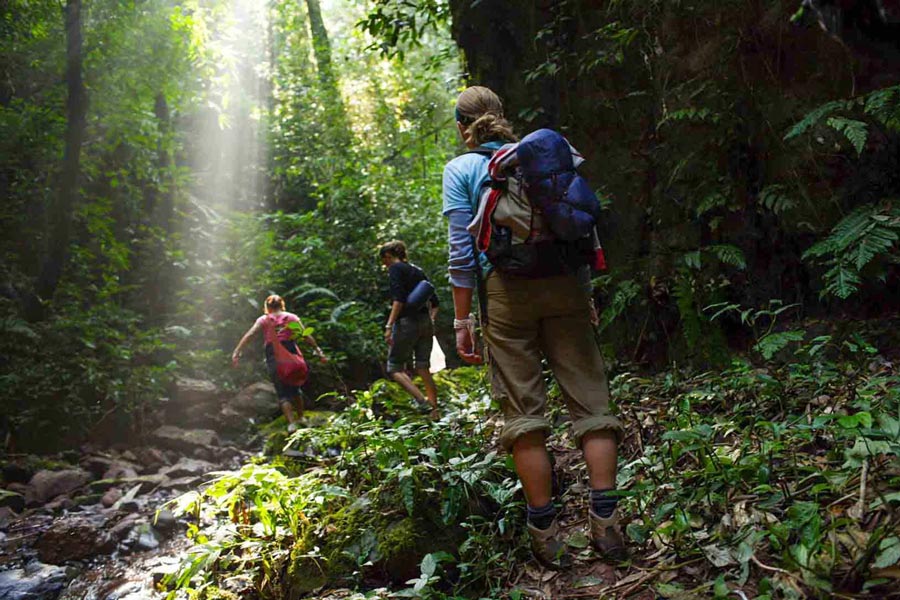
Local guide assisting hikers on a remote mountain trail
Physical Preparation and Safety Awareness
While many routes are accessible to moderately fit travelers, proper physical conditioning significantly improves endurance and enjoyment. Strength training, cardiovascular exercise, and gradual altitude exposure are especially helpful for longer mountain expeditions.
Safety remains essential at every stage. Reliable footwear, weather-appropriate clothing, sufficient hydration, and emergency planning reduce unnecessary risk. In remote areas, traveling with a knowledgeable guide or organized group adds an extra layer of reassurance.
Responsible and Sustainable Travel
Vietnam’s landscapes remain relatively unspoiled compared to many global adventure destinations, making responsible trekking and hiking practices especially important. Visitors should minimize waste, respect wildlife habitats, and adhere to Leave No Trace principles to protect fragile ecosystems.
Equally vital is cultural respect. When trekking and hiking through rural communities, asking permission before photographing residents and supporting locally owned homestays helps sustain village economies. By combining environmental responsibility with cultural sensitivity, travelers contribute to preserving Vietnam’s outdoor heritage for future explorers.
Since weather patterns vary significantly between the North, central, and Southern regions, checking a detailed Vietnam weather by month overview can help you avoid heavy rains and extreme heat.
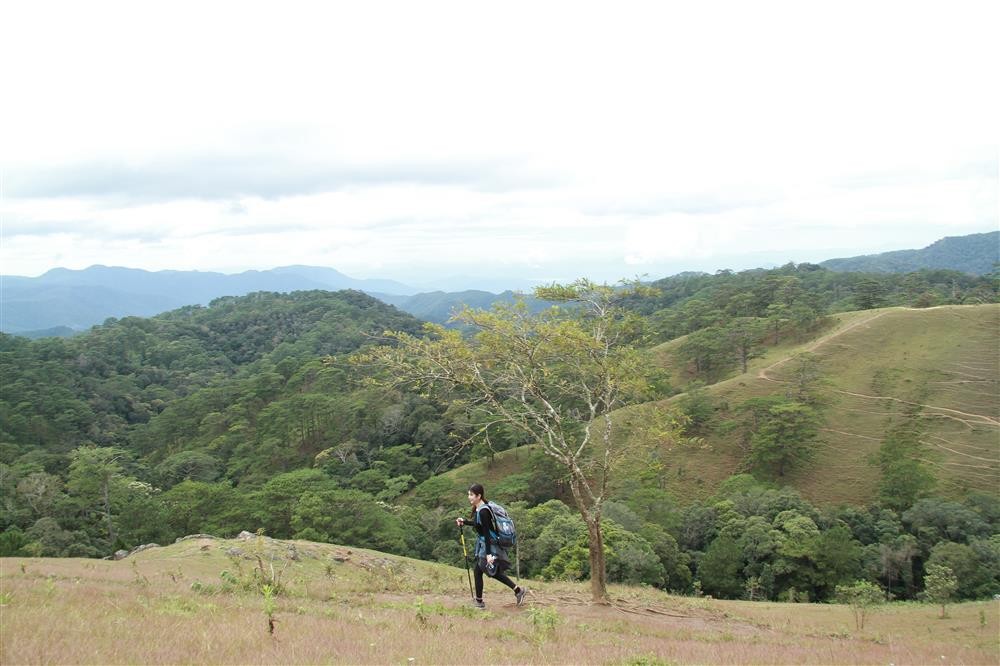
Responsible travelers practicing Leave No Trace principles
Conclusion
Vietnam’s remarkable landscapes, rich cultural heritage, and diverse terrain make it one of Asia’s most compelling destinations for outdoor exploration. With the right preparation and expert local support, trekking and hiking here becomes an unforgettable journey through mountains, jungles, and coastal horizons. If you’re ready to experience Vietnam at its most authentic and adventurous, connect with Best Vietnam Tours to start planning a tailored itinerary designed around your pace and passions.
Get in touch with our team to design your ideal itinerary and access the latest exclusive travel deals.
- WhatsApp: +84.968804998
- Email: info@bestour.net
- Address:No. 55 Bui Thi Xuan Street, Hai Ba Trung Ward, Hanoi, Vietnam
- Fanpage:Best Vietnam Tours