In Vietnam, sharing a drink is far more than a casual activity, it is a ritual of respect, connection, and trust. Understanding drinking etiquette in Vietnam helps travelers navigate lively street gatherings, family celebrations, and formal dinners with confidence. Toasts are enthusiastic, hierarchy is carefully observed, and group harmony often takes priority over individual preference.
For visitors who want deeper cultural insight, recognizing these social nuances makes every shared table more meaningful. At Best Vietnam Tours, we believe true travel experiences come from understanding local traditions, including the unwritten rules that shape everyday interactions across the country.
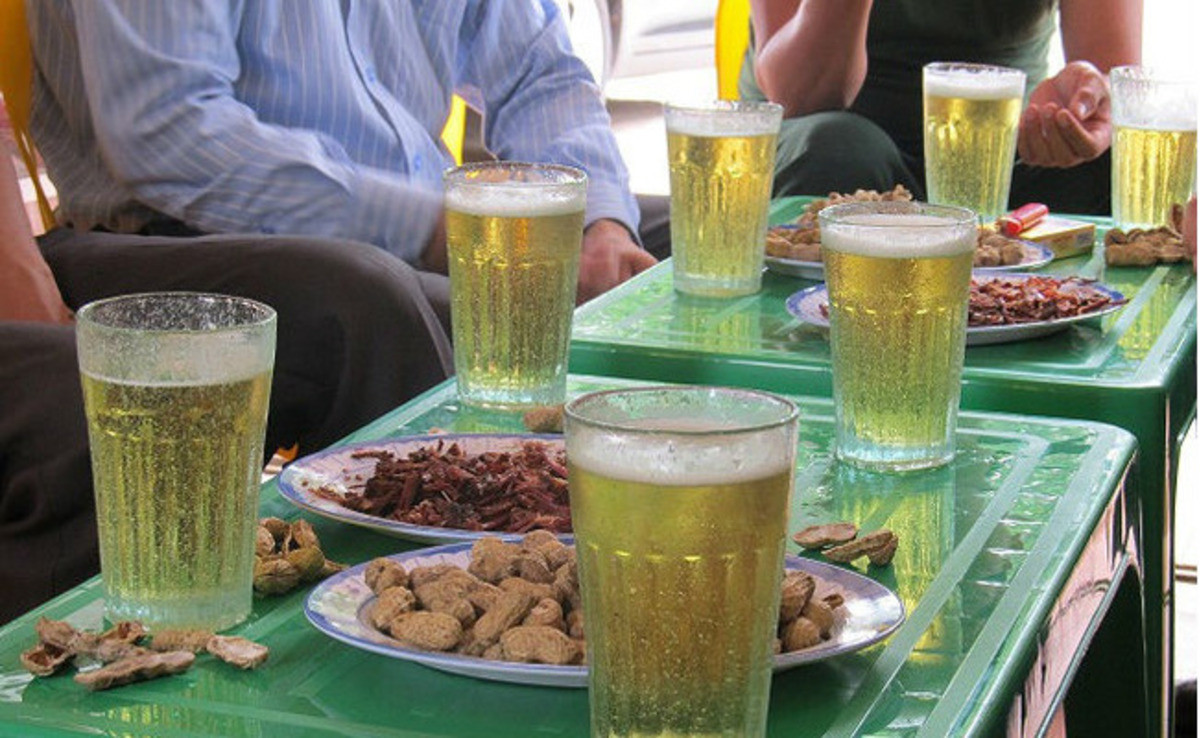
Vietnamese friends raising glasses during a casual evening gathering
Why Drinking Culture Matters in Vietnam
Understanding drinking etiquette in Vietnam requires looking beyond the surface of clinking glasses and lively toasts. In Vietnamese society, sharing alcohol reflects centuries of Vietnam alcohol traditions shaped by Confucian values, village life, and evolving urban influences. A gathering around a table is not simply recreational, it is a social framework where trust, loyalty, and mutual respect are expressed through participation.
Social Bonding and Collective Identity
At its core, drinking etiquette in Vietnam reinforces group belonging rather than individual preference. Meals are communal, dishes are shared, and glasses are raised together in synchronized rhythm. Participation signals goodwill, while enthusiasm demonstrates sincerity. Within broader social customs in Vietnam, harmony consistently outweighs personal convenience, making collective toasting an important symbol of unity.
Foreign visitors often notice that drinking encourages interaction rather than passive attendance. People rarely drink silently or independently; instead, they engage in repeated toasts that acknowledge every individual at the table. The drink itself is secondary to the shared acknowledgment, which strengthens collective identity and reinforces emotional connection.
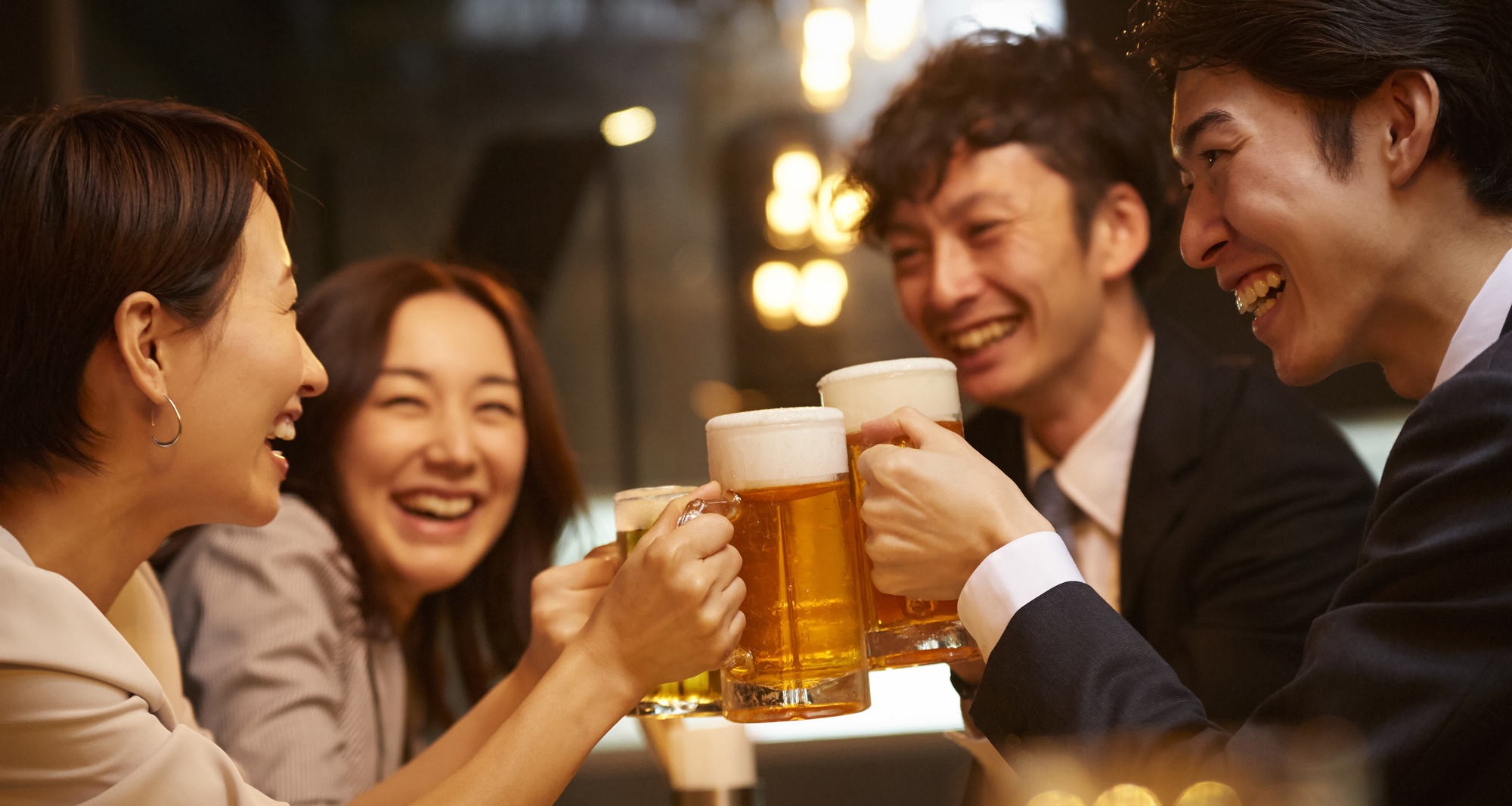
Group cheering together before taking a sip
Respect, Hierarchy, and Age
Respect for hierarchy plays a central role in drinking etiquette in Vietnam, especially when elders or senior figures are present. Age and status subtly influence seating arrangements, who initiates the first toast, and even the height at which glasses are clinked. Younger participants commonly lower their glasses slightly when toasting seniors as a visible gesture of deference.
In professional environments, drinking etiquette becomes an extension of business diplomacy. Understanding when to wait, when to speak, and how to offer a drink politely can shape impressions and long-term relationships. These gestures align closely with Vietnamese table manners, where body language communicates respect just as clearly as spoken words.
Hospitality and Face-Saving Traditions
Hospitality deeply shapes drinking etiquette in Vietnam, particularly in family or community settings. Hosts may enthusiastically encourage guests to drink as a demonstration of warmth and generosity. Accepting at least a symbolic sip acknowledges that goodwill and preserves social harmony.
Equally important is the concept of “face,” which influences drinking etiquette in Vietnam in subtle but powerful ways. Direct refusal or public contradiction can create discomfort, so polite negotiation is generally preferred. By recognizing these unwritten expectations, travelers can participate comfortably while maintaining mutual respect at the table.
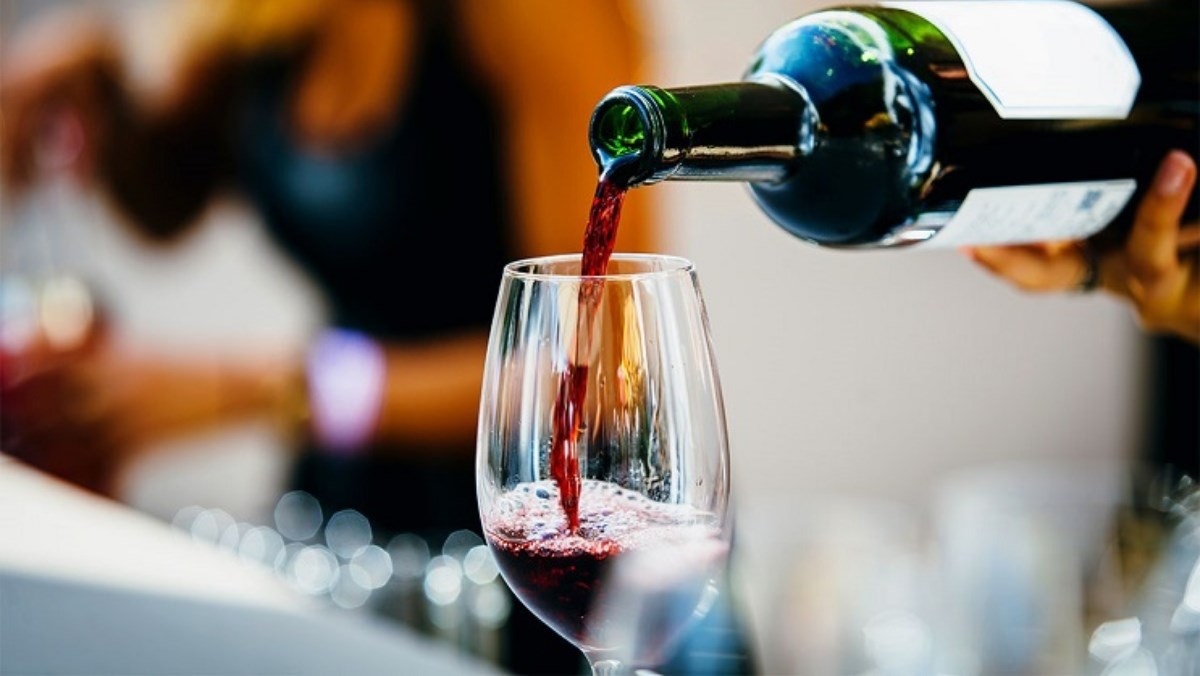
Warm hospitality during a celebration dinner
Historical Roots and Modern Influences
To fully appreciate drinking etiquette in Vietnam, it is essential to understand how history and modernization have shaped today’s social rituals. What travelers experience at a lively dinner table is the result of centuries of agricultural tradition, colonial influence, and rapid economic growth. These layers of history continue to shape how alcohol is consumed, shared, and interpreted in contemporary society.
Traditional Rice Wine and Local Spirits
The foundation of drinking etiquette can be traced to rural communities where homemade rice wine, often distilled in villages, played a central role in ceremonies and communal gatherings. These practices reflect long-standing Vietnamese drinking culture, in which alcohol symbolized gratitude to ancestors, celebration of harvests, and solidarity within the village.
In many regions, especially in the North and central highlands, drinking etiquette in Vietnam developed around shared jars or small cups passed respectfully among participants. The emphasis was not on individual consumption but on collective participation, reinforcing bonds that extended beyond the immediate gathering. Traditional gatherings often feature locally produced rice wine, a beverage deeply rooted in agricultural rituals and ancestral ceremonies across rural Vietnam.
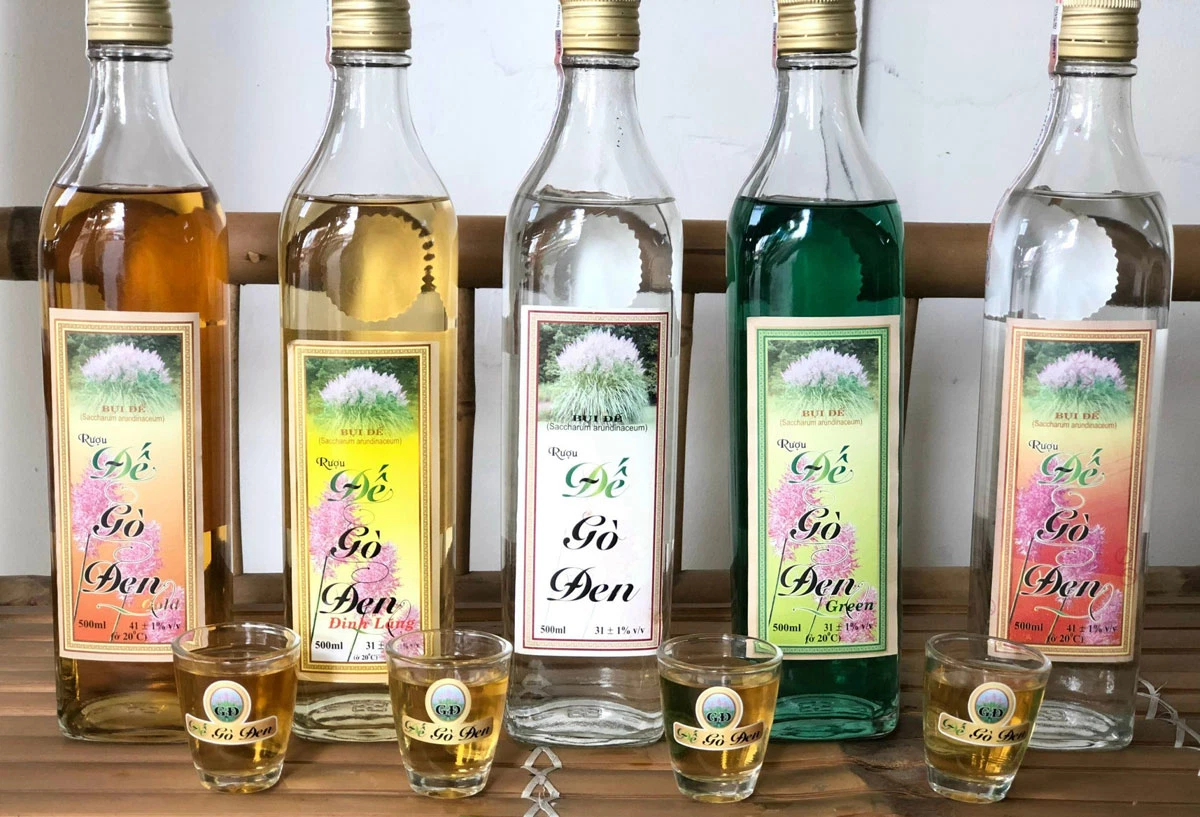
Bottle of traditional rice wine on a wooden table
The Rise of Beer and Urban Drinking Scenes
Modern cities have introduced new dimensions, particularly with the widespread popularity of beer. Sidewalk establishments and casual restaurants have helped define today’s Vietnamese beer culture, where groups gather after work to unwind and strengthen social ties.
Despite the contemporary setting, drinking etiquette in Vietnam remains structured by group toasting and visible engagement. Even in relaxed urban environments, the expectation to participate in rounds of collective cheers reflects continuity rather than departure from tradition. Understanding how to drink in Vietnam involves recognizing this blend of informality and deeply rooted social rhythm.
Regional Differences from North to South
Regional diversity also influences drinking etiquette in Vietnam, with noticeable variations in tone and pace. In Northern areas, gatherings may feel slightly more formal, while Southern cities often display a more spontaneous and expressive style of interaction. These differences are subtle but meaningful for attentive travelers.
Across the country, however, drinking etiquette consistently emphasizes sincerity, reciprocity, and adaptability. Whether attending a family celebration or a city dinner, awareness of these regional nuances allows visitors to respond appropriately without overthinking the experience. To better understand how these traditions shape daily life, explore our in-depth guide to Vietnam culture for tourists.
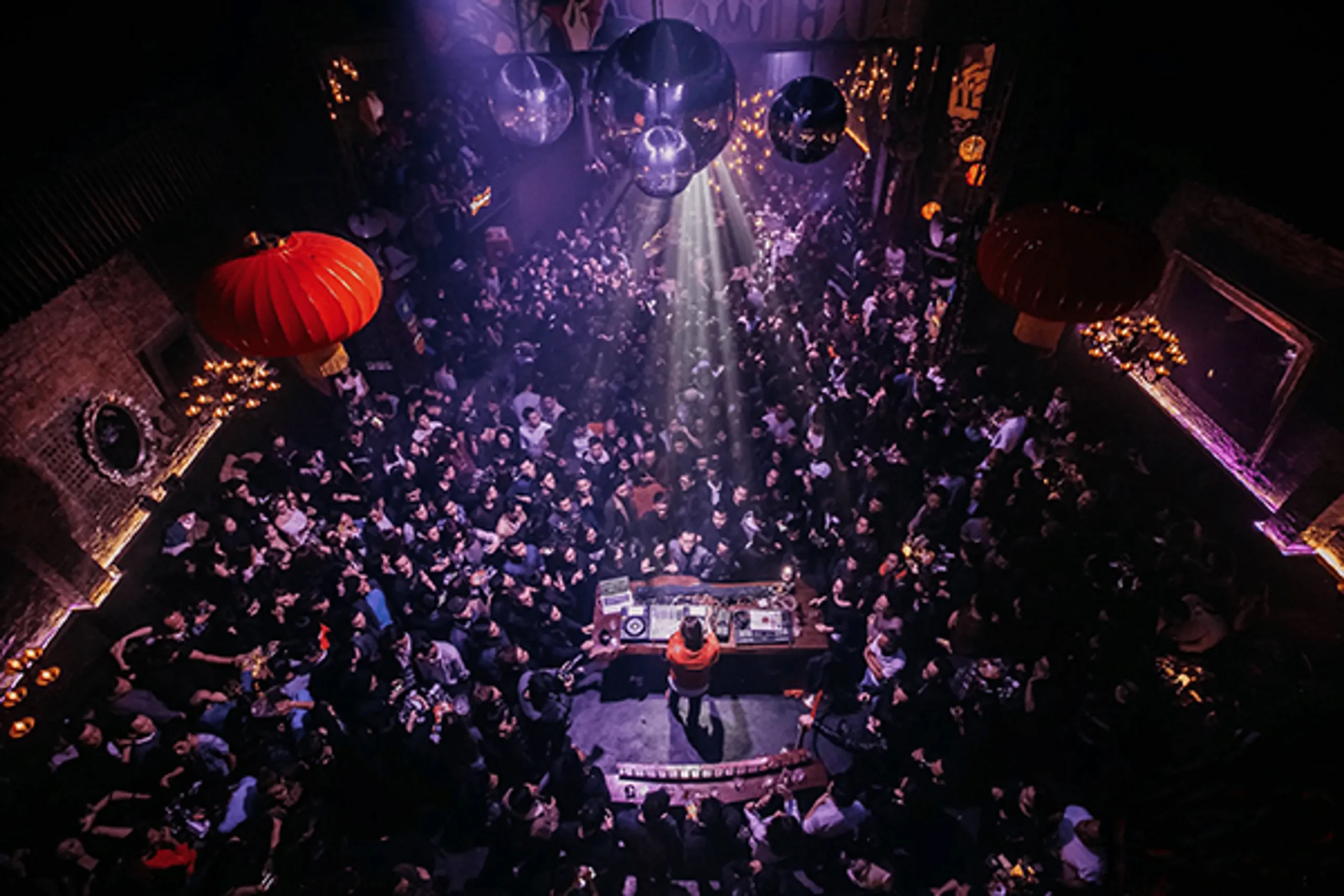
Lively rooftop bar in Southern city
7 Essential Rules You Must Know
Understanding the core principles behind drinking etiquette helps visitors participate confidently rather than cautiously. While each gathering has its own atmosphere, certain patterns appear consistently across regions and generations. The following guidelines summarize the most important drinking rules in Vietnam that every traveler should recognize.
1. Say “Mot, Hai, Ba, Yo!” Before You Drink
Group toasting is central to drinking etiquette in Vietnam, and one of the most recognizable rituals is shouting “Mot, Hai, Ba, Yo!” before taking a sip. This energetic countdown builds collective momentum and reinforces unity at the table.
This practice reflects Vietnamese toast etiquette, where enthusiasm signals friendliness and respect. Even if your pronunciation is imperfect, joining the chant demonstrates willingness to engage and is almost always appreciated.
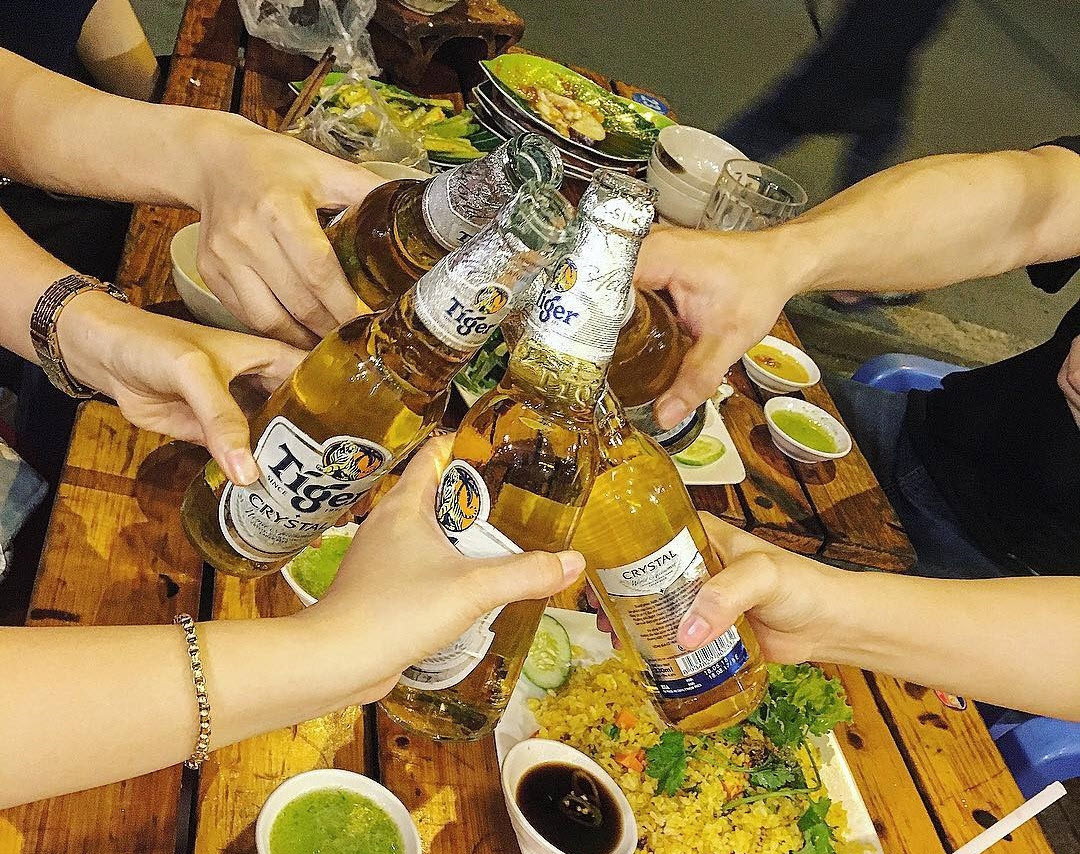
Friends clinking glasses during a lively dinner
2. Let the Elder or Host Lead the First Toast
Hierarchy plays a visible role in drinking etiquette, especially at formal or multi-generational gatherings. It is customary to wait for the host, senior family member, or highest-ranking guest to initiate the first toast. By observing who speaks first and following their lead, you show awareness of structure and cultural sensitivity. Acting too quickly or independently can unintentionally disrupt the social rhythm of the evening.
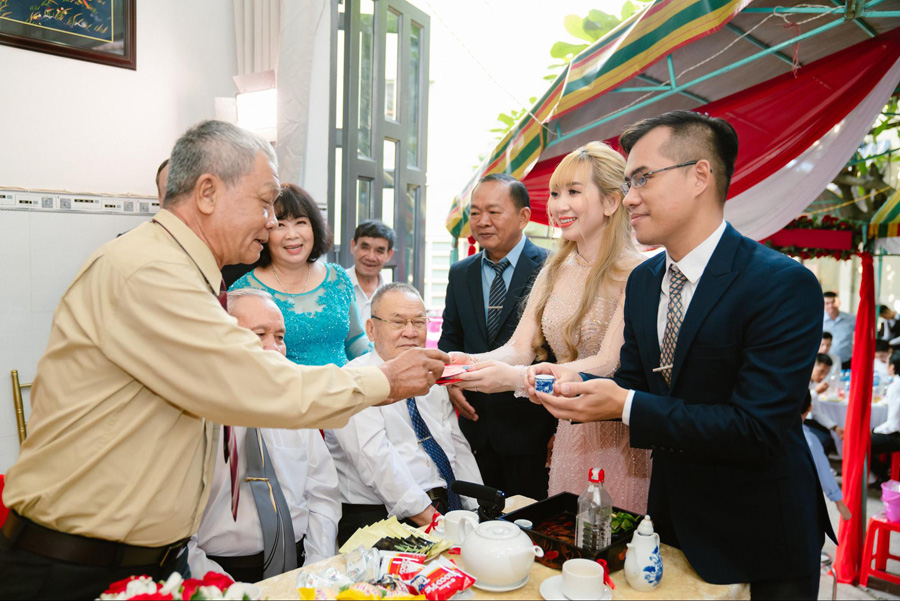
Family members listening respectfully at the table
3. Pour Drinks for Others First
Generosity defines drinking etiquette in Vietnam, and one common expectation is to pour drinks for others before refilling your own glass. This small gesture symbolizes attentiveness and mutual care. When seated beside someone, especially an elder or senior colleague, keeping an eye on their glass demonstrates consideration. The act of serving reinforces equality within the group while still respecting hierarchy.
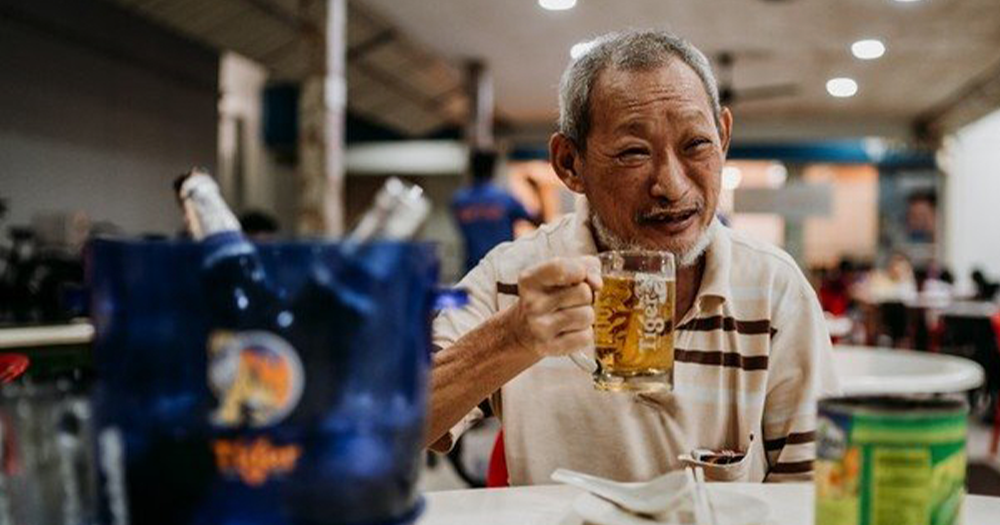
Elder leading the first toast at a family dinner
4. Use Both Hands When Offering a Glass
Body language strongly influences drinking etiquette in Vietnam. When offering a drink, using both hands, particularly in formal settings, conveys sincerity and respect. This subtle gesture aligns with broader social behavior, where physical presentation communicates intention. Even in relaxed environments, adopting this practice can enhance positive impressions.
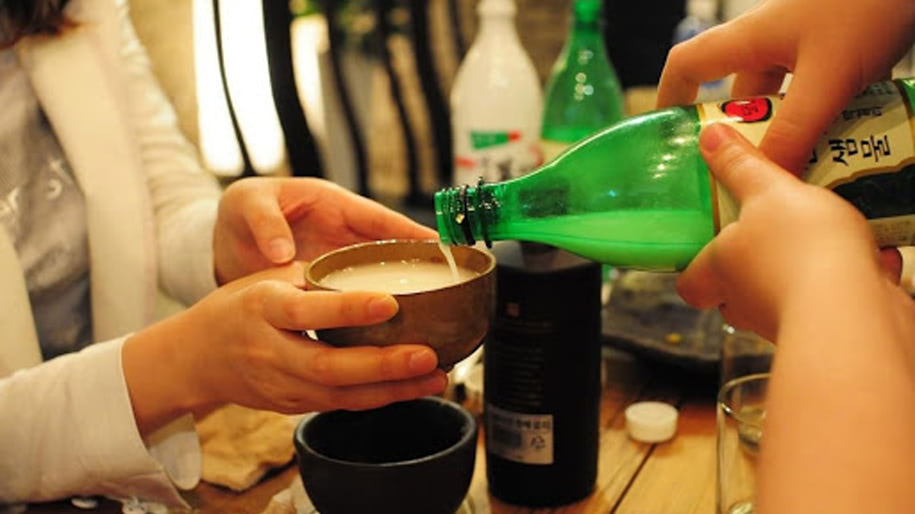
Person presenting a drink politely at the table
5. Keep Your Glass Lower Than Seniors
Visual cues matter in drinking etiquette in Vietnam, and the relative height of glasses during a toast carries symbolic meaning. Younger participants often lower their glasses slightly when clinking with elders. This action is not exaggerated or theatrical; it is discreet but meaningful. Observing such nuance demonstrates attentiveness to hierarchy without interrupting the celebratory mood.
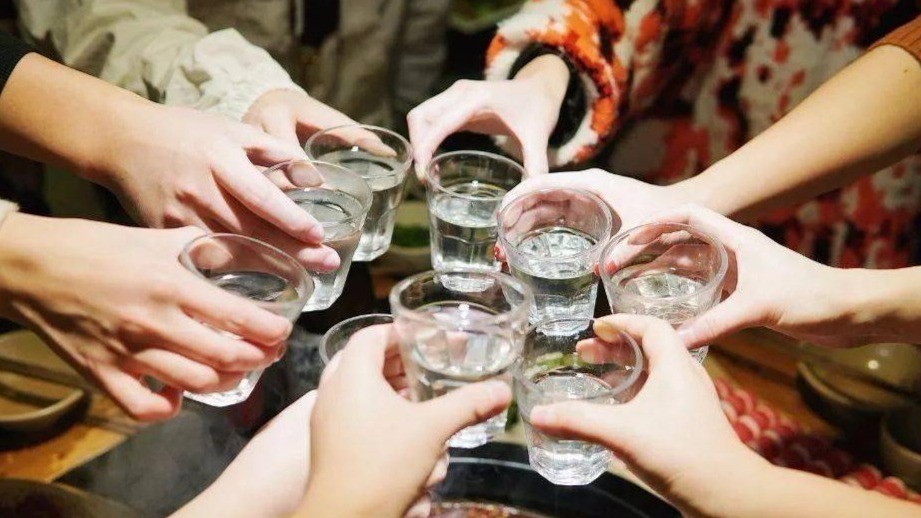
Toast between different generations at dinner
6. Avoid Refusing a Toast Directly
Navigating refusal requires tact within drinking etiquette in Vietnam. Declining a toast abruptly may create discomfort, especially if the invitation comes from a host or respected figure.
If necessary, offering a small sip, explaining health reasons politely, or proposing to drink more slowly are generally acceptable strategies. Understanding the tone of cheers in Vietnam culture helps visitors interpret when enthusiasm is symbolic rather than obligatory.
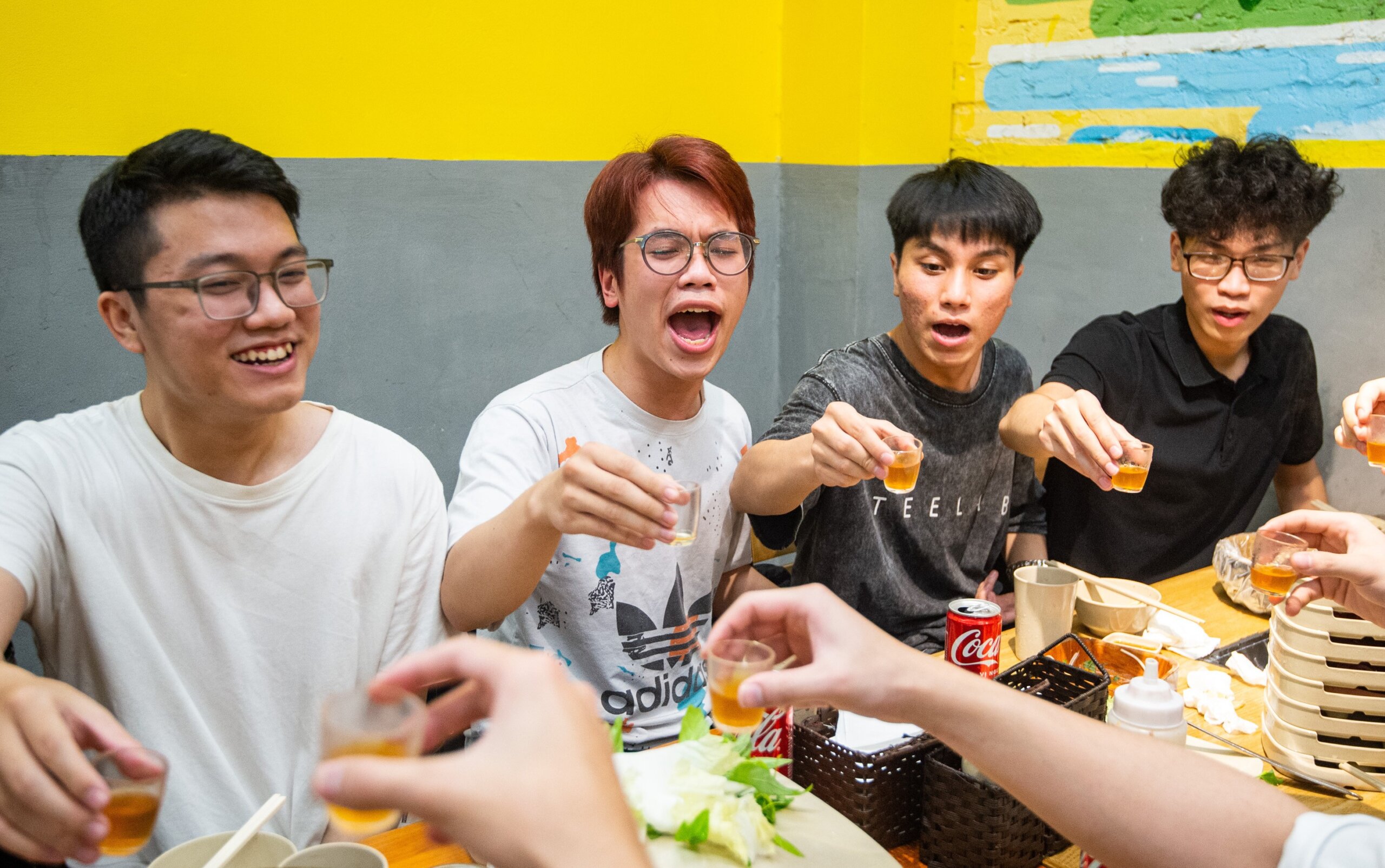
Friendly conversation over drinks at dinner
7. Drink Responsibly and Know Your Limits
While participation is valued, drinking etiquette in Vietnam does not demand excess. Knowing your limits and pacing yourself reflects maturity and self-awareness.
In business environments, especially during Vietnamese business dinner etiquette situations, maintaining composure is crucial. Professional gatherings may involve multiple toasts, but clarity of speech and respectful behavior leave a stronger impression than volume of alcohol consumed.
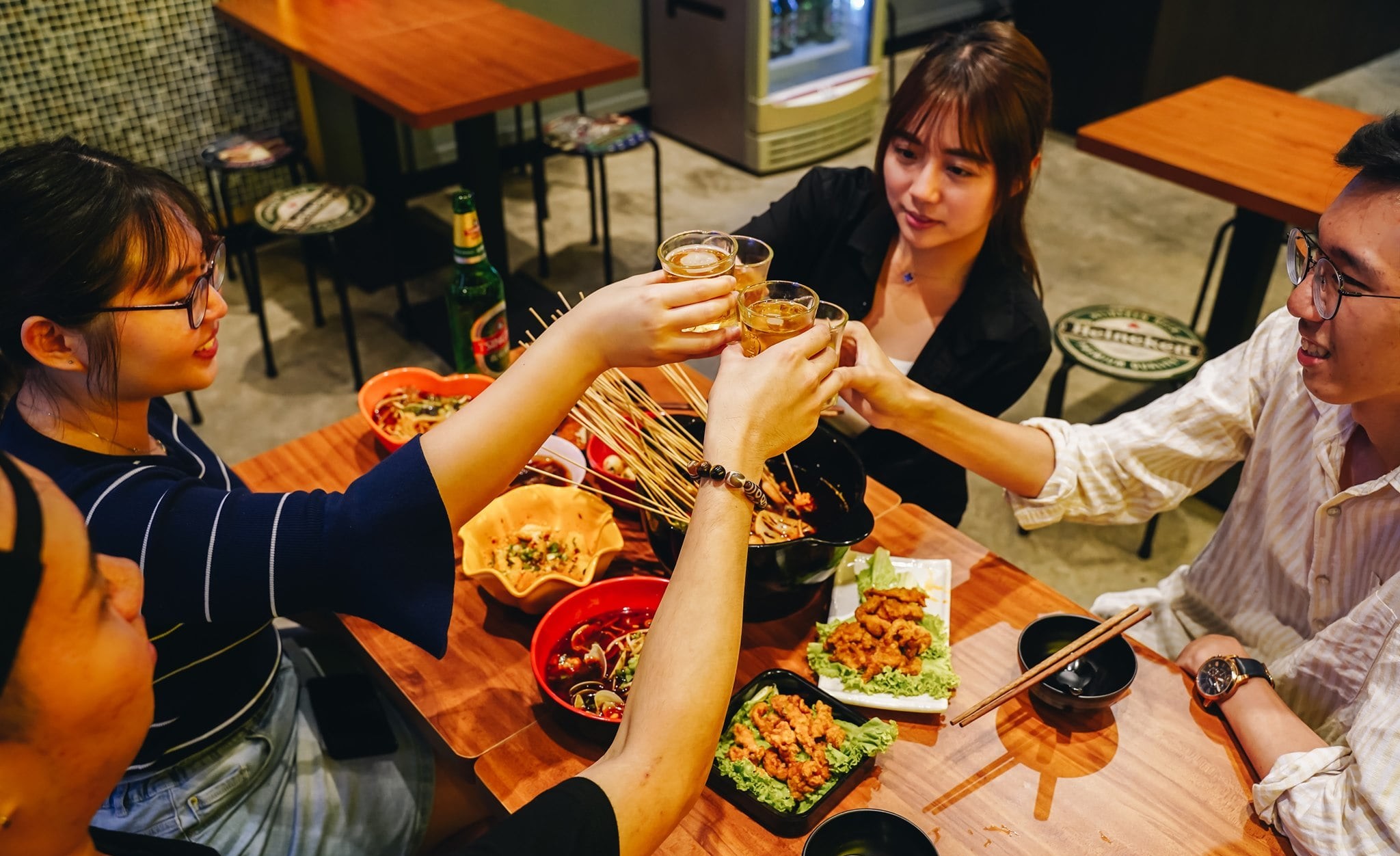
Friends enjoying drinks in a relaxed atmosphere
Drinking Etiquette in Business and Formal Settings
In professional environments, drinking etiquette in Vietnam becomes more structured and strategically significant. Business dinners are not simply social occasions; they often serve as extensions of negotiation, trust-building, and long-term partnership development. Observing subtle behavioral cues during these gatherings can influence how colleagues and clients perceive your professionalism. You can witness this warm hospitality on curated experiences such as our Lan Ha Bay luxury day cruise, where dining, social interaction, and scenic beauty come together seamlessly.
Corporate Dinners and Client Meetings
During formal dinners, drinking etiquette in Vietnam reflects hierarchy more clearly than in casual settings. Seating arrangements often follow rank, and the most senior person typically initiates the first toast. Guests are expected to acknowledge invitations attentively, maintain eye contact during toasts, and respond with visible engagement.
Unlike informal gatherings, business meals may involve multiple rounds of toasting directed toward specific individuals. Understanding drinking etiquette in Vietnam in this context means recognizing that each toast carries symbolic meaning, appreciation, gratitude, or commitment. Participation signals sincerity, while indifference can be misinterpreted as disengagement.
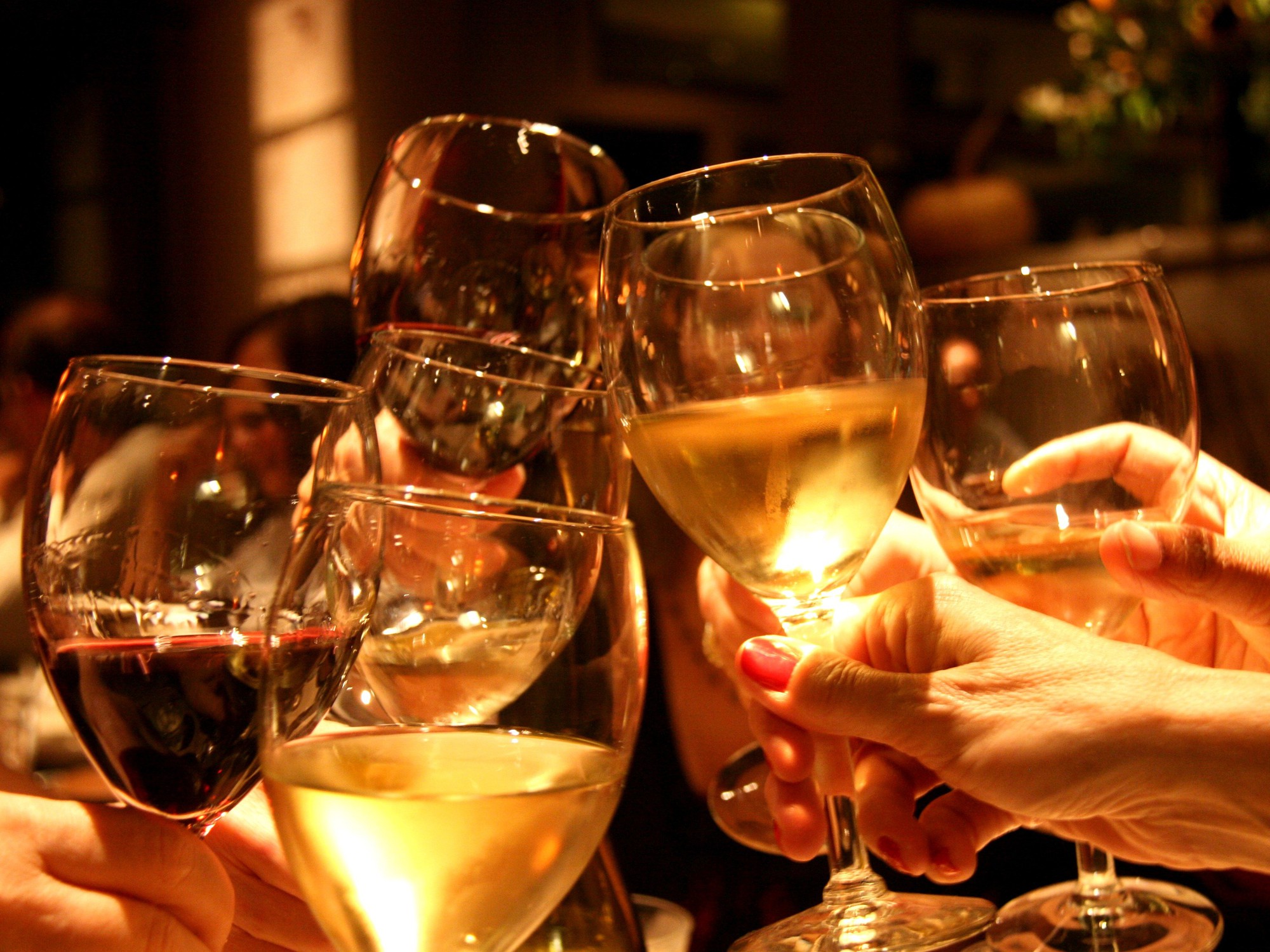
Corporate toast during a client meeting
Navigating Group Expectations with Professionalism
Maintaining composure is central to drinking etiquette in Vietnam during corporate occasions. While enthusiasm is welcome, excessive drinking can undermine credibility. The goal is balance: participate actively, but remain articulate and attentive throughout the evening.
Experienced professionals understand that drinking etiquette in Vietnam rewards consistency and awareness. Monitoring the pace of the group, adjusting your own consumption accordingly, and responding politely to repeated invitations demonstrate cultural intelligence without compromising personal limits.
How to Politely Decline Alcohol in Formal Settings
There are moments when declining alcohol becomes necessary, and drinking etiquette in Vietnam allows room for respectful alternatives. Health reasons, early commitments, or light consumption preferences can be explained calmly and privately rather than announced publicly.
When handled tactfully, declining does not damage rapport. In fact, demonstrating honesty while still engaging in conversation aligns with the broader principles, respect, sincerity, and preservation of group harmony. Offering to raise a glass of water or tea can maintain participation without creating discomfort.
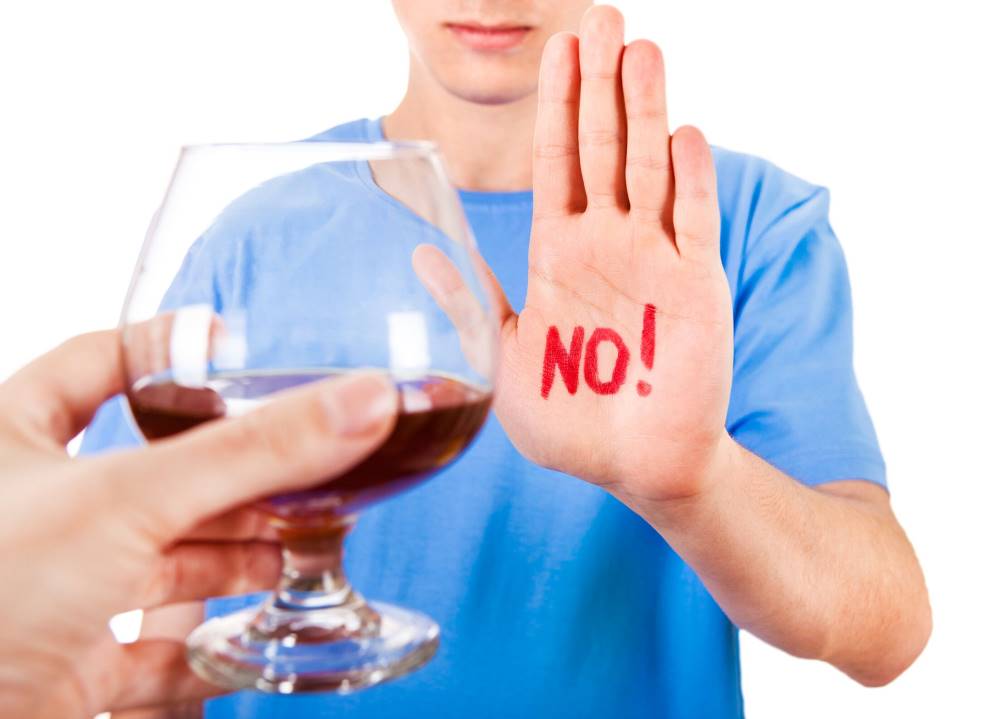
Polite smile while declining a drink
Common Mistakes Foreigners Often Make
Even well-intentioned travelers can misinterpret drinking etiquette in Vietnam when viewing it through a purely Western lens. What feels casual or harmless in one culture may carry different implications in another. Recognizing common missteps allows visitors to adjust smoothly and avoid unnecessary awkwardness. Many of these misunderstandings come from not fully understanding broader Vietnamese social norms. For a deeper understanding, explore our complete guide to Vietnam etiquette for foreigners.
Drinking Too Quickly
One frequent misunderstanding of drinking is assuming that speed equals enthusiasm. Some foreigners attempt to impress hosts by finishing drinks rapidly, believing it signals friendliness or stamina. In reality, excessive pace can disrupt the group rhythm and create pressure for others to match.
Social gatherings are often structured around multiple rounds of toasts rather than individual consumption. Understanding drinking in Vietnam means pacing yourself according to the collective flow, not personal habit. Moderation demonstrates awareness, which is often more valued than bravado.
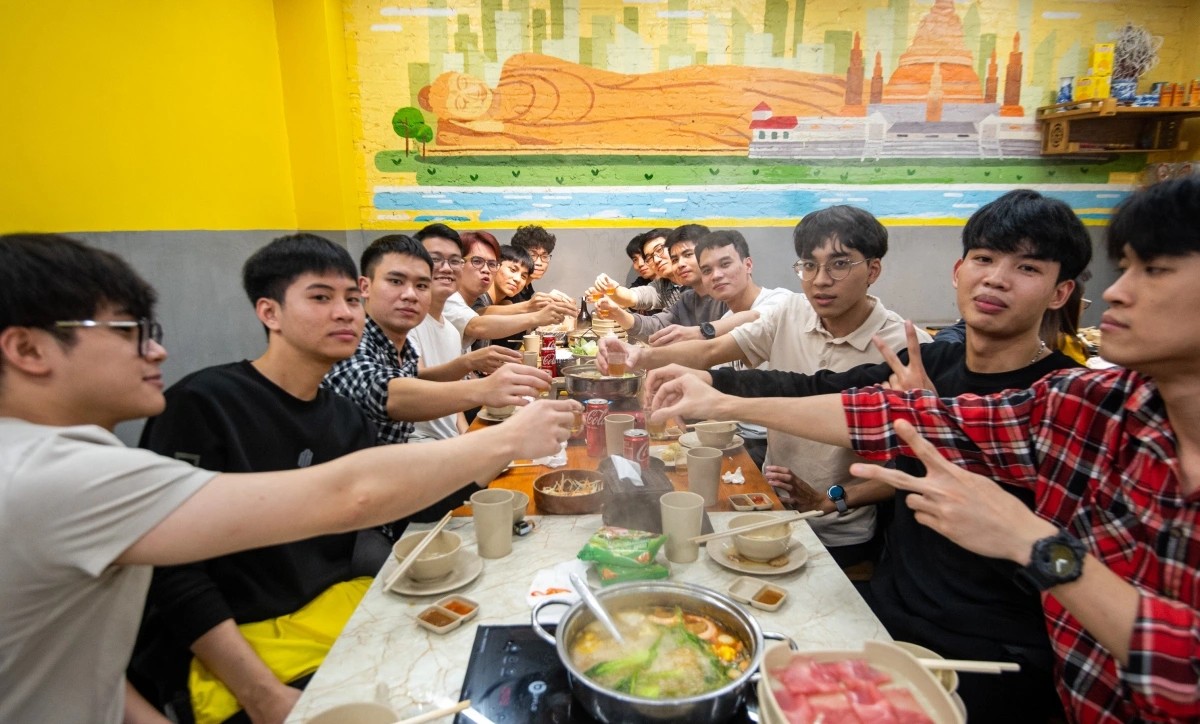
Traveler drinking too quickly at a group dinner
Ignoring Hierarchy at the Table
Another common mistake related to drinking etiquette in Vietnam involves overlooking subtle hierarchy. Sitting randomly, initiating the first toast without observing seniority, or clinking glasses too casually with elders can unintentionally appear disrespectful.
Hierarchy is rarely enforced verbally; it is communicated through gesture and timing. Paying attention to who speaks first, who receives the most acknowledgment, and how others position their glasses will clarify expectations. Respecting these signals ensures smoother interaction without requiring formal instruction.
Misreading Group Dynamics
Some visitors misunderstand drinking etiquette in Vietnam by interpreting repeated toasts as competitive or coercive. In many cases, the enthusiasm is symbolic rather than literal. The goal is shared participation, not personal endurance.
Interpreting tone accurately is key. Laughter, animated voices, and frequent cheers are part of collective expression, not necessarily pressure. By observing facial expressions and adapting calmly, travelers can engage comfortably without feeling overwhelmed. Before you travel, check out our practical Vietnam travel tips to stay prepared and confident throughout your journey.
Refusing Participation Abruptly
Abrupt refusal is another area where drinking etiquette in Vietnam may be misread. A direct “no” without explanation can create unintended tension, particularly if offered publicly during a toast.
Instead, a gentle smile, a brief explanation, or a small symbolic sip maintains harmony. Even when limiting alcohol intake, staying engaged in conversation preserves the spirit of inclusion that defines drinking etiquette in Vietnam.
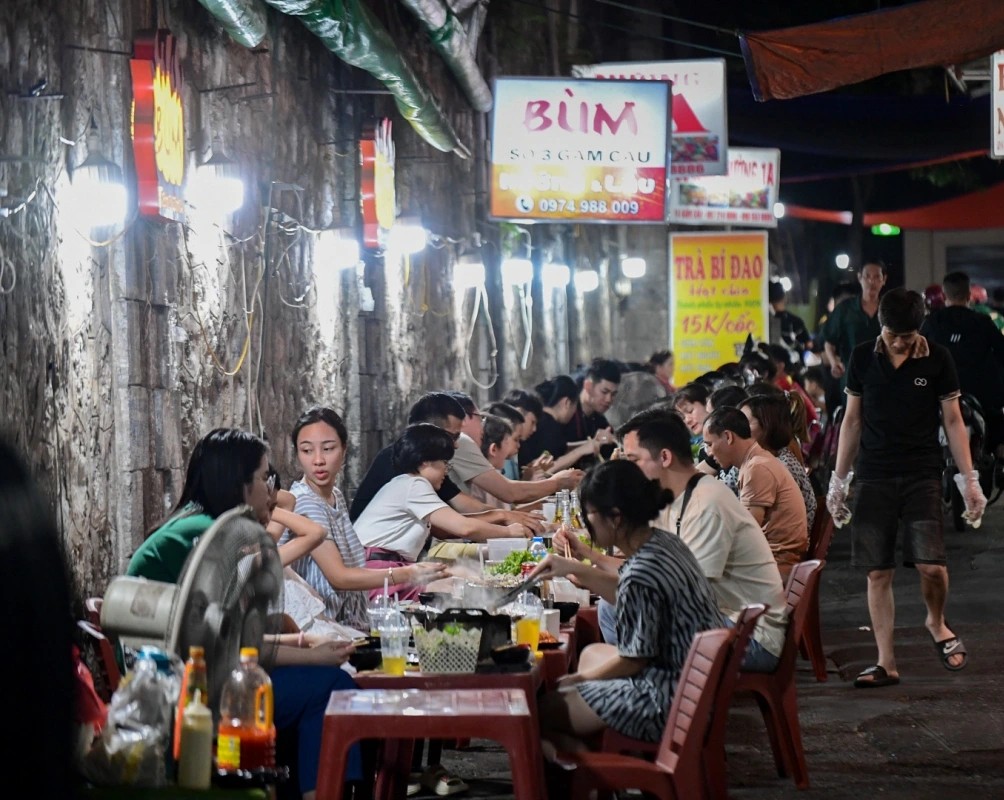
Casual local restaurant in the evening
Conclusion
Understanding drinking etiquette in Vietnam transforms a simple shared drink into a meaningful cultural experience. Beyond the lively toasts and clinking glasses lies a system of respect, hierarchy, and collective harmony that shapes social and professional relationships across the country. When travelers approach the table with awareness and openness, they are welcomed not just as guests, but as participants in a deeply rooted tradition.
If you want to explore Vietnam beyond the surface and truly connect with its people, cultural insight matters just as much as itinerary planning. At Best Vietnam Tours, we believe authentic travel begins with understanding local customs – from dining traditions to everyday social rituals. Join us to experience Vietnam with confidence, respect, and a deeper appreciation for the moments that bring people together.