
Vietnam’s culinary identity thrives on its vibrant sidewalks, where generations of cooks transform simple ingredients into unforgettable meals. Street food in Vietnam is more than a quick bite, it reflects regional heritage, daily routines, and a deep respect for balance in flavor and texture. From steaming noodle soups at dawn to lively evening stalls filled with locals, each dish offers a window into the country’s culture.
For travelers seeking meaningful experiences, exploring these roadside flavors is essential. With carefully curated journeys by Best Vietnam Tours, visitors can discover authentic tastes while gaining insight into the stories behind every recipe. This guide highlights seven iconic dishes that define Vietnam’s dynamic street dining scene and explains why it continues to captivate food lovers around the world.
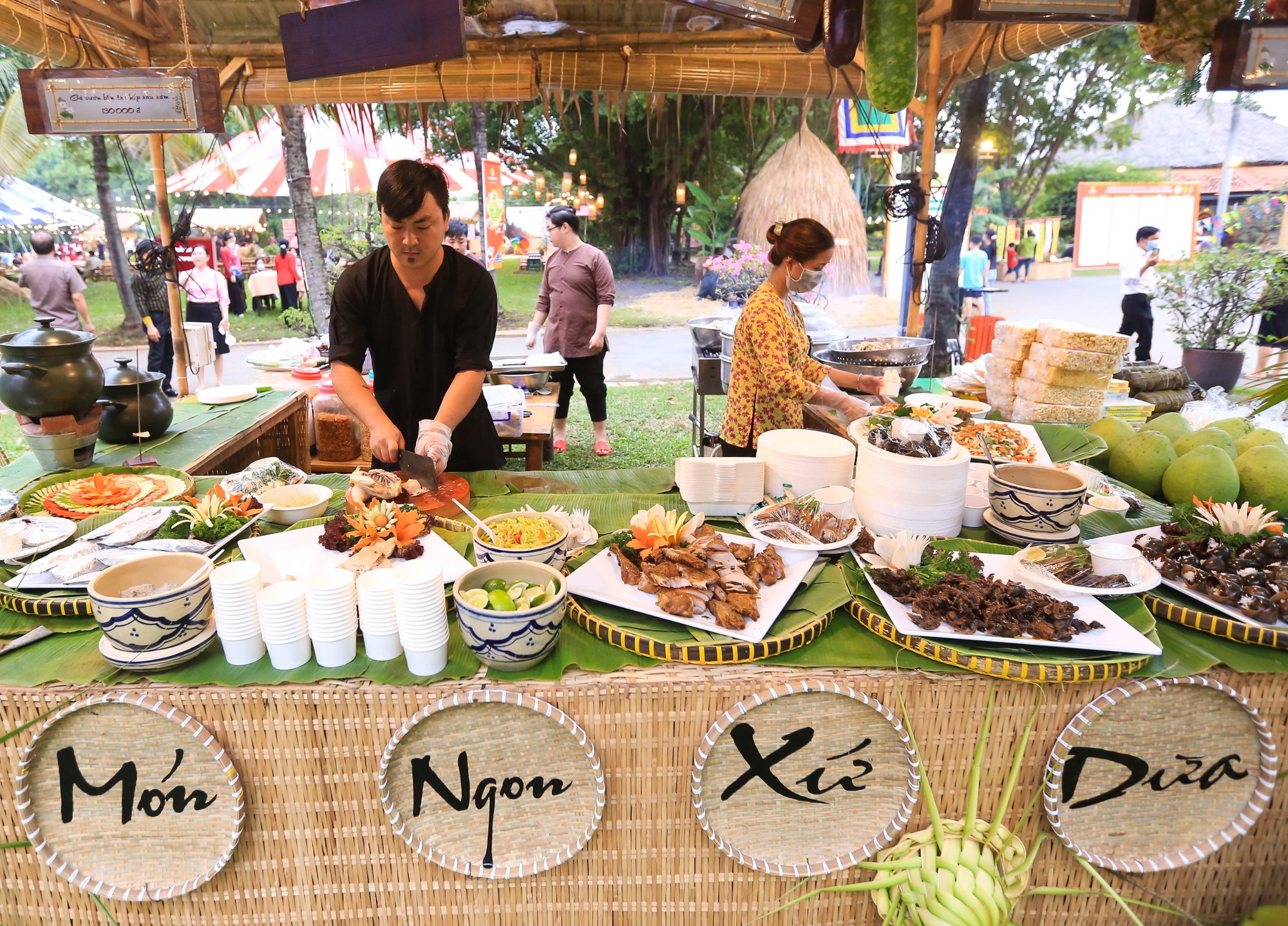
Busy food vendors serving fresh dishes in Vietnam
Why Vietnamese Street Food Is Loved Worldwide
For many travelers, the first encounter with street food in Vietnam feels like stepping into a living culinary theater. From sunrise markets to late-night corners filled with locals, meals are prepared in full view, turning everyday cooking into a shared cultural experience. This openness creates trust and excitement, inviting visitors to explore flavors that are deeply rooted in history yet vibrant in the present.
A Culture of Sidewalk Dining
At the heart of street food in Vietnam lies a tradition of sidewalk dining that connects communities across generations. Small family-run stalls often specialize in just one signature dish, perfected over decades. Sitting on low stools among office workers, students, and grandparents allows travelers to experience daily Vietnamese life in its most authentic form, where food is not staged for tourists but enjoyed as part of ordinary routines.
Fresh Ingredients and Balanced Flavors
Another reason street food in Vietnam attracts global admiration is its remarkable balance of taste and texture. Fresh herbs, crisp vegetables, slow-simmered broths, and carefully grilled meats combine to create harmony rather than heaviness. Instead of overpowering spices, subtle contrasts between sweet, sour, salty, and spicy elements define the culinary identity. This philosophy reflects the country’s agricultural diversity and its deep respect for natural ingredients.
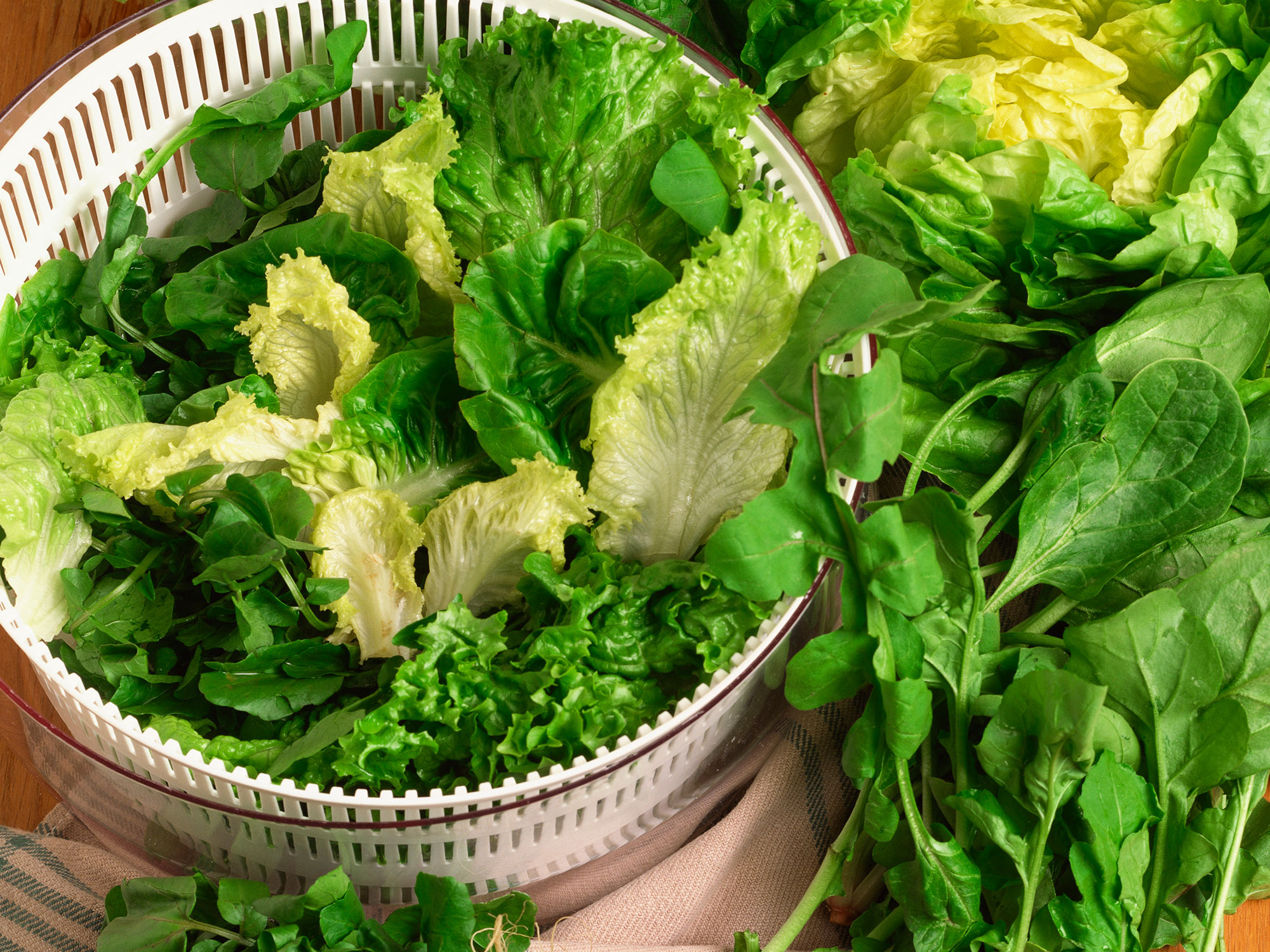
Fresh aromatic herbs served with traditional dishes
Affordable Culinary Adventures
Beyond flavor, street food in Vietnam is celebrated for its accessibility and value. Travelers can enjoy high-quality meals at prices that encourage exploration, sampling multiple specialties in a single evening without hesitation. This affordability transforms dining into an adventure, allowing visitors to discover regional variations and local techniques while staying immersed in the rhythm of the streets.
7 Must-Try Street Food Dishes in Vietnam
Exploring street food means discovering dishes that reflect regional identity, historical influence, and everyday life. From delicate broths in the North to bold, herb-filled creations in the South, each specialty carries its own story. These seven dishes are not only delicious but essential for understanding how Vietnam’s culinary culture evolved through centuries of trade, migration, and local creativity.
Pho – Vietnam’s National Noodle Soup
No discussion of street food would be complete without pho. This fragrant noodle soup, traditionally made with slow-simmered beef or chicken broth, rice noodles, and fresh herbs, is often enjoyed at breakfast but available throughout the day. Vendors begin preparing broth before sunrise, allowing bones and spices like star anise and cinnamon to infuse for hours.
Served steaming hot with lime, chili, and fresh greens on the side, pho represents balance and simplicity. Its global recognition has made it one of the most famous Vietnamese street food icons, yet tasting it from a humble roadside stall offers a depth of flavor rarely replicated elsewhere. Pho has gained international recognition over the past decades and is widely considered one of Vietnam’s most iconic culinary exports, with historical roots that continue to influence modern interpretations.
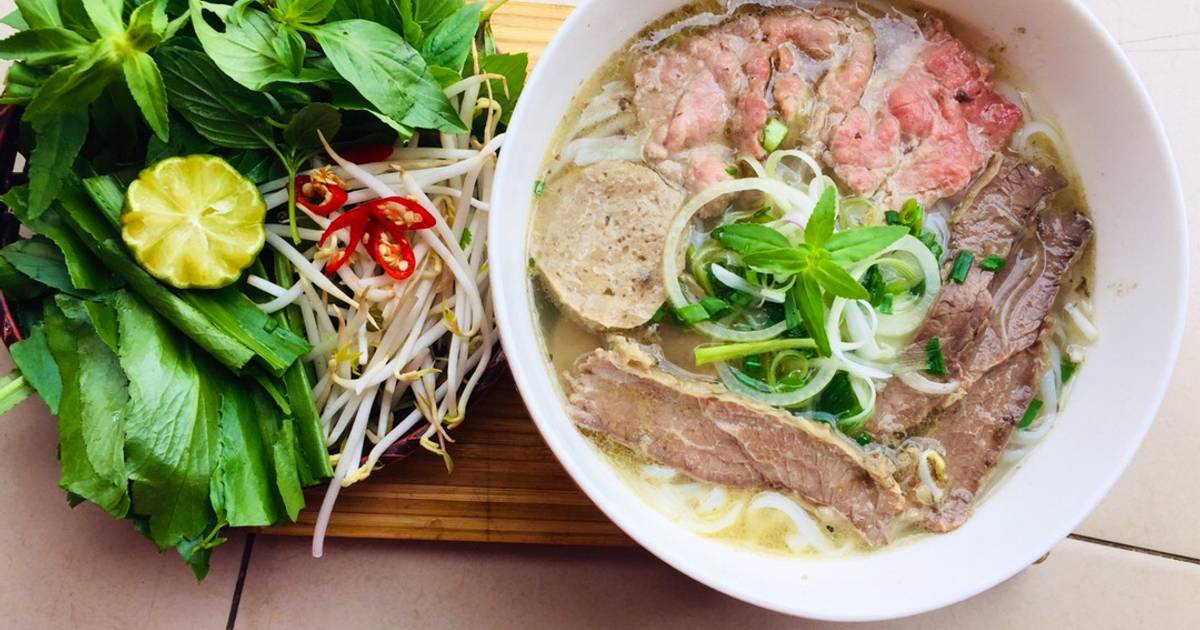
Steaming beef noodle soup with fresh herbs
Banh Mi – The Iconic Vietnamese Sandwich
Crisp on the outside and airy within, banh mi reflects Vietnam’s historical fusion of French and local influences. A light baguette is filled with grilled meats, pickled vegetables, pâté, fresh herbs, and chili sauce. The contrast between crunchy bread and savory fillings creates a satisfying texture that defines street food in Vietnam for many first-time visitors.
What makes banh mi remarkable is its portability. Busy commuters often grab one on their way to work, while travelers appreciate it as a quick yet flavorful meal. This sandwich has become one of the best street food in Vietnam choices for those seeking both convenience and bold taste.
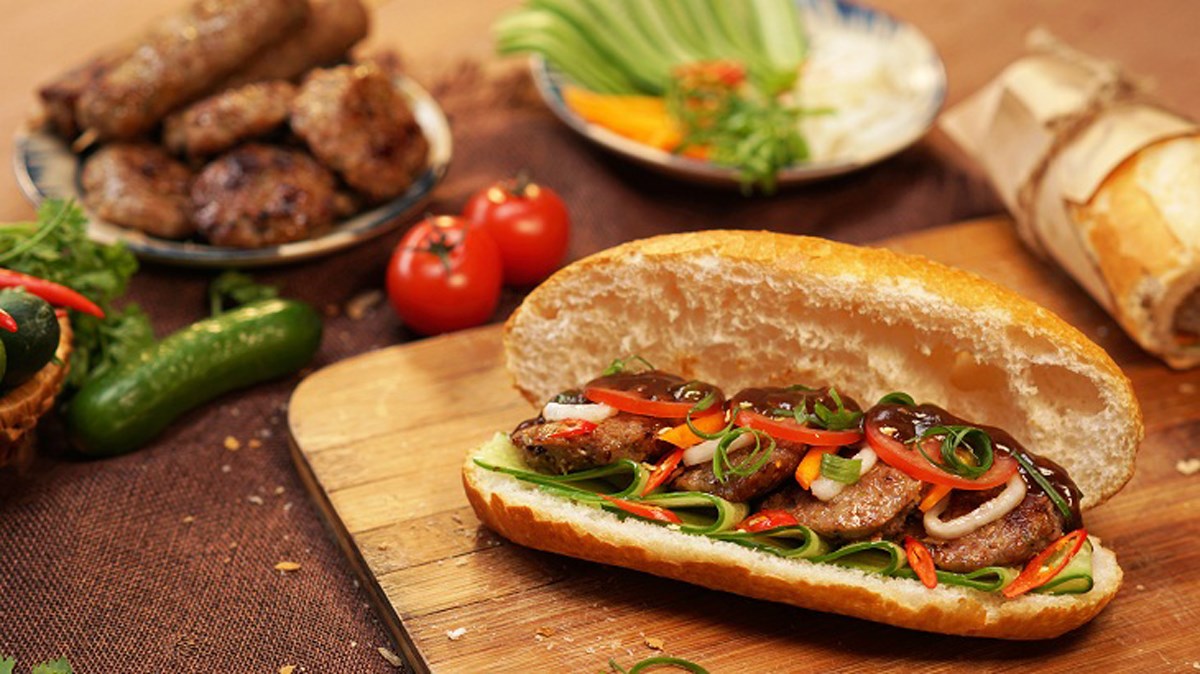
Crispy baguette filled with pickles and grilled pork
Bun Cha – Grilled Pork with Noodles
Originating in the North, bun cha consists of charcoal-grilled pork served with rice vermicelli, fresh herbs, and a dipping sauce that blends sweetness, acidity, and umami. The smoky aroma drifting through narrow streets often signals that a vendor is preparing this beloved dish.
Experiencing bun cha at a small roadside setup highlights the communal spirit of street food in Vietnam. Diners assemble each bite themselves, combining noodles, herbs, and slices of grilled meat. This interactive style of eating makes it one of the must-try Vietnamese street food experiences for travelers seeking authenticity.
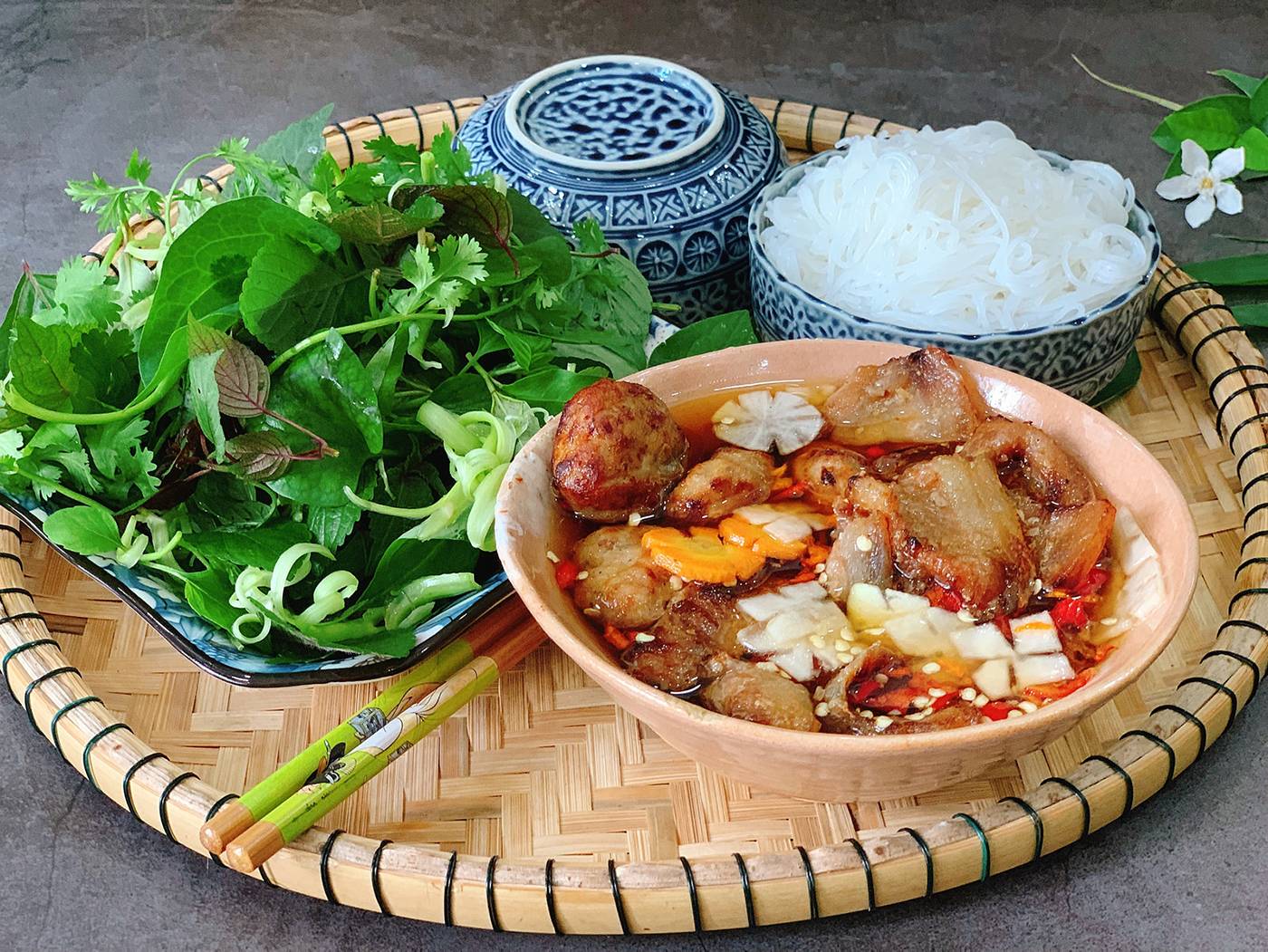
Rice noodles served with grilled meat and dipping sauce
Goi Cuon – Fresh Spring Rolls
Light, refreshing, and visually appealing, goi cuon showcases the healthier side of street food. Translucent rice paper wraps around shrimp, pork, vermicelli, and crisp herbs, served with a rich peanut dipping sauce. Unlike fried rolls, these are enjoyed fresh, emphasizing texture and natural flavor.
Often prepared in front of customers, goi cuon demonstrates how Vietnamese cooking values balance over heaviness. It is commonly recommended in any Vietnam food travel guide for visitors who prefer something light yet satisfying.
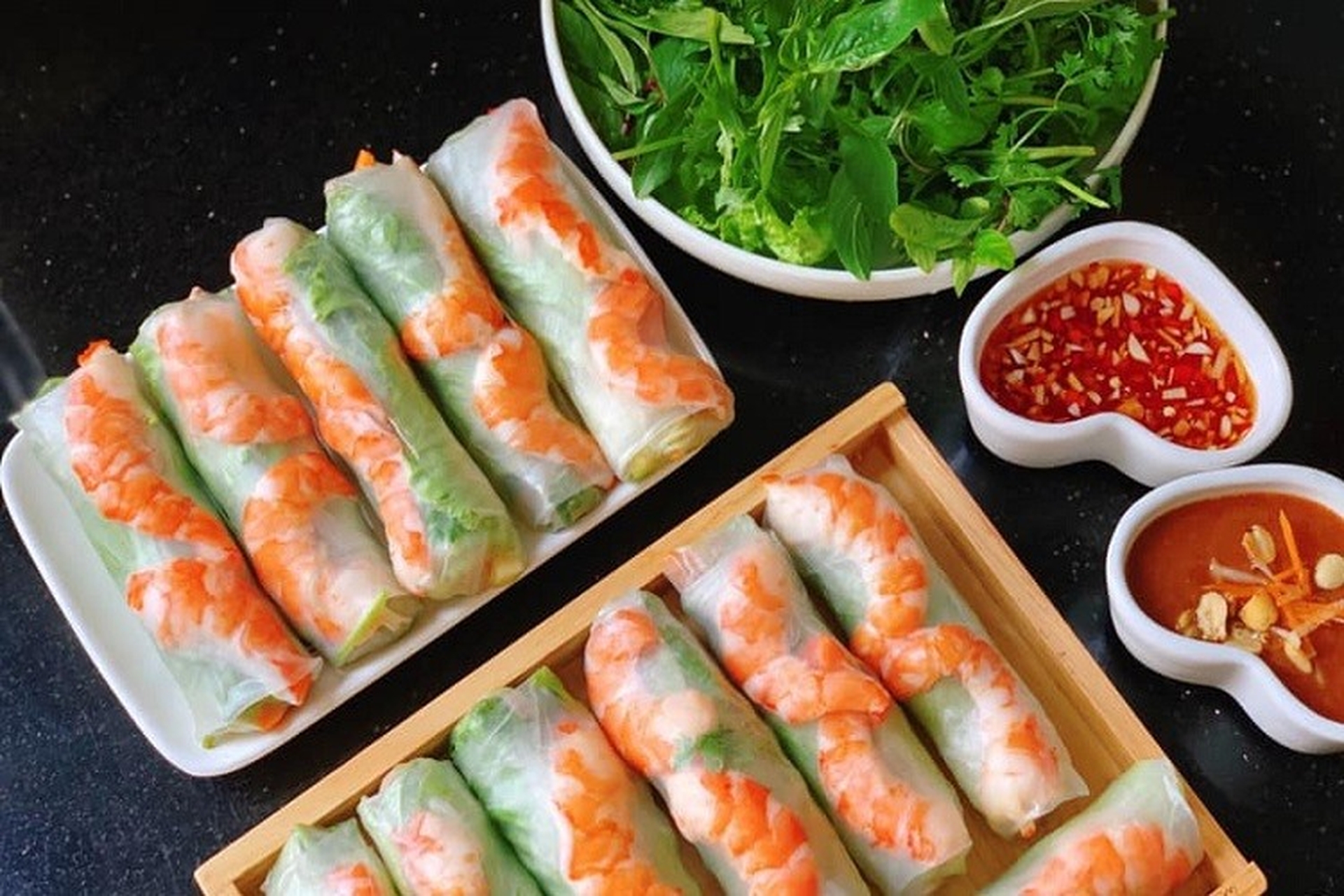
Peanut dipping sauce served with spring rolls
Banh Xeo – Crispy Savory Pancake
The sizzling sound of batter hitting a hot pan is unmistakable in street food in Vietnam stalls specializing in banh xeo. Made from rice flour tinted yellow with turmeric, the pancake is filled with pork, shrimp, and bean sprouts before being folded in half.
Diners typically tear pieces of the crispy pancake, wrap them in lettuce leaves with herbs, and dip them into fish sauce. This combination of crunch, freshness, and bold seasoning illustrates why it remains a favorite among lovers of Vietnamese street food dishes.
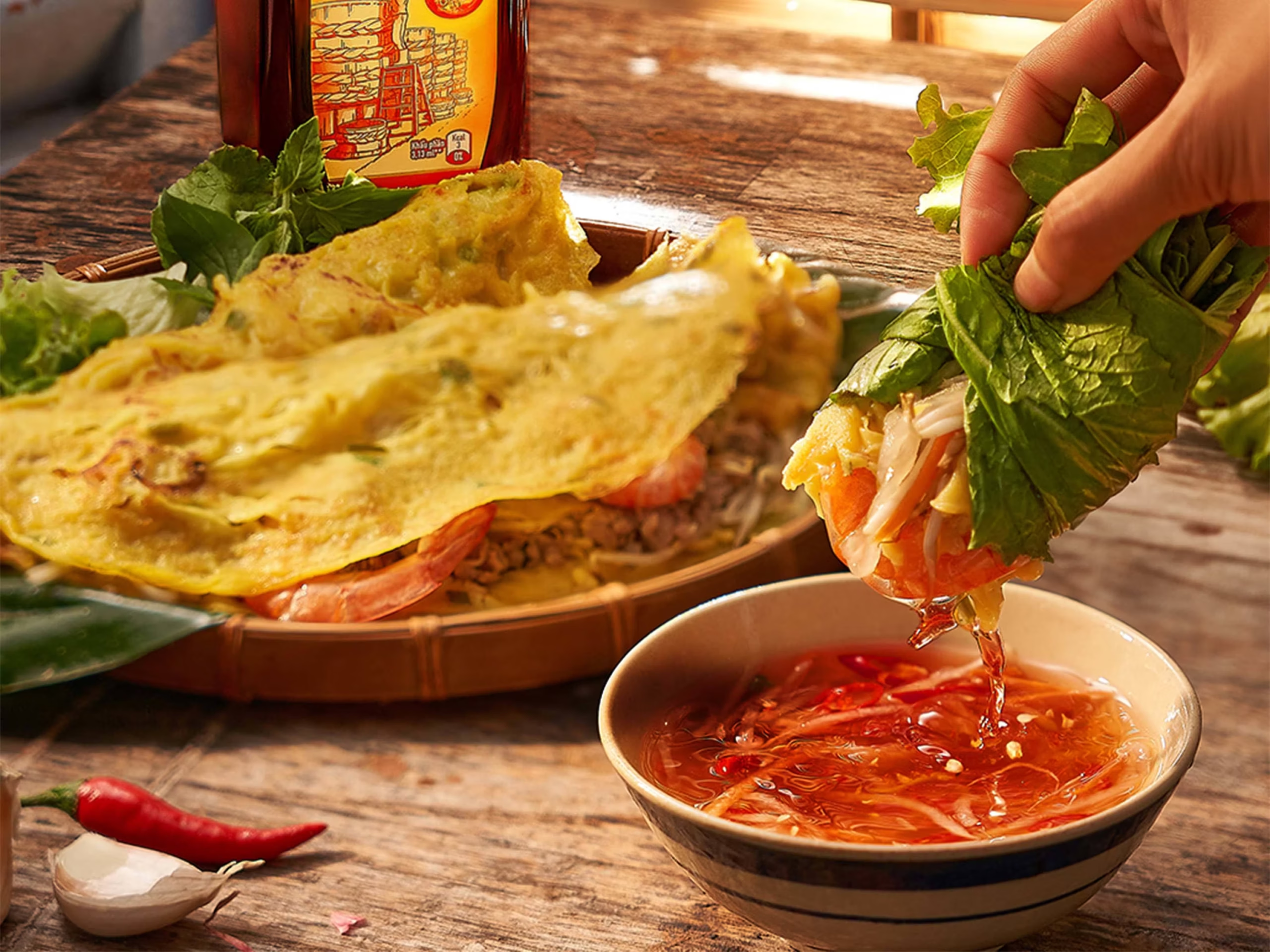
Wrapping savory pancake in fresh lettuce leaves
Hu Tieu – Southern Noodle Comfort
Popular in Southern cities, hu tieu offers a slightly sweeter broth and a variety of toppings, from sliced pork to seafood. Vendors may serve it either as a soup or dry with broth on the side, providing flexibility based on personal preference. Sampling hu tieu reveals regional diversity within street food in Vietnam, highlighting how local ingredients and cultural influences shape flavor profiles across the country.
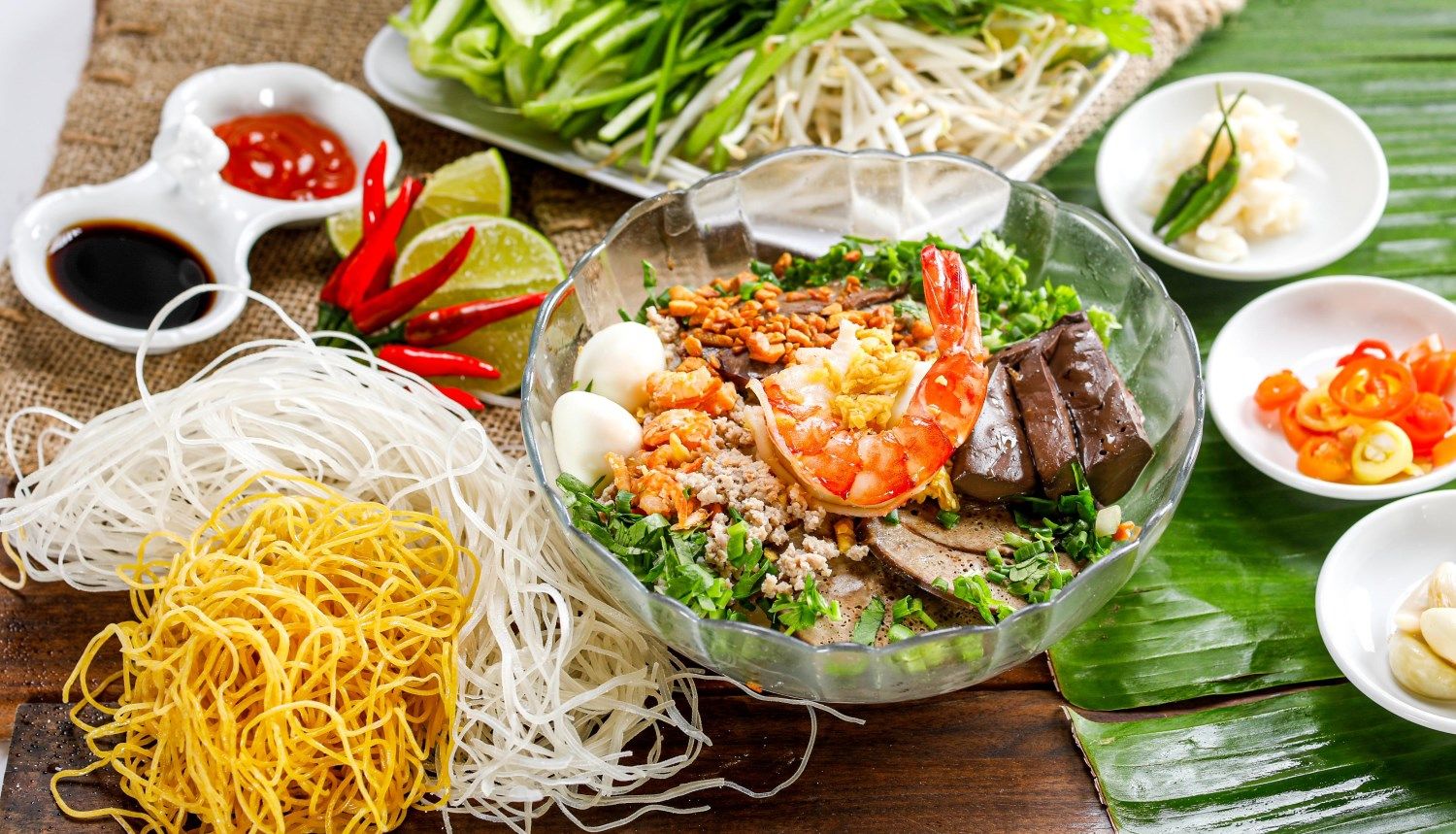
Southern-style noodle soup with mixed toppings
Che – Sweet Dessert Soups
To conclude a flavorful journey through street food in Vietnam, che provides a sweet and colorful finale. This dessert category includes combinations of beans, jellies, coconut milk, fruits, and crushed ice, layered in glasses or bowls.
Che stalls often display vibrant ingredients in transparent containers, inviting customers to customize their selection. As part of local food in Vietnam traditions, che reflects the creativity and playfulness of Vietnamese desserts while offering a refreshing contrast to savory dishes.
While these seven dishes offer an excellent introduction, Vietnam’s culinary landscape extends far beyond street stalls. Regional specialties, family recipes, and festive meals all contribute to the country’s diverse food culture. If you are eager to explore more iconic flavors beyond roadside dining, this complete guide to must-try food in Vietnam provides deeper insight into the nation’s most beloved dishes.
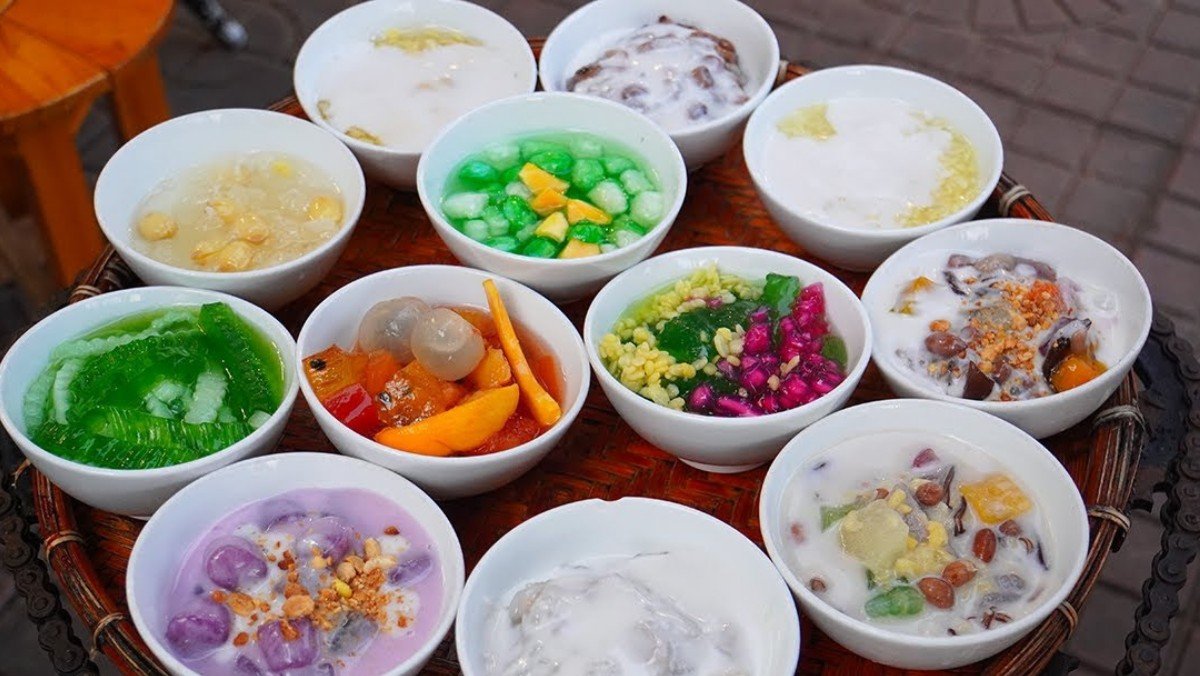
Assorted beans and jelly used in traditional sweets
Where to Find the Best Street Food Experiences
Finding exceptional street food in Vietnam is less about searching for luxury venues and more about observing where locals gather. The most rewarding experiences often unfold on crowded sidewalks, near markets, or along busy intersections where vendors serve signature dishes perfected over generations. The lively atmosphere, the sound of sizzling pans, and the aroma of simmering broth together create a sensory introduction to Vietnam’s culinary rhythm.
Hanoi’s Old Quarter and Northern Traditions
In the North, street food in Vietnam reflects subtle seasoning and deep, slow-cooked flavors. Exploring street food in Hanoi reveals narrow alleyways filled with small stools, charcoal grills, and vendors specializing in just one dish. Early mornings are particularly vibrant, as residents stop for breakfast before work, creating a communal energy that feels both authentic and welcoming.
Exploring Hanoi’s food scene after sunset reveals an entirely different atmosphere, with hidden alleyways and buzzing night stalls coming to life. For those who want a deeper and more immersive experience, joining a Hanoi after dark Vespa tour offers a unique way to taste local specialties while discovering the city’s vibrant nightlife.
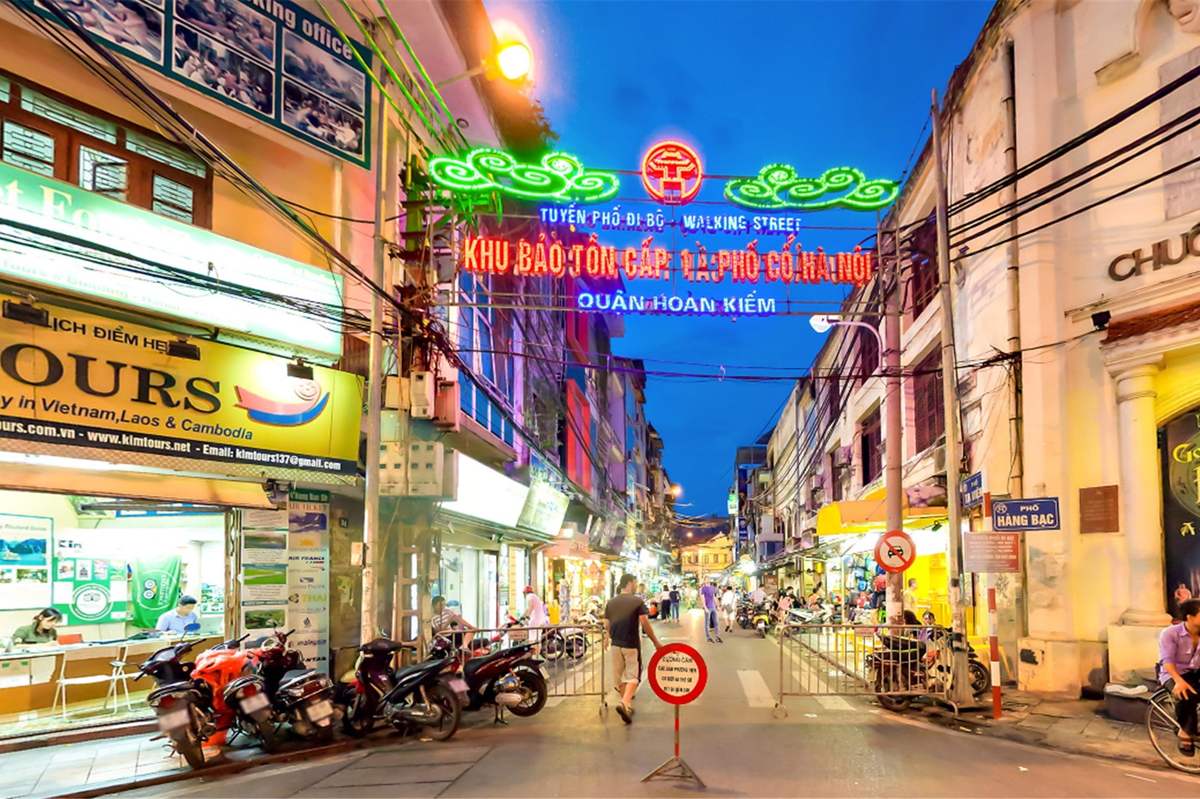
Bustling alley in Hanoi’s historic district
Ho Chi Minh City’s Dynamic Food Scene
Further South, street food in Vietnam takes on a slightly sweeter and more herb-forward character. Sampling street food in Ho Chi Minh City means navigating bustling districts where modern skyscrapers stand beside traditional stalls. Nighttime is especially exciting, with entire streets transforming into open-air dining rooms illuminated by motorbike headlights and neon signs.
Beyond street stalls, Ho Chi Minh City offers a fascinating blend of history, architecture, and culinary exploration. Travelers who want to combine cultural landmarks with local food discovery can join a Ho Chi Minh City full-day tour, which provides deeper insight into the city’s dynamic character while leaving time to explore its vibrant dining streets.
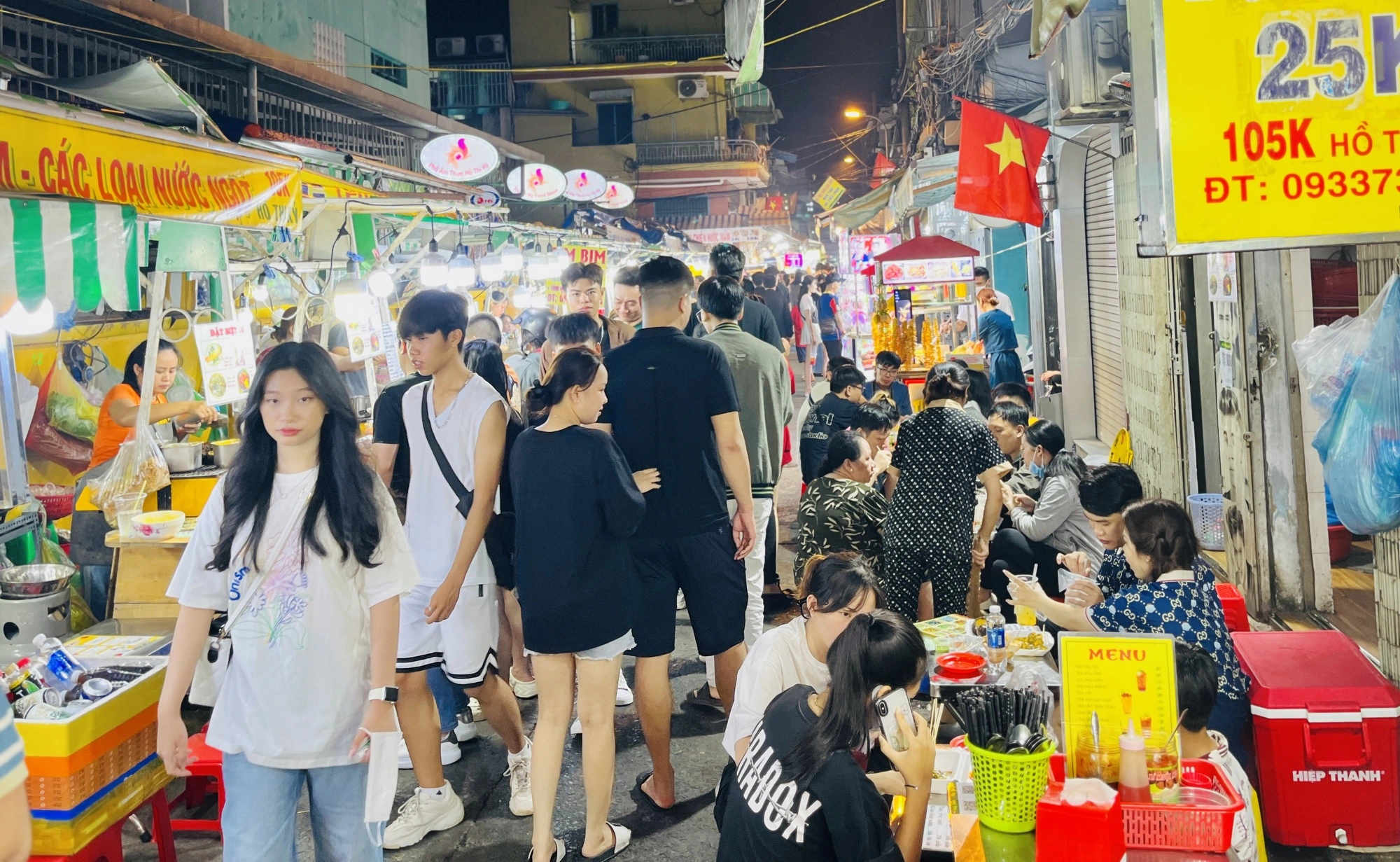
Street dining scene in Southern Vietnam’s largest city
Night Markets Across the Country
Beyond major cities, street food in Vietnam thrives in night markets from coastal towns to mountain regions. These markets offer an opportunity to taste regional specialties while interacting directly with vendors who proudly present their creations. Walking through these vibrant spaces allows travelers to compare flavors from different provinces, turning a simple evening stroll into a memorable culinary adventure.
Tips for Enjoying Street Food Safely
Enjoying street food is an unforgettable experience, and with a few practical considerations, travelers can savor every bite with confidence. Observing how vendors operate is often the first indicator of quality, stalls that attract steady local crowds typically maintain consistent standards. Watching ingredients being prepared fresh in front of you not only adds to the cultural experience but also reassures you about hygiene and food handling.
Choose Busy and Reputable Stalls
One of the simplest ways to enjoy safely is to follow the locals. High turnover means ingredients are replenished frequently, reducing the risk of food sitting out for extended periods. Clean cooking surfaces, neatly arranged utensils, and organized preparation areas are small details that signal professionalism and care.
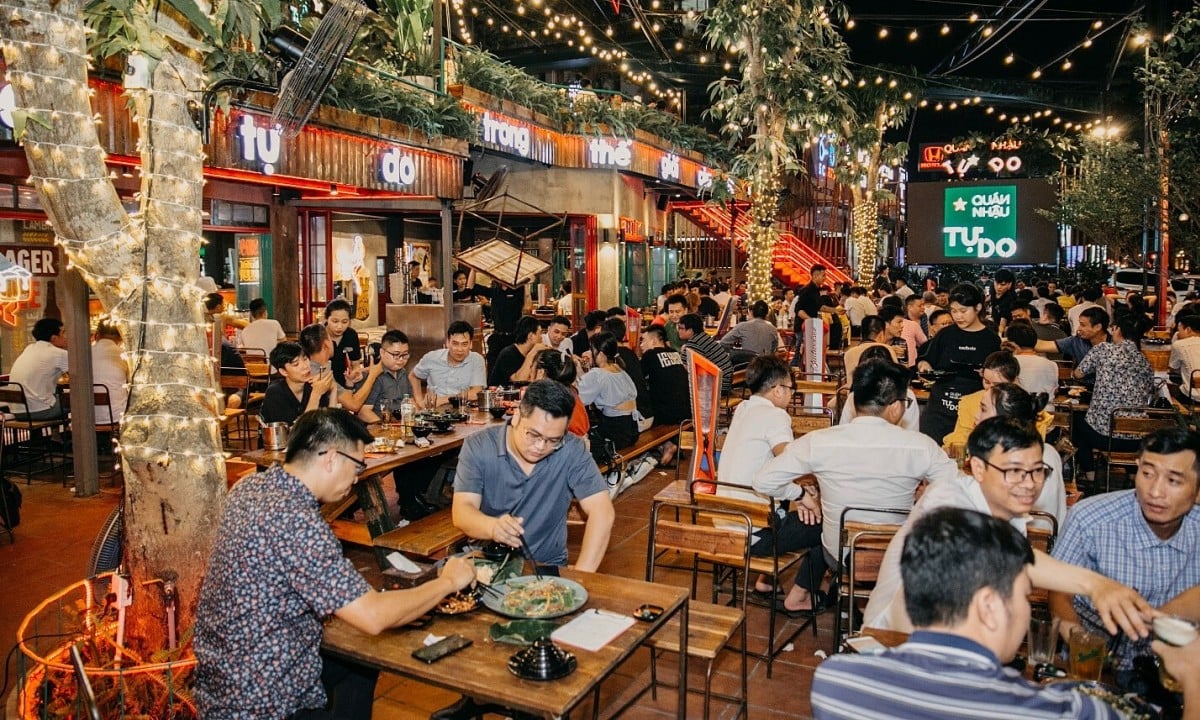
Crowded local eatery with high turnover
Pay Attention to Freshness
When sampling street food, freshness is key. Opt for dishes cooked to order rather than pre-prepared items sitting uncovered. Hot soups, freshly grilled meats, and made-to-order wraps are generally safer choices. If fruits or herbs are part of the dish, ensure they look vibrant and properly washed.
Navigating busy cities, finding reputable food spots, and translating menus can be much easier with the right digital tools. Using reliable travel apps helps visitors move around efficiently and discover hidden culinary corners with confidence. For helpful recommendations, explore this practical guide to apps for Vietnam travel before your trip.
Stay Hydrated and Mindful
While exploring street food in Vietnam, remember to drink bottled water and avoid ice unless you are confident in its source. Moderation is also helpful, trying multiple small portions allows you to experience variety without overwhelming your system. By staying attentive and making thoughtful choices, travelers can fully immerse themselves in Vietnam’s culinary landscape with both excitement and peace of mind.
Before exploring local food stalls, it is also helpful to prepare appropriately for Vietnam’s tropical climate. Lightweight clothing, comfortable walking shoes, and basic travel essentials can make your culinary adventures far more enjoyable. For a detailed guide on what to bring, check out this comprehensive Vietnam packing list before your trip.
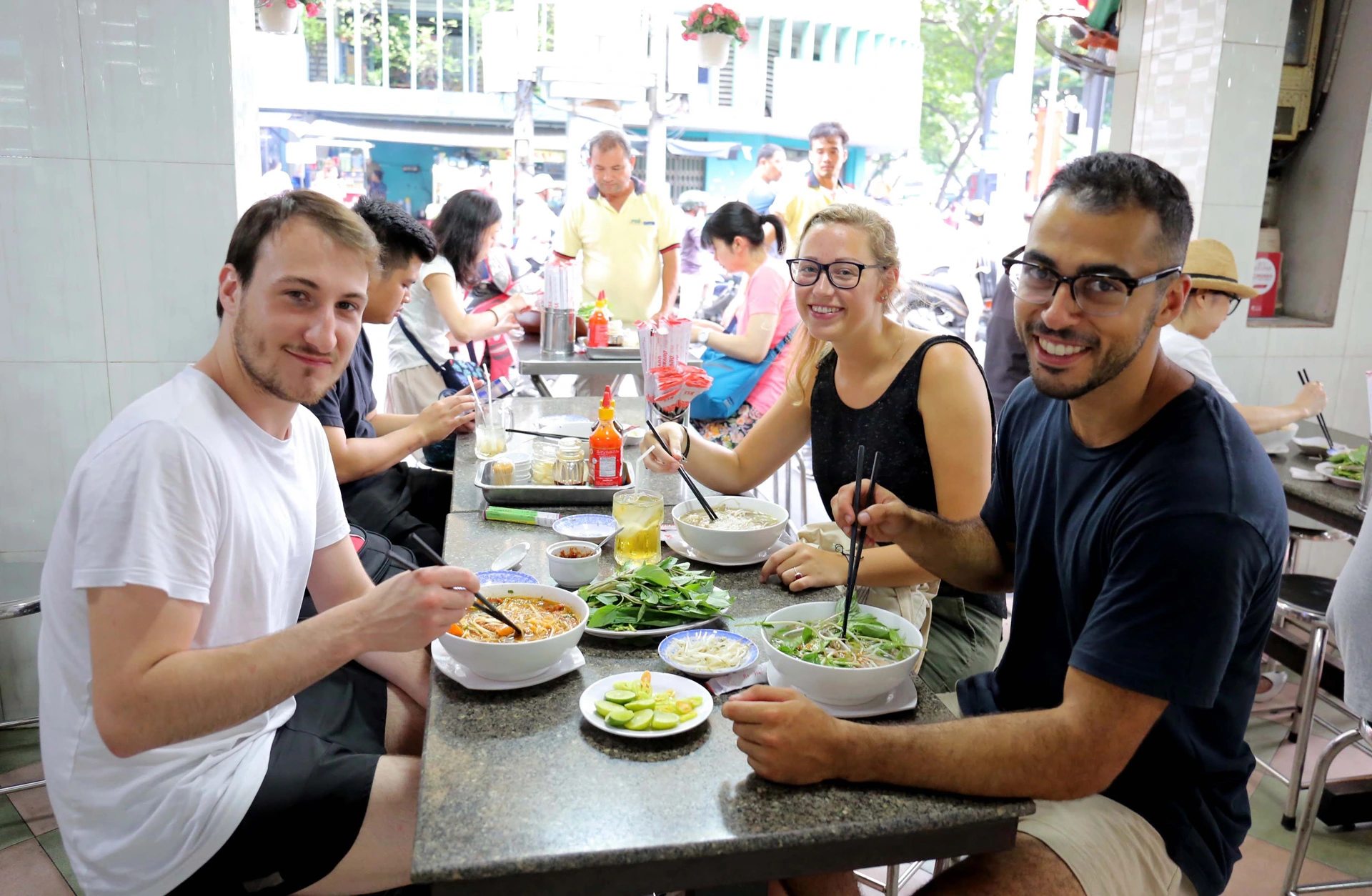
Traveler ordering food using basic Vietnamese phrases
Conclusion
Vietnam’s culinary culture comes alive on its sidewalks, where every dish reflects heritage, community, and regional character. Exploring street food in Vietnam is more than a tasting journey, it is a way to connect with daily life and discover authentic local traditions through flavor.
With expertly curated experiences from Best Vietnam Tours, travelers can go beyond typical sightseeing and uncover hidden culinary gems guided by local insight. Start planning your journey today and experience Vietnam’s vibrant street dining culture for yourself.
Connect with us to explore tailored itineraries and stay updated on our latest travel deals.