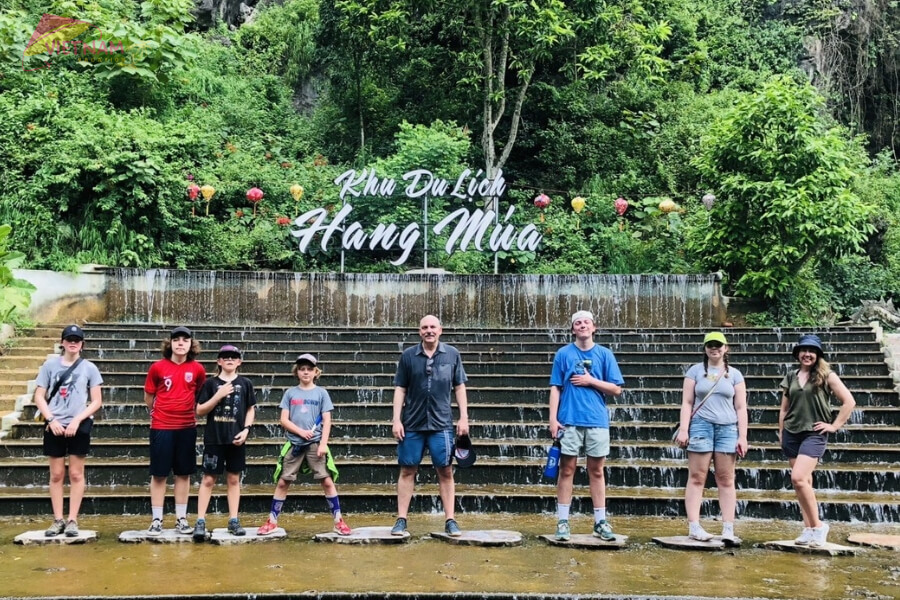
Vietnam is a destination where food defines the travel experience as much as landscapes and culture. From bustling street stalls to refined dining spaces, every region offers distinctive flavors shaped by geography and tradition. Many travelers arrive wondering what to eat in Vietnam, only to discover an extraordinary variety of dishes that balance freshness, texture, and depth.
Northern recipes highlight subtle seasoning, central specialties bring bold intensity, while Southern cooking leans toward vibrant sweetness. Together, they create a culinary identity that is both diverse and harmonious. For visitors seeking a deeper connection with local flavors, Best Vietnam Tours curates immersive journeys that introduce authentic dishes, regional specialties, and meaningful cultural encounters across the country.
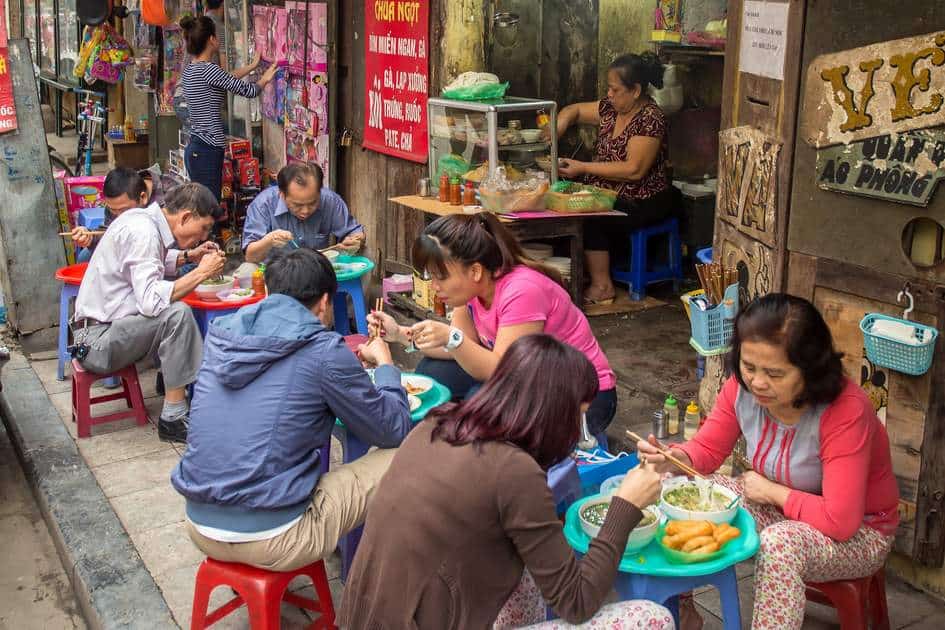
Traveler enjoying authentic local cuisine in Vietnam
Iconic Noodle Specialties Across Vietnam
Noodles sit at the heart of the country’s daily meals, shaping breakfast rituals, lunch breaks, and evening gatherings alike. For many travelers researching what to eat in Vietnam, noodle-based dishes quickly emerge as an essential starting point. Each bowl reflects a regional story told through broth clarity, herb freshness, and carefully balanced seasoning that defines the national culinary identity.
Pho – The National Culinary Symbol
When discussing what to eat in Vietnam, pho inevitably leads the conversation. This fragrant soup combines slow-simmered broth, rice noodles, and thin slices of beef or chicken, finished with herbs and scallions. The broth, often cooked for hours with bones, ginger, onion, and warm spices, creates depth without heaviness, offering a comforting yet refined experience.
In Northern cities, pho tends to emphasize purity and subtle seasoning, while Southern variations introduce additional herbs and condiments for personalization. Travelers exploring often notice how this single dish adapts across regions while preserving its core balance of aroma, texture, and warmth.
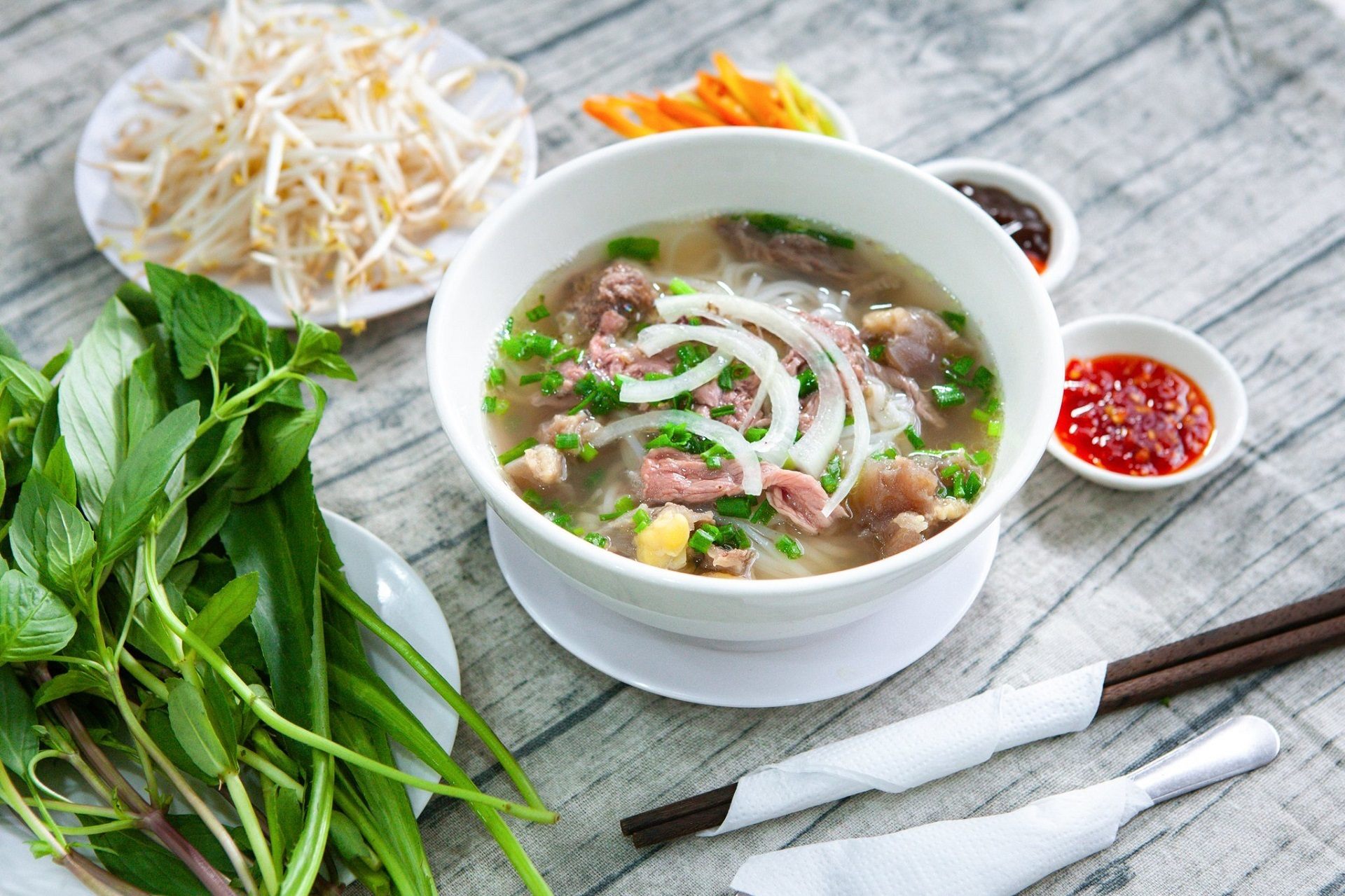
Traditional beef pho with fresh herbs
Bun Cha – A Northern Classic
Another highlight when considering what to eat in Vietnam is bun cha, a Hanoi specialty that pairs grilled pork with vermicelli noodles and fresh greens. The smoky aroma of charcoal-grilled meat contrasts beautifully with light noodles and a dipping sauce made from fish sauce, lime, and sugar, creating harmony in every bite.
Served with baskets of herbs and pickled vegetables, the dish invites diners to assemble flavors themselves. For visitors deciding beyond pho, bun cha offers a deeper look into Northern culinary traditions rooted in simplicity and balance.
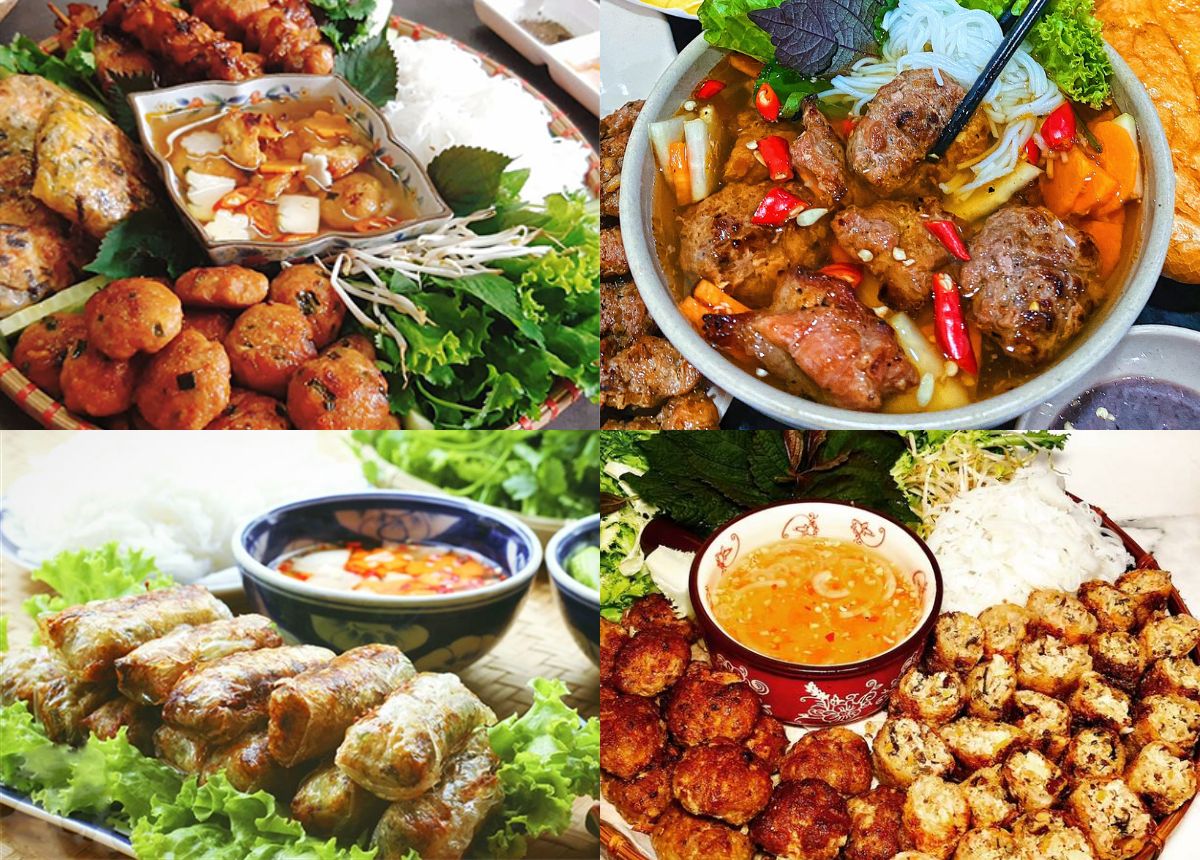
Grilled pork with vermicelli and dipping sauce
Mi Quang – Central Vietnam’s Bold Character
From the central region comes mi Quang, a vibrant dish often recommended to travelers wondering what to eat in Vietnam outside the major metropolitan centers. Its turmeric-colored noodles sit atop a small amount of intensely seasoned broth, accompanied by shrimp, pork, peanuts, and crisp rice crackers. The experience is layered rather than soup-heavy, encouraging attention to texture and spice.
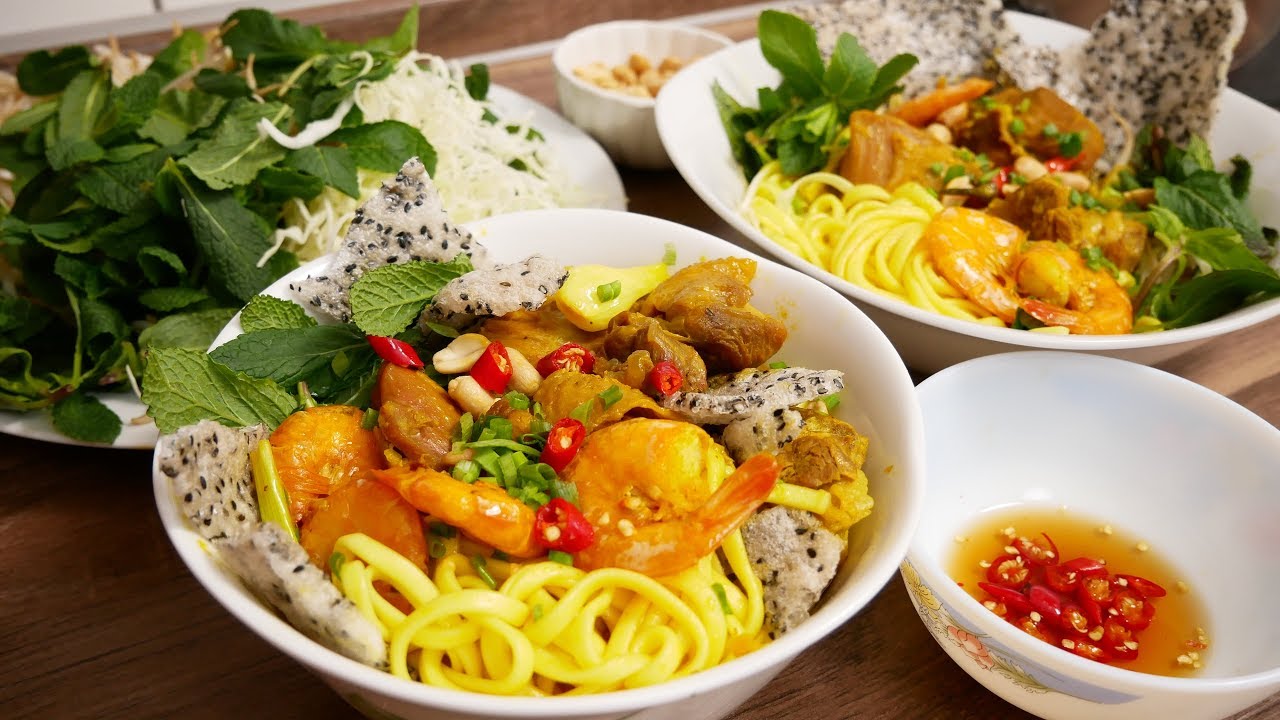
Mi Quang noodles with shrimp and peanuts
Bun Bo Hue – A Spicy Imperial Favorite
Bun bo Hue presents a richer and more assertive profile, often surprising visitors who are researching what to eat in Vietnam for the first time. Infused with lemongrass and chili, the broth delivers bold aroma and depth, while thick noodles and tender beef create a hearty composition.
Despite its intensity, the dish remains balanced through fresh herbs and lime that brighten each spoonful. As travelers refine their understanding, bun bo Hue stands out as a reminder of the country’s remarkable regional diversity expressed through noodles.
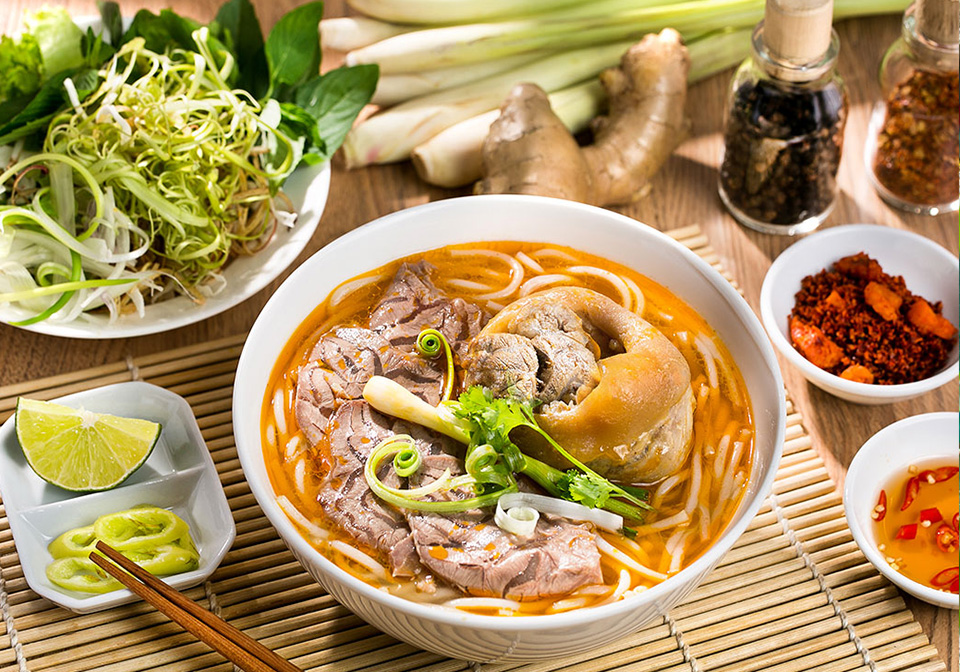
Spicy Hue beef noodle soup
Rice-Based Favorites and Hearty Meals
Beyond noodles, rice forms the foundation of countless daily meals and reflects agricultural traditions that shape the country’s identity. For travelers deciding what to eat in Vietnam beyond soup-based dishes, rice specialties provide a deeper understanding of home-style cooking and local comfort food culture.
These meals are often simple in presentation yet complex in flavor, relying on balance rather than heavy seasoning. These traditional recipes only scratch the surface of what to eat in Vietnam. For a more extensive list, check out our full article on must-try food in Vietnam to discover even more local favorites.
Com Tam – Southern Broken Rice
Com tam, or broken rice, is a beloved Southern staple frequently recommended when exploring what to eat in Vietnam in Ho Chi Minh City and beyond. The dish typically includes grilled pork chops, shredded pork skin, a steamed egg meatloaf, pickled vegetables, and a lightly sweetened fish sauce dressing.
Although humble in origin, com tam has become one of the most famous food in Vietnam, representing the resourcefulness of Southern communities who transformed fractured rice grains into a signature culinary icon. The combination of smoky meat, soft rice, and bright condiments creates a satisfying contrast of textures in every bite.
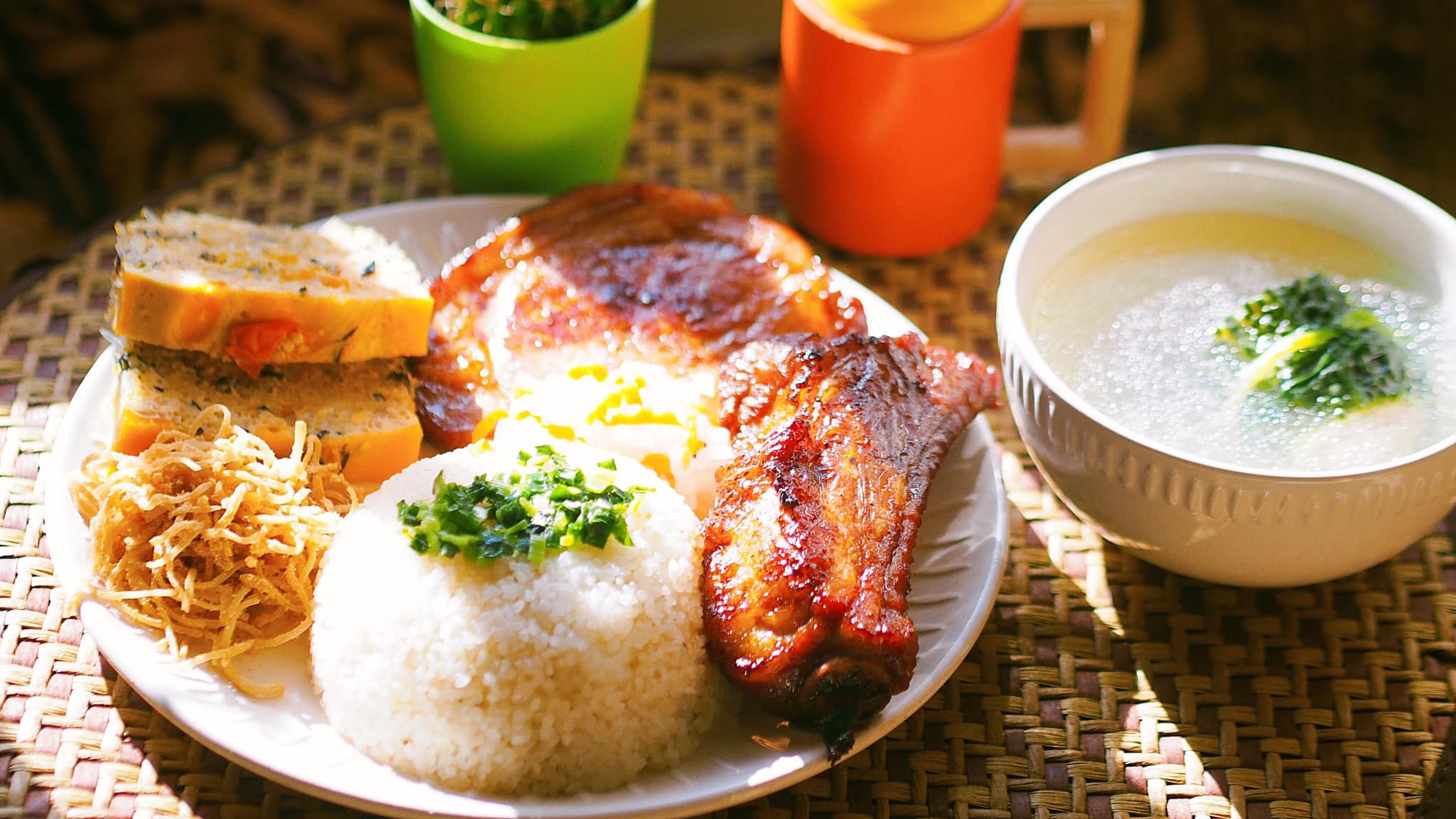
Com Tam served with fish sauce
Banh Xeo – Crispy Savory Pancake
Among the must try food in Vietnam for first-time visitors, banh xeo stands out for its dramatic presentation and interactive dining style. This crispy rice-flour pancake is filled with shrimp, pork, and bean sprouts, then folded and served with herbs and dipping sauce.
Banh xeo offers a lively experience: diners wrap slices in fresh greens before dipping them into sauce. The crunch of the pancake against fragrant herbs highlights the country’s talent for layering textures.
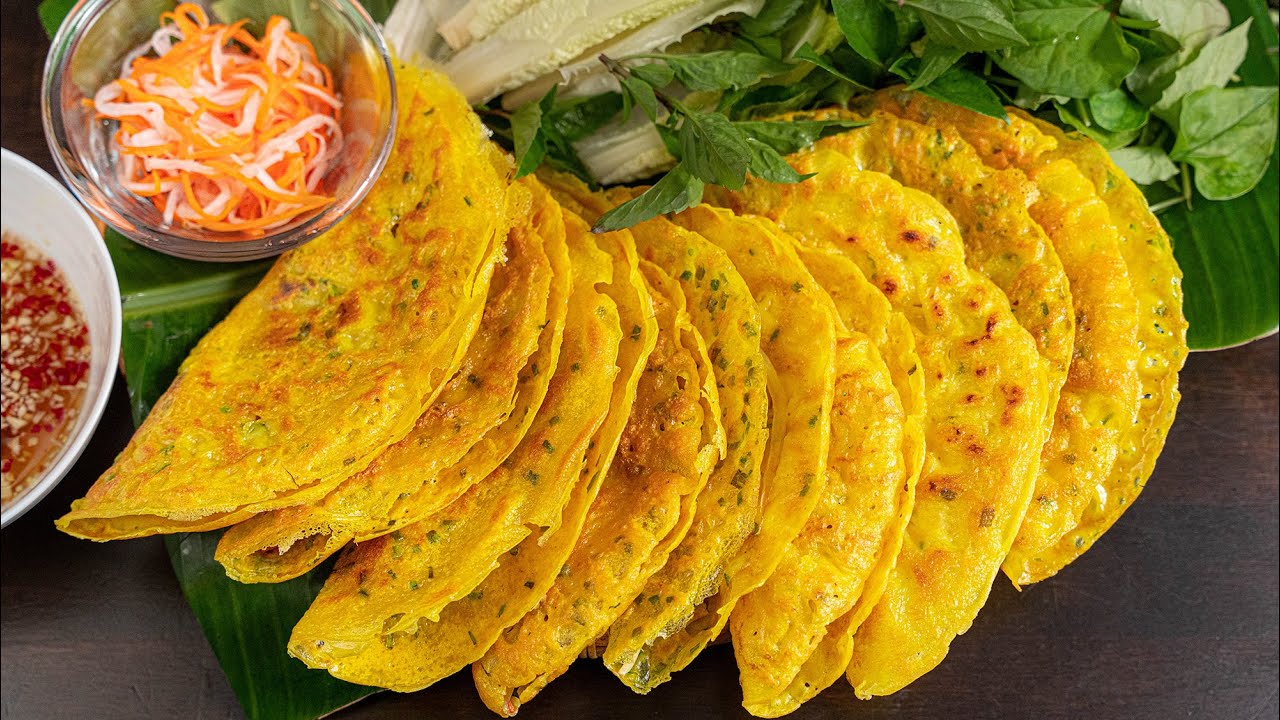
Crispy Vietnamese savory pancake
Clay Pot Dishes and Home-Style Cooking
Clay pot preparations, often simmered slowly over low heat, showcase a comforting side of traditional Vietnamese dishes that many visitors overlook. Caramelized fish, braised pork with eggs, or tofu cooked in savory sauce are common variations found in family kitchens and local eateries.
For travelers expanding their list beyond well-known street specialties, these hearty meals reveal how everyday cooking preserves generational techniques. The slow-cooked sauces, infused with fish sauce and subtle sweetness, reflect a culinary philosophy built on patience and depth rather than extravagance.
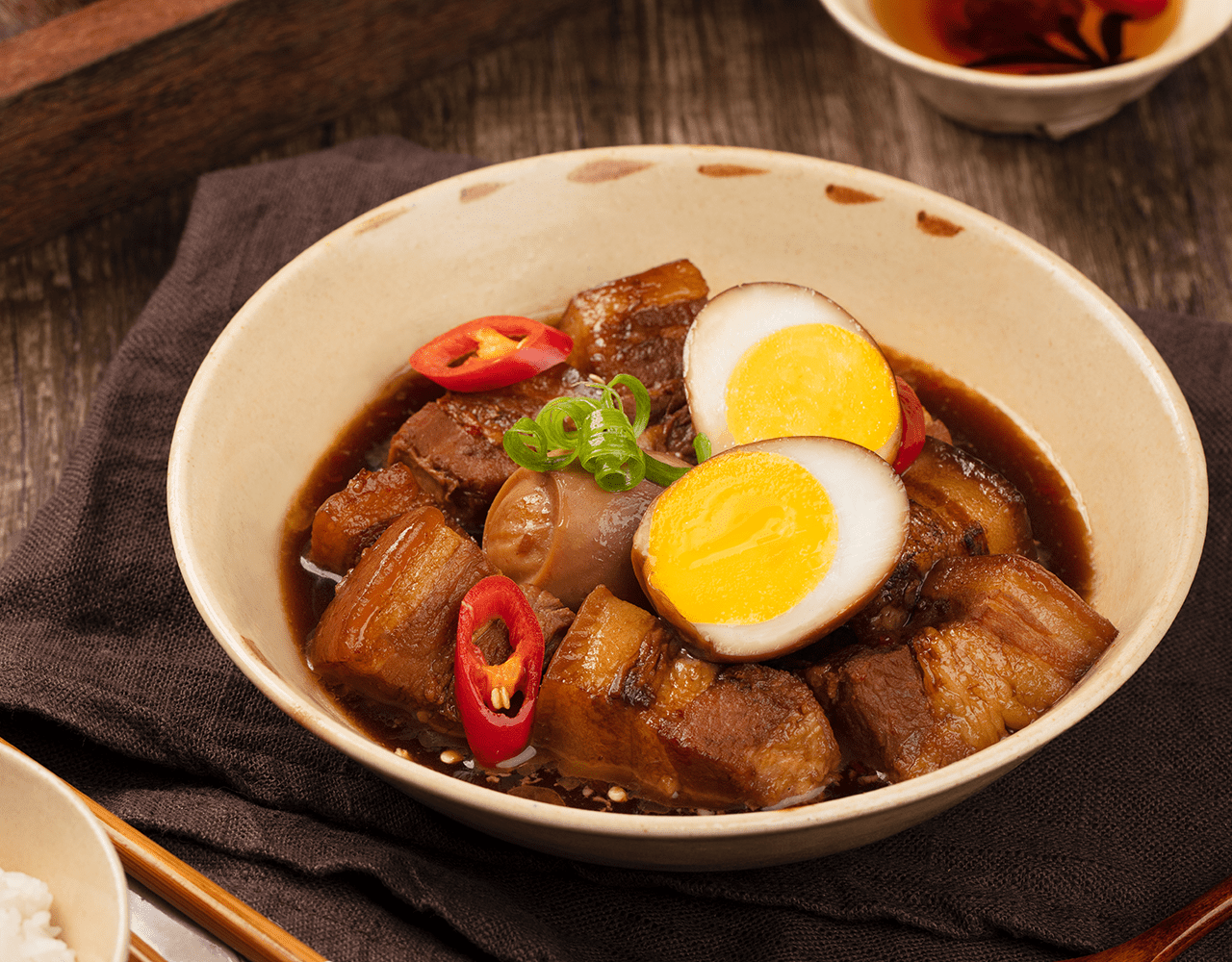
Home-style braised pork in clay pot
Popular Street Eats You Shouldn’t Miss
Exploring open-air stalls and roadside vendors is an essential part of discovering what to eat in Vietnam, as daily life and cuisine blend seamlessly on busy sidewalks. The vibrant atmosphere, low plastic stools, and sizzling grills create an immersive setting where flavors are immediate and unforgettable. Sampling Vietnamese street food allows visitors to experience dishes prepared quickly yet crafted with remarkable attention to balance and freshness.
Exploring street food is an essential part of discovering what to eat in Vietnam, but travelers should also pay attention to hygiene and food handling practices. If you’re unsure where to begin, check out our detailed guide on Vietnam street food safety tips for travelers to enjoy local flavors with confidence.
Banh Mi – The Iconic Vietnamese Sandwich
Banh mi is often the first recommendation for travelers. This crusty baguette sandwich, influenced by French colonial history, is filled with grilled meats, pâté, pickled vegetables, herbs, and chili sauce. The contrast between crisp bread and savory fillings delivers a satisfying bite that is both portable and deeply flavorful.
Frequently listed among the best food in Vietnam for quick meals, banh mi reflects how global influences were adapted into something uniquely local. Its affordability and accessibility make it a daily staple for students, workers, and visitors alike.
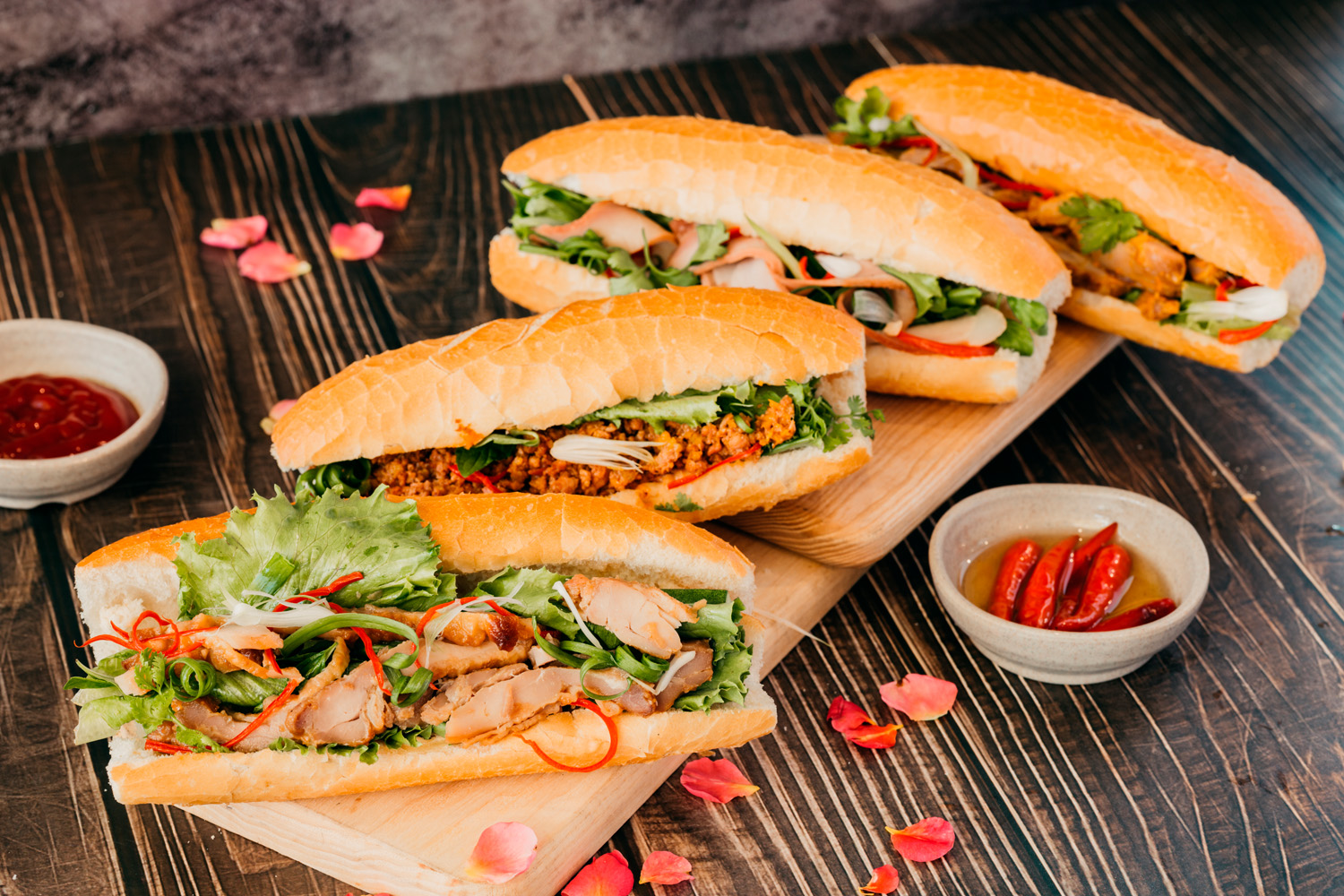
Vietnamese baguette sandwich with pork
Goi Cuon – Fresh Spring Rolls
For those seeking lighter options while deciding what to eat in Vietnam, goi cuon offers a refreshing alternative. These translucent rice paper rolls wrap shrimp, pork, vermicelli, and herbs into delicate parcels served with peanut or hoisin-based dipping sauce.
Unlike fried snacks, goi cuon highlights the emphasis on herbs and freshness that defines authentic Vietnamese cuisine. The clean flavors and soft textures create a balanced contrast to richer grilled or braised dishes found elsewhere.
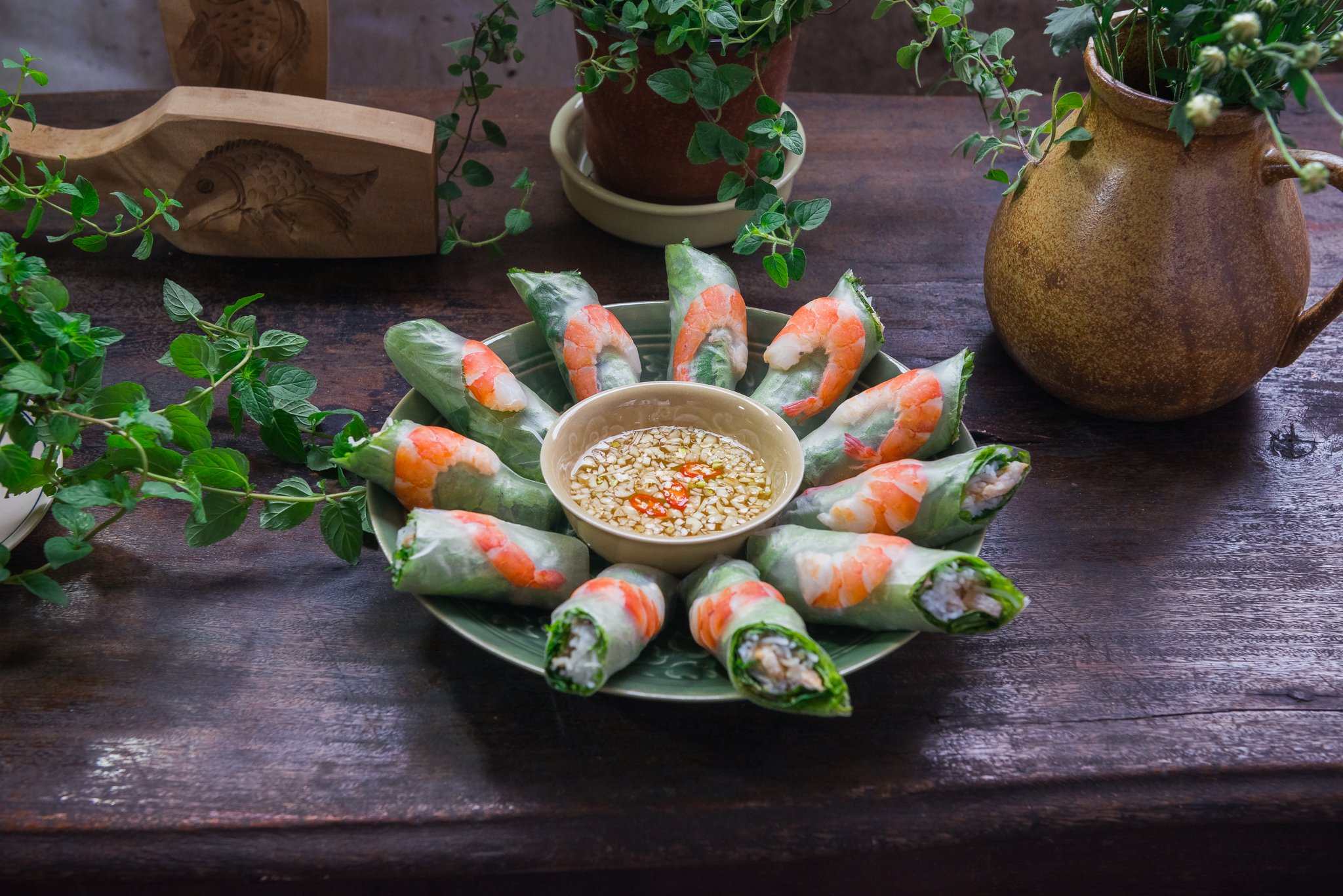
Fresh Vietnamese spring rolls with shrimp
Nem Ran – Crispy Fried Rolls
Nem ran, known internationally as fried spring rolls, provides a satisfying crunch for visitors exploring what to eat in Vietnam with varied textures. Filled with minced pork, glass noodles, mushrooms, and vegetables, the rolls are deep-fried until golden and crisp.
Often enjoyed during family gatherings and festive celebrations, this dish bridges everyday dining with ceremonial occasions. The interplay between crispy exterior and savory filling demonstrates the careful harmony that runs throughout regional Vietnamese food traditions. If you want to experience what to eat in Vietnam like a local after sunset, consider joining our Hanoi After Dark Vespa Tour for an immersive night street food adventure.
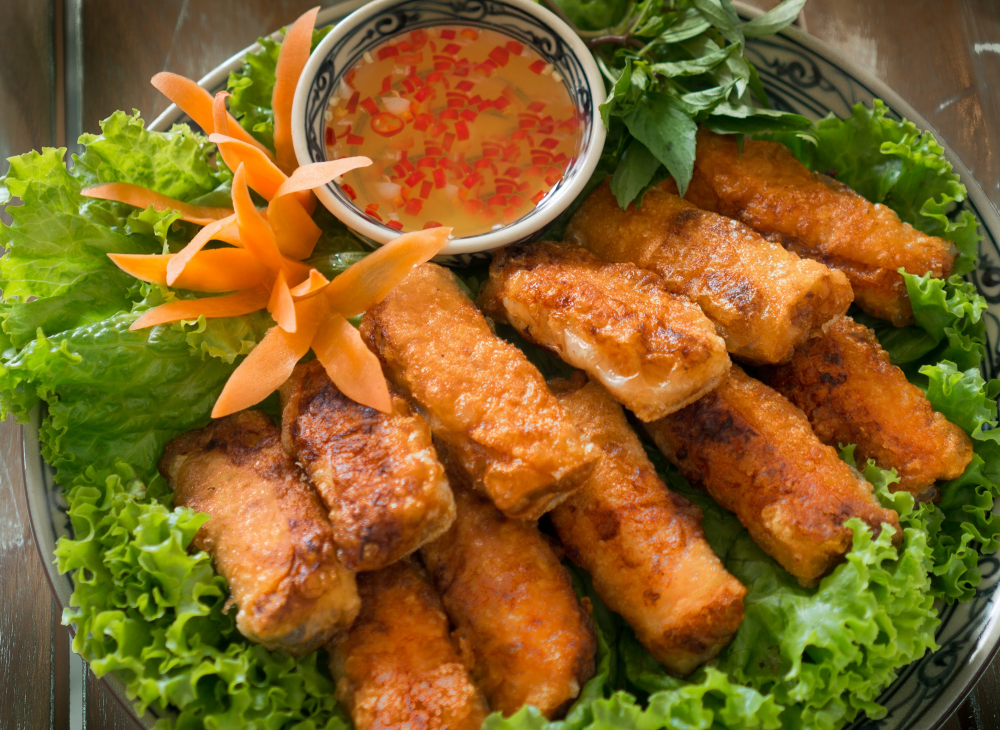
Golden fried Vietnamese spring rolls
Regional Flavors from North to South
Vietnam’s culinary identity shifts noticeably from North to South, shaped by climate, history, and agricultural abundance. Understanding these distinctions helps make sense of flavor variations across the country. While balance remains a defining principle, each area expresses it in a distinctive way. The country’s culinary diversity, widely recognized in studies of Vietnamese cuisine, is shaped by geography and climate.
Northern Cuisine – Subtle and Refined
Northern cooking is known for its restraint and clarity, often emphasizing natural flavors over heavy seasoning. Visitors exploring food in Hanoi quickly notice lighter broths, minimal sweetness, and careful use of herbs. Dishes here reflect a cooler climate and long-standing traditions rooted in simplicity.
When considering what to eat in Vietnam in the North, expect subtlety rather than bold heat. The flavors are clean and measured, allowing the freshness of ingredients to speak for themselves without overwhelming spice or sugar.
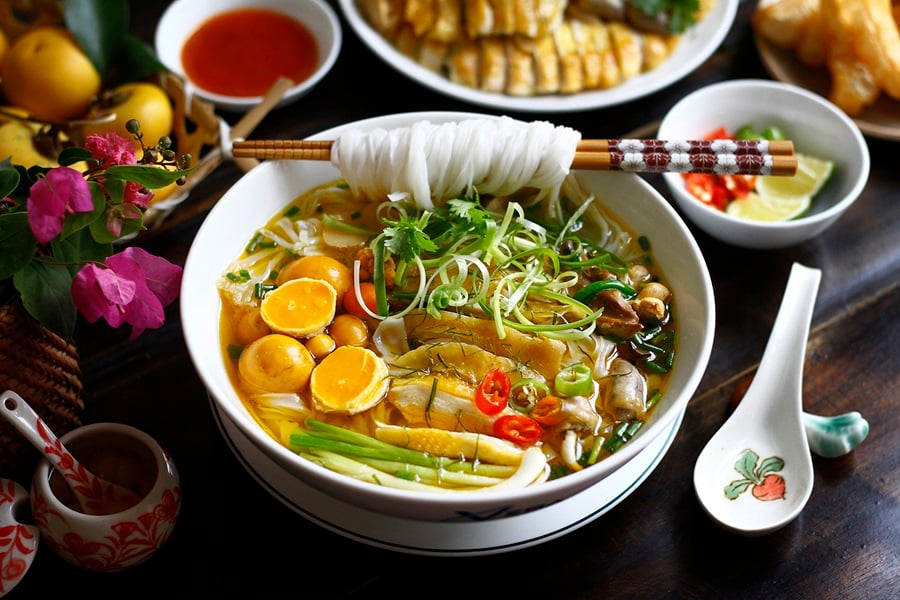
Northern Vietnamese dishes with light seasoning
Central Vietnam – Bold and Layered
Central cuisine introduces stronger seasoning, vibrant color, and deeper spice levels. Historical royal influences and regional ingredients contribute to a more elaborate presentation style. Travelers deciding what to eat in Vietnam in this region often encounter dishes that balance heat, saltiness, and aroma with striking intensity.
Small plates and intricate preparation techniques are common, reflecting culinary craftsmanship passed down through generations. The result is food that feels expressive and layered without losing harmony.
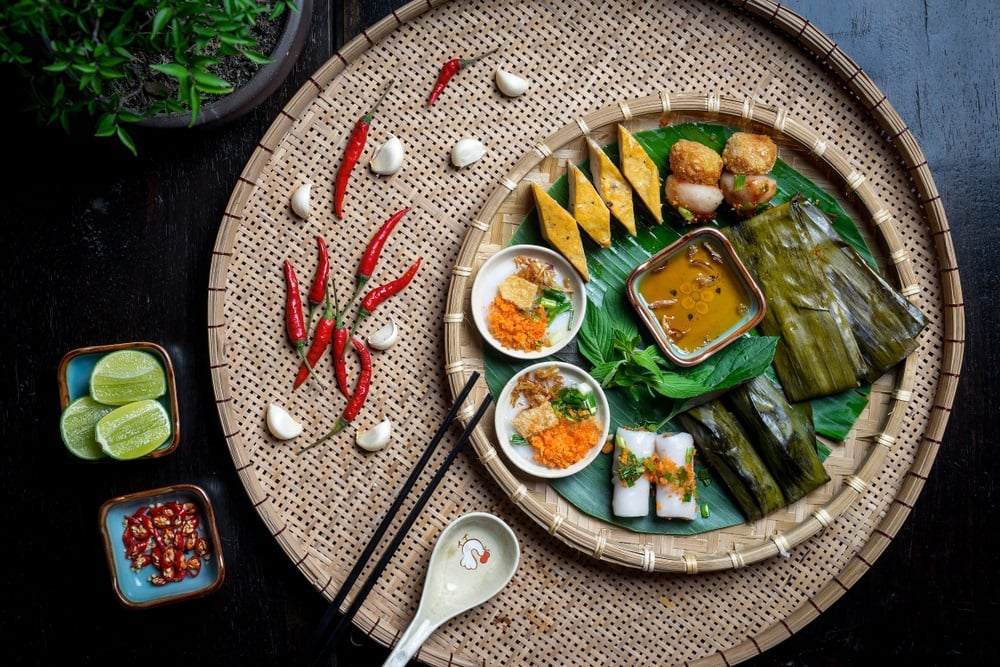
Central Vietnam dishes with chili and vibrant colors
Southern Vietnam – Sweet and Abundant
In the South, fertile land and tropical produce create a cuisine that feels generous and lively. Those sampling food in Ho Chi Minh City frequently encounter a slightly sweeter profile, influenced by abundant fruit, coconut, and fresh herbs. The warmer climate supports year-round agriculture, which shapes both ingredients and cooking methods.
For visitors refining their understanding of what to eat in Vietnam in Southern provinces, the emphasis shifts toward bold freshness and vibrant contrast. Sweetness complements savory elements, producing dishes that feel approachable yet richly textured. Planning a trip around what to eat in Vietnam? Make sure you’re fully prepared by reading our updated guide on what to know before traveling to Vietnam in 2026 for essential travel insights.
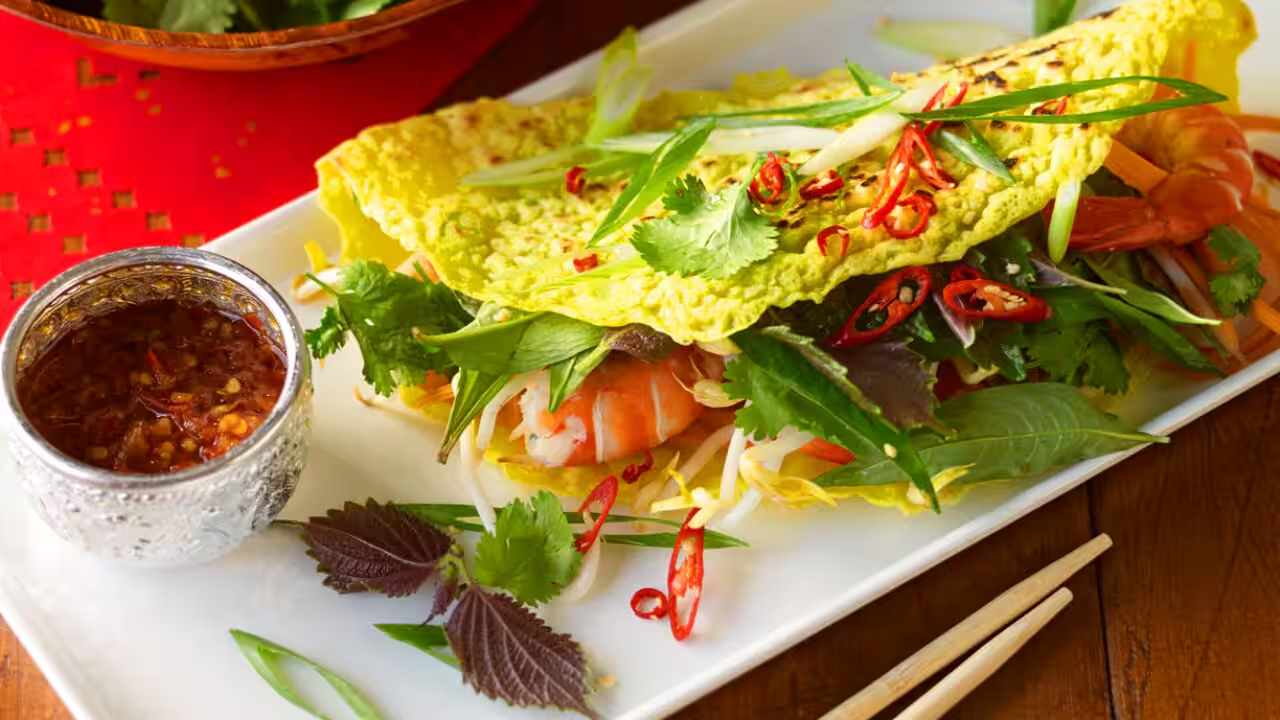
Southern Vietnamese dishes with herbs and fresh ingredients
Conclusion
From subtle Northern broths to bold central spices and vibrant Southern flavors, Vietnam’s cuisine reflects remarkable regional diversity and culinary heritage. Exploring what to eat in Vietnam is not simply about tasting popular dishes, but about understanding the traditions, ingredients, and local stories behind every meal.
For travelers seeking a deeper and more curated experience, Best Vietnam Tours offers expertly designed journeys that connect you with authentic flavors and meaningful cultural encounters. If you are planning your next adventure and still deciding what to eat in Vietnam, let your culinary journey begin with trusted local insight and unforgettable tastes.
Connect with our team to craft your perfect itinerary and receive the latest exclusive travel offers.