Vietnam is a country where food is more than nourishment, it is culture, identity, and daily life woven together through centuries of tradition. From steaming bowls of pho on bustling sidewalks to vibrant rice dishes served in family kitchens, every meal tells a story about regional heritage and local ingredients.
This Vietnamese food guide explores the flavors, textures, and culinary philosophy that make the country one of Asia’s most exciting destinations for gastronomy. Whether you are planning your journey independently or exploring curated experiences with Best Vietnam Tours, understanding Vietnam’s culinary landscape will deepen every bite you take. Prepare to discover dishes that define cities, reflect history, and create unforgettable travel memories.
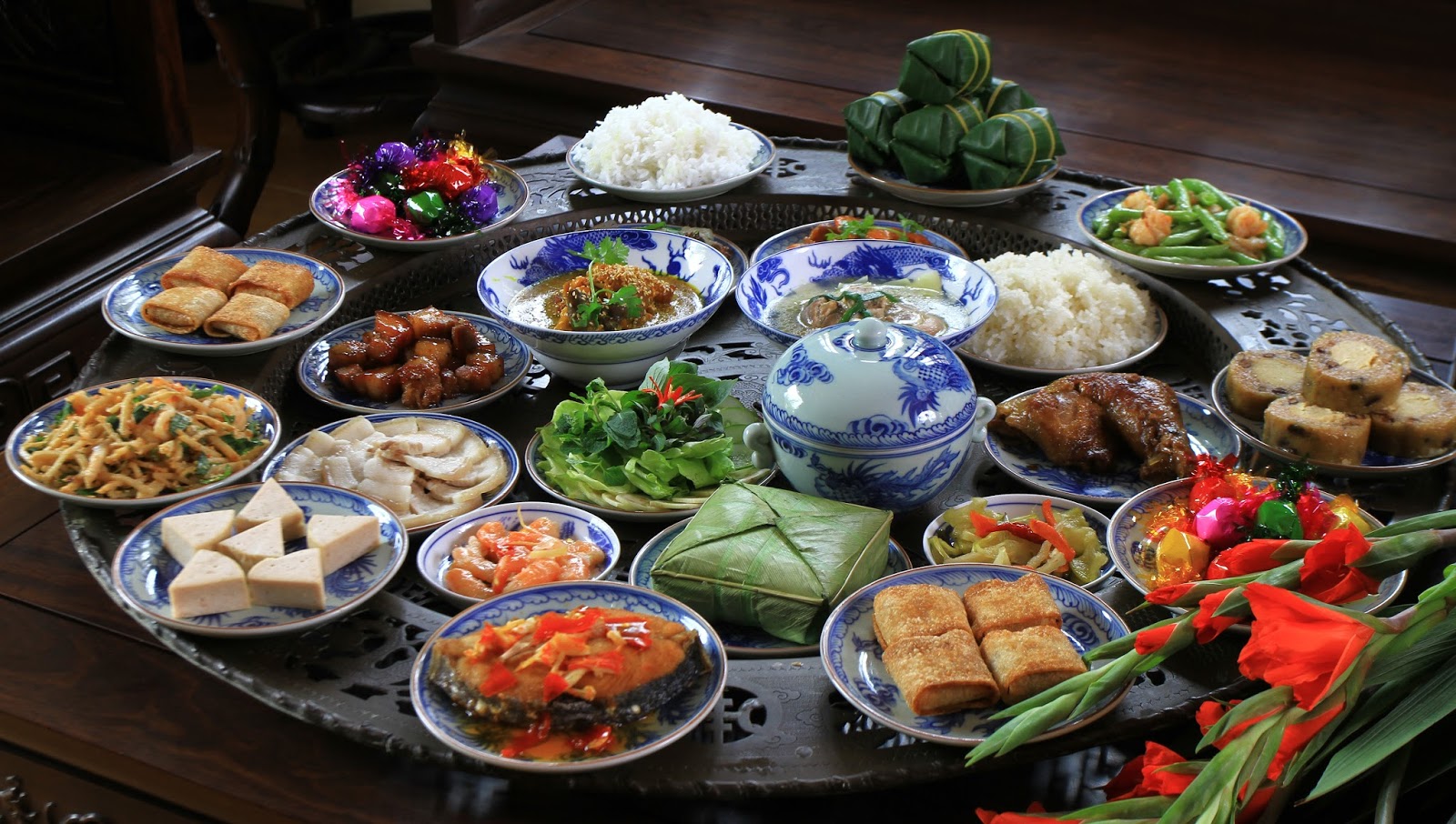
Traditional Vietnamese food spread on a dining table
Why Vietnamese Cuisine Is Loved Worldwide
Vietnamese cuisine has gained international recognition not only because of its taste but also because of its philosophy. As highlighted throughout this Vietnamese food guide, the country’s culinary identity reflects harmony, between flavors, textures, colors, and even temperatures. Meals are rarely heavy or overwhelming; instead, they are balanced, fresh, and thoughtfully composed. Across continents, food lovers appreciate how Vietnamese cooking delivers depth without excess, making it both comforting and refined at the same time.
For a broader historical and cultural overview, readers can explore the detailed background of Vietnamese cuisine to better understand how centuries of regional influence have shaped today’s culinary landscape.
Balance of Flavors and Fresh Ingredients
A central theme in any Vietnamese food guide is the balance of sweet, sour, salty, bitter, and umami elements that define authentic Vietnamese cuisine. Fish sauce provides depth, lime juice adds brightness, chili introduces heat, and fresh herbs like cilantro, mint, and Thai basil enhance aroma. Rather than relying on heavy sauces or cream, Vietnamese cooking emphasizes freshness, allowing natural ingredients to shine. Broths simmer for hours to extract subtle sweetness from bones and spices, while vegetables are often lightly cooked or served raw, creating dishes that feel nourishing rather than heavy.
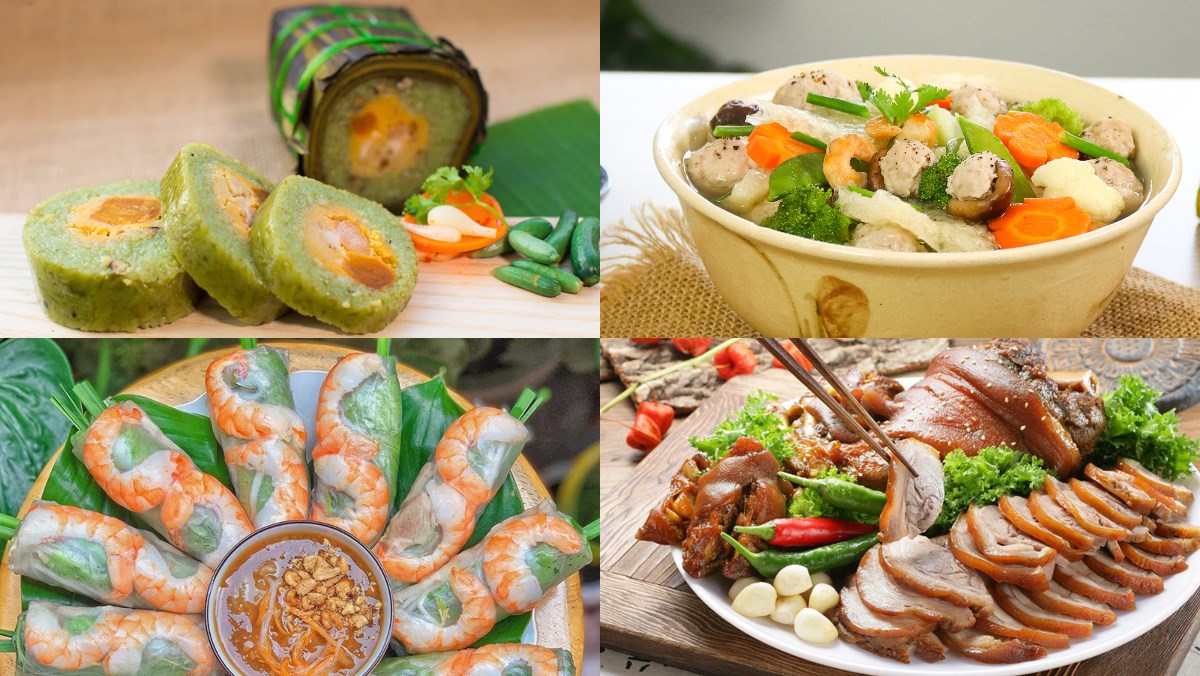
Regional diversity of Vietnamese cuisine from North to South
Regional Diversity from North to South
Another reason Vietnamese cuisine captivates global audiences, as explored in this Vietnamese food guide, is its remarkable regional diversity. In the North, flavors are generally subtle and balanced, reflecting a cooler climate and long-standing culinary traditions. Central Vietnam is known for bold seasoning, vibrant colors, and complex spice blends influenced by royal heritage and coastal ingredients. In the South, dishes tend to be sweeter and more abundant, shaped by tropical produce, coconut milk, and fertile river deltas. These regional contrasts ensure that no two meals ever feel the same.
Street Food Culture and Daily Life
No Vietnamese food guide would be complete without recognizing the country’s dynamic street food culture. Sidewalk stalls, morning markets, and late-night vendors form the backbone of daily dining, where eating is social, spontaneous, and accessible. Street food is not simply a budget option, it represents generations of expertise passed down within families. Vendors often specialize in a single dish perfected over decades, preserving culinary heritage while delivering consistent quality that continues to attract travelers from around the world.
Each region has its own iconic flavors and traditional dishes worth exploring. If you want to discover what to order first, explore our guide to the must-try food in Vietnam.
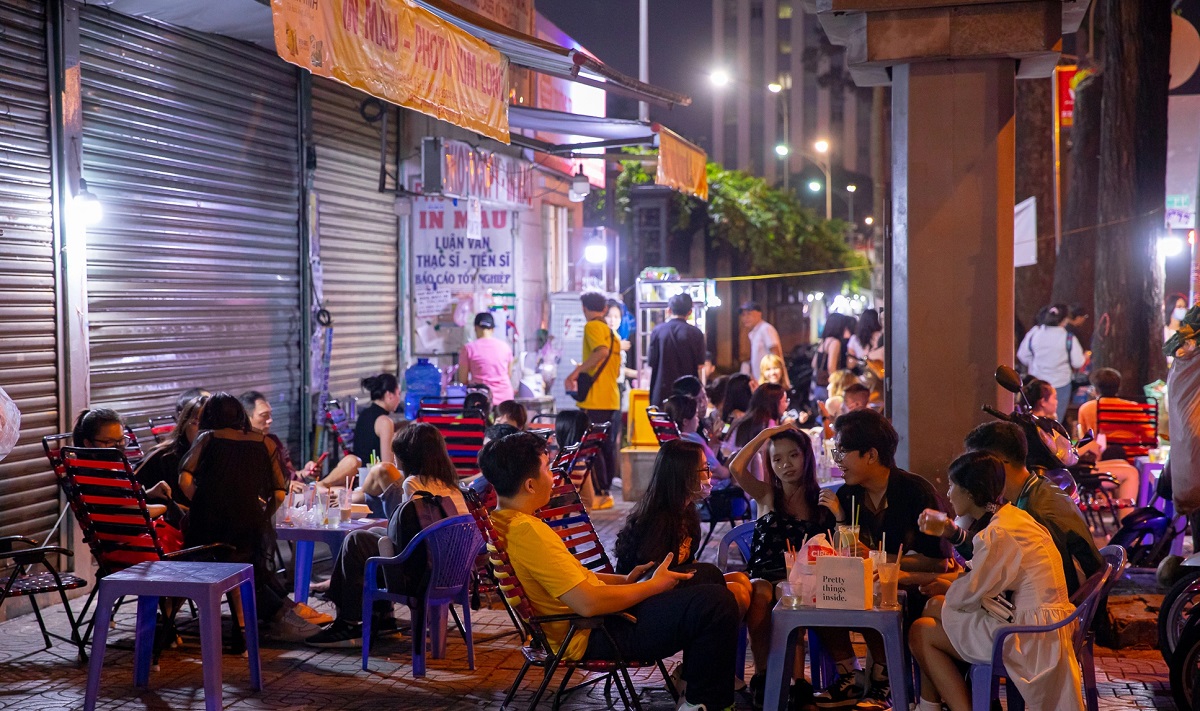
Vietnamese street food culture in daily life
10 Must Try Food in Vietnam
Vietnam’s culinary landscape is incredibly diverse, and no Vietnamese food guide would be complete without highlighting the iconic dishes that define the country’s identity. From North to South, each region offers specialties shaped by climate, history, and local ingredients. Below are ten essential dishes every traveler should experience.
With its dynamic streets, colonial architecture, and rich wartime history, Ho Chi Minh City deserves more than just a quick visit. Our carefully designed Ho Chi Minh City full-day tour takes you to iconic landmarks, cultural attractions, and authentic local spots, all in one seamless experience. It’s the perfect choice for travelers who want to maximize their time while enjoying in-depth insights from knowledgeable guides.
Pho – The Iconic Vietnamese Noodle Soup
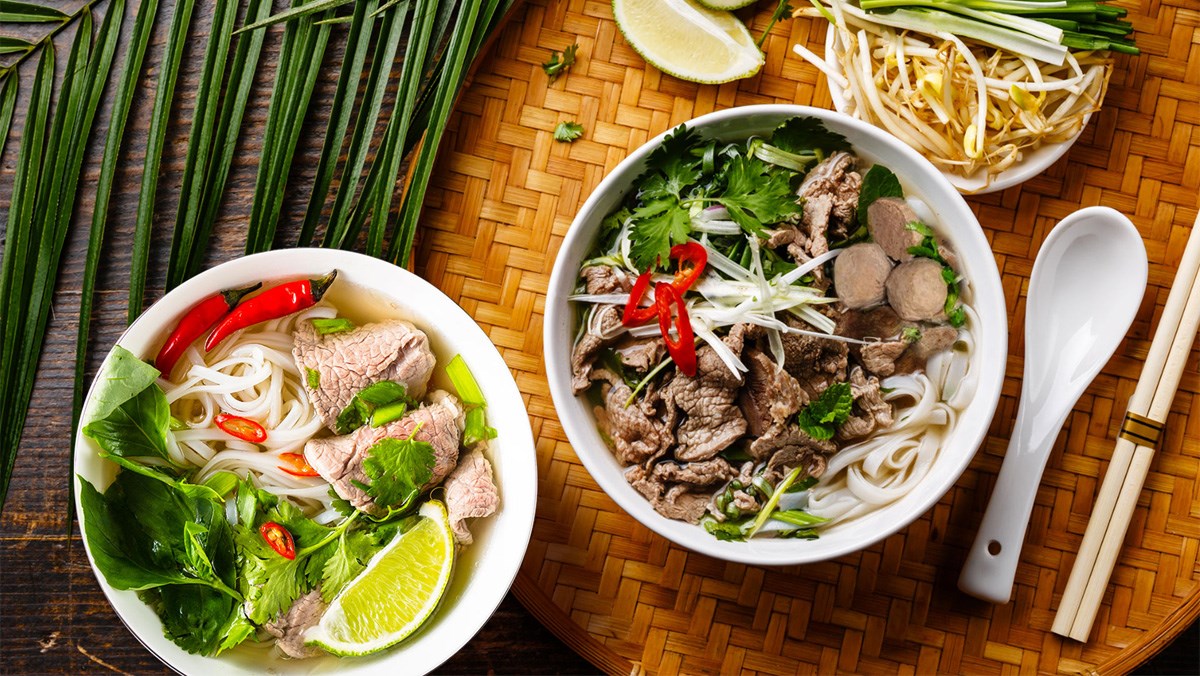
When people think of Vietnam, pho is often the first dish that comes to mind. As emphasized in this Vietnamese food guide, this traditional Vietnamese noodle soup represents comfort, balance, and culinary craftsmanship. A fragrant broth simmered for hours with beef bones, cinnamon, star anise, and cloves forms the heart of the dish.
Rice noodles are topped with thinly sliced beef or chicken, fresh herbs, bean sprouts, lime, and chili. The result is a bowl that feels both light and deeply satisfying. Pho is commonly enjoyed at breakfast, but it can be found at any hour throughout the country.
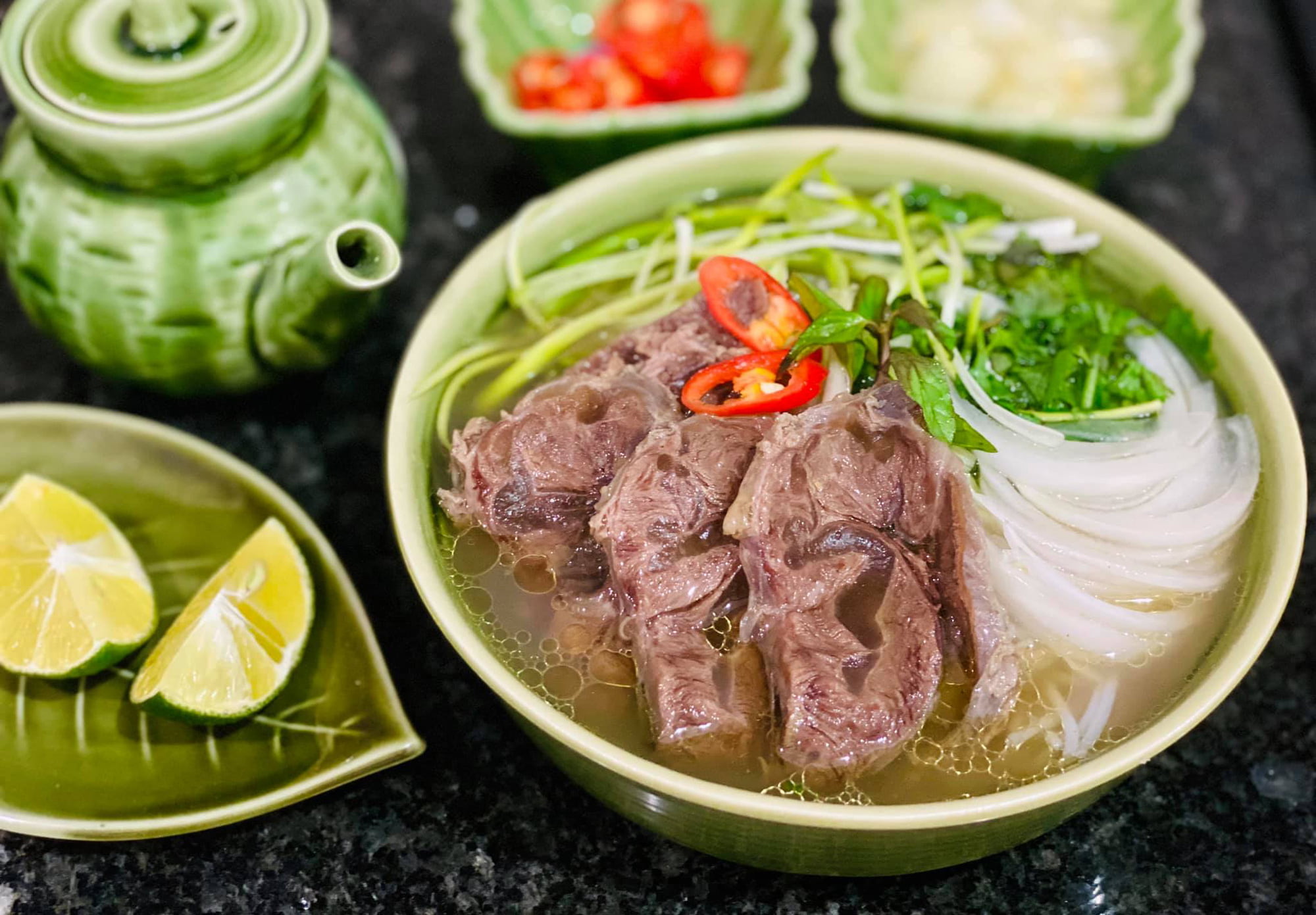
Pho Vietnamese noodle soup with fresh herbs
Banh Mi – Famous Vietnamese Street Food
Banh mi reflects Vietnam’s colonial history while maintaining a distinctly local character. In this Vietnamese food guide, it stands out as a perfect example of famous Vietnamese street food that blends global influence with local flavors.
A crispy baguette is filled with grilled pork, pâté, pickled carrots, daikon, cucumber, chili, and fresh herbs. The contrast between crunchy bread and savory fillings creates a dynamic texture in every bite. Affordable and portable, banh mi is a favorite for travelers exploring bustling city streets.
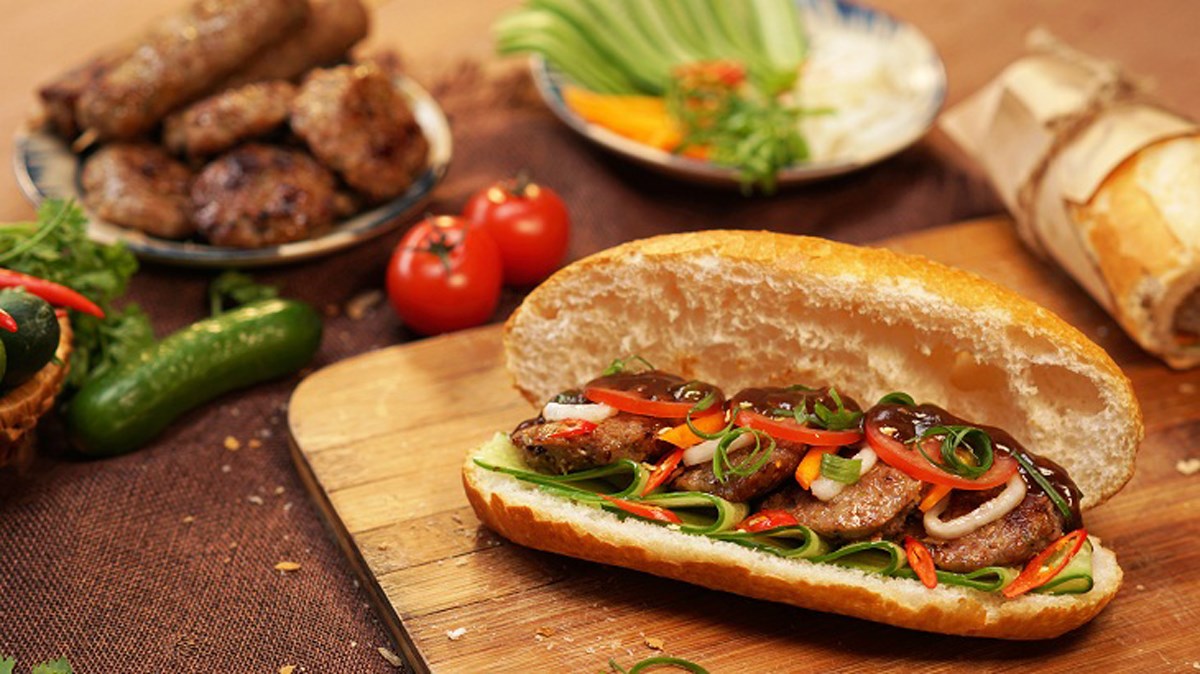
Banh mi famous Vietnamese street food sandwich
Bun Cha – A Hanoi Favorite
Originating in the capital city, bun cha showcases grilled pork served with rice noodles, fresh herbs, and dipping sauce. According to this Vietnamese food guide, the dish represents some of the finest Vietnamese local specialties found in Northern markets.
Smoky grilled pork patties and sliced pork belly are served alongside vermicelli noodles and a tangy fish sauce broth. Diners assemble each bite themselves, combining noodles, meat, and herbs for a balanced flavor profile.
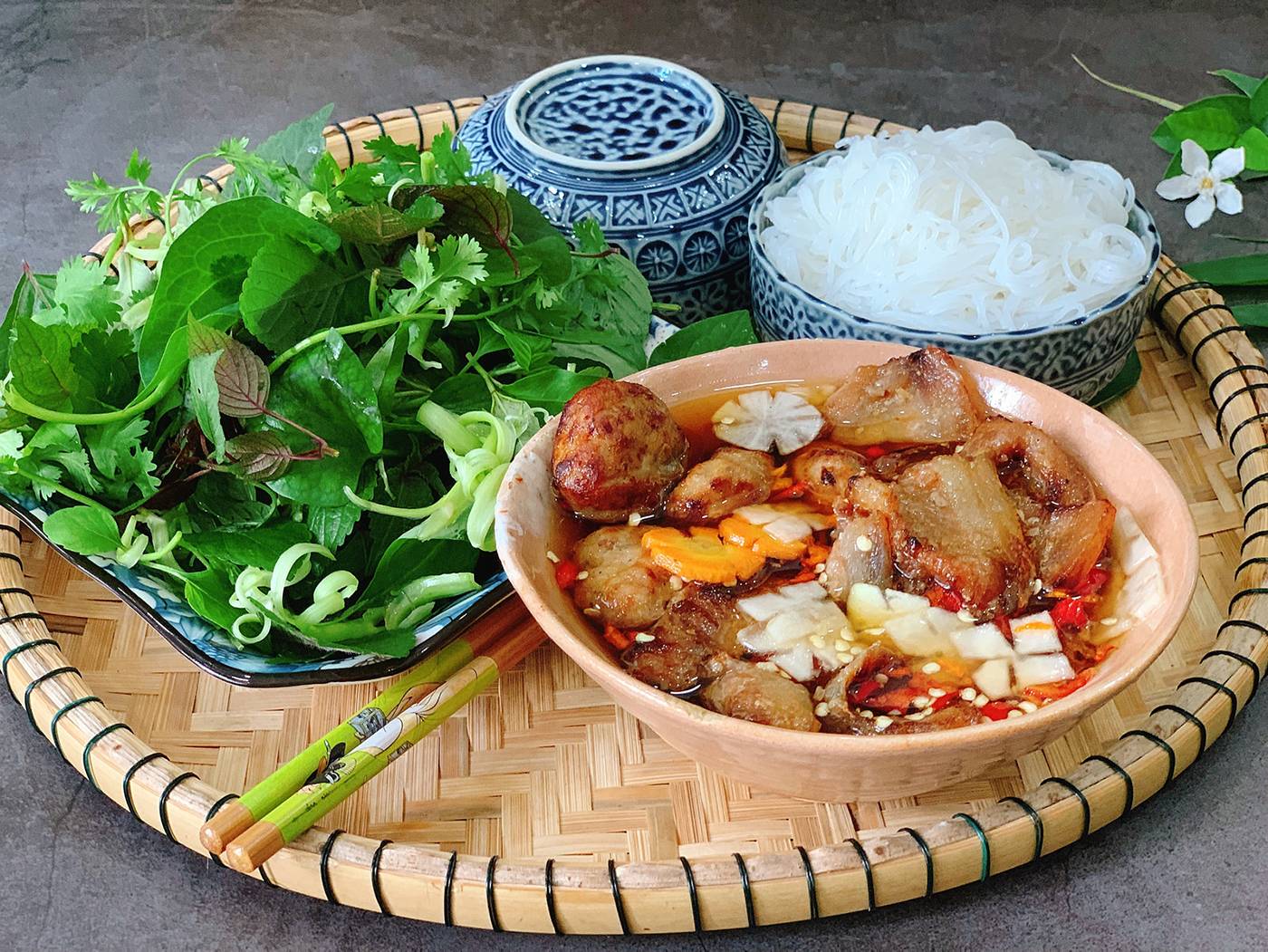
Bun cha grilled pork with noodles in Hanoi
Goi Cuon – Fresh Spring Rolls
Light, refreshing, and healthy, goi cuon are among the most recognized traditional Vietnamese dishes worldwide. As highlighted in this Vietnamese food guide, these fresh spring rolls emphasize herbs, rice paper, shrimp, pork, and vermicelli wrapped neatly by hand.
Served with peanut or hoisin dipping sauce, goi cuon offer a clean and delicate flavor that reflects Vietnam’s emphasis on freshness. They are often enjoyed as appetizers but can easily become a satisfying snack.
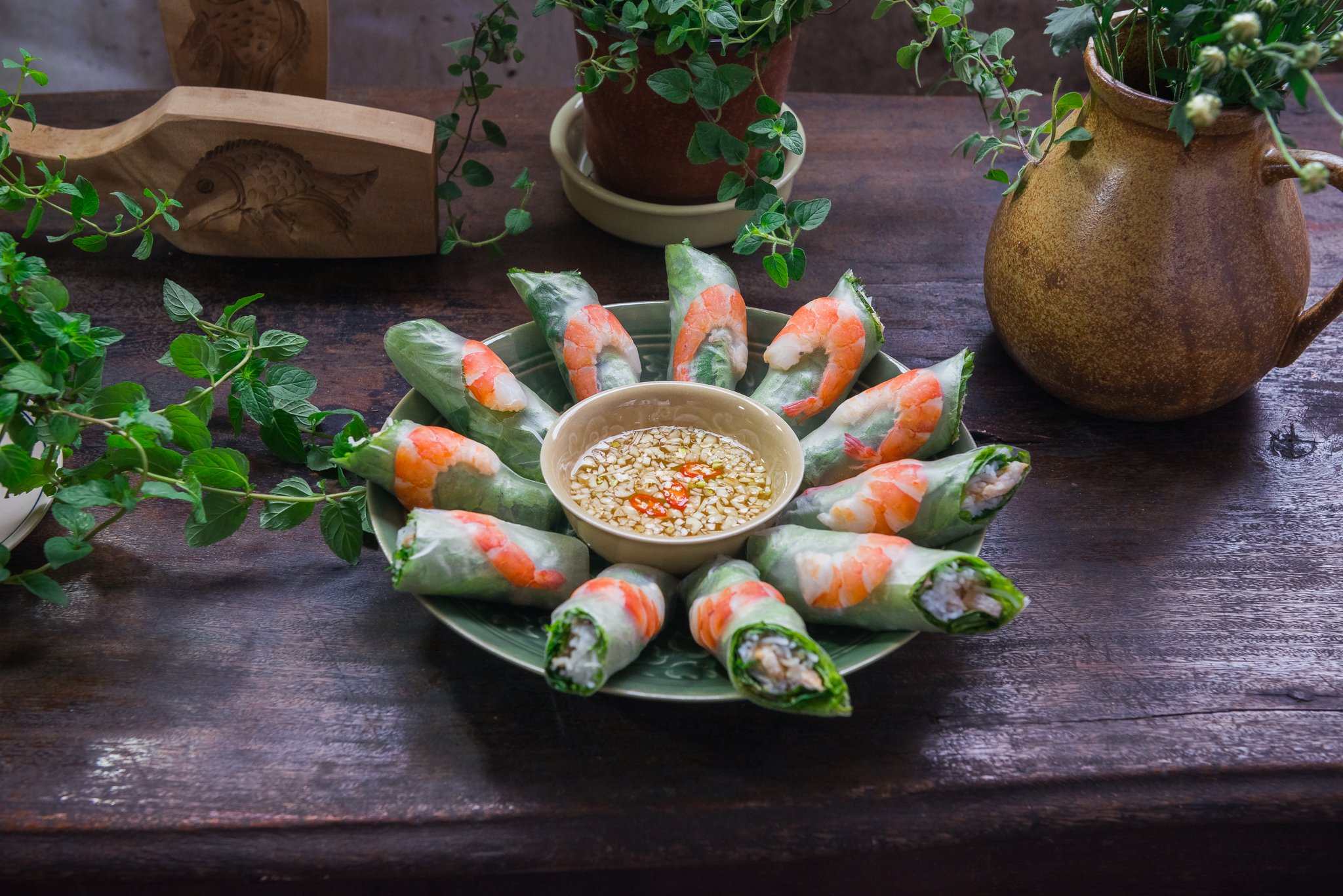
Goi cuon fresh spring rolls with shrimp and herbs
Com Tam – A Popular Southern Rice Dish
Com tam, or broken rice, is a beloved staple in Southern Vietnam. Within this Vietnamese food guide, it exemplifies the diversity of Vietnamese rice dishes that define everyday meals.
Typically served with grilled pork chop, shredded pork skin, steamed egg meatloaf, pickled vegetables, and fish sauce, com tam offers a combination of savory and slightly sweet flavors. The broken rice grains absorb sauce beautifully, creating a comforting and hearty plate.
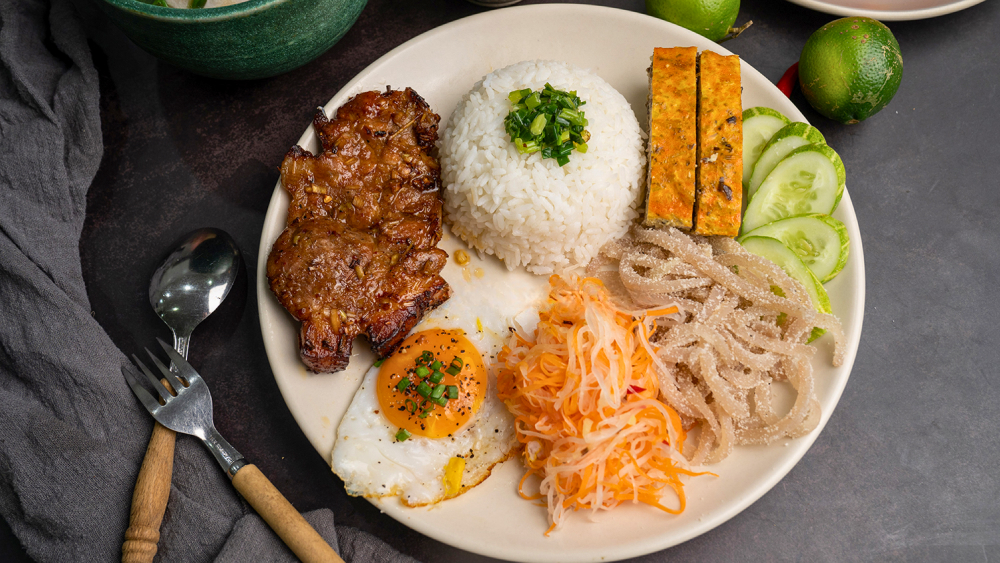
Com tam Vietnamese rice dish with grilled pork
Bun Bo Hue – Spicy Central Specialty
From central Vietnam comes bun bo Hue, known for its bold broth and vibrant color. As explored in this Vietnamese food guide, it ranks among the most popular Vietnamese dishes for those who enjoy rich and spicy flavors.
The soup features thick rice noodles, slices of beef, pork hock, and aromatic lemongrass-infused broth with chili oil. Compared to pho, bun bo Hue is more intense and complex, reflecting the culinary traditions of the central region.
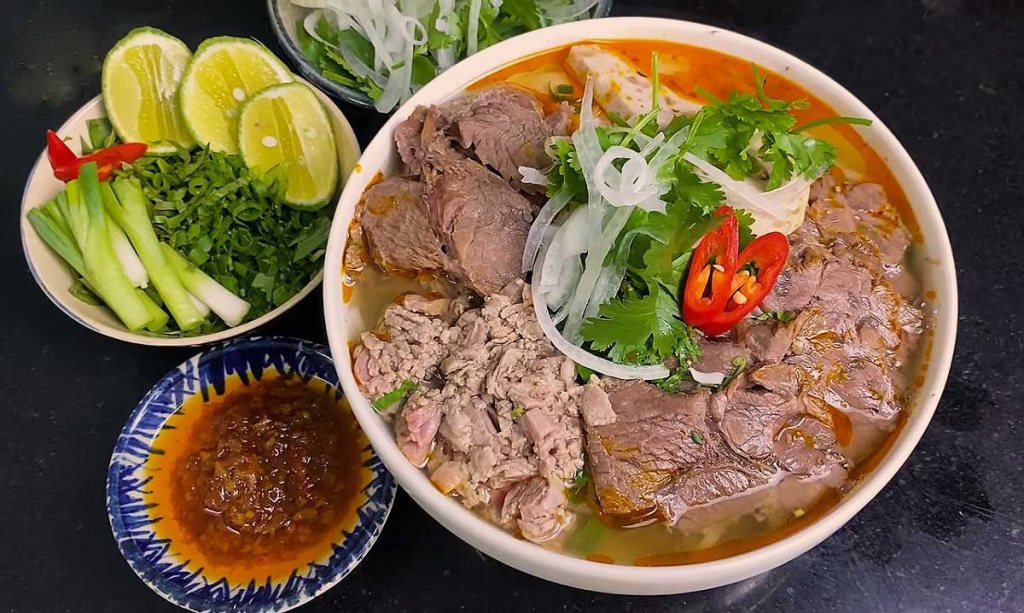
Bun bo Hue spicy noodle soup from Central Vietnam
Cao Lau – Hoi An’s Unique Noodles
Cao lau is strongly associated with the ancient town of Hoi An. It is often described as some of the best food in Vietnam due to its distinctive preparation and local ingredients.
Thick noodles are topped with sliced pork, fresh greens, crispy croutons, and a small amount of flavorful broth. The dish’s unique texture comes from noodles traditionally prepared with water drawn from local wells, giving it a character found nowhere else.
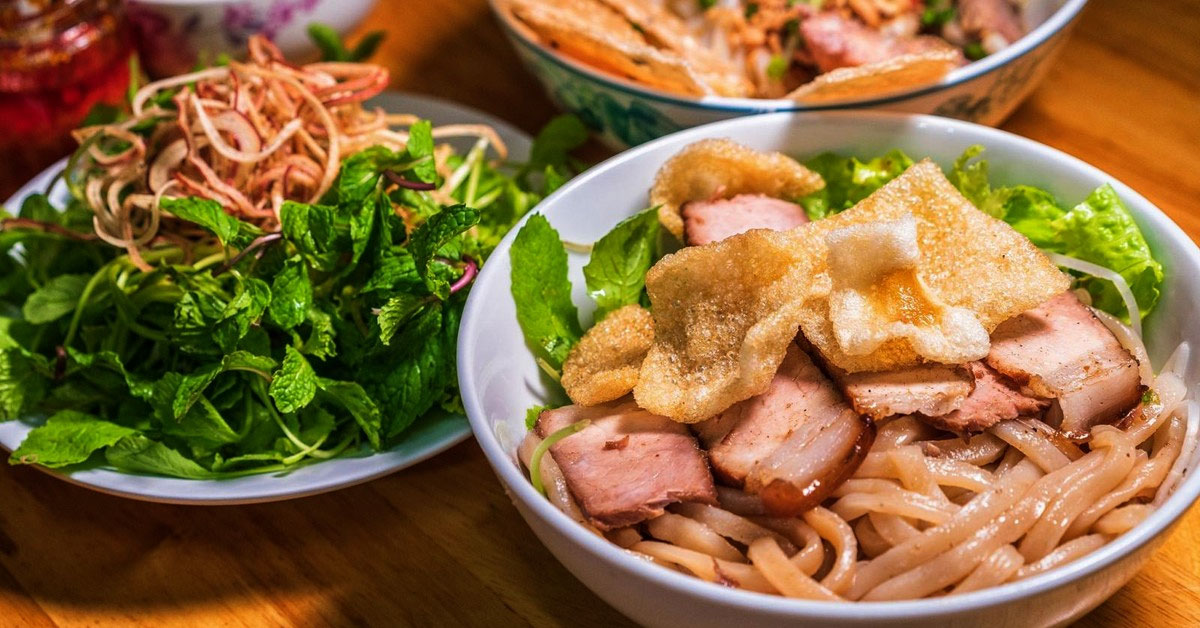
Cao lau Hoi An unique noodle dish
Banh Xeo – Crispy Vietnamese Pancake
Banh xeo is a savory pancake made from rice flour, turmeric, and coconut milk. It is considered must try food in Vietnam for its interactive dining experience.
The crispy crepe is filled with shrimp, pork, and bean sprouts, then wrapped in lettuce leaves with herbs before dipping into fish sauce. The contrast between crunch and freshness makes every bite exciting.
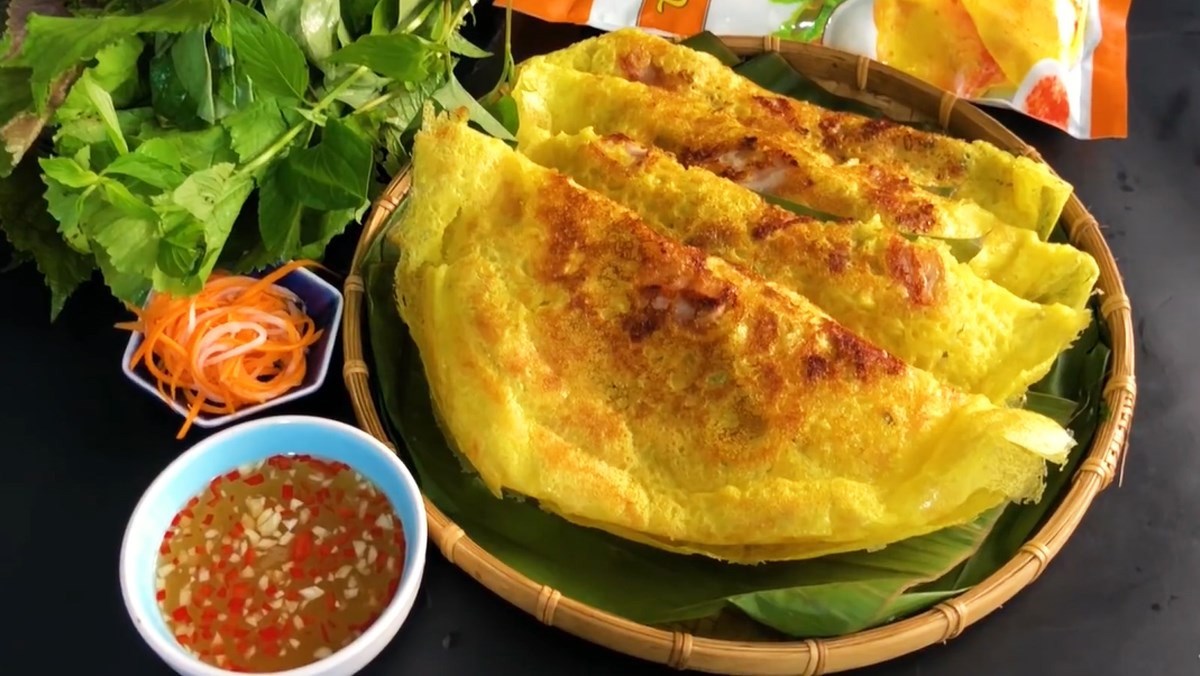
Banh xeo crispy Vietnamese pancake with herbs
Che – Colorful Vietnamese Dessert
Che refers to a wide variety of sweet desserts made with beans, jellies, coconut milk, fruits, and sticky rice. This Vietnamese food guide highlights che as one of the most enjoyable Vietnamese food for tourists seeking a refreshing treat in tropical weather.
Served either hot or cold, che offers endless variations depending on the region. Its vibrant colors and layered textures reflect the creativity of Vietnamese dessert culture.
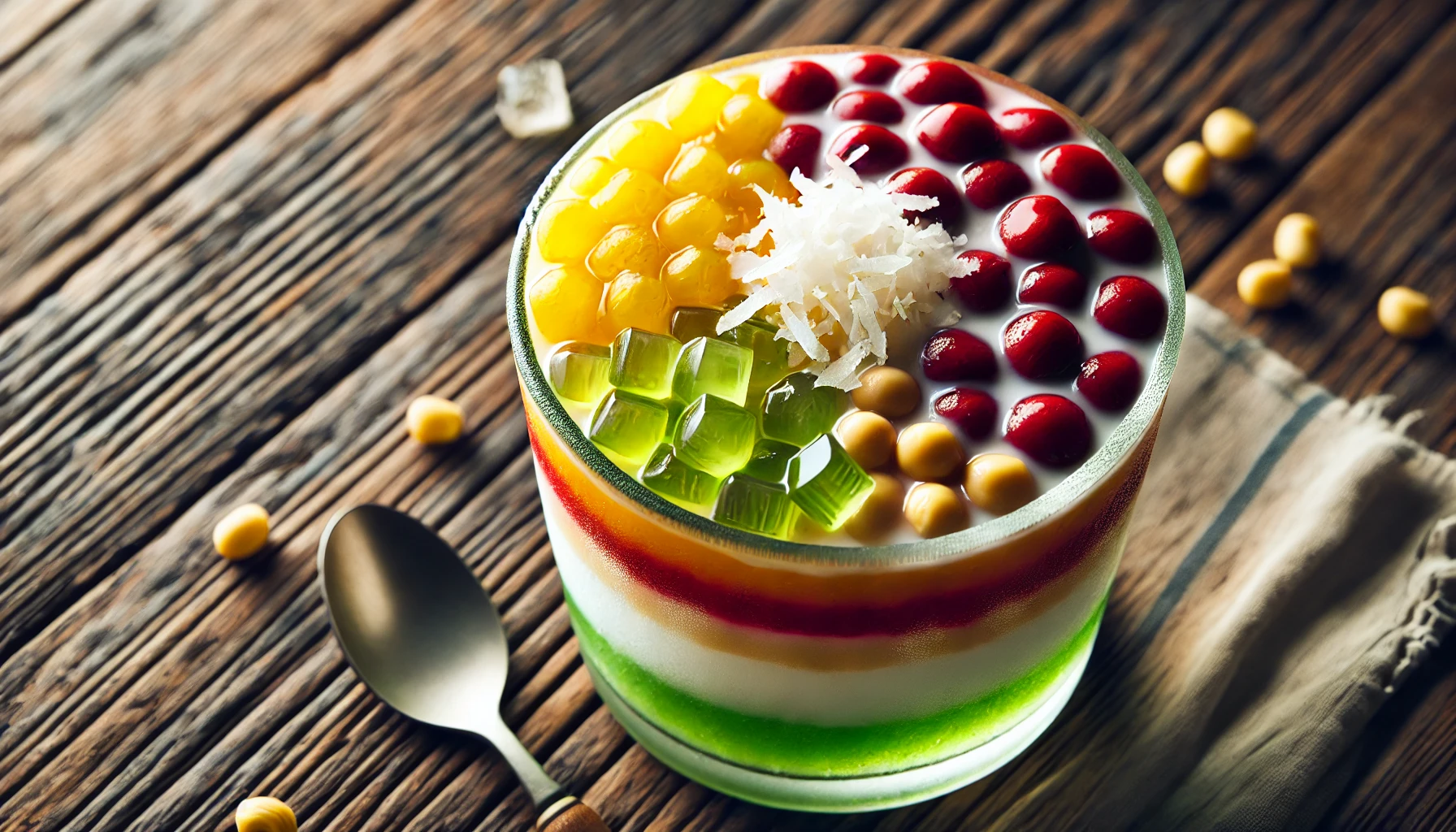
Che colorful Vietnamese dessert in a glass
Egg Coffee – Hanoi’s Sweet Surprise
Egg coffee is a unique beverage created in Hanoi during the 1940s. It demonstrates how innovation can transform simple ingredients into something extraordinary.
Strong Vietnamese coffee is topped with a creamy mixture of whipped egg yolk and sweetened condensed milk, creating a dessert-like drink with a rich, velvety texture. It is both indulgent and nostalgic, offering a memorable conclusion to any culinary exploration.
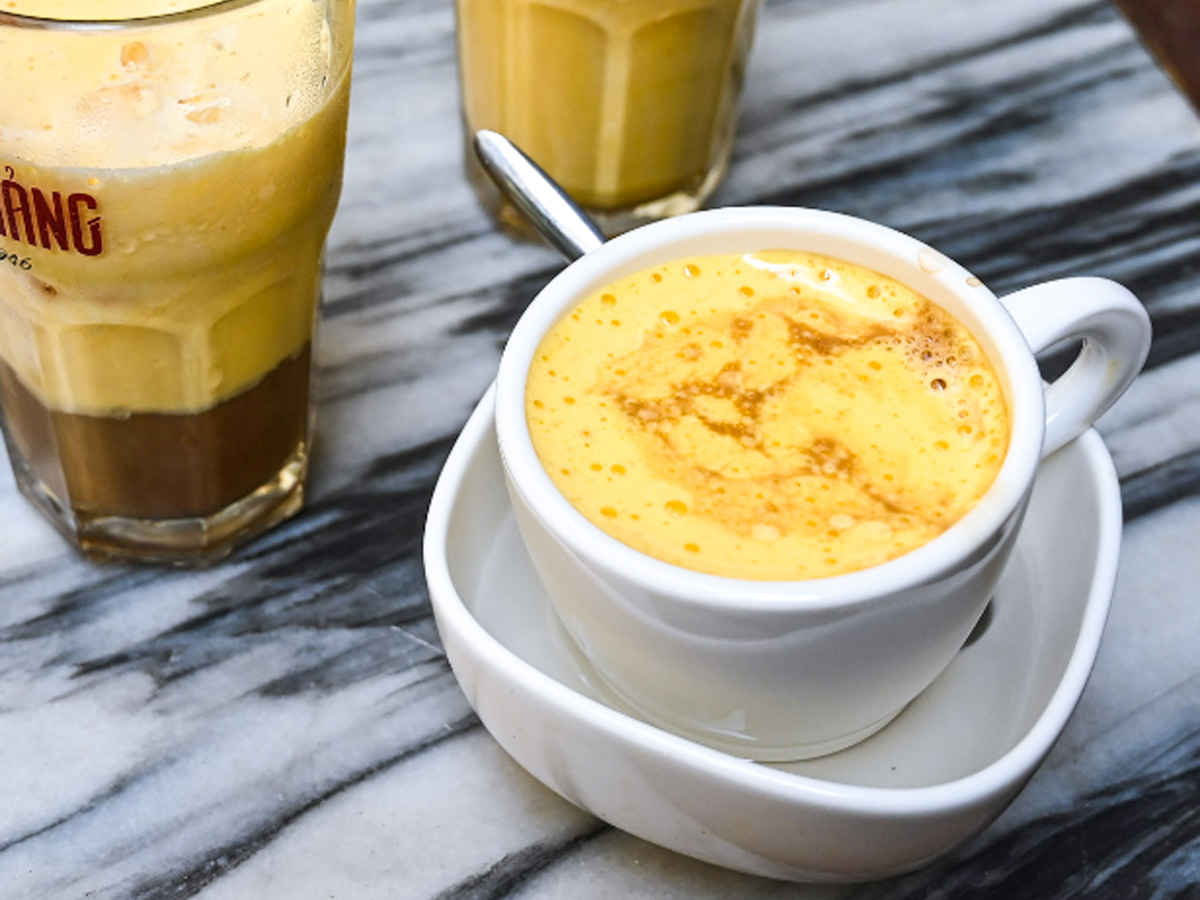
Vietnamese egg coffee in Hanoi
Regional Differences in Vietnamese Cuisine
Vietnam stretches over 1,600 kilometers from North to South, and this geographical diversity shapes its culinary identity in profound ways. As emphasized throughout this Vietnamese food guide, understanding regional differences allows travelers to appreciate why the same dish can taste completely different depending on where it is prepared. Climate, local produce, and historical influences have all contributed to three distinct culinary regions.
Northern Cuisine – Light and Elegant
Northern Vietnam is often described as the birthplace of many classic dishes that emphasize subtlety and balance. The cooler climate and historical influences from neighboring countries have shaped a style of cooking that values clarity of flavor over heavy seasoning.
Soups are typically clear and gently seasoned, grilled meats are lightly marinated, and herbs are used to enhance rather than dominate the dish. The capital city, Hanoi, is especially known for refined recipes that rely on precise technique and high-quality ingredients. The overall taste profile is mild, harmonious, and deeply comforting.
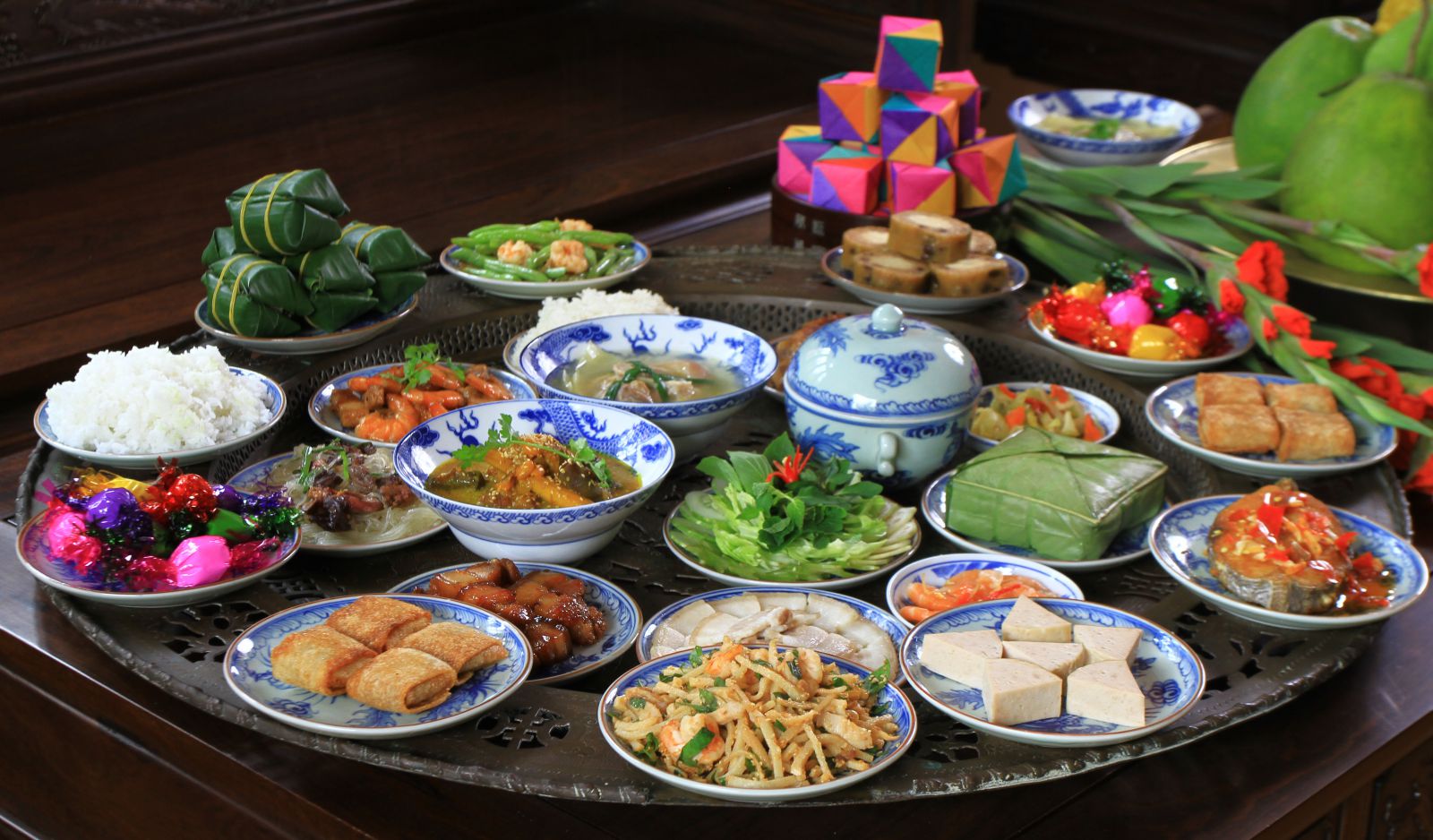
Northern Vietnamese cuisine light and elegant dishes
Central Cuisine – Bold and Complex
Central Vietnam presents a striking contrast, and any comprehensive Vietnamese food guide highlights this region for its bold flavors and artistic presentation. Influenced by royal culinary traditions from the former imperial capital, dishes here are often more elaborate and intensely seasoned.
Spice levels are noticeably higher, and chili oil is frequently used to add both heat and color. Portions may be smaller, but the variety of side dishes and condiments creates layered complexity. Coastal geography also plays a role, with seafood featuring prominently in many meals. The result is cuisine that feels vibrant, expressive, and memorable.
Southern Cuisine – Sweet and Abundant
Southern Vietnam, shaped by fertile river deltas and tropical agriculture, offers a culinary style that feels generous and lively. In this Vietnamese food guide, the Southern region stands out for its use of coconut milk, fresh fruits, and naturally sweet ingredients.
Dishes here often incorporate a subtle sweetness that balances savory components. Fresh herbs are plentiful, and meals tend to be abundant in portion size. The Mekong Delta’s agricultural richness ensures access to seafood, vegetables, and rice varieties that influence daily cooking. Southern cuisine feels approachable, colorful, and full of energy, reflecting the vibrant lifestyle of the region itself.
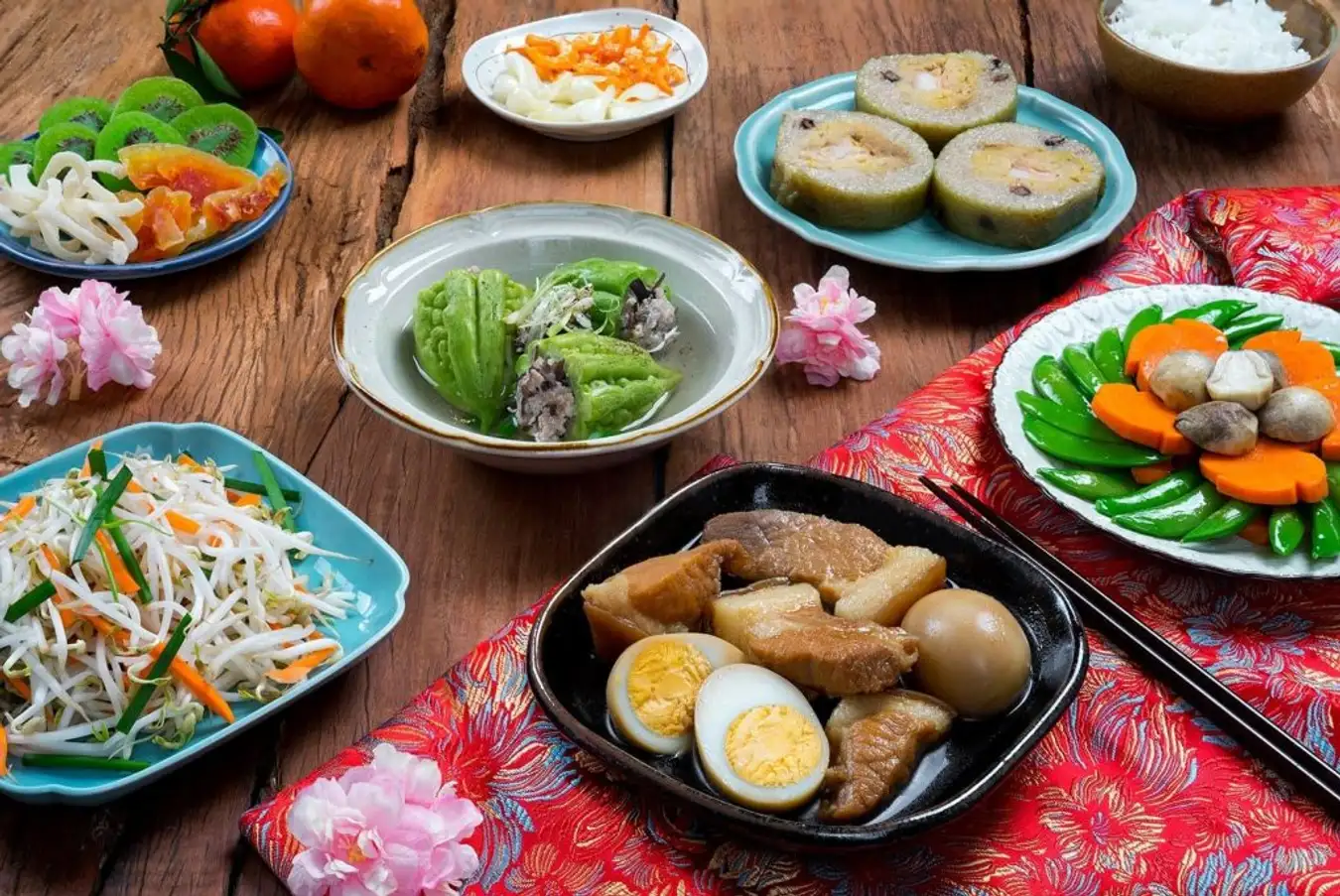
Southern Vietnamese cuisine sweet and vibrant dishes
Tips for Enjoying Vietnamese Food Like a Local
Exploring Vietnam’s culinary scene goes beyond simply choosing the right dishes. As any well-prepared Vietnamese food guide suggests, understanding how locals eat will enrich the experience and create deeper cultural connections. From ordering techniques to dining etiquette, small details can transform a meal into a memorable cultural moment.
How to Order at Local Restaurants
Navigating local eateries can feel overwhelming at first, but this encourages travelers to observe and adapt rather than rush. Many small restaurants specialize in just one or two dishes, so checking what other customers are eating is often the best strategy.
Menus may be limited or written only in Vietnamese, but pointing to a popular dish or politely asking for recommendations usually works well. Eating during peak hours also ensures fresher ingredients and a more authentic atmosphere.
Ordering food at a local Vietnamese restaurant
Street Food Safety Tips
Street food is one of Vietnam’s greatest attractions, and this emphasizes that safety comes down to smart choices rather than avoidance. Look for stalls with high turnover, visible food preparation, and plenty of local customers.
Freshly cooked items served hot are generally the safest option. It is also wise to carry small bills for convenience and use hand sanitizer before eating. With basic precautions, street dining can be both safe and incredibly rewarding.
Vietnam’s street food scene is one of the highlights of any trip, but being mindful about food hygiene is essential. Pay attention to how food is prepared, whether ingredients are stored properly, and how crowded the stall is. If you’re unsure where to start, our guide on practical Vietnam street food safety tips for travelers provides helpful insights before you dive into local flavors.
Food Etiquette in Vietnam
Dining etiquette reflects cultural values of respect and community. Meals are often shared, and dishes are placed in the center of the table for everyone to enjoy together.
Chopsticks are commonly used, and it is polite to avoid sticking them upright in a bowl of rice, as this resembles incense offerings. Waiting for elders to begin eating and expressing appreciation after the meal are small gestures that demonstrate cultural awareness. Embracing these customs helps travelers feel more connected to the local way of life.
Understanding local customs and social norms will help you avoid awkward situations during your trip. For a complete overview, read our guide on Vietnam travel dos and don’ts before you go.
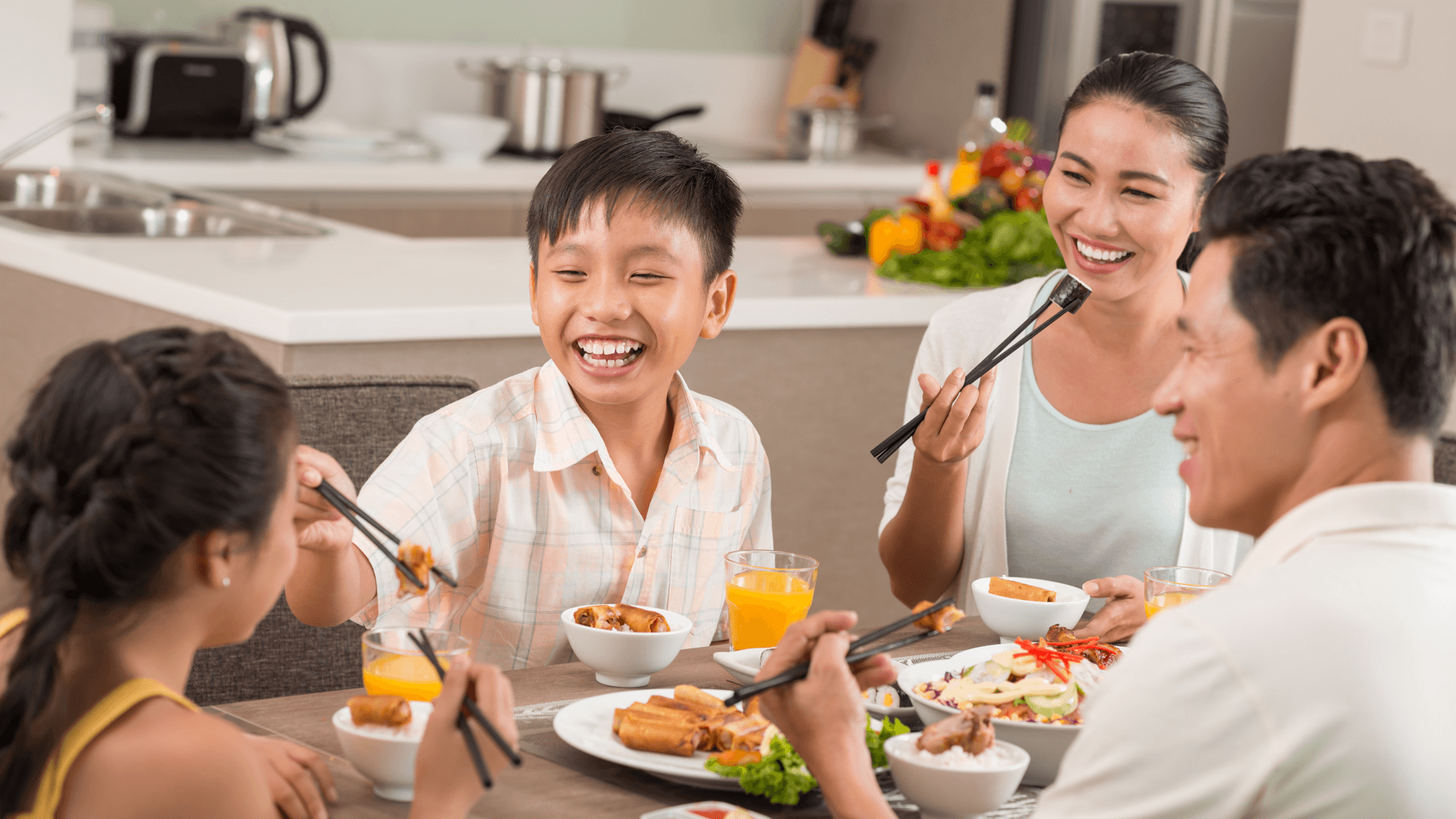
Vietnamese food etiquette at a family meal
Conclusion
Vietnam’s cuisine reflects the country’s history, geography, and vibrant culture, offering flavors that range from delicate and balanced to bold and dynamic. Each region contributes its own identity, turning every meal into a meaningful travel experience rather than just a simple dish. This Vietnamese food guide is your foundation for exploring the tastes that define Vietnam and connect you more deeply with local life.
If you are ready to turn these flavors into real memories, let Best Vietnam Tours craft a culinary journey tailored to your travel style. Discover Vietnam through its food, and experience the country in the most authentic way possible.