Vietnam is a country of contrasts, where ancient towns, vibrant cities, misty mountains, and tropical coastlines are connected by a surprisingly diverse and evolving transport network. Understanding public transport in Vietnam is essential for travelers who want to explore beyond the typical tourist routes and experience the country like a local. From affordable buses and scenic railway journeys to fast domestic flights and convenient ride-hailing services, every option offers a different perspective of daily life.
With proper planning, navigating between regions can be both cost-effective and culturally enriching. For curated itineraries and seamless travel experiences, many international visitors rely on Best Vietnam Tours to design journeys that combine comfort, authenticity, and efficiency. Whether you are traveling on a tight budget or seeking a smoother premium experience, knowing how the system works will help you move confidently across this dynamic Southeast Asian destination.
Public Transport In Vietnam: How To Travel Like A Local
Overview of Transportation Across the Country
Vietnam stretches over 1,600 kilometers from North to South, and this geographical diversity. From dense metropolitan hubs to remote mountain provinces, mobility patterns vary significantly across regions. Travelers quickly realize that understanding these regional differences is the first step toward planning smoother and more efficient journeys.
Although infrastructure standards differ depending on location, the overall system has improved rapidly in recent years. Expressways, upgraded rail corridors, and expanded airport networks have strengthened connections between major destinations. As a result, public transport in Vietnam has become increasingly accessible to both domestic commuters and international visitors seeking flexible travel options.
Urban vs. Rural Infrastructure
In major cities such as Hanoi and Ho Chi Minh City, mobility is fast-paced and constantly evolving. Buses run on extensive networks, ride-hailing services are widely available, and roads are continuously upgraded to support growing demand. For visitors staying in urban areas, navigating feels structured and relatively straightforward, especially with digital tools available.
In contrast, rural provinces and mountainous regions operate under different conditions. Narrower roads, fewer departure frequencies, and weather-related disruptions can influence travel times. However, these slower routes offer scenic landscapes and authentic encounters that reveal a deeper side, far from the rhythm of city life.
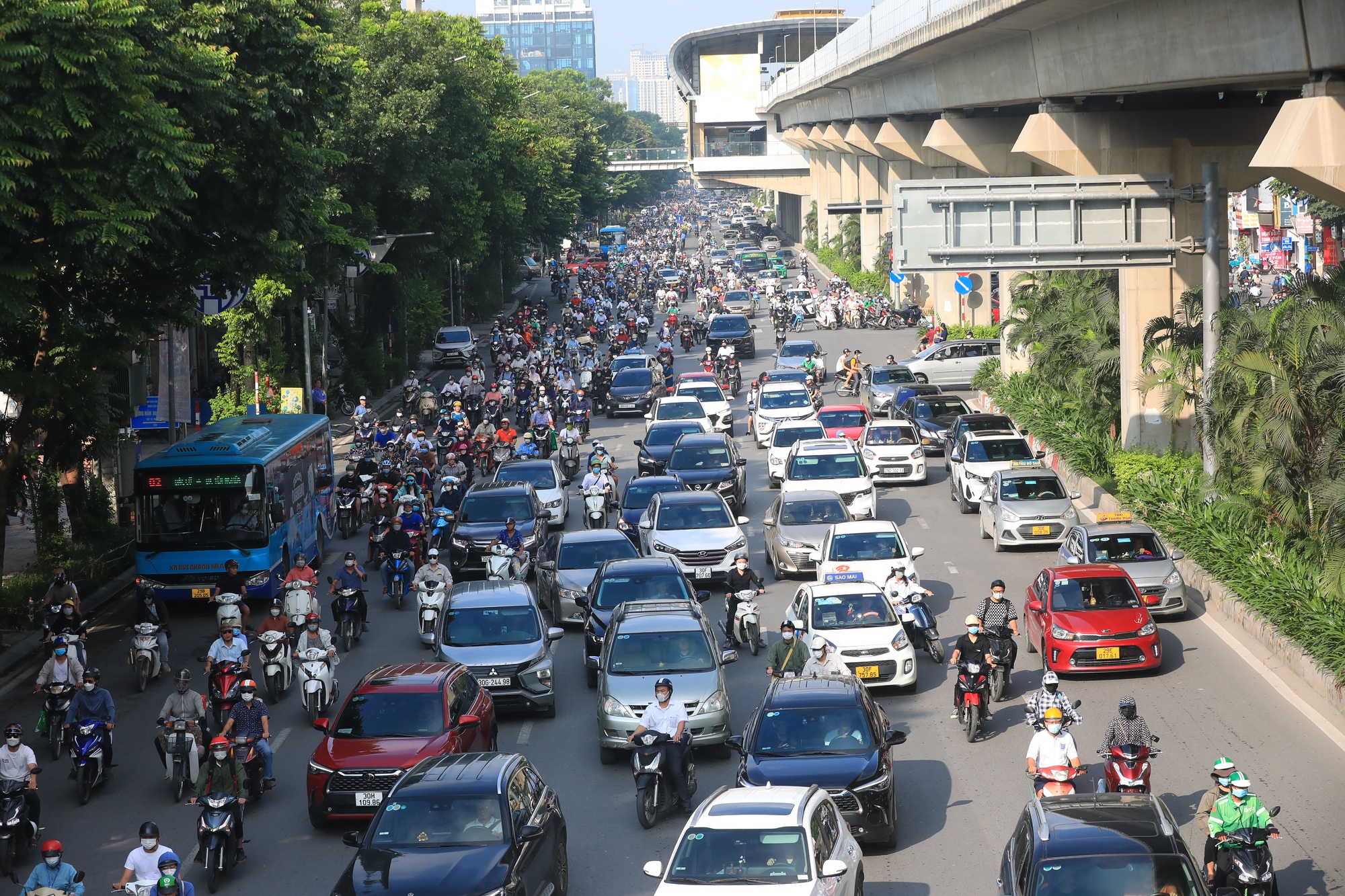
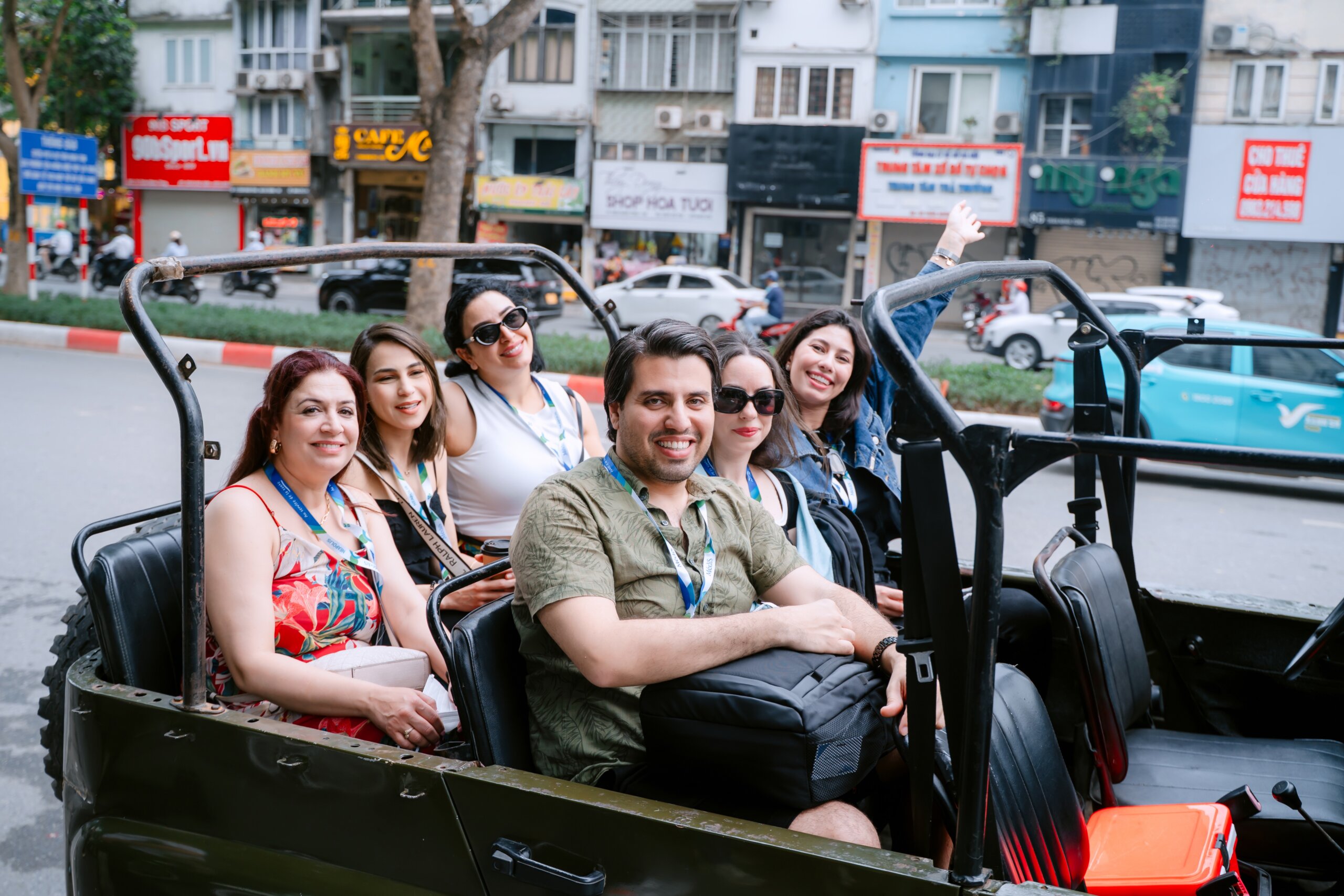
Urban traffic scene showing different types of public transport in Vietnam
Rapid Development in Major Cities
Economic expansion has significantly reshaped the transportation landscape in metropolitan centers. Elevated highways, new terminals, and urban transit projects are gradually reducing congestion and modernizing daily commuting. These developments signal how public transport in Vietnam is transitioning from a largely informal network toward a more integrated and future-oriented system.
Technology has also transformed the traveler experience. Mobile ticketing platforms, online reservations, and app-based navigation tools allow visitors to plan routes with greater confidence. Thanks to digital innovation, using public transport in Vietnam is no longer as intimidating as it once was for first-time travelers.
What Travelers Should Expect
Despite rapid modernization, flexibility remains essential when navigating. Schedules may shift, traffic density can be intense during peak hours, and holiday travel often results in fully booked services. Patience and proactive planning make a significant difference in ensuring smooth connections.
At the same time, affordability continues to be one of the system’s strongest advantages. Compared to many destinations in the region, moving between cities remains budget-friendly. With realistic expectations and a willingness to adapt, travelers often discover is not just a means of getting from point A to point B, but an experience that reflects the country’s vibrant daily life.

Transportation differences between Northern mountain roads and Southern river regions in Vietnam
Bus Travel – The Most Budget-Friendly Option
For travelers seeking affordability and extensive route coverage, buses remain one of the most practical pillars of public transport in Vietnam. Operating in nearly every province, bus networks connect city centers, rural districts, and remote tourist destinations at prices that suit even the tightest budgets. Whether commuting within a major city or traveling between regions, bus services provide accessibility that few other options can match.
City Buses in Major Urban Centers
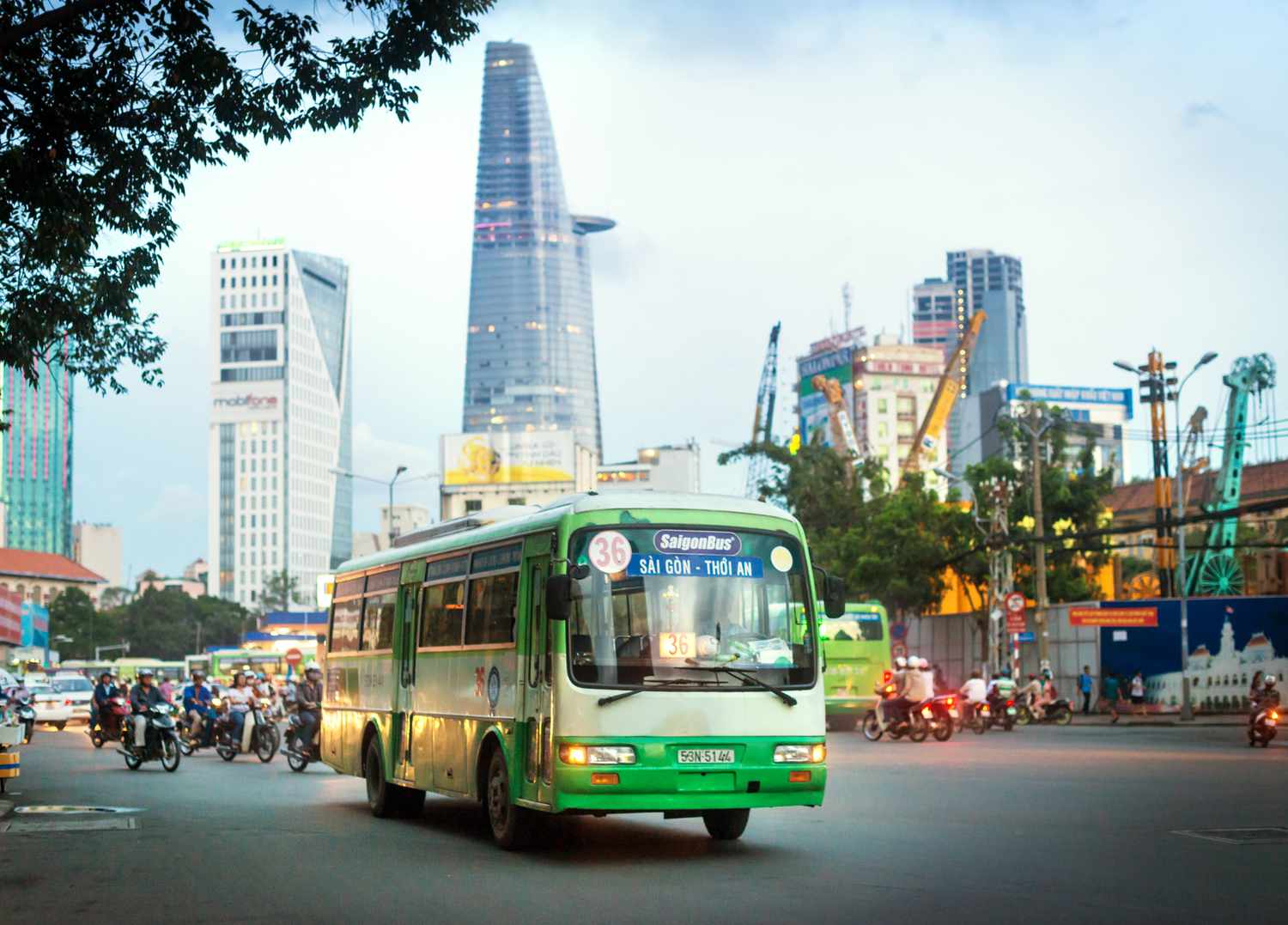
In metropolitan areas, the Vietnam bus system plays a vital role in daily commuting. Dozens of routes operate from early morning until evening, linking residential districts with business hubs, universities, and tourist attractions. Fares are inexpensive, and tickets are typically purchased directly onboard or at small kiosks near stations.
For visitors wanting to experience public transport in Vietnam like a local, city buses offer an authentic glimpse into everyday urban life. While signage may not always be fully bilingual, navigation apps and online maps make route planning easier than in the past. Traveling during off-peak hours can significantly improve comfort and reduce travel time.
Interprovincial Coaches and Long-Distance Routes
Beyond city limits, interprovincial buses connect destinations across hundreds of kilometers. These coaches range from basic seating to more comfortable air-conditioned vehicles designed for extended journeys. Tickets can be booked through local agencies, bus terminals, or online platforms, depending on the operator.
For budget-conscious travelers exploring multiple regions, long-distance buses remain a core component of public transport in Vietnam. They are particularly useful for reaching destinations that may not have railway stations or nearby airports. However, departure punctuality can vary, so allowing extra time between connections is advisable.
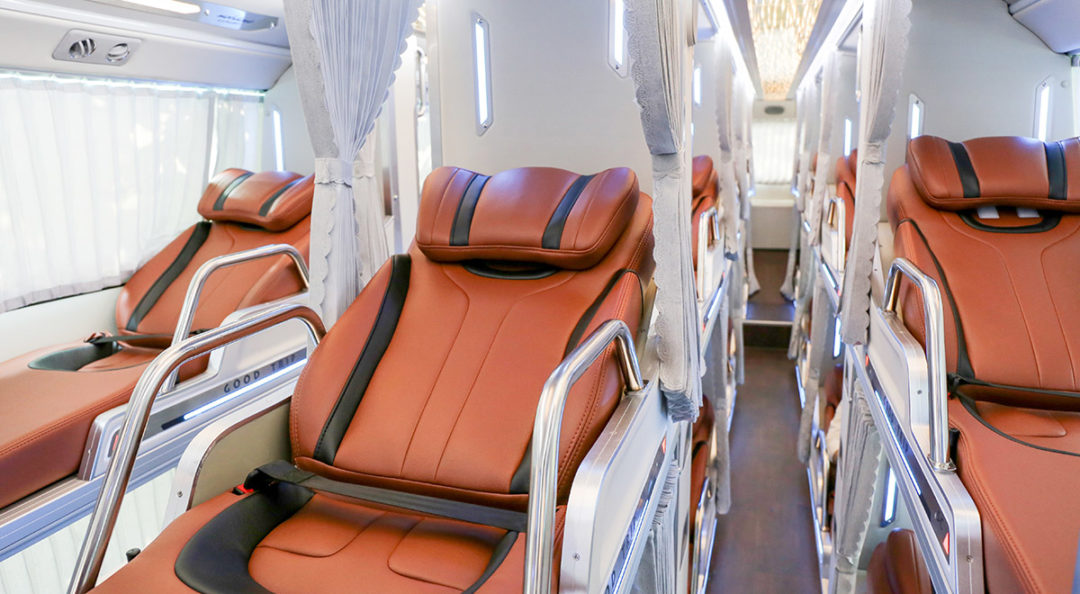
Interior of a Vietnam sleeper bus designed for long-distance travel
Overnight Sleeper Coaches
For routes exceeding six to eight hours, many operators provide the Vietnam sleeper bus option. These vehicles are equipped with reclining or flat bunk-style seats arranged in compact rows, allowing passengers to rest during overnight travel. Curtains, blankets, and onboard lighting are commonly provided to enhance comfort.
Choosing an overnight service not only reduces accommodation costs but also maximizes sightseeing time. For travelers planning extended itineraries, sleeper coaches demonstrate how adaptable public transport in Vietnam can be across different travel styles. While space may feel limited for taller passengers, the experience remains a practical and uniquely local way to cover long distances efficiently.
For longer routes between major cities, the Vietnam sleeper bus offers reclining beds, air conditioning, and overnight schedules that help travelers save on accommodation. If you’re considering this option, read our detailed guide to the Vietnam sleeper bus experience to understand comfort levels, ticket booking tips, and what to expect on board.
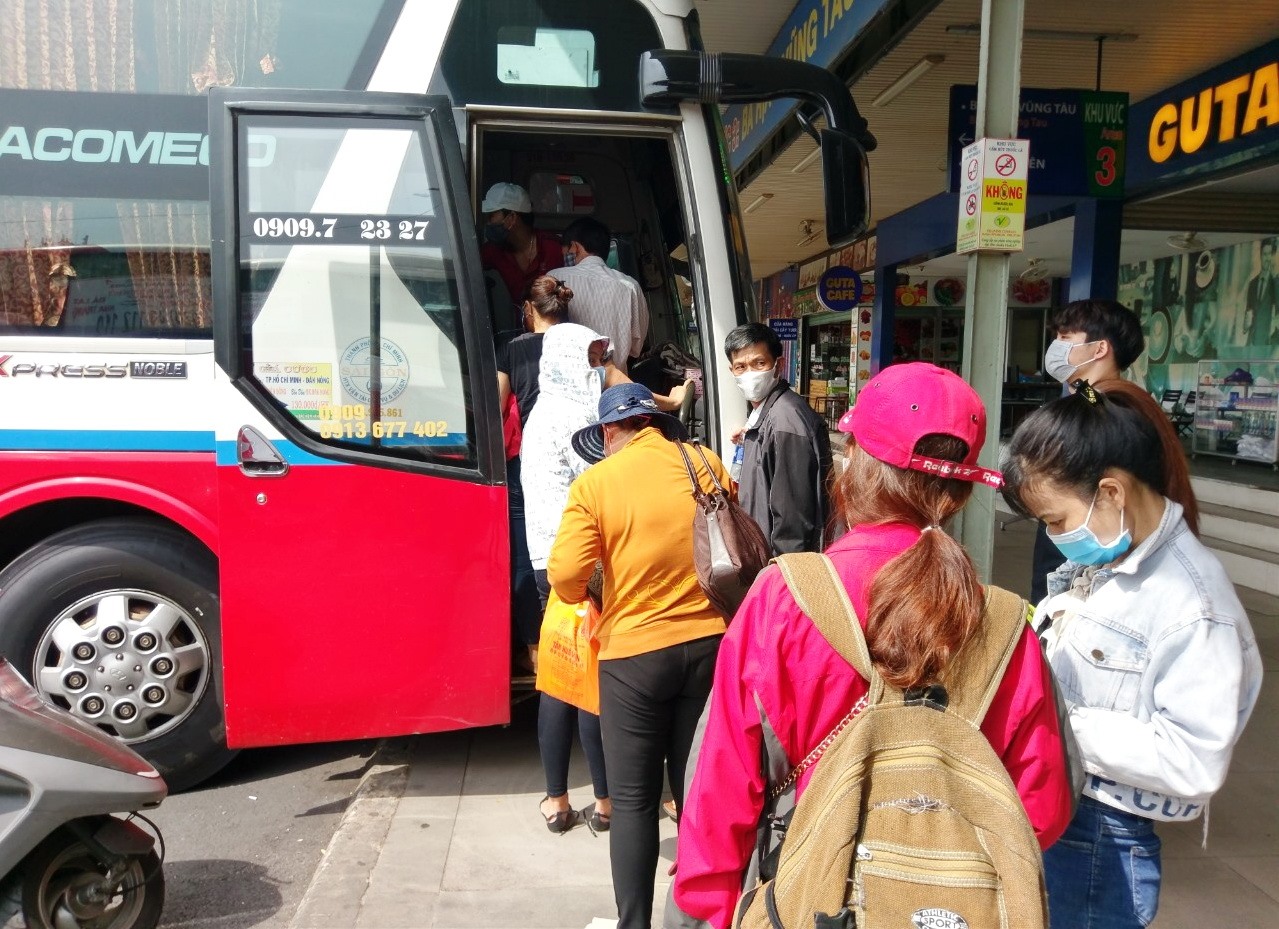
Passengers boarding an intercity bus in Vietnam
Railway Journeys – A Scenic Way to Explore
Rail travel offers a slower yet deeply immersive perspective on public transport. Stretching from the Northern capital to the Southern economic hub, the railway network links many of the country’s most iconic destinations. For travelers who value scenery, space to move around, and a more relaxed pace, trains provide a compelling alternative to road or air travel.
The North-South Reunification Line
The backbone of the railway system is the historic Reunification Express, connecting Hanoi and Ho Chi Minh City over more than 1,700 kilometers. This route passes through coastal plains, mountain tunnels, and countryside landscapes that are difficult to appreciate from highways or airports. Along the way, passengers can stop in cities such as Hue, Da Nang, and Nha Trang.
For many visitors, riding trains in Vietnam becomes one of the most memorable parts of experiencing public transport in Vietnam. Large windows allow uninterrupted views, and the rhythmic movement of the carriage creates a calm atmosphere that contrasts sharply with the intensity of road traffic.
The North-South railway connects the capital with the Southern economic hub, offering one of the most iconic long-distance routes in public transport in Vietnam. If you’re deciding between train, flight, or bus, explore our complete guide on how to travel from Hanoi to Ho Chi Minh City to compare travel time, cost, and comfort levels.

Scenic coastal view from trains in Vietnam along the North–South railway
Cabin Types and Comfort Levels
Vietnamese trains typically offer multiple seating and sleeping configurations, ranging from hard seats to soft sleeper cabins with air conditioning. Daytime journeys are often best suited for soft seats, while overnight routes provide four-berth or six-berth compartments for added privacy and rest.
Compared to buses, trains generally offer more legroom and the freedom to walk between carriages. Dining cars or snack vendors are available on longer routes, adding convenience for extended trips. For travelers seeking a balance between affordability and comfort, rail travel remains a dependable choice.
When to Choose Rail Over Road
Trains are particularly advantageous on medium-to-long distances where scenery enhances the journey. Coastal segments between Da Nang and Hue, for example, are widely praised for panoramic ocean views. Rail travel also avoids highway congestion and reduces the stress associated with unpredictable traffic conditions.
However, train schedules are less frequent than bus departures, and tickets can sell out during national holidays. Planning ahead ensures smoother connections when integrating rail into a broader exploration strategy. Ultimately, incorporating train travel allows visitors to experience the country at a more deliberate and reflective pace.
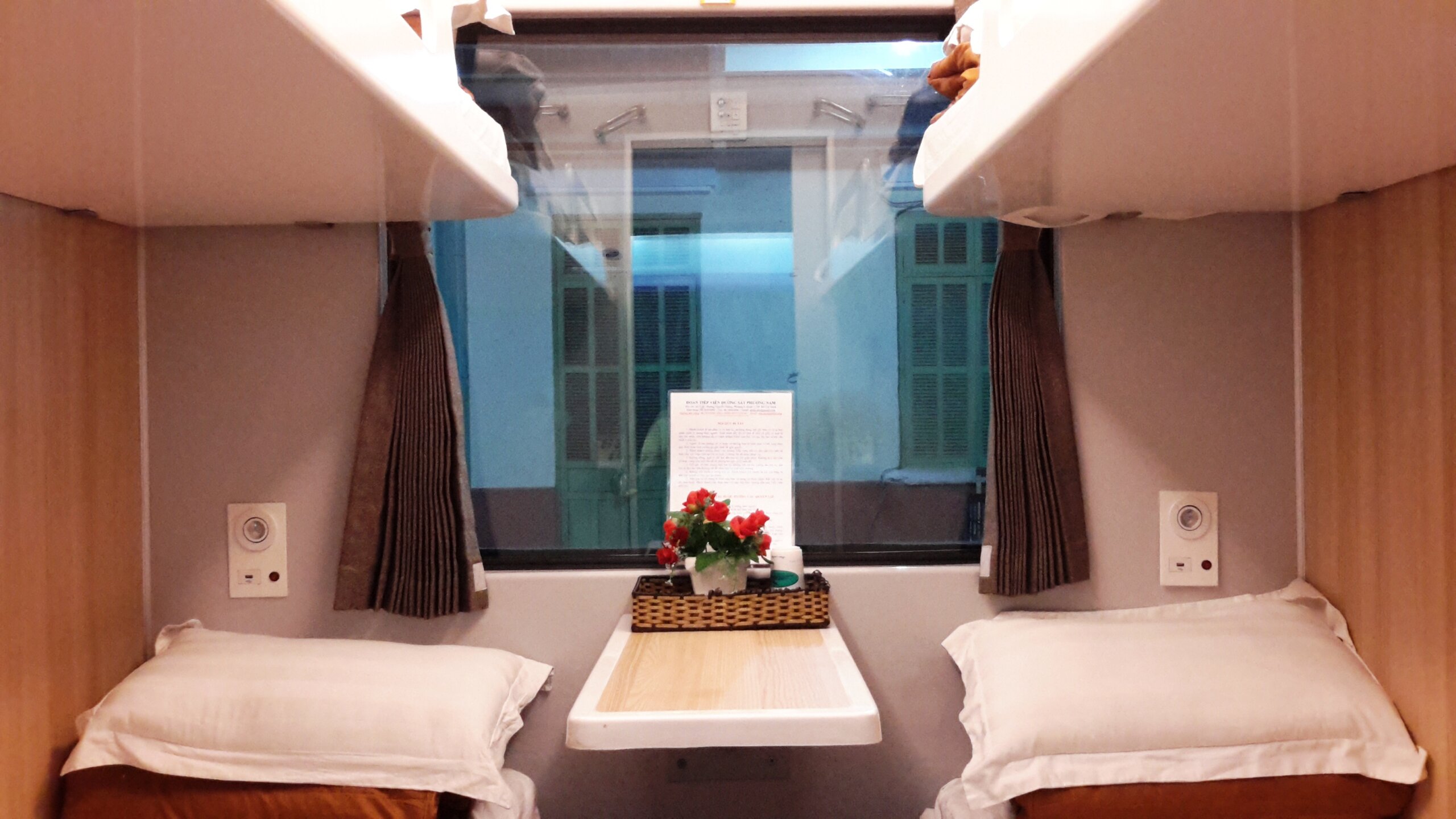
Sleeper cabin on a Vietnamese long-distance train
Domestic Flights – Fast and Efficient
For travelers covering long distances within a limited timeframe, air travel has become an increasingly important part. With the country’s elongated geography, flying between the North and South can save more than a full day compared to land routes. Modern terminals, competitive pricing, and frequent departures make domestic aviation a practical solution for both leisure and business travelers.
Major Airlines and Popular Routes
Several carriers operate Vietnam domestic flights across key routes linking Hanoi, Ho Chi Minh City, Da Nang, Phu Quoc, and other regional hubs. Competition between airlines has kept fares relatively affordable, especially when tickets are booked in advance. Seasonal promotions and online booking platforms further enhance accessibility for international visitors.
Although flying may not provide the cultural immersion of road or rail journeys, it plays a strategic role, particularly for travelers who prioritize speed and convenience. Short flight durations make it possible to maximize time at each destination without sacrificing comfort.

Passenger aircraft operating Vietnam domestic flights at a major airport
When Flying Makes the Most Sense
Air travel is particularly advantageous for cross-country itineraries, such as combining Northern highlands with Southern islands in a single trip. Instead of spending extended hours on buses or trains, passengers can complete these journeys in under two hours. For families, elderly travelers, or those with tight schedules, flying reduces physical strain and logistical complexity.
Integrating flights into public transport in Vietnam is often a matter of balancing cost against time efficiency. While airfare may be higher than land transport, the time saved can significantly improve the overall travel experience, especially on multi-city itineraries.
Booking and Baggage Considerations
Booking early is recommended during peak seasons and national holidays, when demand rises sharply. Most airlines allow online check-in, and electronic boarding passes simplify airport procedures. Travelers should also review baggage policies carefully, as low-cost carriers may charge additional fees for checked luggage.
When combined thoughtfully with buses or trains, flights enhance the flexibility of public transport in Vietnam. This multimodal approach allows visitors to customize their journeys according to comfort preferences, budget, and available time.
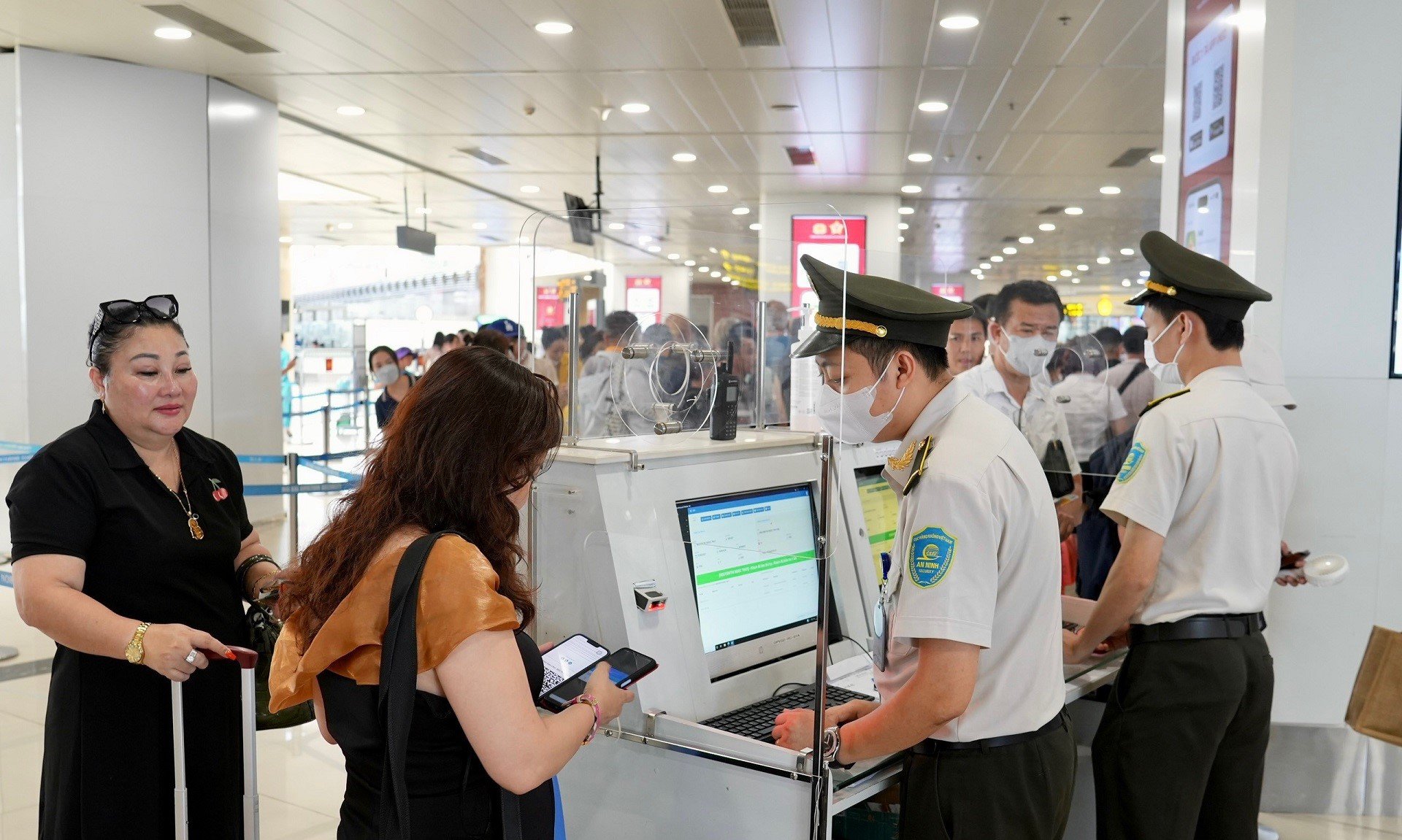
Airport check-in area for domestic travel within Vietnam
Urban Ride Options and App-Based Services
In bustling cities where traffic density can feel overwhelming, flexible ride options play a crucial role in complementing. Beyond buses and trains, short-distance mobility often depends on motorbikes and app-based services that allow passengers to navigate narrow streets and avoid congestion. These solutions provide convenience, speed, and door-to-door access that traditional routes may not always offer.
Traditional Motorbike Rides
The motorbike taxi in Vietnam has long been a symbol of urban life. Known locally as “xe ôm,” these independent drivers wait along sidewalks and intersections, ready to transport passengers quickly across town. Negotiating the fare before departure is customary, and helmets are typically provided for safety.
For travelers seeking an authentic experience, riding on the back of a motorbike offers a close-up perspective of daily life. The ability to weave through traffic and access small alleyways makes this option especially efficient during peak hours.
Safety and Pricing Transparency
Urban ride services vary in quality, so paying attention to safety remains essential. Choosing licensed drivers, confirming vehicle details through apps, and wearing protective helmets are simple yet effective precautions. Traffic conditions can be intense, but experienced drivers are generally skilled at navigating crowded roads.
When integrated with buses or trains, short-distance rides provide the final link in a larger mobility chain. This seamless combination demonstrates adapts to both structured systems and flexible on-demand services, creating a dynamic environment for modern travelers.

Booking a ride through Grab in Vietnam using a mobile application
Ride-Hailing Apps and Digital Payments
Technology has transformed city mobility with the rise of platforms such as Grab in Vietnam. Through a simple smartphone interface, passengers can book cars or motorbikes, track arrival times, and view fare estimates before confirming the ride. Digital payment options, including credit cards and e-wallets, enhance transparency and eliminate the need for cash transactions.
App-based services have significantly improved accessibility, particularly for international visitors who may be unfamiliar with local pricing practices. The availability of English-language interfaces further reduces communication barriers and increases traveler confidence.
In major cities, Grab in Vietnam has become one of the most convenient ways to navigate urban traffic, offering both car and motorbike ride options at transparent prices. To make the most of digital tools while exploring public transport, check out our recommended travel apps for Vietnam that simplify booking, navigation, and local transportatio
Motorbike taxi in Vietnam waiting for passengers in a busy city
Getting To and From Airports
Airports serve as critical gateways, especially for international arrivals and long-distance domestic travelers. Efficient ground connections between terminals and city centers can significantly influence the overall travel experience. Fortunately, most major airports provide multiple options that accommodate different budgets and comfort levels.
Shuttle Buses and Public Options
Many airports operate dedicated shuttle buses that link terminals to central districts at fixed intervals. These services are often the most economical solution, with clearly marked stops and standardized ticket prices. While luggage space may be limited during peak hours, shuttle routes offer a structured and predictable entry point into public transport in Vietnam.
Local city buses may also serve airport corridors, providing an even cheaper alternative. However, these routes typically make multiple stops and require closer attention to schedules and destination signage.
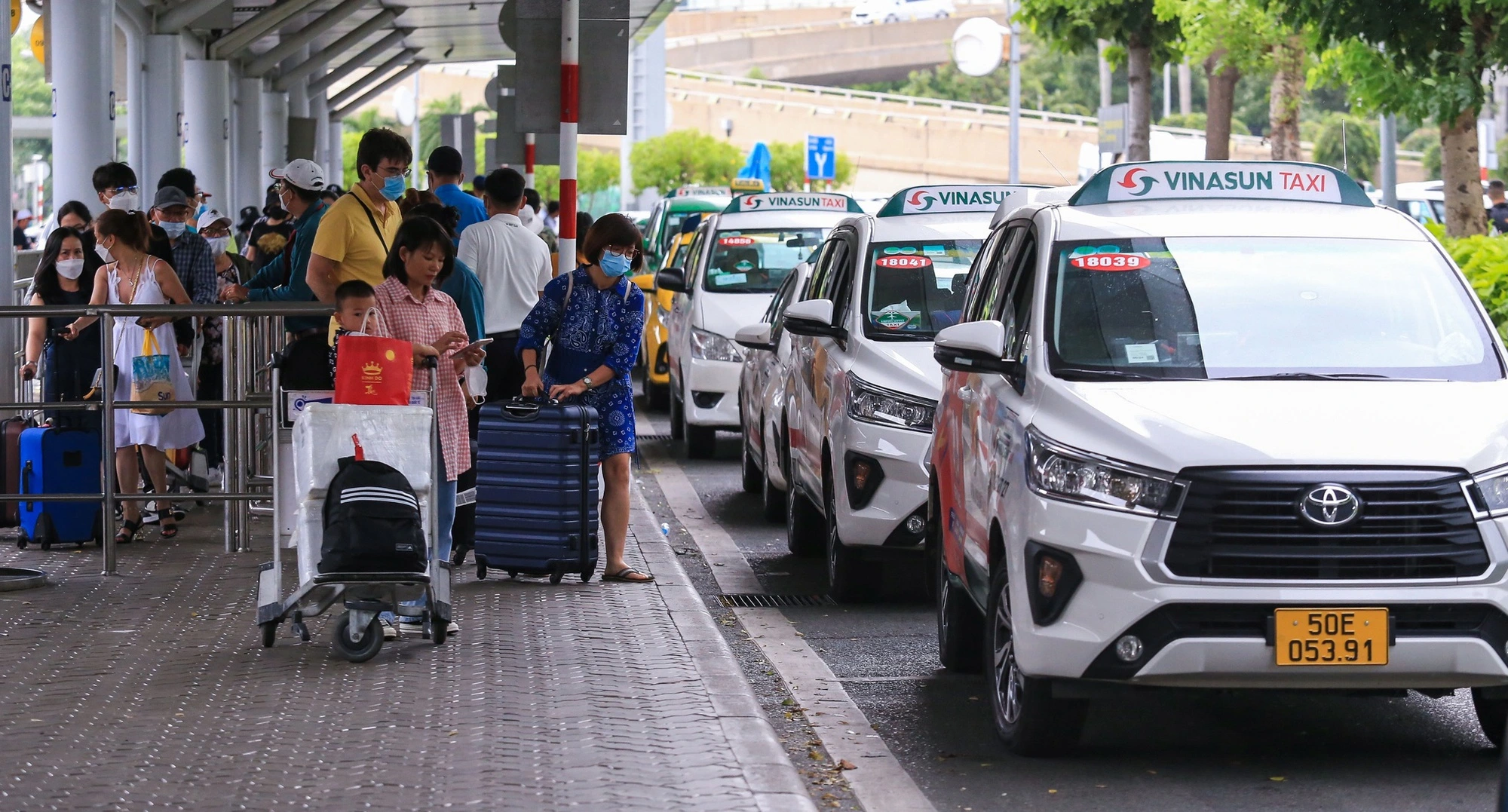
Private airport transfer Vietnam service picking up travelers
Taxis and Private Transfers
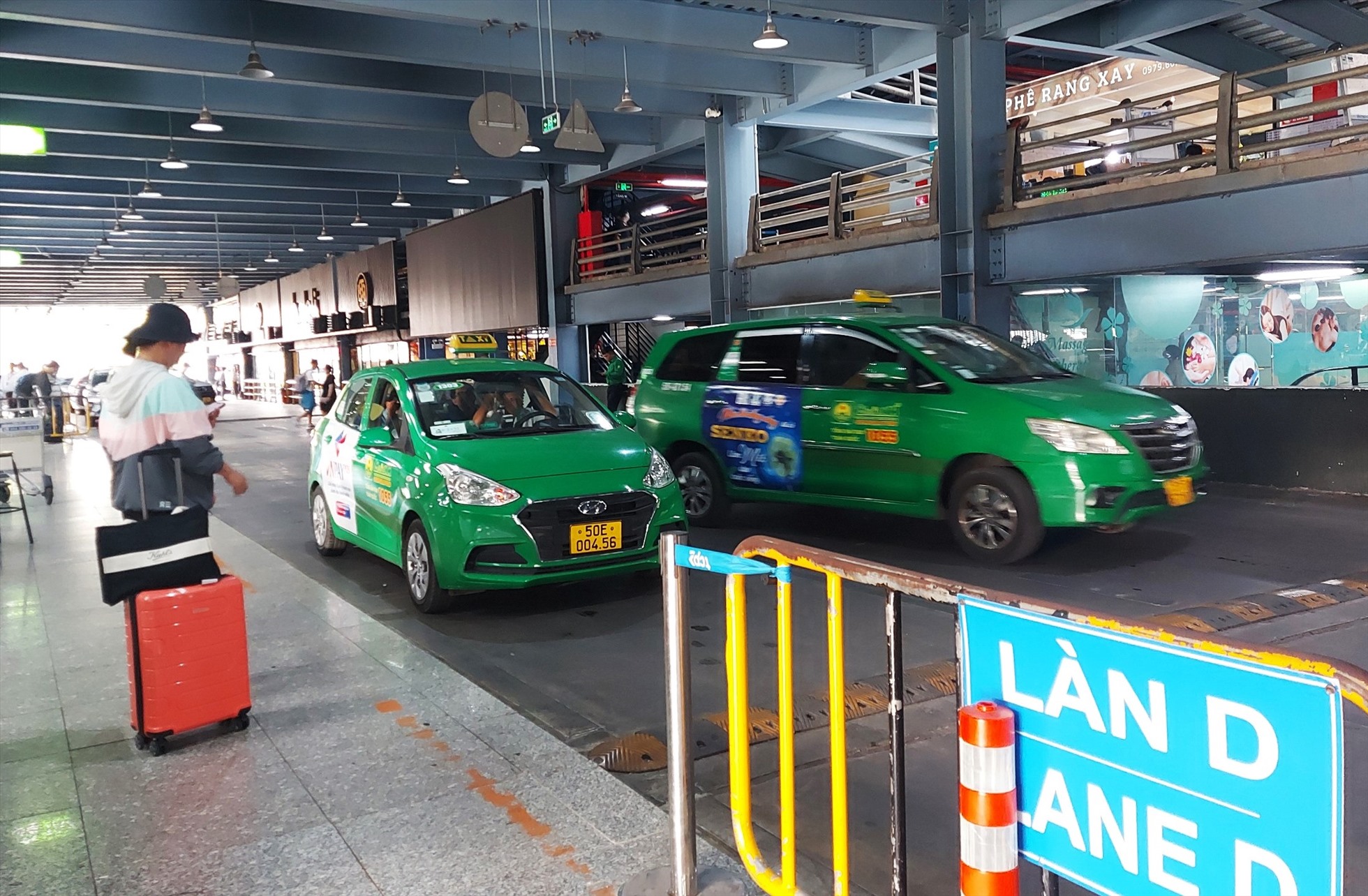
For travelers prioritizing convenience, taxis and pre-arranged transfers provide direct service to hotels or residences. Licensed airport taxis operate with regulated meters, and reputable providers display official identification at designated pick-up zones. Pre-booked services arranged through hotels or agencies can further reduce uncertainty.
Choosing a reliable airport transfer Vietnam solution can simplify arrival logistics, particularly after long-haul flights. Integrating private transfers into public transport in Vietnam allows visitors to transition smoothly from air travel to ground mobility without unnecessary stress.
What to Avoid Upon Arrival
While most services are legitimate, travelers should remain attentive to unofficial drivers soliciting rides inside terminals. Confirming fares in advance, using recognized taxi companies, or booking through official counters helps prevent misunderstandings. Keeping small denominations of local currency on hand can also streamline payment.
By understanding the available options, passengers can confidently connect flights with the broader network of public transport in Vietnam, ensuring a seamless continuation of their journey.
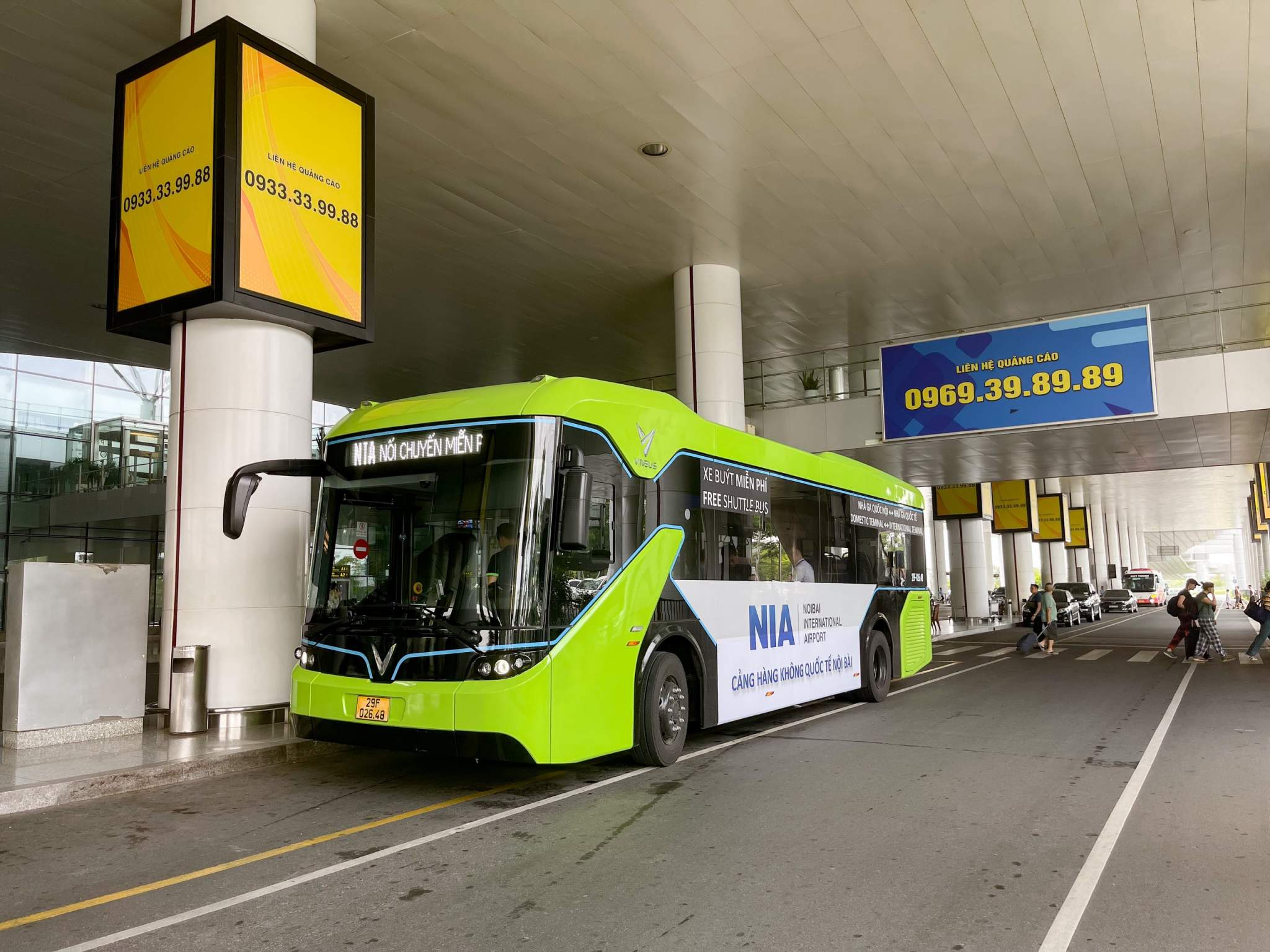
Public bus connecting the airport to the city center in Vietnam
Smart Planning Strategies for Efficient Travel
Understanding routes, distances, and regional differences is essential when navigating public transport in Vietnam efficiently. Because the country spans diverse landscapes and long travel corridors, combining multiple modes of transportation often produces the most practical results. Strategic planning not only saves time and money but also enhances comfort throughout the journey.
Combining Multiple Transport Modes
Rather than relying on a single method of travel, experienced visitors often blend buses, trains, flights, and short-distance rides to optimize their itineraries. For example, flying between distant regions and then using rail or bus services locally can reduce fatigue while maintaining flexibility.
Learning how to travel around Vietnam effectively involves evaluating distance, budget, and personal comfort preferences. By thoughtfully integrating different segments of public transport in Vietnam, travelers can build seamless routes that minimize backtracking and maximize sightseeing opportunities.

Planning multi-destination routes using public transport in Vietnam
North–Central–South Route Strategy
A structured geographic approach often simplifies long itineraries. Many travelers begin in the North, exploring mountainous areas and the capital before gradually moving South through central heritage cities and coastal destinations. Others prefer starting in the South and progressing Northward to end their trip in cooler climates.
When mapping such routes, analyzing the strengths of public transport in Vietnam in each region helps determine the best connections. Northern areas may favor rail and road travel, while longer North-South transfers are often more time-efficient by air.
While many travelers enjoy navigating public transport in Vietnam independently, combining destinations through a structured itinerary can save time and simplify logistics. For example, a well-designed 4-day Ninh Binh, Ha Long, and Sapa tour combo allows visitors to experience Northern highlights without worrying about train tickets, bus transfers, or connections.
Balancing Budget and Comfort
Efficient planning also requires balancing cost considerations with personal comfort. Budget travelers may choose longer bus or train journeys to save money, while those with limited time might prioritize flights. Evaluating trade-offs in advance prevents unnecessary stress during transit days.
Ultimately, mastering public transport is less about memorizing routes and more about understanding flexibility. When travelers remain adaptable and informed, even complex itineraries become manageable and rewarding.
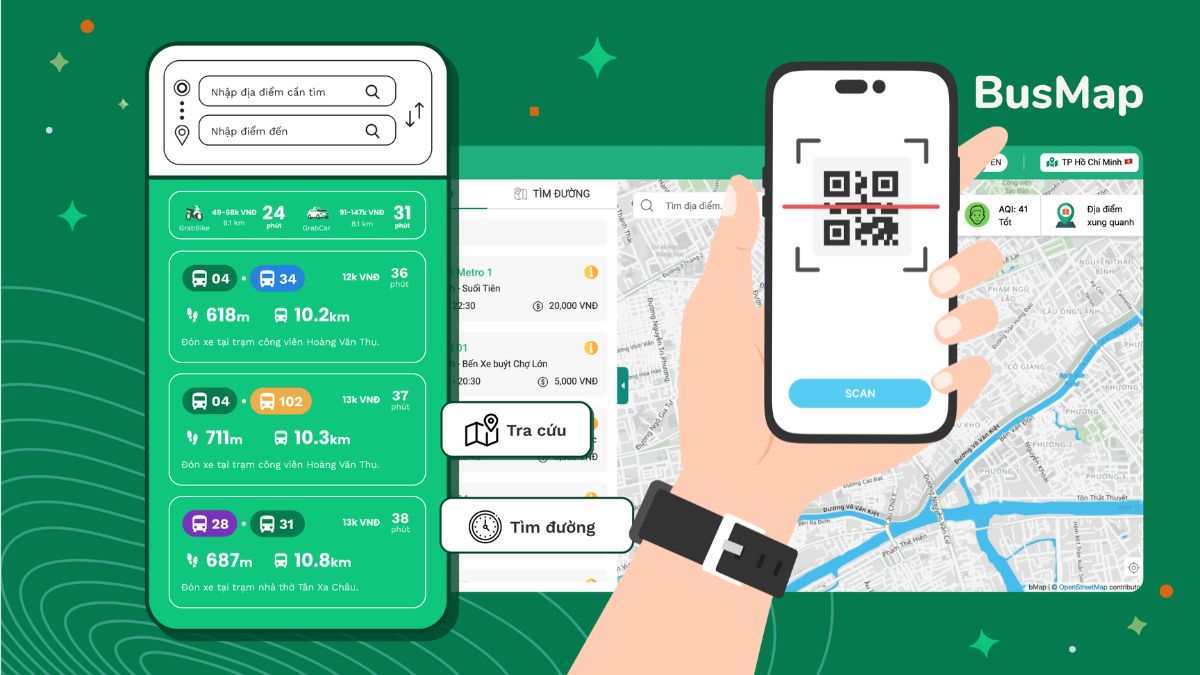
Booking transportation tickets online before traveling in Vietnam
Practical Advice for First-Time Visitors
For newcomers, navigating can feel overwhelming at first. However, with preparation and realistic expectations, moving between destinations becomes far more manageable. Understanding booking systems, luggage handling, and local customs helps ensure smoother transitions throughout your journey.
Booking Platforms and Ticket Purchases
Tickets for buses, trains, and flights can be purchased through official websites, mobile applications, travel agencies, or directly at stations. Online booking is increasingly common and allows travelers to compare prices and departure times in advance.
Reviewing schedules carefully and confirming departure points reduces last-minute confusion. These simple Vietnam transportation tips can prevent unnecessary stress, especially during peak seasons or national holidays when services fill quickly.
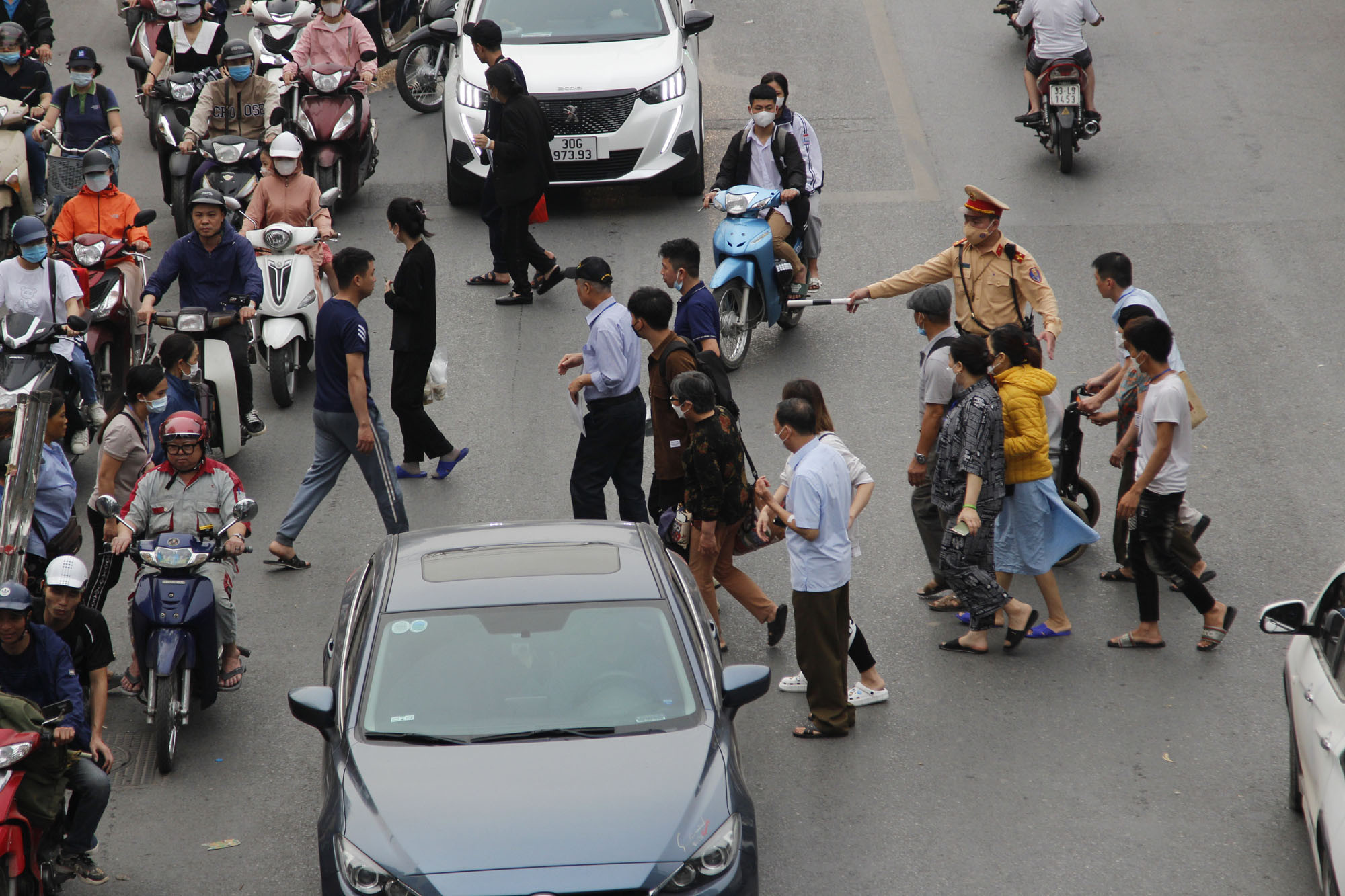
First-time traveler navigating busy traffic in Vietnam
Luggage Safety and Personal Belongings
Keeping valuables close and clearly labeling luggage is essential when traveling between cities. On buses and trains, larger bags are often stored separately, while smaller items remain with passengers. Choosing reputable operators further minimizes risks.
Although public transport in Vietnam is generally safe, awareness is important in crowded terminals or during overnight journeys. Using anti-theft backpacks or lockable compartments provides additional peace of mind.
Cultural Etiquette and Travel Etiquette
Respecting local customs enhances the travel experience. Offering seats to elderly passengers, keeping noise levels moderate, and queuing patiently reflect common social norms. Simple gestures of politeness foster positive interactions with fellow travelers.
By approaching public transport in Vietnam with patience and cultural awareness, visitors not only move efficiently but also engage more meaningfully with daily life across the country.
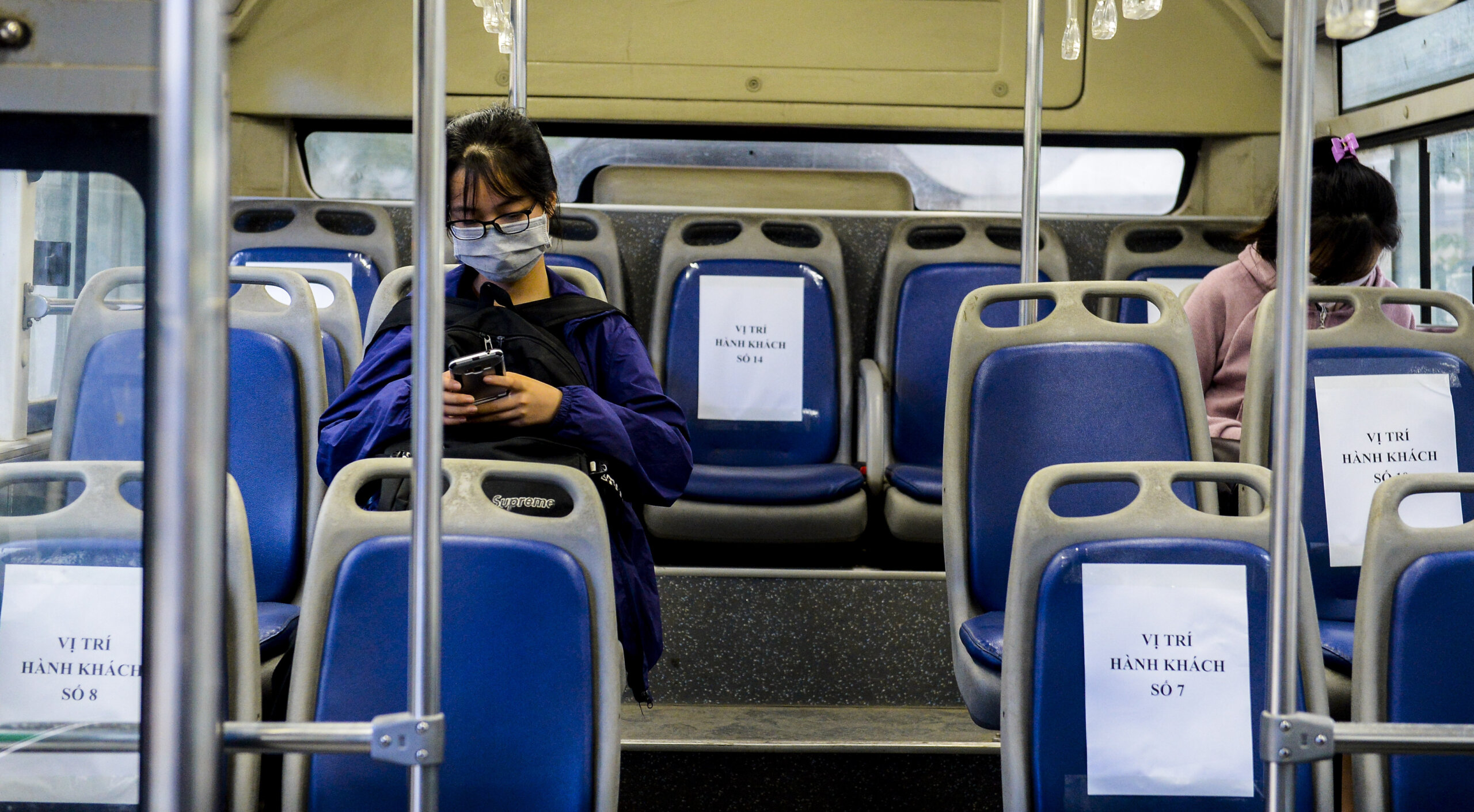
Local commuting culture on public buses in Vietnam
Conclusion
Traveling across Vietnam becomes far more rewarding when you understand how its diverse mobility network connects cities, coastlines, and countryside regions. From budget buses to scenic trains and time-saving flights, each option plays a role in shaping an efficient journey. By mastering public transport in Vietnam, travelers gain not only logistical confidence but also deeper insight into everyday local life. For a smoother and expertly curated experience, Best Vietnam Tours offers personalized itineraries designed to combine comfort, authenticity, and smart routing, start planning your journey today.