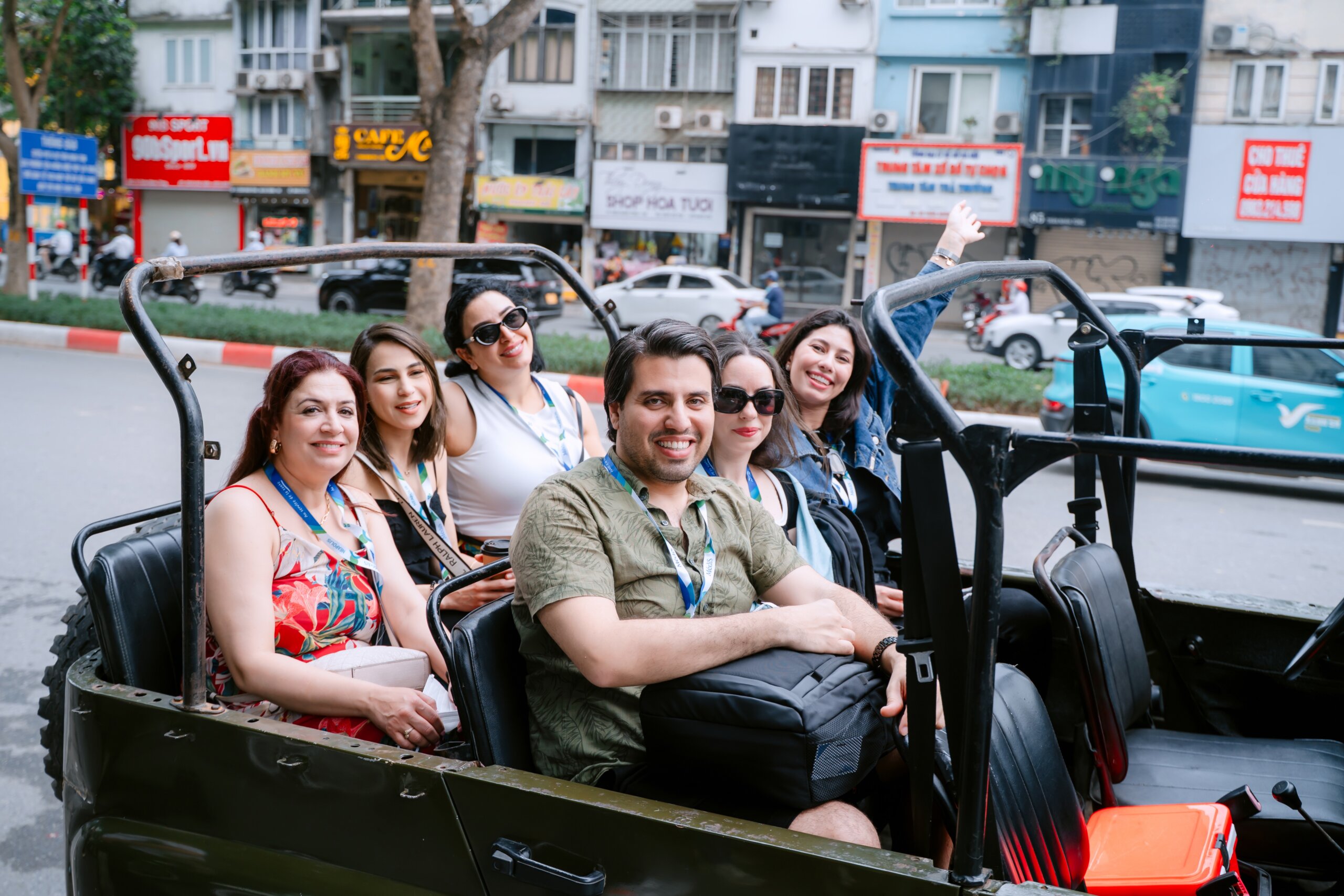
Traveling across Vietnam offers a remarkable diversity of landscapes, cultures, and experiences, from mountain passes in the North to tropical islands in the South. Understanding the country’s transport network is essential for planning a smooth journey, especially for first-time visitors.
This comprehensive guide to getting around Vietnam will help you navigate long distances, choose the right transportation for your travel style, and optimize both time and budget. Whether you are planning a short holiday or an extended itinerary, the expert insights from Best Vietnam Tours ensure you can explore the country confidently and efficiently.
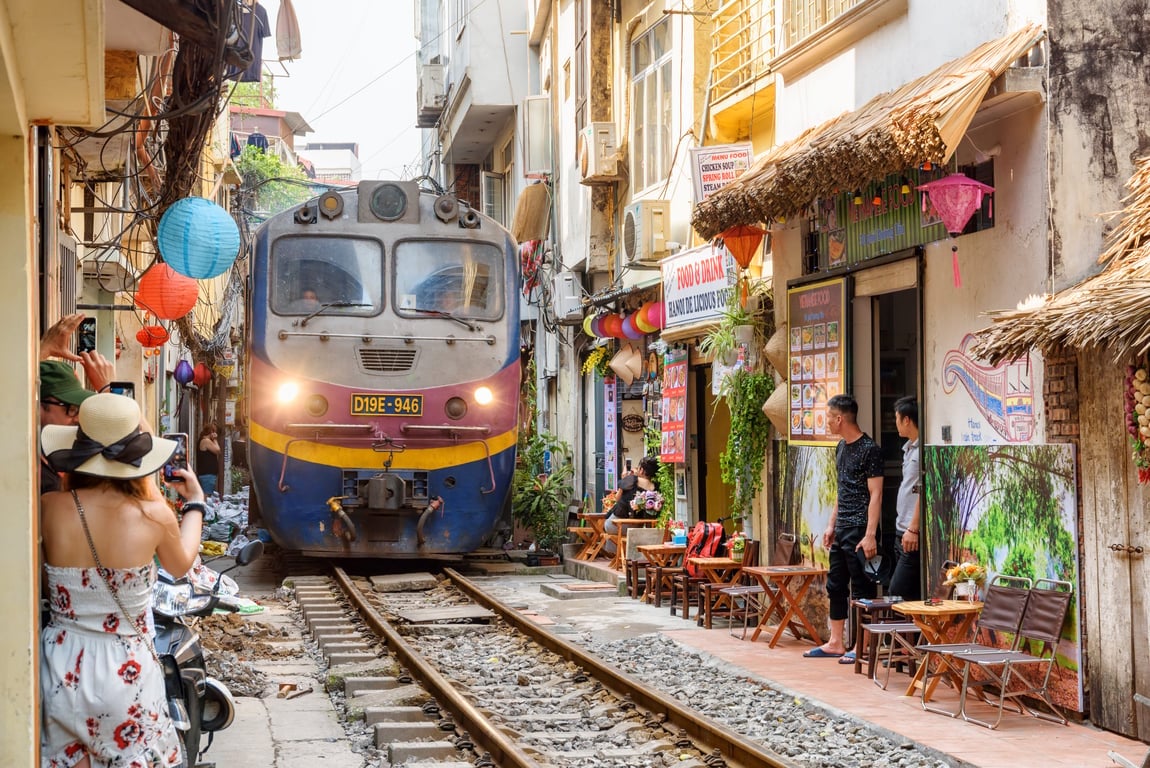
Getting around Vietnam by train, plane, bus and motorbike
Overview of Getting Around Vietnam
Vietnam stretches over 1,600 kilometers from North to South, creating diverse travel conditions shaped by mountains, coastlines, and urban centers. Because of this geography, careful planning plays a central role in getting around Vietnam efficiently, especially when distances and terrain vary significantly between regions.
Geography and Travel Distances
Northern Vietnam is defined by mountain roads and winding passes, central areas connect through coastal corridors, and the South features flatter landscapes that allow smoother road travel. Understanding these regional contrasts helps travelers evaluate transportation in Vietnam more realistically when mapping their itinerary. Combining transport types is often necessary. Many travelers fly between major hubs and use ground transport for shorter regional transfers, creating a practical and time-saving strategy during limited trips.
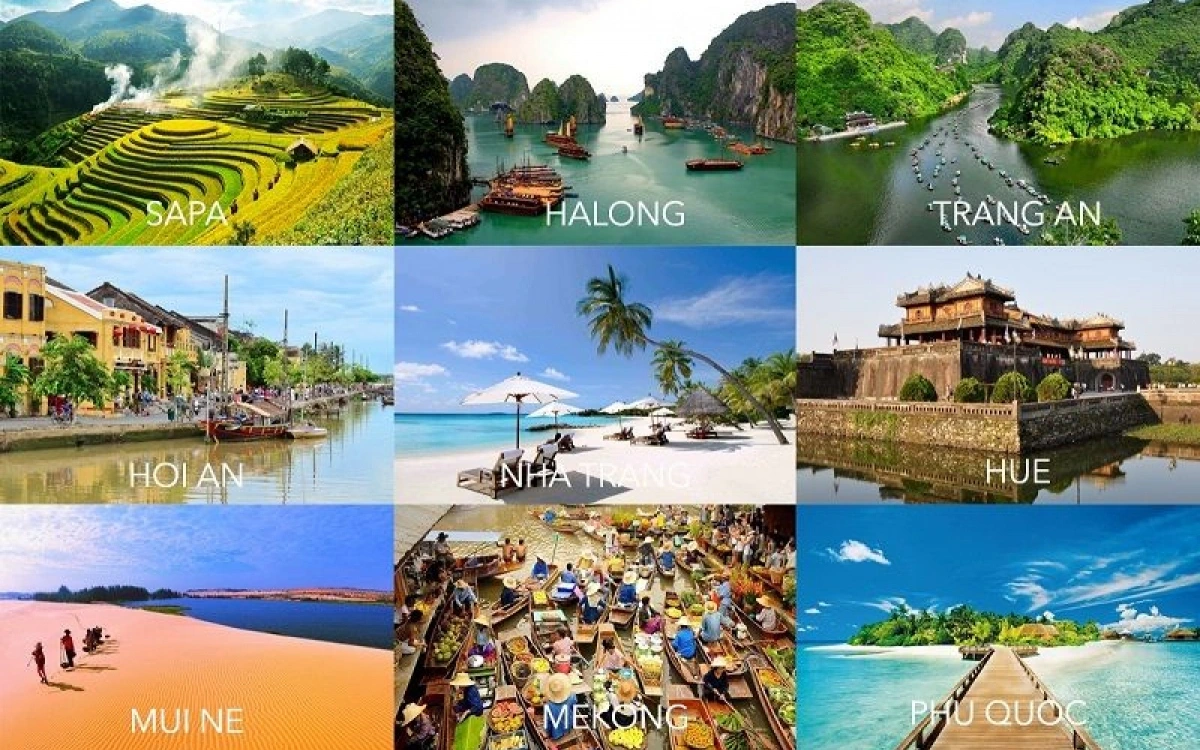
Vietnam travel distances from North to South
Infrastructure and Accessibility
Vietnam’s infrastructure has improved rapidly, with upgraded airports, expanding highways, and modernized stations. While rural areas may require additional travel time, accessibility overall continues to strengthen each year.
For those researching how to travel in Vietnam, the network becomes simpler once distances are categorized properly. Air routes cover long-haul segments, railways connect major corridors, and road transport links nearly every province. This structure supports smoother planning for getting around Vietnam without unnecessary complications.
Choosing the Best Way of Getting Around Vietnam
Transport choices depend on distance, comfort preferences, and time flexibility. Short transfers are often road-based, while longer routes benefit from faster alternatives. Scenic routes appeal to travelers who value landscape experiences over speed.
Evaluating the best way to travel between cities in Vietnam requires balancing efficiency and experience. By aligning transport modes with itinerary goals, travelers can optimize getting around Vietnam with clarity and confidence.
Choosing transport options across Vietnam
Flying Across the Country
For travelers covering long distances, flying is often the most efficient solution. Given the country’s length and varied geography, air travel dramatically reduces transit time between Northern, central, and Southern regions. When planning an itinerary, flights play a strategic role in getting around Vietnam, especially for those hoping to experience multiple regions within a limited timeframe.
Major Airports and Key Routes
Vietnam’s primary aviation hubs are located in Hanoi, Da Nang, and Ho Chi Minh City, supported by several secondary airports serving coastal and island destinations. Flights between the North and South typically take just over two hours, transforming what would otherwise be a full day of land travel into a short and manageable journey, which significantly simplifies getting around Vietnam for international visitors.
Frequent daily departures between major cities provide flexibility, allowing travelers to adapt their schedules without long waiting times. This connectivity makes it easier to combine cultural capitals, beach escapes, and mountain retreats while maintaining a balanced pace throughout the trip, an important factor when organizing getting around Vietnam efficiently.
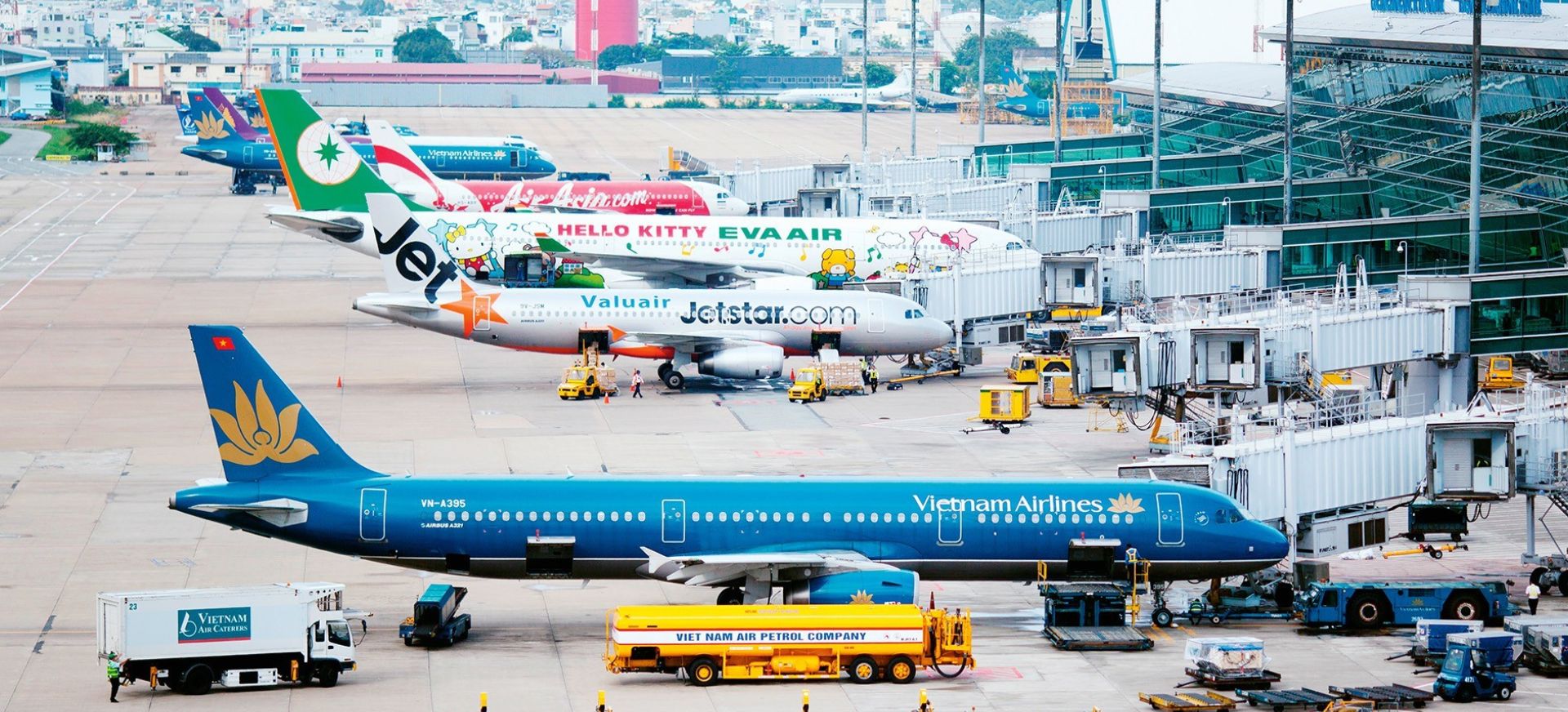
Vietnam domestic flights connecting major cities
Cost, Booking, and Practical Advice
Ticket prices fluctuate depending on seasonality and demand, with peak holiday periods seeing the highest fares. Booking early, remaining flexible with departure times, and comparing airline options can all improve value. Understanding baggage policies and airport procedures in advance also contributes to a more seamless experience when getting around Vietnam.
Airports are generally modern and organized, but arriving at least 90 minutes before departure is advisable for domestic routes. While flights are not necessary for every segment of a journey, they remain the fastest and most reliable method for cross-country travel, making them an essential component of getting around Vietnam in a structured and time-conscious way.
When Flying Makes Sense
Air travel becomes particularly practical for distances exceeding several hundred kilometers or when time is limited. For example, combining Northern highlands with Southern urban experiences is far more realistic by air than by train or bus, and this approach can optimize getting around Vietnam without sacrificing key destinations.
Although airfare may be higher than overland transport, the time saved often offsets the additional cost. Strategic booking of Vietnam domestic flights allows travelers to secure competitive prices while preserving valuable vacation days, ultimately making getting around Vietnam smoother and less physically demanding. If you are specifically planning the journey between the capital and the Southern metropolis, this detailed guide on how to travel from Hanoi to Ho Chi Minh offers a comprehensive breakdown of flight, train, and bus options.
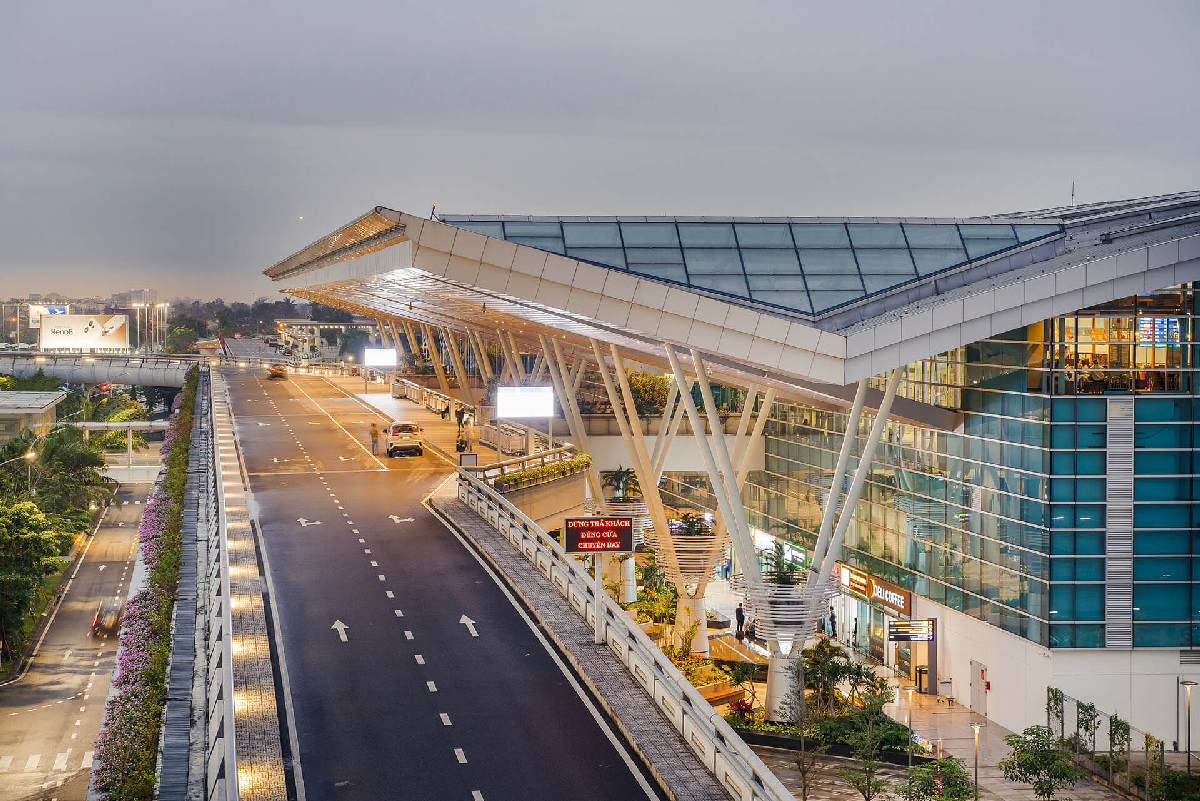
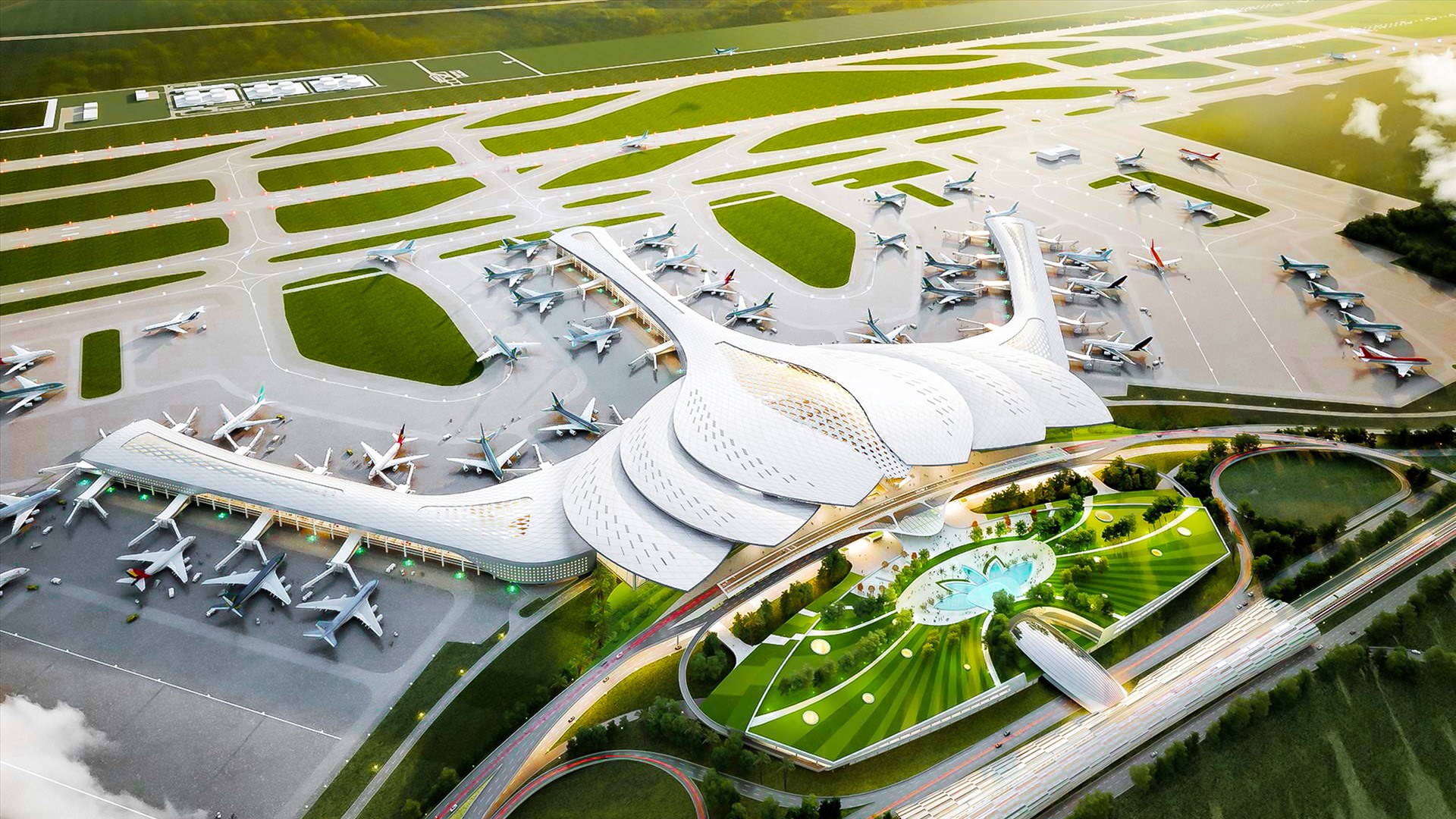
Da Nang International Airport terminal
Traveling by Train
Rail travel offers one of the most distinctive and atmospheric experiences for long-distance journeys. Running along the country’s spine, the railway connects major cities while revealing coastal views, rural landscapes, and traditional villages rarely seen from highways or airports. For travelers seeking a slower and more immersive rhythm, trains provide a memorable alternative when getting around Vietnam.
The North–South Railway
The main railway line stretches from Hanoi in the North to Ho Chi Minh City in the South, linking central destinations such as Hue, Da Nang, and Nha Trang. This route allows passengers to witness dramatic changes in scenery, from lush rice fields to mountain passes and seaside cliffs, making getting around Vietnam feel like part of the adventure rather than simply a transfer between points.
Unlike short flights, train journeys unfold gradually, giving travelers time to relax, socialize, or simply observe daily life passing by. For those with flexible schedules, this slower pace can add meaningful depth to getting around Vietnam while still maintaining reliable connections between major hubs.
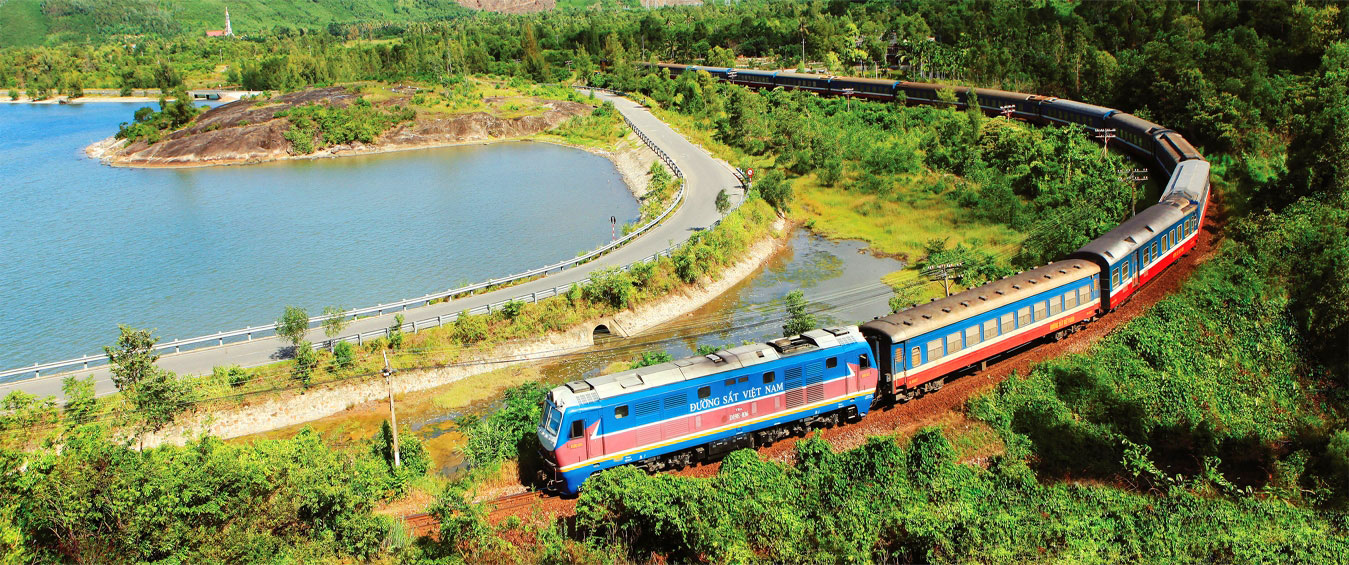
North–South railway in Vietnam
Scenic Routes Worth Experiencing
One of the most celebrated rail stretches runs between Hue and Da Nang, where the track winds along coastal cliffs and through mountain tunnels. Large windows provide uninterrupted views of the sea and surrounding hills, creating an experience that rivals many dedicated scenic train journeys worldwide. For travelers prioritizing landscape and atmosphere, this route enhances the overall experience of getting around Vietnam.
While train travel may take longer than flying, it offers stability, space to move, and fewer baggage restrictions. For mid-range distances where speed is less critical, rail remains a balanced choice that blends practicality with cultural immersion, reinforcing its role in getting around Vietnam thoughtfully and comfortably.
Sleeper Trains and Comfort Levels
Overnight cabins are particularly popular on longer segments, offering soft berths with shared compartments. While facilities are simple compared to luxury rail services elsewhere, they provide reasonable comfort for extended trips. Choosing trains in Vietnam can be a practical solution for travelers who prefer to combine transportation and accommodation in one journey, especially on routes exceeding eight hours.
Seating options range from hard seats to air-conditioned sleeper compartments, allowing passengers to select based on budget and comfort expectations. By traveling overnight, visitors can maximize daytime sightseeing and minimize downtime, which supports a more efficient strategy for getting around Vietnam.
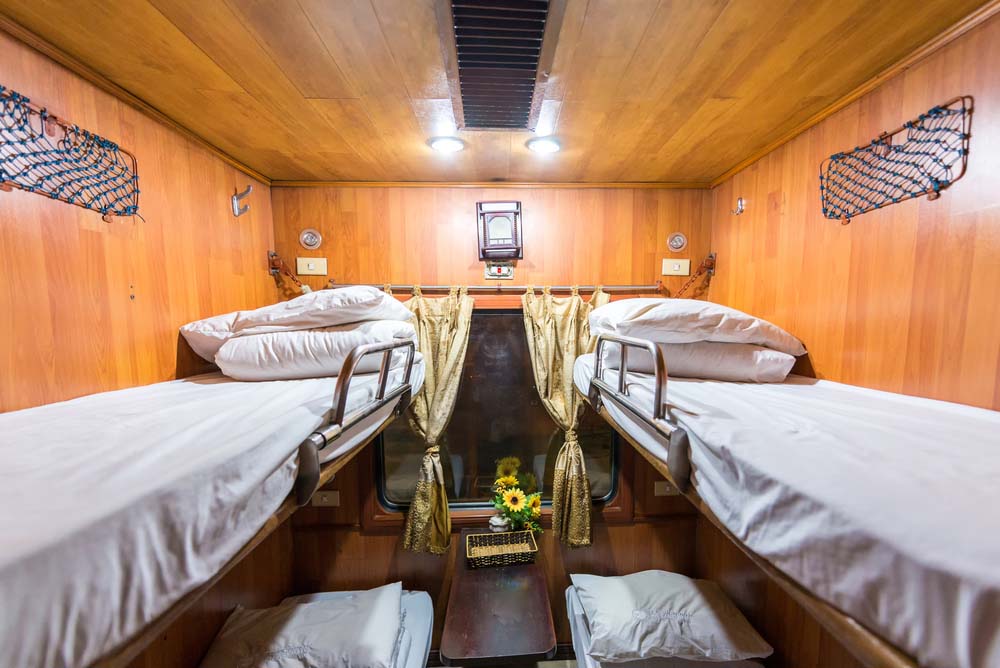
Sleeper trains in Vietnam cabin interior
Long-Distance Bus Travel
Buses remain one of the most widely used and accessible transportation options across the country. With extensive route coverage reaching both major cities and remote provinces, long-distance coaches provide flexibility for travelers seeking affordability and convenience. For budget-conscious visitors, bus networks play a significant role in getting around Vietnam without significantly increasing travel expenses.
Sleeper and Limousine Coaches
Modern sleeper buses are designed with reclining berths arranged in compact rows, allowing passengers to lie down during overnight journeys. While space may feel limited for taller travelers, these coaches offer air conditioning and scheduled rest stops along the way.
Choosing buses in Vietnam can be an economical way to travel between regions, particularly for distances where flights may seem unnecessary. For travelers curious about comfort levels, layout design, and what to realistically expect on overnight journeys, this detailed guide to the Vietnam sleeper bus experience provides practical insights before booking.
In recent years, limousine-style vans have become increasingly popular for medium-range routes. These vehicles typically offer fewer seats, wider legroom, and more personalized service. For travelers balancing cost and comfort, this option provides a practical middle ground when getting around Vietnam efficiently without paying premium airfares.
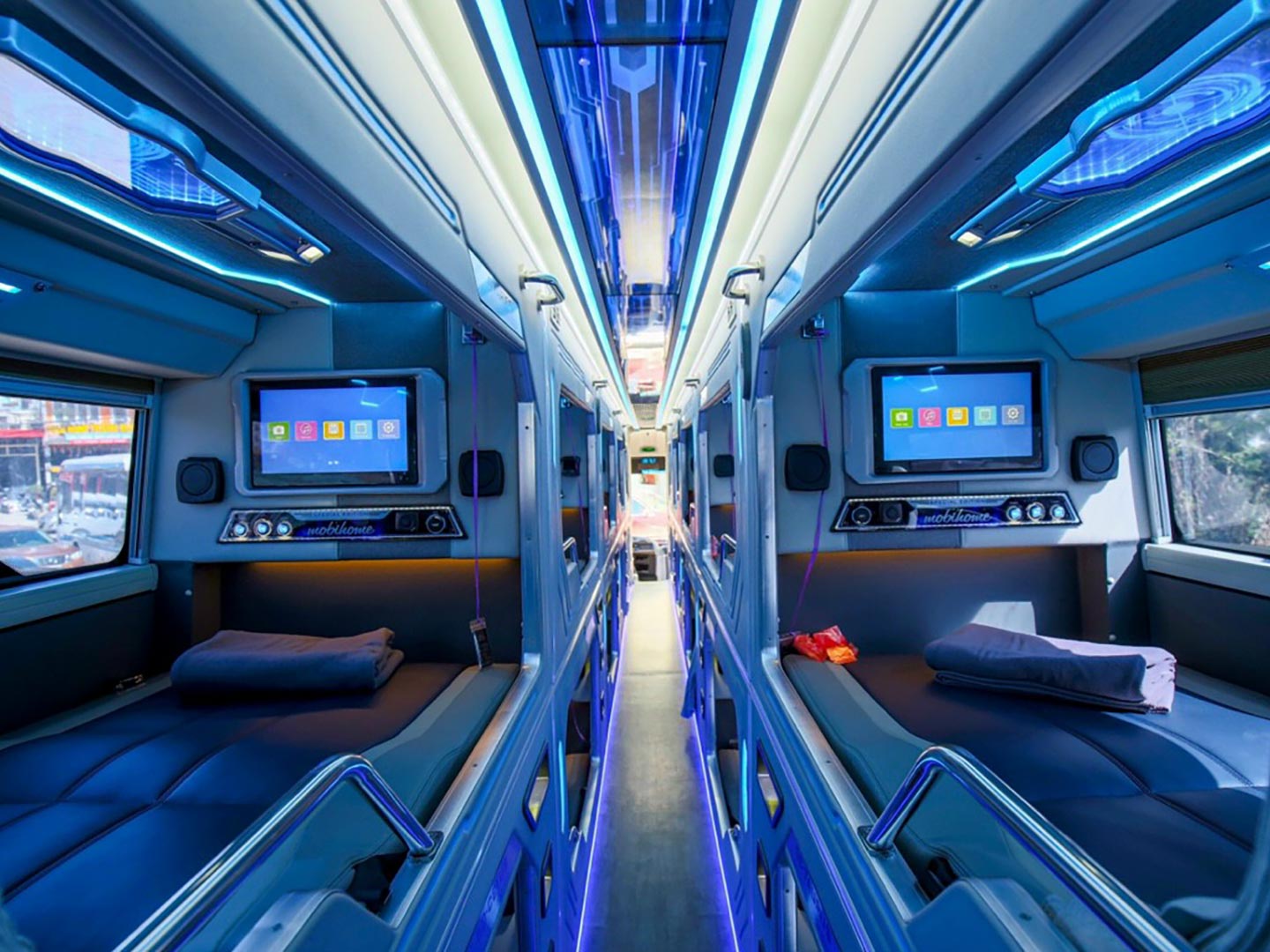
Sleeper buses in Vietnam
Popular Routes and Travel Time
Certain routes are especially well known among international travelers, including connections between Hanoi and Sapa or Ho Chi Minh City and Da Lat. These journeys often operate overnight, maximizing sightseeing time during the day. Understanding typical travel durations and departure schedules helps structure a smoother plan for getting around Vietnam, especially when coordinating multiple destinations.
Although buses may take longer than trains or flights, they often provide direct connections without requiring transfers to distant airports or railway stations. This point-to-point convenience simplifies logistics and can reduce overall transit stress when getting around Vietnam on a flexible itinerary.
Booking and Practical Advice
Tickets are widely available through travel agencies, hotel desks, and online platforms. During peak travel seasons, reserving seats in advance is strongly recommended to secure preferred departure times. Reviewing operator reputations and confirming pickup locations in advance ensures a more predictable experience when getting around Vietnam by road.
Travelers should also prepare for variations in service standards depending on the provider. Bringing essentials such as water, light snacks, and personal entertainment can improve comfort on longer journeys. While bus travel may not offer the scenic charm of rail routes, it remains a reliable and cost-effective pillar of getting around Vietnam, particularly for regional connections.
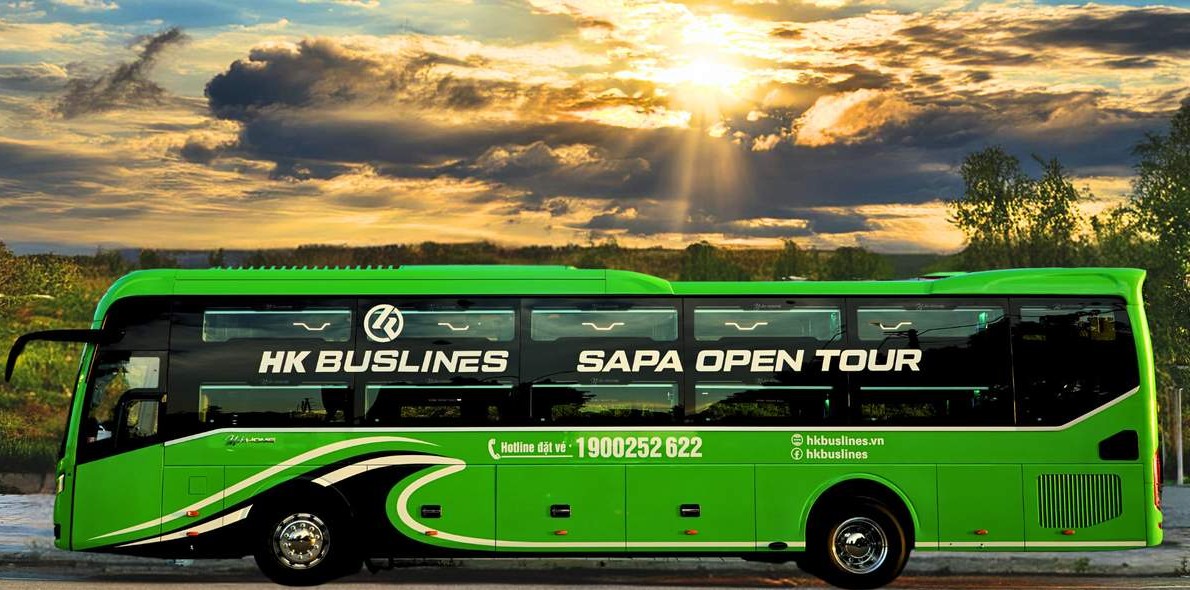
Long-distance bus travel in Vietnam
Exploring by Motorbike
For travelers seeking freedom and flexibility, traveling by motorbike offers an entirely different perspective on the country. Riding allows access to remote villages, scenic mountain passes, and quiet coastal roads that larger vehicles cannot easily reach. For independent explorers, this style of getting around Vietnam transforms transportation into an immersive cultural experience rather than simply a logistical necessity.
Who Should Consider Riding
Motorbike travel is best suited for confident riders who are comfortable navigating unpredictable traffic conditions. While many visitors are drawn to the romantic image of open-road adventures, practical skills and awareness are essential. Choosing motorbike rental in Vietnam requires careful evaluation of riding experience, local road rules, and overall risk tolerance before incorporating it into a broader strategy for getting around Vietnam.
Short-term rentals are widely available in major cities and tourist hubs. Some travelers opt for one-way rentals between destinations, though additional coordination may be required. Regardless of route length, preparation and realistic expectations are crucial for maintaining safety while getting around Vietnam on two wheels.
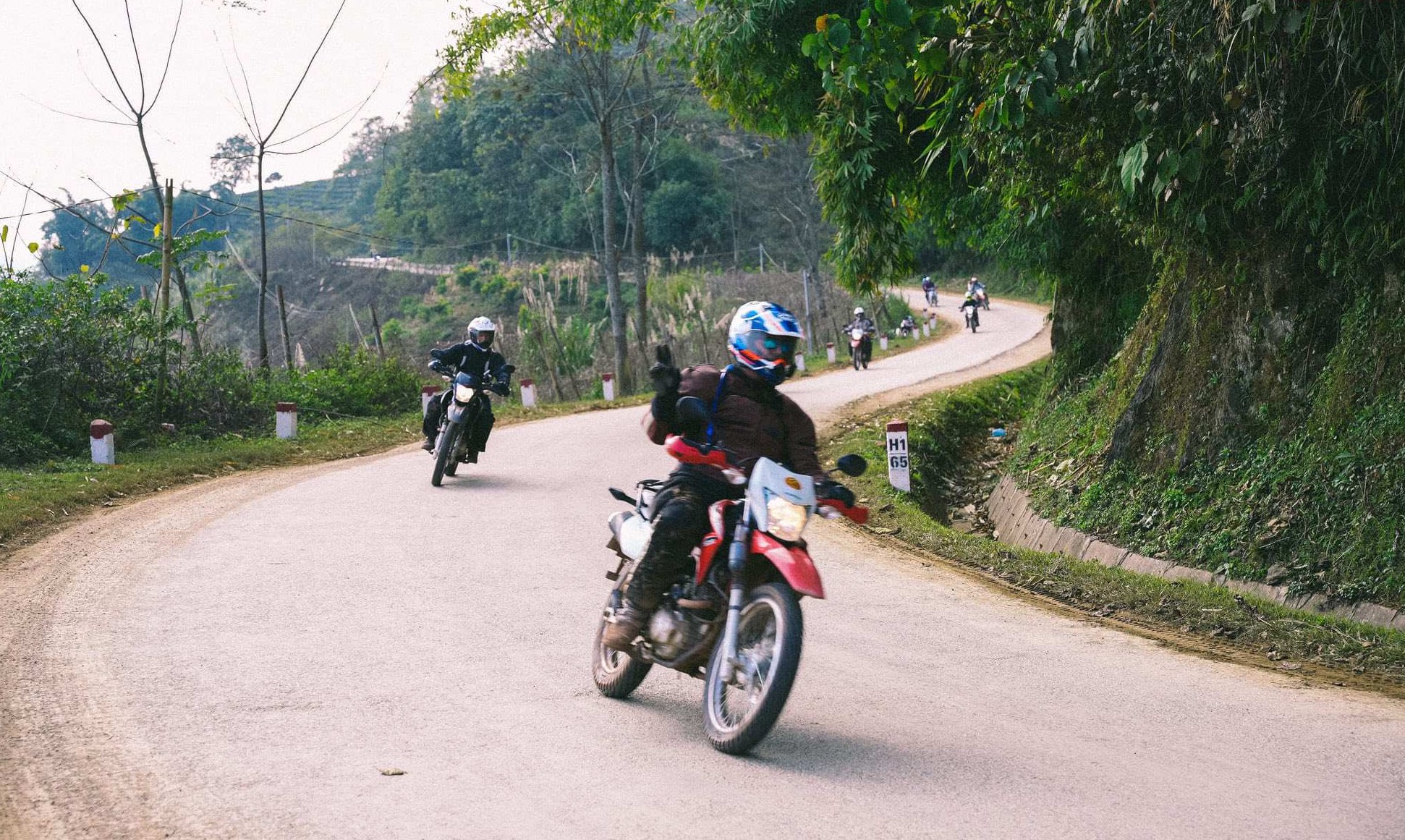
Exploring Vietnam by motorbike
Safety and Legal Requirements
Traffic in urban areas can appear chaotic to first-time visitors, with dense motorbike flows and frequent lane shifts. Wearing a quality helmet, understanding local traffic patterns, and maintaining defensive riding habits significantly reduce risks. International driving permits may be required for legal compliance, and travelers should verify insurance coverage before relying on this method for getting around Vietnam.
Weather conditions also influence riding safety. Mountain roads can become slippery during rainy seasons, while intense heat may affect long-distance comfort. Planning rest stops and staying hydrated are important considerations when getting around Vietnam by motorbike, particularly on extended journeys.
Famous Road Trips and Scenic Routes
Certain routes have gained international recognition for their scenery, including mountain loops in the North and coastal highways in central regions. These roads showcase dramatic landscapes, terraced rice fields, and panoramic sea views. For adventurous travelers, incorporating such routes elevates getting around Vietnam into a defining highlight of the trip.
While motorbike travel demands greater responsibility compared to trains or buses, it rewards riders with unmatched flexibility and close interaction with local life. For those properly prepared, it remains one of the most dynamic ways of getting around Vietnam while discovering places beyond standard tourist circuits.
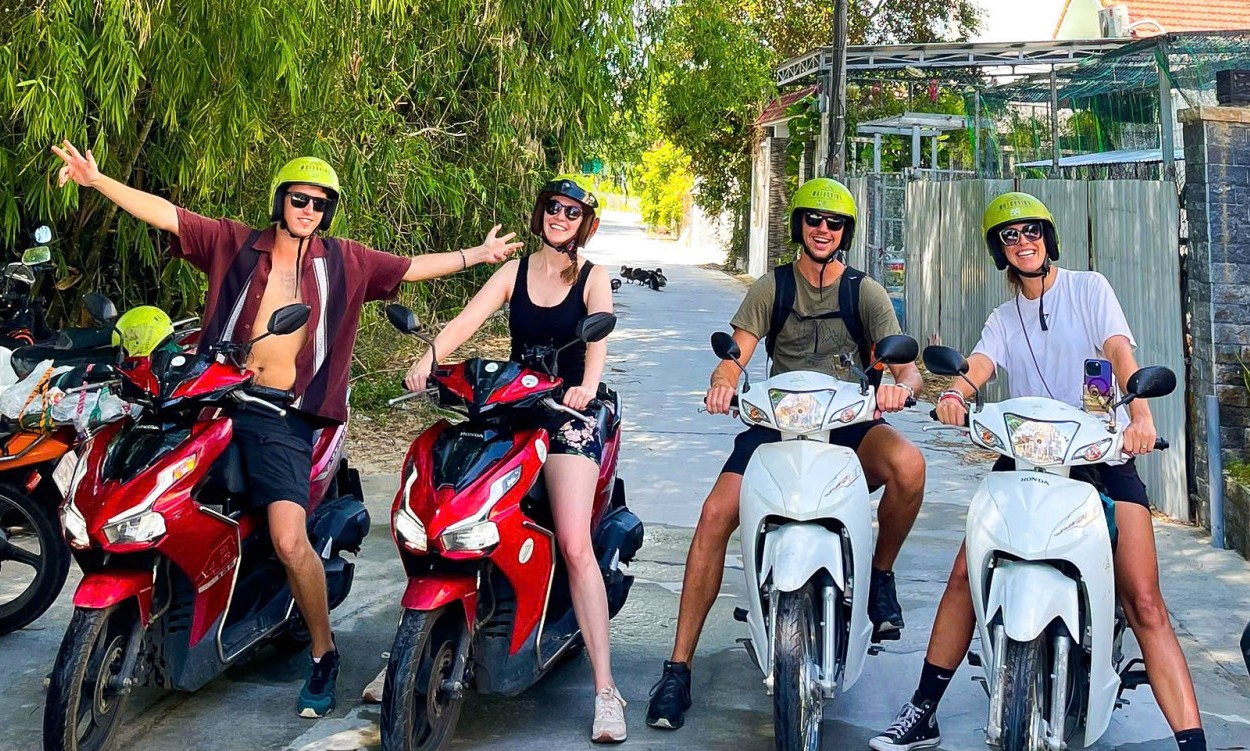
Motorbike rental in Vietnam shop
Urban Transportation in Major Cities
Navigating major urban centers requires a different approach compared to intercity travel. Traffic density, road structure, and commuting patterns vary significantly between metropolitan areas, making flexibility essential. Understanding local mobility systems helps travelers maintain efficiency while getting around Vietnam, particularly in fast-paced cities where distances may be short but congestion can extend travel time.
Ride-Hailing Services and Taxis
Ride-hailing applications have become one of the most convenient tools for urban movement. They provide transparent pricing, route tracking, and digital payment options, which reduce uncertainty for international visitors. Using taxi and Grab in Vietnam offers a practical solution for short transfers between hotels, restaurants, and attractions, especially for travelers unfamiliar with local bus routes.
Traditional taxis remain available and can be reliable when using reputable companies. However, confirming that the meter is running or agreeing on a fare in advance is recommended. For those prioritizing comfort and door-to-door service, ride-hailing platforms streamline getting around Vietnam in busy metropolitan environments. To make city navigation even easier, consider downloading essential travel apps before arrival. Our curated list of apps for Vietnam travel covers transportation, maps, translation, and booking tools that simplify daily movement.
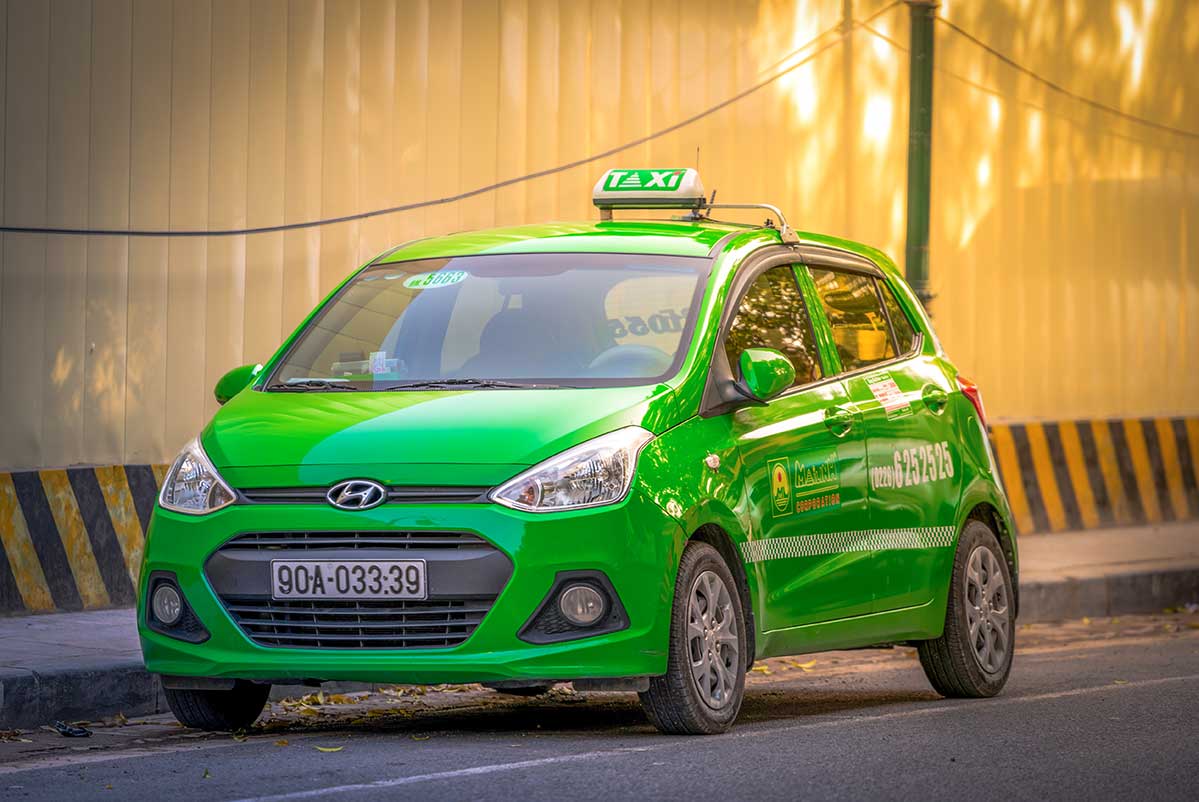
Taxi and Grab in Vietnam cities
Local Bus Networks
Public buses operate extensive networks across large cities, connecting residential districts with commercial and tourism areas. While signage and route maps may require some patience to interpret, fares are inexpensive and services run frequently throughout the day. Understanding Vietnam public transport can significantly reduce daily travel costs for visitors planning longer stays.
City buses are particularly useful for reaching attractions located outside central tourist zones. Although travel times may be longer due to traffic, they remain a dependable alternative for budget travelers who prefer structured routes while getting around Vietnam without relying solely on private vehicles.
Traffic Patterns and Practical Considerations
Urban traffic flows follow informal but recognizable patterns, with motorbikes dominating road space and cars maneuvering carefully between them. Crossing streets may initially feel overwhelming, but steady movement and awareness typically ensure safe passage. Observing local behavior quickly builds confidence when getting around Vietnam on foot or by short-distance transport.
Peak hours in the early morning and late afternoon often bring heavier congestion. Planning transfers outside these windows can improve efficiency and reduce delays. Whether choosing ride-hailing services, taxis, or buses, understanding city-specific dynamics enhances the overall experience of getting around Vietnam in its most energetic environments.
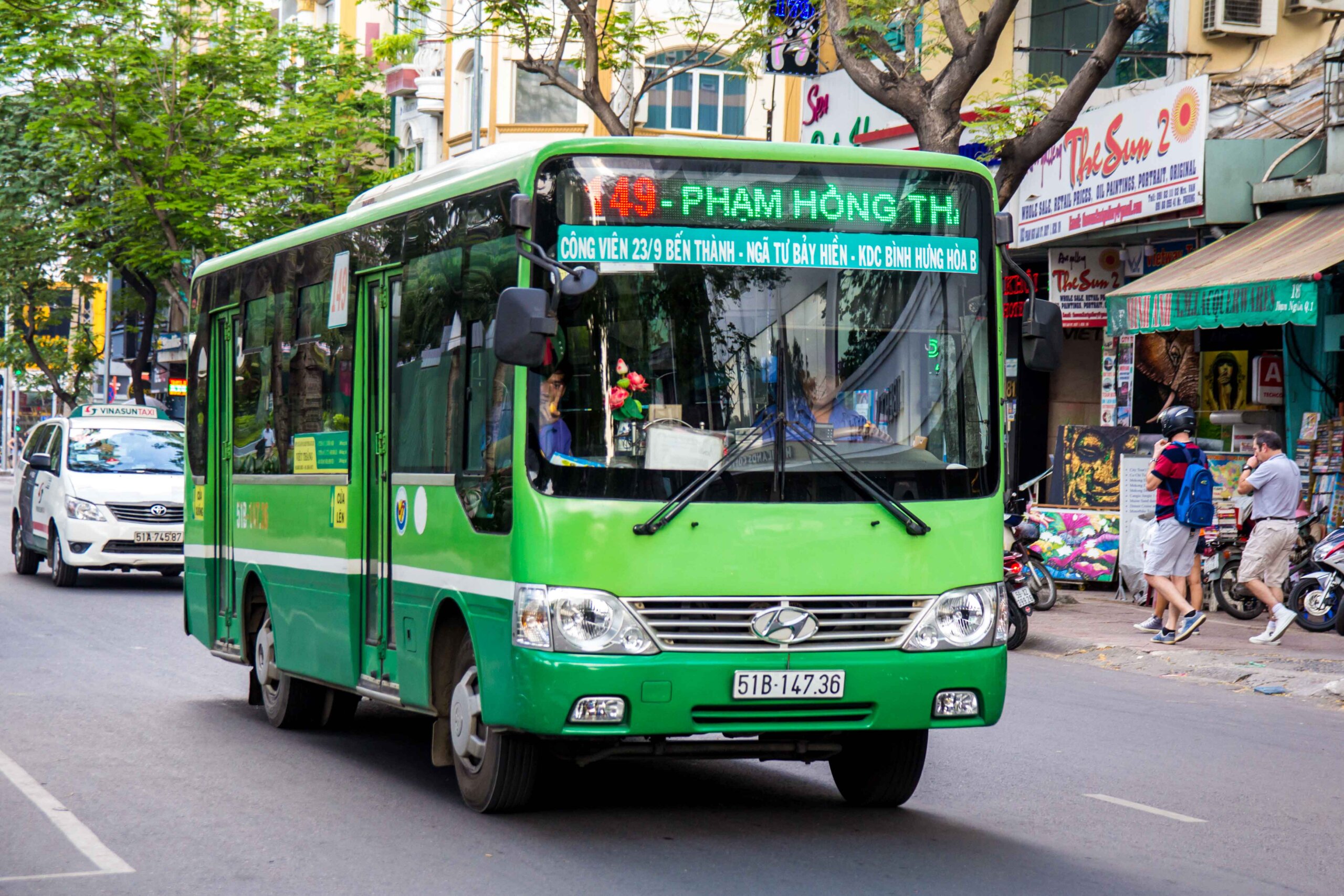
Vietnam public transport bus system
Planning Smart Transportation Strategies
Careful planning is essential for maximizing both time and comfort during multi-destination trips. Rather than selecting transportation randomly, travelers benefit from aligning each segment with distance, budget, and overall travel pace. Building a structured approach to getting around Vietnam ensures smoother transitions between regions while reducing unnecessary fatigue.
Balancing Budget and Comfort
Every traveler prioritizes different factors, whether cost savings, convenience, or experiential value. Long bus rides may suit budget-focused itineraries, while flights offer speed for tighter schedules. Evaluating the best way to travel between cities in Vietnam requires comparing duration, price, and physical comfort before finalizing bookings.
Combining multiple transport types often yields the most efficient plan. For example, flying long distances while using trains or buses for shorter regional transfers creates balance. This layered strategy improves getting around Vietnam without overcommitting to a single transport method.
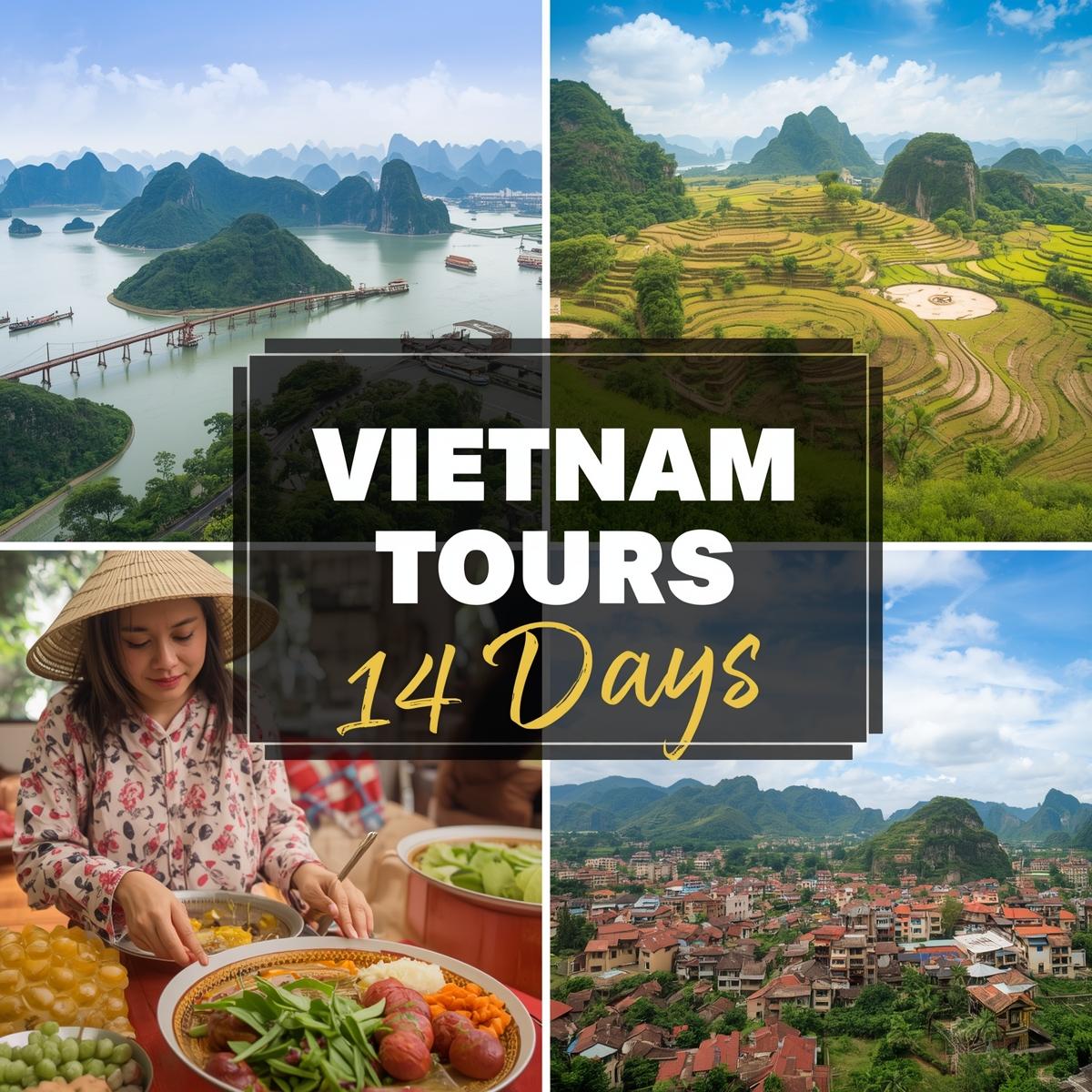
For travelers who prefer a structured journey without managing every transfer independently, this 14-day Vietnam tour north to south itinerary offers a well-balanced route from Hanoi to Ho Chi Minh City, combining major highlights with seamless transportation planning.
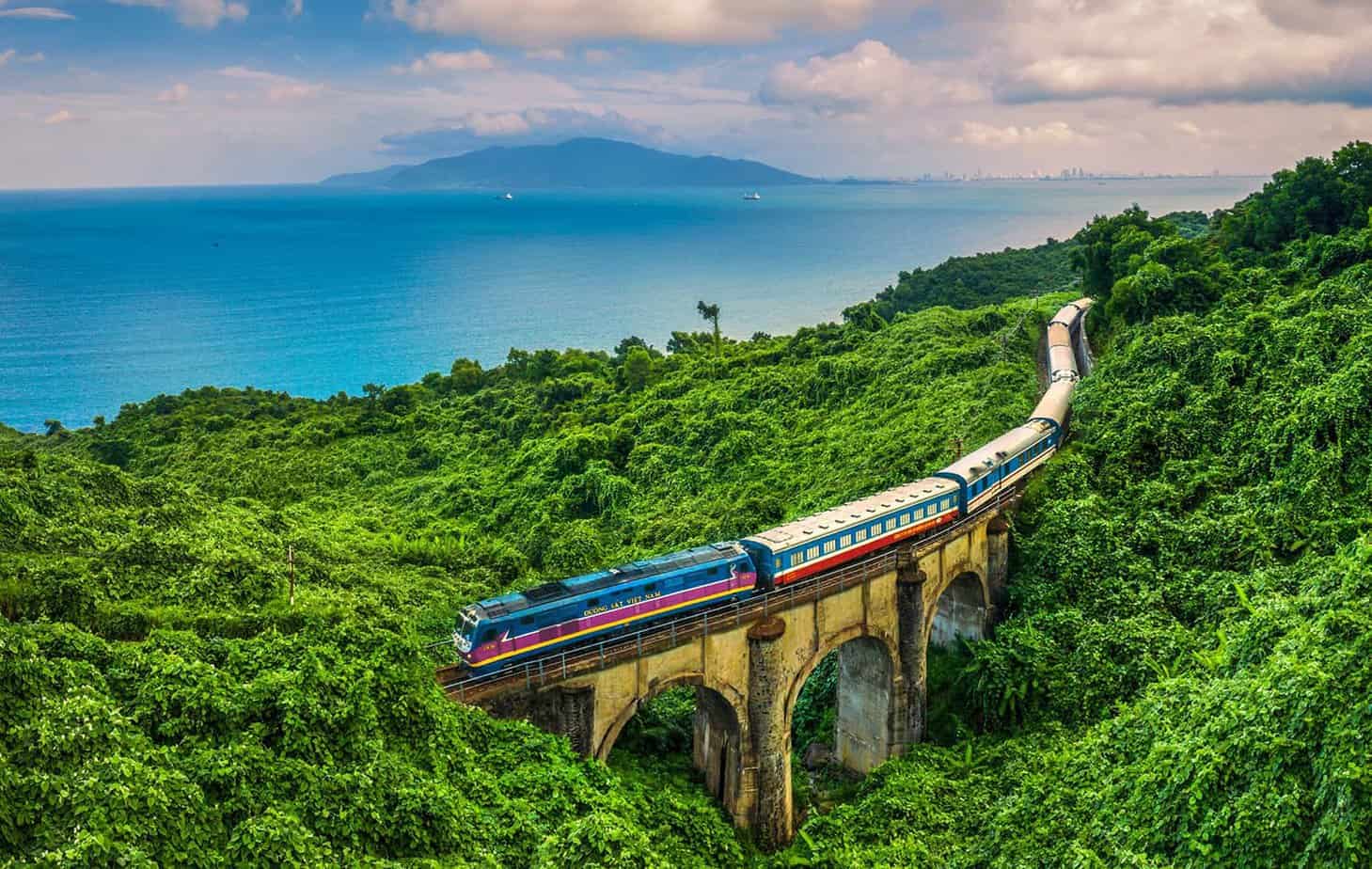
Best way to travel between cities in Vietnam
Saving Time When Getting Around Vietnam
Mapping destinations geographically before booking tickets helps prevent unnecessary backtracking. Traveling gradually from North to South — or vice versa — often simplifies logistics. Understanding how to travel in Vietnam effectively involves considering not only individual routes but also how each connection fits into the broader journey.
Night transport can also enhance efficiency by freeing daytime hours for exploration. However, travelers should assess personal comfort levels before relying heavily on overnight journeys. Strategic sequencing of routes strengthens the overall experience while maintaining energy levels throughout the trip.
Peak Seasons and Flexibility
High travel seasons, including national holidays and summer months, significantly increase demand across all transport modes. Advance reservations reduce the risk of sold-out departures or inflated prices. Monitoring schedules and allowing buffer time between connections are key components of Vietnam travel tips transportation that experienced travelers often emphasize.
Weather patterns also influence route conditions, particularly in mountainous or coastal areas. Building flexibility into the itinerary allows adjustments when needed. Ultimately, proactive preparation supports a smoother and more predictable approach, ensuring that transportation enhances rather than disrupts the overall travel experience.

Traveling through Vietnam from North to South
Conclusion: Getting Around Vietnam Made Easy
Vietnam offers a wide range of transport options suited to different distances, budgets, and travel styles. With thoughtful planning and smart route sequencing, getting around Vietnam becomes smooth, efficient, and even part of the experience itself rather than just a logistical step between destinations.
To ensure a seamless journey, consider working with travel specialists who understand local routes and timing. The team at Best Vietnam Tours can help you design an optimized itinerary, choose the right transportation mix, and travel confidently across every region of the country. Start planning today and explore Vietnam with clarity and ease.