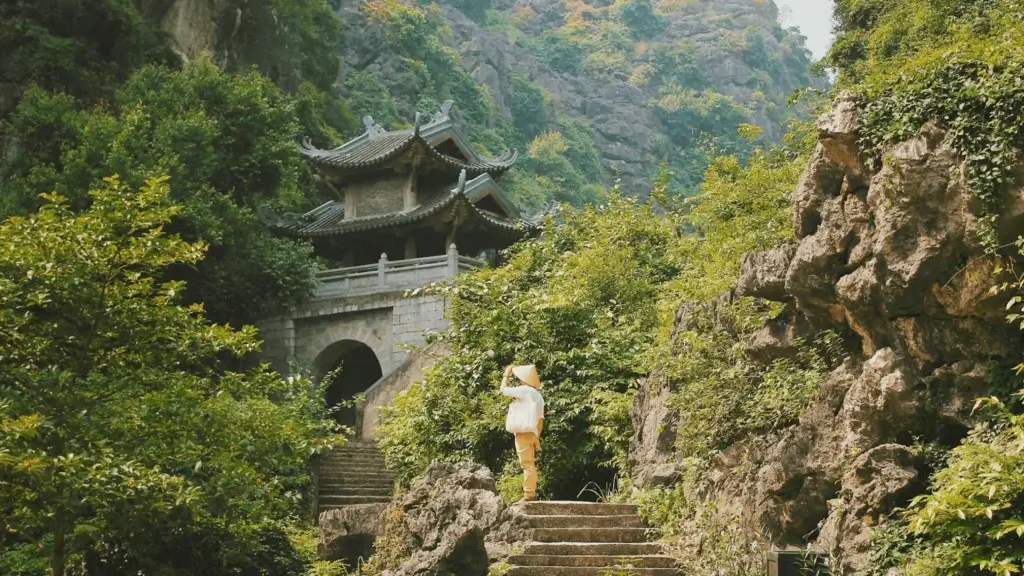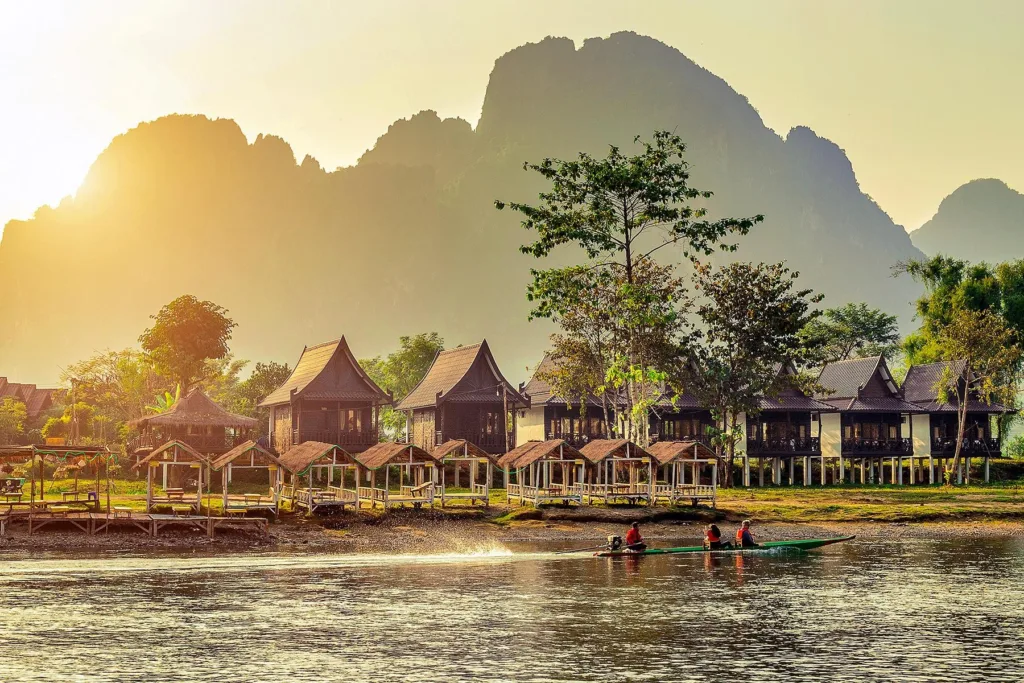
Vietnam is home to some of Southeast Asia’s most dramatic natural scenery, where towering limestone peaks rise from emerald waters and vast chambers stretch deep beneath ancient forests. From hidden river passages to colossal underground halls, the country’s geological heritage reflects millions of years of transformation shaped by climate and tectonic forces.
For travelers seeking immersive exploration, caves and karst landscapes reveal a side of Vietnam that feels both primeval and awe-inspiring. With thoughtfully designed journeys from Best Vietnam Tours, visitors can experience these extraordinary environments through expertly curated routes that balance adventure, culture, and responsible travel.
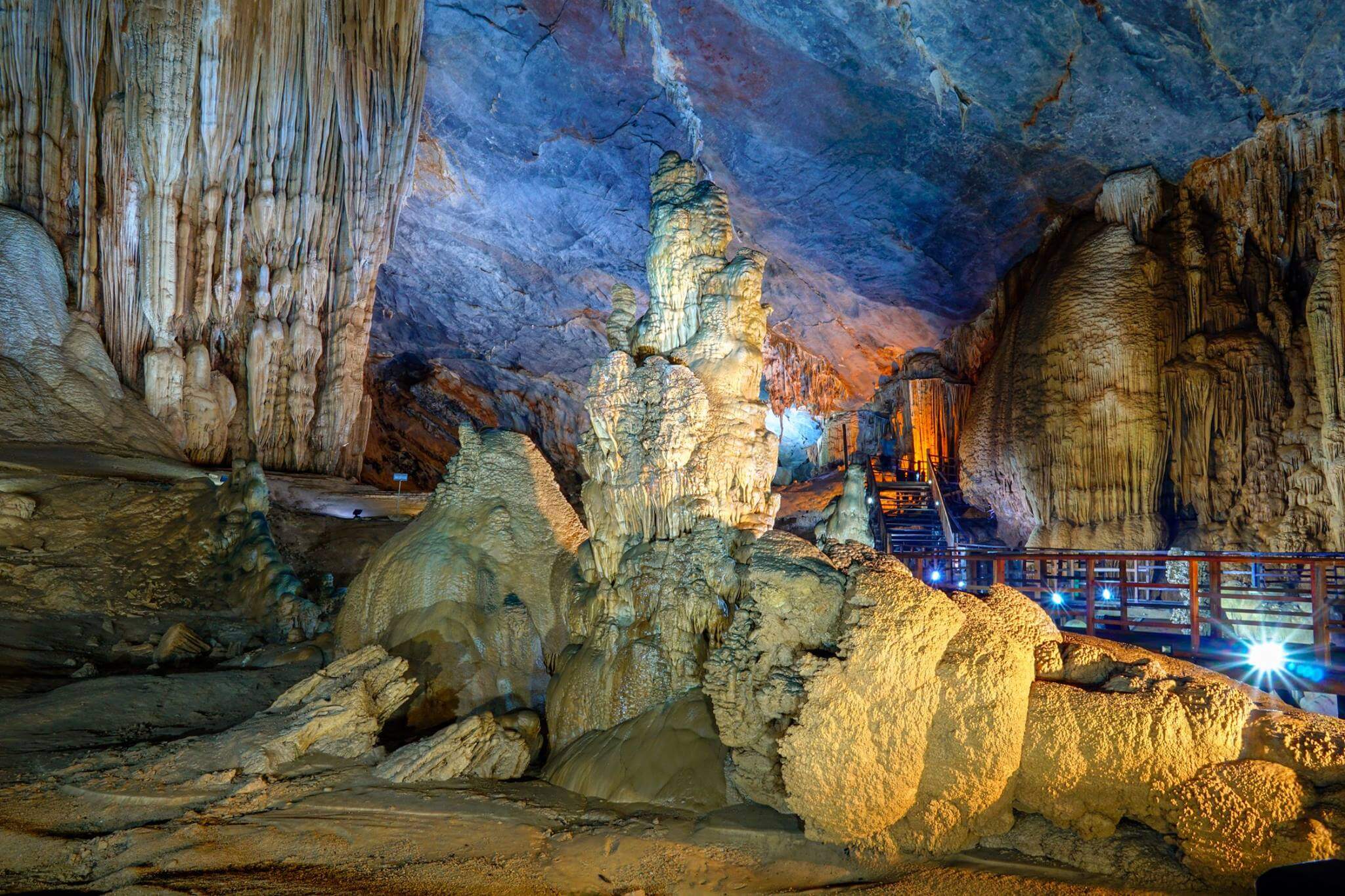
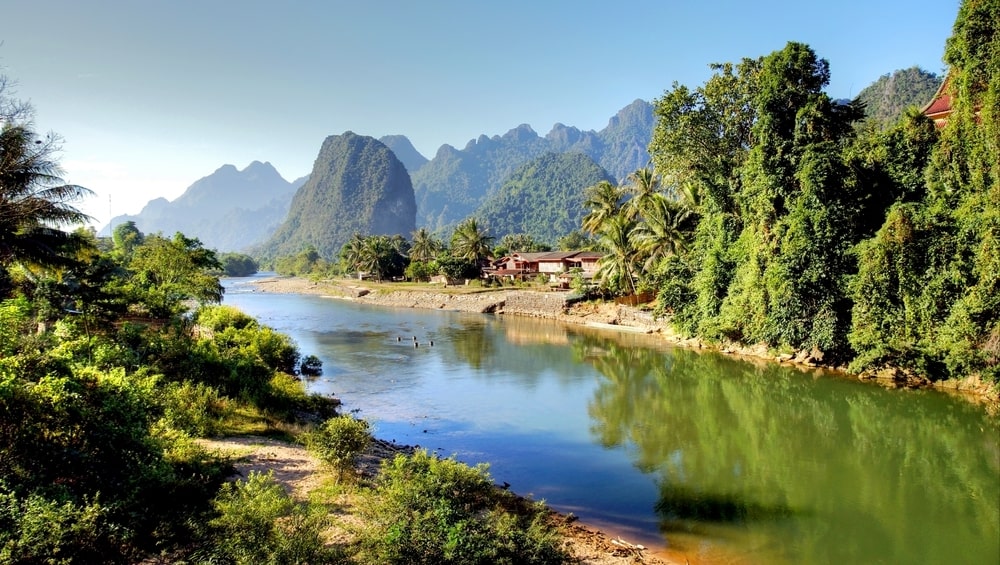
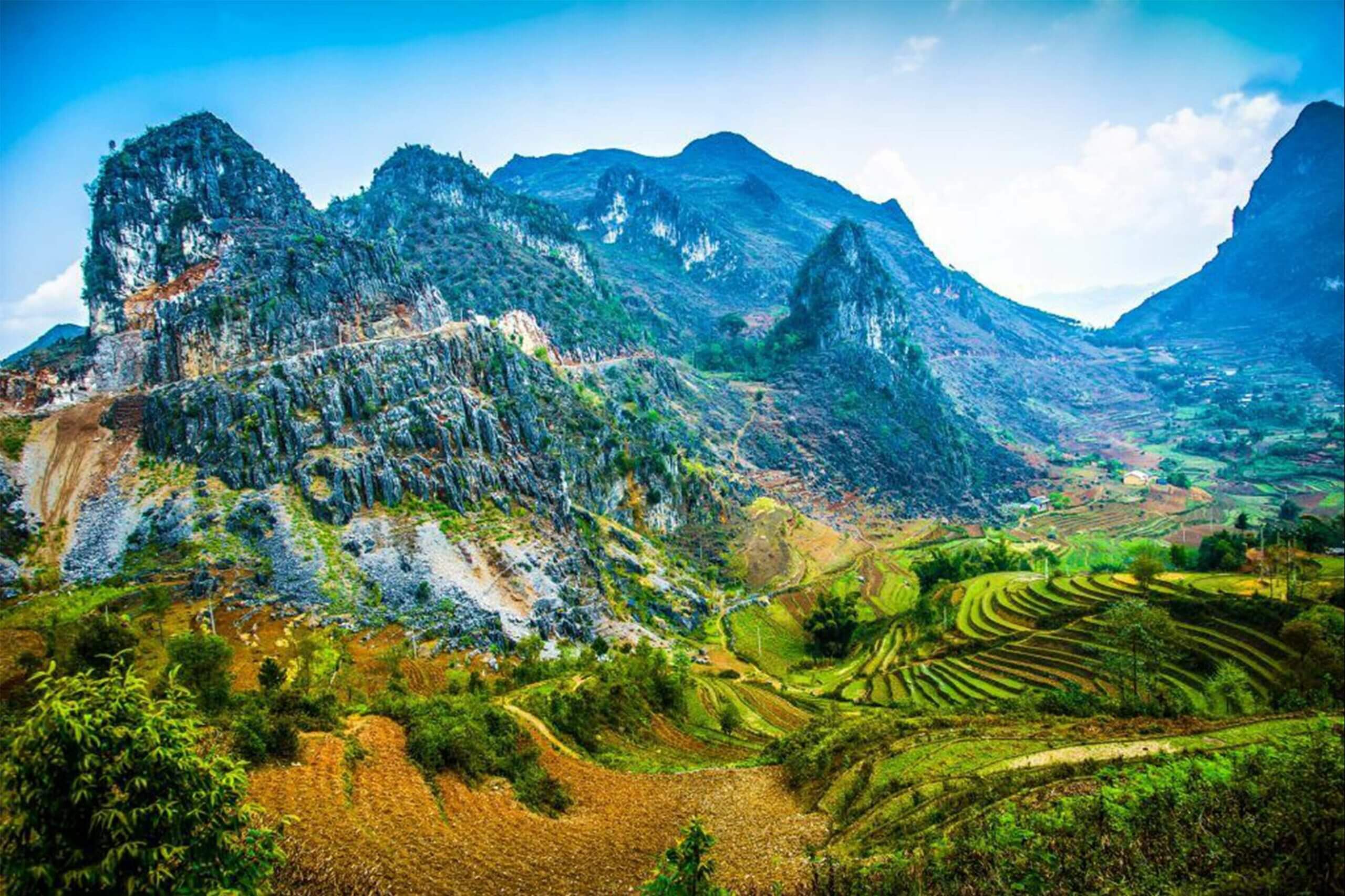
Panoramic view of Vietnam’s limestone karst mountains and caves surrounded by rivers and lush forests.
Why Vietnam Is Famous for Its Geological Wonders
Vietnam’s geological identity is deeply rooted in a history that spans hundreds of millions of years, shaping some of the most extraordinary caves in Southeast Asia. The country sits along complex tectonic boundaries that once defined vast seabeds, mountain ranges, and sedimentary basins. Over time, shifting plates, marine deposition, and tropical weathering combined to produce scenery that is not only visually dramatic but also scientifically invaluable.
Ancient Limestone Formations and Tectonic History
The foundation of Vietnam’s landscapes began forming during the Paleozoic era, when much of the region lay beneath warm, shallow seas rich in marine life. As shells and coral fragments accumulated over millions of years, they compacted into thick limestone layers. Subsequent tectonic uplift raised these former seabeds above sea level, creating extensive plateaus and rugged highlands that would later be sculpted into intricate geological forms.
As fractures developed within the rock, slightly acidic rainwater gradually seeped into the limestone, dissolving it along natural weaknesses. This slow chemical process expanded cracks into vast subterranean chambers and vertical shafts. Over immense spans of time, erosion transformed solid rock into elaborate underground systems, contributing to the dramatic character today.
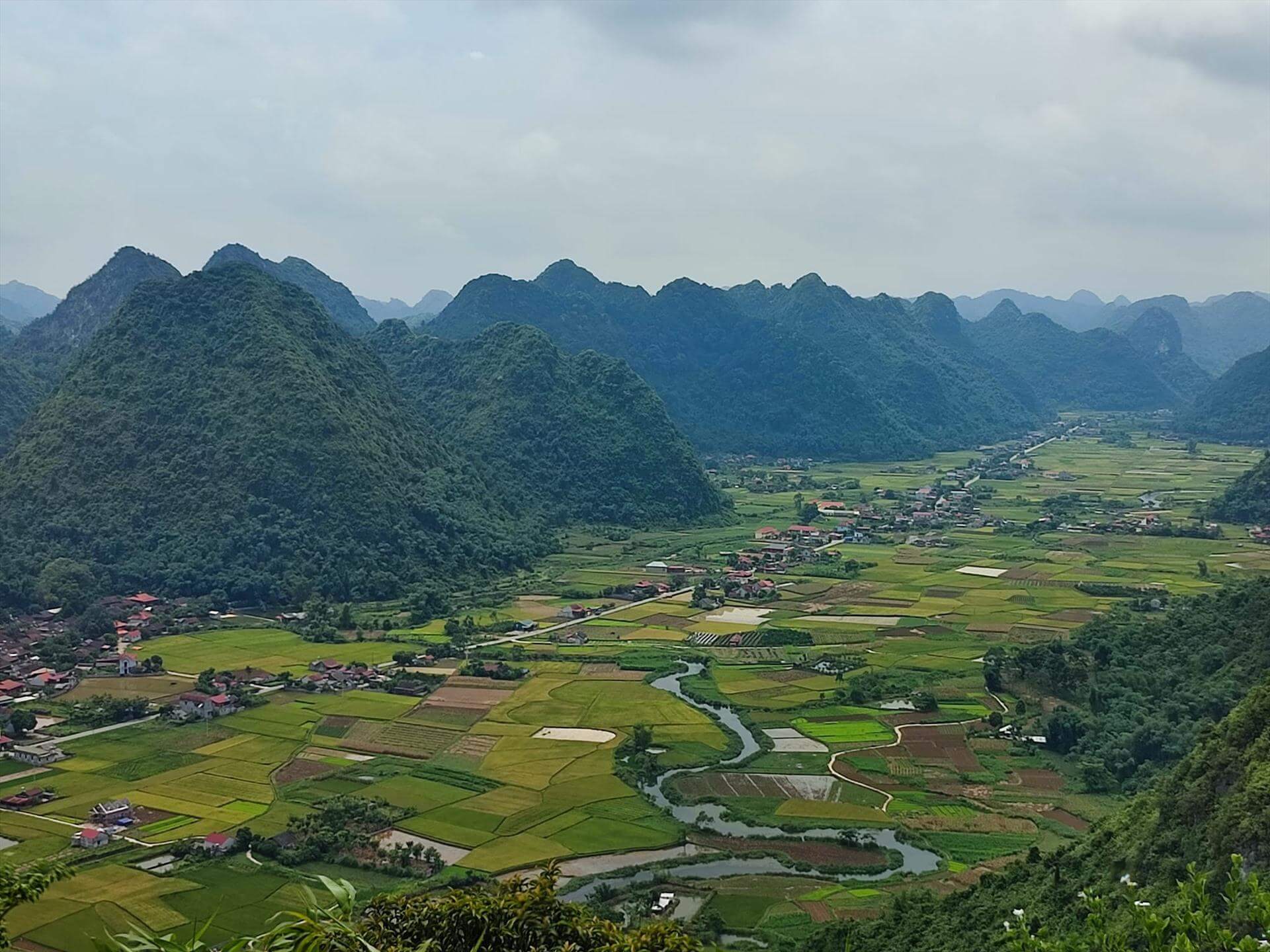
Dramatic limestone karst formations rising above green valleys and winding rivers in Vietnam.
Tropical Climate and Erosion Processes
Vietnam’s humid tropical climate accelerates the natural processes that define its. Heavy seasonal rains intensify chemical weathering, allowing water to carve sinkholes, enclosed valleys, and steep limestone towers. Rivers may disappear underground for kilometers before resurfacing elsewhere, creating a dynamic interaction between surface and subterranean environments.
Within underground chambers, mineral-rich water drips from ceilings and leaves behind delicate calcite deposits. Over centuries, these deposits grow into stalactites, stalagmites, and towering stone columns. Continuous cycles of flooding and evaporation polish walls and reshape passageways, ensuring that Vietnam’s caves and karst landscapes remain geologically active rather than static relics of the past.
Global Recognition and Conservation Efforts
The scale and diversity have attracted global scientific attention for decades. Researchers have documented enormous caverns, rare mineral formations, and ecosystems that survive in complete darkness. Some chambers are vast enough to contain their own microclimates, while others preserve fragile formations that require thousands of years to develop.
Because of their exceptional value, many of these landscapes are protected within national parks and conservation zones. Sustainable tourism initiatives focus on controlled access, guided exploration, and environmental education. These efforts aim to ensure that visitors can appreciate the country’s geological heritage while preserving its integrity for generations to come.
Global Recognition and Conservation Efforts
Top Destinations Showcasing Vietnam’s Natural Formations
Vietnam is home to some of Southeast Asia’s most dramatic natural landscapes, where limestone mountains, underground rivers, and vast cave systems create unforgettable scenery. From UNESCO-recognized heritage sites to lesser-known geological wonders, these destinations highlight the remarkable diversity of Vietnam’s caves and karst formations. Each location offers a unique perspective on the country’s ancient geological evolution and breathtaking natural beauty.
Phong Nha – Ke Bang National Park
Located in central Vietnam, Phong Nha – Ke Bang is widely regarded as the country’s most spectacular concentration of caves and karst landscapes. This UNESCO-recognized national park contains hundreds of mapped caverns and vast forested limestone plateaus that continue to reveal new geological discoveries each year.
Among its highlights are the legendary Phong Nha caves, a network of river passages and dry chambers that extend deep beneath the mountains. Boat journeys glide through dimly lit tunnels where mineral formations reflect softly off underground waters, offering a rare glimpse into the region’s subterranean beauty.
The park is also home to Son Doong Cave Vietnam, the largest cave chamber ever discovered on Earth. Massive enough to hold skyscrapers and its own jungle ecosystem, this natural wonder has redefined global understanding of scale within tropical karst systems and elevated Vietnam’s status among explorers worldwide.
Beyond individual landmarks, the area is famous for its intricate system of underground rivers in Vietnam, where water disappears into limestone massifs before re-emerging kilometers away. Guided expeditions and regulated Vietnam cave tours allow visitors to experience these environments responsibly while supporting conservation efforts that protect fragile ecosystems.
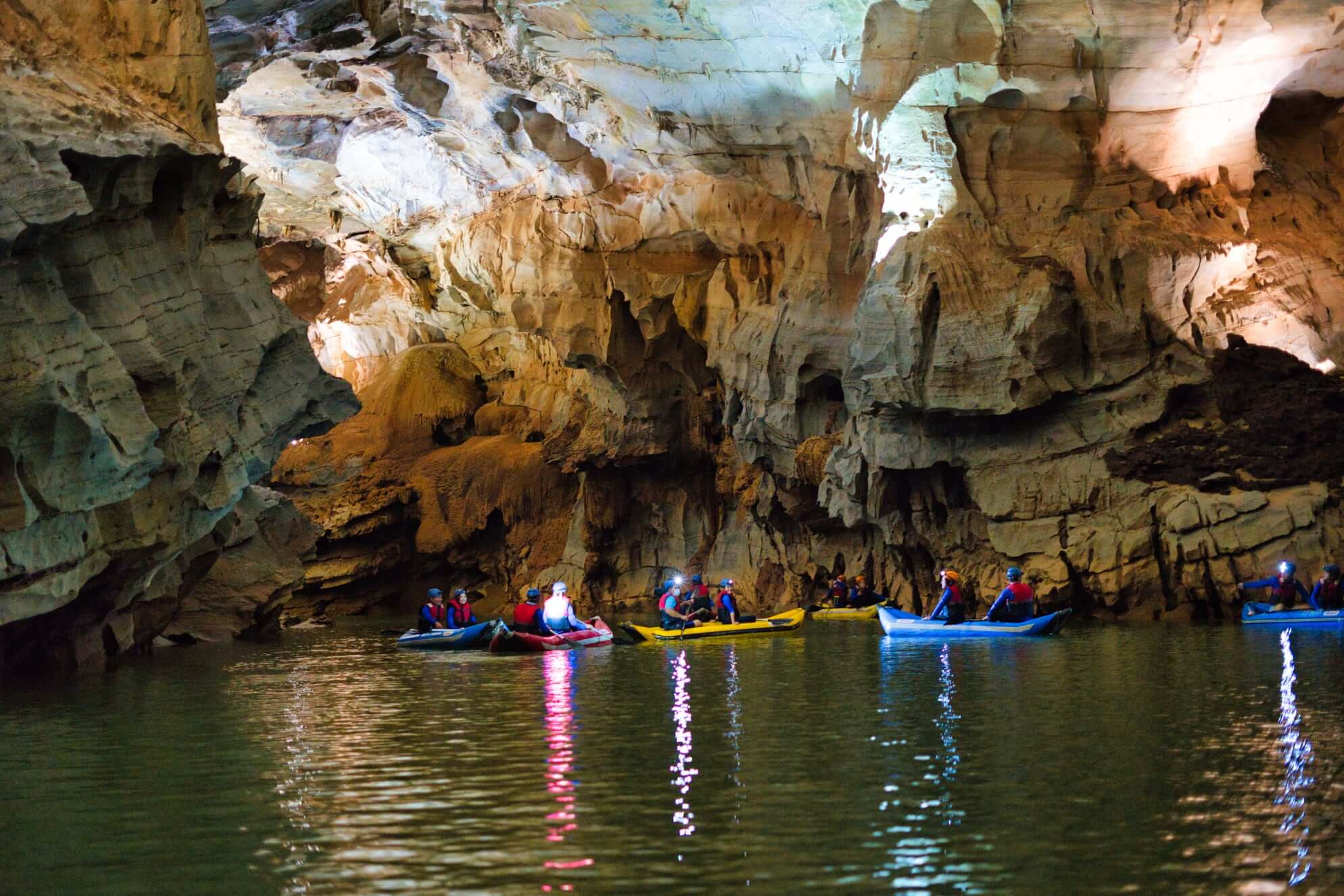
Boat entering Phong Nha Cave inside Phong Nha–Ke Bang National Park, Vietnam.
Ha Long Bay
In Northern Vietnam, emerald waters and towering limestone pillars define one of Asia’s most iconic seascapes. Ha Long Bay presents a dramatic example of caves and karst landscapes emerging directly from the ocean, where thousands of vertical stone islets rise sharply against the horizon.
The bay’s distinctive Ha Long Bay karst formations were sculpted by millions of years of marine erosion and tectonic uplift. Many islands conceal hidden grottoes and vaulted caverns accessible by kayak or small boat, allowing travelers to navigate narrow arches and tranquil lagoons framed by sheer rock walls.
Beyond its dramatic limestone towers, the bay is also part of a broader network of coastal destinations, and travelers can explore some of the most beautiful islands to visit in Vietnam for pristine beaches, turquoise waters, and unforgettable marine scenery.
Sunrise and sunset reveal the full grandeur of the terrain, as shifting light emphasizes textures carved by wind and water. This coastal setting demonstrates how tropical climate and sea-level change continue to shape Vietnam’s geological character in visually striking ways.
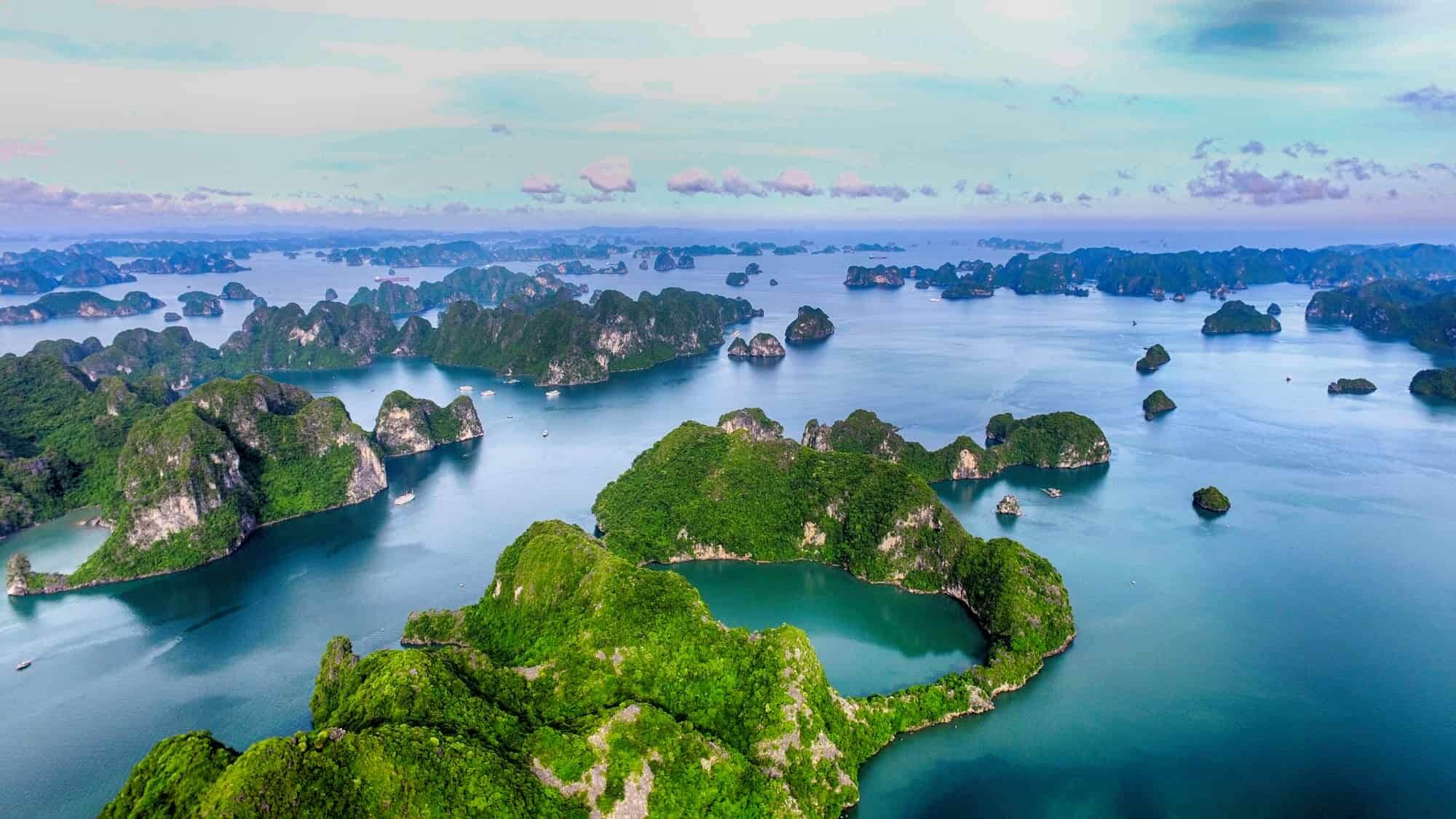
Limestone karsts rising from emerald waters in Ha Long Bay, Vietnam.
Ninh Binh
Often described as “Ha Long Bay on land,” Ninh Binh showcases a different expression of caves and karst landscapes within a riverine and agricultural setting. Instead of open sea, limestone towers rise from flooded rice paddies and winding waterways that cut through narrow valleys.
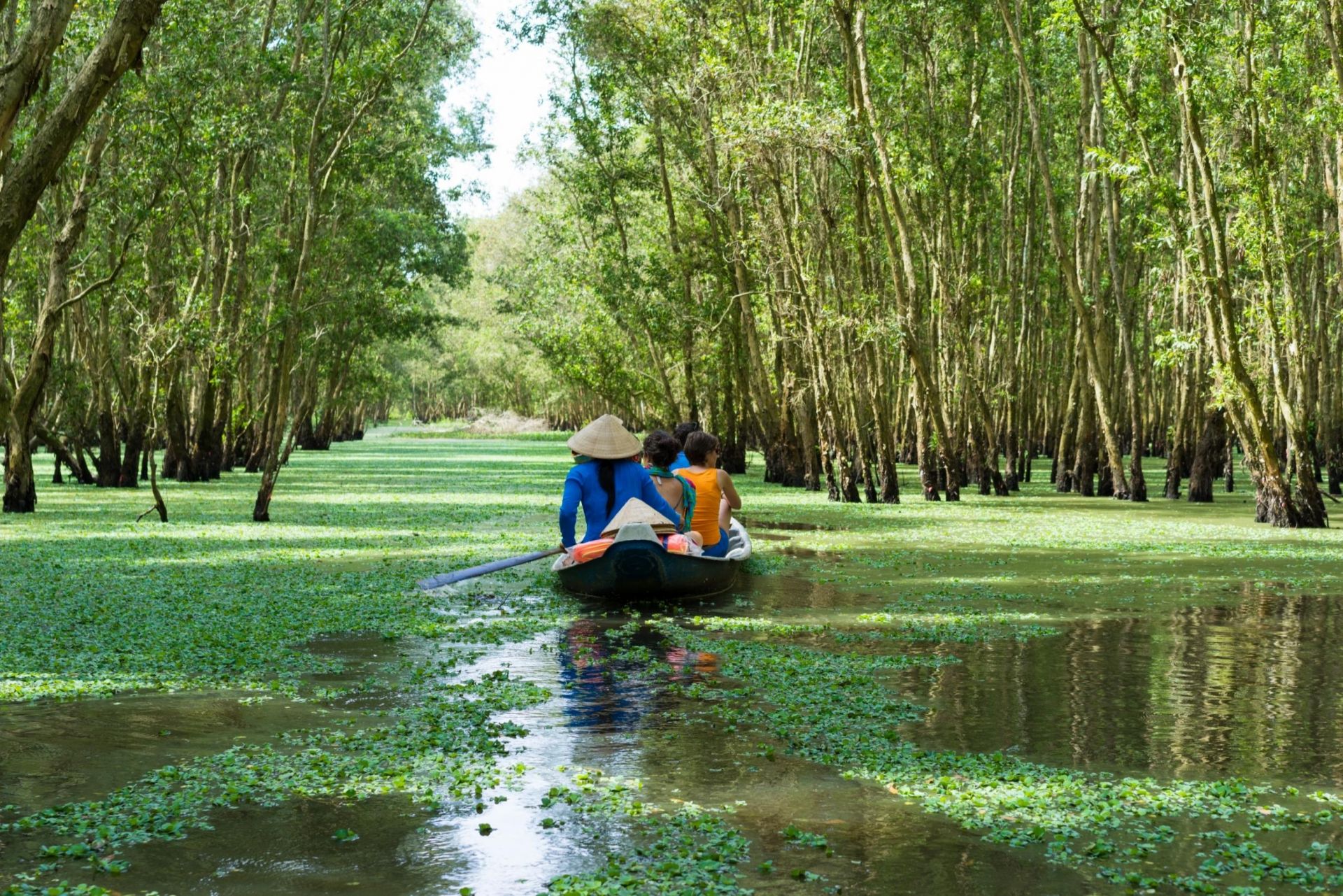
The region’s defining feature is the Ninh Binh karst landscape, where small boats rowed by local guides pass through natural tunnels and enclosed lagoons. The harmony between towering cliffs and cultivated fields creates a scene that feels both dramatic and serene.
Temples, ancient citadels, and rural villages further enrich the environment, demonstrating how communities have adapted to living alongside imposing geological formations. Beyond its dramatic scenery, Vietnam’s cultural traditions are equally compelling. Travelers interested in artisan heritage and local craftsmanship can join experiences such as the Conical Hat & Incense Craft Villages Tour to gain deeper insight into centuries-old techniques and community life. This interplay between nature and culture distinguishes Ninh Binh as one of the country’s most photogenic inland destinations.
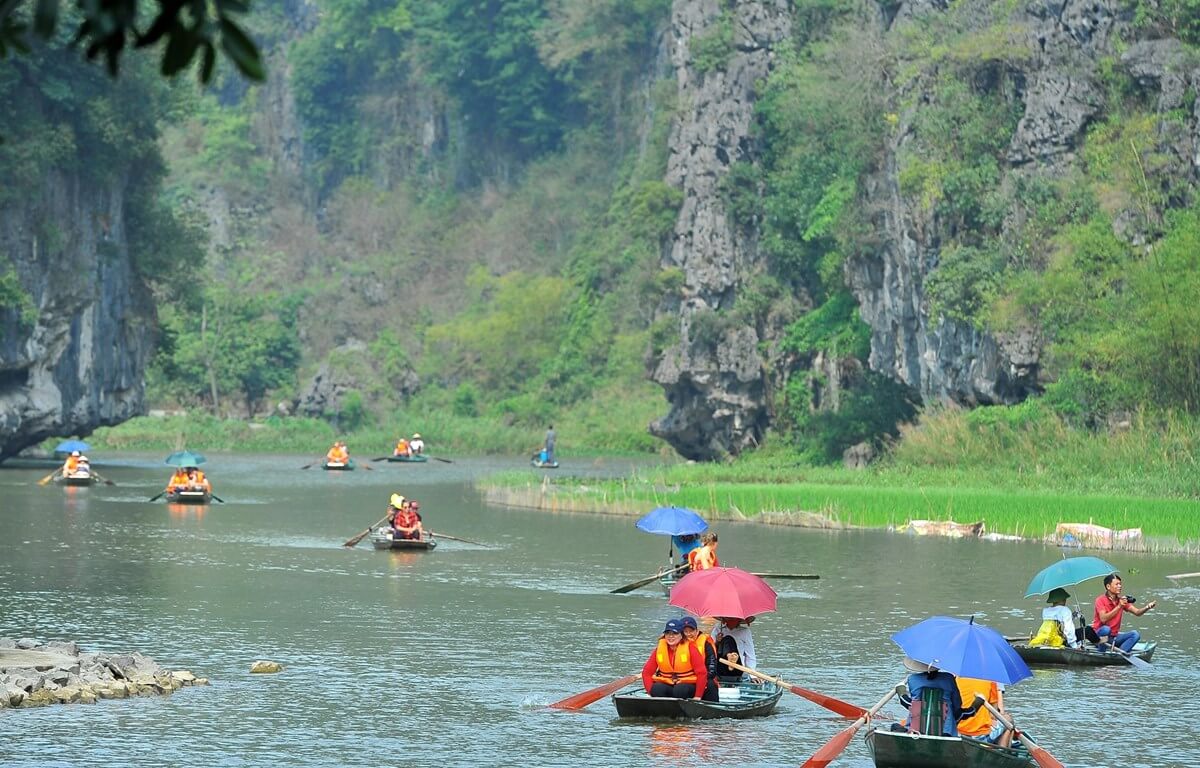
Rowboat passing through limestone karsts along Ngo Dong River in Tam Coc, Ninh Binh.
Cao Bang and the Northern Highlands
Far from the more frequented routes, Cao Bang province reveals expansive caves and karst landscapes set against mountainous borders and cascading waterfalls. The terrain here feels wilder and less commercialized, offering travelers a quieter but equally impressive encounter with limestone topography.
The surrounding highlands are characterized by dramatic karst mountains in Vietnam, where sharp ridges and deep valleys dominate the skyline. Remote caverns and hidden passages remain largely unexplored compared to central regions, preserving a sense of discovery for adventurous visitors.
This Northern frontier demonstrates the vast geographic distribution of Vietnam’s geological heritage. From inland plateaus to coastal bays and forested national parks, the diversity of environments underscores why the country continues to captivate geologists and travelers alike.
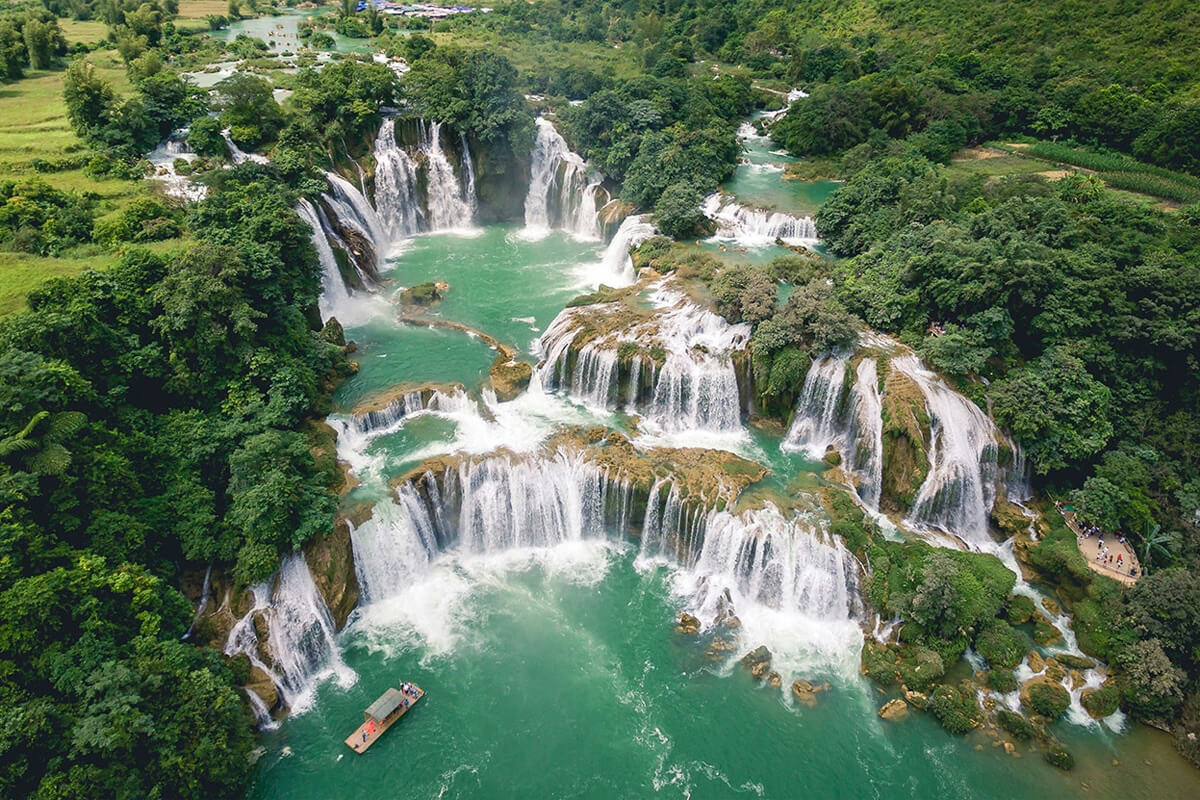
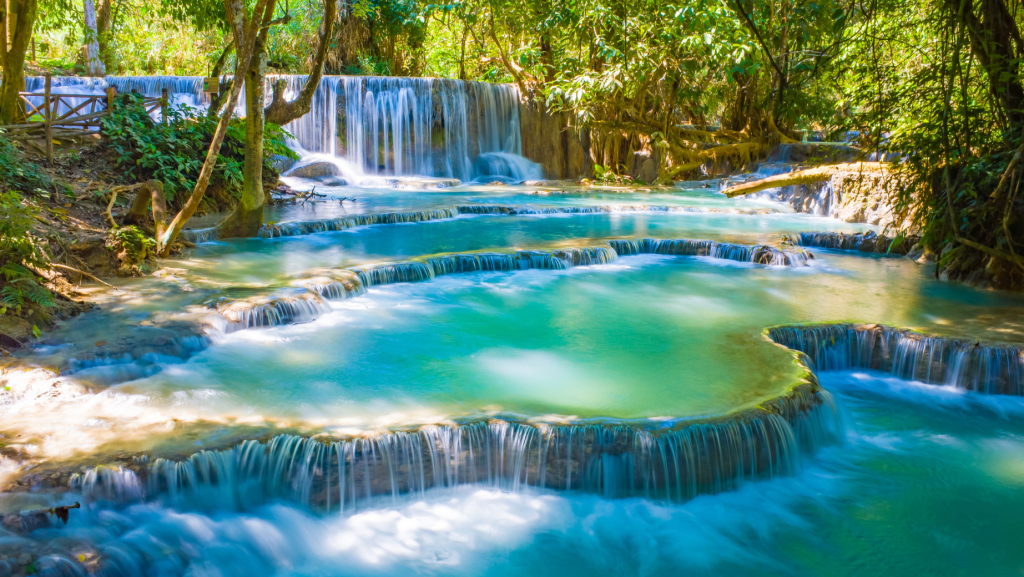
Ban Gioc Waterfall cascading beside limestone mountains in Cao Bang, Vietnam.
Exploring the Most Impressive Cave Systems
Vietnam’s cave systems reveal a hidden world shaped over millions of years by water and limestone. From vast underground chambers to intricate tunnel networks, these natural formations showcase the extraordinary scale and complexity of the country’s karst landscapes. Each exploration offers insight into the geological forces that continue to shape this subterranean environment.
Scale and Geological Structure
The extraordinary scale landscapes becomes most apparent when stepping inside its vast subterranean chambers. Some cave systems stretch for tens of kilometers, containing multi-level passages shaped by ancient rivers that gradually dissolved solid rock into labyrinthine corridors. These formations reveal the immense geological timescales required to sculpt such environments.
Within many of these chambers, the defining characteristics of limestone caves in Vietnam can be observed in remarkable detail. Towering stalactites descend from cathedral-like ceilings, while stalagmites rise from the floor to form columns that appear almost architectural in precision. Mineral deposits create textured walls and shimmering calcite curtains, illustrating how water and stone interact in a continuous process of transformation.
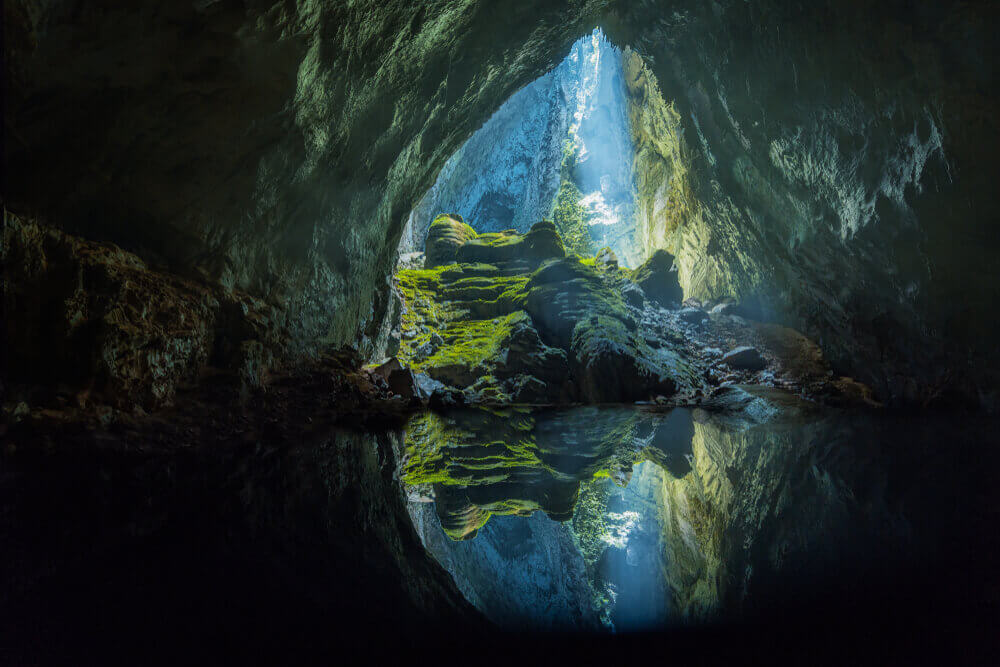
Massive underground chamber in Vietnam showcasing multi-level limestone passages carved by ancient rivers.
Record-Breaking Chambers and Hidden Passages
Exploration teams have documented enormous underground voids that challenge perceptions of natural scale, reinforcing Vietnam’s reputation for monumental caves and karst landscapes. Certain chambers are so expansive that they contain localized weather systems, mist layers, and even vegetation sustained by collapsed skylights.
For adventurous travelers researching the best caves to visit in Vietnam, the country offers a spectrum of experiences ranging from accessible river caves to demanding multi-day expeditions. Each destination provides a different perspective on underground geology, whether through guided boat journeys, trekking routes, or controlled expedition programs designed for experienced explorers.
International Recognition and Scientific Importance
Beyond tourism appeal, Vietnam’s caves and karst landscapes hold global scientific significance. Detailed mapping projects continue to uncover rare mineral formations, endemic species adapted to darkness, and unique hydrological systems that connect surface rivers to underground basins.
Several of these protected regions are recognized among the UNESCO karst sites in Vietnam, highlighting their exceptional universal value. International collaboration between scientists and conservation authorities ensures that research and responsible visitation proceed hand in hand, preserving fragile ecosystems while expanding global understanding of tropical karst development.
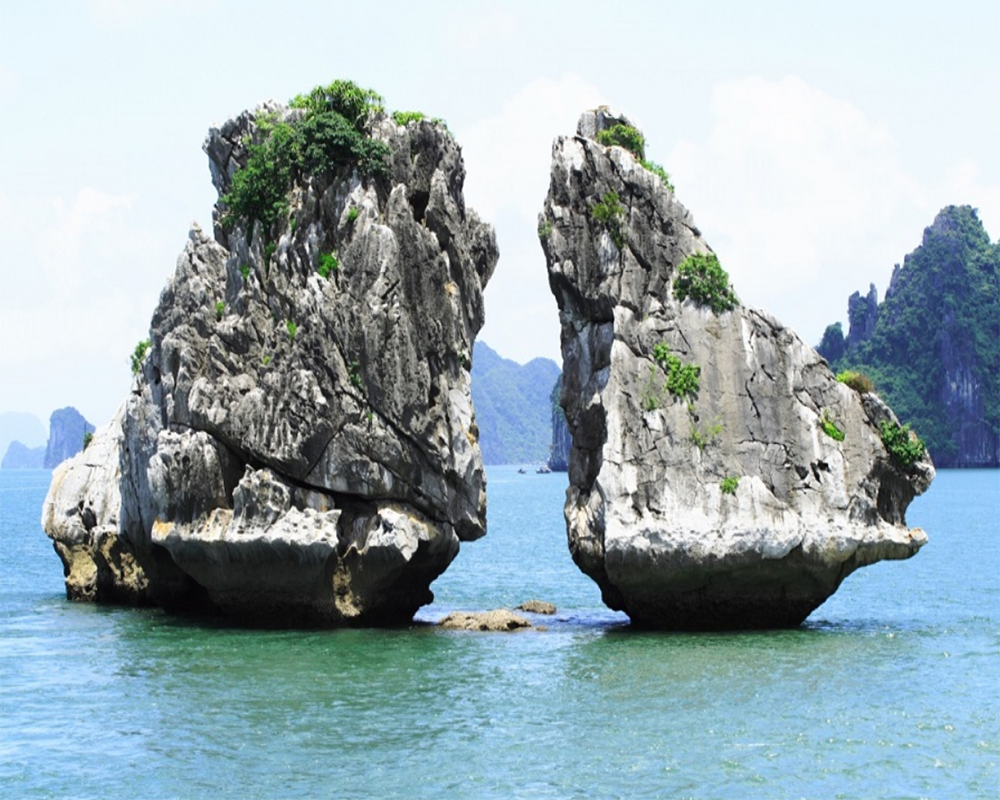
Rare mineral formations and unique rock structures inside a UNESCO-recognized karst site in Vietnam.
Best Time and Practical Travel Advice
Choosing the right time to visit is essential for fully experiencing Vietnam’s caves and karst landscapes. Weather conditions vary by region, influencing accessibility, visibility, and overall comfort during exploration. Understanding seasonal patterns helps travelers plan safer trips and make the most of both underground adventures and scenic surroundings.
Seasonal Weather Patterns Across Regions
Understanding regional climate differences is essential when planning to explore Vietnam’s caves and karst landscapes. Northern areas typically experience cooler winters from November to March and warm, humid summers with heavy rainfall between May and September. Central regions can be affected by seasonal storms in late autumn, while spring often offers milder temperatures and clearer skies.
The dry season, generally from February to August depending on location, provides more stable conditions for trekking and boat excursions. During this period, visibility inside caves improves, trails remain safer, and river levels are more predictable. However, certain months after the rainy season may reveal fuller waterfalls and dramatic scenery shaped by recent monsoon activity.
Travelers interested in combining underground exploration with surface scenery can also discover some of the most impressive waterfalls in Vietnam, where cascading waters flow through forested valleys and limestone cliffs, creating equally dramatic natural experiences.

Limestone karst mountains in Northern Vietnam under clear spring skies with mild weather.
Safety, Preparation, and Guided Exploration
Exploring caves and karst landscapes requires thoughtful preparation, especially when venturing beyond easily accessible attractions. Proper footwear with strong grip is essential for navigating damp rock surfaces, while lightweight clothing suitable for humid environments enhances comfort during longer excursions. Helmets and headlamps are often mandatory for deeper cave passages.
Travelers are strongly encouraged to join certified guides or regulated expeditions. Professional teams understand local terrain, seasonal risks, and environmental sensitivity. Their expertise not only ensures personal safety but also helps preserve delicate formations that can be permanently damaged by careless contact.
Sustainable and Responsible Travel
The growing popularity of caves and karst landscapes brings both opportunity and responsibility. Fragile calcite formations take thousands of years to develop, and underground ecosystems can be easily disrupted by excessive light, waste, or uncontrolled visitation. Responsible tourism practices are therefore essential to maintaining ecological balance.
Visitors can contribute by choosing operators committed to conservation, minimizing single-use plastics, and respecting designated pathways. Supporting community-based tourism initiatives also strengthens local livelihoods while protecting the natural environment. Sustainable exploration ensures that future generations will continue to witness the grandeur of these remarkable geological systems.
Travelers are encouraged to consult a detailed Vietnam weather by month overview before finalizing their itinerary.
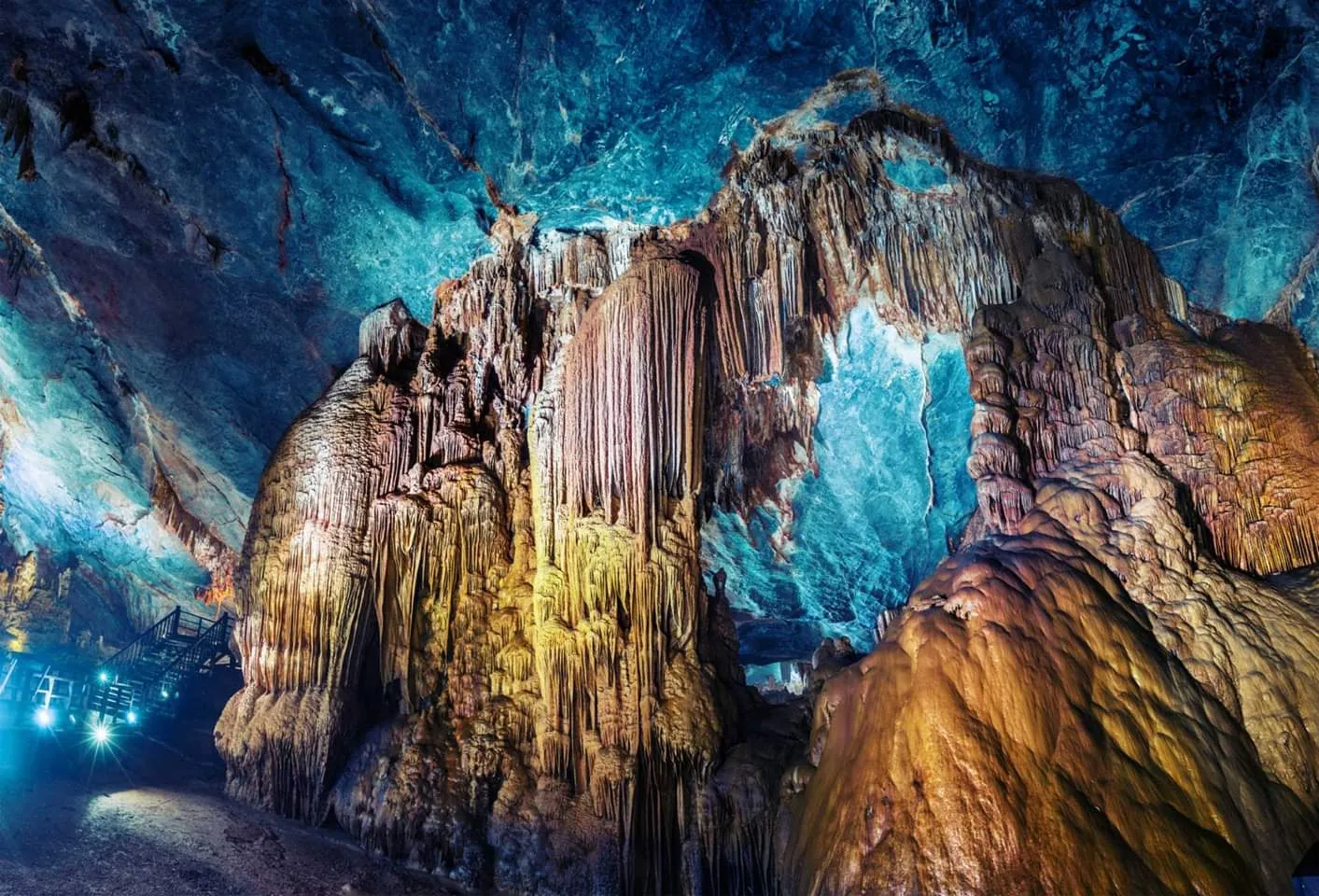
Protected limestone cave formation in Vietnam with designated walking paths for visitors.
Conclusion
Vietnam’s geological heritage stands among the most extraordinary in Asia, offering travelers access to immense caverns, dramatic limestone towers, and environments shaped over millions of years. From coastal formations rising above emerald waters to vast subterranean chambers hidden beneath dense forests, represent both natural artistry and scientific significance.
For those ready to experience these wonders firsthand, Best Vietnam Tours provides expertly curated itineraries designed to combine adventure, cultural insight, and responsible travel. Begin planning your journey today and discover the timeless beauty waiting beneath Vietnam’s surface.