Hoi An Ancient Town
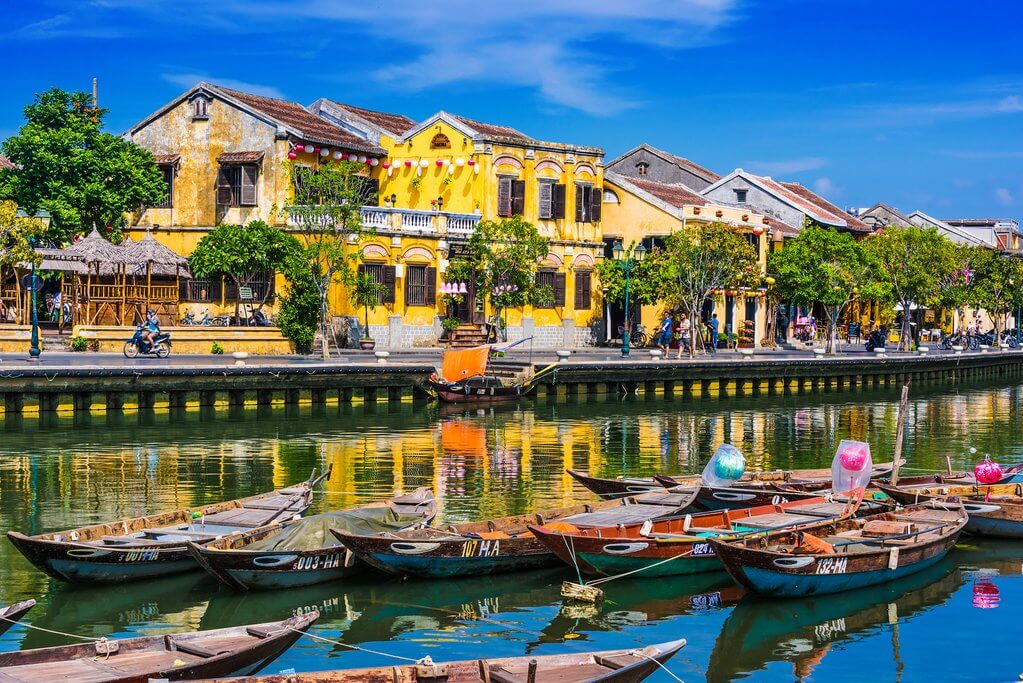
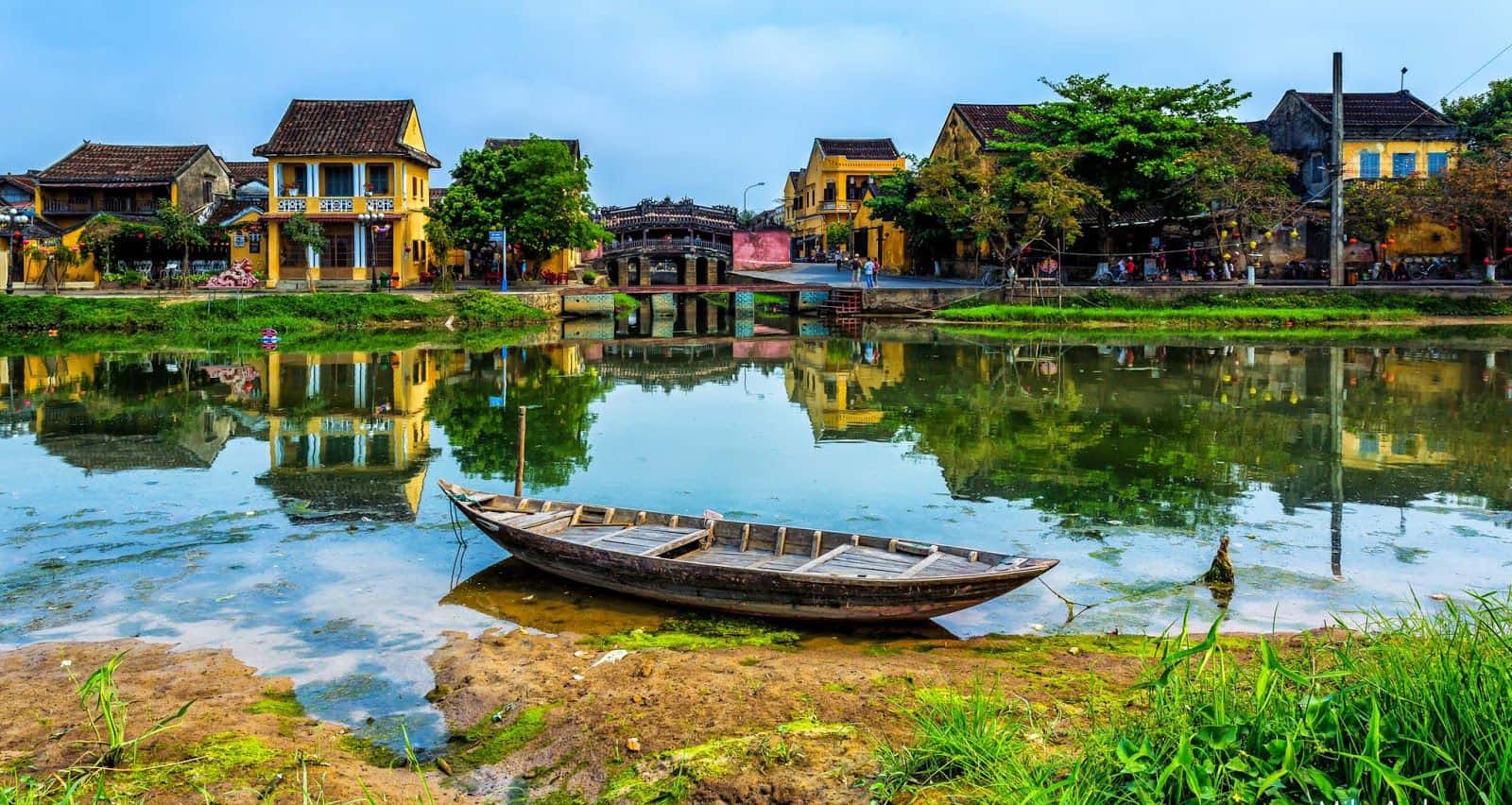
Once a thriving international trading port between the 15th and 19th centuries, Hoi An Ancient Town stands out among the most atmospheric UNESCO sites in Vietnam. Influences from Chinese, Japanese, and European merchants are reflected in its preserved wooden houses, assembly halls, and narrow lantern-lit streets. The town’s architectural harmony offers a rare glimpse into a multicultural maritime past that shaped regional commerce.
Today, walking through Hoi An feels like stepping into a living museum where traditions remain part of daily life. Tailoring workshops, riverside markets, and seasonal lantern festivals reinforce its designation under UNESCO cultural heritage Vietnam standards. Unlike many restored heritage zones, Hoi An maintains an authentic rhythm, making it one of the most accessible UNESCO sites in Vietnam for visitors seeking both history and vibrant local culture.
Beyond its lantern-lit streets and preserved merchant houses, visitors can combine nearby attractions for a fuller experience. A guided Marble Mountains and Hoi An Ancient Town tour allows travelers to explore both the spiritual limestone peaks near Da Nang and the historic charm of Hoi An in one seamless journey.
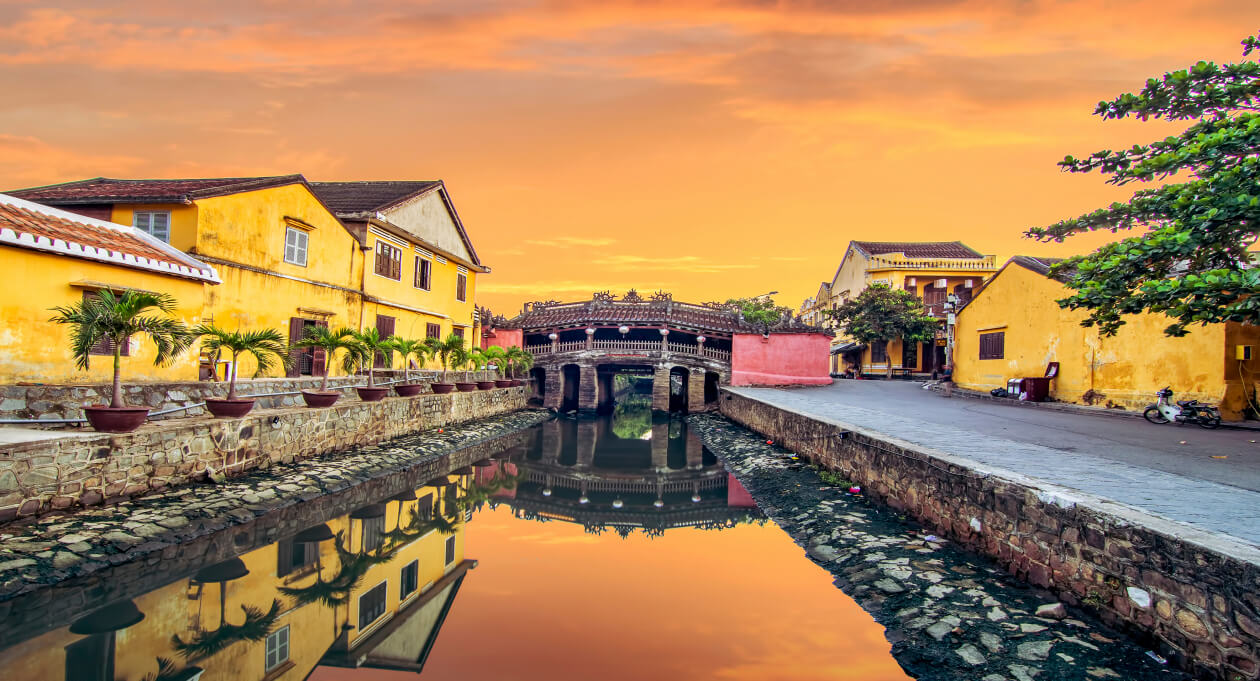
Hoi An Ancient Town
My Son Sanctuary
Nestled in a lush valley in central Vietnam, My Son Sanctuary preserves the spiritual and architectural legacy of the ancient Champa Kingdom. These red-brick temple towers, dating from the 4th to the 13th century, were once dedicated to Hindu deities and served as a major religious center. Today, the site ranks among the most historically significant due to its archaeological depth and symbolic value.
Although time and conflict have left portions in ruins, restoration efforts continue to protect its intricate carvings and sacred layout. Recognized internationally for its outstanding universal value, My Son provides insight into Southeast Asia’s Hindu-influenced civilizations. For history enthusiasts mapping out the best, this sanctuary offers a powerful and contemplative experience distinct from the country’s coastal and urban landmarks.
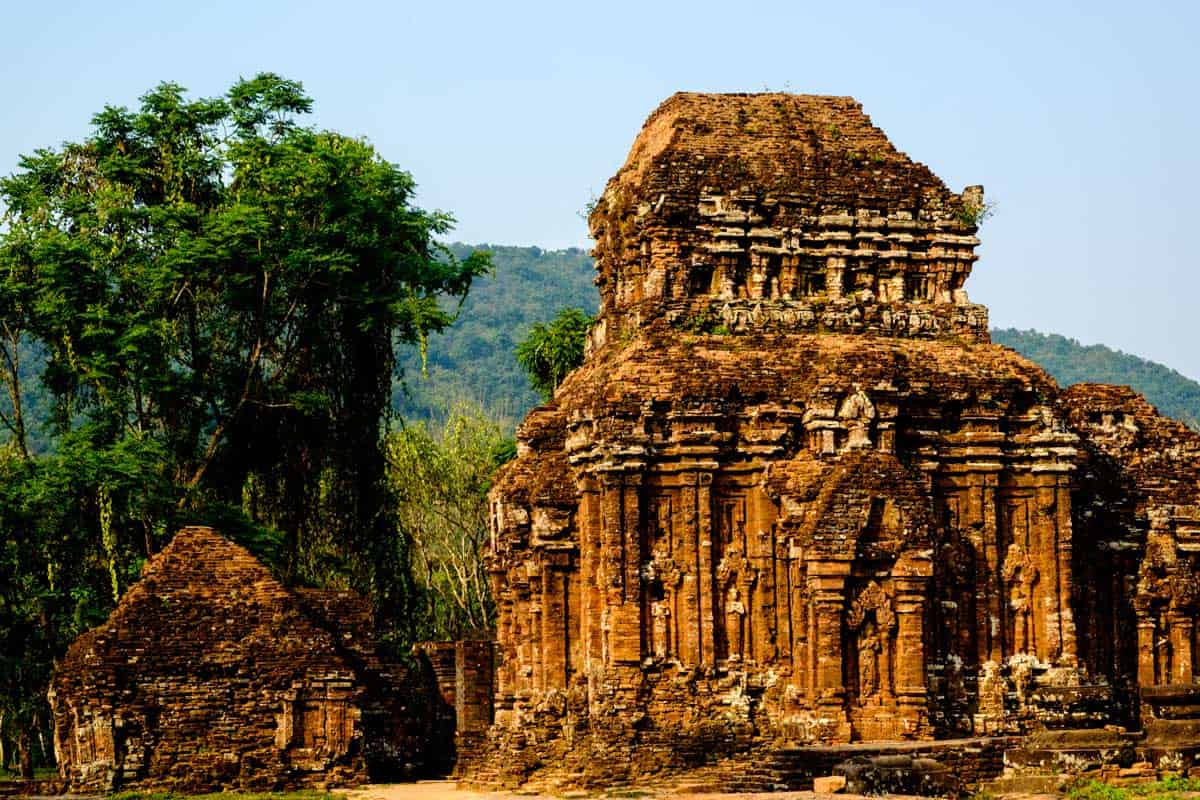
My Son Sanctuary
Complex of Hue Monuments
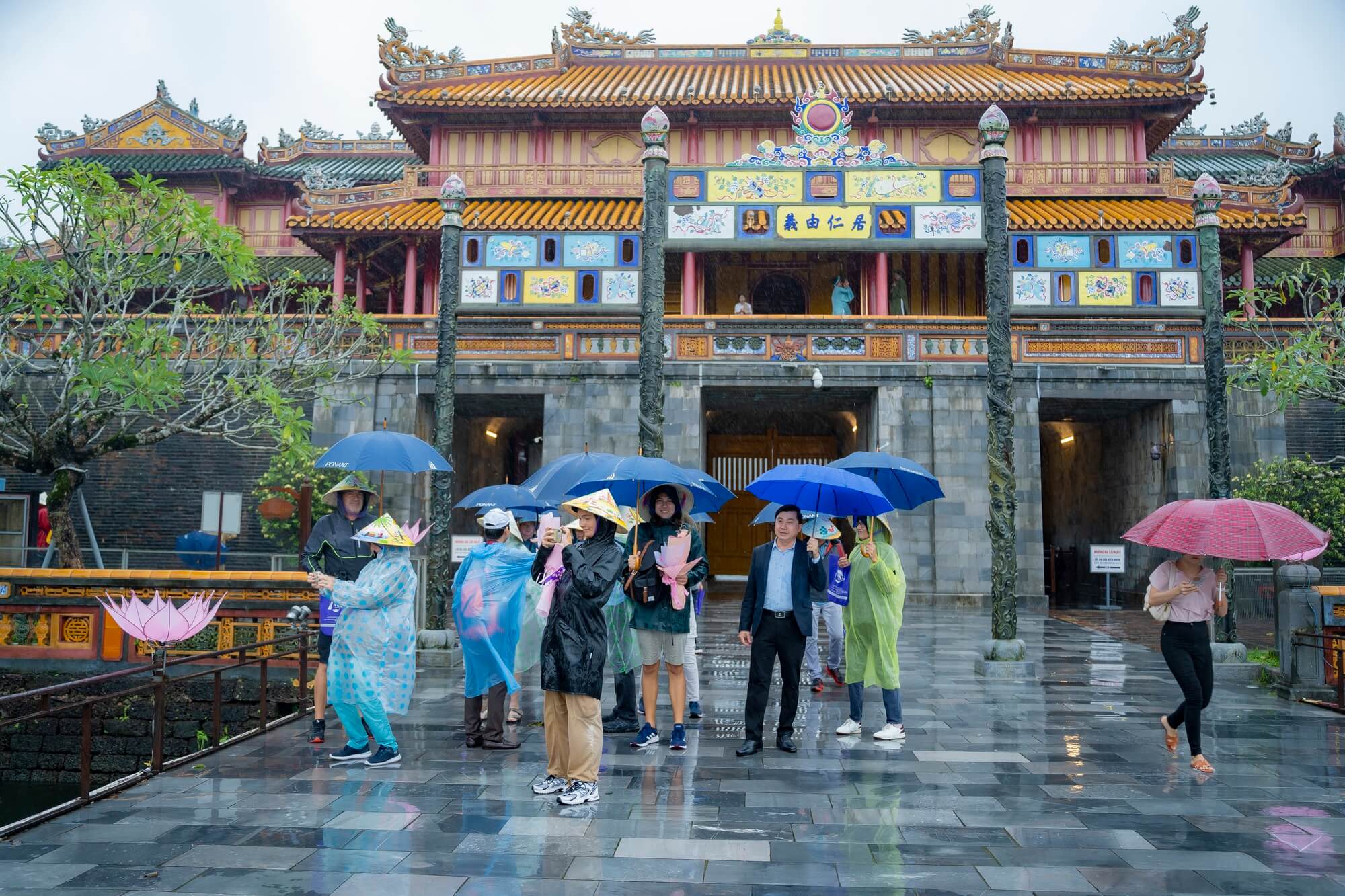
Formerly the imperial capital of the Nguyen Dynasty, Hue is home to grand palaces, temples, and fortified walls that define one of the most architecturally refined UNESCO sites in Vietnam. The Imperial City, modeled after Beijing’s Forbidden City yet uniquely adapted to local aesthetics, reflects Confucian philosophy and royal governance structures that shaped Vietnam in the 19th century.
Beyond its imposing citadel, Hue’s royal tombs and pagodas stretch along the Perfume River, blending natural scenery with ceremonial architecture. As part of the broader Vietnam heritage travel guide for culturally curious travelers, Hue stands as a testament to dynastic power, artistic craftsmanship, and urban planning. Among UNESCO sites in Vietnam, it remains one of the most immersive destinations for understanding the country’s imperial legacy.
Given the geographic spread of these destinations from North to South, many travelers prefer structured itineraries that combine cultural landmarks, natural landscapes, and urban experiences. If you are looking for a comprehensive route, this detailed Vietnam itinerary 21 days 20 nights from Hanoi to Ho Chi Minh City provides a well-balanced journey covering key heritage regions.
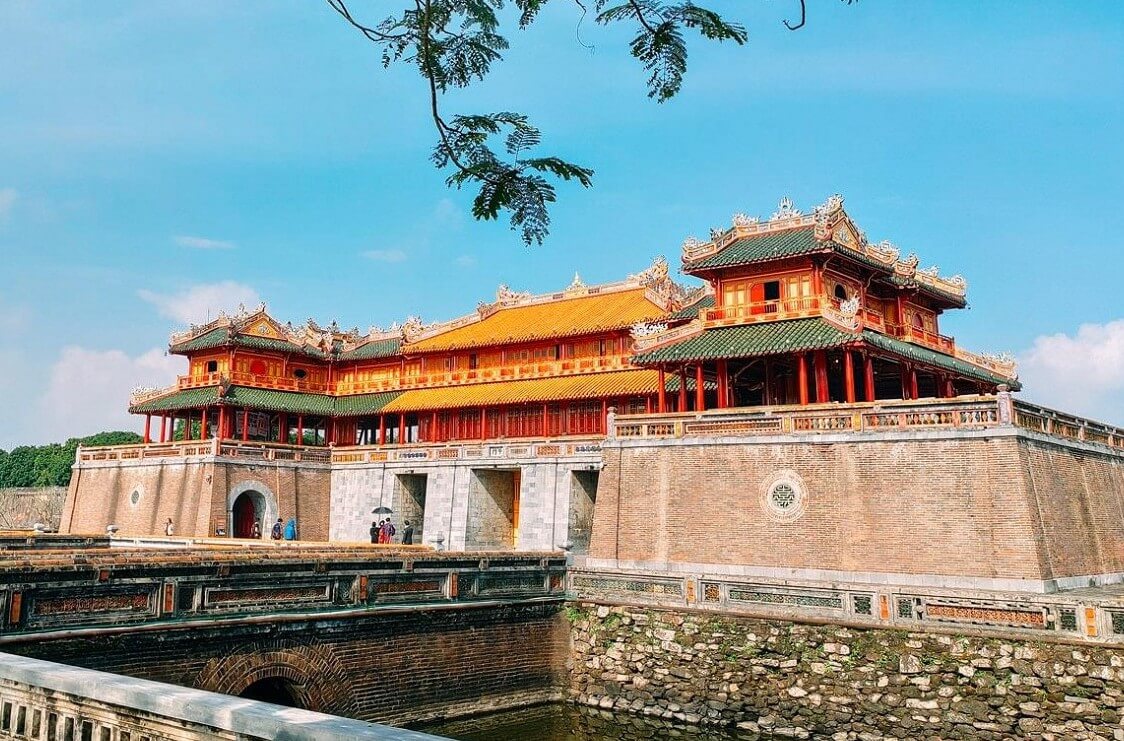
Hue Imperial City
Imperial Citadel of Thang Long
Located in the heart of Hanoi, the Imperial Citadel of Thang Long preserves layers of history that span more than thirteen centuries. As one of the most politically significant UNESCO sites in Vietnam, this complex reflects the continuity of Vietnamese statehood from the Ly and Tran dynasties to later royal periods. Archaeological excavations have revealed foundations of ancient palaces, royal wells, and ceremonial structures hidden beneath the modern capital.
Unlike many monumental citadels in Asia, Thang Long’s importance lies not only in architecture but also in its historical symbolism. It represents the enduring center of power through wars, dynastic transitions, and colonial transformations. Walking through its gates and courtyards offers visitors a deeper understanding of how governance and cultural identity evolved within UNESCO sites in Vietnam over centuries.
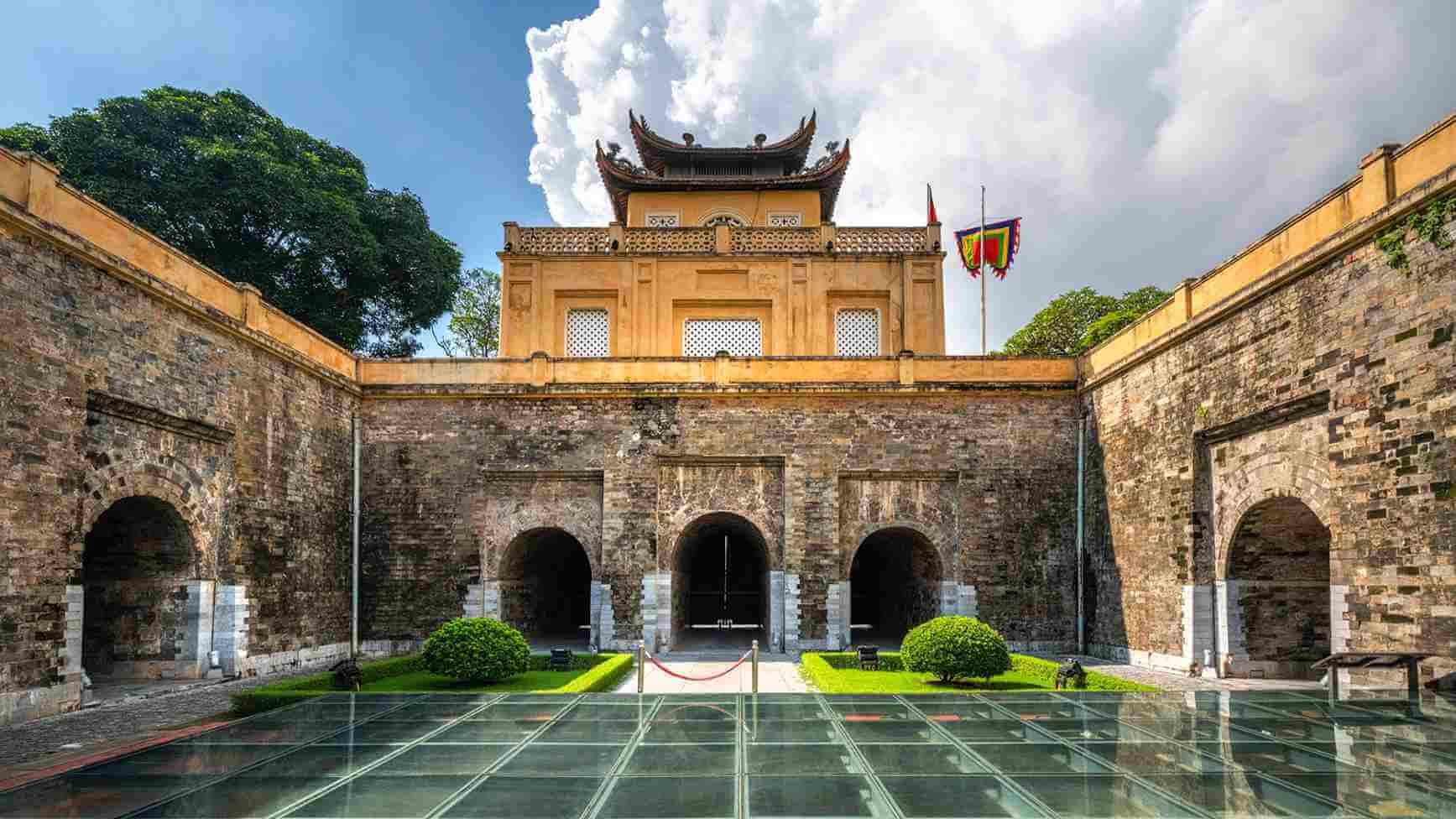
Imperial Citadel of Thang Long
Citadel of the Ho Dynasty
Constructed in the late 14th century, the Citadel of the Ho Dynasty stands as a masterpiece of stone architecture and military planning. Massive limestone blocks, some weighing several tons, were precisely assembled without mortar—an engineering achievement that distinguishes it among UNESCO sites in Vietnam. Despite its relatively short political lifespan, the citadel marked an important transitional moment in Vietnamese history.
Its design reflects Confucian principles and geomantic considerations, demonstrating the intellectual currents influencing Southeast Asia at the time. Surrounded by tranquil countryside and rice fields, the structure’s monumental gates remain strikingly intact. Compared to more frequently visited UNESCO sites, this destination offers a quieter and more contemplative encounter with medieval architecture and early centralized reform.
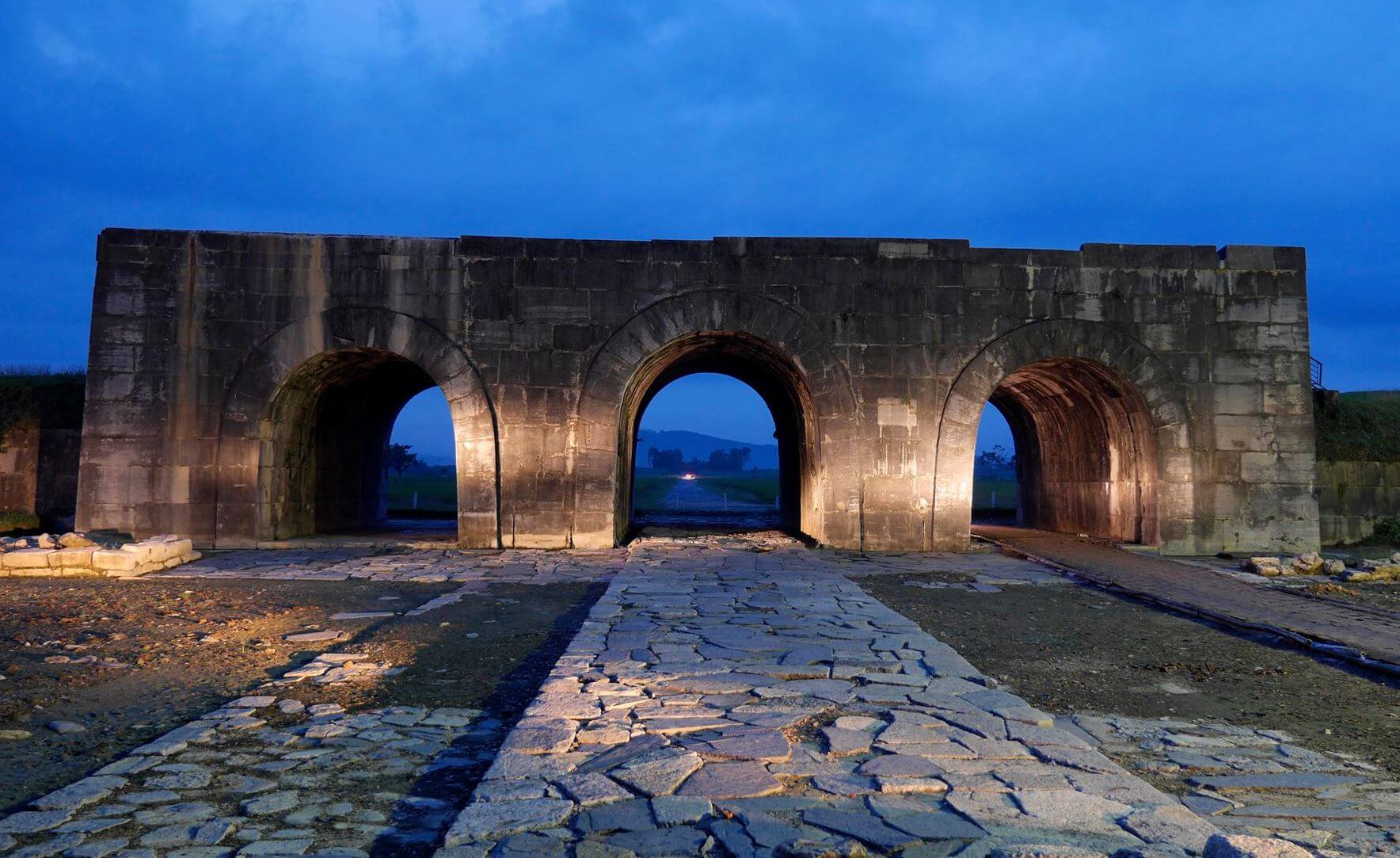
Citadel of the Ho Dynasty, Vietnam
Why These Sites Matter Globally
Beyond national pride, UNESCO sites in Vietnam play an important role in protecting cultural memory and environmental diversity on a global scale. Each location represents centuries of human creativity, adaptation, and belief systems that contribute to a shared international heritage.
As part of the wider network of protected landmarks worldwide, UNESCO sites highlight architectural achievement, archaeological depth, and geological significance. Their recognition encourages research, restoration, and long-term conservation efforts supported by both local authorities and international cooperation.
Equally important is the message these places send about sustainability. By balancing tourism growth with preservation standards, UNESCO sites demonstrate how historic cities, sacred complexes, and fragile ecosystems can remain accessible while maintaining integrity for future generations.
These landmarks preserve not only architecture and landscapes but also traditions, rituals, and social values that continue to shape modern society. For travelers seeking deeper cultural context before visiting historic destinations, our guide to Vietnam culture for tourists offers helpful insights into customs, etiquette, and everyday life.
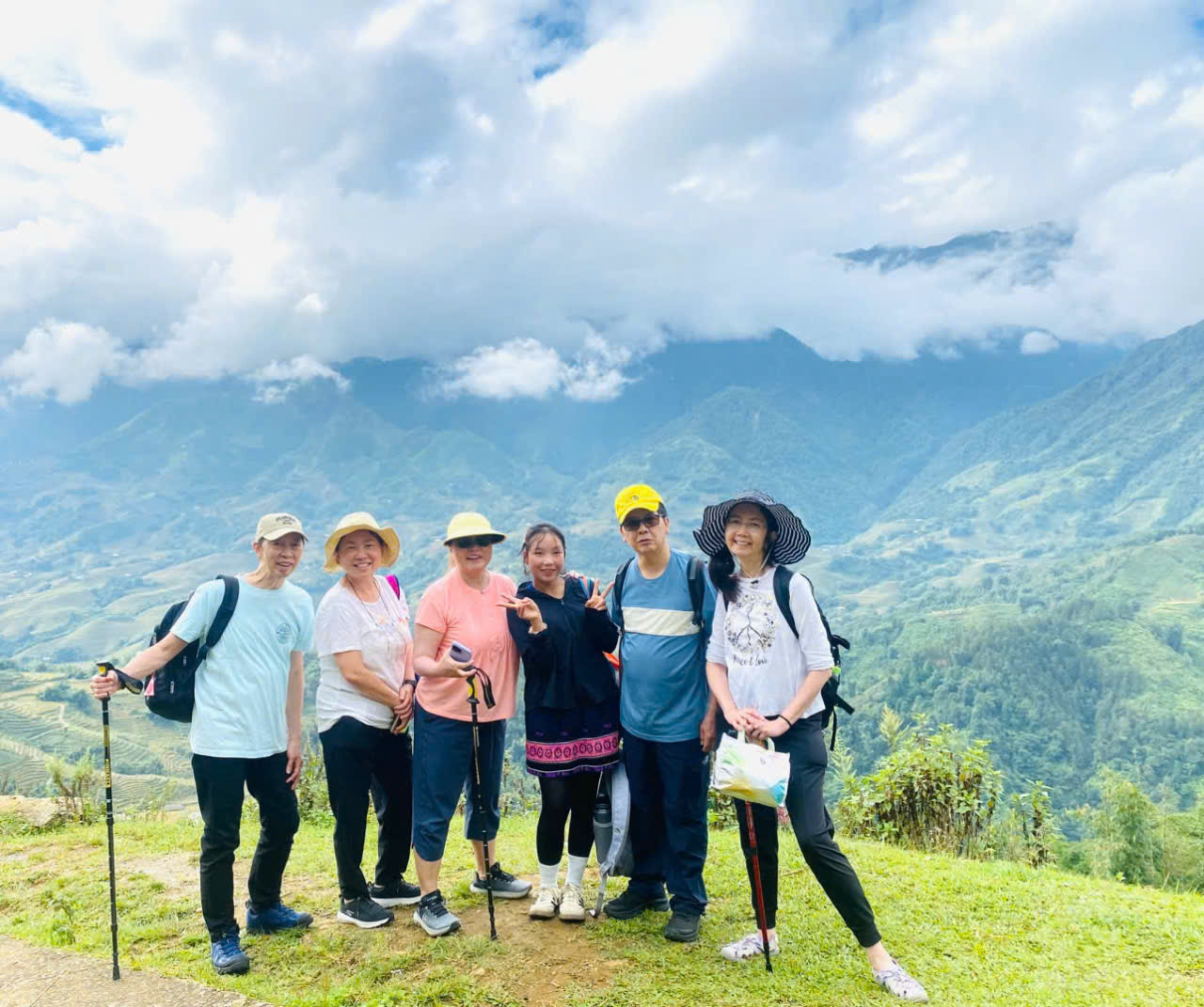
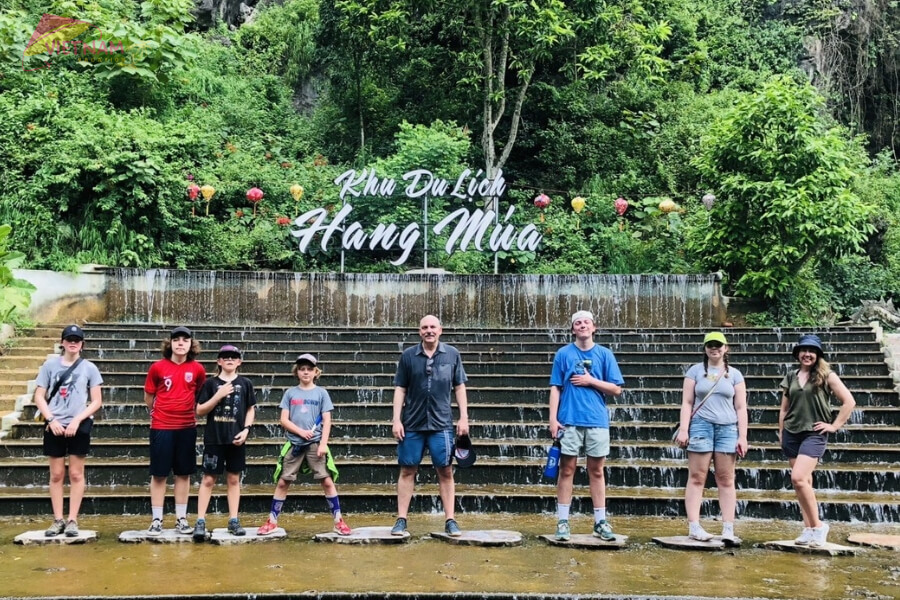
International visitors exploring
Planning Your Visit to UNESCO Sites in Vietnam
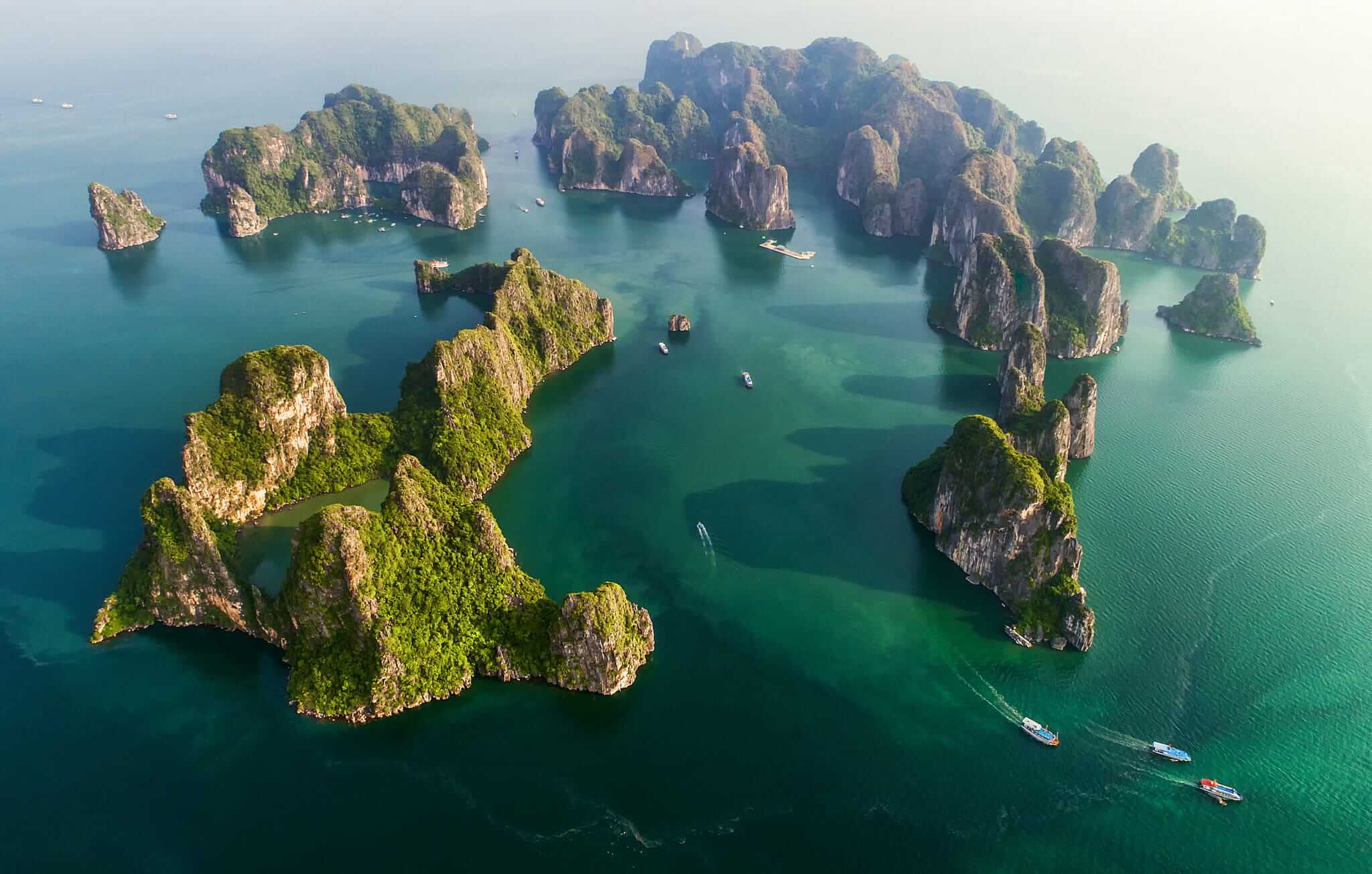
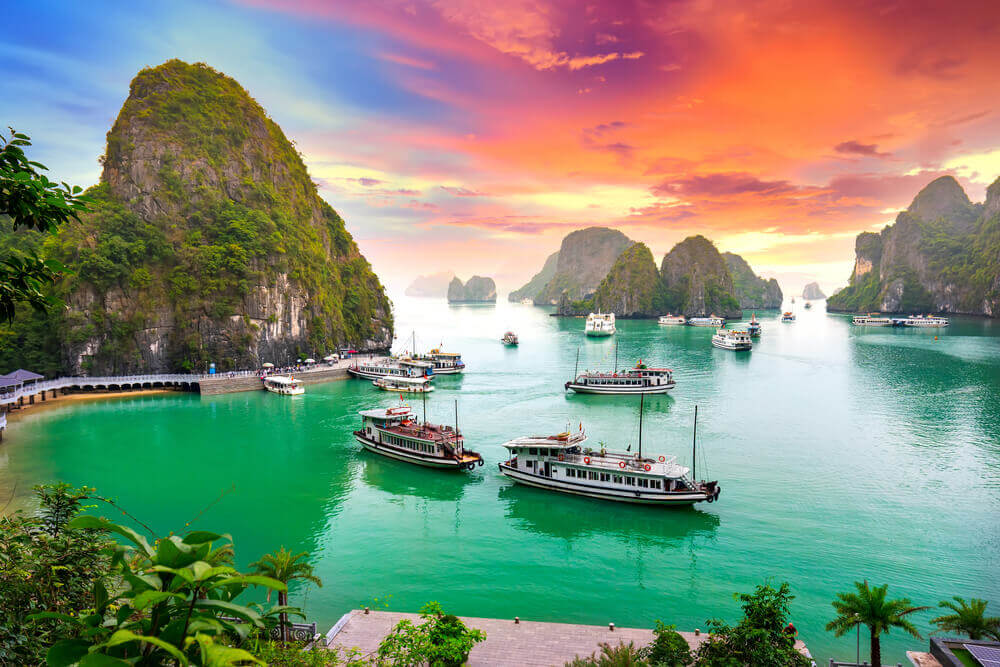
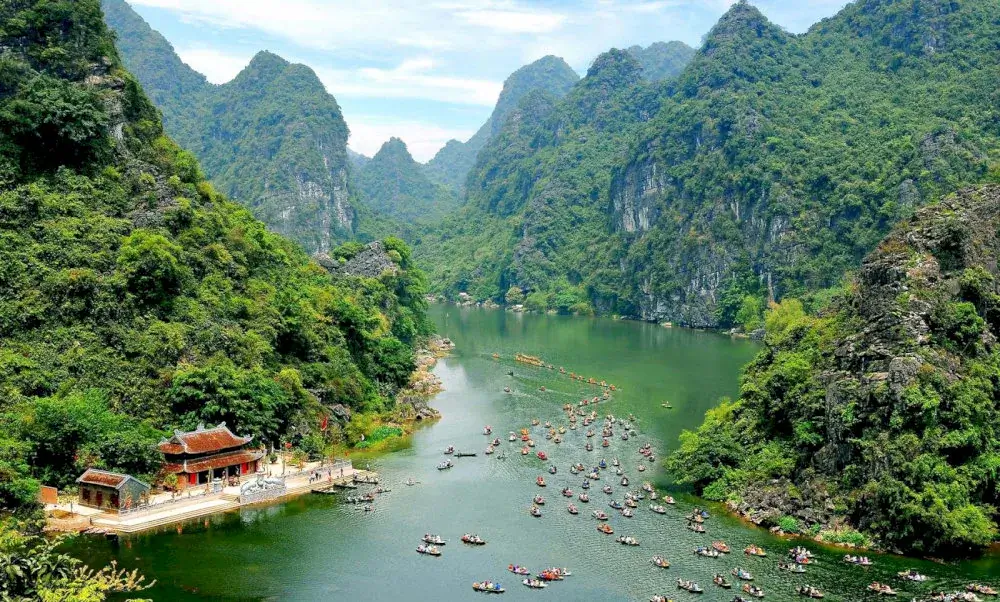
Designing a meaningful itinerary around UNESCO sites in Vietnam requires thoughtful timing and route planning. Northern destinations such as Ha Long Bay and Trang An are best visited between October and April, when cooler temperatures and clear skies enhance outdoor exploration. Central heritage cities like Hue and Hoi An are ideal in spring, avoiding peak summer heat and seasonal storms.
Transportation connections between major heritage destinations are well developed, with domestic flights, overnight trains, and private transfers linking key regions. Many UNESCO sites are located near established tourism hubs, making it possible to combine natural landscapes with historic cities in a single journey.
Responsible travel is essential when visiting protected landmarks. Visitors are encouraged to respect preservation rules, avoid littering, and support local communities through ethical tours and cultural experiences. By choosing experienced operators and sustainable services, travelers help ensure that remain preserved for generations to come.
Northern destinations such as Ha Long Bay and Trang An are best visited between October and April, when cooler temperatures and clear skies enhance outdoor exploration. To better understand seasonal conditions across different regions, you can refer to our detailed Vietnam weather by month guide before finalizing your travel plans.
Best time to visit UNESCO sites in Vietnam
Conclusion
From ancient imperial capitals to dramatic limestone seascapes, Vietnam’s heritage landscape reflects centuries of cultural evolution and environmental wonder. Each destination tells a distinct story, of dynasties, trade networks, spiritual traditions, and geological transformation, yet together they form a cohesive narrative of national identity and global significance.
Exploring UNESCO sites in Vietnam is more than sightseeing; it is an opportunity to engage with living history and protected ecosystems that shape the country’s character. If you are ready to experience these extraordinary places with expert guidance and carefully crafted itineraries, Best Vietnam Tours can help you design a journey that connects culture, nature, and authenticity in one unforgettable adventure.