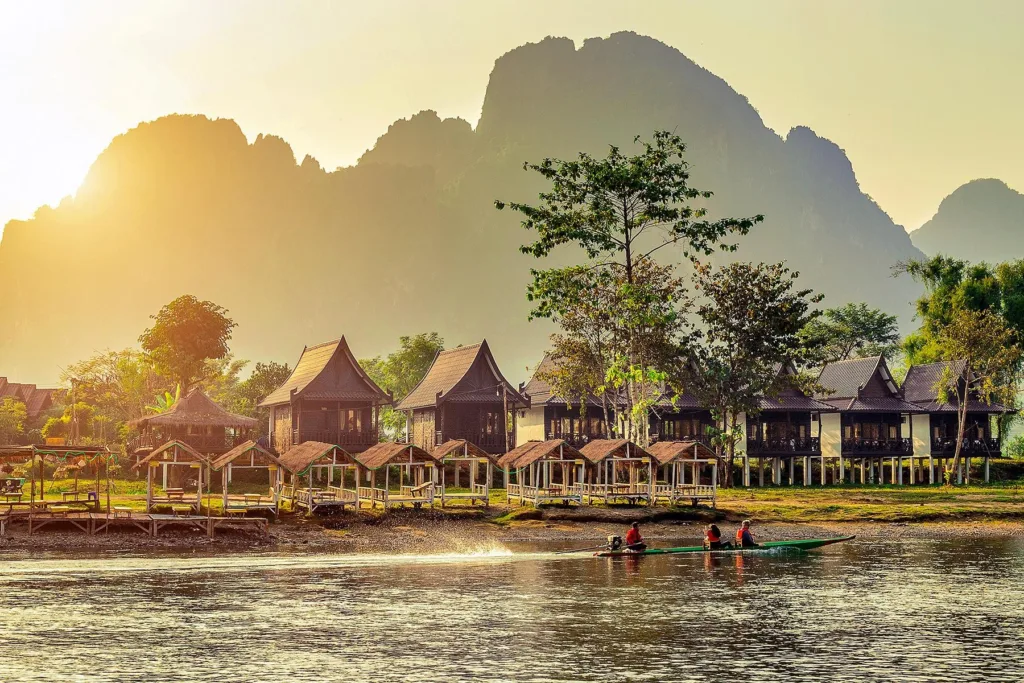
Vietnam is home to an extraordinary range of natural landscapes, from misty mountains and ancient forests to vast wetlands and tropical coastlines. Among these treasures, National Parks in Vietnam play a vital role in preserving biodiversity while offering travelers immersive experiences in nature. Whether you are drawn to dramatic caves, rare wildlife, or tranquil jungle trails, these protected areas reveal a side of the country that goes far beyond its cities and beaches.
Planning a journey through Vietnam’s national parks allows visitors to connect deeply with local ecosystems and cultures in a responsible way. For travelers seeking reliable inspiration and well-crafted itineraries, the Best Vietnam Tours provides valuable insights to help turn nature-focused trips into meaningful and memorable adventures.
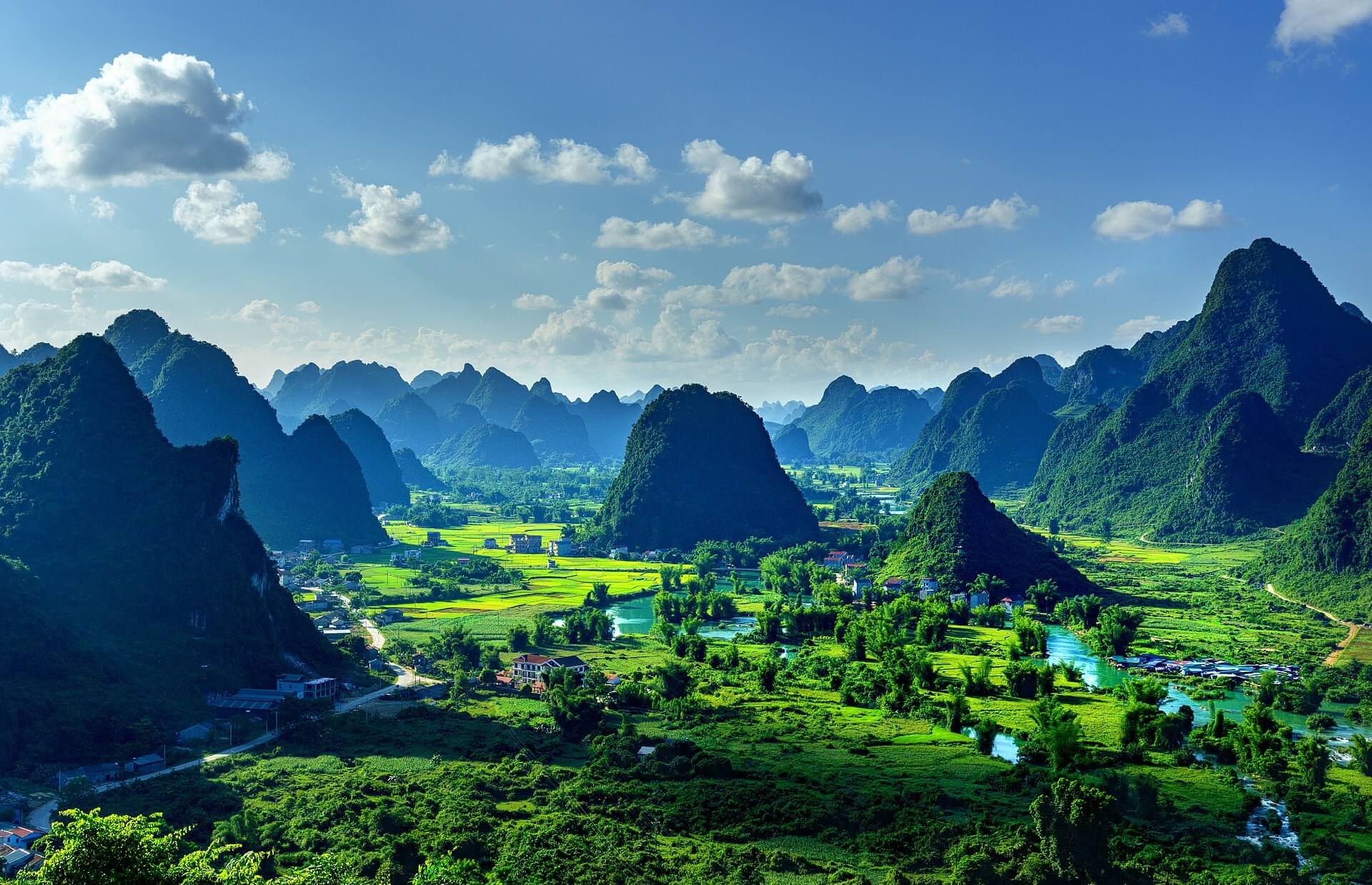
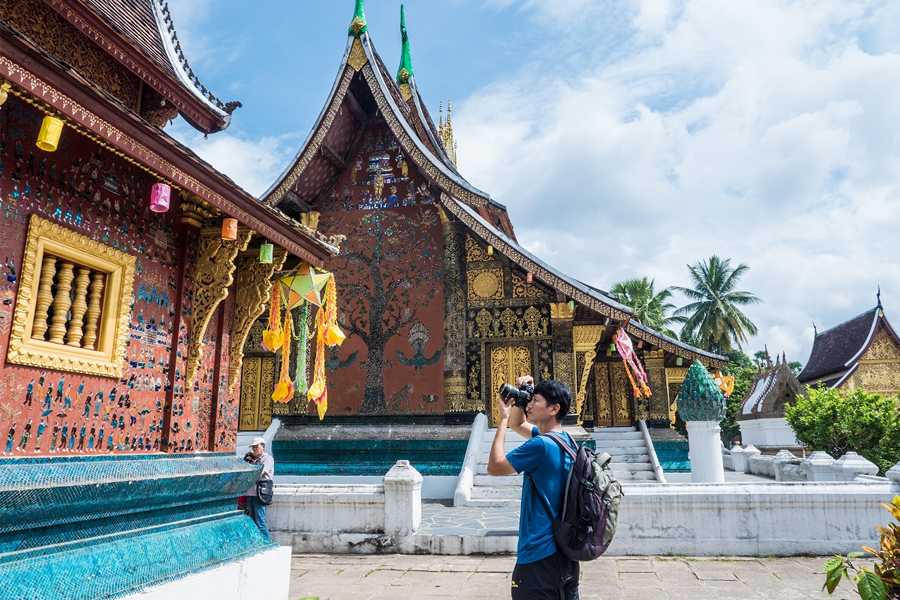
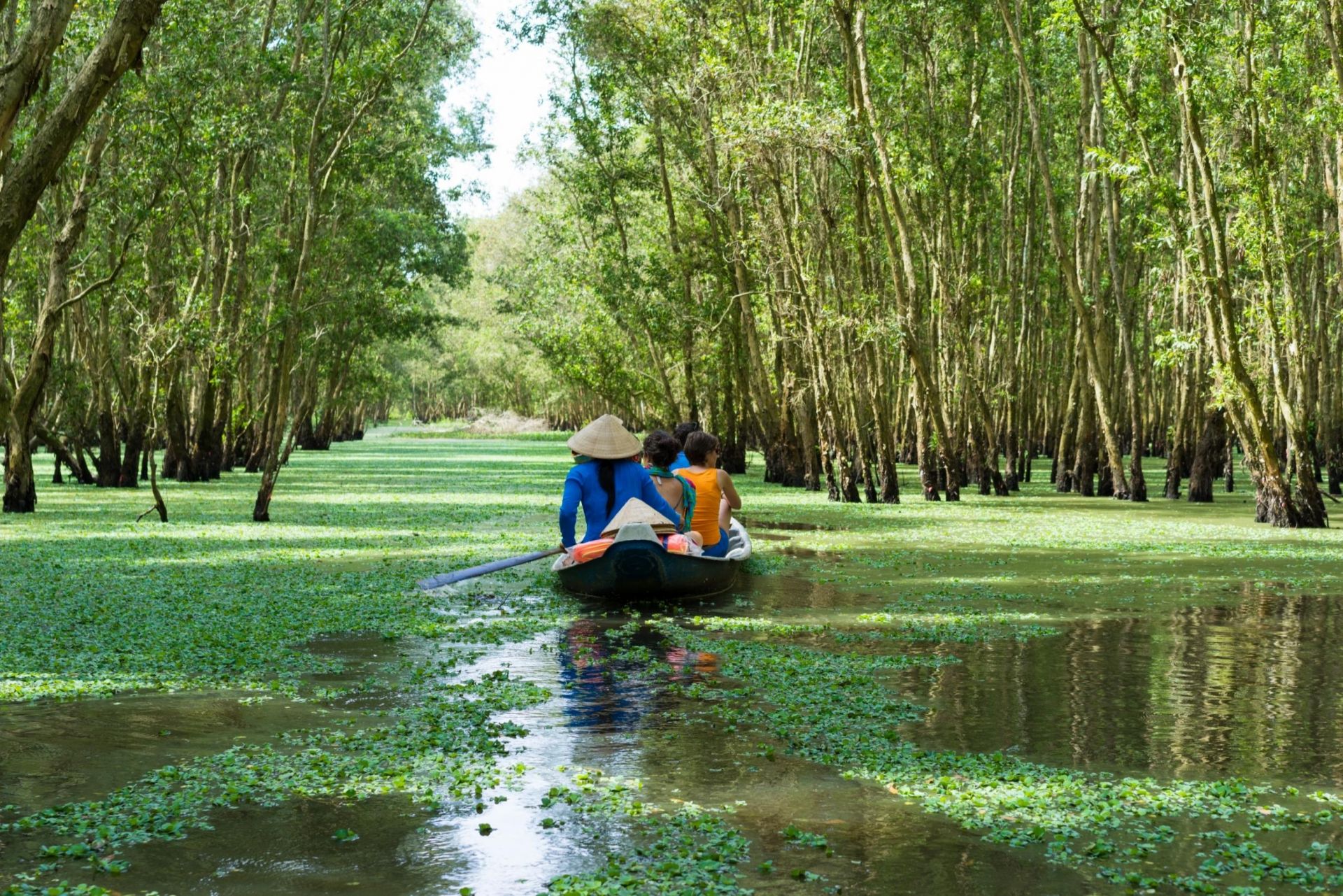
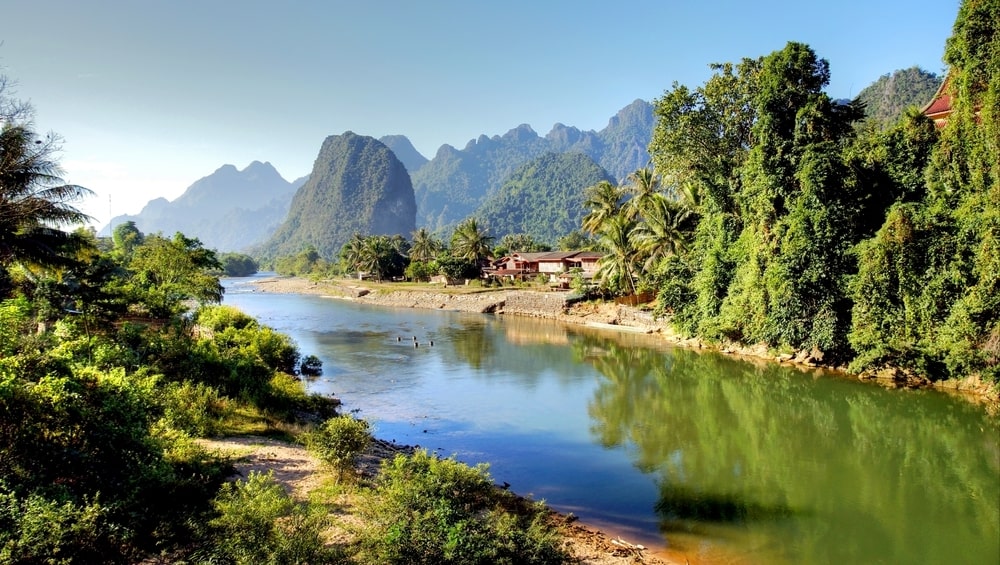
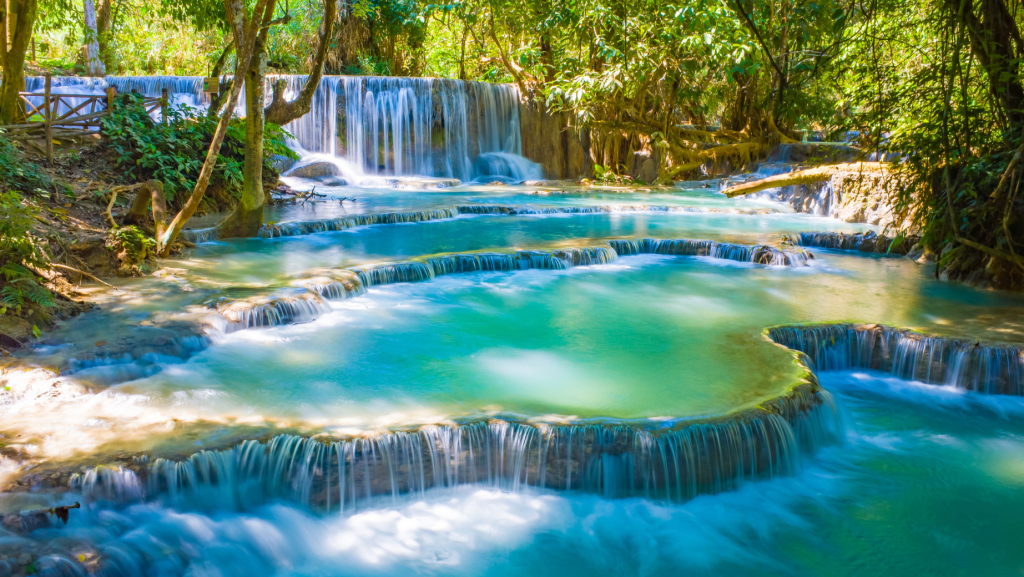
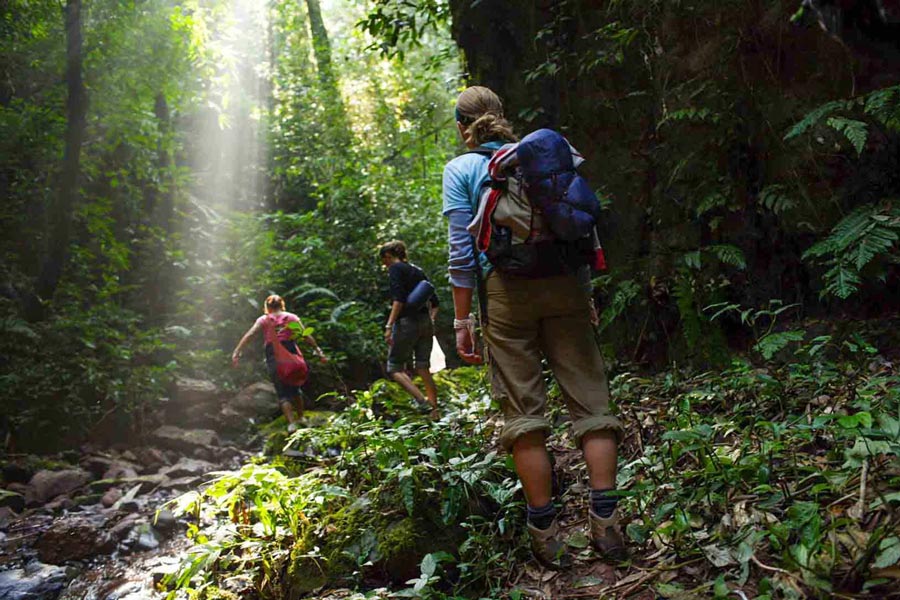
Diverse natural landscapes representing the national parks in Vietnam
Overview of Vietnam’s National Park System
The system reflects the country’s exceptional ecological diversity and long-term commitment to environmental protection. Spanning from rugged Northern highlands to fertile Southern wetlands, these protected areas preserve a wide range of ecosystems, including limestone karsts, tropical rainforests, coastal forests, and freshwater habitats. Together, the national parks form a continuous natural network that plays a vital role in biodiversity conservation while supporting sustainable tourism development.
Diversity and Geographic Distribution
One of the defining characteristics of National Parks in Vietnam is their broad geographic distribution. Each region showcases landscapes shaped by different climates, altitudes, and geological formations. Northern parks are often associated with mountain ranges and dense forests, central regions feature dramatic caves and coastal ecosystems, while Southern parks are dominated by tropical lowlands and river systems. This regional variety makes list particularly attractive to travelers seeking diverse natural experiences within a single destination.
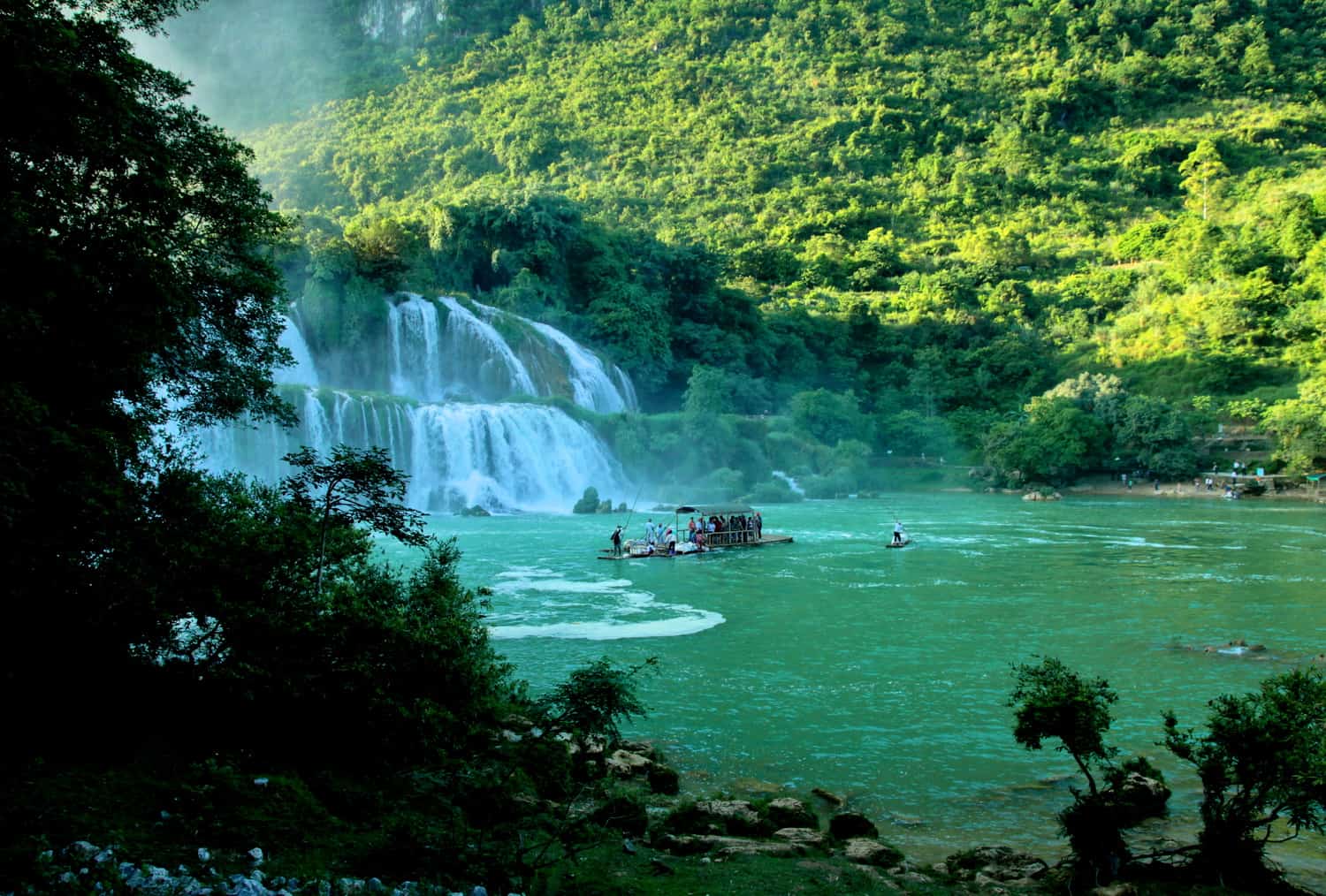
An extensive network of protected national parks across Vietnam
Conservation and Sustainable Tourism
Beyond scenic beauty, it plays an essential role in protecting endangered species and fragile ecosystems. Conservation efforts are closely linked with responsible tourism practices, encouraging visitors to explore nature while minimizing environmental impact. Many parks work alongside local communities to promote eco-friendly activities such as guided nature walks, wildlife observation, and environmental education programs. Through these initiatives, travelers can experience not only destinations for adventure but also living examples of sustainable conservation in action.
In several National Parks in Vietnam, visitors may encounter ethnic minority communities whose traditions are closely connected to the surrounding environment. Understanding Vietnamese culture for tourists helps travelers interact respectfully with local people while enriching their overall experience.
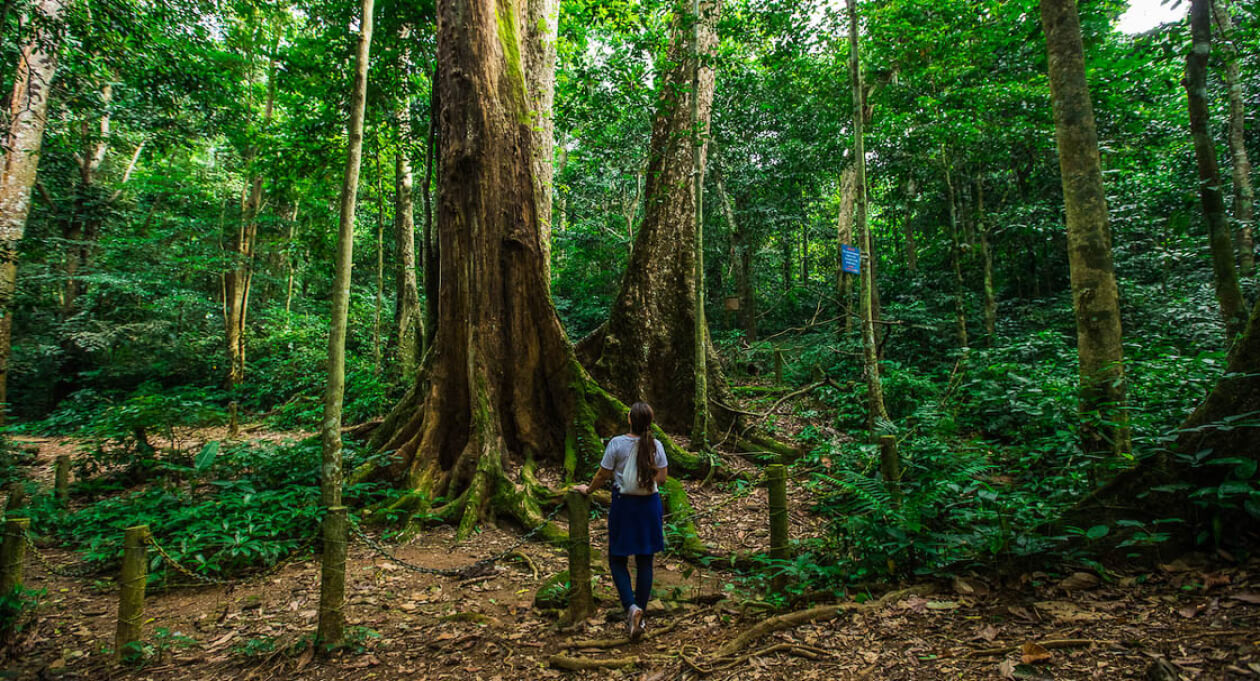
Unique ecosystems and biodiversity found in Vietnam’s national parks
Best National Parks in Vietnam You Should Visit
Among the many protected areas across the country, several destinations stand out for their exceptional natural value, accessibility, and visitor experiences. These highlights represent the diversity and richness, offering everything from dramatic cave systems to ancient forests and tropical wetlands. Whether travelers are interested in geology, biodiversity, or scenic landscapes, these national parks consistently rank among the most rewarding places to explore.
Phong Nha – Ke Bang National Park
Phong Nha – Ke Bang is renowned for its extraordinary karst landscapes and extensive cave systems, many of which are among the largest and oldest in the world. Towering limestone mountains, underground rivers, and vast caverns define the park’s dramatic scenery. Visitors to this destination often combine surface exploration with guided cave experiences, gaining insight into both the geological history and ecological importance of one of the most iconic National Parks in Vietnam.
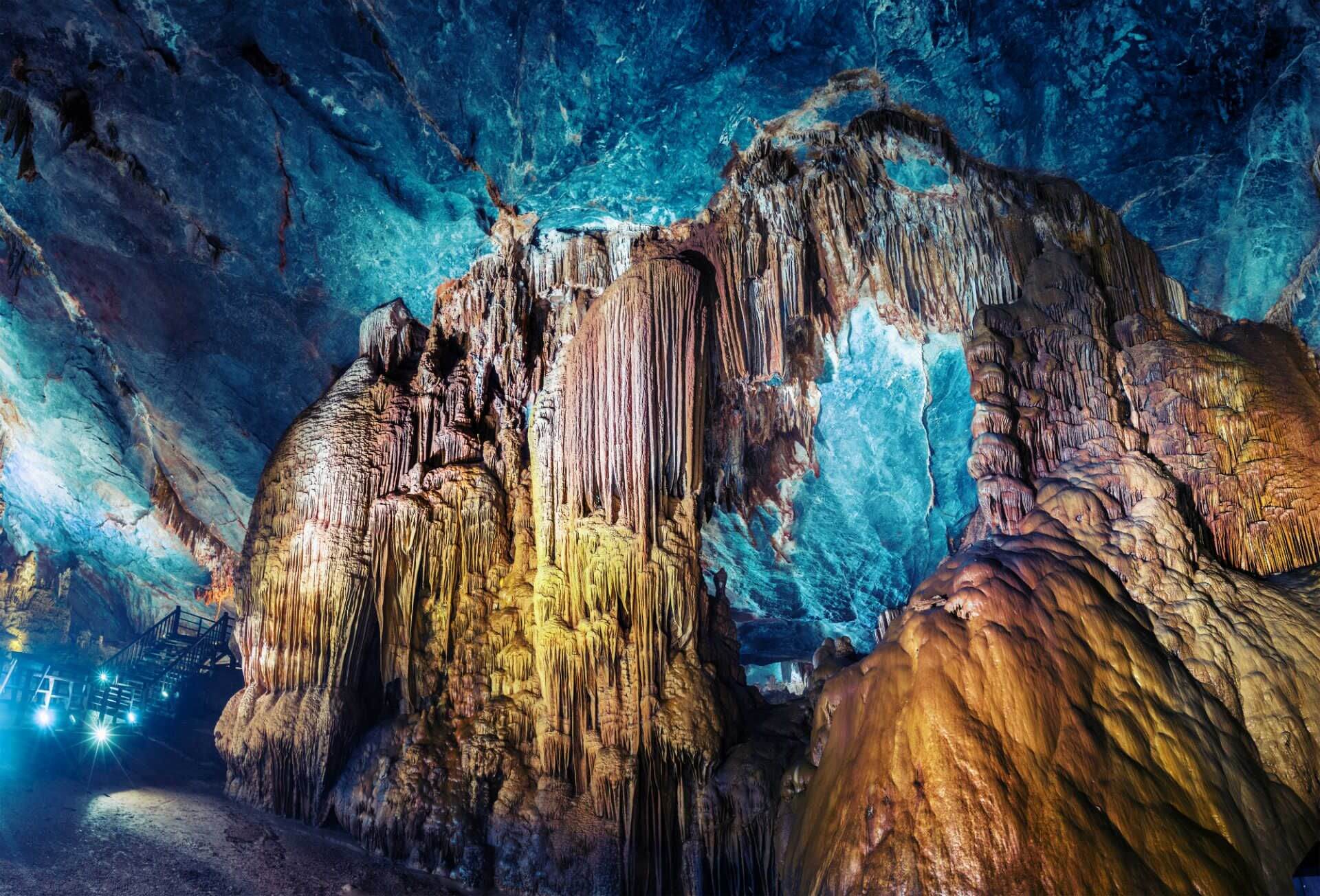
Spectacular limestone caves in Phong Nha – Ke Bang National Park, Vietnam
Cuc Phuong National Park
As Vietnam’s first established national park, Cuc Phuong holds significant ecological and historical importance. Dense tropical forests shelter an impressive range of flora and fauna, including rare and endangered species. Well-marked trails, conservation centers, and educational programs make Cuc Phuong an ideal destination for travelers seeking a deeper understanding of forest ecosystems.
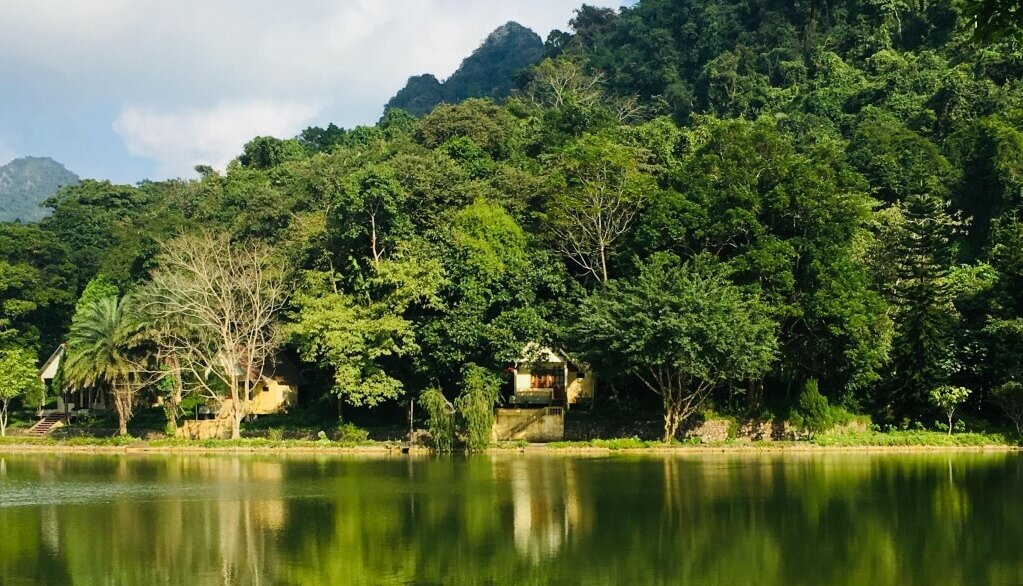
Ancient rainforest and rich biodiversity in Cuc Phuong National Park
Cat Tien National Park
Located in Southern Vietnam, Cat Tien is known for its lowland tropical forests and rich biodiversity. The park’s landscapes are shaped by river systems, wetlands, and ancient trees, creating a dynamic environment for wildlife. Exploring Cat Tien offers a chance to experience the quieter, more immersive side, where conservation and nature observation take center stage.

Tropical forest ecosystem and wildlife in Cat Tien National Park, Vietnam
Bach Ma National Park
Bach Ma National Park sits at the intersection of Northern and Southern climates, resulting in exceptional biodiversity. Mountainous terrain, cool temperatures, and lush vegetation define this highland park. Scenic viewpoints, waterfalls, and forest trails attract travelers looking for a balance between adventure and tranquility.
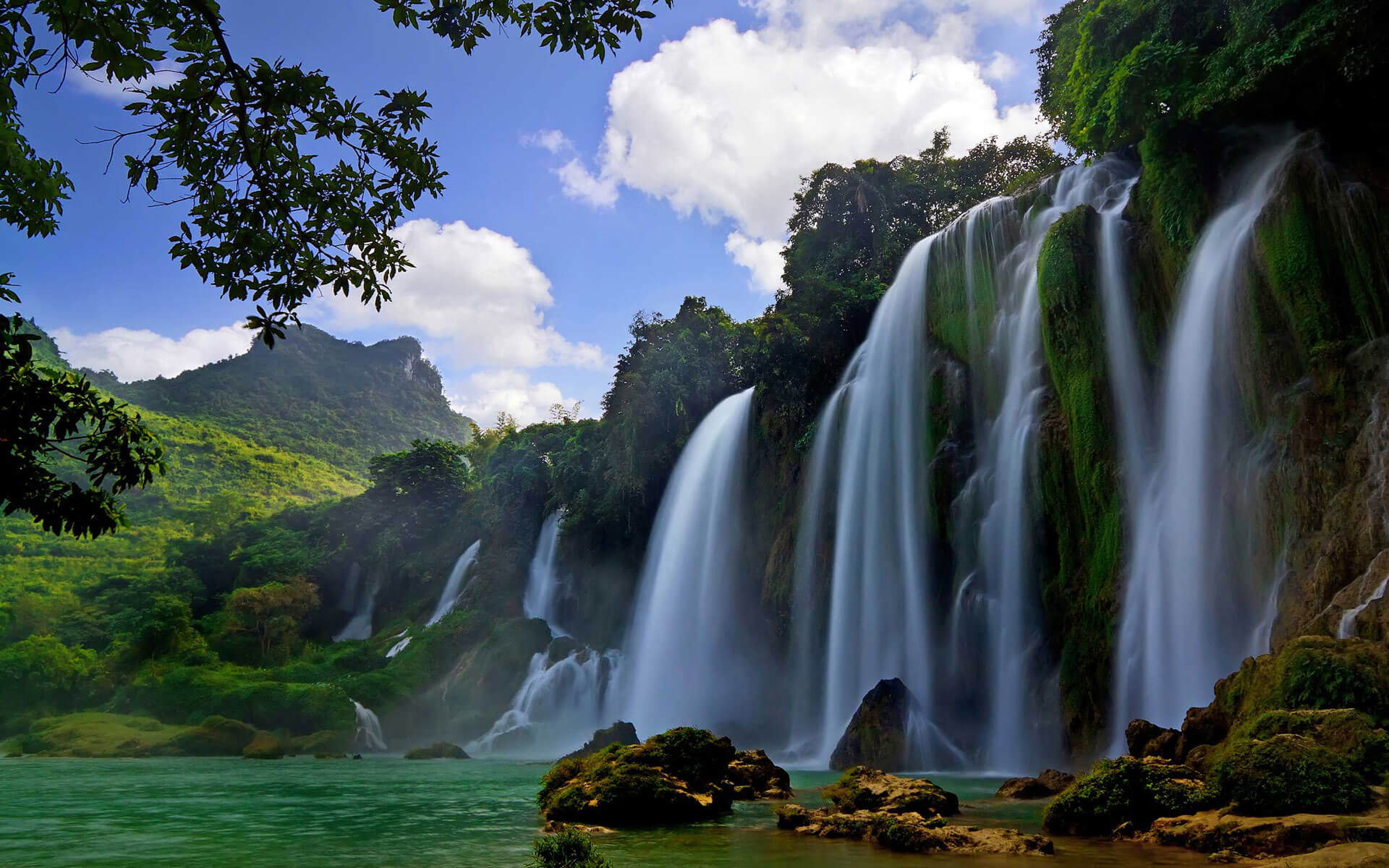
Mountain scenery and waterfalls in Bach Ma National Park near Hue
Cat Ba National Park
Situated on an island off the Northern coast, Cat Ba National Park combines limestone hills, tropical forests, and coastal ecosystems within a compact area. The park’s unique island setting creates habitats found nowhere else in the country. Visitors can explore forest trails, enjoy panoramic views, and experience marine-adjacent landscapes that highlight the coastal dimension.
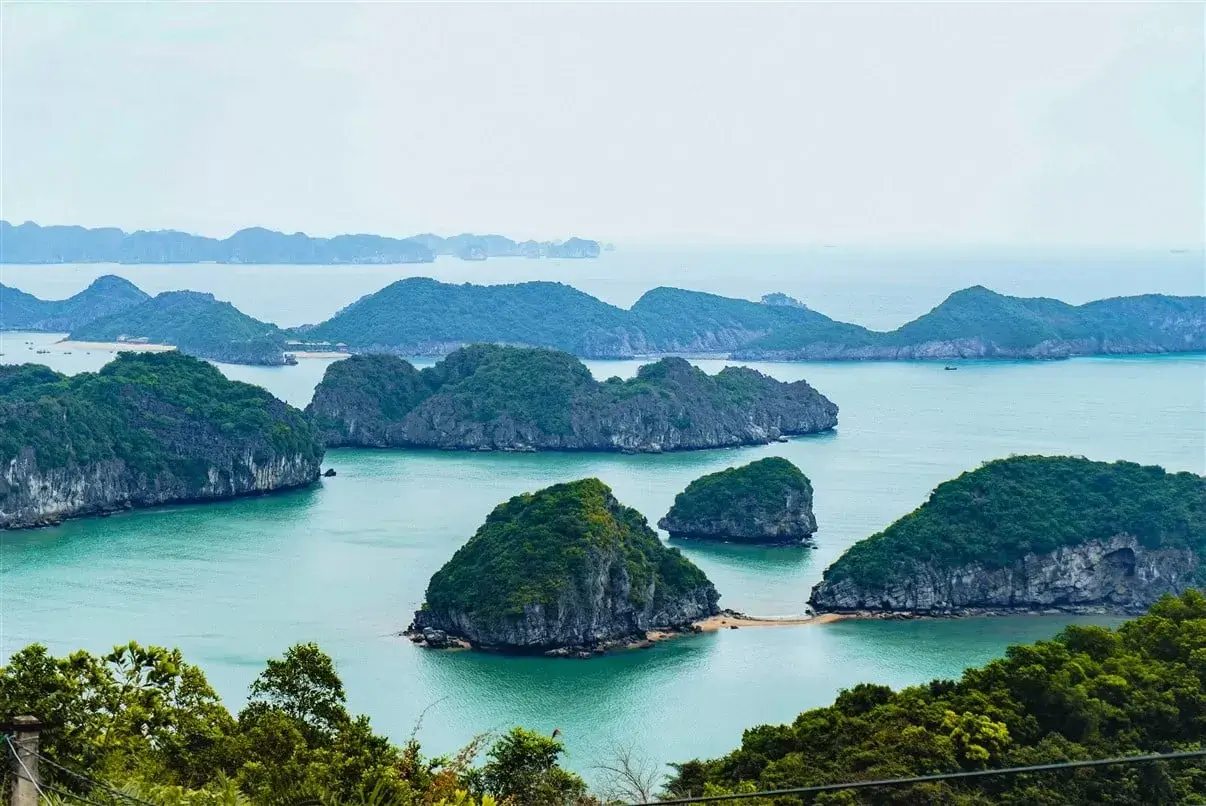
Coastal limestone forests and island landscapes of Cat Ba National Park in Northern Vietnam
Wildlife and Biodiversity in National Parks
One of the greatest values of National Parks in Vietnam lies in their rich biodiversity and role in protecting wildlife. These protected areas serve as safe havens for countless plant and animal species, many of which are rare or threatened due to habitat loss elsewhere. Forests, wetlands, and river systems within national parks create interconnected ecosystems that support life at every level, from microorganisms to large mammals.
Endangered Species and Wildlife Protection
Several National Parks in Vietnam are internationally recognized for their efforts in conserving endangered species. Primates, large herbivores, reptiles, and a wide variety of bird species depend on these protected environments for survival. Dedicated conservation programs focus on habitat restoration, anti-poaching initiatives, and scientific research, ensuring that wildlife populations have the best chance to recover and thrive. For nature enthusiasts, parks for wildlife offer rare opportunities to observe animals in their natural surroundings while respecting strict conservation guidelines.

Rich wildlife and biodiversity found within the protected national parks in Vietnam
Diverse Ecosystems and Plant Life
Beyond animals, it protects an extraordinary range of ecosystems and plant species. Tropical rainforests shelter towering hardwood trees, while wetlands support mangroves and aquatic vegetation vital to water filtration and coastal protection. Mountainous areas host unique flora adapted to cooler temperatures and higher elevations. This botanical diversity not only sustains wildlife but also contributes to climate regulation and ecological resilience across the country.
Hiking and Outdoor Adventures in National Parks
For travelers who enjoy active exploration, provide a wide range of outdoor experiences shaped by diverse terrain and climates. From gentle forest paths to challenging mountain routes, these protected areas invite visitors to engage with nature at a slower, more immersive pace. Hiking through national parks allows travelers to discover hidden waterfalls, panoramic viewpoints, and remote landscapes that are often inaccessible by conventional transport.
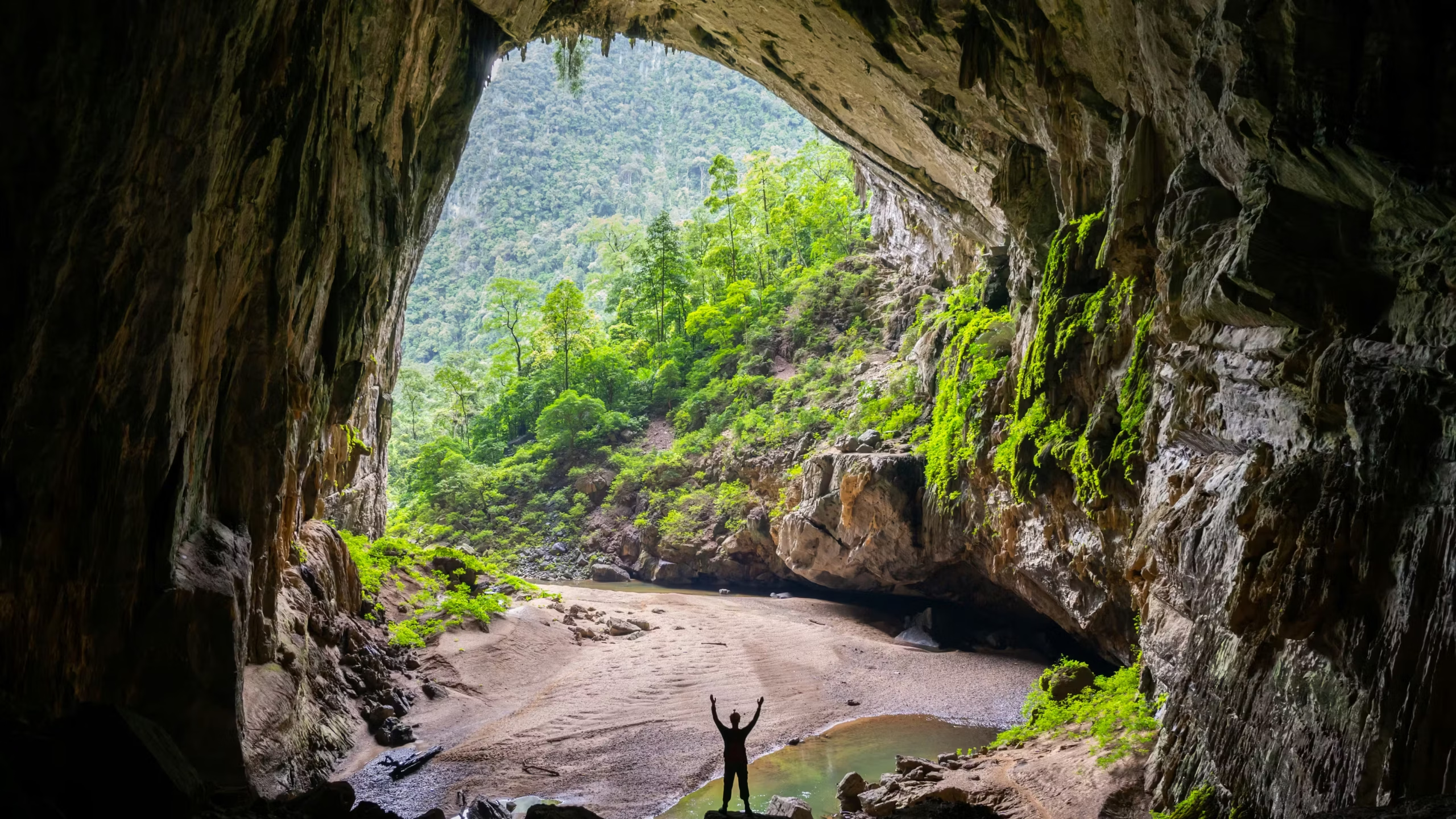
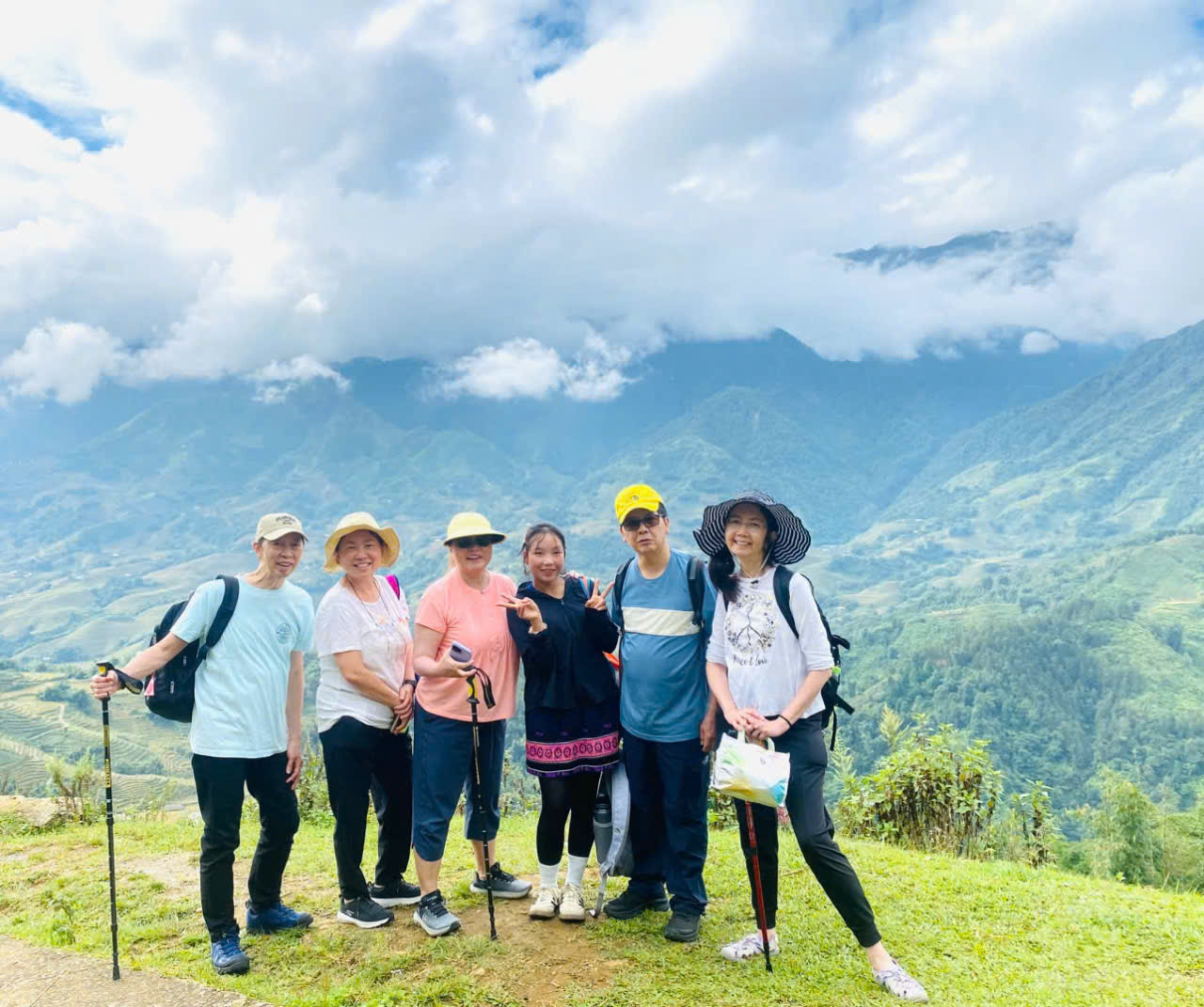
Hiking and outdoor adventures in the diverse landscapes
Trekking Routes and Natural Trails
Many National Parks in Vietnam feature well-established trekking routes designed to showcase their most scenic and ecologically important areas. Trails may pass through dense jungle, across limestone formations, or along river valleys, offering constantly changing scenery. Some routes are suitable for beginners, while others demand physical endurance and navigation skills, making for hiking appealing to both casual walkers and experienced trekkers.
Trekking is one of the most popular ways to explore the diverse landscapes found in national parks, from dense jungles to limestone mountains and remote valleys. For travelers planning multi-day hikes or challenging trails, a comprehensive Vietnam trekking guide offers essential insights into routes, difficulty levels, and safety considerations.
Adventure Activities Beyond Hiking
In addition to trekking, support a variety of outdoor activities that enhance the sense of adventure. Depending on the location, visitors may experience kayaking through forest-lined waterways, cycling along park boundaries, or exploring caves with trained guides. These activities are carefully managed to balance visitor enjoyment with environmental protection, ensuring that adventure tourism contributes positively to conservation efforts.
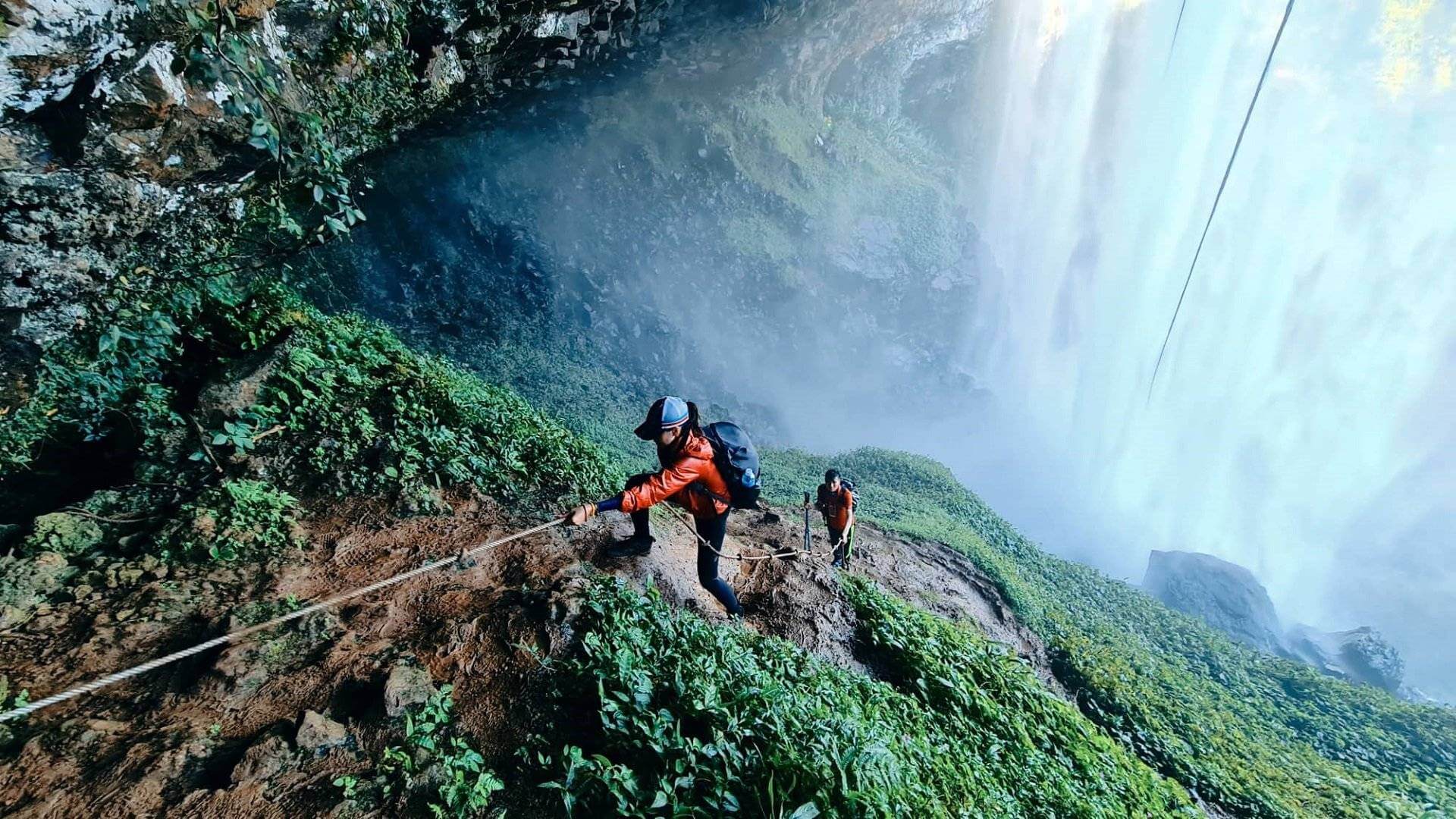
Hiking and outdoor adventures in the diverse landscapes
UNESCO-Recognized National Parks
Some of the most significant have gained international recognition for their outstanding natural value and global importance. These parks are not only protected at a national level but are also acknowledged for their exceptional geology, biodiversity, and ecological processes. UNESCO recognition highlights their role in preserving landscapes that contribute to the planet’s natural heritage.
Several National Parks in Vietnam stand out for their geological formations shaped over millions of years, including vast karst systems, ancient rock layers, and underground rivers. These features offer scientists valuable insights into Earth’s history while providing visitors with unforgettable visual experiences. Being designated among UNESCO national parks in Vietnam reinforces the importance of strict conservation measures to protect fragile environments from overdevelopment and environmental pressure.
For travelers, visiting UNESCO-recognized parks adds an educational dimension to the journey. Interpretive centers, guided tours, and conservation-focused programs help visitors understand why these areas are globally significant. This combination of natural beauty and scientific value makes UNESCO-listed parks essential destinations for those interested in responsible and meaningful travel.
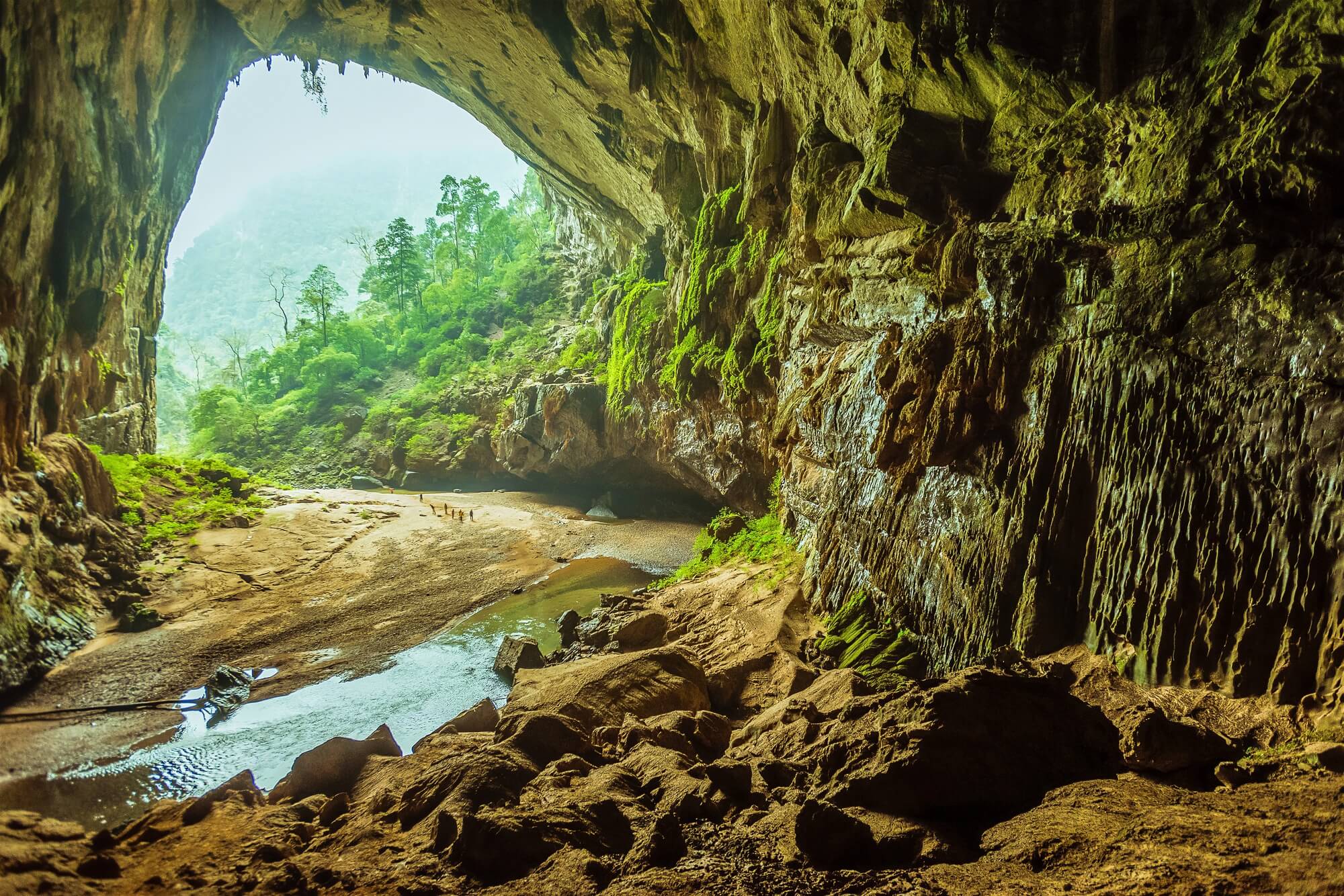
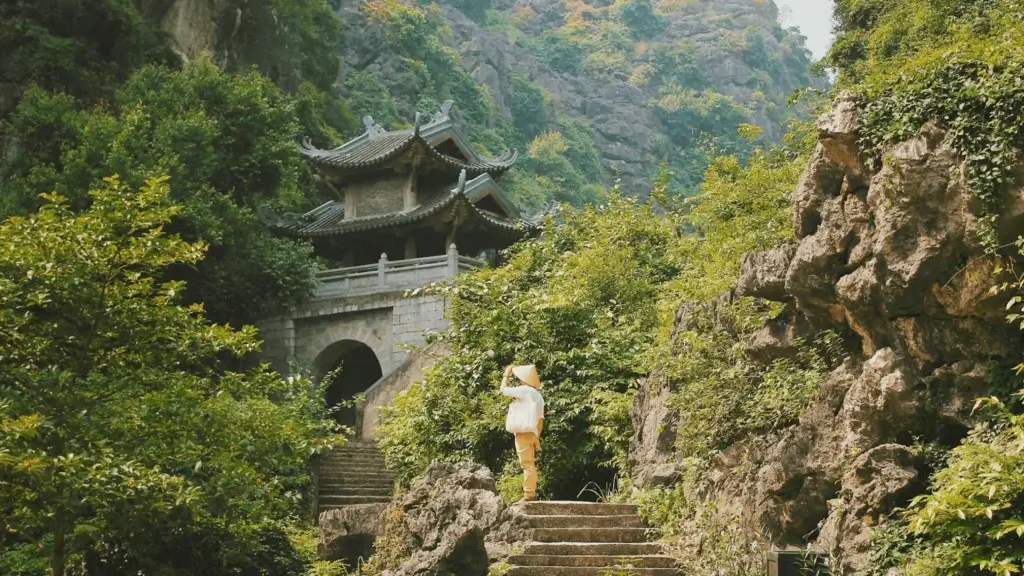
UNESCO-recognized national parks in Vietnam with global significance
When Is the Best Time to Explore National Parks
Choosing the right time to visit National Parks in Vietnam can greatly influence the overall travel experience. Due to the country’s varied climate and geography, weather conditions differ significantly between regions and seasons. Understanding these patterns helps travelers enjoy outdoor activities more comfortably while avoiding extreme conditions that may limit access or visibility.
In general, dry seasons tend to be more favorable for exploring, especially for hiking, wildlife observation, and scenic exploration. Northern parks are often best visited during cooler months, when temperatures are mild and trails are safer. Central regions may offer ideal conditions during periods of lower rainfall, while Southern parks are typically more accessible when flooding subsides and ecosystems are at their most vibrant.
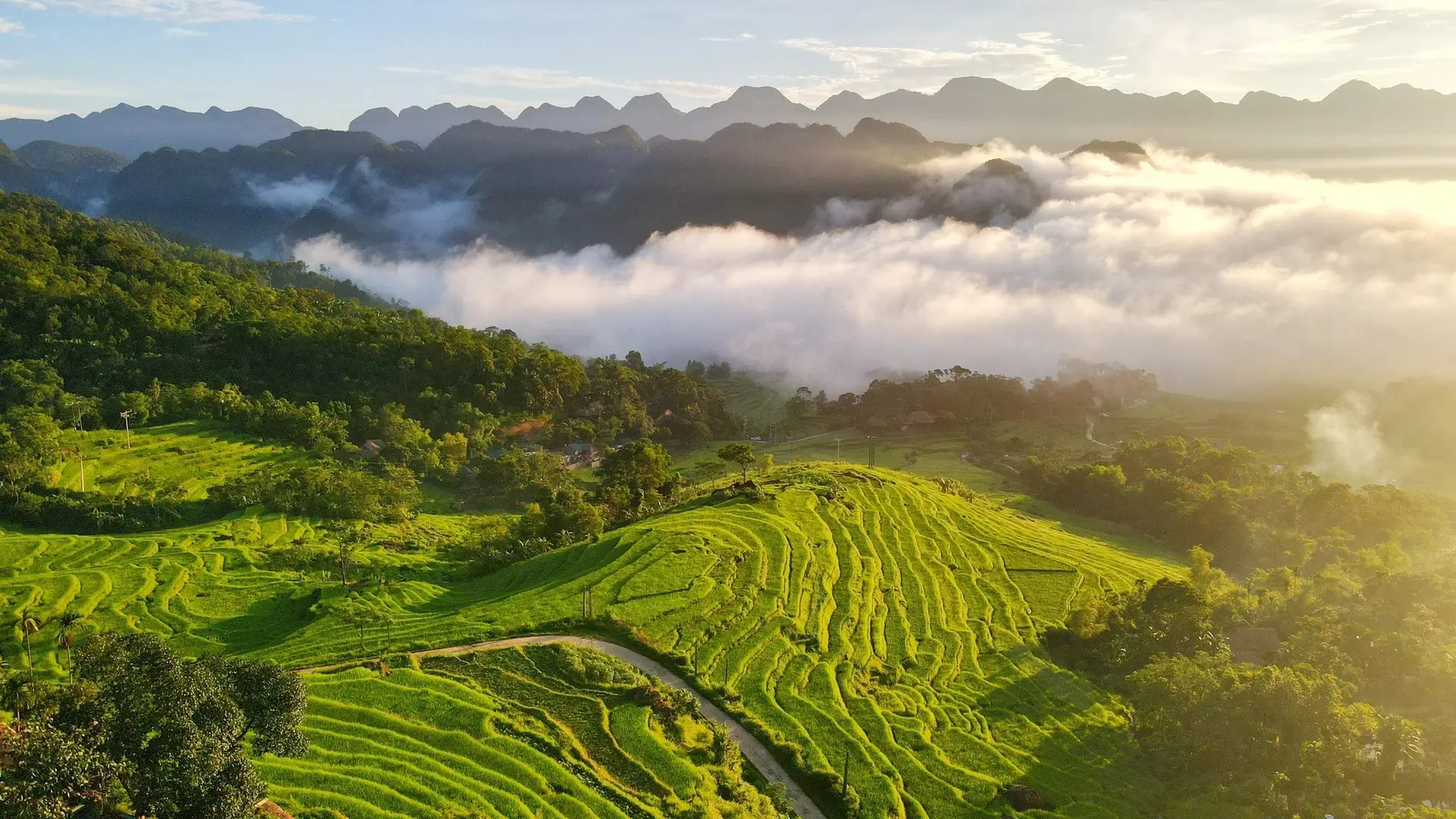
Seasonal conditions for exploring national parks
Seasonal changes also affect wildlife behavior and vegetation cycles within National Parks in Vietnam. Certain times of year offer better opportunities to observe animals, blooming flora, or dramatic natural phenomena such as waterfalls at full flow. Understanding the best time to visit national parks in Vietnam allows travelers to align their itineraries with both personal interests and environmental conditions, resulting in a more rewarding and responsible journey.
While national parks offer unforgettable experiences, first-time visitors may face challenges related to transportation, weather, and park regulations. These practical Vietnam travel tips provide useful guidance to help travelers plan safely and confidently.
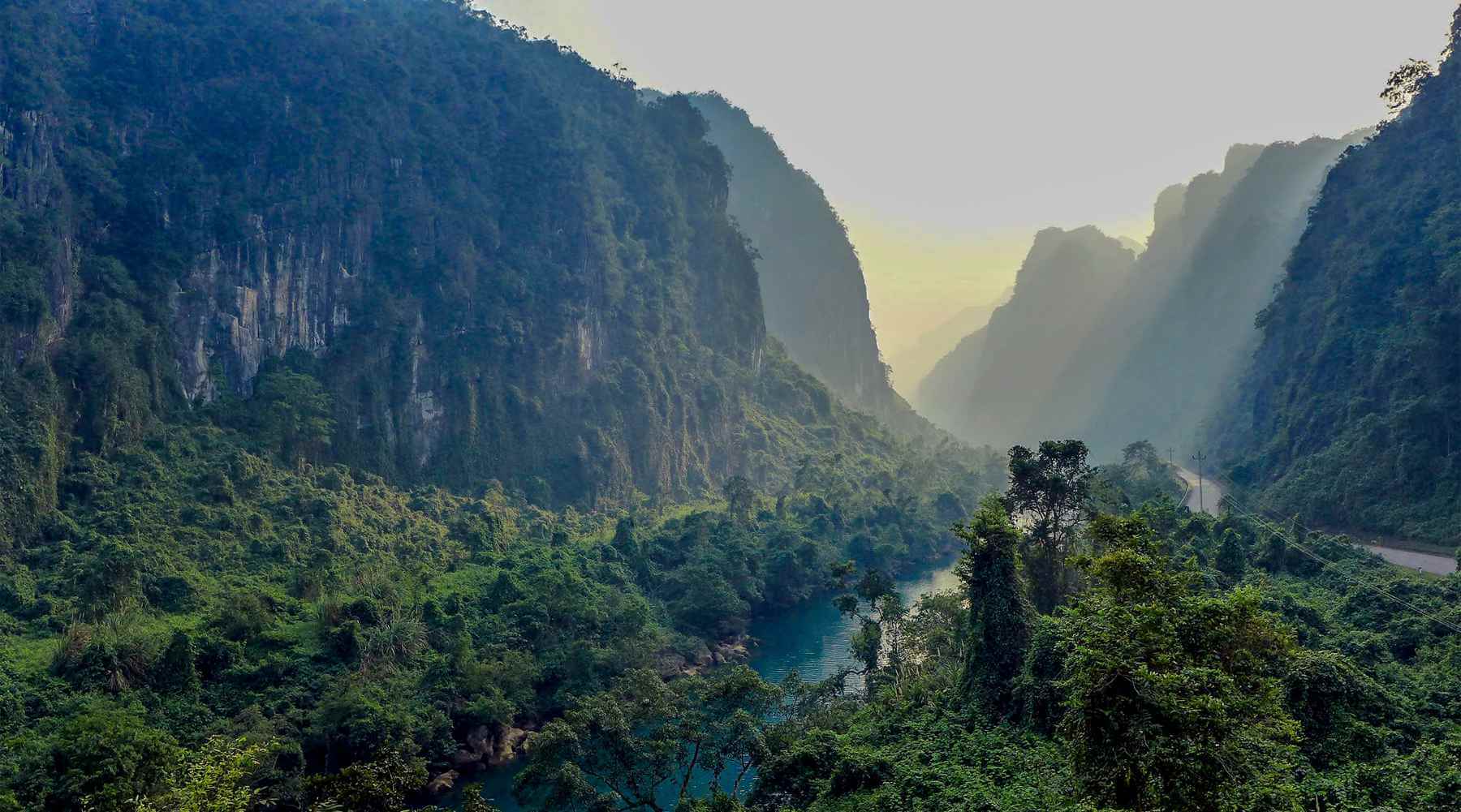
Regional climate differences affecting
Practical Travel Tips for Visitors
Planning a trip to National Parks in Vietnam requires thoughtful preparation to ensure both safety and environmental responsibility. Many parks are located in remote areas, so researching access routes, accommodation options, and park regulations in advance is essential. Using a reliable Vietnam national parks travel guide can help travelers understand entrance fees, permitted activities, and conservation rules before arrival.
Navigation is another important consideration when visiting, especially for those exploring multiple regions. While signage may vary between parks. This is particularly useful for visitors combining national park visits with other destinations across the country.
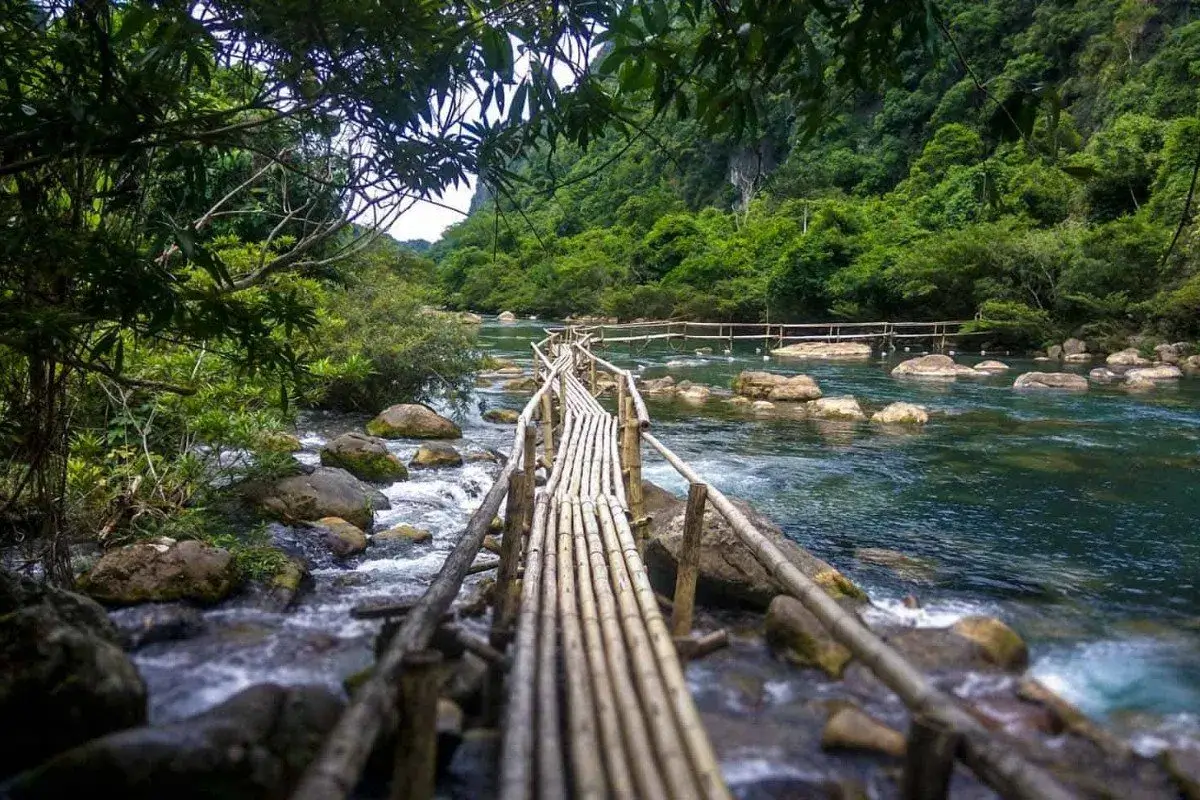
Essential travel tips for visiting \ safely
Responsible travel practices play a key role in preserving National Parks in Vietnam for future generations. Visitors are encouraged to follow marked trails, avoid disturbing wildlife, and minimize waste by carrying reusable items. Hiring local guides not only enhances safety and understanding of the environment but also supports communities involved in conservation. With careful planning and respect for nature, national park visits can be both enriching and sustainable.
Before heading into remote areas of National Parks in Vietnam, travelers should carefully prepare essential gear and clothing. A detailed Vietnam packing list can help ensure comfort, safety, and readiness for changing weather and outdoor activities.
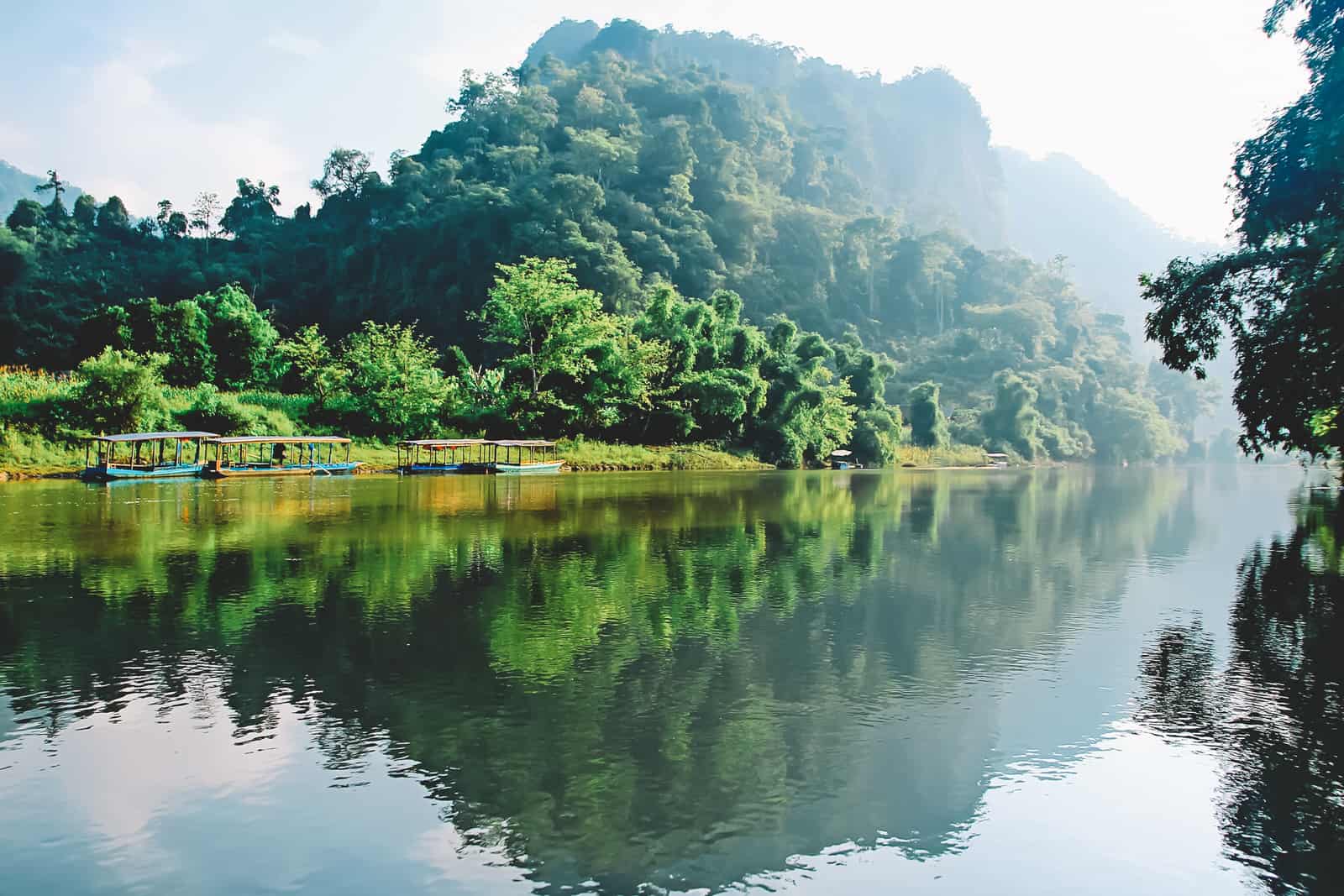
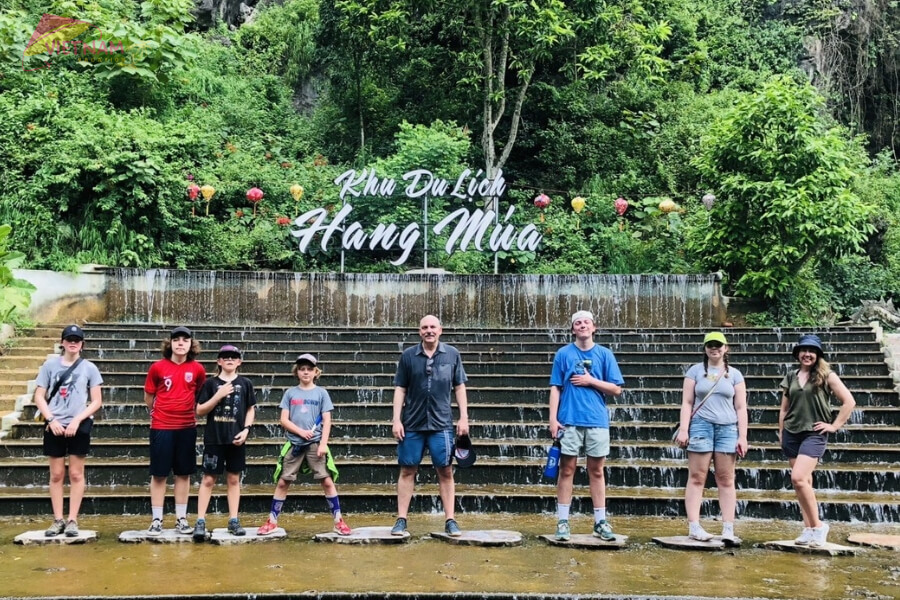
Entrance regulations and visitor guidelines at national parks in Vietnam
Conclusion
Exploring National Parks in Vietnam offers travelers a rare opportunity to experience the country’s natural beauty while supporting conservation and sustainable tourism. From diverse landscapes and rich biodiversity to meaningful cultural encounters, these protected areas reveal a deeper, more authentic side of Vietnam.
With thoughtful planning and responsible travel choices, visitors can enjoy unforgettable journeys that respect both nature and local communities. For those seeking expertly designed itineraries and deeper insights into Vietnam’s natural wonders, Best Vietnam Tours provides inspiration and professional support to help turn national park adventures into truly meaningful travel experiences.