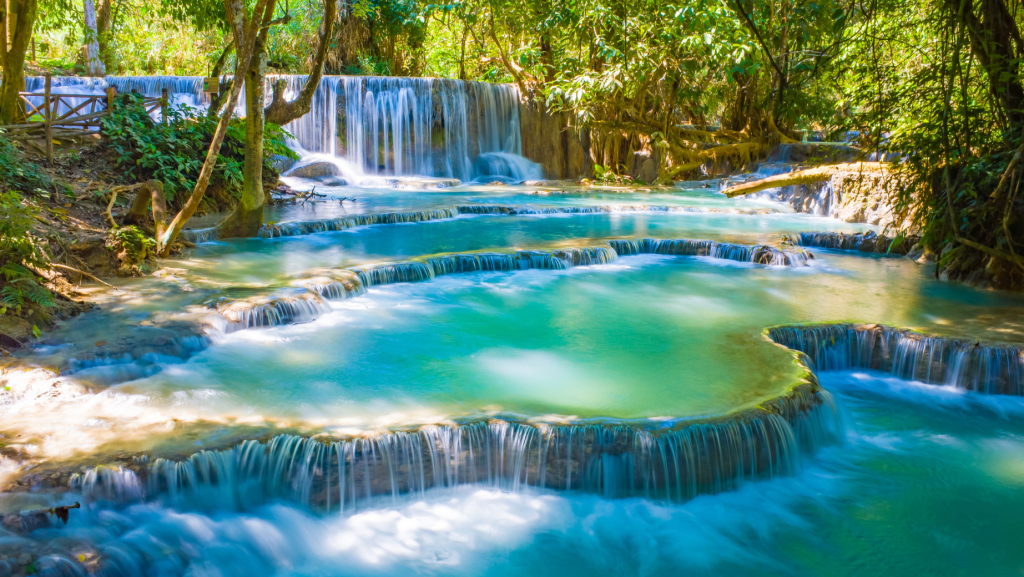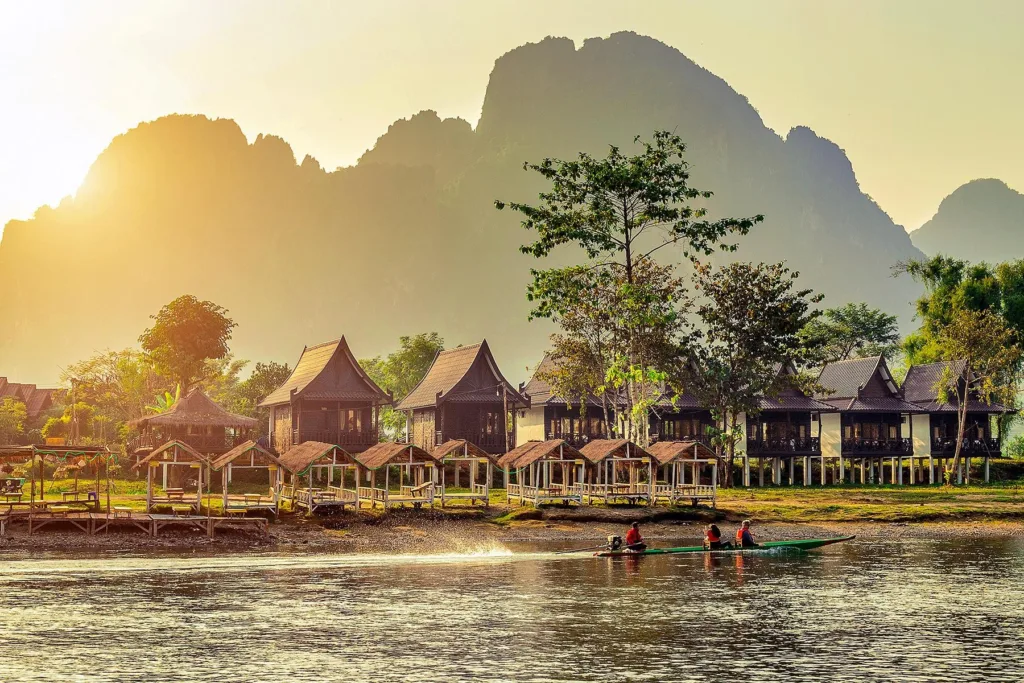
Northern Vietnam is a region of dramatic seasonal contrasts, where misty mountains, fertile deltas, and iconic coastal landscapes are all shaped by changing weather patterns throughout the year. Choosing the best time to visit North Vietnam can significantly influence not only what you see, but also how comfortably you travel and which experiences you enjoy most. From tranquil countryside escapes to cultural city walks and scenic cruises, understanding seasonal conditions helps travelers plan with confidence. At Best Vietnam Tours, we believe that well-informed timing is the foundation of a truly memorable journey, allowing you to explore the North at its most beautiful and rewarding moments.

Climate zones and weather patterns across North Vietnam throughout the year
Overview of North Vietnam’s Climate
Northern Vietnam features a diverse climate influenced by its varied terrain, stretching from fertile river plains to rugged mountain ranges in the far North. These geographical differences create noticeable changes in weather conditions throughout the year, which directly affect travel comfort, visibility, and outdoor activities. For travelers researching the best time to visit North Vietnam, gaining a clear understanding of the regional climate is a crucial first step toward planning a smooth and enjoyable journey. For travelers who want a broader understanding beyond the Northern region, a detailed overview of Vietnam’s overall weather patterns and climate variations can provide valuable context when planning a trip.
Seasonal Characteristics Across the Region
The Northern part of Vietnam experiences four recognizable seasons, each offering a distinct atmosphere and pace of travel. Spring often brings mild temperatures and gentle humidity, while summer is characterized by stronger heat and more intense weather patterns. Autumn typically feels calmer and more balanced, whereas winter introduces cooler air, particularly in mountainous destinations. Because of these shifts, North Vietnam weather by month can vary significantly, making seasonal awareness essential when deciding the best time to visit North Vietnam based on personal travel preferences.
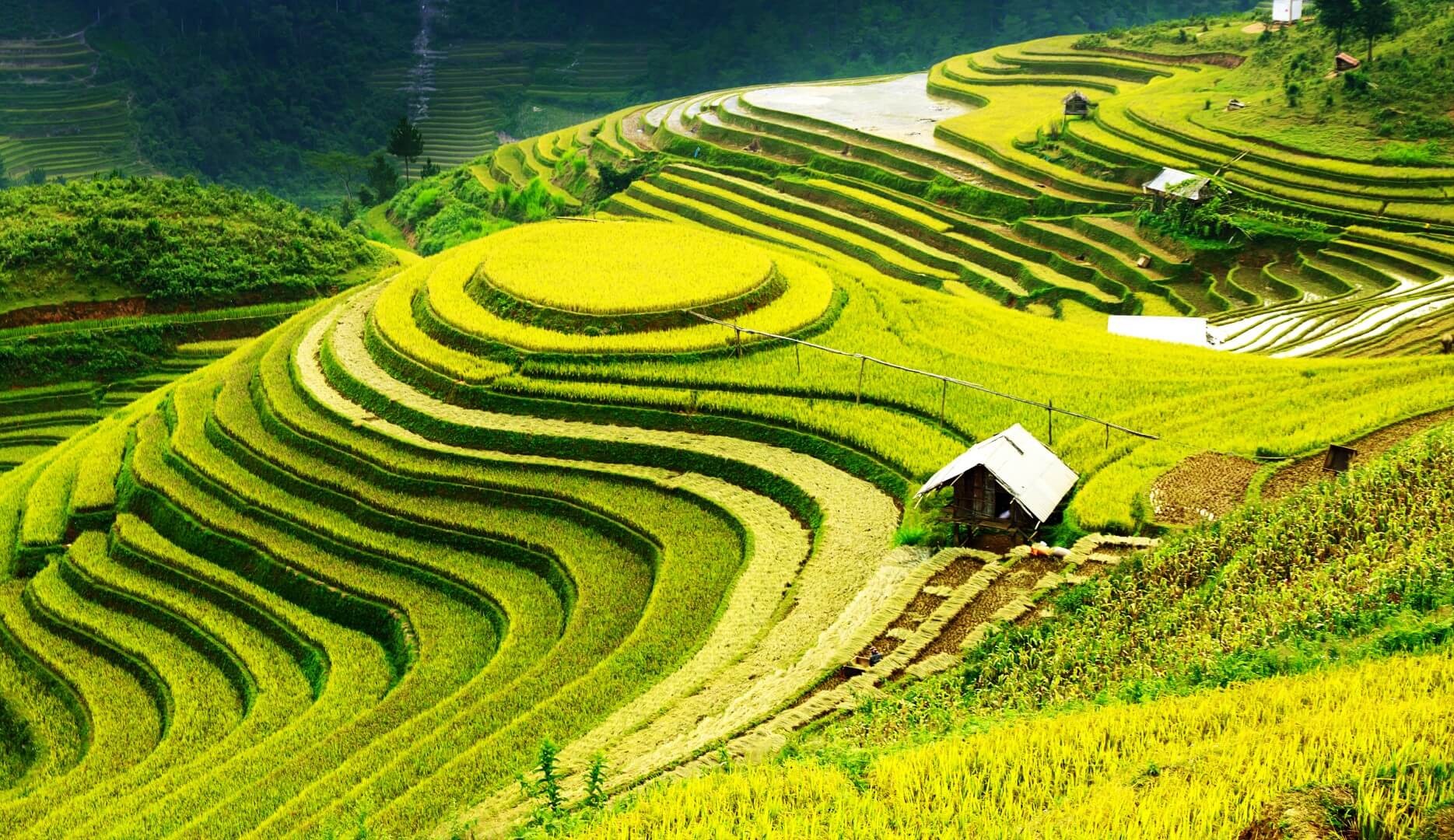
Geography and terrain influencing weather conditions in North Vietnam
Temperature and Rainfall Patterns
Temperature fluctuations are more pronounced in the North than in central or Southern Vietnam, especially between lowland cities and high-altitude regions. Coastal and delta areas generally remain temperate, while mountainous zones experience cooler conditions for extended periods. Rainfall distribution also changes throughout the year, influencing road conditions, landscape colors, and overall accessibility. These variations in North Vietnam temperature and rainfall help explain why travelers often consider climate trends carefully when identifying the best time to visit North Vietnam for comfortable sightseeing and outdoor exploration.
Best Time to Visit North Vietnam
Choosing the right season can transform a trip through Northern Vietnam from a simple sightseeing journey into a truly immersive experience. Weather conditions influence everything from mountain visibility to comfort levels during city exploration, which is why many travelers focus carefully on identifying the best time to visit North Vietnam before finalizing their plans. While the region can be visited year-round, certain months stand out for offering a more balanced combination of pleasant temperatures, lower humidity, and stable conditions. Some travelers compare regional conditions before deciding where to focus their itinerary, especially when weighing seasonal advantages across the country.
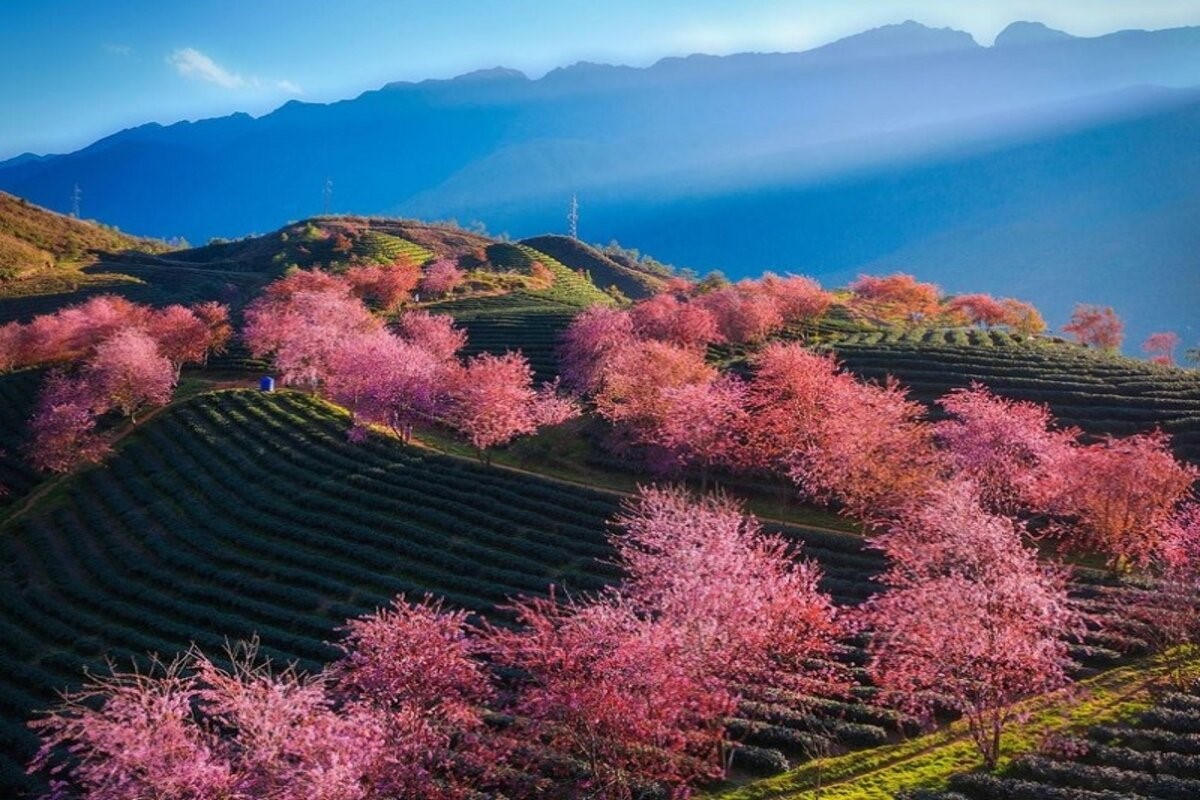
Ideal weather conditions during the best time to visit North Vietnam
Spring (March to April) – Mild Weather and Blooming Landscapes
Spring is often considered one of the most enjoyable periods for travel in the North, thanks to its moderate climate and gradually warming temperatures. During these months, nature comes alive as flowers bloom across valleys and hillsides, while cities feel less intense compared to the peak heat of summer. This period is frequently listed among the best months to visit North Vietnam, particularly for travelers who value outdoor activities such as walking tours, countryside excursions, and cultural exploration without weather-related discomfort.
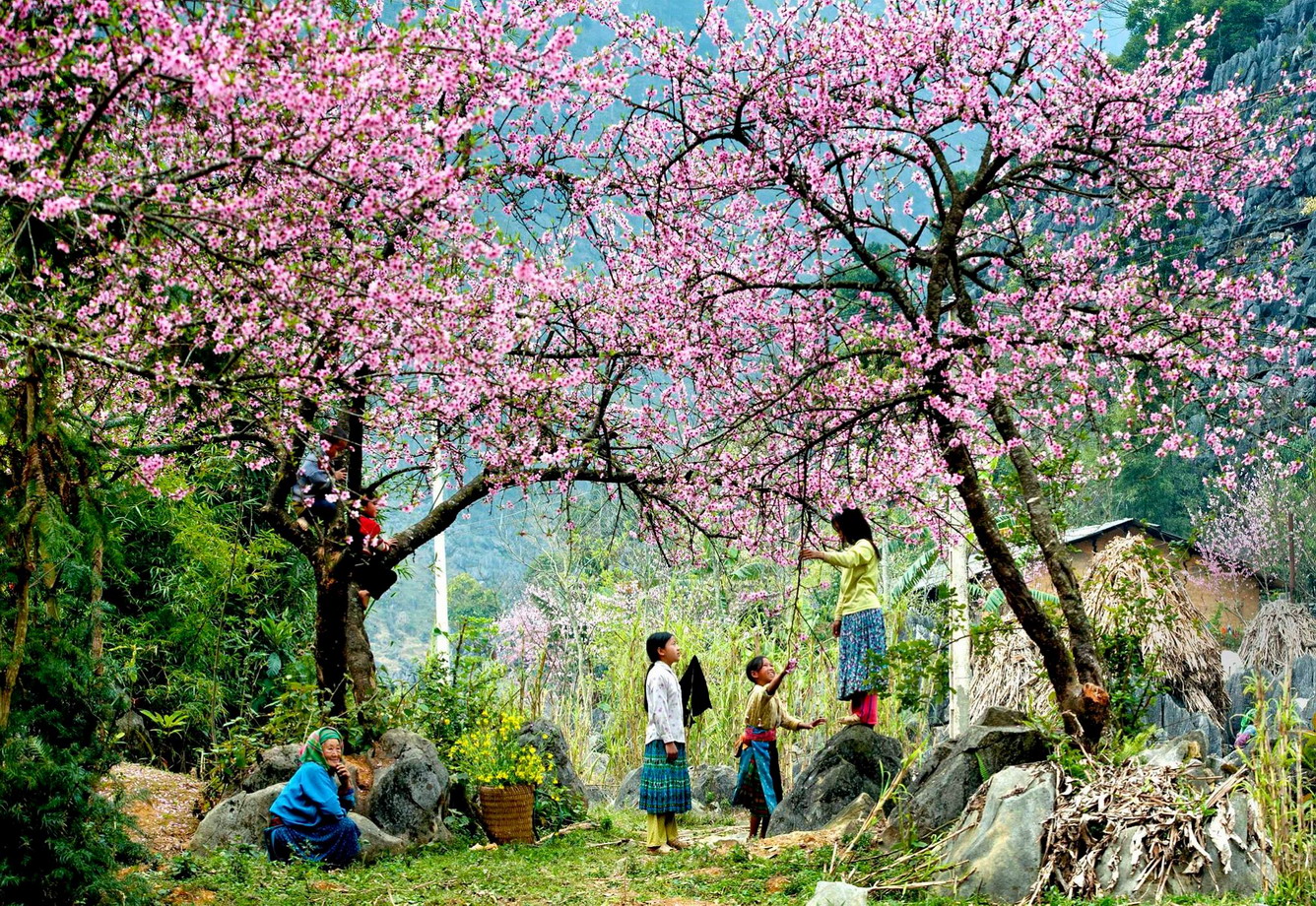
Spring scenery in North Vietnam with mild temperatures and blooming flowers
Autumn (September to October) – Clear Skies and Comfortable Conditions
Autumn is widely regarded as the most favorable season for good weather across Northern Vietnam. Rainfall decreases significantly, skies tend to be clearer, and temperatures remain comfortably cool, making travel both scenic and relaxed. These stable conditions define the North Vietnam dry season, creating ideal circumstances for photography, cruising, and trekking. For many travelers, this time of year represents the best time to visit North Vietnam if the goal is to experience iconic landscapes at their most visually striking while avoiding extreme weather. Travelers who want a broader perspective often explore the best time to visit Vietnam overall before narrowing their plans to specific regions.

Autumn landscapes in North Vietnam with clear skies and cool weather
Visiting North Vietnam by Season
Traveling through Northern Vietnam offers very different experiences depending on the season, making it important to understand how weather patterns shape daily activities and accessibility. Each time of year presents its own advantages and challenges, from vibrant landscapes to practical considerations such as humidity, road conditions, and crowd levels. For travelers comparing options, seasonal insight plays a key role in determining the best time to visit North Vietnam based on personal comfort and travel priorities.
Summer (May to August) – Heat, Humidity, and Tropical Showers
Summer in Northern Vietnam is defined by high temperatures and increased humidity, which can feel intense for visitors unaccustomed to tropical climates. This period coincides with the North Vietnam rainy season, bringing frequent afternoon showers that refresh the landscape but may disrupt outdoor plans. While the countryside becomes lush and green, heavy rain can occasionally affect transportation and visibility in mountainous areas.
Travelers considering summer visits often weigh these factors carefully when evaluating whether this period aligns with their expectations for the best time to visit North Vietnam, especially if outdoor sightseeing is a priority. To fully appreciate the limestone karsts and emerald waters, many travelers opt for an overnight cruise, such as the Apollo Cruise Halong Bay, which allows more time to explore the bay at a relaxed pace.

Rainy season weather in North Vietnam during summer months
Winter (November to February) – Cool Air and Quieter Travel
Winter introduces a noticeably cooler atmosphere, particularly in higher-altitude destinations where temperatures can drop significantly. Although the weather is generally drier, cloudy skies and mist may limit views in mountainous regions. On the positive side, this season attracts fewer tourists, offering a calmer and more reflective travel experience. For those who enjoy cooler temperatures and a slower pace, winter can still represent the best time to visit North Vietnam, provided travelers are prepared for lower temperatures and occasional fog.
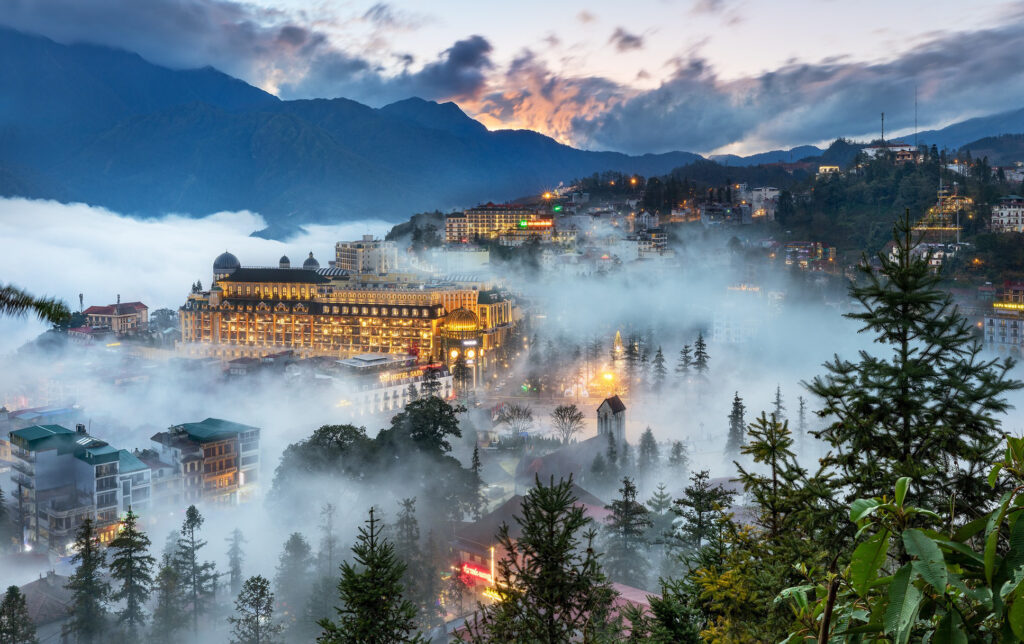
Winter conditions in North Vietnam with cooler temperatures
Best Time to Visit Major Destinations in North Vietnam
While overall climate trends help identify favorable travel periods, each destination in Northern Vietnam responds differently to seasonal changes. Urban centers, mountain towns, and coastal landscapes are affected by weather in distinct ways, influencing visibility, comfort, and available activities. Understanding these local variations allows travelers to fine-tune their plans and determine the best time to visit North Vietnam based on specific destinations rather than general conditions alone.
Hanoi – Seasonal Comfort and Cultural Exploration
As the capital city, Hanoi experiences clear seasonal contrasts that shape the pace of daily life and sightseeing opportunities. Mild temperatures and lower humidity create ideal conditions for exploring historic neighborhoods, lakeside promenades, and open-air markets. During these periods, walking tours and cultural visits feel far more enjoyable than in hotter or wetter months. Travelers often research Hanoi weather best time to visit to align their schedules with pleasant conditions that support both outdoor exploration and local experiences, making the city a strong indicator when choosing the best time to visit North Vietnam for urban travel.
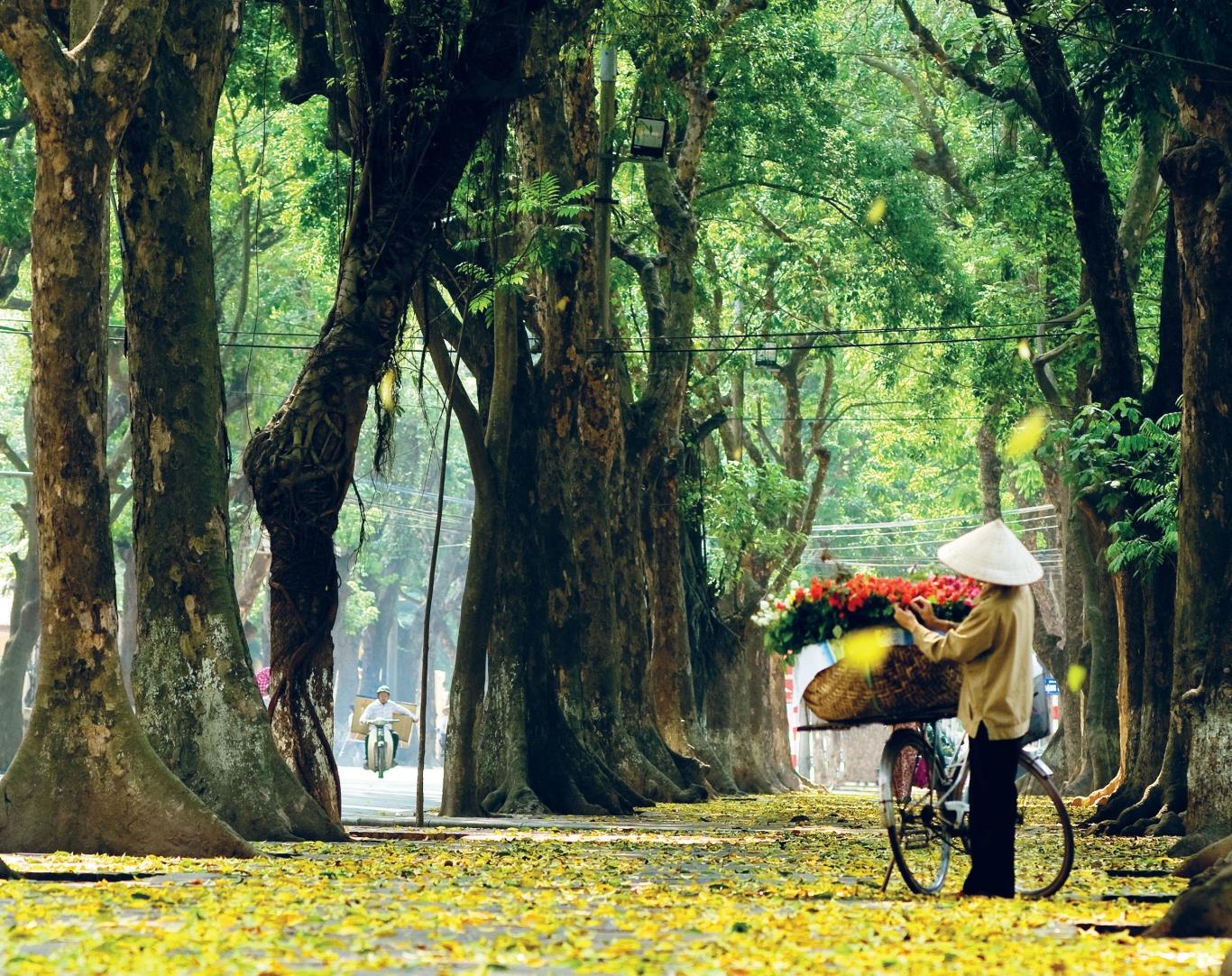
Seasonal atmosphere and weather in Hanoi for travelers
Sapa – Mountain Views and Highland Experiences
Located in the Northern highlands, Sapa’s climate differs significantly from lowland cities, with cooler temperatures and frequent mist shaping its atmosphere. Seasonal shifts strongly affect trekking routes, visibility of terraced rice fields, and interactions with local communities. Clear skies and stable weather enhance panoramic views, while excessive rain can limit accessibility. Because of these factors, travelers carefully consider the Sapa best time to visit to ensure favorable conditions for hiking and photography, especially when evaluating whether a particular season truly represents the best time to visit North Vietnam for mountain-focused travel.
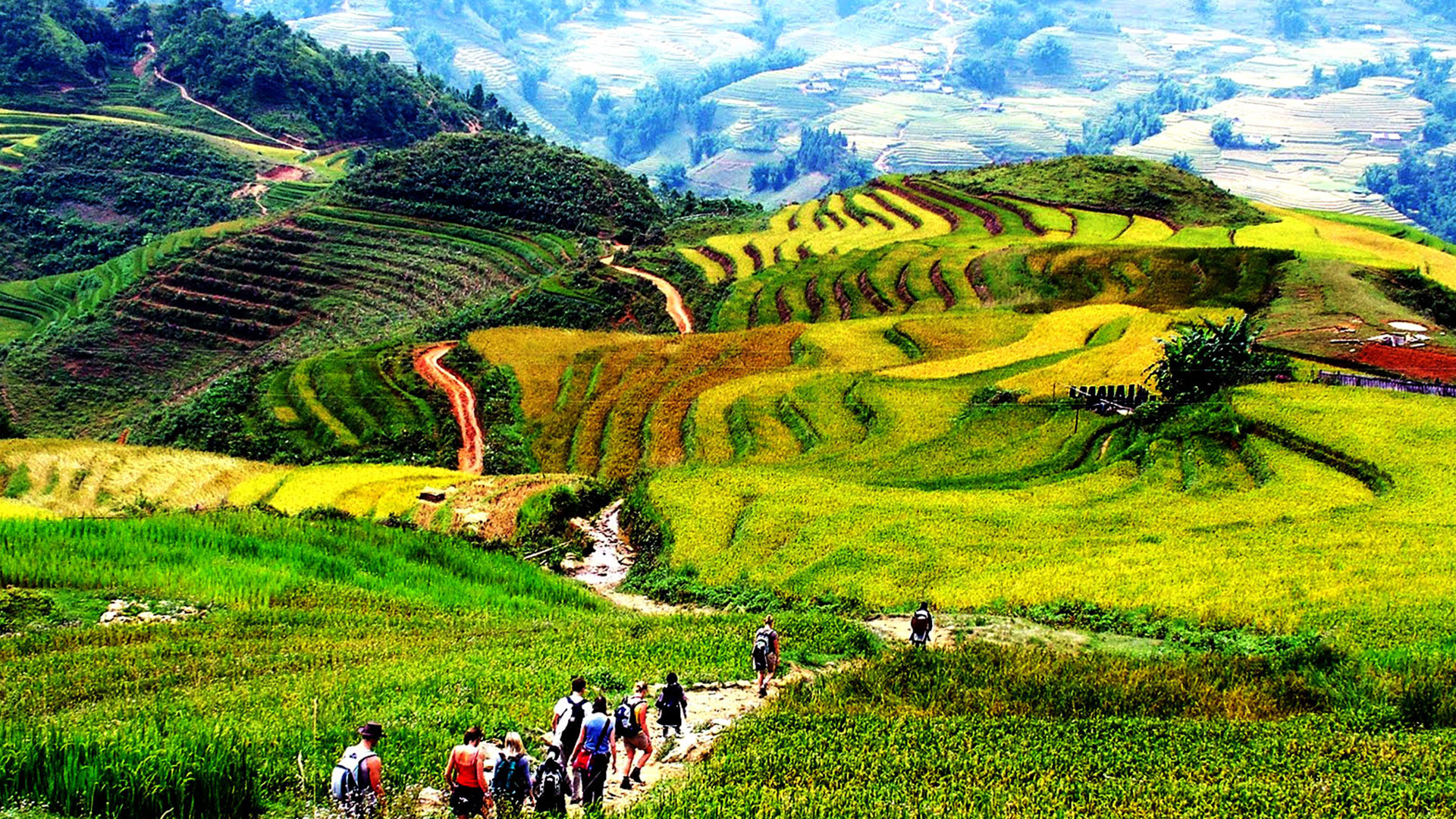
Mountain climate and trekking scenery in Sapa, North Vietnam
Halong Bay – Cruising Conditions and Scenic Visibility
Halong Bay’s dramatic limestone formations are highly dependent on weather clarity and sea conditions. Calm waters and clear skies enhance cruising experiences, allowing visitors to fully appreciate the bay’s unique seascape. Seasonal weather patterns influence visibility, safety, and overall comfort onboard. As a result, many travelers look closely at the Halong Bay best time to visit before booking cruises, recognizing that optimal coastal conditions often play a decisive role in defining the best time to visit North Vietnam for scenic and leisure-oriented journeys.

Ideal weather for cruising in Halong Bay
Worst Time to Visit North Vietnam
Although Northern Vietnam can be visited throughout the year, not every period offers equally favorable conditions for travel. Certain months bring weather challenges that may affect transportation, visibility, and overall comfort, especially for travelers focused on outdoor exploration. Understanding these less ideal periods helps visitors avoid unnecessary disruptions and better evaluate the best time to visit North Vietnam based on realistic expectations rather than assumptions.
Heavy rainfall, prolonged humidity, and occasional storms can significantly limit activities such as trekking, cruising, and long-distance travel. Mountainous areas may experience reduced visibility, while rural roads can become difficult to navigate. For many travelers, these conditions define the worst time to visit North Vietnam, particularly if flexibility is limited or if the itinerary relies heavily on nature-based experiences. While some visitors may still appreciate the quieter atmosphere during these months, careful planning is essential to minimize weather-related inconvenience. If you’re short on time but still want a refreshing coastal escape, a Vung Tau one-day tour can be a convenient option for a quick seaside experience without extensive planning.
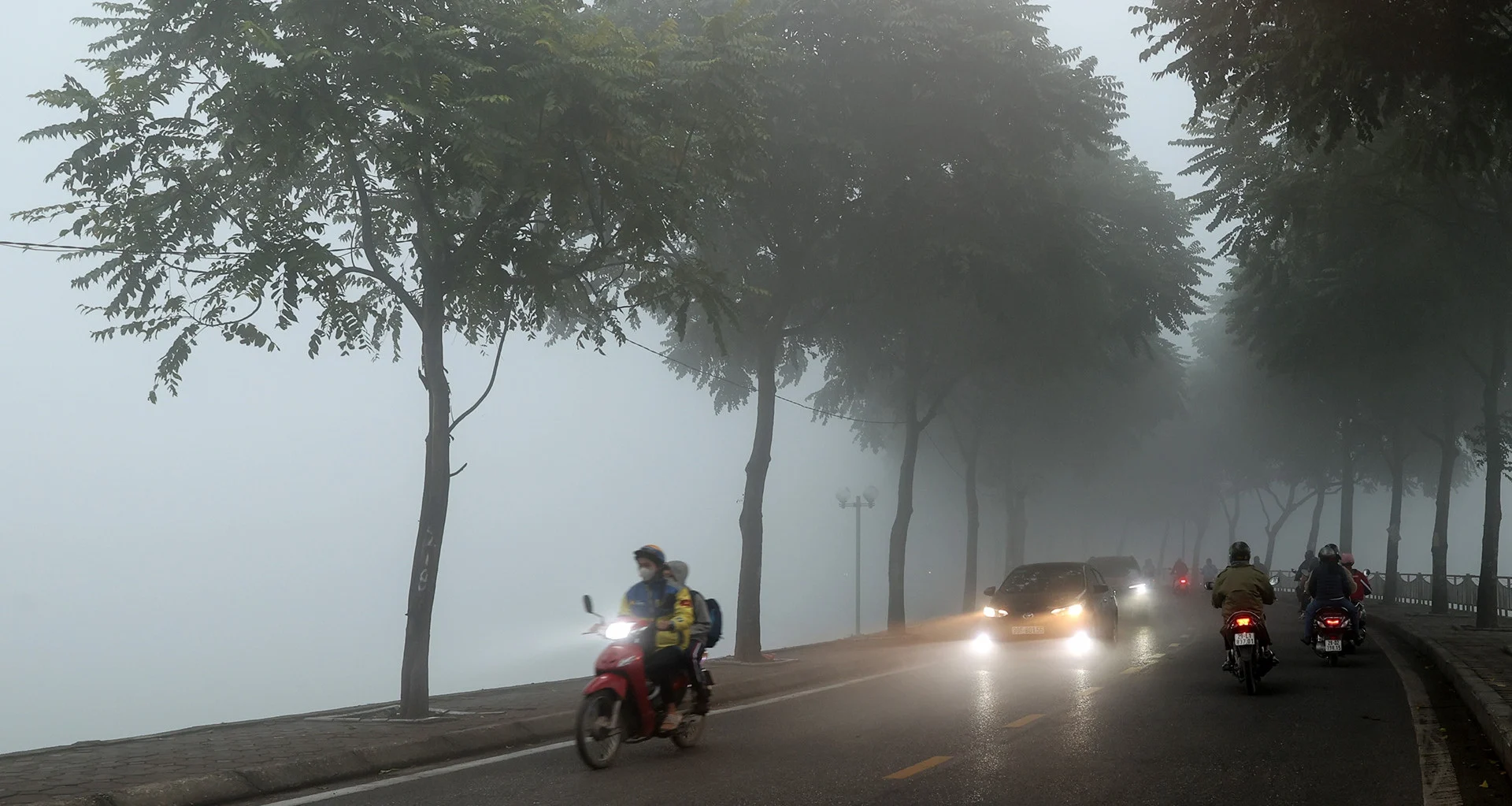
Challenging weather conditions during the worst time to visit North Vietnam
Practical Travel Advice for Planning Your Trip
Planning a journey through Northern Vietnam becomes much easier when seasonal factors are considered alongside personal travel style. Weather conditions influence packing choices, daily pacing, and even destination selection, which is why travelers often evaluate the best time to visit North Vietnam before finalizing their itineraries. Understanding seasonal differences allows visitors to anticipate changes in climate and prepare accordingly, rather than reacting to unexpected conditions once the trip has begun.
These North Vietnam travel tips focus on making the most of each season, helping travelers identify the best time to visit North Vietnam based on personal interests, whether the goal is outdoor exploration, cultural immersion, or relaxed sightseeing. Lightweight clothing and breathable fabrics are recommended during warmer months, which many consider part of the best time to visit North Vietnam for lowland destinations, while cooler seasons call for layering, particularly in mountainous regions such as Sapa. Allowing flexibility in travel schedules, monitoring local forecasts, and choosing accommodations suited to seasonal conditions all contribute to a smoother experience when planning the best time to visit North Vietnam. With thoughtful preparation, travelers can confidently determine when the best time to visit North Vietnam aligns with comfort, activities, and overall travel expectations.
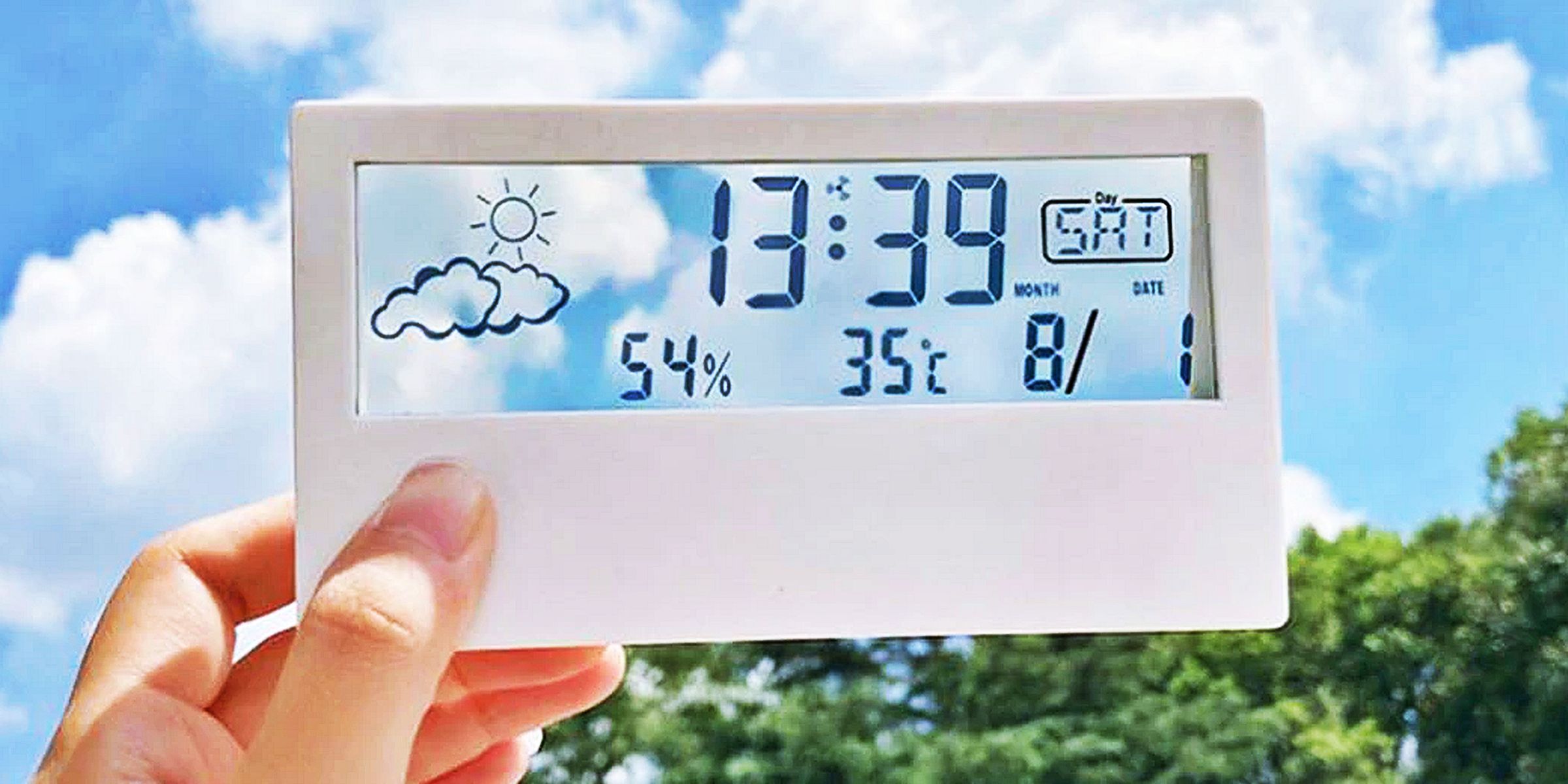
Best Time To Visit North
Conclusion
Understanding seasonal patterns is the key to experiencing Northern Vietnam at its best, from vibrant cities and misty mountains to iconic coastal landscapes. By aligning travel plans with climate conditions, visitors can enjoy greater comfort, clearer scenery, and smoother journeys overall. Choosing the best time to visit North Vietnam ultimately depends on personal preferences, but informed timing always leads to a more rewarding experience.
If you are ready to turn careful planning into a seamless journey, Best Vietnam Tours offers thoughtfully designed itineraries that match the most favorable seasons and destinations. With local expertise and flexible travel options, your trip through Northern Vietnam can be both effortless and unforgettable.