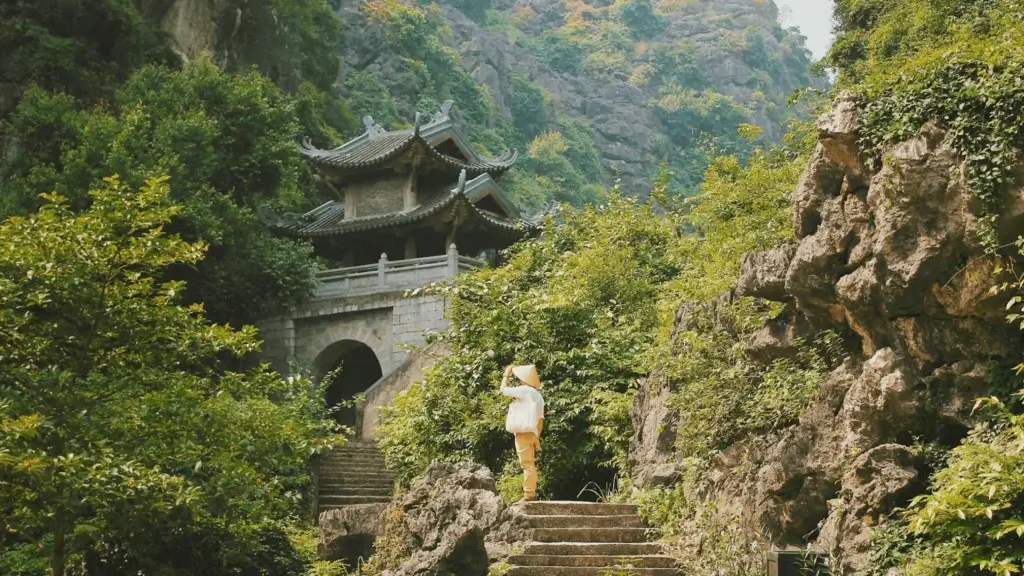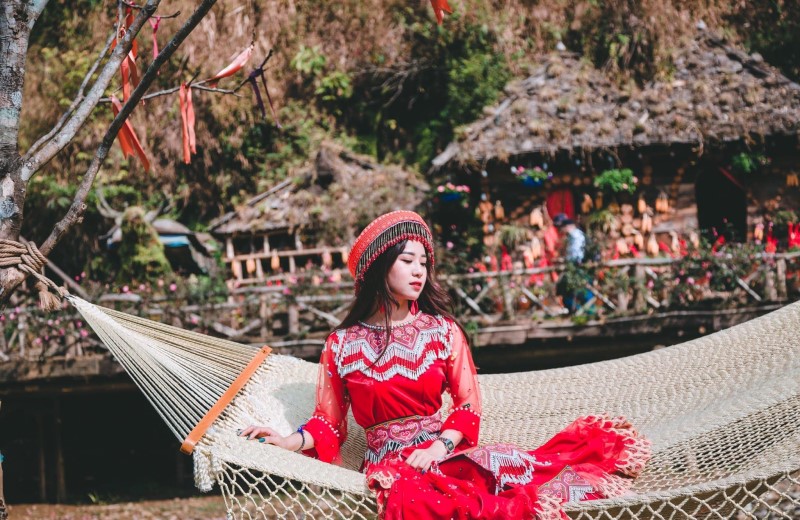
Vietnam is home to thousands of temples and pagodas that play an important role in local spiritual life, making them essential stops for many travelers. While these sacred sites are open to visitors, they are first and foremost places of worship, where respect and cultural awareness matter deeply. Understanding how to dress in Vietnam temples helps travelers avoid awkward situations and shows genuine appreciation for local traditions. Many first-time visitors are surprised to learn that dress expectations can differ from what they are used to in Western countries, especially in hot and humid weather.
This simple guide is designed to help you prepare thoughtfully, so you can explore Vietnam’s spiritual landmarks with confidence and respect. For travelers looking for culturally immersive journeys, Best Vietnam Tours often emphasizes responsible travel that goes beyond sightseeing and encourages meaningful connections with local customs.
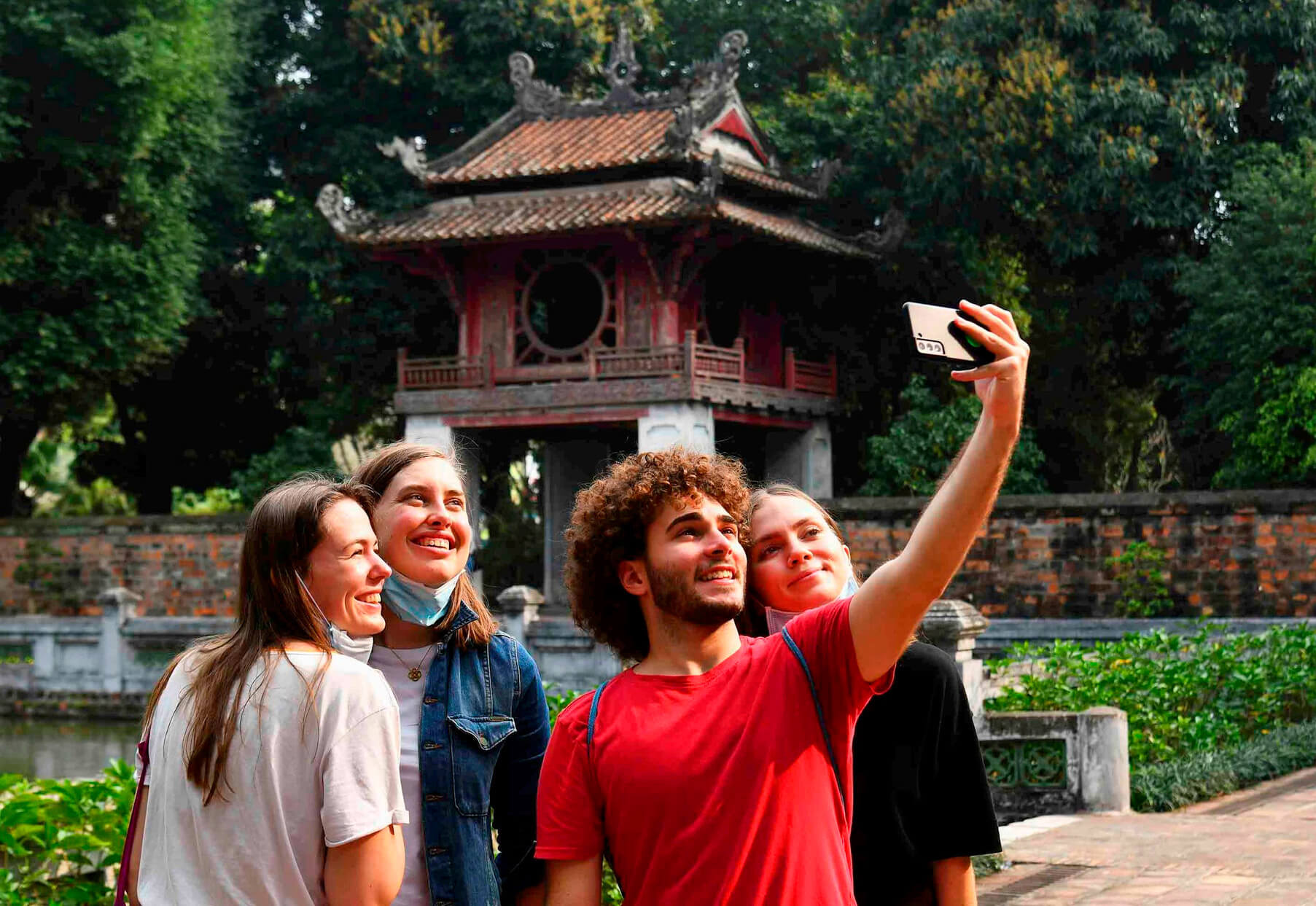
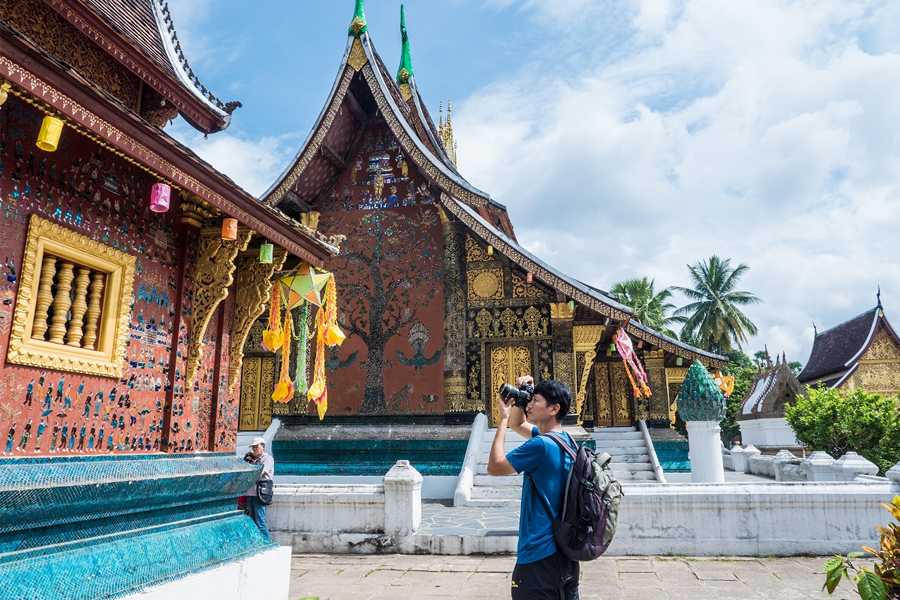
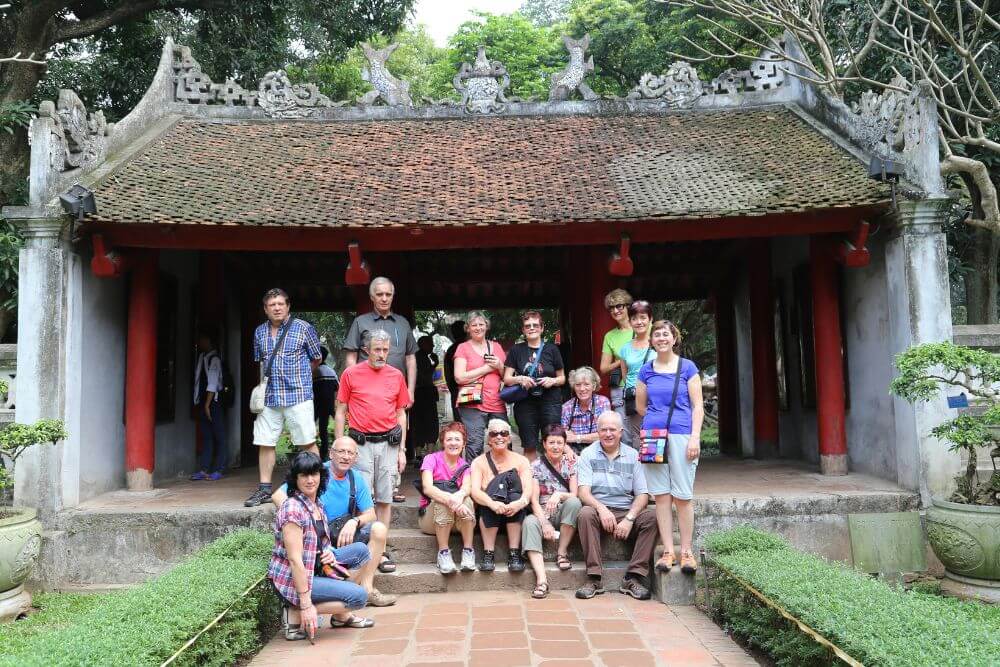
Foreign visitors wearing modest clothing while visiting a traditional Vietnamese temple
Why Dressing Properly Matters in Vietnam Temples
Understanding how to dress in Vietnam temples is not only about following rules but also about recognizing the cultural values behind them. For many Vietnamese people, temples are sacred spaces tied to daily spiritual life, not tourist attractions created for visitors. Dressing appropriately helps travelers show respect, blend in more naturally, and experience these places in a more meaningful way.
Cultural and Spiritual Meaning of Temple Attire
In Vietnam, temples serve as places for prayer, reflection, and important religious ceremonies. Clothing worn inside these spaces carries symbolic meaning, reflecting humility and reverence. When visitors understand how to dress in Vietnam temples, they demonstrate awareness of these traditions and contribute to maintaining a calm, respectful atmosphere.
Modest attire helps ensure that attention remains on spiritual practices rather than on individual appearance, which aligns closely with traditional Vietnam etiquette for temple visits. Temples in Vietnam are closely connected to the country’s religious traditions, which include Buddhism, Taoism, and folk beliefs.
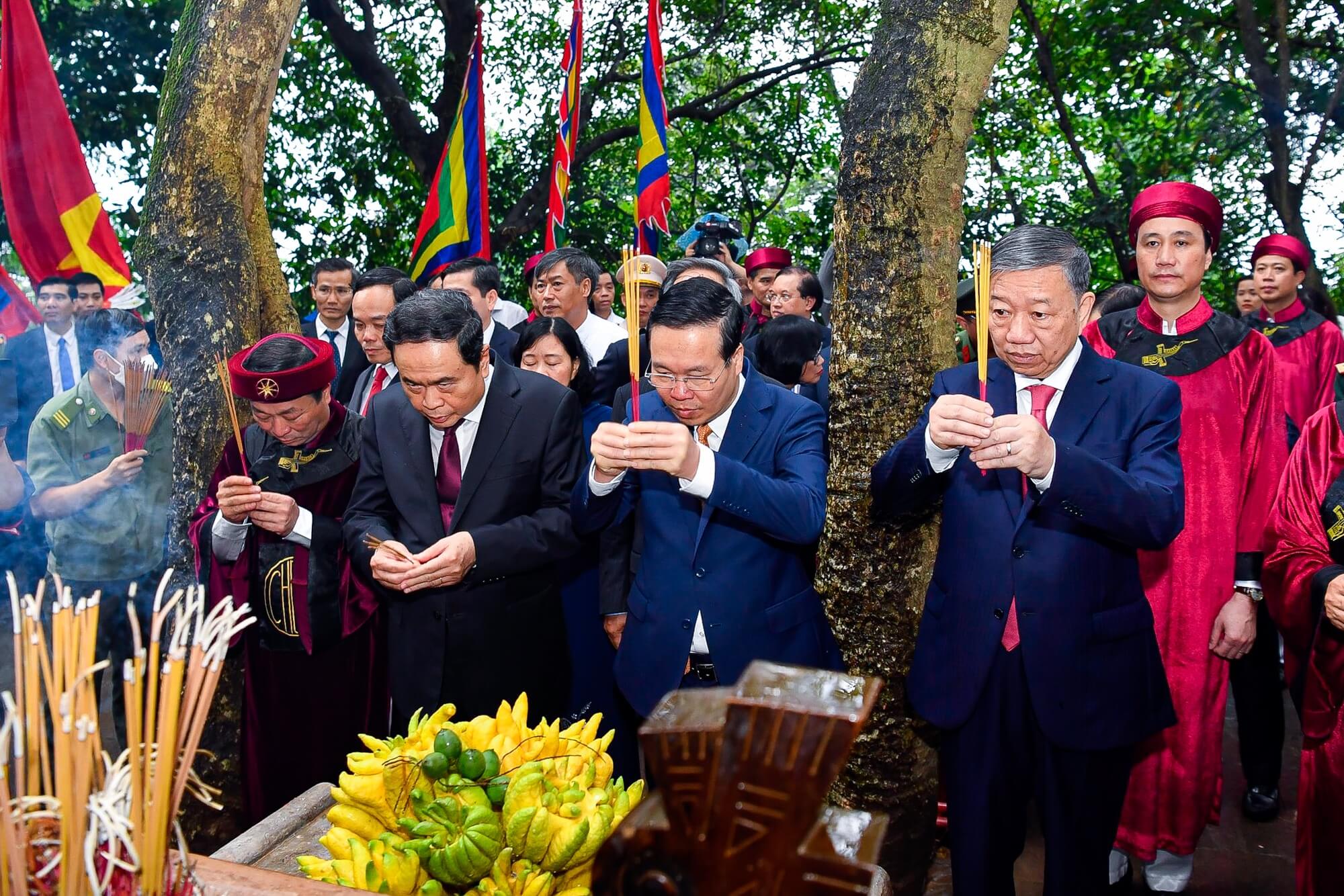
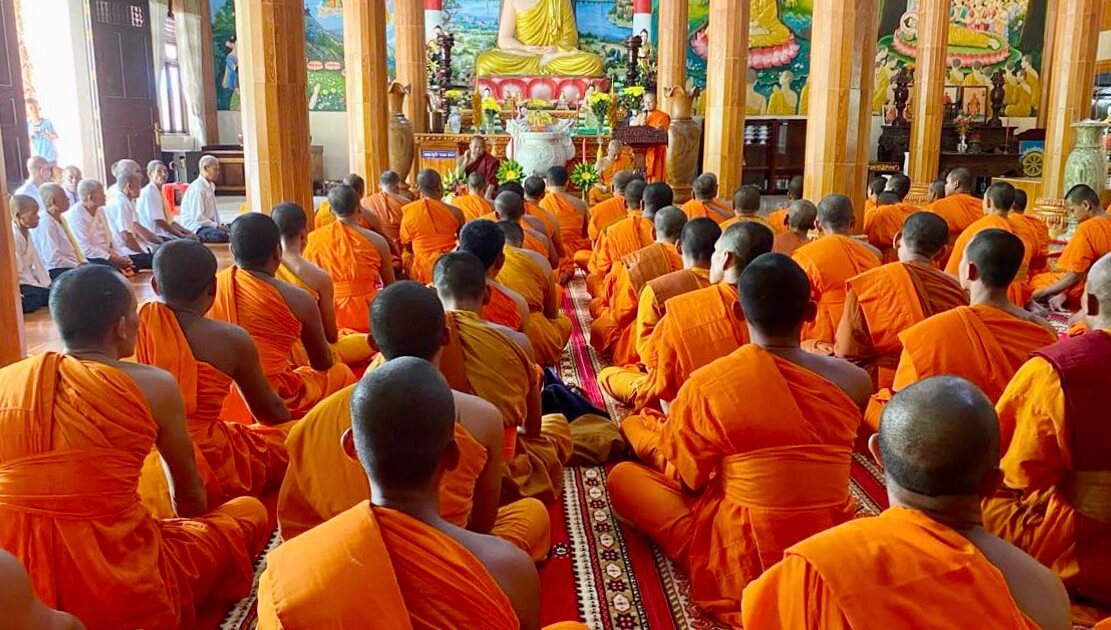
Worshippers praying inside a Vietnamese temple with traditional religious atmosphere
How Locals Perceive Foreign Visitors
Most local worshippers are welcoming toward international travelers, especially in well-known destinations. However, appearance still shapes first impressions. Visitors who clearly make an effort to follow local expectations are often viewed positively, even if they are unfamiliar with certain customs. Dressing thoughtfully shows that a traveler has taken time to learn how to dress in Vietnam temples, which is widely appreciated by locals and often leads to warmer, more respectful interactions.
Common Mistakes Tourists Often Make
A frequent mistake among travelers is assuming that temples follow the same relaxed dress norms as beaches or casual sightseeing spots. Some visitors focus heavily on photography and social media without noticing dress guidelines posted at entrances. Others underestimate how conservative certain sites can be. These situations are rarely intentional, but they highlight why learning how to dress in Vietnam temples in advance can prevent awkward moments and help visitors feel more comfortable and confident during their visit.
Many of these mistakes are not intentional but stem from unfamiliarity with local customs. Travelers who want a broader understanding of cultural expectations may find it helpful to review a practical guide on common travel behaviors, such as this overview of Vietnam travel dos and don’ts, before visiting sacred sites.
Traditional clothing worn by worshippers during religious ceremonies in Vietnam
General Dress Code for Vietnam Temples
When visiting sacred sites, understanding how to dress in Vietnam temples helps travelers feel more confident and avoid unintentional disrespect. While details may vary slightly from place to place, there is a shared understanding of what is considered appropriate attire. These guidelines are not meant to intimidate visitors but to protect the calm, respectful atmosphere that temples are meant to preserve. Learning the basic Vietnam temple dress code allows travelers to focus on the experience itself rather than worrying about whether they look out of place.
Clothes That Are Considered Appropriate
In general, clothing that covers the shoulders and knees is widely accepted across most temples. Loose-fitting shirts, lightweight long pants, and skirts that fall below the knee are safe choices, especially in warmer months. Breathable fabrics such as cotton or linen are popular among experienced travelers who already know how to dress in Vietnam temples while staying comfortable in the heat. Choosing simple, modest outfits also aligns well with what locals typically wear when visiting religious sites, making it easier for visitors to blend in naturally. These choices reflect what many consider appropriate clothing for temples in Vietnam, regardless of region.
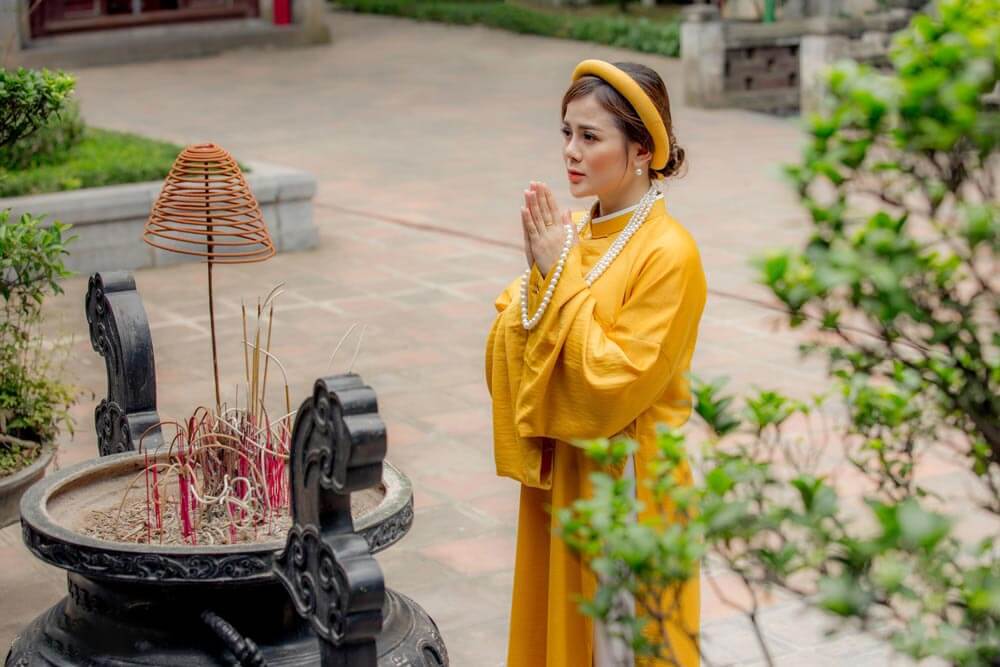
Modest clothing suitable for visiting Vietnamese temples in warm weather
Clothes You Should Avoid
Certain types of clothing are best left for the beach or casual city walks. Sleeveless tops, crop tops, very short shorts, and mini skirts are often viewed as disrespectful in sacred spaces. Transparent fabrics and overly tight outfits can also draw unwanted attention. Travelers unfamiliar with how to dress in Vietnam temples sometimes assume that anything goes in tourist-heavy areas, but this is not always the case. Being aware of things not to wear in Vietnam temples helps prevent uncomfortable situations and ensures a smoother visit.
Differences Between Temples, Pagodas, and Shrines
Although many visitors use the terms interchangeably, there are subtle differences between religious sites in Vietnam. Buddhist pagodas tend to follow stricter expectations, especially during prayer times and festivals, which is why understanding Vietnam pagoda dress rules can be helpful. Traditional temples dedicated to historical figures may feel slightly more relaxed, while small local shrines often rely on unspoken community norms rather than posted signs. Knowing how to dress in Vietnam temples across these different settings allows travelers to adjust their clothing choices with ease and confidence.
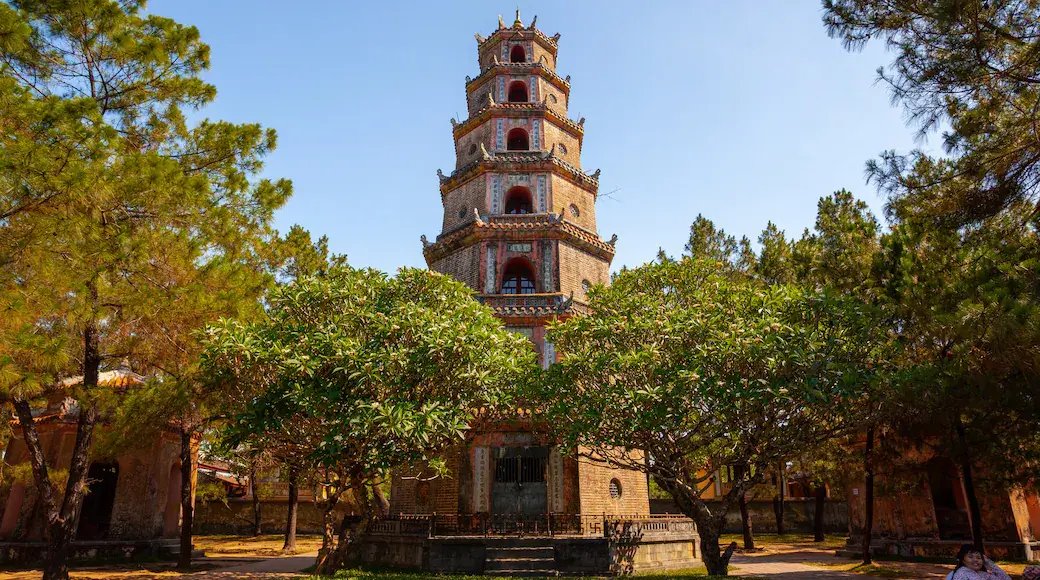
Different types of religious sites in Vietnam including temples, pagodas, and shrines
Dressing Tips for Visiting Famous Temples in Vietnam
Famous sites such as Huong Pagoda, One Pillar Pagoda, Bai Dinh Pagoda, and Thien Mu Pagoda welcome thousands of visitors each year. While these temples are well accustomed to international travelers, expectations around respectful appearance continue to apply. Understanding how to dress in Vietnam temples is especially important at these popular sites, where cultural traditions remain closely observed and guidelines are more clearly enforced.
Carrying a lightweight scarf or shawl provides a simple way to adjust your outfit when needed. For many visitors, learning how to dress in Vietnam temples also means using subtle layering techniques as part of their dressing tips for visiting temples in Vietnam, allowing them to stay comfortable while respecting religious customs and adapting to changing weather conditions.
Destinations that combine spiritual landmarks with outdoor exploration often require extra attention to clothing choices. For example, sites like the Marble Mountains and the historic streets of Hoi An include temples, caves, and sacred spaces where respectful attire is expected, especially when joining guided experiences such as the Marble Mountains and Hoi An Ancient Town tour.
Similar expectations apply in northern Vietnam, where natural landscapes are closely connected to spiritual heritage. In Ninh Binh, visitors often explore temples, caves, and mountain viewpoints within a single journey, making modest and practical clothing essential during experiences such as the Ninh Binh – Tam Coc – Mua Cave – Am Tien day trip.
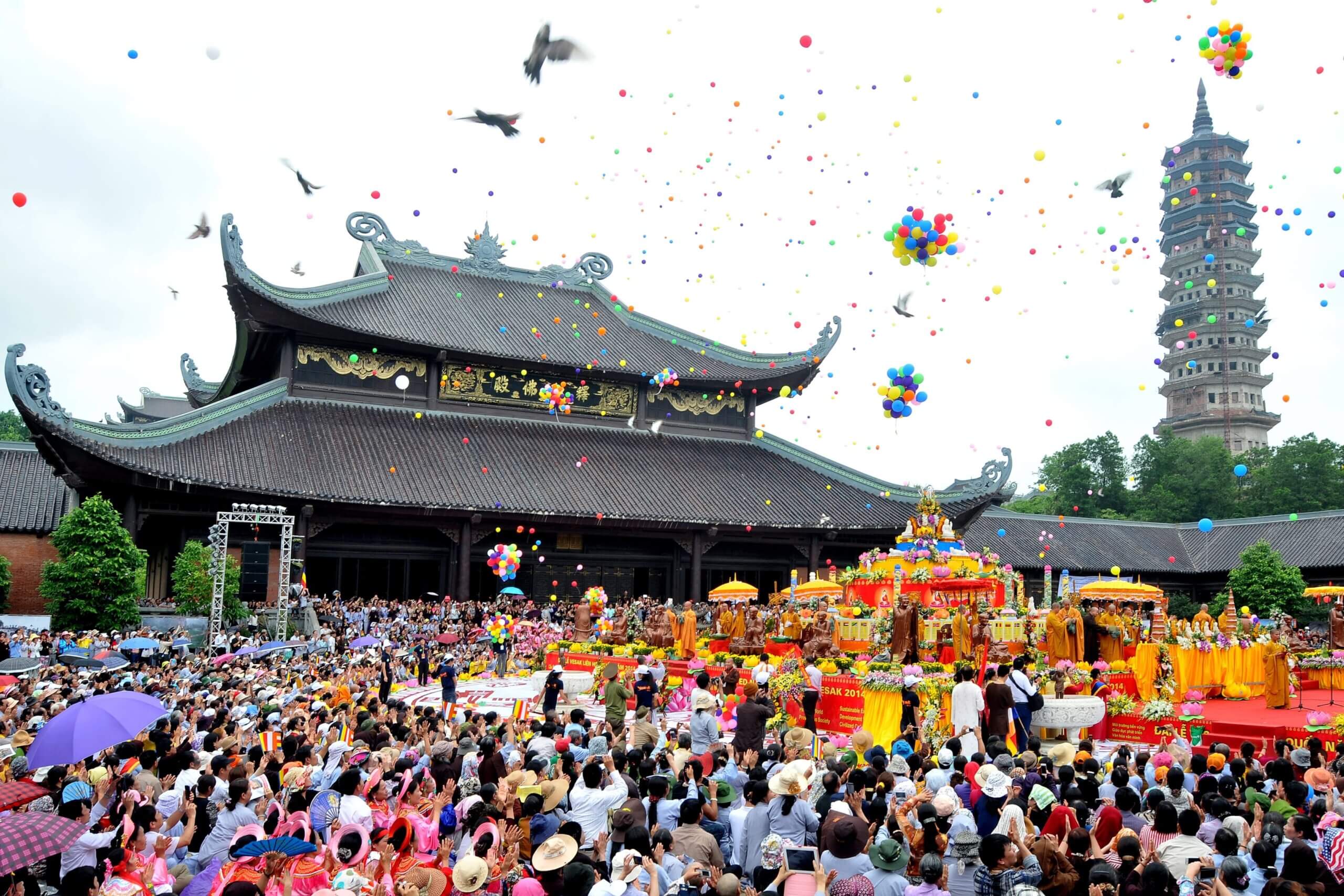
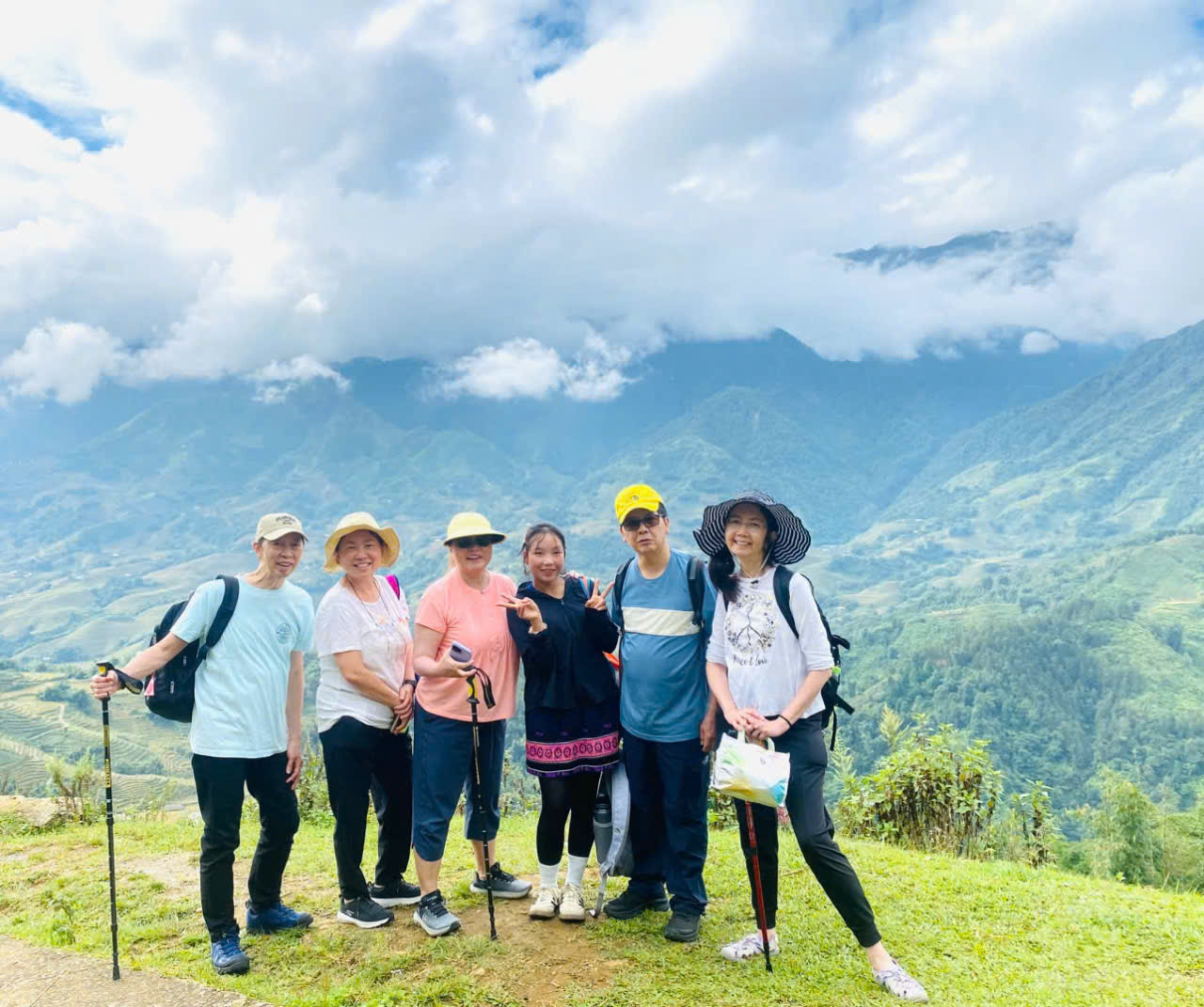
Visitors wearing respectful attire at famous temples in Vietnam
Can Tourists Wear Shorts or Sleeveless Tops?
This is one of the most common questions among first-time visitors, especially given Vietnam’s tropical climate. The short answer is: it depends on the location, the space within the temple, and the context of your visit. Knowing how to dress in Vietnam temples means understanding when flexibility exists and when stricter standards apply, rather than assuming all sacred sites follow the same level of formality.
When It May Be Acceptable
In highly touristic areas or temple grounds that function partly as open-air attractions, some flexibility can be observed. Outer courtyards, gardens, or walkways may not enforce dress standards as strictly as inner worship halls. This is why travelers researching what to wear in Vietnam temples often encounter mixed advice online. Light, knee-length shorts or sleeveless tops may be tolerated in these outer areas, particularly during hot weather, as long as the outfit remains neat and non-provocative. Even in these cases, visitors who understand how to dress in Vietnam temples tend to choose more conservative options whenever possible, as a sign of courtesy.
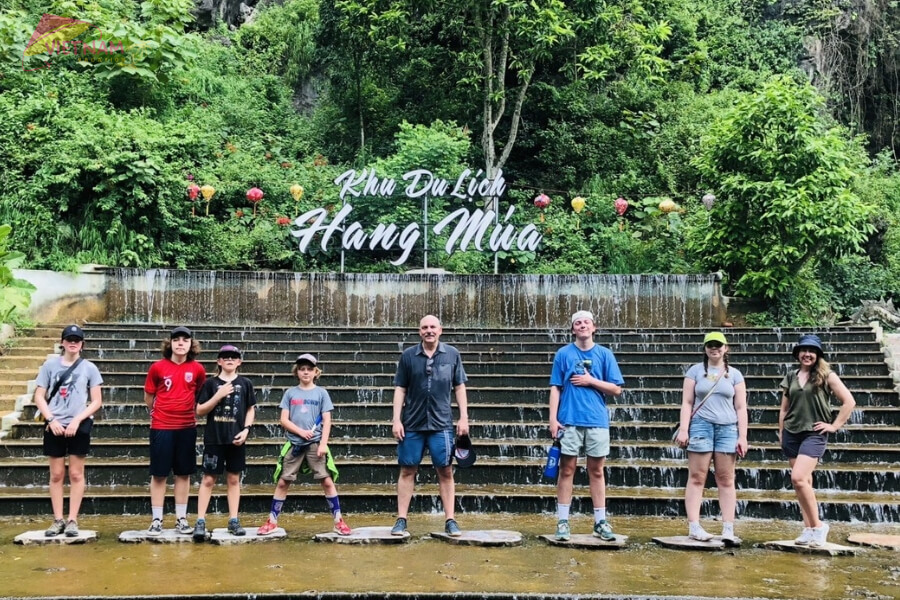
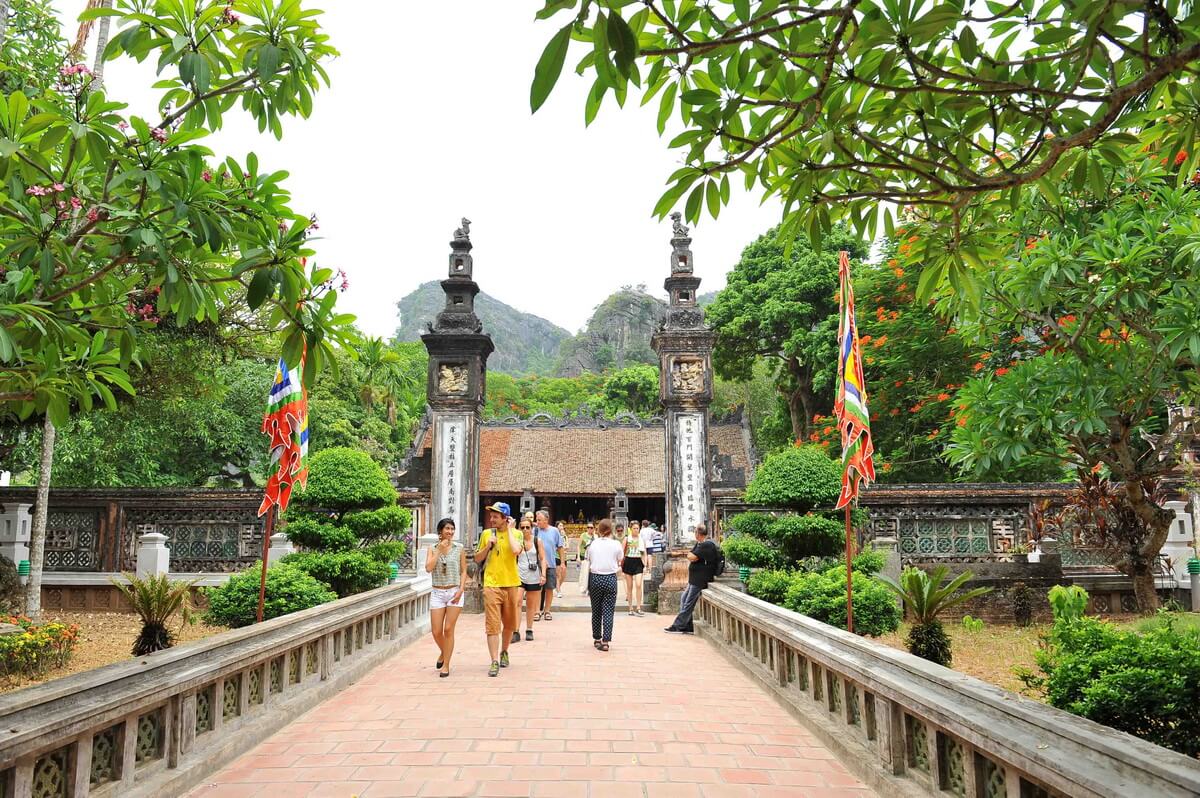
Tourists visiting temple courtyards in Vietnam during hot weather
When It Is Considered Disrespectful
Inside main prayer halls, altars, or spaces where rituals are actively taking place, expectations change significantly. Wearing short shorts, tank tops, or revealing clothing in these areas is generally viewed as inappropriate. This is especially true during religious festivals or busy worship times.
Understanding how to dress in Vietnam temples becomes especially important in these inner spaces, where local customs are more strictly observed. The question of can tourists wear shorts in Vietnam temples is often answered differently by locals depending on the setting, but the safest approach is to assume that inner spaces require more coverage. Adopting a modest dress in Vietnamese temples is widely appreciated and helps visitors avoid uncomfortable interactions or being asked to leave restricted areas.
What to Do If You’re Dressed Inappropriately
Even well-prepared travelers can occasionally misjudge a situation. Many popular temples offer shawls, wraps, or long skirts at the entrance for visitors who need to cover up quickly. Carrying a lightweight scarf in your bag is a simple habit that experienced travelers develop once they learn how to dress in Vietnam temples more confidently.
Paying attention to posted signs and observing what local worshippers are wearing can also provide helpful cues. Following basic temple rules in Vietnam for foreigners is less about memorizing regulations and more about showing awareness and willingness to adapt.
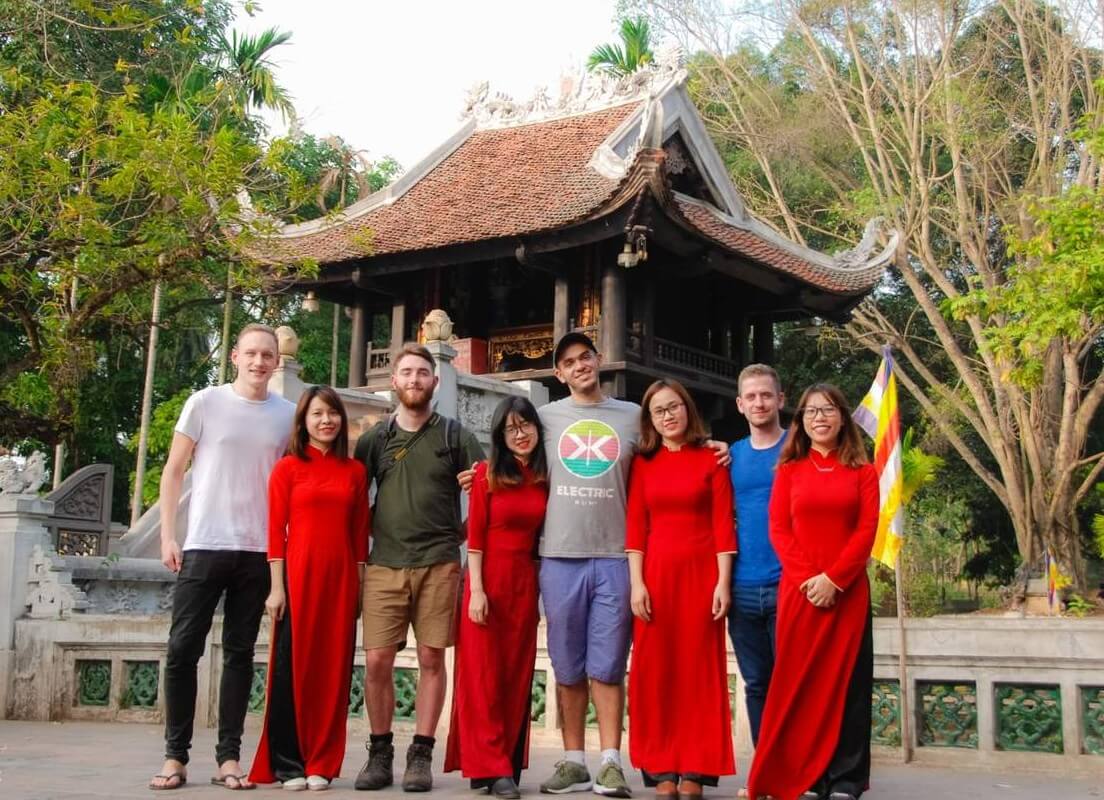
Visitors covering up with scarves before entering a Vietnamese temple
Practical Tips to Stay Comfortable While Dressing Respectfully
For many travelers, the real challenge is balancing comfort with cultural respect, especially in a tropical climate. Understanding how to dress in Vietnam temples goes beyond knowing the rules; it involves applying them in a practical way that suits long days of sightseeing. When travelers learn how to dress in Vietnam temples thoughtfully, they can move through sacred spaces with confidence, comfort, and cultural awareness. With a few smart adjustments, respectful dressing does not have to feel restrictive or inconvenient.
Choosing the Right Fabrics and Colors
Fabric choice plays a major role in staying comfortable while following temple etiquette. Breathable materials such as cotton, linen, or lightweight blends help manage heat and humidity throughout the day. Neutral and light colors not only reduce heat absorption but also align well with the understated appearance expected in sacred spaces. Travelers who understand how to dress in Vietnam temples often choose clothing that balances airflow with coverage, allowing them to remain comfortable without compromising respect.
Weather conditions play a significant role in clothing choices, especially when visiting outdoor or semi-open temple complexes. Travelers who plan their trips around seasonal changes may find it helpful to understand the best time to visit Vietnam, as climate differences across regions can influence both comfort and appropriate attire.
Using scarves and light layers to dress respectfully in Vietnamese temples
Smart Layering for Changing Situations
Layering is one of the most effective strategies for travelers learning how to dress in Vietnam temples properly. A light scarf, shawl, or thin overshirt can be easily added when entering prayer halls and removed afterward. This flexibility is especially useful when visiting multiple temples in one day, where expectations may vary slightly. By planning outfits around layers, visitors can adapt quickly while still following the core principles of how to dress in Vietnam temples.
Small Habits That Make a Big Difference
Clothing works best when combined with respectful behavior. Observing how locals dress and behave provides valuable, unspoken guidance. Speaking softly, moving calmly, and avoiding unnecessary attention all complement appropriate attire. Over time, travelers find that understanding how to dress in Vietnam temples becomes part of a broader cultural mindset, helping them feel more connected to the places they visit and the traditions they encounter.
Developing these small habits is part of traveling more thoughtfully in Vietnam. Travelers who want a broader understanding of local customs, daily etiquette, and practical advice may find additional insights in this collection of Vietnam travel tips, which helps visitors feel more prepared and confident throughout their journey.
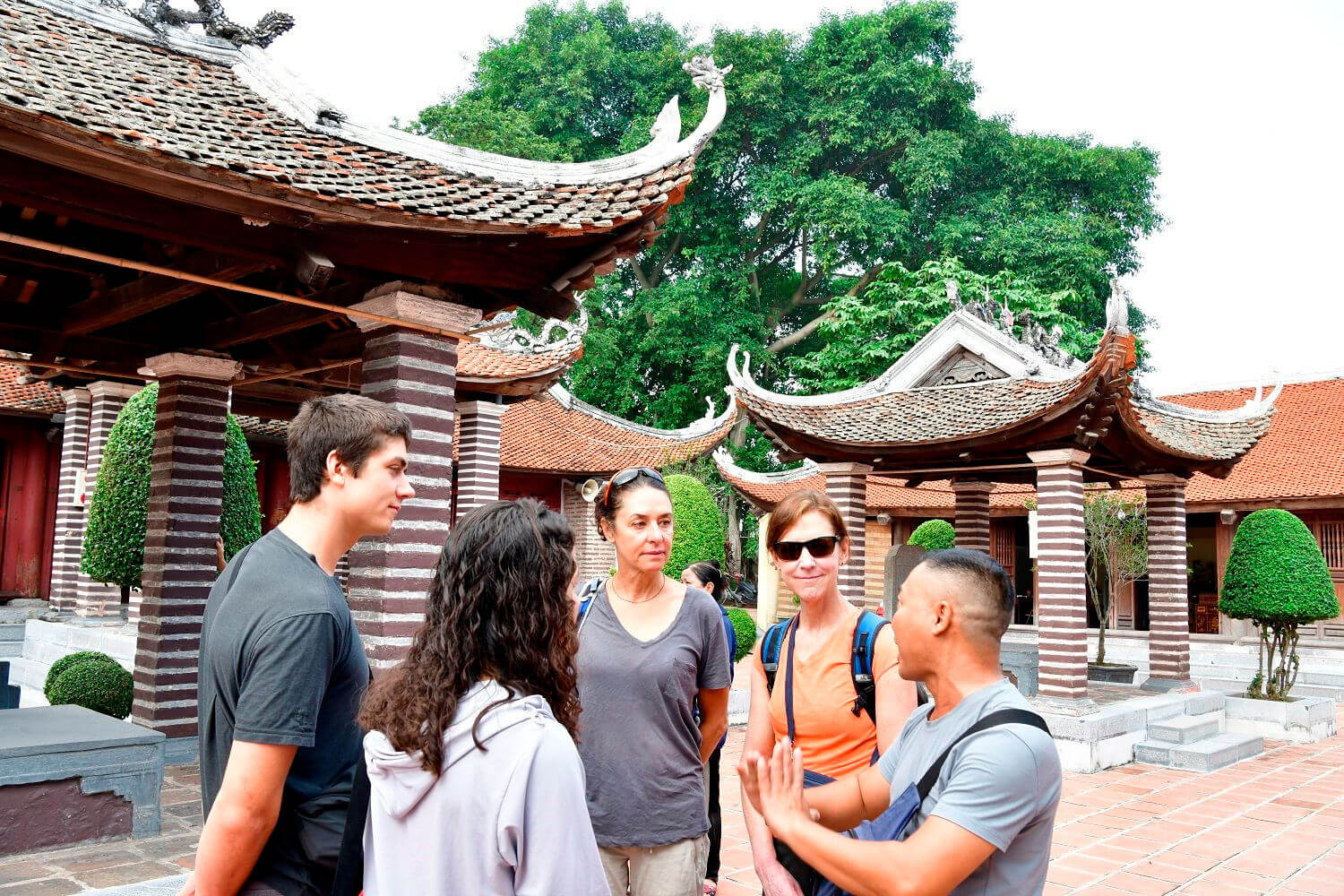
How To Dress In Vietnam Temples
Conclusion
Visiting temples in Vietnam offers more than beautiful architecture or peaceful moments; it provides insight into the values, beliefs, and traditions that shape daily life. Taking time to understand local expectations around clothing helps travelers move beyond surface-level sightseeing and engage with these sacred spaces more thoughtfully.
When visitors know how to dress in Vietnam temples, they avoid unnecessary discomfort, show respect to local worshippers, and create more meaningful travel experiences. Small choices in attire can leave a lasting positive impression and reflect a deeper appreciation for Vietnamese culture. If you’re planning a journey that combines cultural insight with responsible travel, exploring Vietnam with Best Vietnam Tours can help you experience the country in a way that is both respectful and memorable.