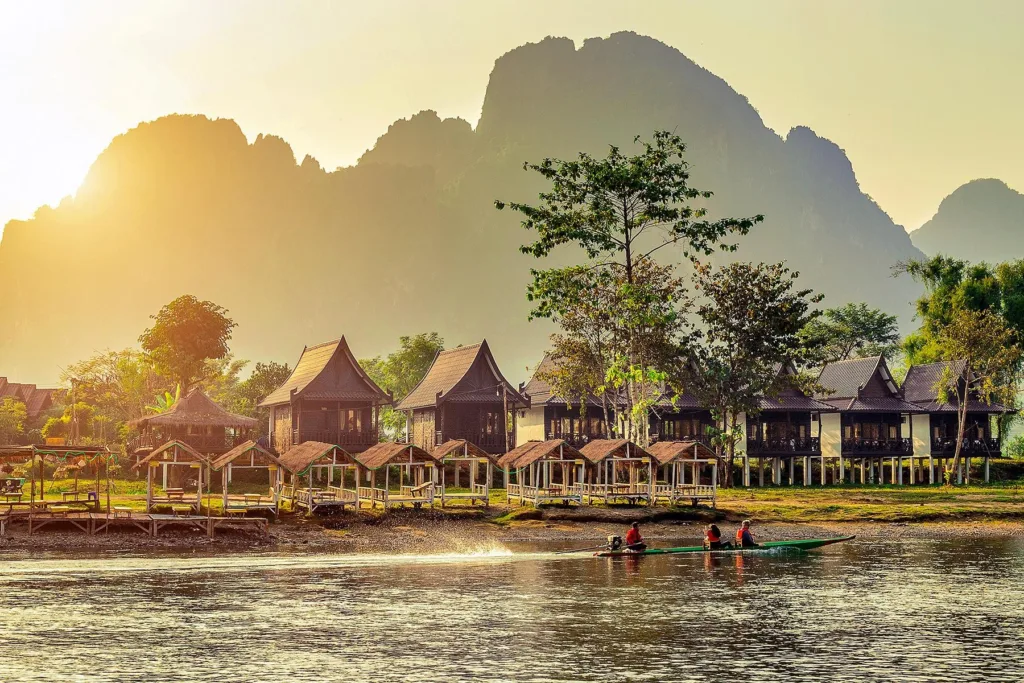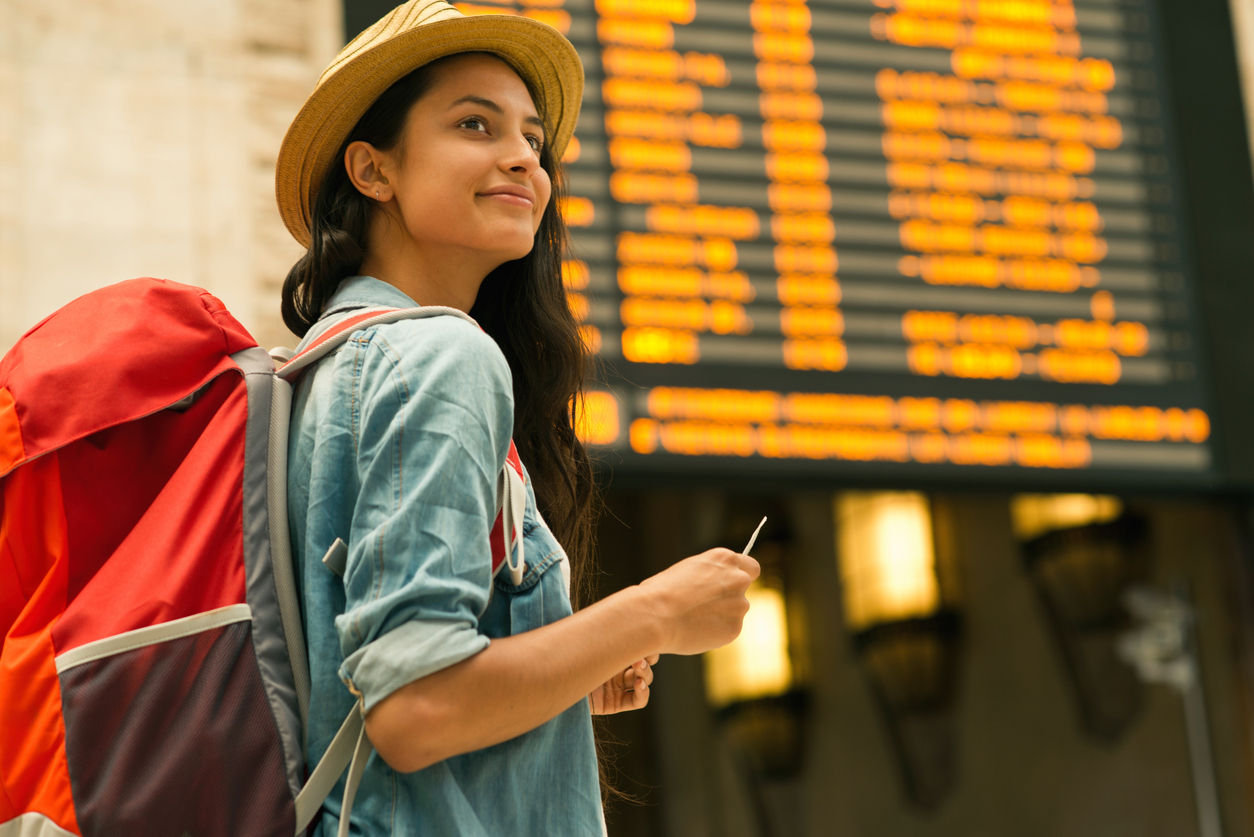
Understanding local culture is one of the most rewarding parts of visiting Vietnam, especially for travelers experiencing the country for the first time. This guide to Vietnam culture for tourists is designed to help you navigate daily interactions, traditions, and social expectations with confidence, from how people communicate to what behavior is considered respectful.
By learning these cultural foundations before your trip, you can avoid misunderstandings and connect more meaningfully with locals. With carefully crafted travel insights and culturally immersive itineraries, Best Vietnam Tours helps visitors explore Vietnam in a thoughtful, informed, and authentic way.
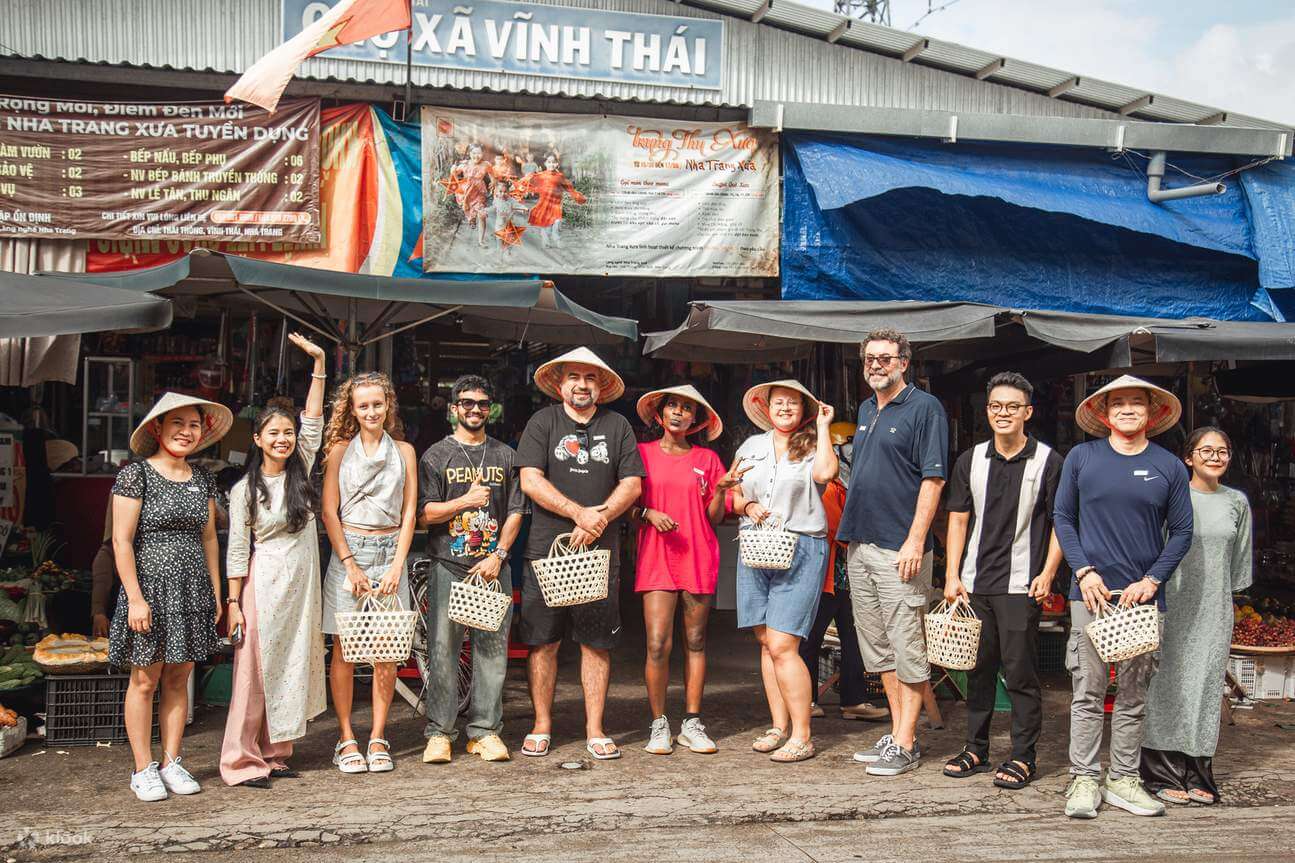
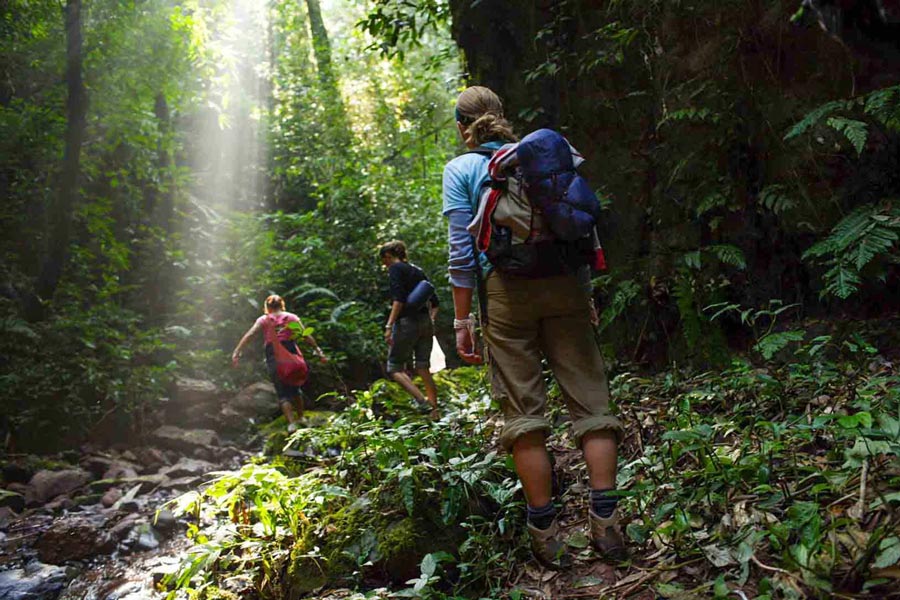
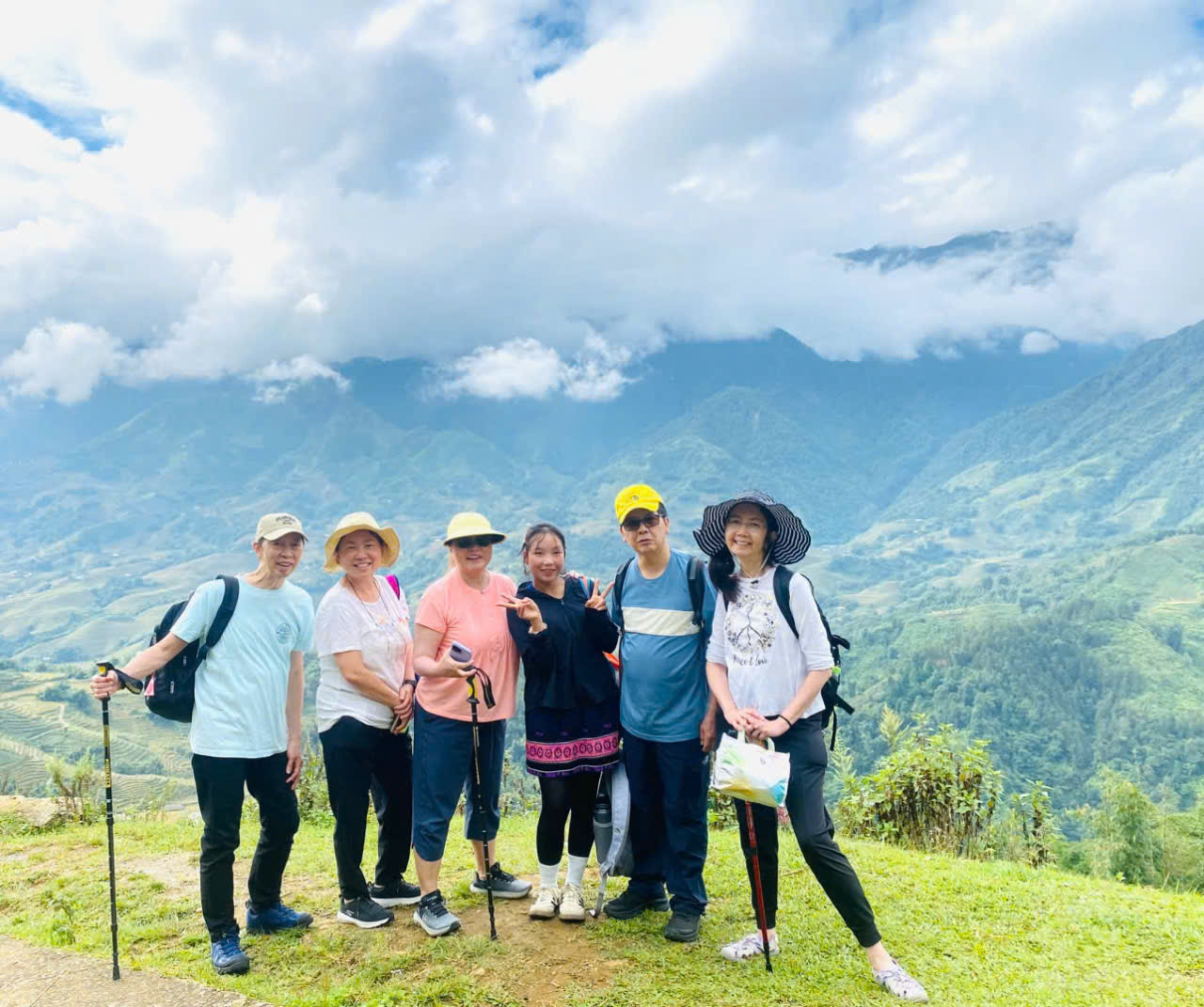
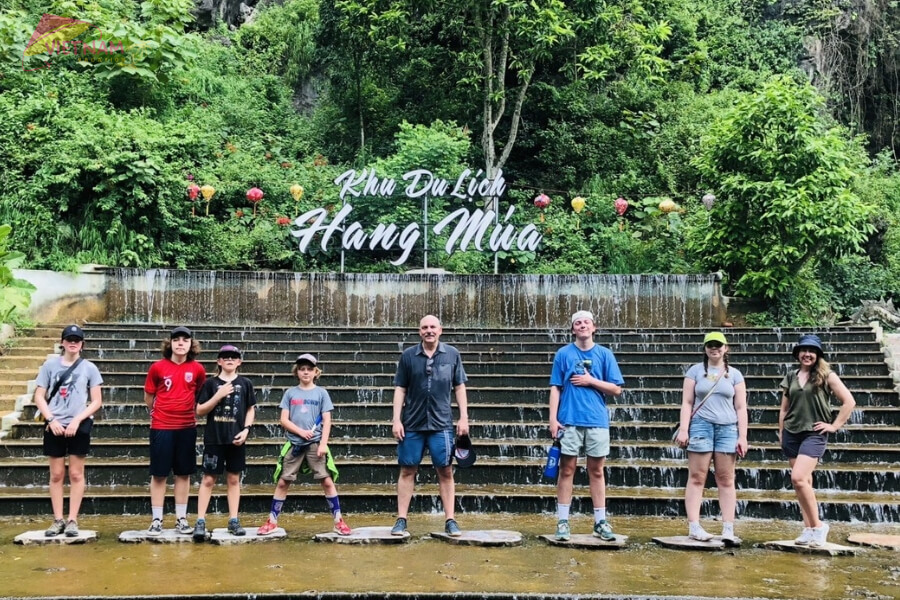
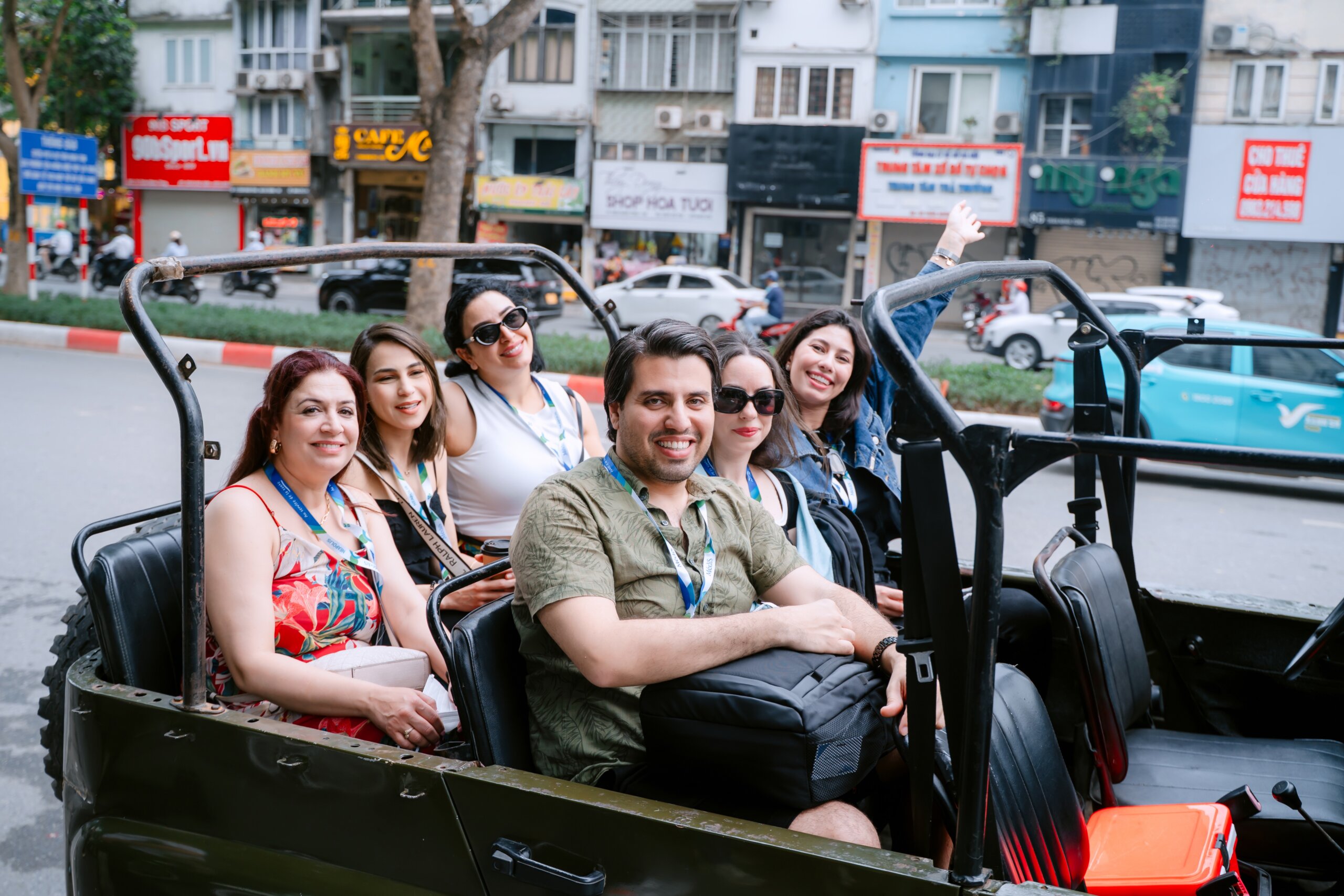
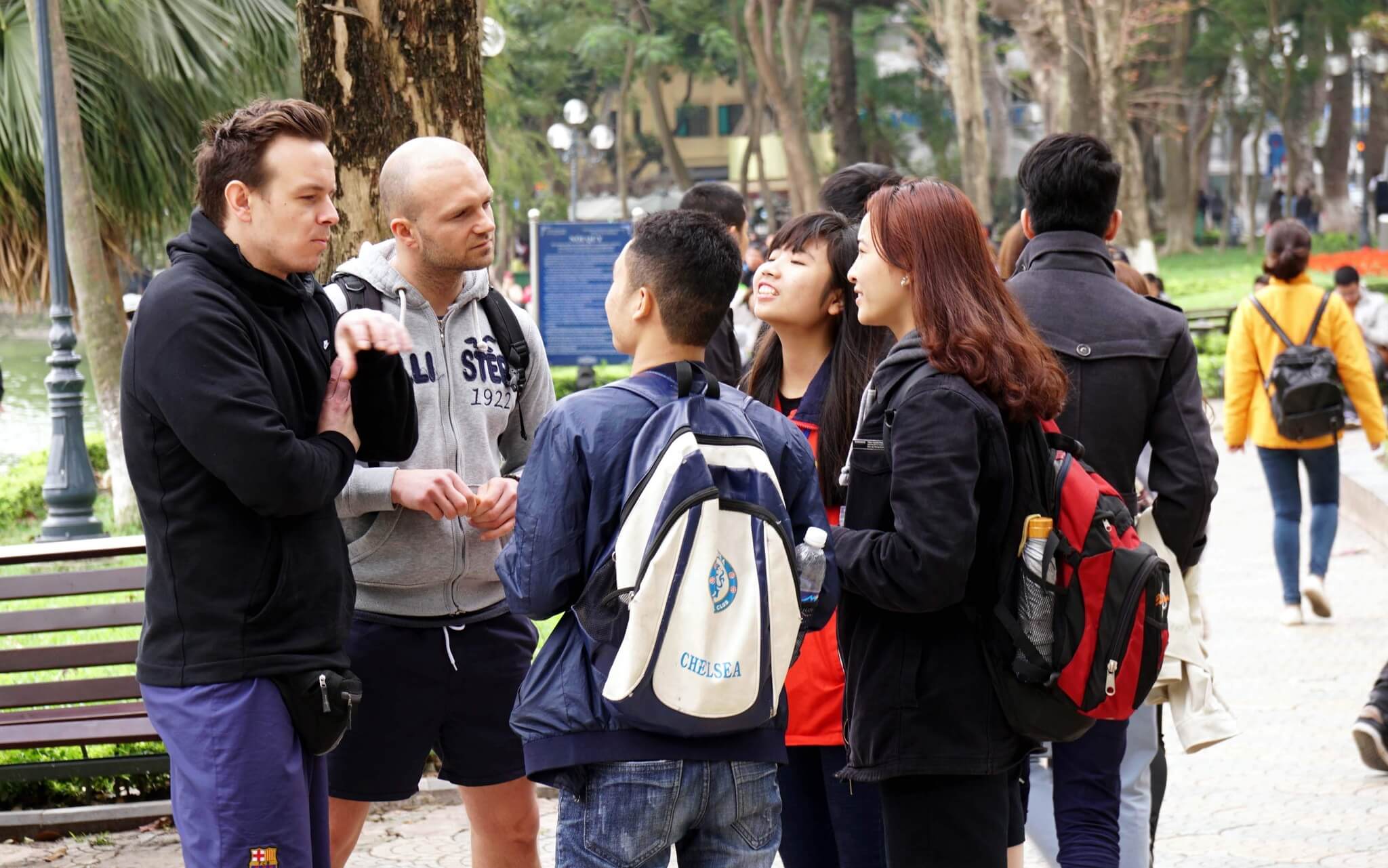
Travelers interacting with locals while exploring everyday life in Vietnam
Vietnam Culture For Tourists
Understanding Vietnam etiquette for foreigners is an essential part of experiencing Vietnam culture for tourists in a respectful and meaningful way. Everyday etiquette influences how travelers are received by locals and plays a key role in shaping first impressions, especially in shared spaces and daily interactions.
Public Behavior and Social Expectations
Public behavior is closely tied to Vietnam culture for tourists, where politeness, patience, and emotional restraint are widely valued. Speaking calmly, avoiding confrontational gestures, and showing consideration in crowded environments reflect an understanding of local expectations. Visitors who adapt their behavior to Vietnam culture for tourists often find interactions smoother and more welcoming.
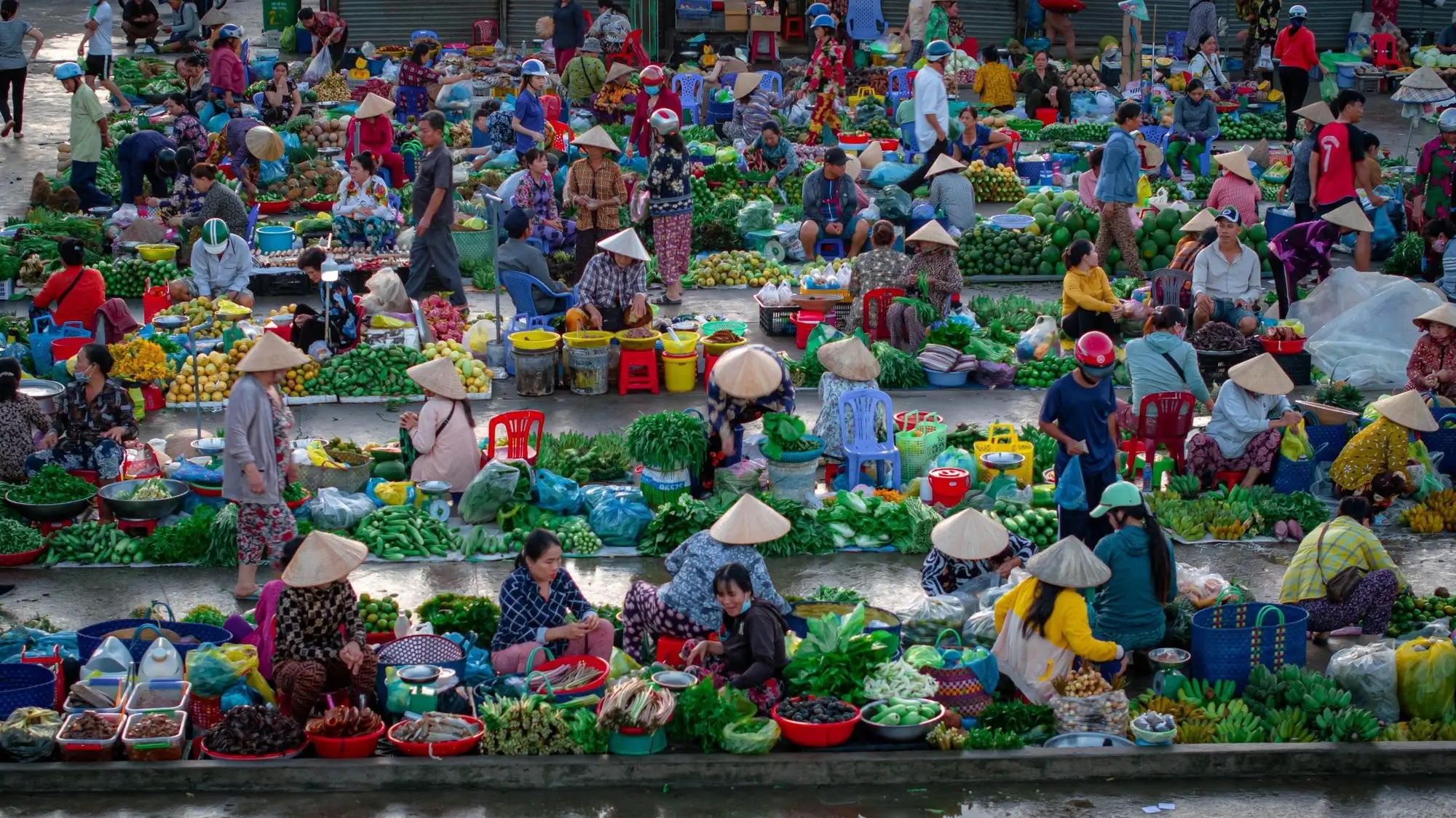
Everyday public behavior reflecting social norms in Vietnamese society
Communication Style with Locals
Communication styles also reveal important aspects of Vietnam culture for tourists. Conversations tend to favor indirect expression and respectful tone rather than blunt or forceful language. Maintaining composure, listening attentively, and responding politely help travelers navigate social situations with ease. Aligning communication habits with Vietnam culture for tourists reduces misunderstandings and fosters positive connections throughout the journey.
Vietnamese Greetings, Manners, and Saving Face
Greetings and everyday manners reveal subtle but important layers of Vietnam culture for tourists, especially in how respect and social harmony are expressed. First impressions are shaped less by words and more by attitude, tone, and awareness of social boundaries. Understanding these unwritten rules helps visitors navigate interactions smoothly and avoid awkward situations.
Communication styles and social behavior in Vietnam are influenced not only by tradition but also by regional identity. Politeness, directness, and even body language can vary from place to place. These cultural expectations may feel different depending on where you travel. Understanding the contrasts outlined in North vs South Vietnam helps travelers adapt more easily to local etiquette across the country.
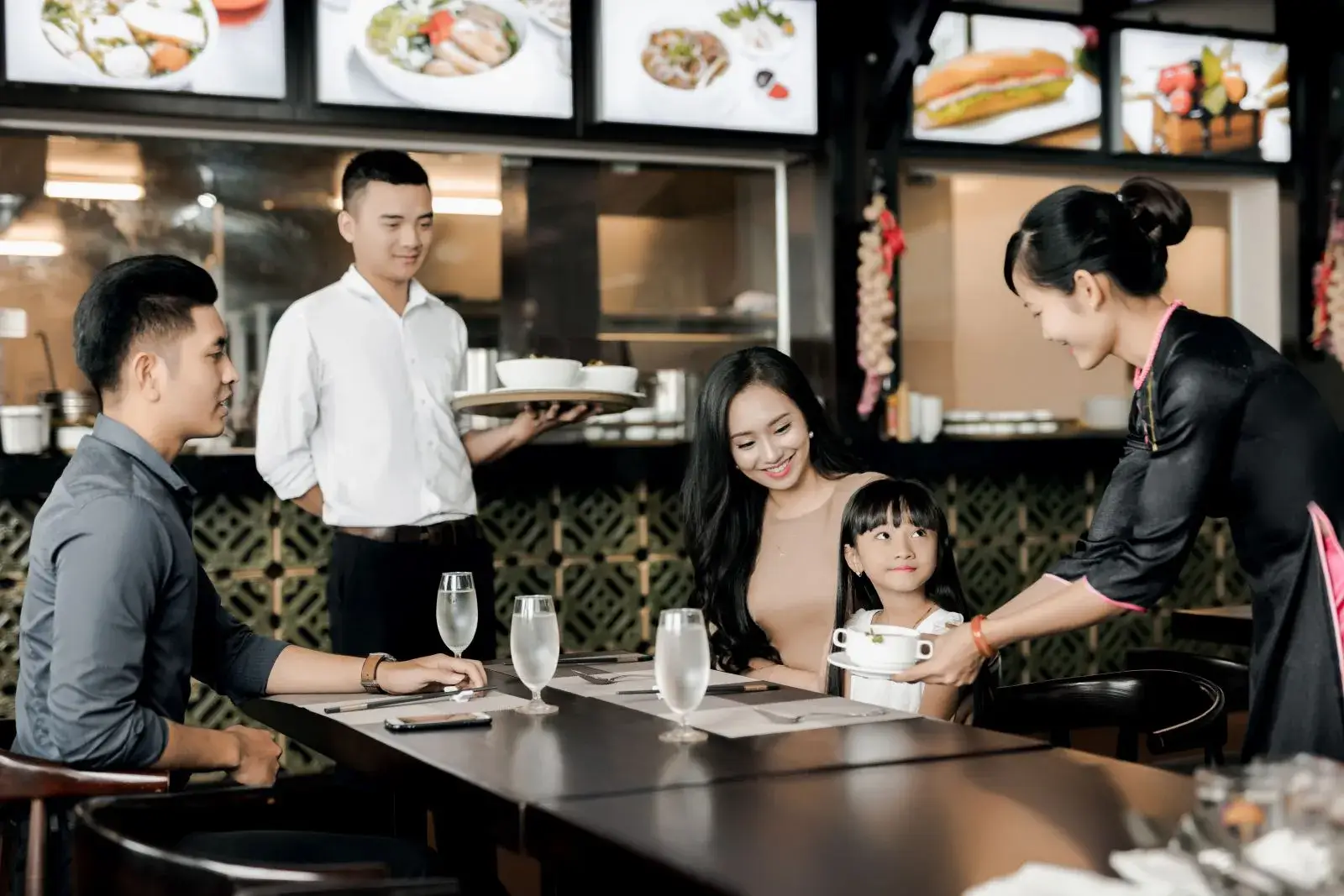
Polite greetings and respectful manners in daily Vietnamese interactions
Common Greetings and Polite Manners
In daily life, greetings in Vietnam are usually simple and understated, reflecting Vietnam culture for tourists that values humility over formality. A gentle smile, a slight nod, or a polite verbal greeting is often enough when meeting someone for the first time. Handshakes are common in urban settings, particularly in professional environments, while overly enthusiastic gestures may feel uncomfortable.
Basic manners such as saying thank you, waiting patiently, and acknowledging others with respectful body language are closely associated with Vietnamese greetings and manners. These small actions signal cultural awareness and help travelers blend more naturally into local social settings.
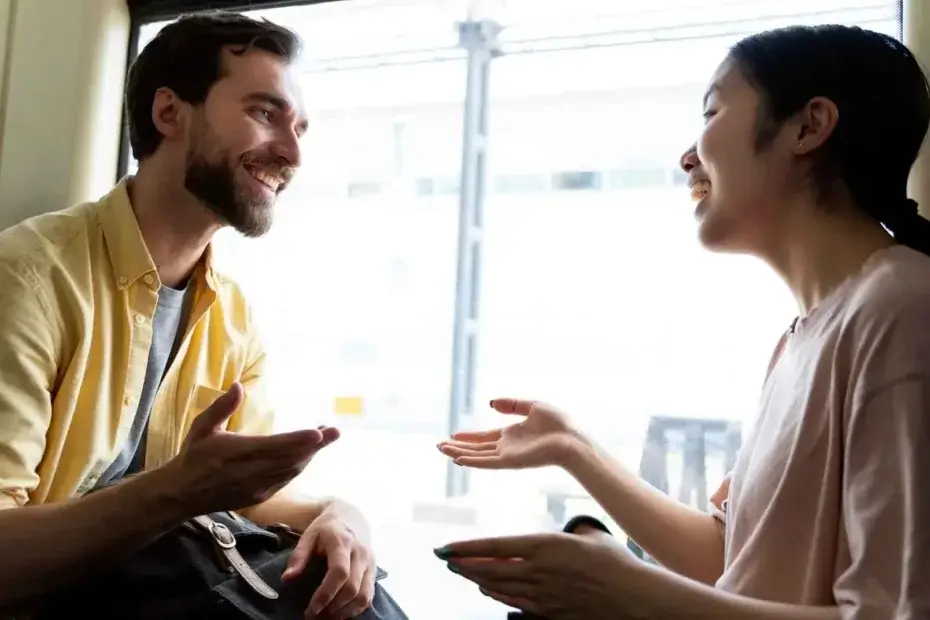
Simple daily greetings commonly used by people in Vietnam
The Concept of “Saving Face” in Social Interaction
The idea of “saving face” plays a quiet yet powerful role in Vietnam culture for tourists. Maintaining dignity, avoiding embarrassment, and preserving harmony are often prioritized over direct honesty. Public criticism, raised voices, or confrontational behavior may cause discomfort, even if unintended.
When misunderstandings arise, calm responses and respectful language are preferred. Showing sensitivity to emotions and social context demonstrates an understanding of Vietnam culture for tourists and helps maintain positive relationships. Travelers who adapt to this approach often find that interactions become more relaxed, cooperative, and mutually respectful.
Subtle body language and nonverbal communication in Vietnam
Respect for Elders and Strong Family Values
Respect for elders and close family ties form a social foundation that deeply influences Vietnam culture for tourists. Daily behavior, communication styles, and even decision-making are often shaped by age hierarchy and family-centered thinking. For visitors, recognizing these values helps explain many social interactions that may initially feel unfamiliar.
The Role of Elders in Vietnamese Society
Elders are traditionally regarded as sources of wisdom and guidance, and this respect is visible in everyday life. Within Vietnam culture for tourists, polite behavior toward older people is seen as a reflection of good character rather than a formal obligation. Speaking gently, allowing elders to lead conversations, and showing patience are subtle ways respect is expressed.
In public settings, younger people often defer to older individuals, whether by offering seats or giving priority. Travelers who demonstrate similar awareness are usually perceived as considerate and culturally sensitive, even without speaking the language.
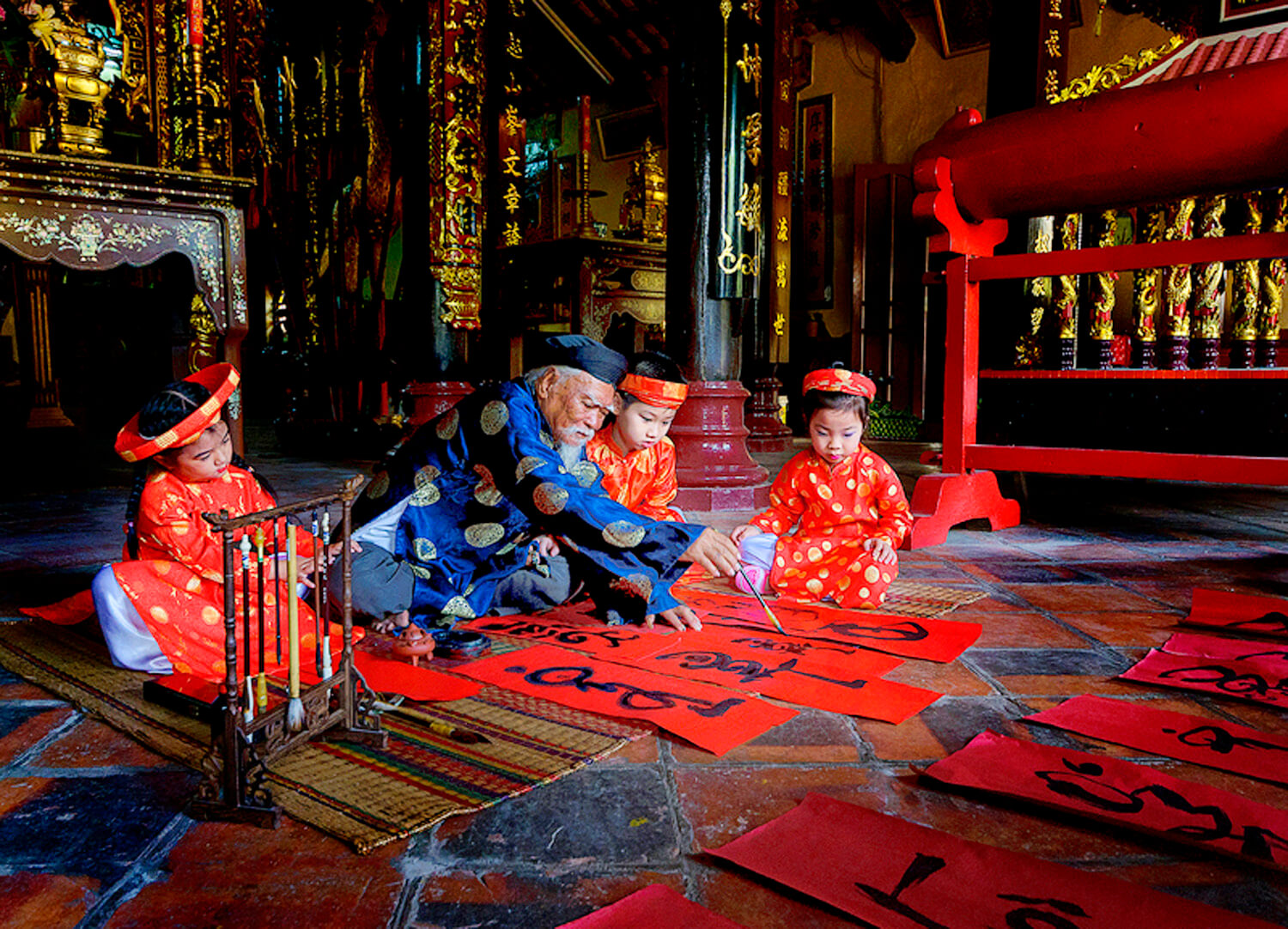
Elderly members playing an important role in Vietnamese family life
Family-Centered Thinking in Daily Life
Strong family bonds are another defining feature of Vietnam culture for tourists to understand. Families often span multiple generations, with members sharing responsibilities and maintaining close emotional ties. Personal choices, travel plans, and celebrations frequently revolve around family needs rather than individual preference.
This emphasis on collective well-being reflects deeply rooted Vietnamese family values, where harmony and mutual support are prioritized. Observing these dynamics offers visitors insight into why family gatherings, shared meals, and ancestral traditions hold such lasting importance in Vietnamese society.
In large cities such as Ho Chi Minh City, observing daily routines, social interactions, and urban movement offers valuable insight into Vietnam culture for tourists. Travelers who prefer learning through real-life experiences may find that a Ho Chi Minh City full-day tour provides a well-rounded introduction to the city’s lifestyle, history, and local culture.
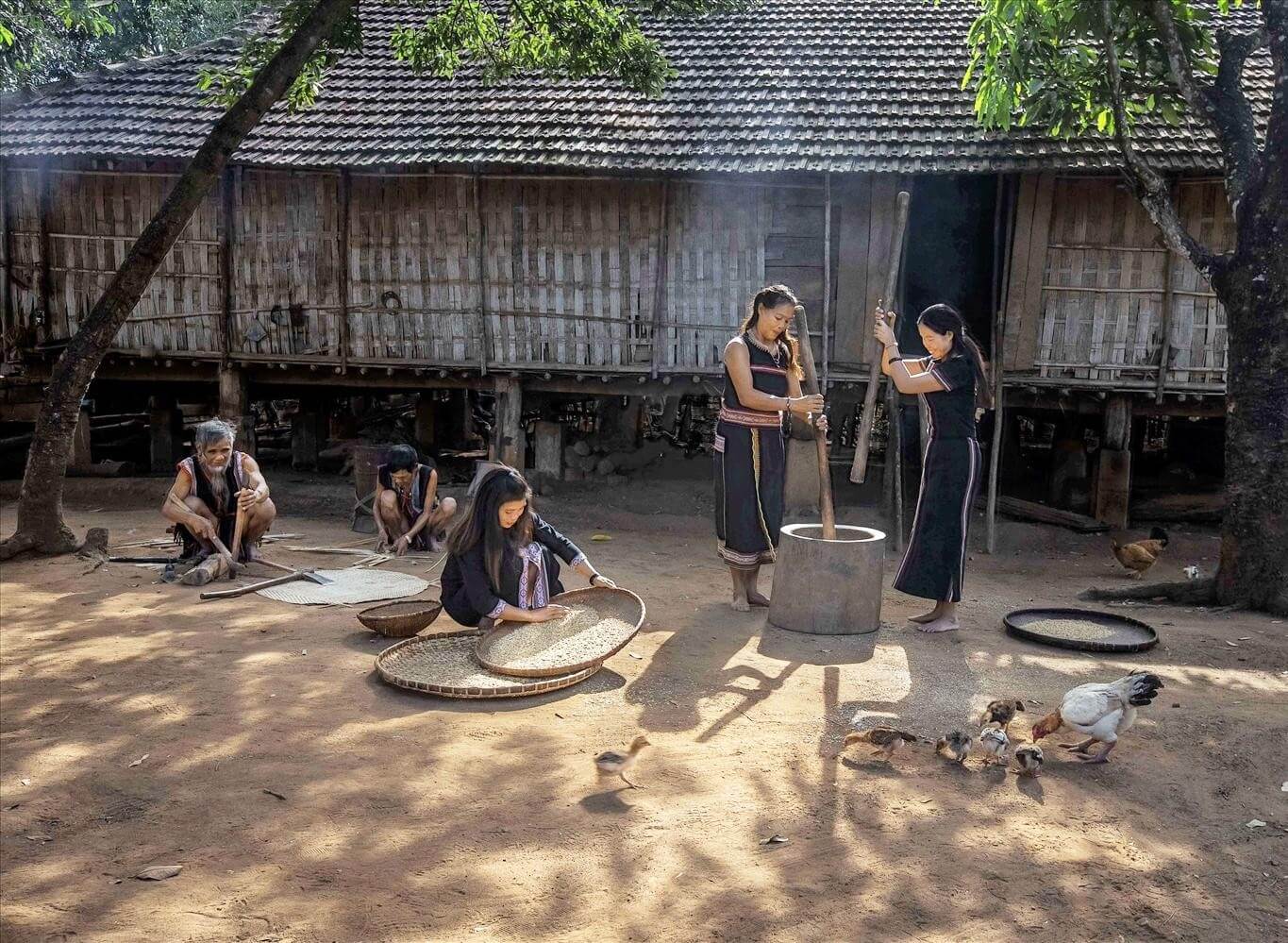
Traditional Vietnamese family structure centered around close relationships
Dress Modestly at Temples and Sacred Places
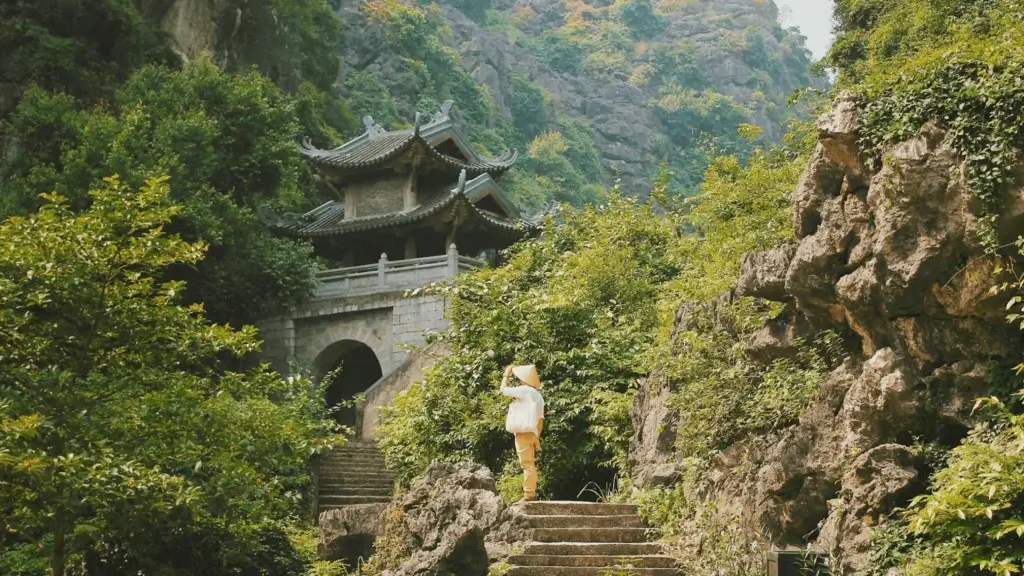
Sacred sites such as temples, pagodas, and communal shrines highlight an important side of Vietnam culture for tourists, where spiritual respect is closely tied to appearance and behavior. These places are not only historical landmarks but also active spaces of worship, making appropriate dress and conduct essential for visitors.
Appropriate Clothing Guidelines
Modest clothing is strongly associated with Vietnam culture for tourists when entering religious or spiritual locations. Shoulders and knees are expected to be covered, and outfits that are overly revealing may be viewed as disrespectful. Lightweight long sleeves, scarves, or loose-fitting clothing are practical choices that align with local expectations.
Dressing appropriately is not about strict enforcement but about showing cultural sensitivity. Travelers who make an effort to adapt their clothing often receive more welcoming attitudes and feel more comfortable within these sacred environments.
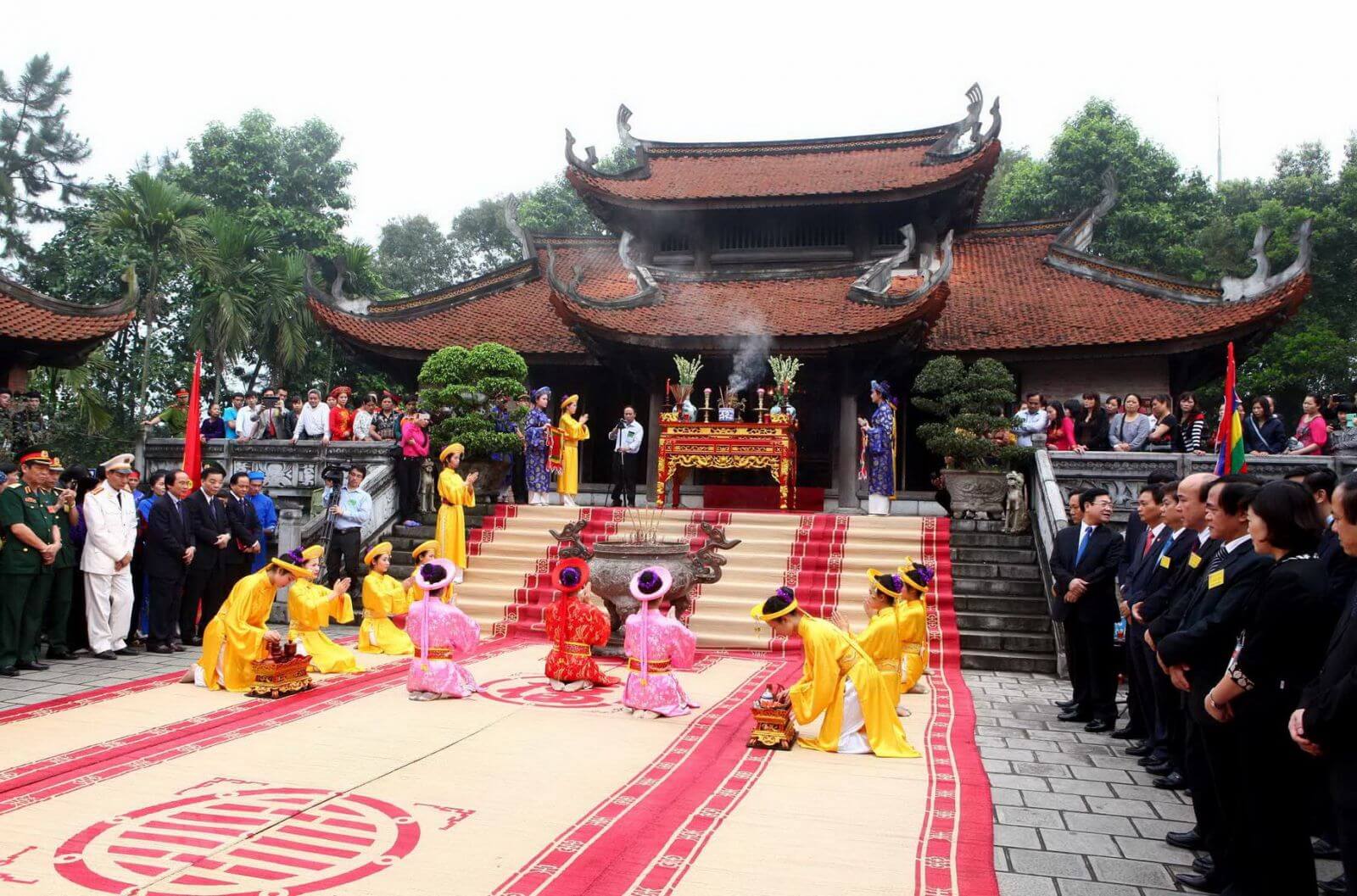
Appropriate attire for entering temples and sacred places in Vietnam
Behavior Rules at Spiritual Sites
Beyond clothing, behavior also reflects an understanding of Vietnam culture for tourists in sacred spaces. Speaking softly, moving calmly, and avoiding disruptive actions help preserve the peaceful atmosphere. Photography may be restricted in certain areas, particularly during ceremonies or moments of prayer.
Following Temple etiquette in Vietnam demonstrates respect for both religious traditions and the people who practice them. Visitors who observe these customs tend to experience spiritual sites not just as tourist attractions, but as meaningful cultural spaces within everyday Vietnamese life.
Vietnamese Food Culture and Dining Etiquette
Food plays a central role in daily life and offers valuable insight into Vietnam culture for tourists, especially through shared meals and social dining habits. Eating together is more than nourishment; it reflects connection, respect, and community. Understanding these customs helps visitors feel more comfortable when dining with locals.
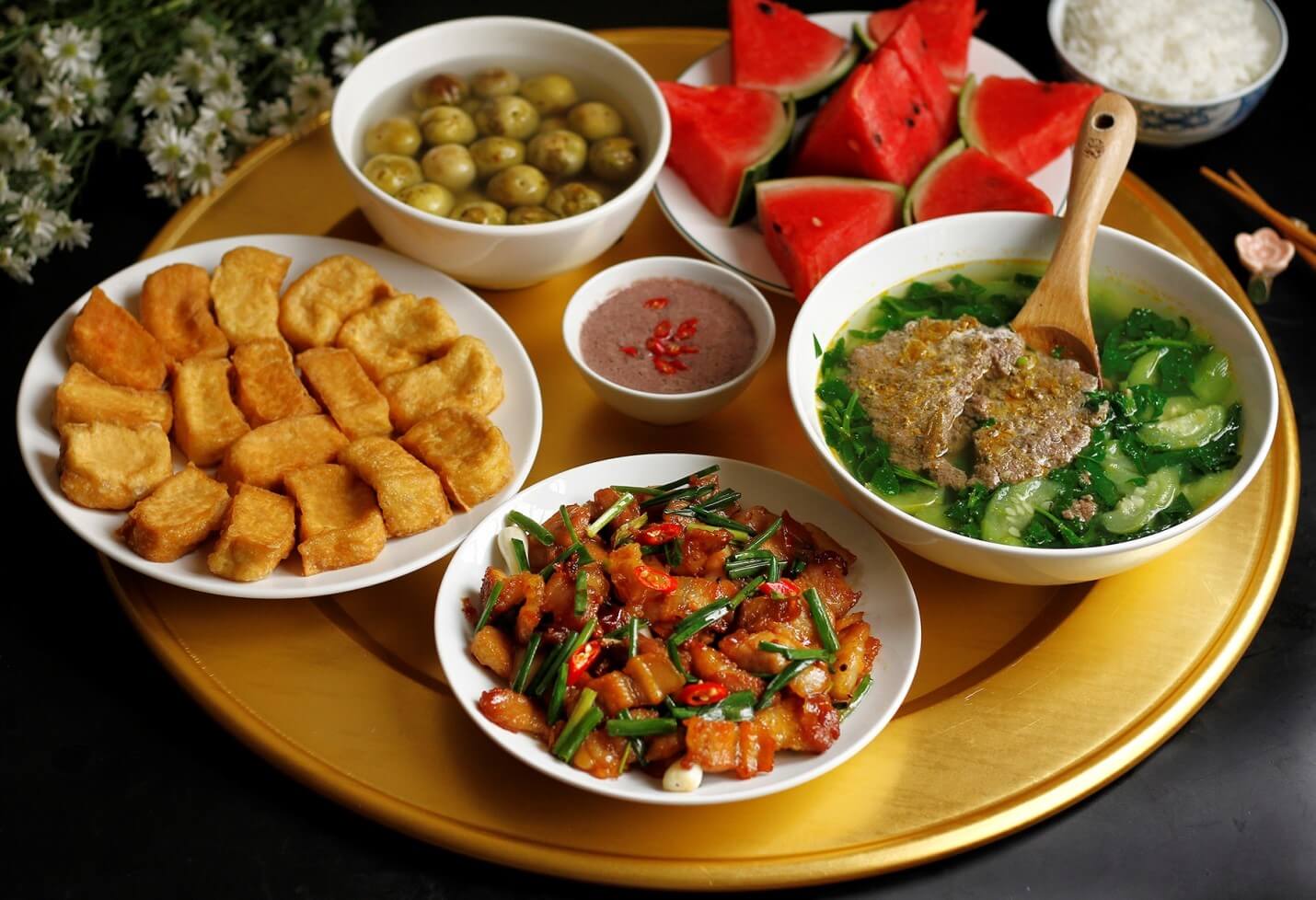
Traditional Vietnamese meal shared among family or friends
Shared Meals and Table Manners
Meals are commonly shared, with multiple dishes placed at the center of the table. This style of eating reflects Vietnam culture for tourists that emphasizes togetherness rather than individual portions. Waiting for others before starting, serving food to companions, and eating at a relaxed pace are considered polite gestures.
Table manners tend to be informal yet respectful. Reaching for shared dishes is normal, but being considerate of others is expected. Observing how locals interact during meals provides helpful cues and allows travelers to adapt naturally.
Chopsticks Etiquette and Dining Customs
Chopsticks are the primary dining utensils, and how they are used carries cultural meaning. Within Vietnam culture for tourists, placing chopsticks upright in a bowl of rice is avoided, as it resembles ritual offerings. Tapping chopsticks on bowls or pointing them at others may also be seen as impolite.
Respectful use of utensils reflects awareness of Vietnamese food culture and enhances dining experiences. Visitors who follow these subtle customs often find meals becoming moments of genuine cultural exchange rather than simple tourist activities.
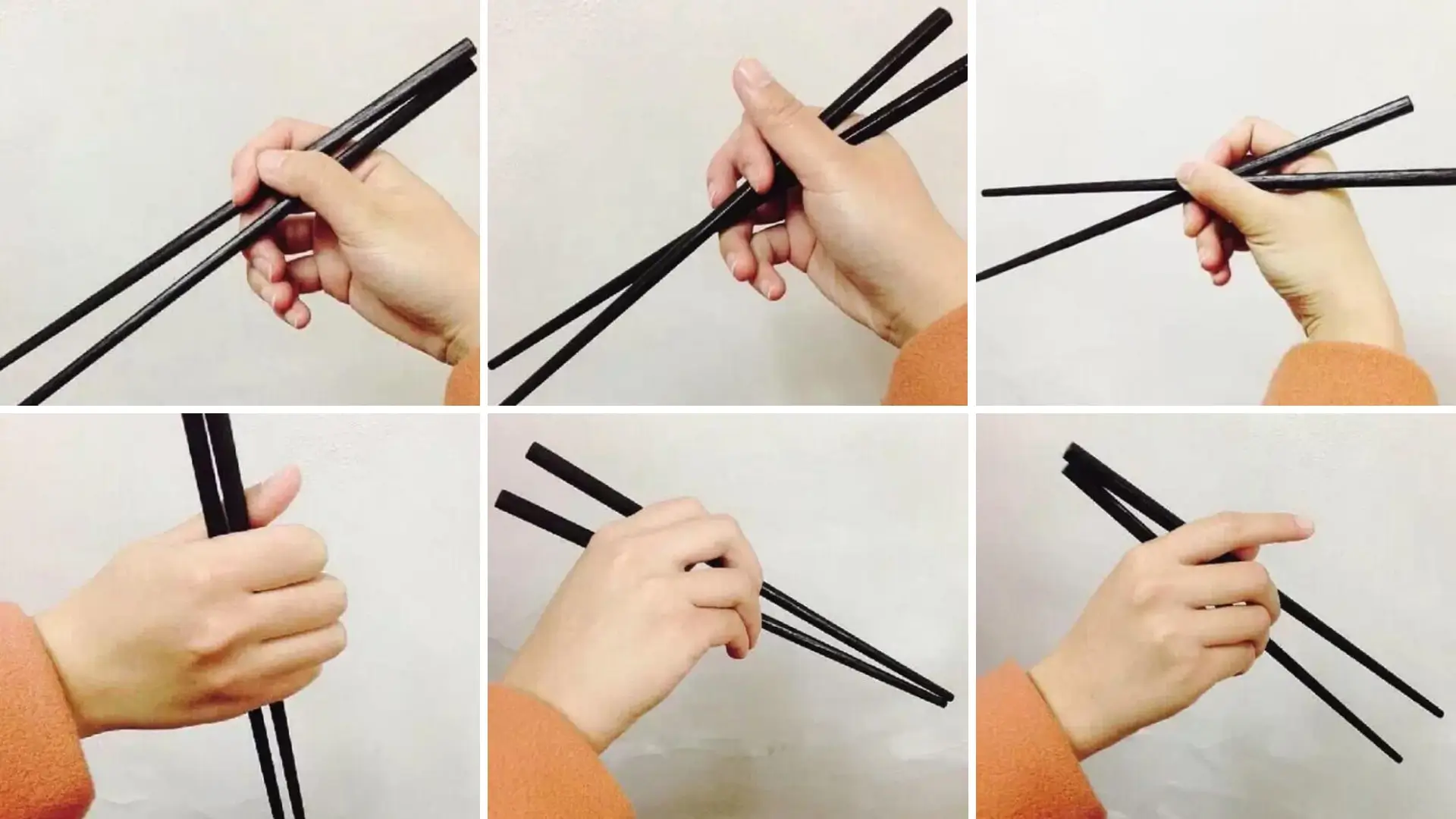
Proper use of chopsticks during a Vietnamese meal
Religion and Beliefs in Daily Vietnamese Life
Spiritual practices and personal beliefs quietly influence many aspects of daily routines, offering deeper insight into Vietnam culture for tourists beyond visible traditions. These beliefs are woven into homes, workplaces, and community spaces, shaping how people view luck, respect, and harmony in everyday life. Many everyday interactions are shaped by long-standing traditions, and gaining background knowledge about Vietnamese culture helps visitors better understand these subtle behaviors.
Buddhism and Ancestor Worship
Buddhism plays a significant role in shaping values such as compassion, patience, and balance, all of which are reflected in Vietnam culture for tourists. Many households also maintain ancestor altars, where offerings are made to honor family lineage and express gratitude. These practices highlight a deep respect for the past and a belief in spiritual continuity.
Temples are not only places of worship but also spaces for reflection and guidance. Visitors who observe quietly and show respect often gain a more meaningful understanding of how faith influences daily decision-making and moral values.
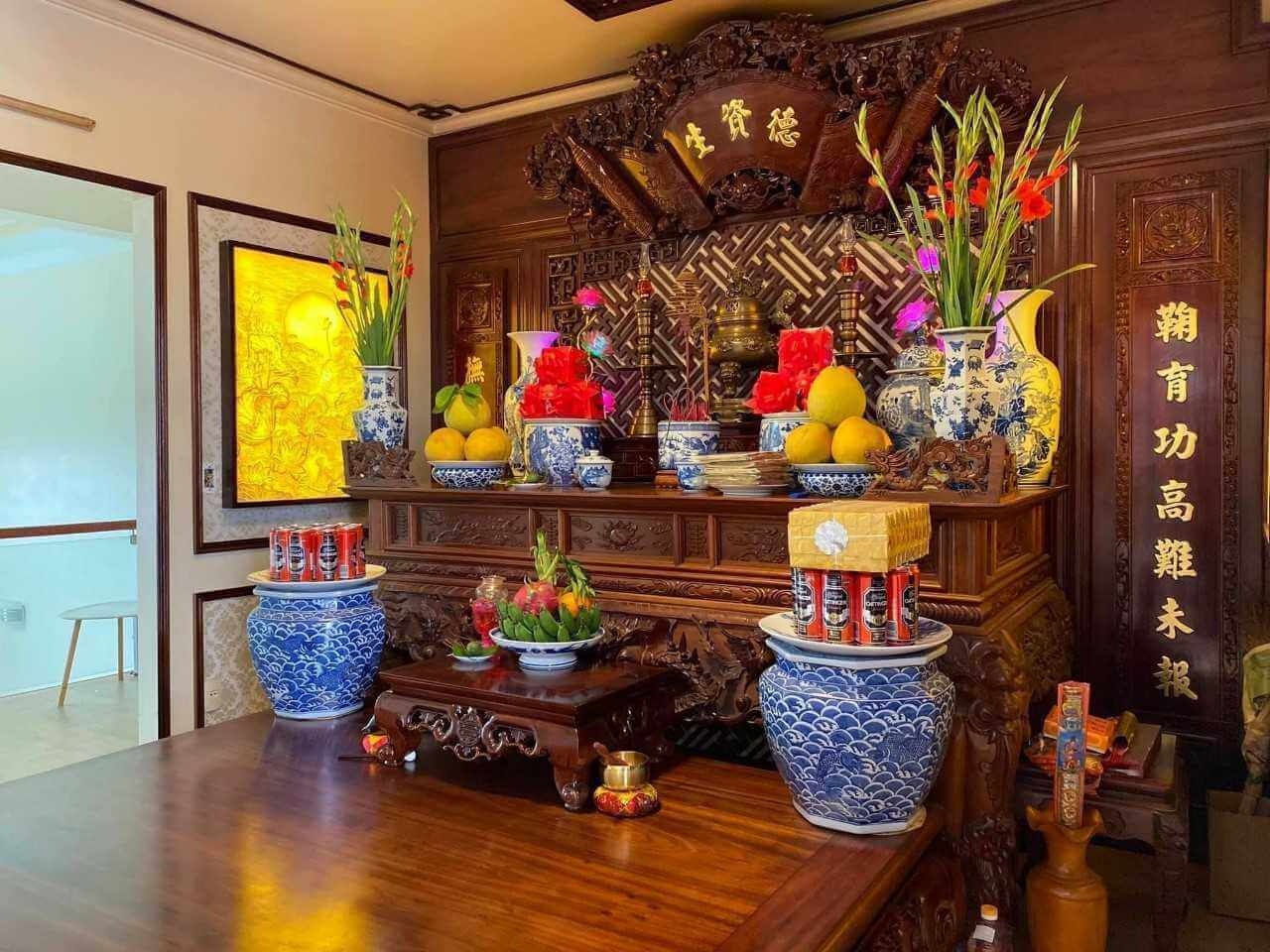
Ancestor worship altar representing traditional Vietnamese beliefs
Spiritual Beliefs and Everyday Practices
Beyond formal religion, everyday life is influenced by traditional beliefs related to fortune, timing, and personal destiny. Choosing auspicious dates, avoiding actions believed to bring bad luck, and visiting spiritual sites during important life moments are all part of Religion and beliefs in Vietnam.
These practices form a subtle yet important layer of Vietnam culture for tourists to recognize. Awareness of these beliefs helps visitors interpret local behaviors with sensitivity and appreciate the spiritual depth that exists alongside modern life.
Common Cultural Mistakes Tourists Make in Vietnam
Many misunderstandings during travel stem from small actions rather than serious offenses, yet these moments can strongly affect how visitors experience Vietnam culture for tourists. Being aware of common missteps helps travelers adjust quickly and engage with local communities in a more respectful and enjoyable way.
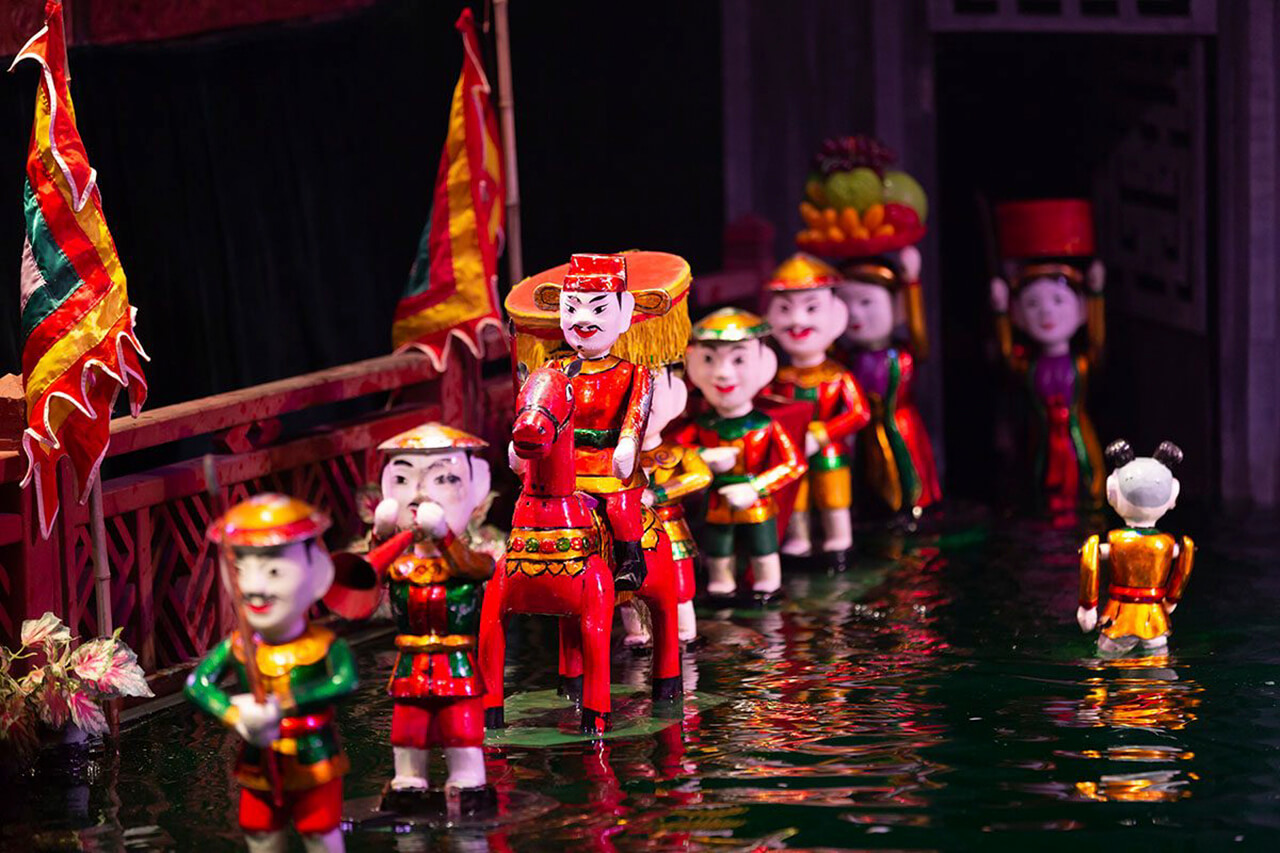
Travelers learning local customs to avoid cultural misunderstandings
Actions That May Cause Discomfort
Some behaviors may unintentionally create awkwardness within Vietnam culture for tourists. Touching someone’s head, raising one’s voice in frustration, or displaying impatience in public spaces can be perceived negatively. Religious sites and family homes also require a higher level of sensitivity, where casual behavior common elsewhere may feel inappropriate.
Ignoring social hierarchy or showing excessive directness in conversation can also lead to discomfort. These situations often arise from cultural differences rather than ill intent, but awareness allows travelers to respond more thoughtfully.
How to Avoid Cultural Misunderstandings
Avoiding Cultural mistakes tourists make in Vietnam starts with observation and adaptability. Watching how locals behave, adjusting tone and body language, and responding calmly to unexpected situations help travelers align more closely with Vietnam culture for tourists.
Mistakes are rarely judged harshly when visitors show genuine respect and willingness to learn. Approaching cultural differences with curiosity rather than assumption allows travelers to turn potential misunderstandings into meaningful learning experiences and positive connections.
Cultural awareness enhances every experience, but practical preparation matters just as much. For a deeper overview of destinations, transport, and travel planning, refer to our complete Vietnam travel guide.
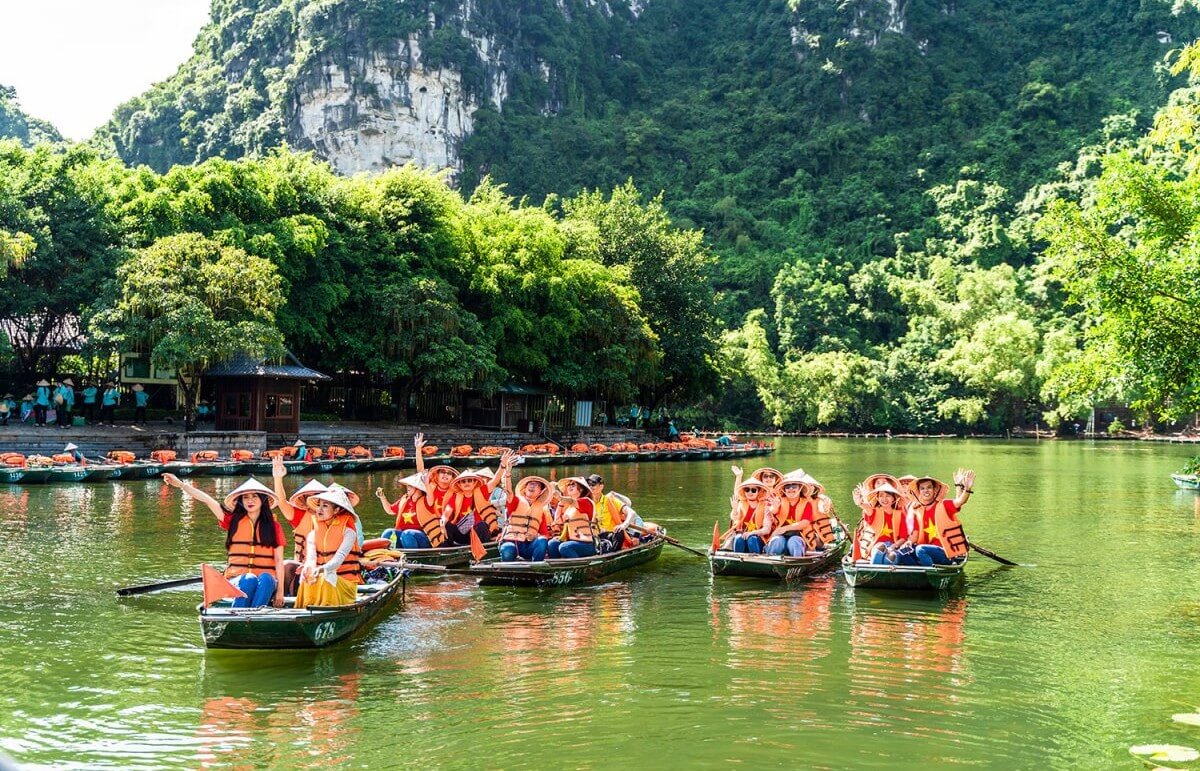
Vietnam culture for tourists
Conclusion
Traveling through Vietnam becomes far more meaningful when visitors take time to understand the cultural values that shape everyday life. From social etiquette and family-centered traditions to spiritual beliefs and respectful behavior, these insights allow travelers to move beyond surface-level experiences. Learning Vietnam culture for tourists is not about memorizing rules, but about approaching each interaction with awareness, patience, and respect. When visitors embrace these cultural principles, journeys become richer, connections feel more genuine, and memories last well beyond the trip itself.
For travelers who want to experience Vietnam with cultural depth and local insight, Best Vietnam Tours offers thoughtfully designed journeys that go beyond sightseeing. Explore Vietnam with confidence, respect, and authenticity by choosing travel experiences that honor local culture and connect you more closely with the people and places you visit.