Traveling to Vietnam for the first time can be both exciting and overwhelming, especially when cultural norms and daily habits differ greatly from what you are used to. Understanding Vietnam travel dos and don’ts helps first-time visitors avoid awkward situations, travel more confidently, and connect more meaningfully with local people. As a destination rich in history, traditions, and regional diversity, Vietnam rewards travelers who take time to learn before they arrive. Resources like Best Vietnam Tour provide valuable insights into destinations, travel styles, and local experiences, helping international travelers prepare for a smoother and more enjoyable journey across the country.

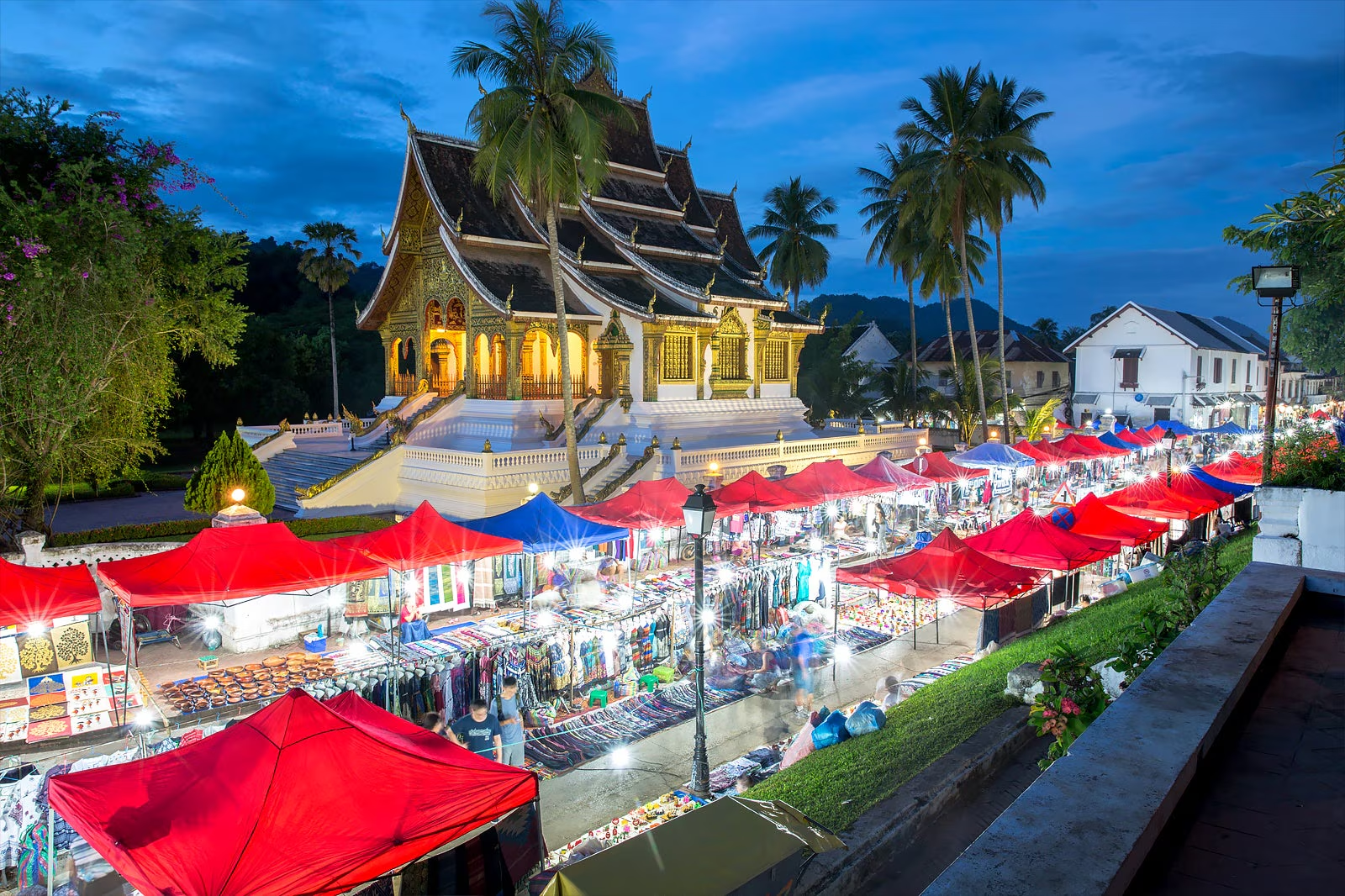
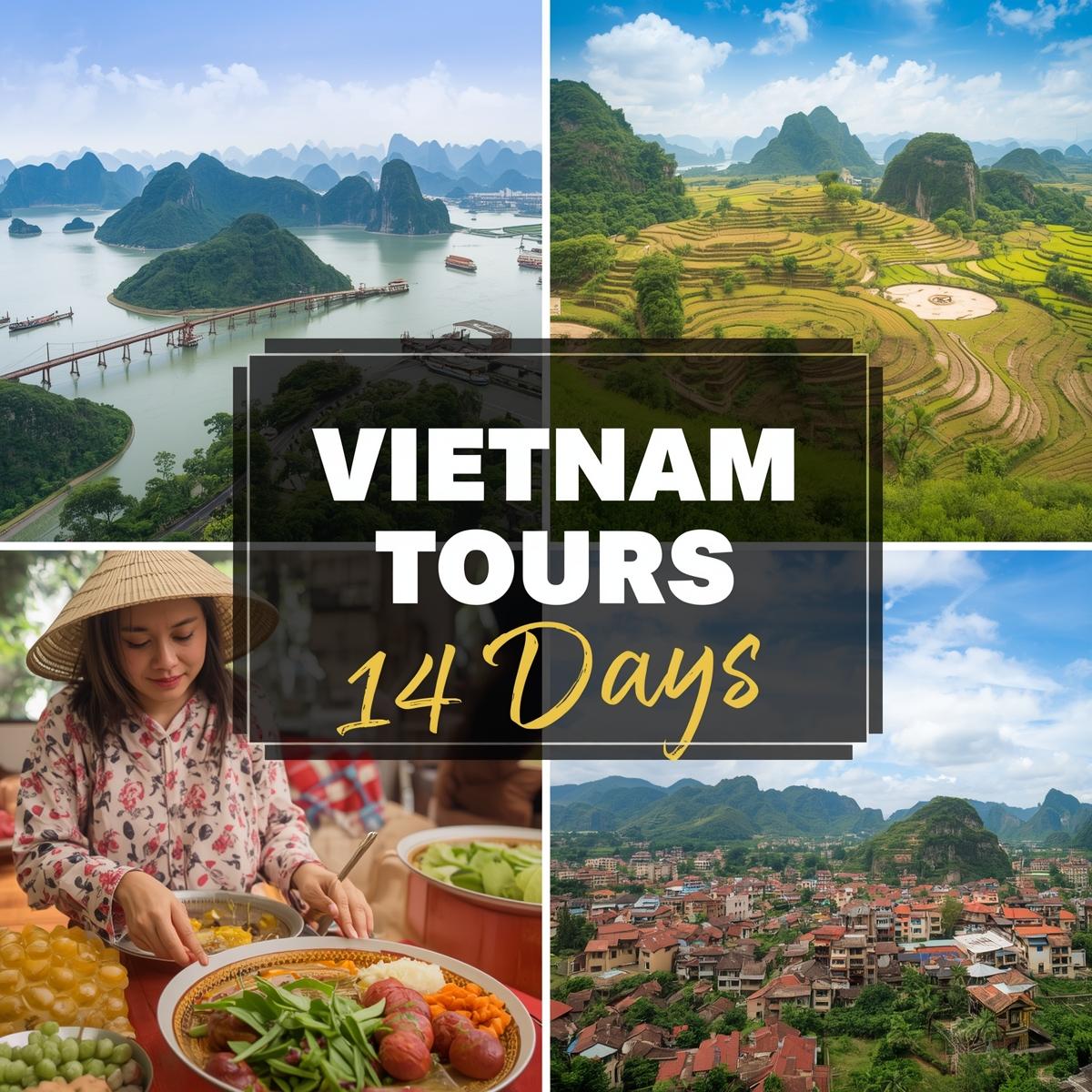
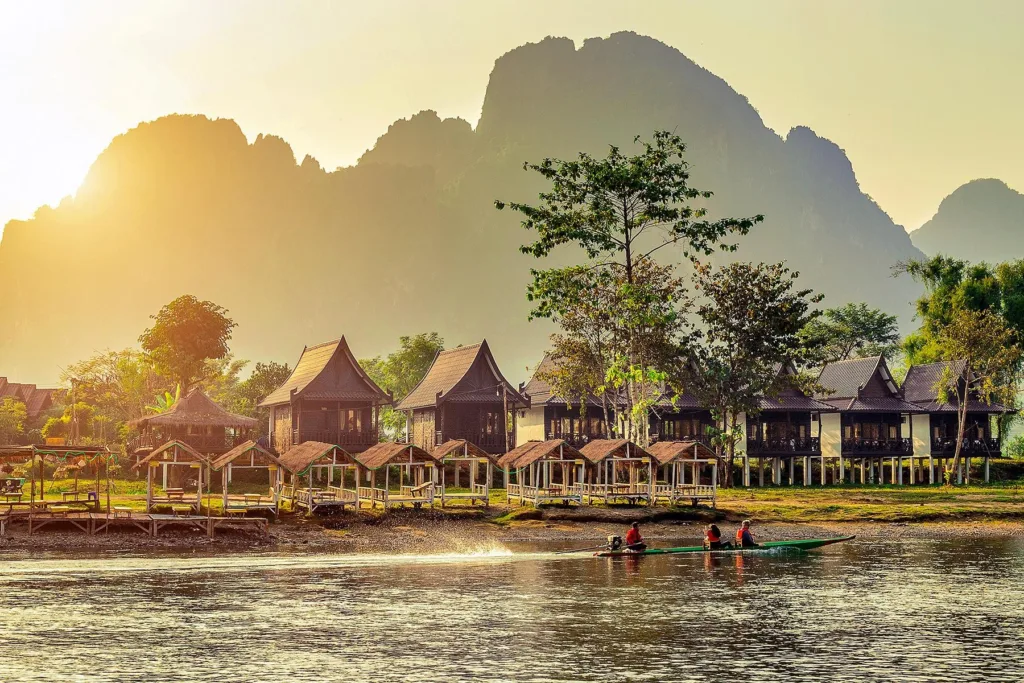
Scenic overview of Vietnam showing natural landscapes and urban life
Essential Vietnam Travel Dos
Learn Basic Greetings and Polite Expressions
One of the most practical and respectful steps among the essential Vietnam travel dos and don’ts is learning a few basic Vietnamese greetings before arriving. Simple phrases such as “xin chào” (hello), “cảm ơn” (thank you), and “xin lỗi” (sorry) can significantly improve daily interactions, whether you are ordering food, asking for directions, or greeting hotel staff.
While English is increasingly common in tourist areas, many locals feel more comfortable when visitors make even a small effort to speak their language. This approach helps break down cultural barriers and sets a positive tone for your entire journey. For travelers looking to prepare more thoroughly before arriving, detailed Vietnam travel tips can help clarify expectations around transportation, daily routines, and cultural differences across regions.
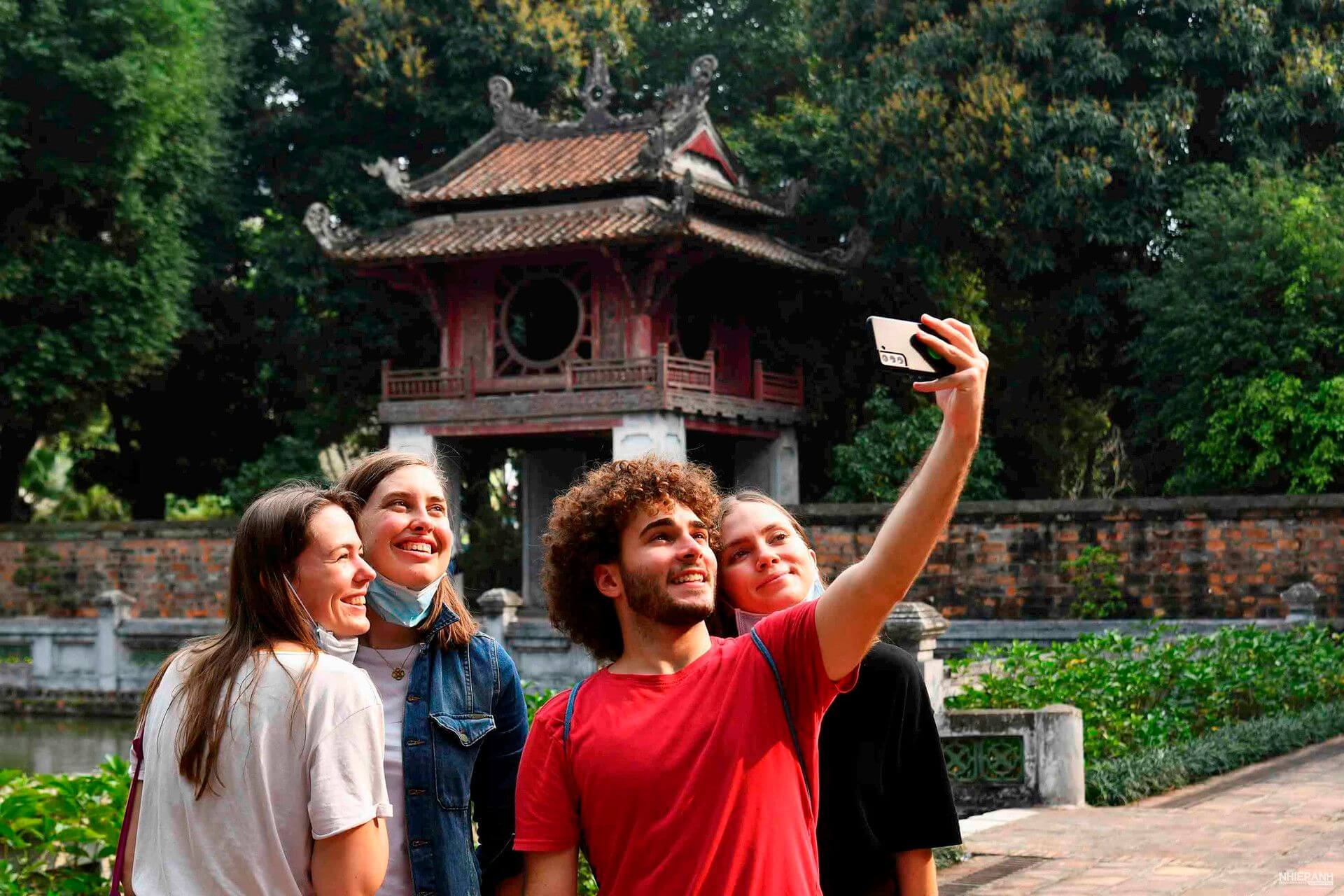
Tourists greeting locals politely in Vietnam
Explore Local Cuisine with Cultural Awareness
Food plays an important social role in Vietnam, and knowing how to approach meals correctly is an often-overlooked part of Vietnam travel dos and don’ts. Meals are typically shared, and it is polite to wait until everyone is served before eating. Using chopsticks properly and avoiding actions considered impolite at the table helps travelers feel more comfortable in local settings.
Learning about Vietnam food etiquette for tourists allows first-time visitors to enjoy street food stalls, family-run restaurants, and traditional meals without cultural discomfort, while fully appreciating Vietnam’s rich culinary heritage. Travelers who prefer a broader overview before diving into details may find a comprehensive Vietnam travel guide helpful for understanding destinations, travel routes, and regional differences.
Respect Local Culture and Everyday Etiquette
Understanding how people behave in public and private spaces is central to following proper Vietnam travel dos and don’ts. Vietnamese culture values humility, respect for elders, and maintaining social harmony. Visitors should dress modestly when entering temples or family homes, speak calmly in public spaces, and observe how locals behave in similar situations. Being mindful of Vietnam cultural etiquette not only prevents unintentional offense but also demonstrates genuine respect for the traditions that shape daily life across different regions of the country.
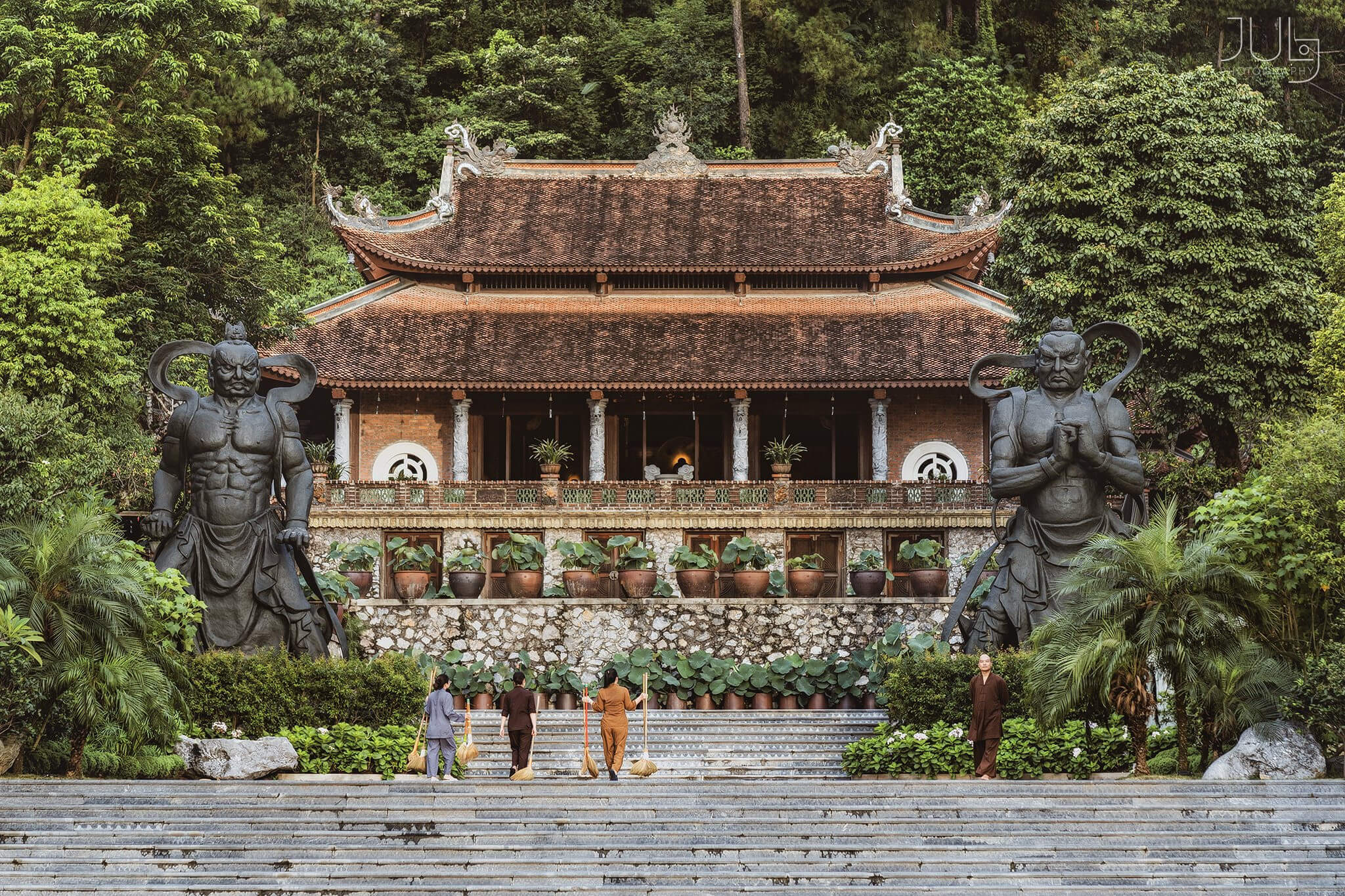
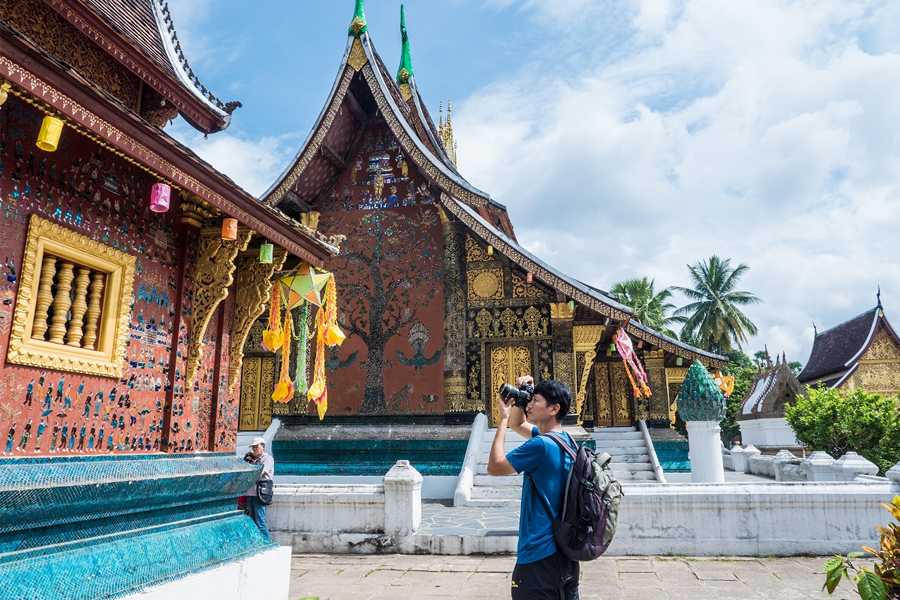
Traditional Buddhist temple in Vietnam
Travel with an Open Mind and Flexible Attitude
Perhaps the most important mindset-related rule in Vietnam travel dos and don’ts is learning to adapt. Vietnam operates at its own rhythm, and travelers may encounter busy traffic, flexible schedules, or communication differences. Instead of comparing everything to home, approaching each experience with patience and curiosity leads to deeper cultural understanding.
Many seasoned travelers emphasize that flexibility is one of the most valuable Vietnam travel tips for first-time visitors, allowing them to enjoy the country’s charm rather than feel frustrated by its differences. Choosing well-planned Vietnam holiday packages allows first-time visitors to focus on cultural discovery and local experiences without worrying about logistics or common travel challenges.
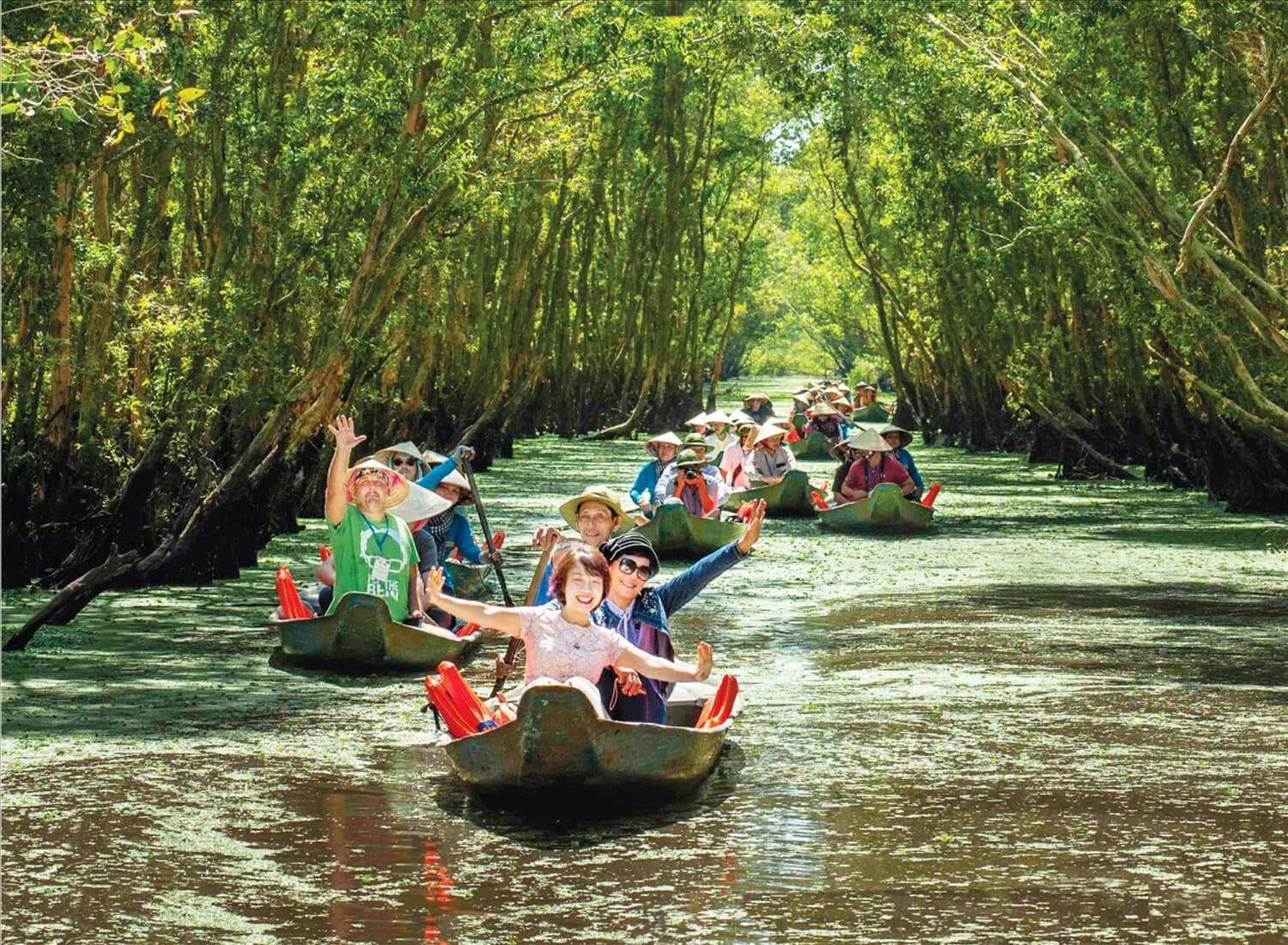
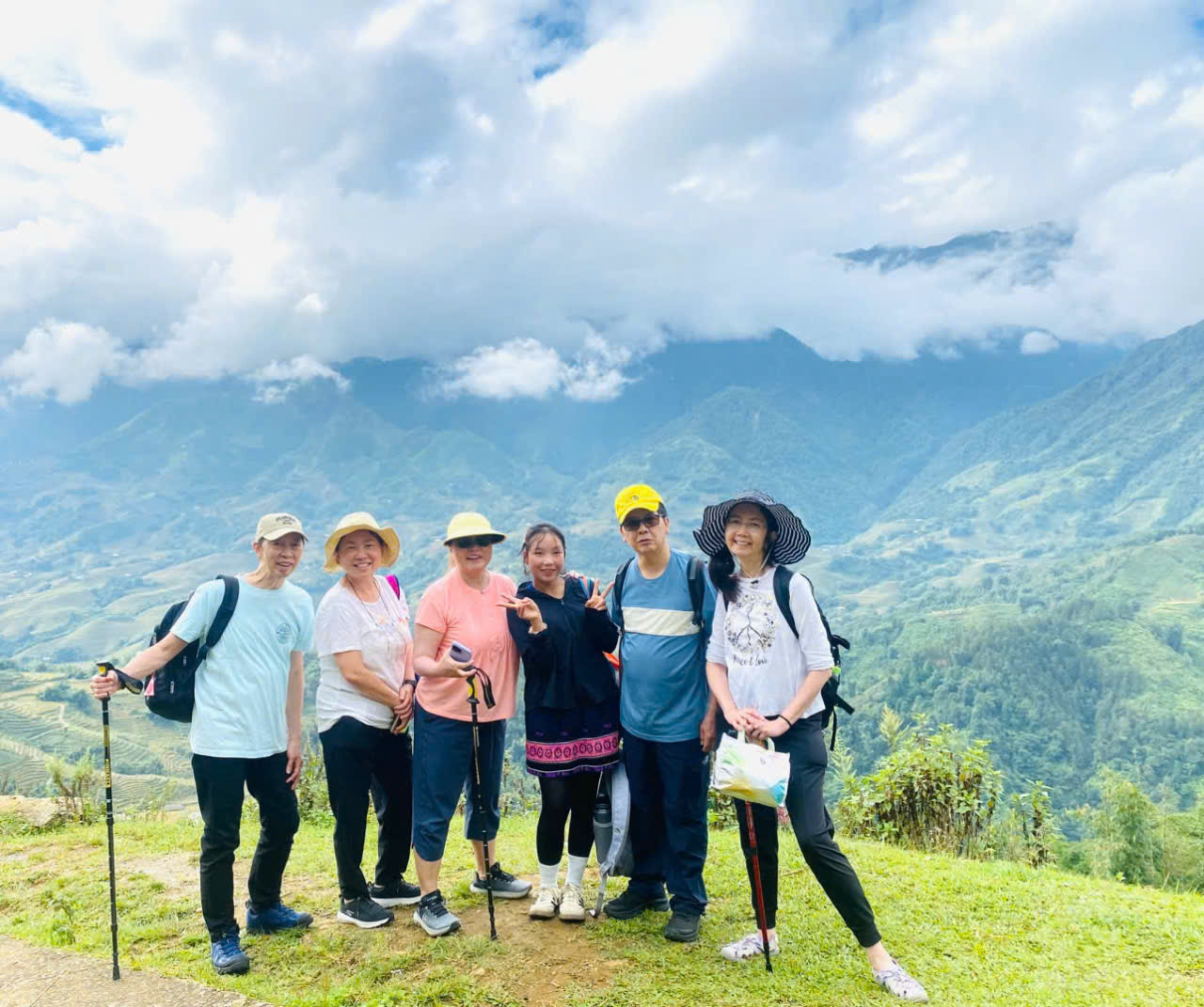
Travelers exploring rural Vietnam with a guided tour
Carry Cash and Manage Money Thoughtfully
Among the most practical Vietnam travel dos and don’ts, managing money wisely is essential. Although credit cards and mobile payments are accepted in hotels and upscale restaurants, cash remains the primary method of payment in local markets, small eateries, and rural areas. Carrying small denominations makes transactions smoother and avoids unnecessary complications. Knowing when polite negotiation is appropriate is also useful and is considered one of the key things to do in Vietnam for tourists who want to interact confidently with local vendors.
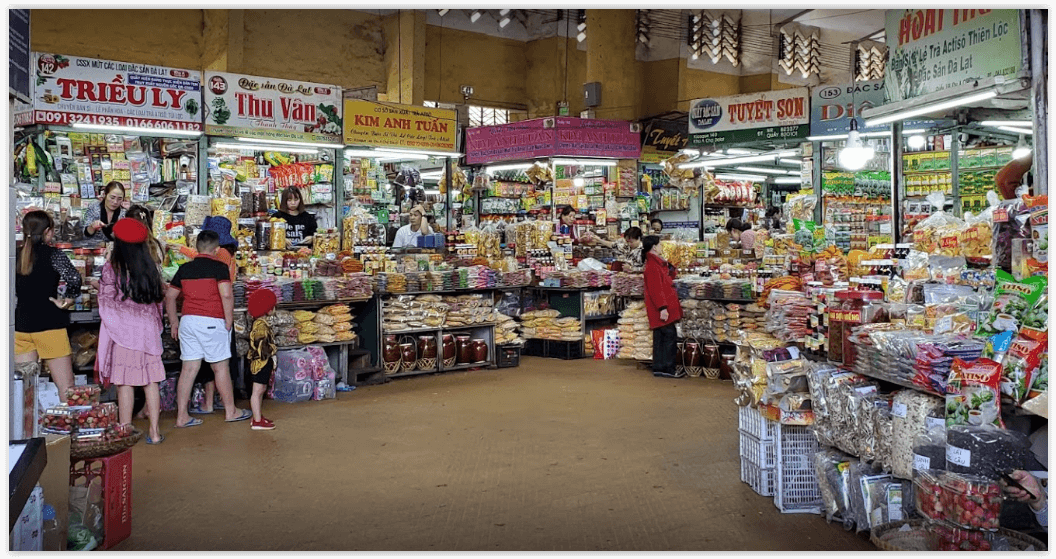
Local market in Vietnam where cash payments are common
Important Vietnam Travel Don’ts
Don’t Disrespect Religious and Sacred Places
One of the most sensitive aspects of Vietnam travel dos and don’ts involves behavior at temples, pagodas, and religious landmarks. These locations are not simply tourist stops but active spiritual spaces for local communities. As part of essential Vietnam travel dos and don’ts, visitors should dress modestly, keep their voices low, and behave respectfully within sacred areas. Actions that may seem casual elsewhere can be considered inappropriate in religious settings, making cultural awareness especially important.
Another key point in Vietnam travel don’ts concerns photography and physical interaction at religious sites. Taking photos during worship or touching sacred objects without permission should be avoided. By understanding and respecting Vietnam local customs and traditions, travelers can prevent unintentional offense while gaining a deeper appreciation of the country’s spiritual life. Following these Vietnam travel dos and don’ts helps first-time visitors experience Vietnam more thoughtfully and respectfully.
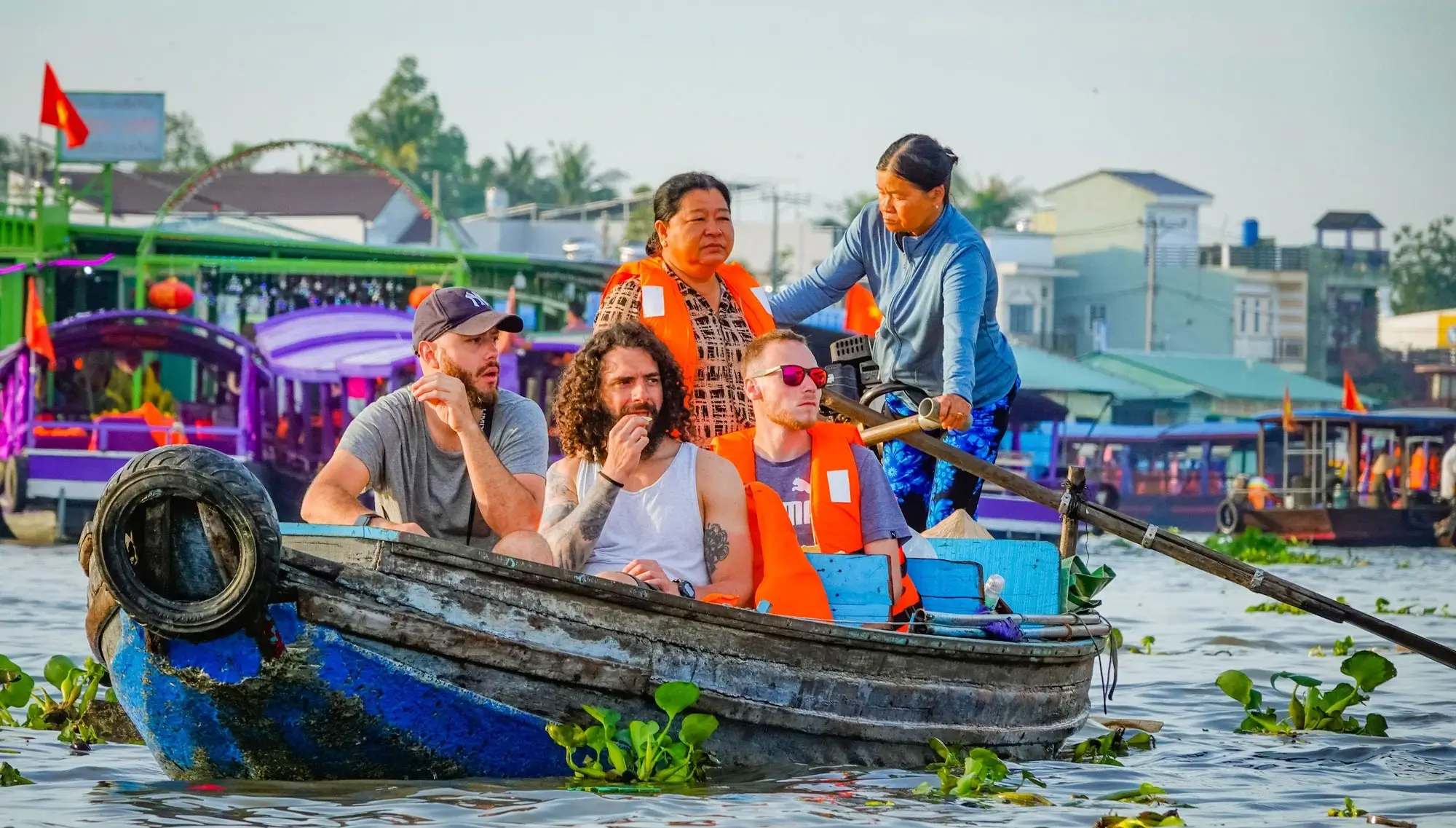
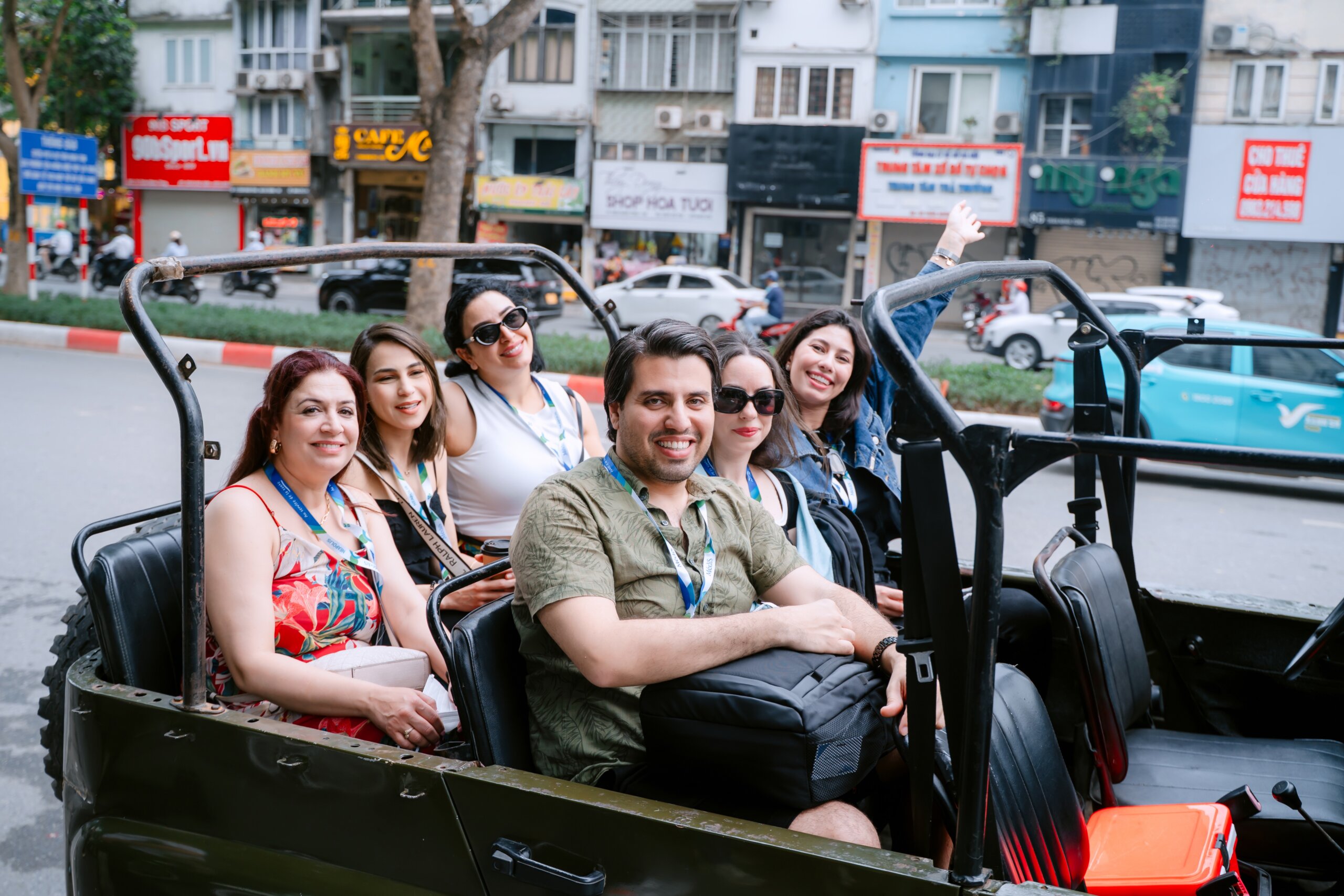
Happy travelers enjoying a well-planned Vietnam trip
Don’t Lose Your Temper or Cause Public Confrontations
Maintaining calm and emotional control is an essential but often overlooked rule in Vietnam travel dos and don’ts. Vietnamese culture values harmony and indirect communication, and public arguments or displays of anger are generally frowned upon. If a misunderstanding occurs, staying polite and patient is far more effective than raising your voice. Travelers who ignore this social norm may find situations escalating unnecessarily, even over small issues that could otherwise be resolved peacefully.
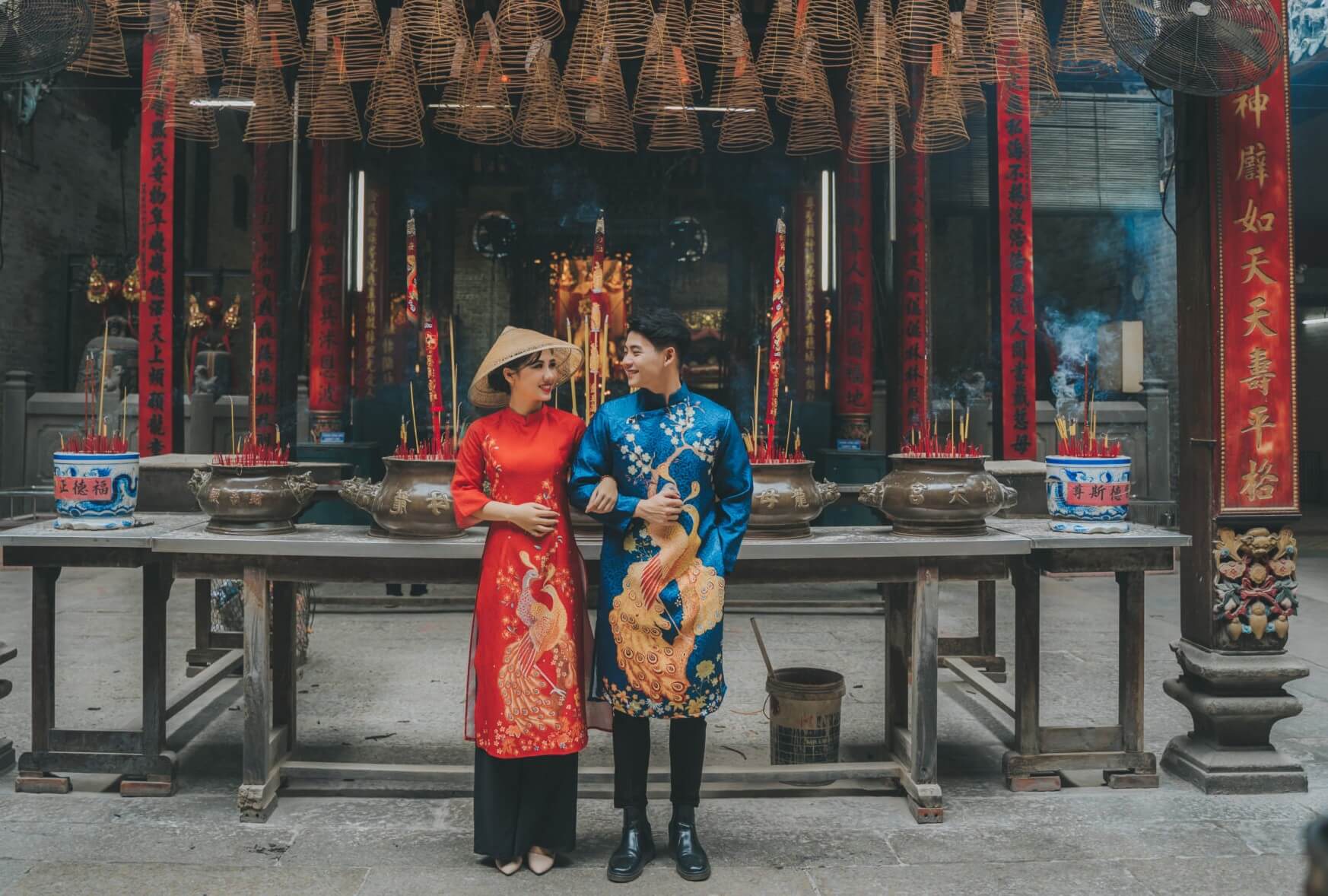
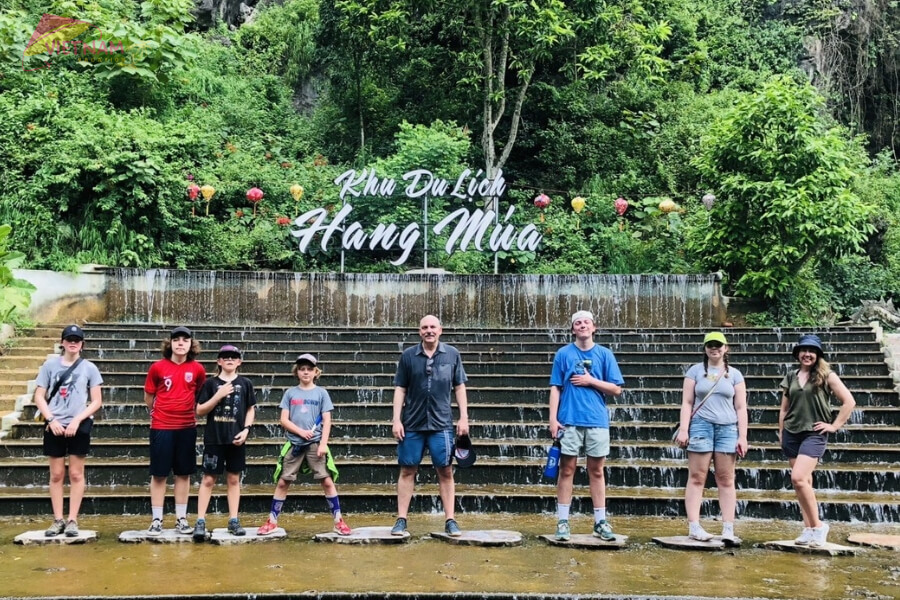
Tourists behaving respectfully at religious sites in Vietnam
Don’t Drink Tap Water or Ignore Basic Health Precautions
Health-related awareness is a practical part of Vietnam travel dos and don’ts, particularly for first-time visitors. Tap water in Vietnam is not considered safe for drinking, and travelers should rely on bottled or filtered water instead. Ice from reputable restaurants is usually safe, but caution is advised in smaller establishments. Paying attention to food hygiene, hydration, and personal well-being aligns closely with Vietnam safety tips for travelers, helping reduce common health issues during the trip.
Don’t Underestimate Traffic and Road Conditions
Traffic in Vietnam can be overwhelming for newcomers and is a frequent source of stress for first-time visitors. One of the most critical Vietnam travel dos and don’ts is never assuming traffic rules function the same way as in Western countries. Pedestrians should cross streets slowly and predictably, allowing vehicles to flow around them. Renting motorbikes without experience or proper understanding of local traffic patterns can be risky and is strongly discouraged.
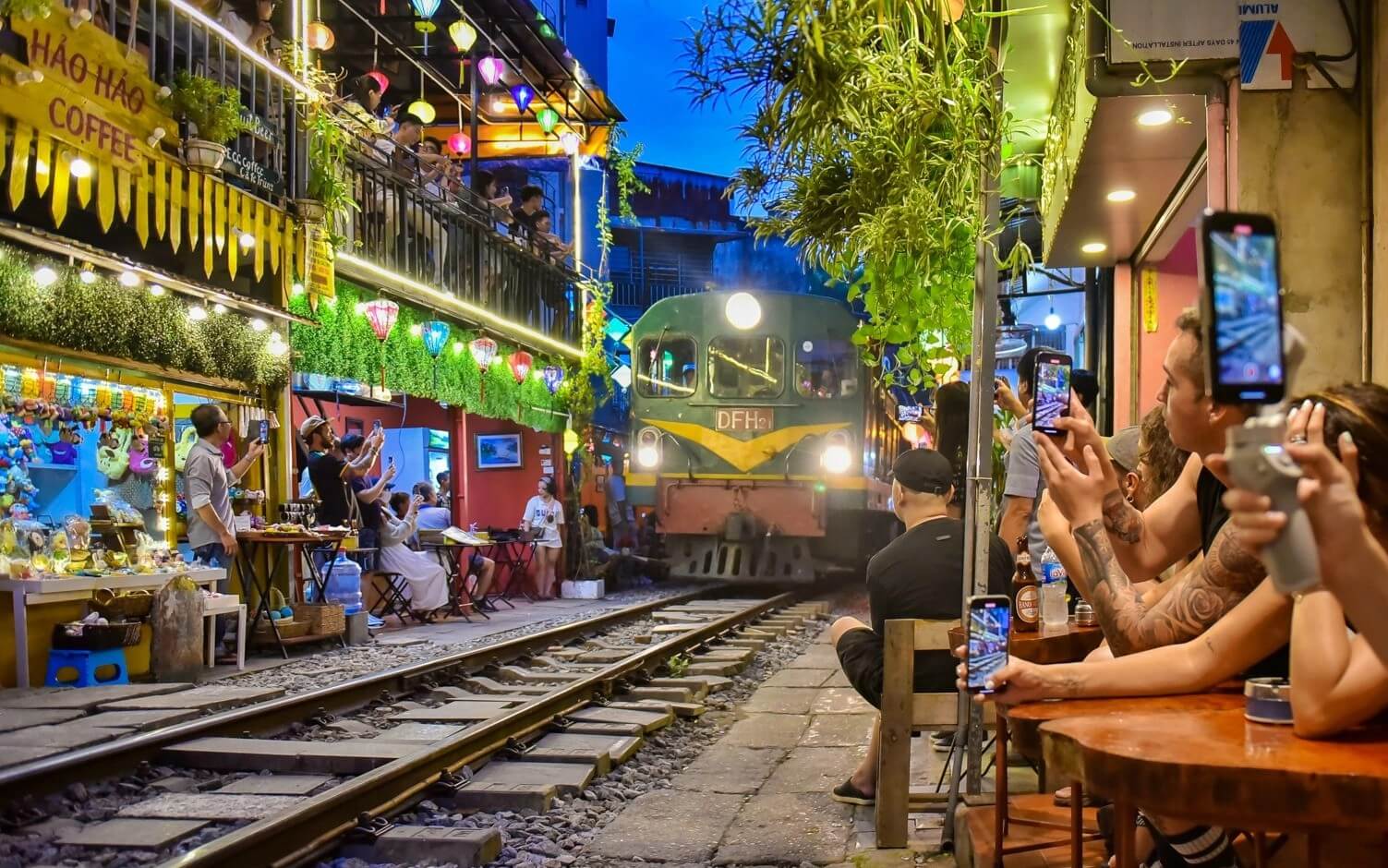
Café in Vietnam offering public Wi-Fi for travelers
Don’t Ignore Cultural Differences in Daily Interactions
Everyday interactions reflect deeper cultural values, making this an important area within Vietnam travel dos and don’ts. Small gestures, such as pointing with your finger, touching someone’s head, or handing items with one hand, may carry different meanings in Vietnam. Being mindful of dos and don’ts in Vietnam culture allows travelers to navigate social situations more smoothly and show respect without needing to fully master local customs.
Don’t Assume Bargaining or Pricing Is Always Unfair
Pricing practices can vary widely depending on location, season, and context. One of the misunderstood aspects of Vietnam travel dos and don’ts is assuming that higher prices always indicate dishonesty. While bargaining is common in markets, fixed prices are standard in shops, cafes, and supermarkets. Learning things not to do in Vietnam includes recognizing when negotiation is appropriate and when it may be considered impolite or unnecessary.
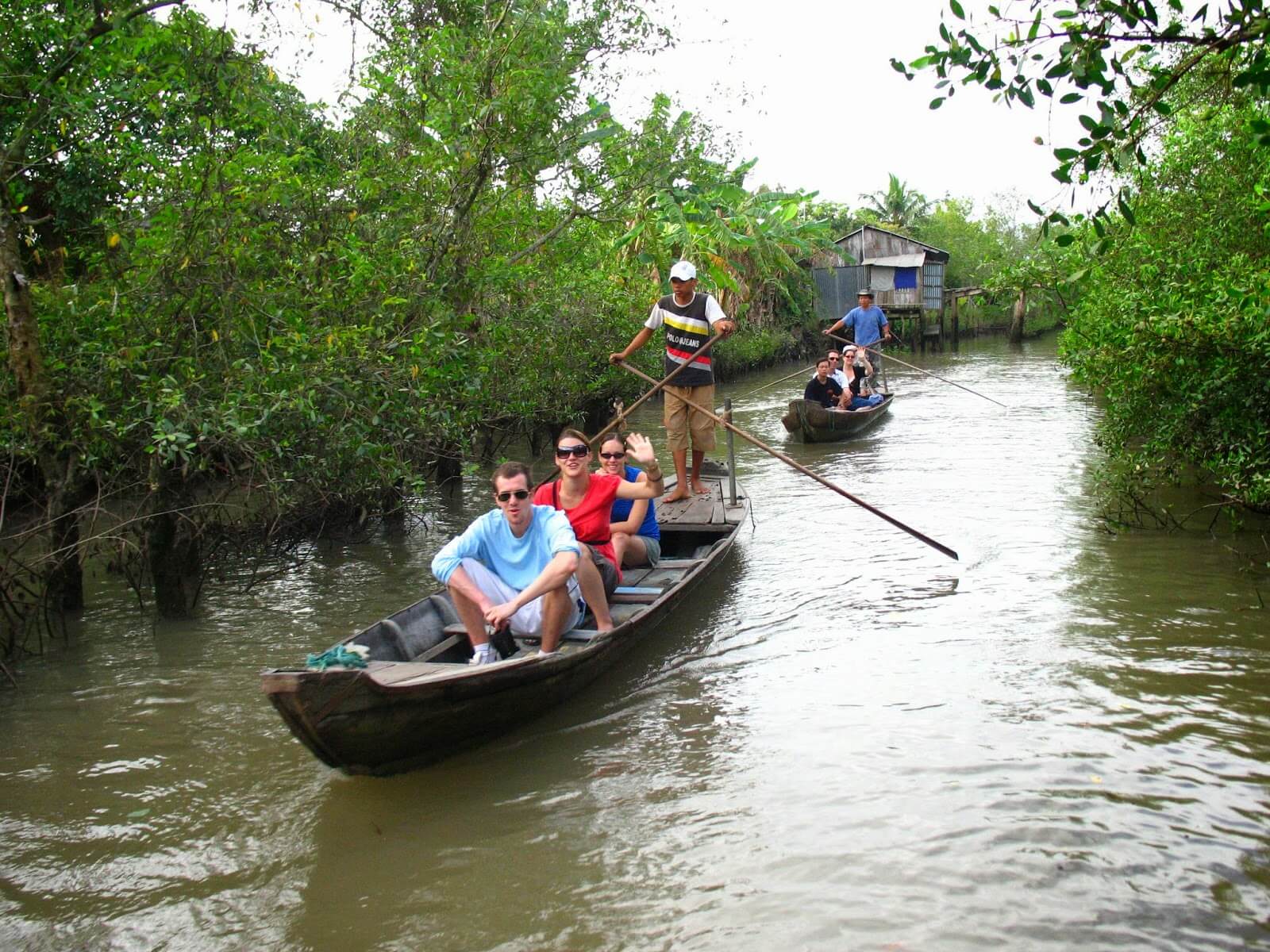
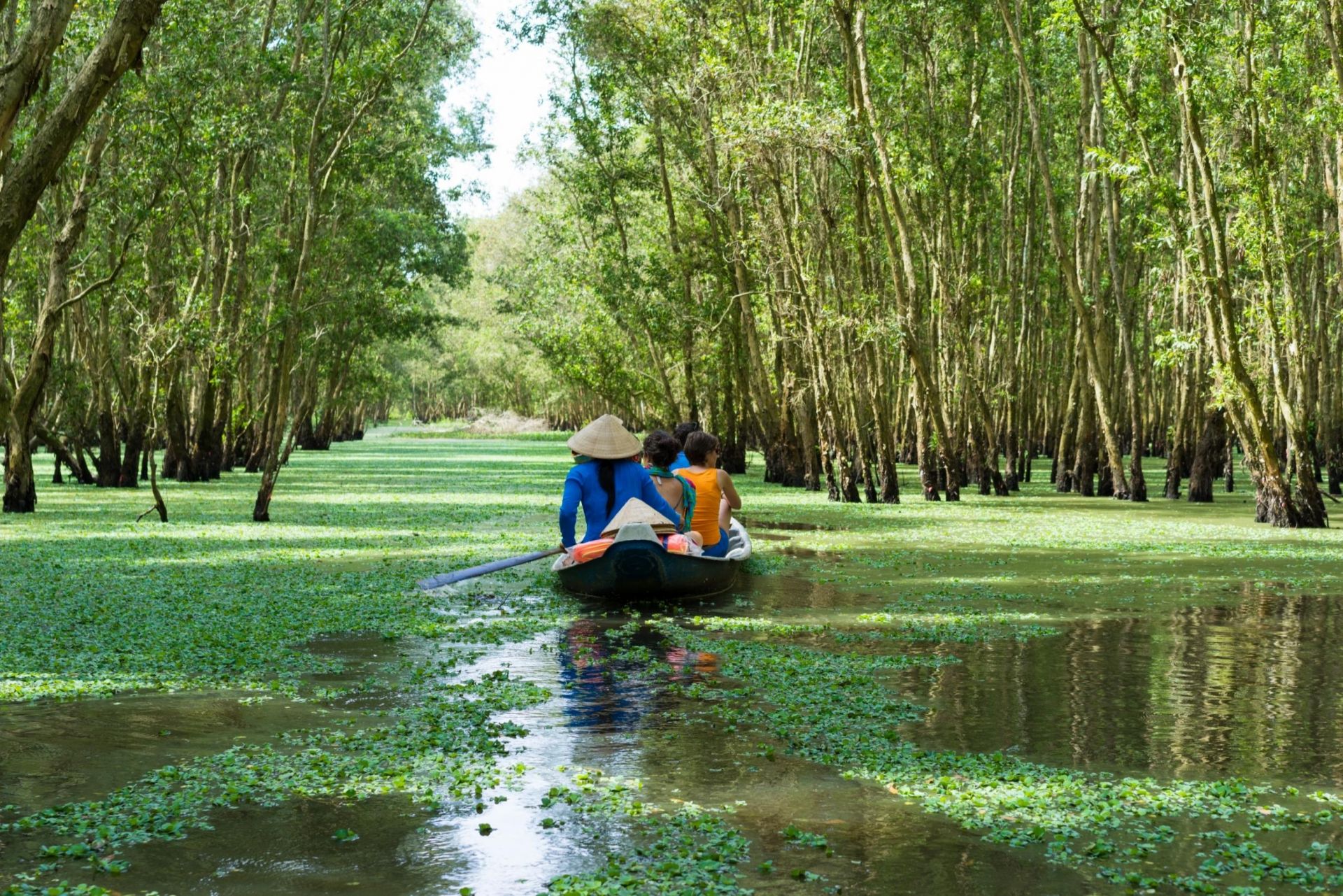
Boat trip through the Mekong Delta countryside
Common Mistakes First-Time Visitors Should Avoid
Many travelers unintentionally repeat the same errors during their first visit, often due to lack of preparation. Overloading itineraries, expecting Western-style efficiency everywhere, or relying only on major tourist hubs are frequent issues highlighted in Vietnam travel mistakes to avoid.
Slowing down, allowing flexibility, and learning from local perspectives often lead to more rewarding experiences. Thoughtful planning based on reliable Vietnam travel advice for foreigners helps visitors avoid frustration and better appreciate the country’s diversity. For international travelers comparing destinations across the region, understanding Vietnam travel in Asia helps place the country’s culture, pace, and travel style within a broader Asian context.
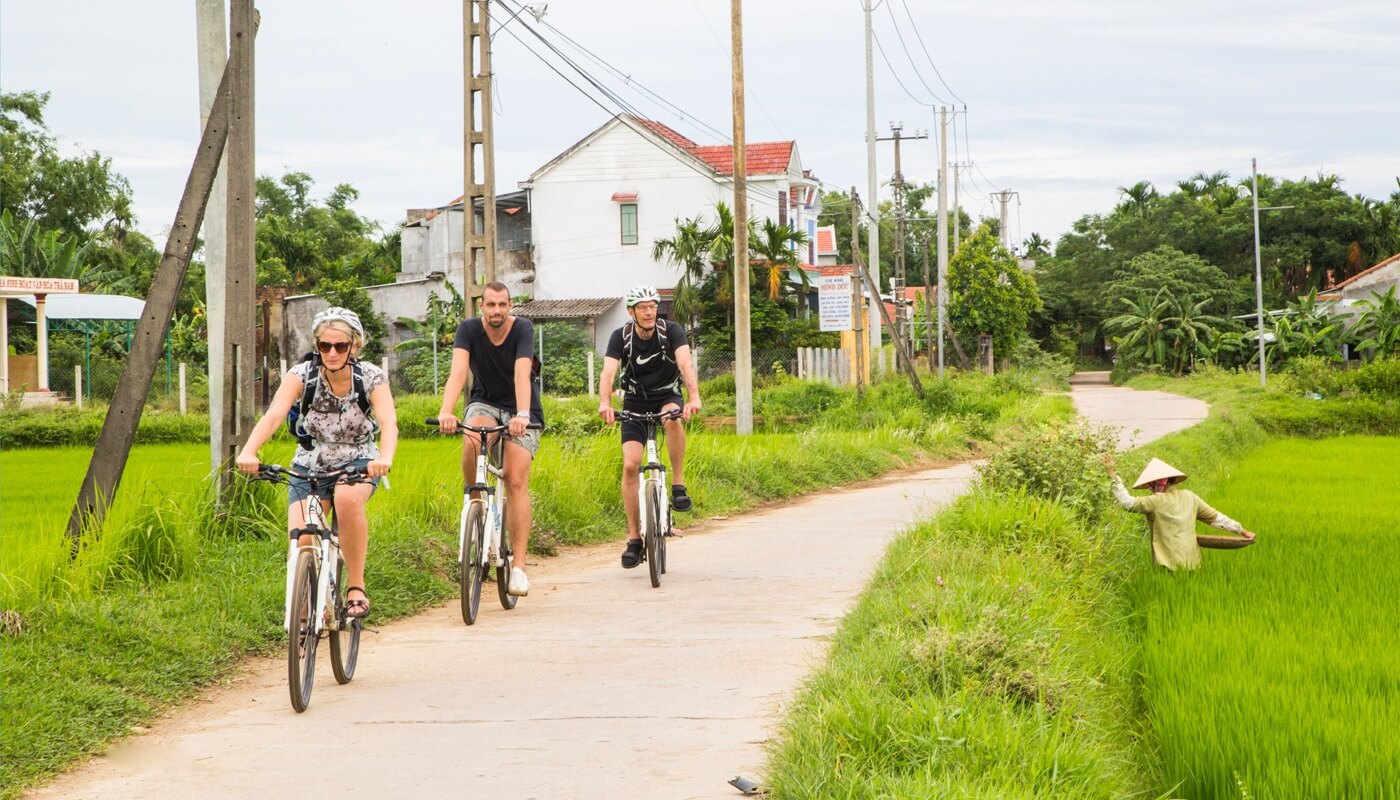
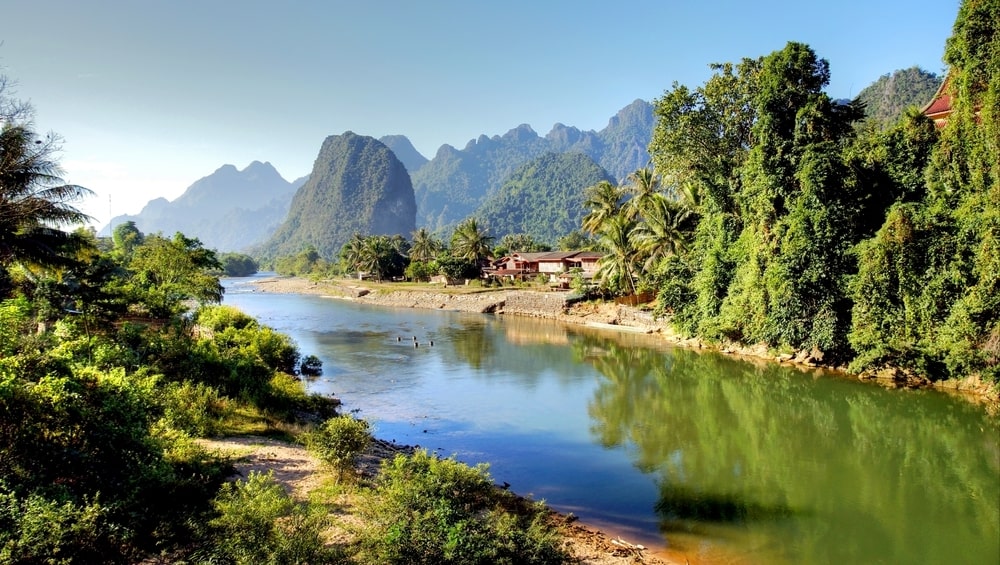
Slow travel experience in rural Vietnam
Vietnam Travel Dos and Don’ts for Understanding Local Culture
Learning about Vietnamese culture helps travelers avoid common misunderstandings and apply Vietnam travel dos and don’ts more naturally in daily interactions.
Respecting Social Hierarchy and Age-Based Courtesy
A key element within Vietnam travel dos and don’ts is understanding how respect is expressed in everyday interactions. Vietnamese society places strong importance on age and social roles, which influences how people speak, behave, and make decisions. Showing respect to elders through polite language, patient listening, and modest body language is expected in both formal and informal settings. Visitors who acknowledge this hierarchy often find interactions smoother and more welcoming, especially in family-run businesses and rural communities.
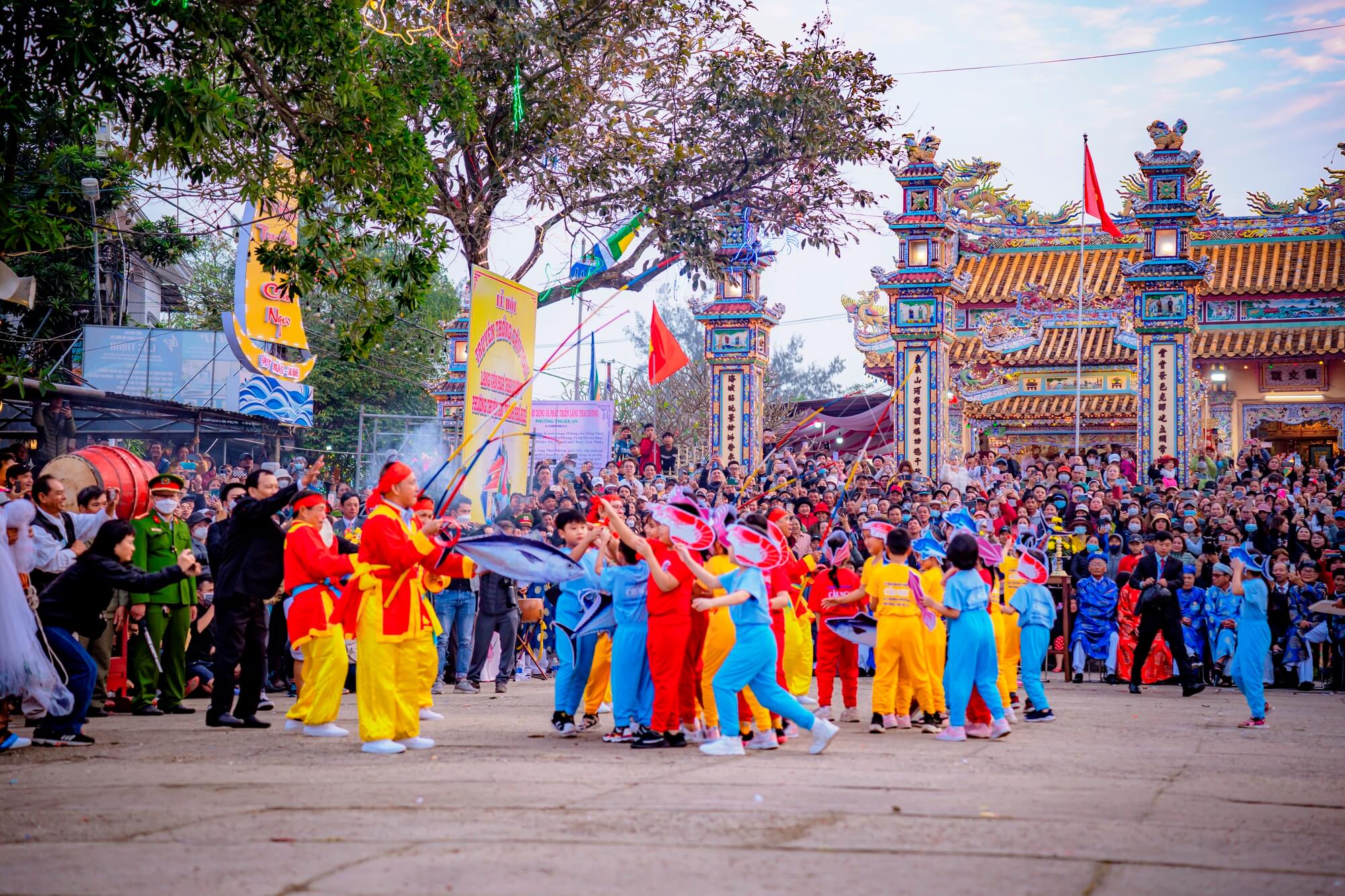
Traditional festival celebrating Vietnamese culture
Using Appropriate Body Language and Nonverbal Communication
Nonverbal cues carry significant meaning and are an essential part of Vietnam travel dos and don’ts. Actions that seem harmless elsewhere—such as pointing directly at people, touching someone’s head, or standing too close, can feel uncomfortable or disrespectful in Vietnam. Using both hands when giving or receiving items, maintaining calm facial expressions, and avoiding exaggerated gestures help travelers communicate politely without words. Awareness of body language allows visitors to navigate social situations with greater confidence and cultural sensitivity.
Understanding Dining Customs Beyond the Table
Food culture in Vietnam extends beyond eating and reflects deeper social values, making it a notable topic within Vietnam travel dos and don’ts. Meals are often communal, and sharing dishes symbolizes connection and equality among diners. Leaving food unfinished, rushing meals, or focusing only on personal preferences can unintentionally signal disinterest. Observing how locals interact during meals, waiting patiently, offering food to others, and engaging in light conversation, helps visitors participate respectfully in these shared moments.
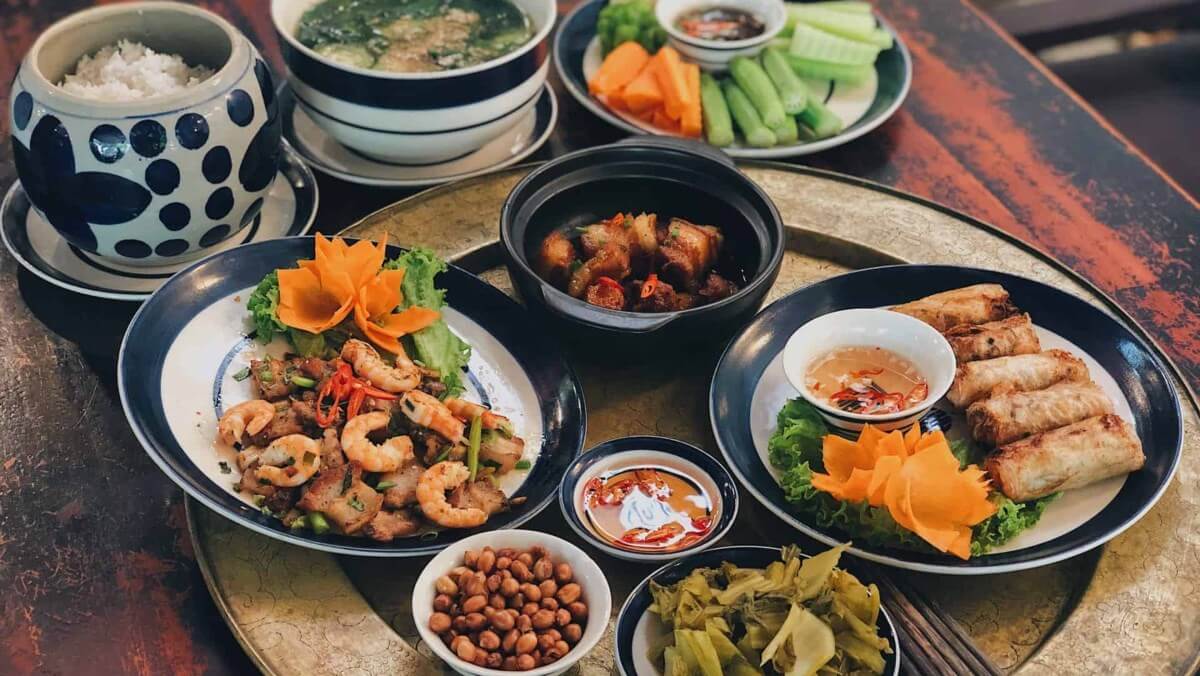
Vietnamese family-style meal shared at a local home
Navigating Hospitality and Personal Space
Vietnamese hospitality is warm and generous, but it follows its own unspoken rules. An important aspect of Vietnam travel dos and don’ts is knowing how to respond when invited into someone’s home or offered assistance. Accepting hospitality with gratitude, avoiding overly direct refusals, and showing appreciation through respectful behavior are valued more than material gestures. Personal space may feel different than in Western cultures, and understanding this difference helps prevent misunderstandings while strengthening social connections.
Adapting to Indirect Communication Styles
Communication in Vietnam often favors subtlety over directness, which can surprise first-time visitors. One of the more nuanced Vietnam travel dos and don’ts is learning to read context rather than expecting explicit answers. Polite smiles or vague responses may indicate hesitation or disagreement rather than agreement. Travelers who listen carefully, observe tone and expressions, and avoid pressing for immediate clarity often achieve better outcomes and maintain positive relationships throughout their journey.
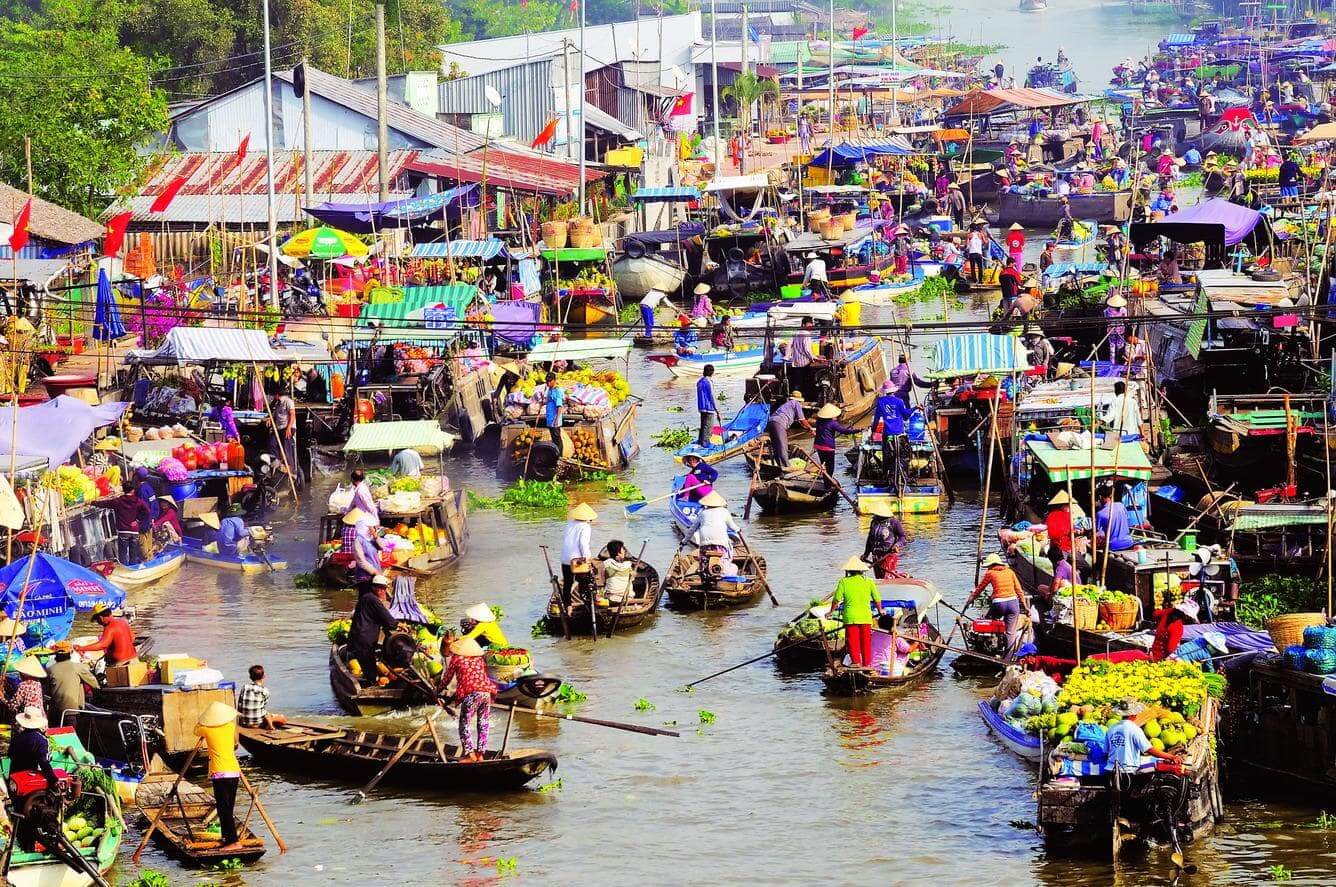
Vietnam Travel Dos and Don’ts
Conclusion
Understanding local customs and everyday behavior allows travelers to experience Vietnam with greater confidence and respect. By following the essential Vietnam travel dos and don’ts, first-time visitors can avoid common misunderstandings while building more meaningful connections with local people throughout their journey. Cultural awareness does not limit exploration, it enhances it and makes each destination more rewarding.
If you are planning your first trip and want a well-balanced journey that combines comfort, authenticity, and local insight, Best Vietnam Tours is here to support you. With carefully designed itineraries and expert guidance, Best Vietnam Tour helps international travelers explore Vietnam smoothly and responsibly. Start planning your Vietnam journey with Best Vietnam Tour today.