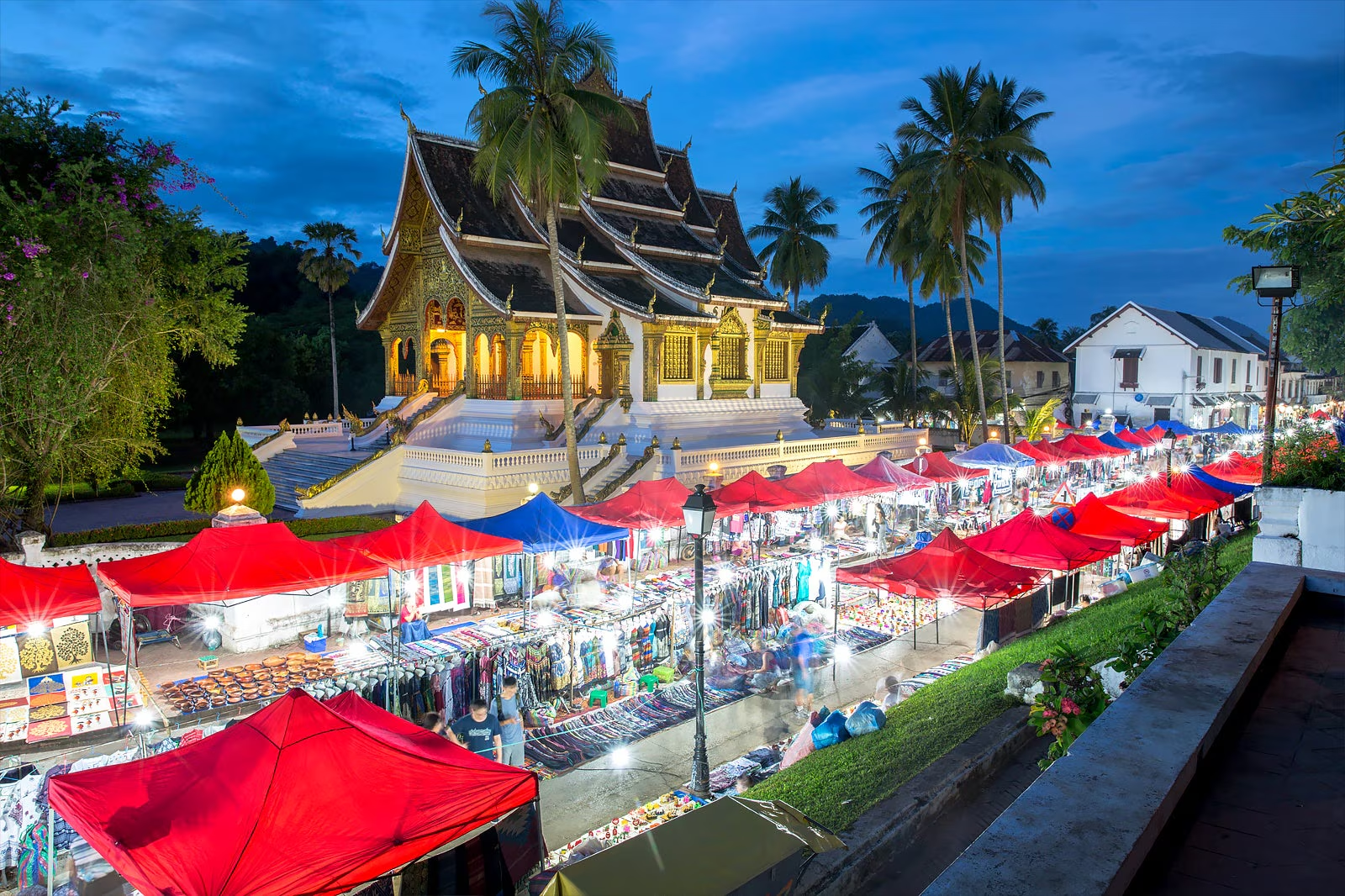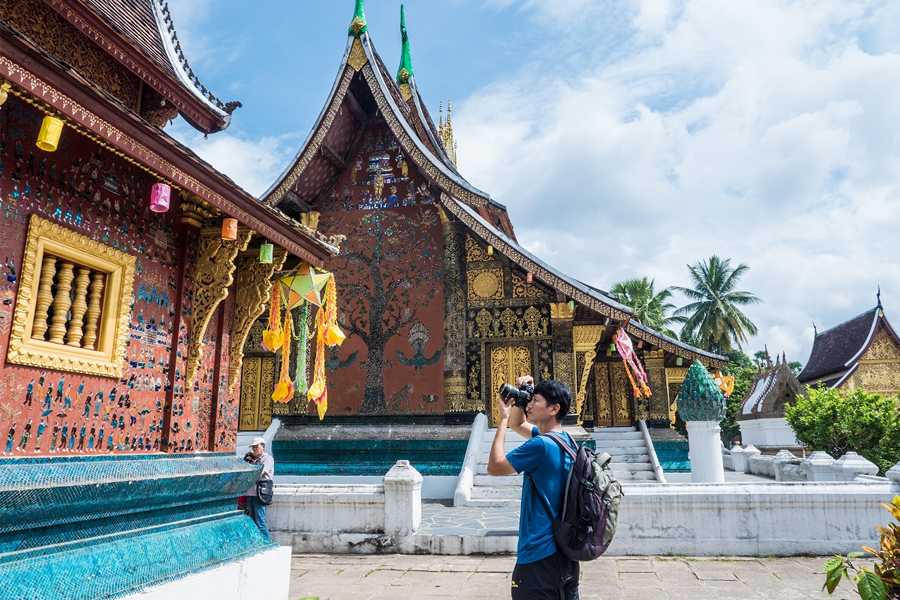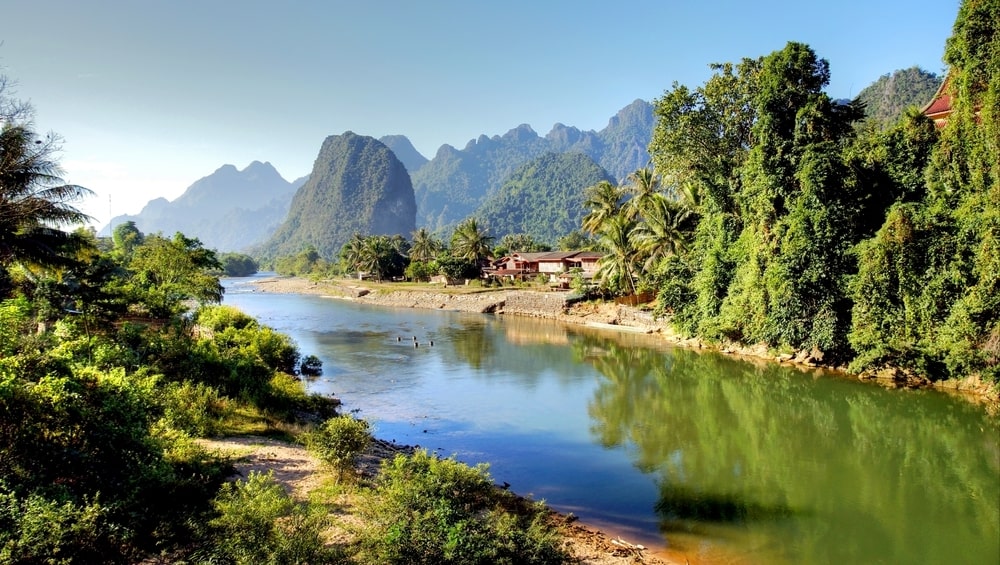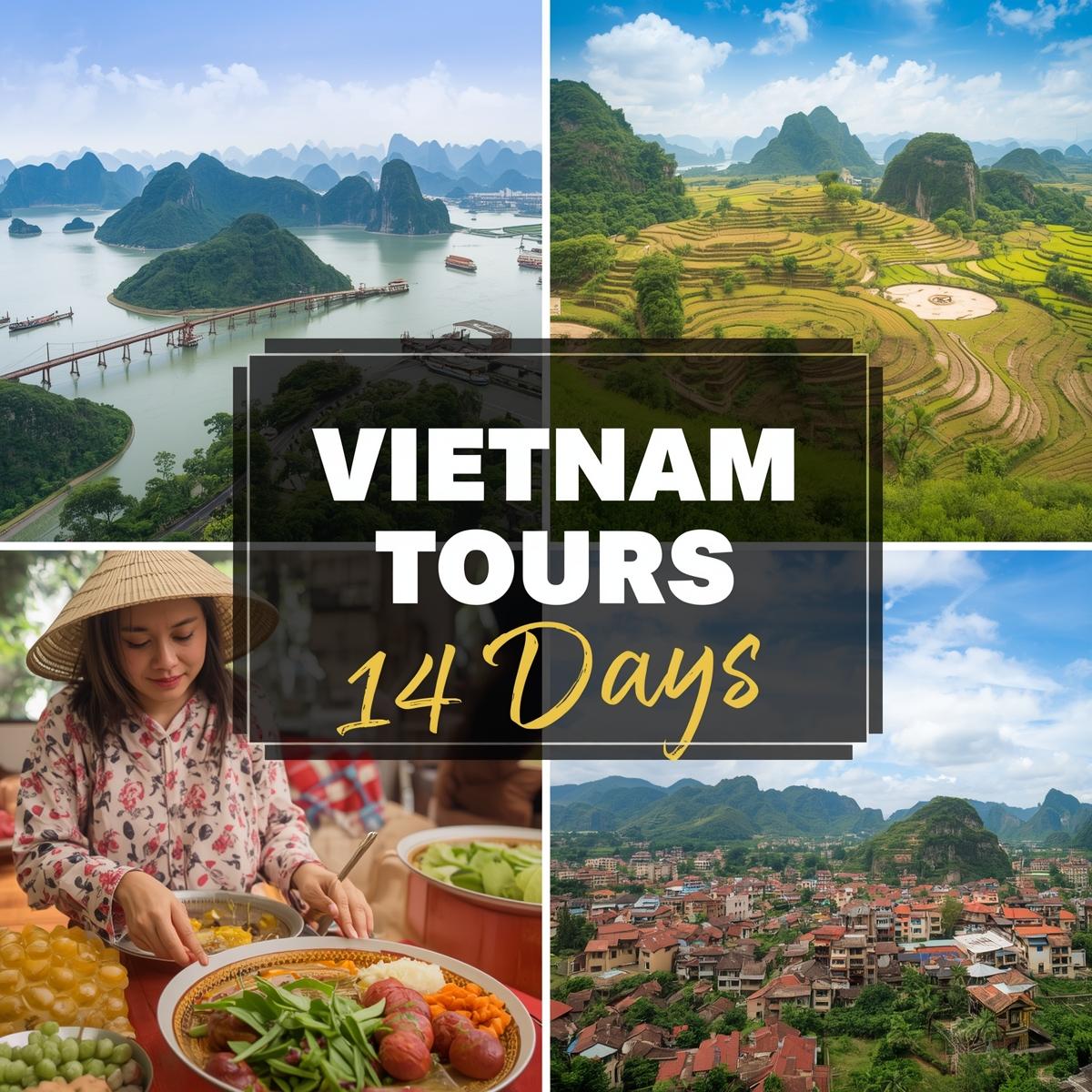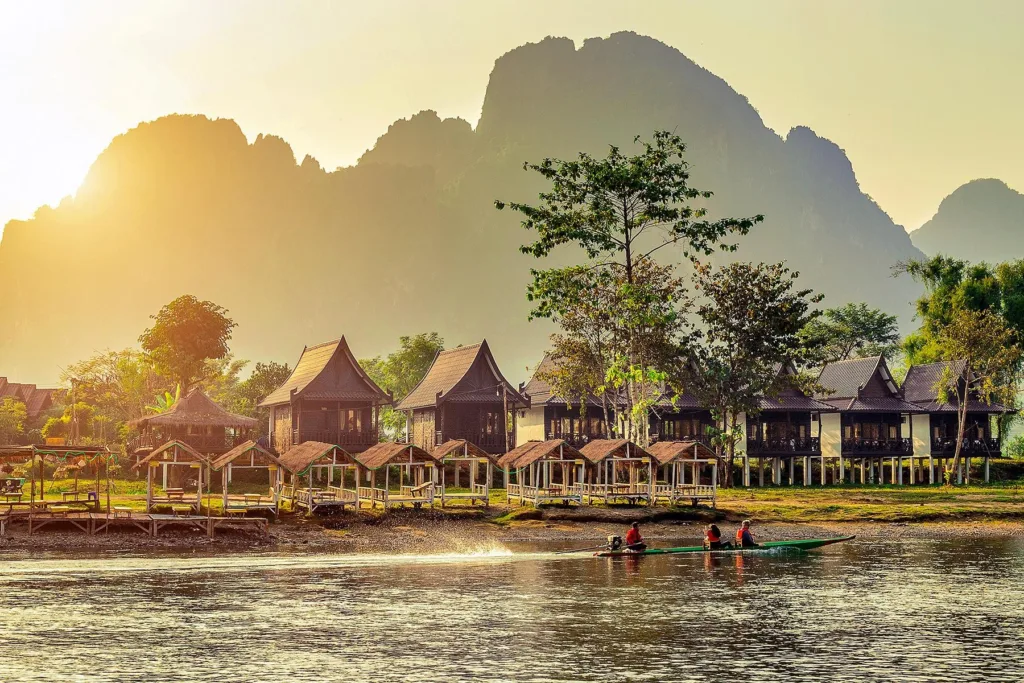
Planning a long journey through Vietnam can be overwhelming without a well-structured plan. This Vietnam itinerary 21 days is designed for international travelers seeking an in-depth, realistic route from north to south, balancing cultural immersion, natural landscapes, and local experiences. For those who prefer a professionally organized option, Bestour also offers a fully customizable 21-day Vietnam travel program covering Hanoi, Central Vietnam, and Ho Chi Minh City.
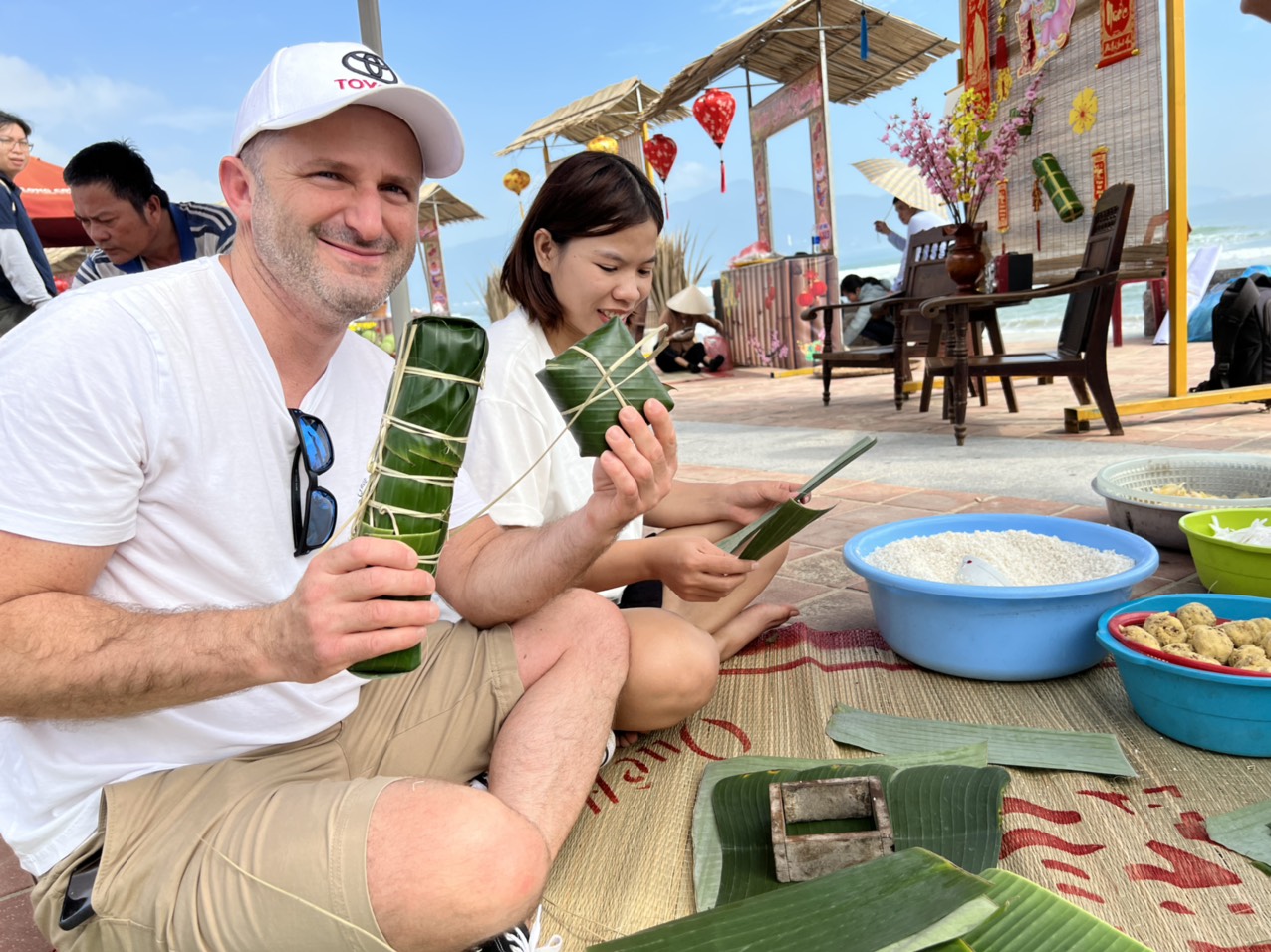
International travelers exploring Vietnam on a long-haul trip
Why Choose a 21-Day Vietnam Journey?
Choosing a Vietnam itinerary 21 days allows travelers to experience the country in a way that shorter trips simply cannot achieve. With three full weeks, visitors gain the freedom to slow down, explore each region in depth, and appreciate the diversity that defines Vietnam from north to south. This extended timeframe transforms the journey from a rushed sightseeing tour into a meaningful travel experience.
Designed for First-Time and Long-Haul Travelers
A well-structured Vietnam itinerary 21 days is particularly suitable for travelers arriving from Europe, North America, or Australia, where long-haul flights and time zone changes require adjustment. It also works well as a Vietnam itinerary for first time visitors, offering enough flexibility to settle into local rhythms while discovering the country gradually rather than all at once.
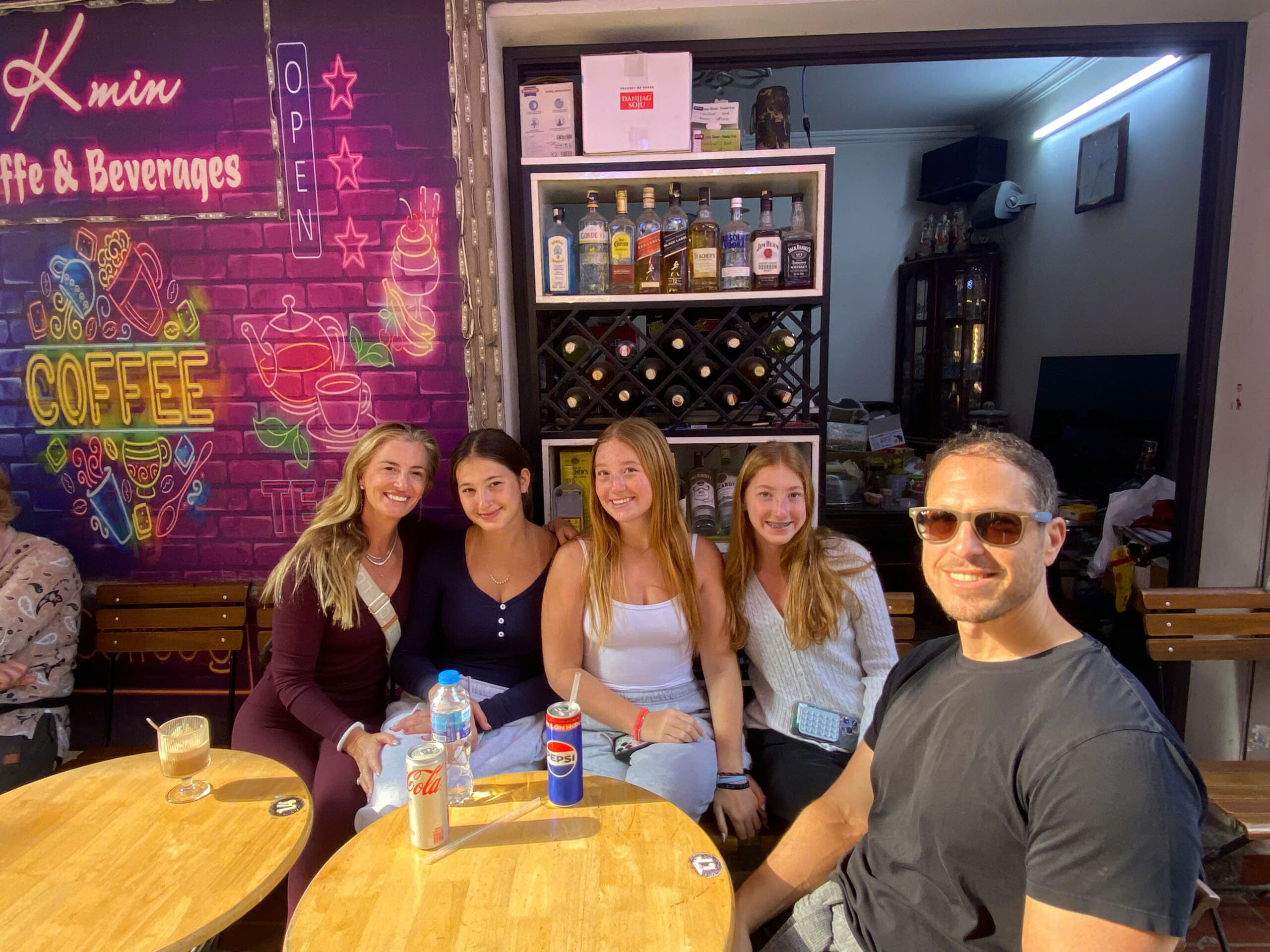
Slow travel experience balancing exploration and relaxation in Vietnam
A Balanced Rhythm Without Rushing
Unlike compressed schedules, a Vietnam itinerary 21 days supports a sustainable travel pace that balances exploration and rest. This rhythm is ideal for a Vietnam cultural and nature itinerary, where bustling cities, rural landscapes, and coastal escapes are experienced without constant transitions. Travelers can enjoy each destination fully, with time for both guided activities and personal exploration.
Going Beyond the Usual Tourist Route
One of the defining strengths of a Vietnam itinerary 21 days is the opportunity to include destinations beyond the standard tourist trail. Highland villages, remote mountain regions, and countryside communities naturally fit into a longer journey, shaping a true Vietnam off the beaten path itinerary. These deeper encounters often become the most rewarding highlights of the trip.

Ha Long Bay, Vietnam
Detailed Vietnam Itinerary 21 Days
Day 1 – Arrival in Hanoi (Noi Bai International Airport)
Arrival in Hanoi marks the beginning of an immersive journey through Vietnam’s diverse regions. After landing at Noi Bai International Airport, travelers are welcomed and transferred to their hotel in the city center. The first day of this Vietnam itinerary 21 days is intentionally unhurried, allowing time to rest after long international flights and gently acclimate to the tropical climate.
Depending on arrival time, the afternoon can be spent strolling through nearby streets, observing daily life unfolding in narrow alleyways, or enjoying a quiet coffee overlooking the city’s lakes. This soft introduction helps set expectations for the journey ahead, emphasizing balance and comfort rather than rushing into activities. Overnight in Hanoi.
In the evening, travelers can discover Hanoi from a different perspective by joining a Hanoi After Dark Vespa tour, combining street food tastings, local nightlife, and guided rides through the city’s lesser-known neighborhoods.
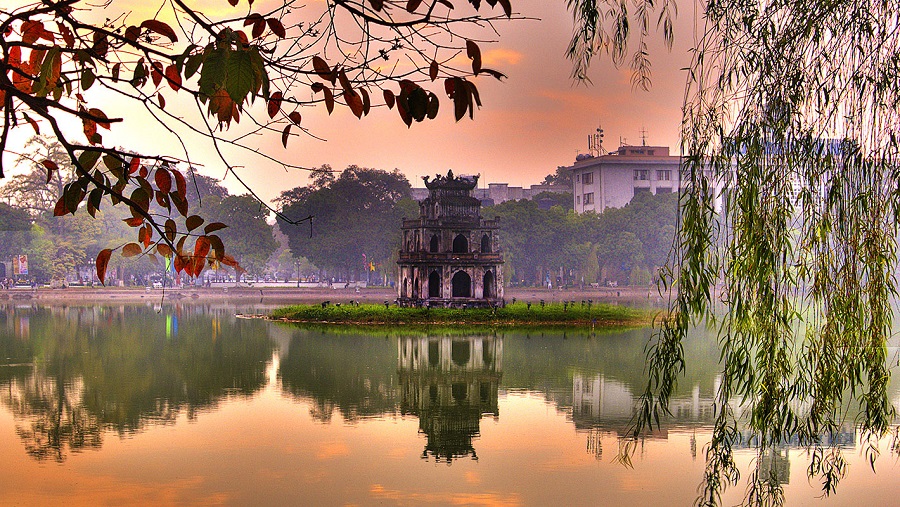
Hoan Kiem Lake and Old Quarter in Hanoi Vietnam
Day 2 – Hanoi City Discovery
Day two offers a deeper introduction to Hanoi’s cultural and historical layers. As Vietnam’s capital, the city reflects centuries of influence through architecture, traditions, and everyday routines. Guided exploration typically focuses on key cultural landmarks, historic quarters, and neighborhoods that showcase both colonial heritage and local Vietnamese identity.
Beyond formal sightseeing, this day within the Vietnam itinerary 21 days allows travelers to experience Hanoi at street level. Watching morning routines, sampling regional dishes, or wandering through small markets provides context that goes beyond guidebooks. The combination of structured visits and free time creates a well-rounded understanding of northern Vietnam’s urban life.
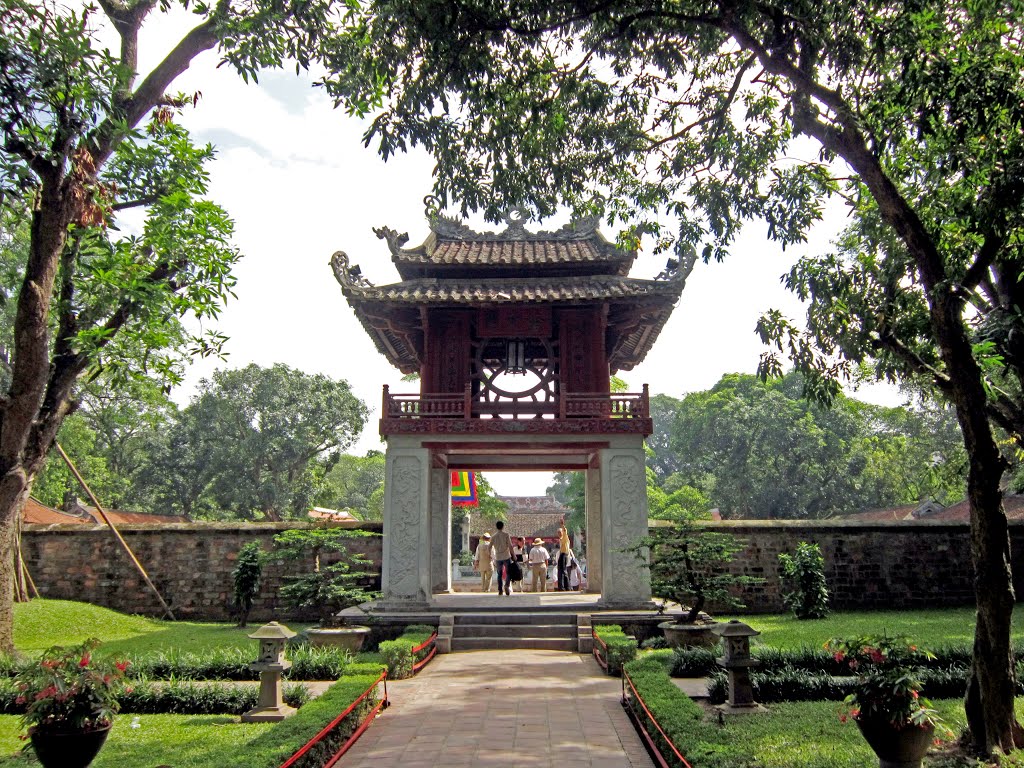
Cultural and historical landmarks in Hanoi city center
Day 3 – Hanoi to Sapa
Leaving the capital behind, the journey heads northwest toward Sapa, a mountainous region near the Chinese border. The drive follows modern highways before transitioning into winding mountain roads, revealing sweeping views of valleys and distant peaks. This change in scenery signals a shift from urban landscapes to rural highlands.
As part of the Vietnam itinerary 21 days, this travel day is not simply a transfer but an experience in itself. Arrival in Sapa brings cooler air and a slower rhythm, with the remainder of the day reserved for rest or light exploration. The evening is ideal for enjoying the mountain atmosphere and preparing for the active days ahead.
Before heading north to the mountains of Sapa, spending time in Hanoi allows travelers to fully appreciate Vietnam’s historical and cultural foundations, as highlighted in this Hanoi Vietnam travel guide.
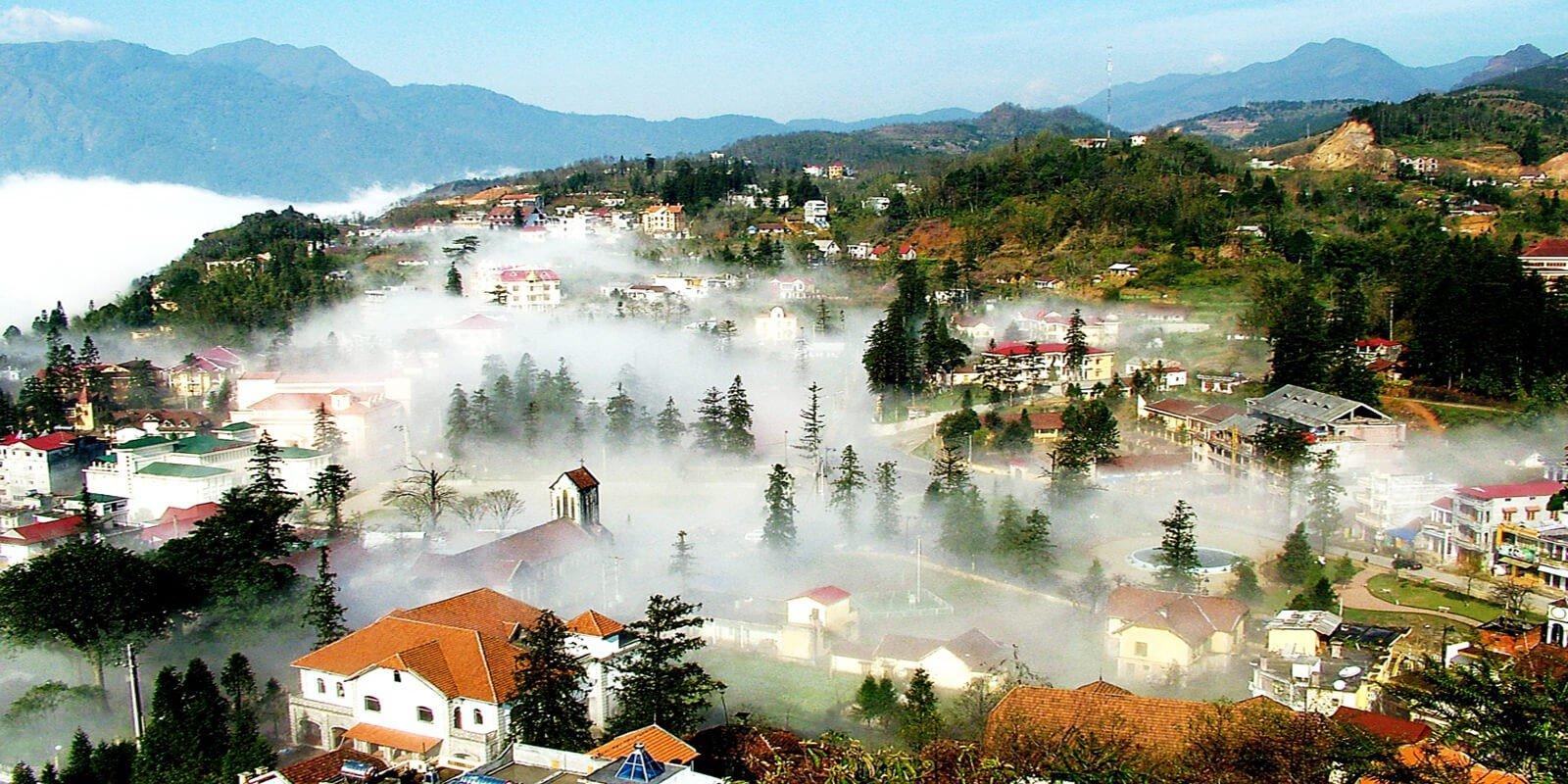
Mountain road journey from Hanoi to Sapa in northern Vietnam
Day 4 – Sapa Trekking: Lao Chai and Ta Van Villages
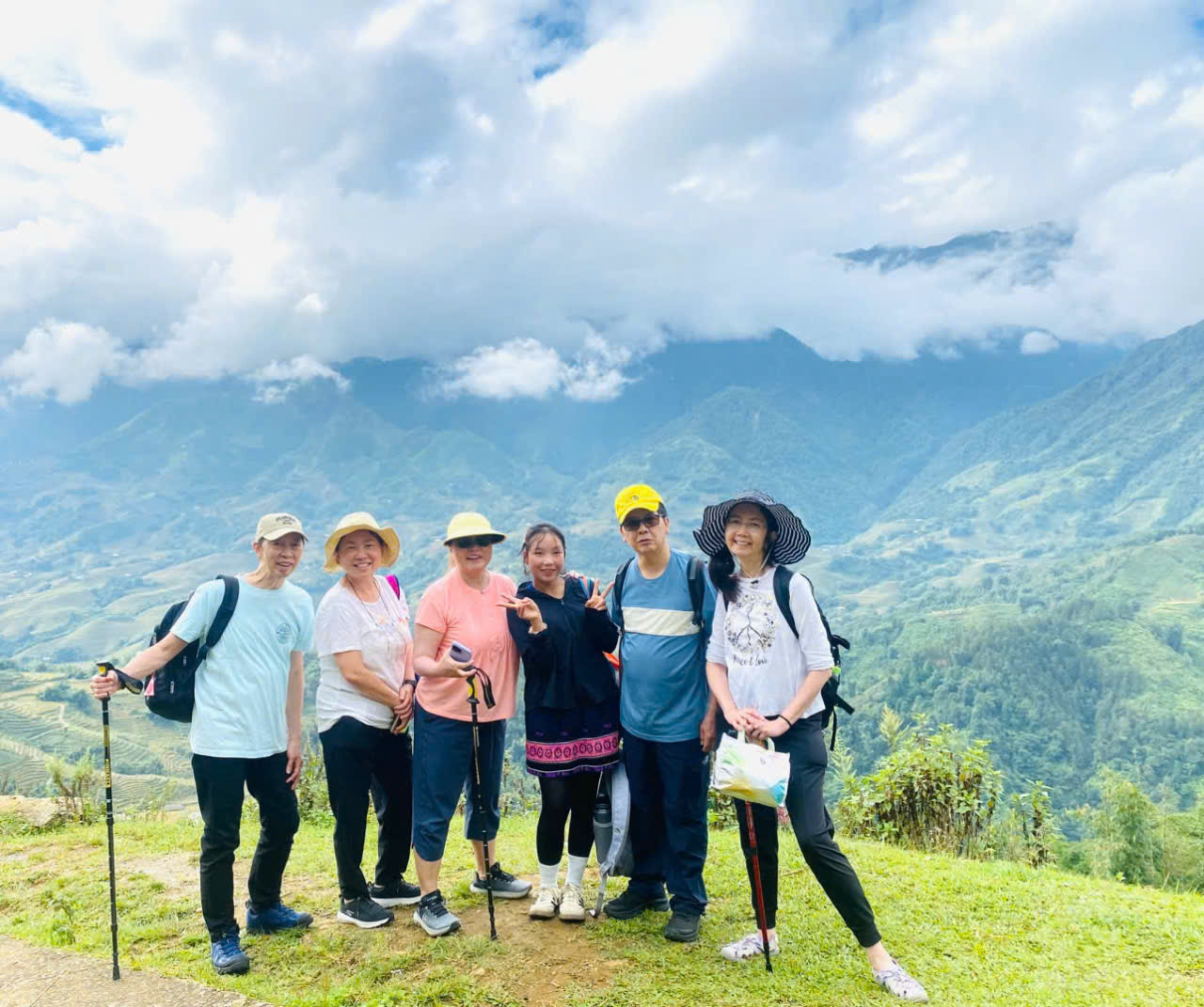
Today focuses on walking through the countryside surrounding Sapa, where terraced rice fields cascade along mountain slopes. Guided trekking routes pass through Lao Chai and Ta Van villages, home to ethnic minority communities whose lifestyles remain closely tied to the land.
The pace is moderate, allowing travelers to observe agricultural practices, traditional houses, and everyday village life. This experience plays a key role in the Vietnam itinerary 21 days, highlighting human stories rather than landmarks alone. Time spent in these villages offers insight into cultural diversity and the relationship between people and nature in northern Vietnam.
For travelers interested in exploring ethnic villages in more depth, nearby attractions such as Cat Cat Village in Sapa provide additional insight into traditional Hmong culture, handicrafts, and daily rural life.
For travelers seeking a more immersive mountain experience, joining a Sapa 3 days 2 nights trekking tour allows deeper exploration of terraced rice fields, ethnic minority villages, and remote mountain trails that are difficult to access independently.
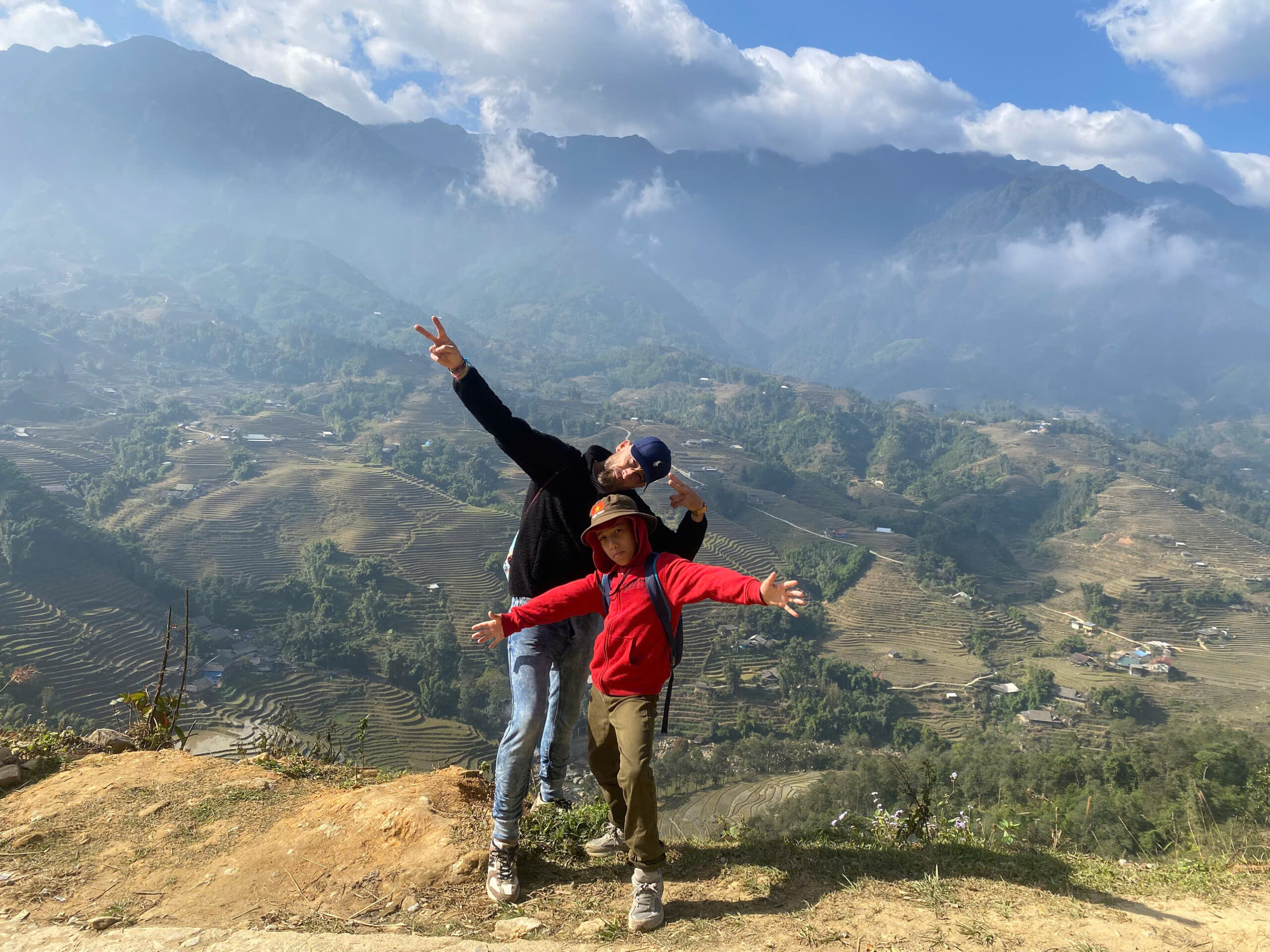
Trekking through rice terraces in Lao Chai and Ta Van villages
Day 5 – Sapa to Lo Lo Chai Village (Ha Giang)
Departing Sapa, the route continues deeper into Vietnam’s remote northern frontier toward Ha Giang Province. The journey is long but visually rewarding, passing through mountain passes and sparsely populated landscapes. The destination, Lo Lo Chai Village, lies near the border and is surrounded by dramatic limestone formations.
This segment of the Vietnam itinerary 21 days introduces travelers to a quieter, less commercialized side of Vietnam. Evenings in the village are calm, often spent sharing meals and observing local customs. The absence of crowds allows for meaningful interaction and a genuine sense of place rarely found on shorter itineraries.
At the foot of the Lung Cu Flag Tower, Lo Lo Chai Village in Vietnam offers a rare opportunity to experience the traditional lifestyle of the Lo Lo ethnic group, with well-preserved clay houses, stone fences, and colorful cultural practices.
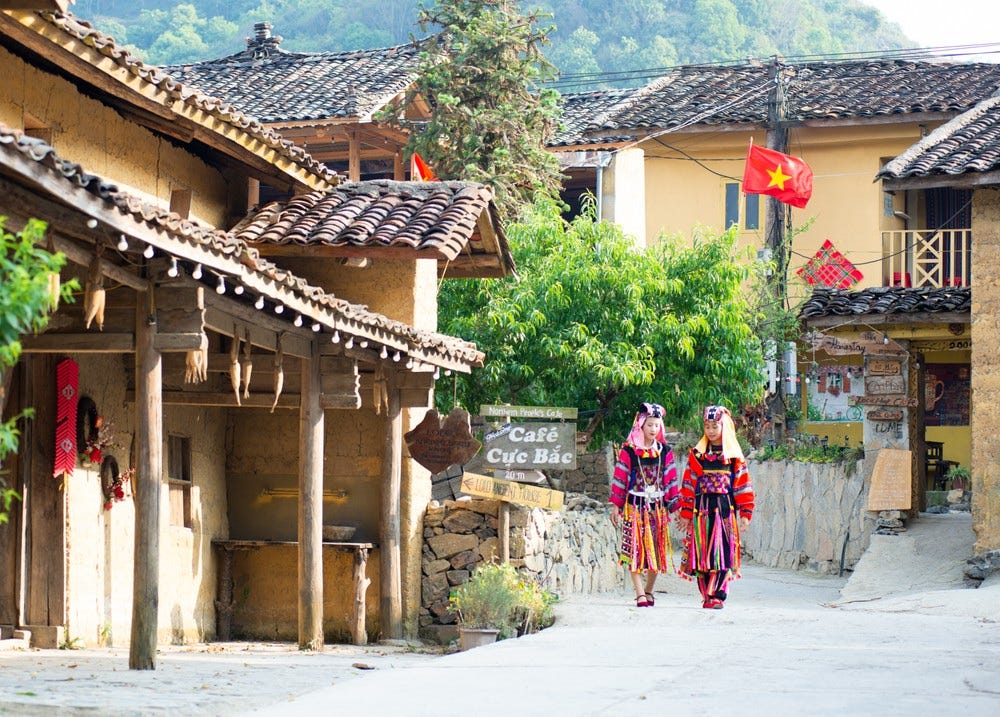
Traditional clay houses in Lo Lo Chai Village near Lung Cu Flag Tower
Day 6 – Ha Giang Loop Highlights
Day six explores some of the most striking scenery in Ha Giang, a region renowned for its rugged terrain and panoramic mountain views. Carefully selected routes reveal high passes, deep valleys, and scattered settlements that cling to steep hillsides. Short walks and scenic stops offer opportunities for photography and quiet reflection.
Within the Vietnam itinerary 21 days, this day emphasizes slow exploration rather than distance covered. The focus remains on absorbing the scale and beauty of the landscape while learning about the resilience of communities living in these challenging environments. Each viewpoint adds another layer to the understanding of northern Vietnam’s geography.
Before starting the mountainous roads of northern Vietnam, reviewing practical advice such as route conditions, safety considerations, and seasonal recommendations in these Ha Giang Loop travel tips can help travelers prepare more confidently.
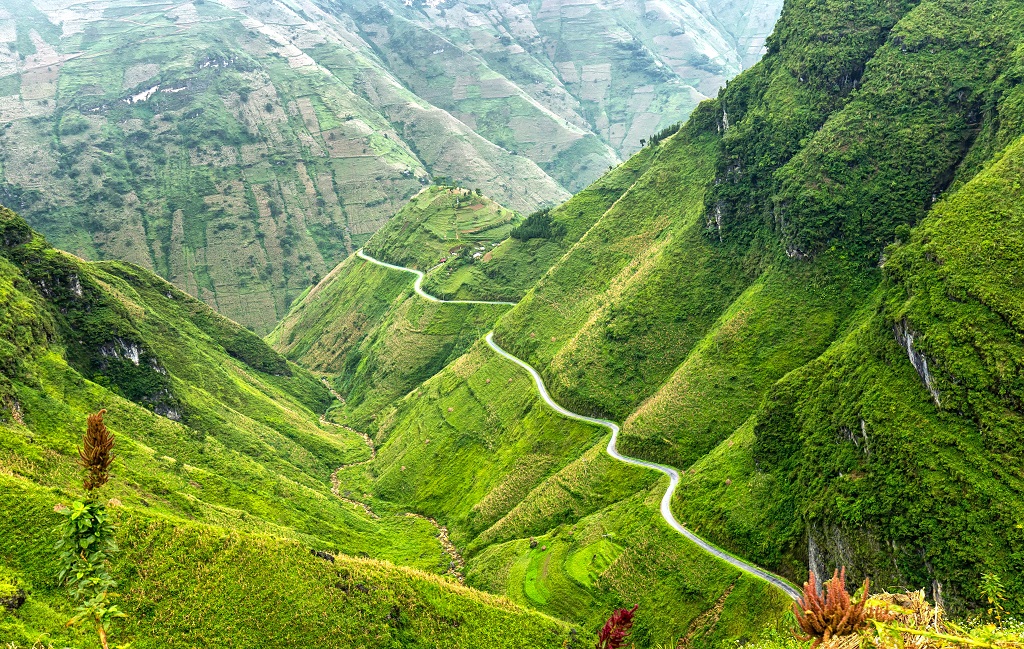
Dramatic mountain scenery along the Ha Giang Loop
Day 7 – Ha Giang to Hanoi
The return journey from Ha Giang to Hanoi concludes the northern highlands chapter of the trip. Although the drive is lengthy, it provides time to reflect on the experiences of the past few days, from village life to mountain scenery. Gradually, the landscape transitions back toward lowland regions as the capital approaches.
Reaching Hanoi in the evening, travelers settle in for a restful night before continuing southward. This return marks a natural pause in the Vietnam itinerary 21 days, bridging remote highland exploration with the upcoming cultural and historical discoveries of central Vietnam.
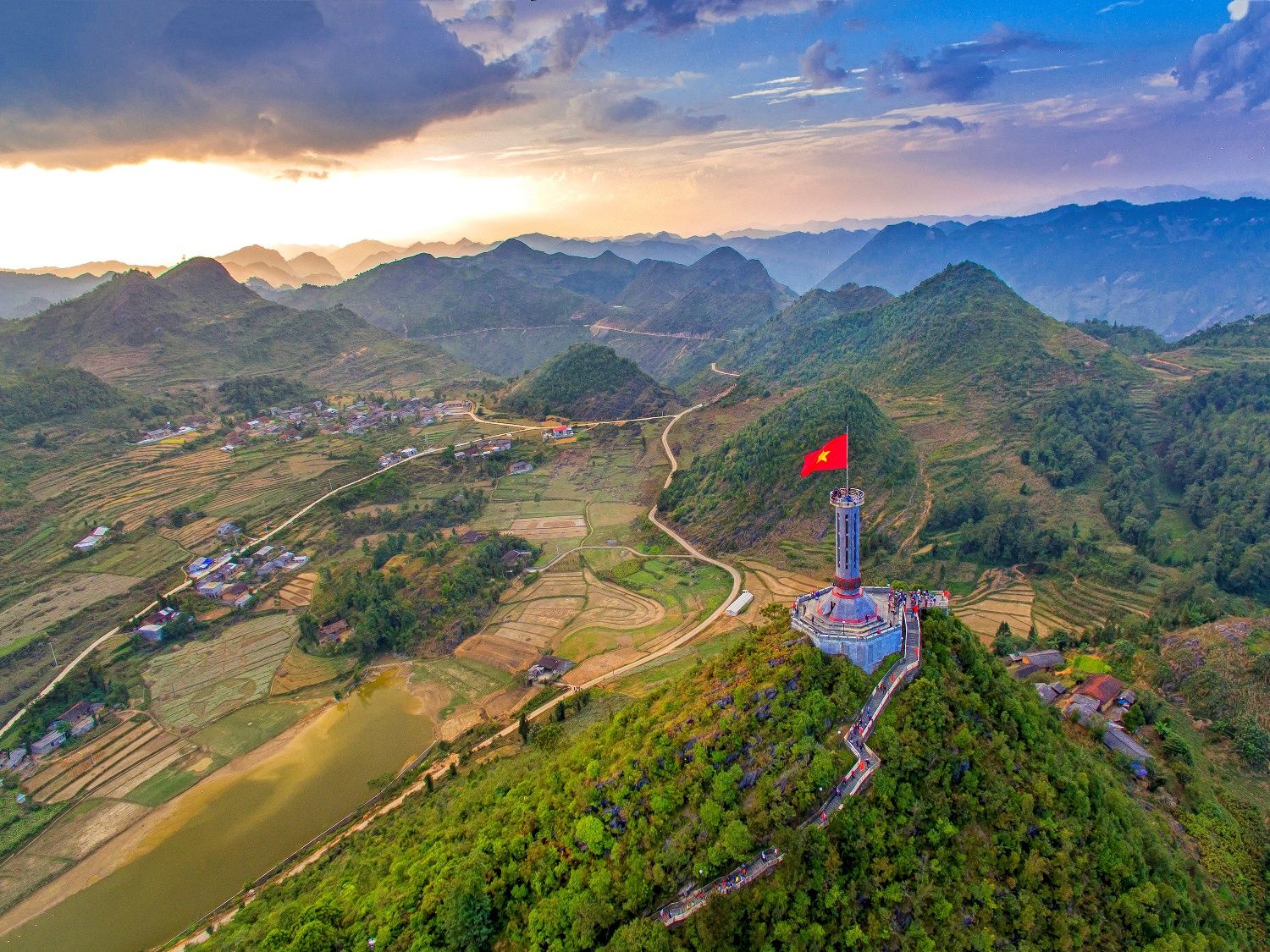
Scenic drive from Ha Giang back to Hanoi
Day 8 – Hanoi to Hue (Domestic Flight)
After completing the northern highlands, the journey transitions to central Vietnam with a short domestic flight from Hanoi to Hue. This change of region introduces a new cultural atmosphere shaped by royal history and traditional architecture. As part of the Vietnam itinerary 21 days, flying helps reduce long overland travel while maintaining a smooth pace.
Upon arrival, travelers settle into their hotel near the Perfume River, where the slower rhythm of Hue immediately contrasts with the energy of Hanoi. The remainder of the day is reserved for rest or a gentle walk along the riverbanks, allowing time to absorb the calm elegance that defines this former imperial capital.
Day 9 – Hue Imperial City and Royal Heritage
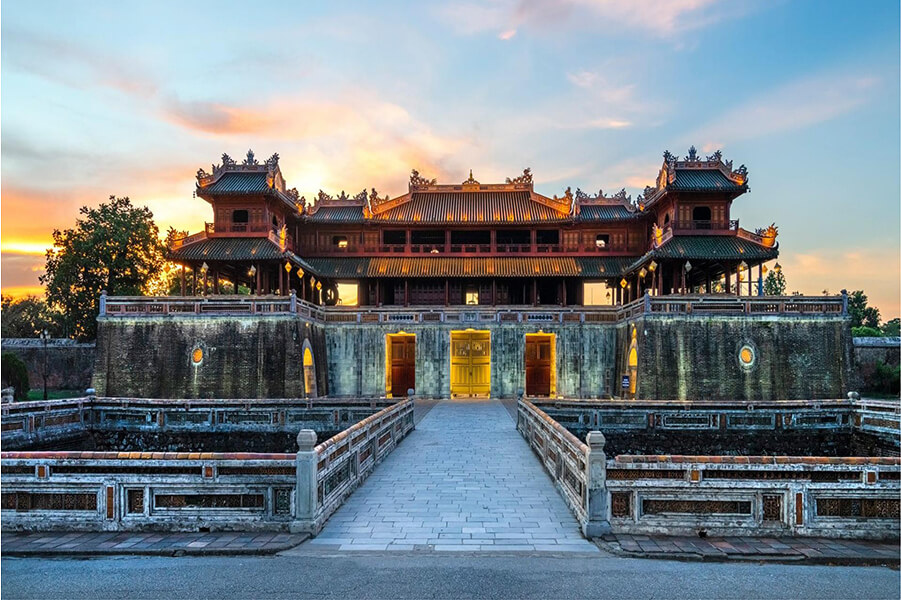
Day nine is dedicated to exploring Hue’s historical legacy. Once the seat of Vietnam’s last royal dynasty, the city preserves a strong sense of tradition through its citadel, palaces, and royal tombs. Guided visits offer insight into imperial life, ceremonial practices, and architectural symbolism.
Within the Vietnam itinerary 21 days, this day provides essential historical context, helping travelers understand how Vietnam’s past continues to influence modern culture. Between visits, quiet moments along the river or in shaded gardens offer balance, ensuring the experience feels reflective rather than overwhelming.
Domestic flight connecting Hanoi and Hue in central Vietnam
Day 10 – Hue to Da Nang to Hoi An
Leaving Hue, the route follows the coastline southward toward Da Nang before continuing to Hoi An. The journey is scenic, with mountain passes and ocean views creating a memorable transition between regions. This travel day within the Vietnam itinerary 21 days blends transportation with sightseeing, turning movement into part of the experience.
Arrival in Hoi An introduces a warm, inviting atmosphere shaped by centuries of trade and cultural exchange. The evening is ideal for a relaxed walk through lantern-lit streets, where historic buildings and riverside cafés create a timeless setting for the night.
A guided excursion covering the Son Tra Peninsula, the Marble Mountains, and Hoi An provides a well-balanced mix of coastal scenery, spiritual landmarks, and cultural heritage, making a Son Tra Peninsula Marble Mountain Hoi An tour an ideal addition to this day.
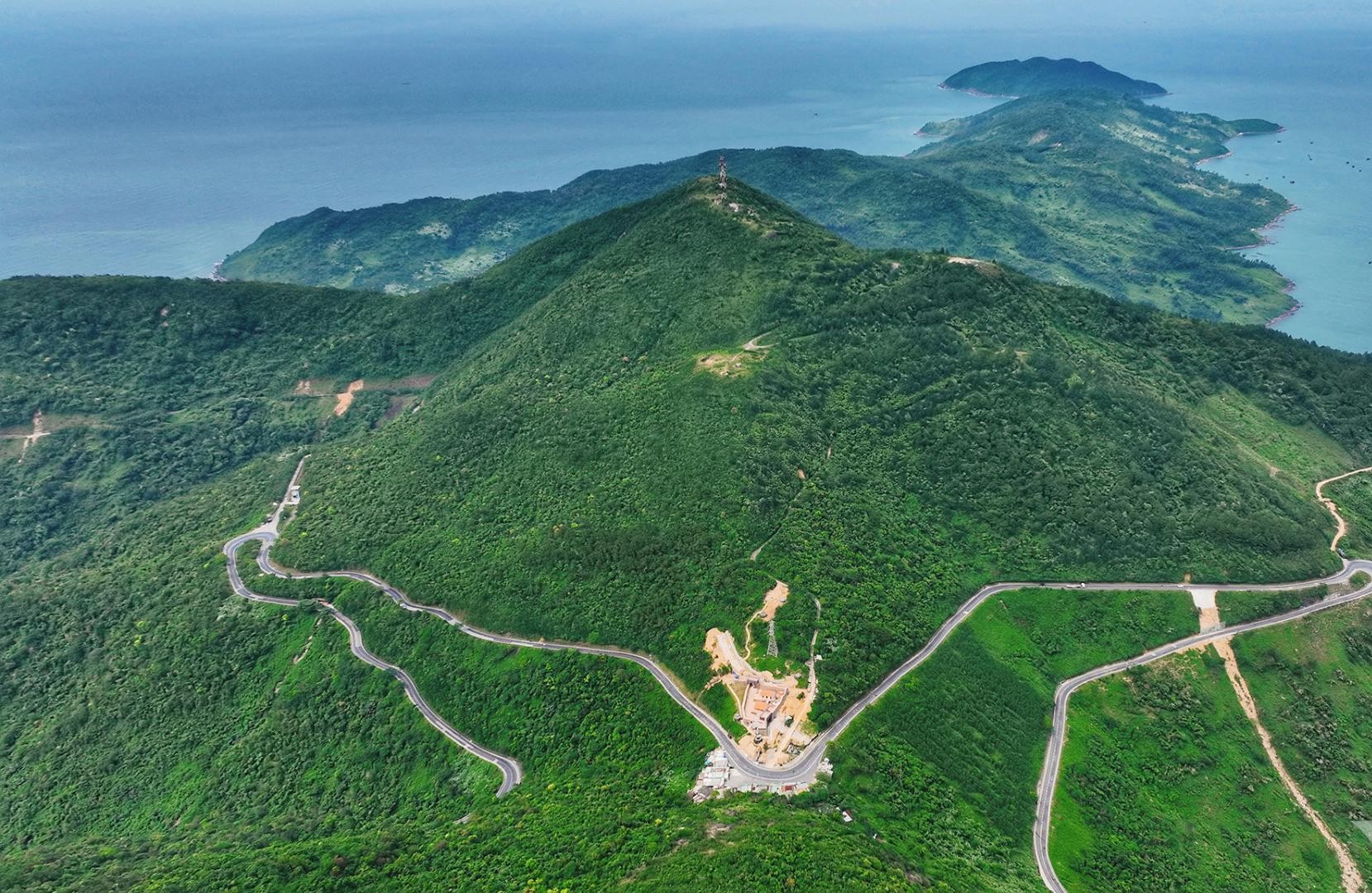
Coastal road and Marble Mountains between Hue and Da NangCoastal road and Marble Mountains between Hue and Da Nang
Day 11 – Hoi An Ancient Town and Countryside
Day eleven focuses on exploring both the historic heart of Hoi An and its surrounding countryside. The ancient town reveals preserved merchant houses, assembly halls, and narrow lanes that reflect its multicultural past. Walking through these streets offers a sense of continuity rarely found in modern cities.
Beyond the old town, nearby rural areas provide a quieter perspective. This contrast enriches the Vietnam itinerary 21 days, showing how traditional lifestyles coexist alongside tourism. Whether cycling through villages or visiting local workshops, the day emphasizes simplicity, craftsmanship, and everyday rhythms.
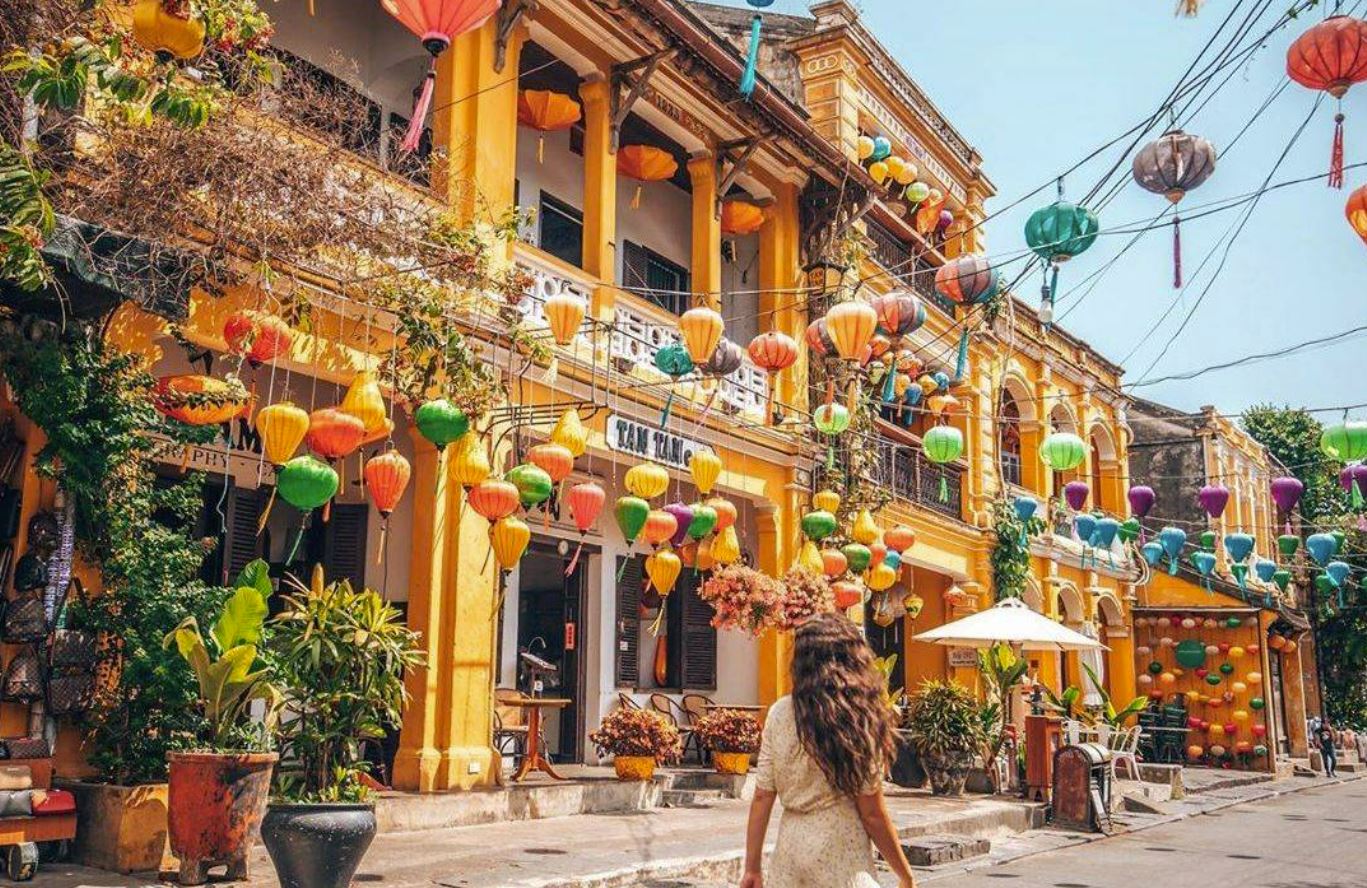
Lantern-lit streets and countryside around Hoi An Ancient Town
Day 12 – Hoi An to Nha Trang
The journey continues south with a flight from central Vietnam to the coastal city of Nha Trang. This transition introduces a more relaxed, seaside environment, balancing the cultural focus of earlier days. In the context of the Vietnam itinerary 21 days, this change of pace helps prevent travel fatigue while maintaining variety.
After arrival, the afternoon is free for rest, a walk along the beach, or simply enjoying ocean views. The evening atmosphere in Nha Trang is lively yet unhurried, making it easy to unwind after several culturally rich days inland.
Day 13 – Nha Trang Islands and Coastal Time
Day thirteen is dedicated to the natural beauty of Nha Trang’s coastline. Offshore islands, clear waters, and sandy beaches define the experience, offering opportunities for light exploration or pure relaxation. This day plays an important role in the Vietnam itinerary 21 days by providing physical and mental rest.
Rather than structured sightseeing, the focus is on enjoying the coastal environment at a comfortable pace. Time spent near the sea adds balance to the journey, ensuring that the itinerary remains enjoyable and sustainable over three full weeks.
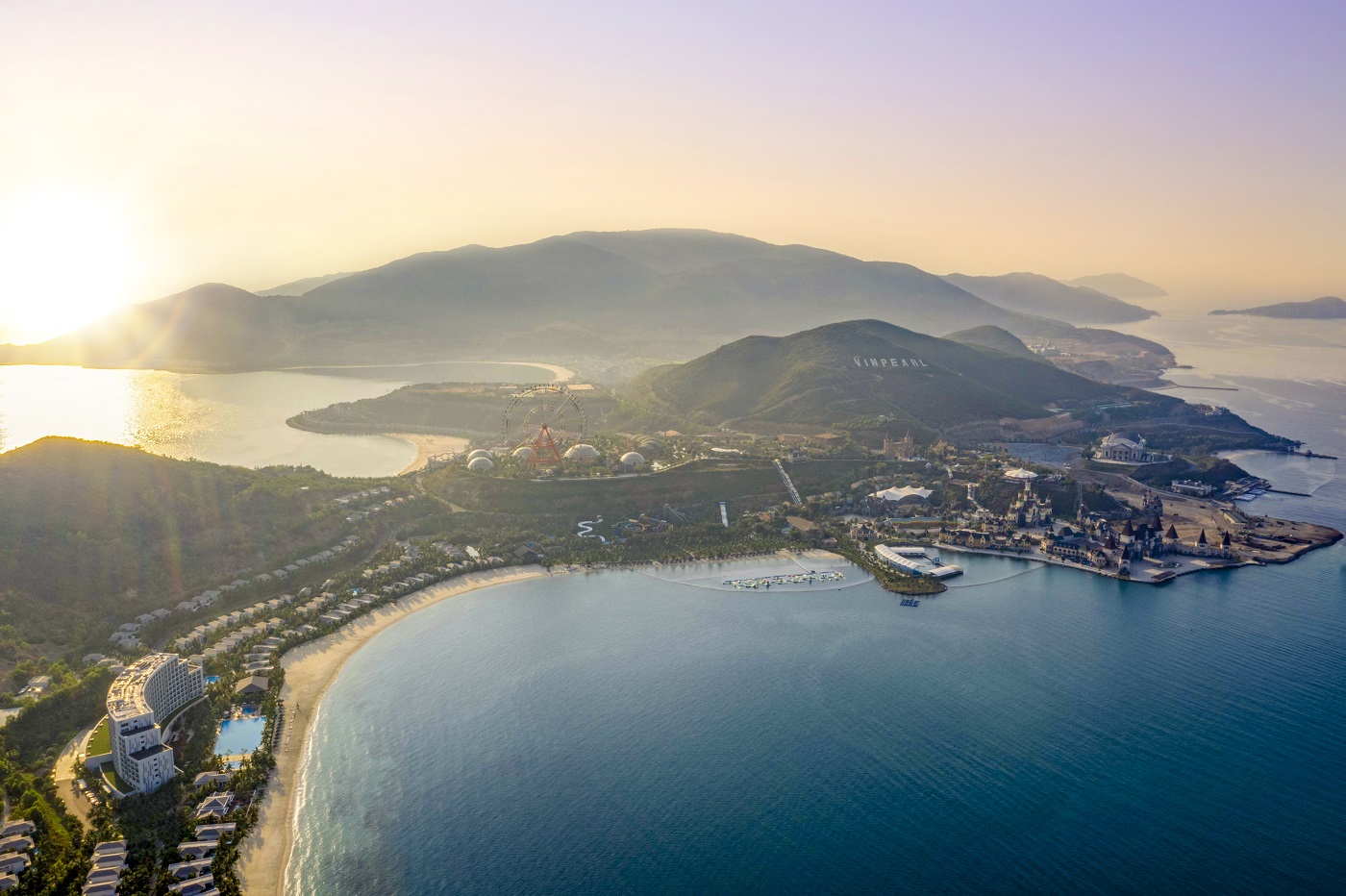
Island hopping and beach relaxation in Nha Trang
Day 14 – Nha Trang to Da Lat
Leaving the coast, the route climbs into the Central Highlands toward Da Lat. The change in altitude brings cooler temperatures, pine forests, and a distinctly different atmosphere. This transition within the Vietnam itinerary 21 days highlights Vietnam’s geographic diversity, as tropical beaches give way to temperate highlands in a single day.
Arrival in Da Lat reveals a peaceful setting shaped by nature and a slower lifestyle. The remainder of the day is ideal for rest or gentle exploration, preparing travelers for countryside experiences and scenic landscapes in the days ahead.
Day 15 – Da Lat Countryside and Waterfalls
Day fifteen explores the rural surroundings of Da Lat, where rolling hills, farmland, and forested landscapes define daily life. Short drives lead to countryside areas dotted with small farms, flower fields, and hidden waterfalls tucked away from urban development. The slower pace encourages meaningful observation rather than rushed sightseeing.
This day adds a strong Vietnam local village experience to the journey, highlighting how agricultural traditions shape life in the Central Highlands. Within the broader Vietnam itinerary 21 days, the countryside of Da Lat provides a refreshing sense of calm and connection to nature.

Waterfalls and countryside landscapes in Da Lat
Day 16 – Da Lat to Ninh Thuan
Leaving Da Lat, the route descends from cool highlands toward the arid coastal landscapes of Ninh Thuan. The transition is striking, with pine forests gradually replaced by dry hills, vineyards, and open plains. This contrast reinforces the geographic diversity that defines a well-designed Vietnam travel itinerary 21 days.
Upon arrival, the atmosphere feels quiet and unspoiled. The evening is best spent enjoying the coastal environment or relaxing after the scenic drive, preparing for deeper cultural exploration the following day.
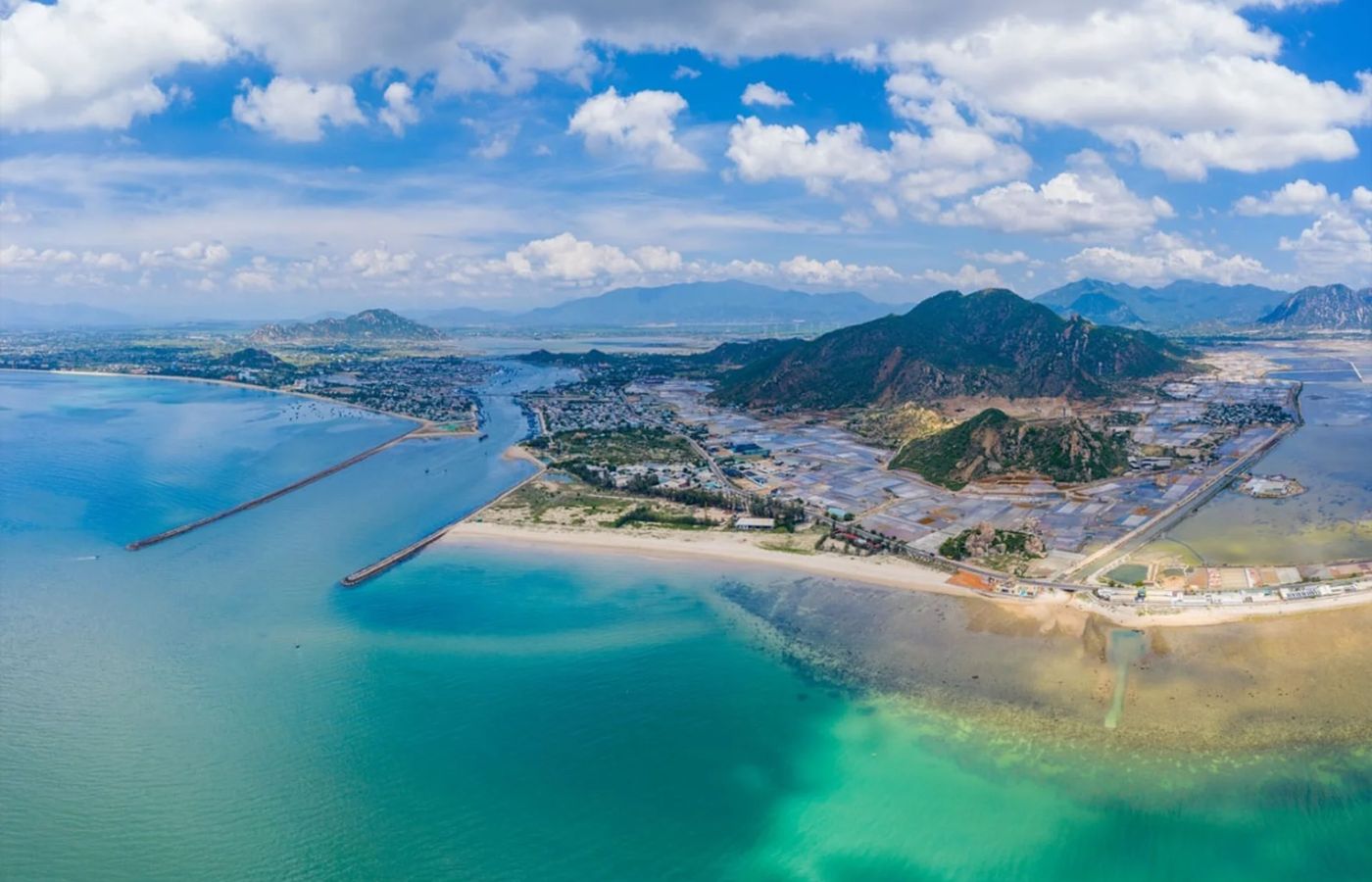
Journey from coastal Ninh Thuan to Ho Chi Minh City
Day 17 – Ninh Thuan to Ho Chi Minh City
Day seventeen marks the shift from rural central Vietnam to the country’s largest metropolis. Travel continues southward to Ho Chi Minh City, either by road combined with a flight or direct transfer, depending on logistics. This transition clearly reflects the flow of a Vietnam north to south itinerary, connecting contrasting regions into one continuous journey.
Arriving in the city introduces a fast-paced urban rhythm, shaped by commerce, modern development, and historical layers. The evening is free to rest or explore nearby neighborhoods, offering a gentle introduction to southern Vietnam.
Day 18 – Ho Chi Minh City and Cu Chi Tunnels
Day eighteen combines urban exploration with a visit to the historic Cu Chi Tunnels. In the city, travelers gain insight into Vietnam’s modern identity through streets filled with cafés, markets, and everyday movement. The contrast between old and new is immediately visible.
Outside the city, the Cu Chi Tunnels provide historical context, illustrating resilience and adaptation during wartime. As part of a comprehensive Vietnam 21 day itinerary, this day deepens understanding of the country’s recent past while balancing education with reflection.
For travelers who prefer to explore southern Vietnam with a guided experience, you can discover more curated options through Vietnam tours starting from Ho Chi Minh City, which offer flexible routes covering Cu Chi Tunnels, the Mekong Delta, and nearby destinations.
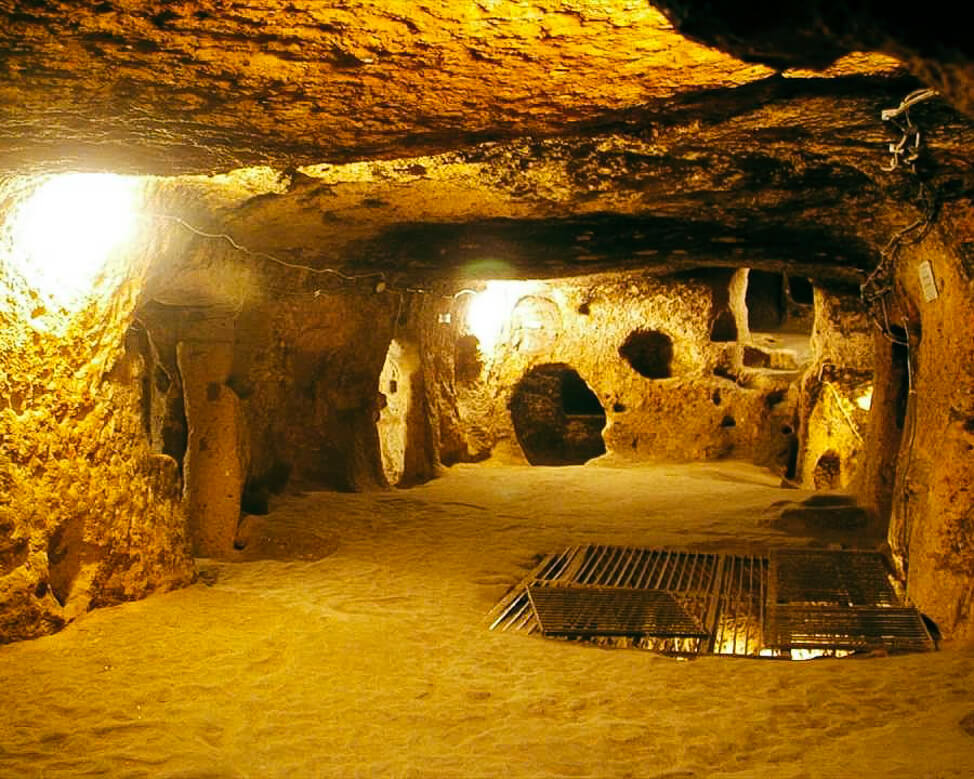
Cu Chi Tunnels underground network near Ho Chi Minh City
Day 19 – Mekong Delta Experience
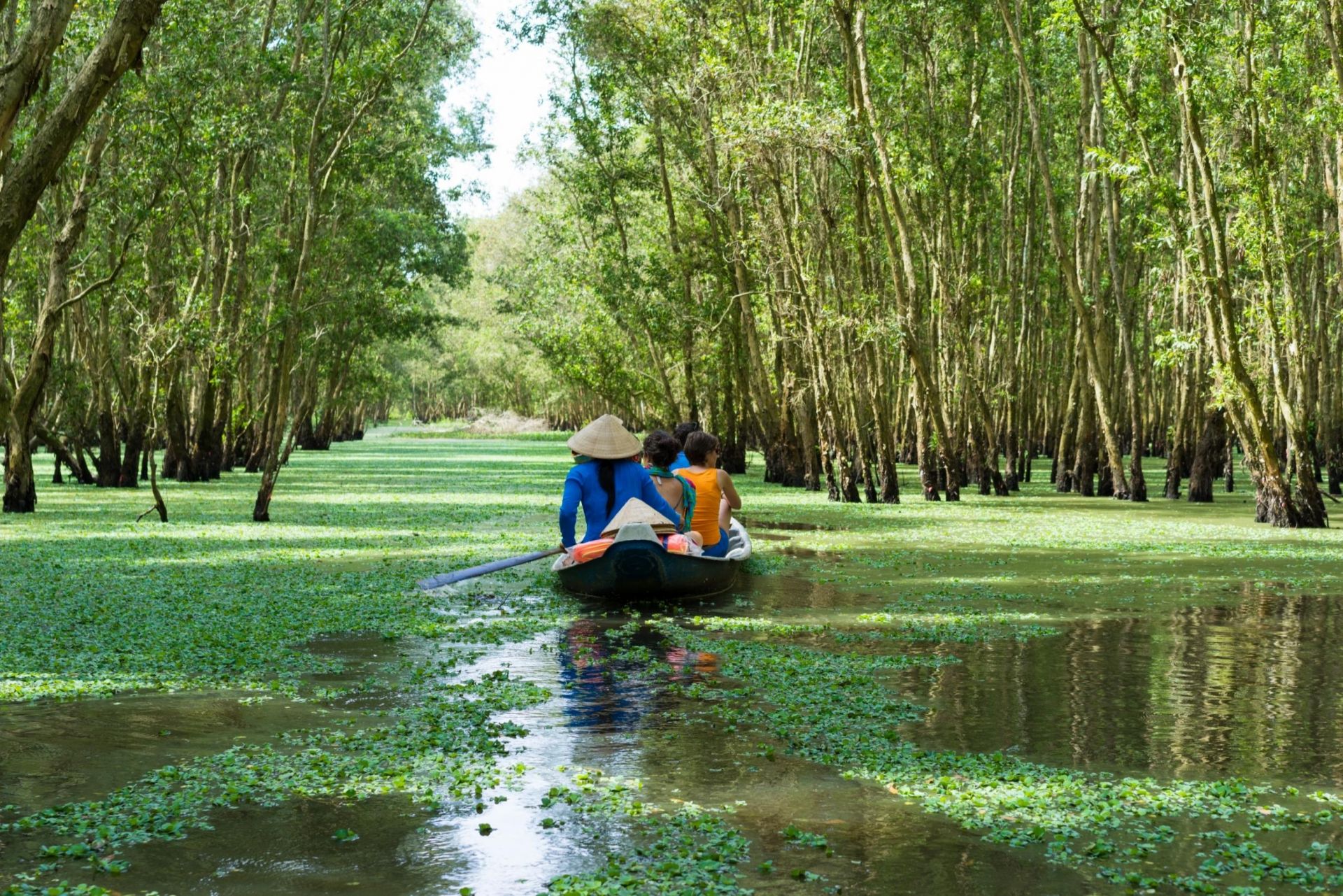
The journey continues south to the Mekong Delta, a region shaped entirely by water. Rivers, canals, and fertile land support a lifestyle centered on agriculture and river transport. Traveling through this area reveals floating markets, small settlements, and lush landscapes.
This day represents a key highlight of a 3 weeks in Vietnam itinerary, offering insight into southern rural life that contrasts sharply with earlier mountain and city experiences. The slower rhythm of the delta brings the journey into a more relaxed and reflective phase.
To experience the waterways and rural charm of southern Vietnam, travelers can join a Mekong Delta Cai Be full-day tour, featuring boat rides through narrow canals, visits to traditional workshops, and encounters with everyday life along the river.
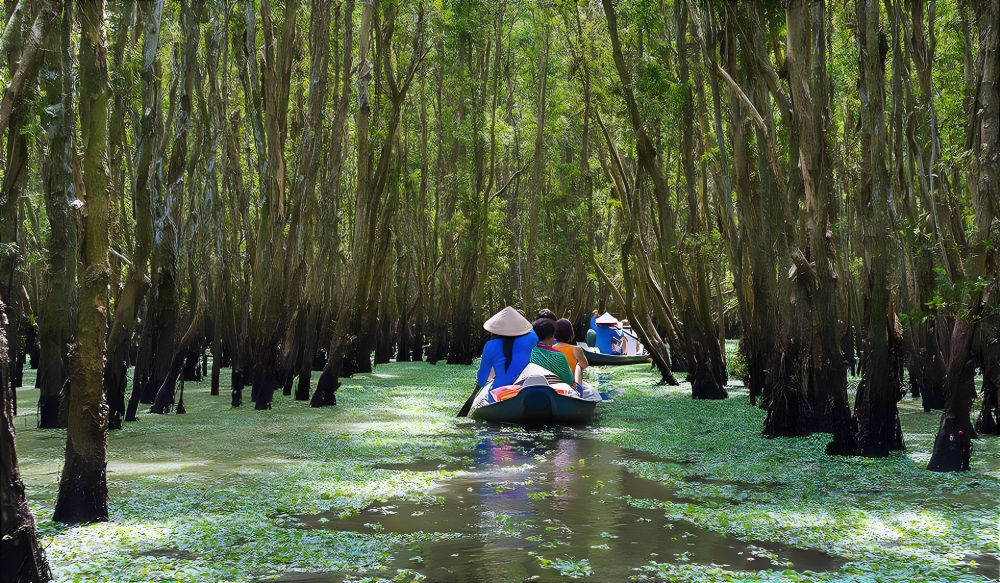
Boat journey through canals of the Mekong Delta
Day 20 – Ho Chi Minh City at Leisure
Returning to Ho Chi Minh City, day twenty is intentionally unstructured. Free time allows travelers to revisit favorite areas, explore new neighborhoods, or enjoy local food and cafés at their own pace. This flexibility plays an important role in long journeys, preventing exhaustion.
Within the Vietnam itinerary 21 days, this day allows personal interests to shape the experience, whether that means cultural exploration, shopping, or quiet relaxation. It also provides time to reflect on the many regions visited so far.
A guided city exploration helps first-time visitors understand the contrasts of southern Vietnam, making a Ho Chi Minh City full-day tour an efficient way to explore key landmarks, colonial architecture, and vibrant local neighborhoods.

Leisure activities and urban lifestyle in Ho Chi Minh City
Day 21 – Departure from Ho Chi Minh City
The final day concludes the journey with departure from Ho Chi Minh City. Transfers are arranged based on flight schedules, ensuring a smooth and comfortable end to the trip. As travelers leave Vietnam, they carry memories shaped by diverse landscapes, cultures, and personal encounters.
Reflecting on the route as a whole, the experience covers many of the best places to visit in Vietnam in 3 weeks, offering a complete and balanced perspective of the country from highlands to waterways.
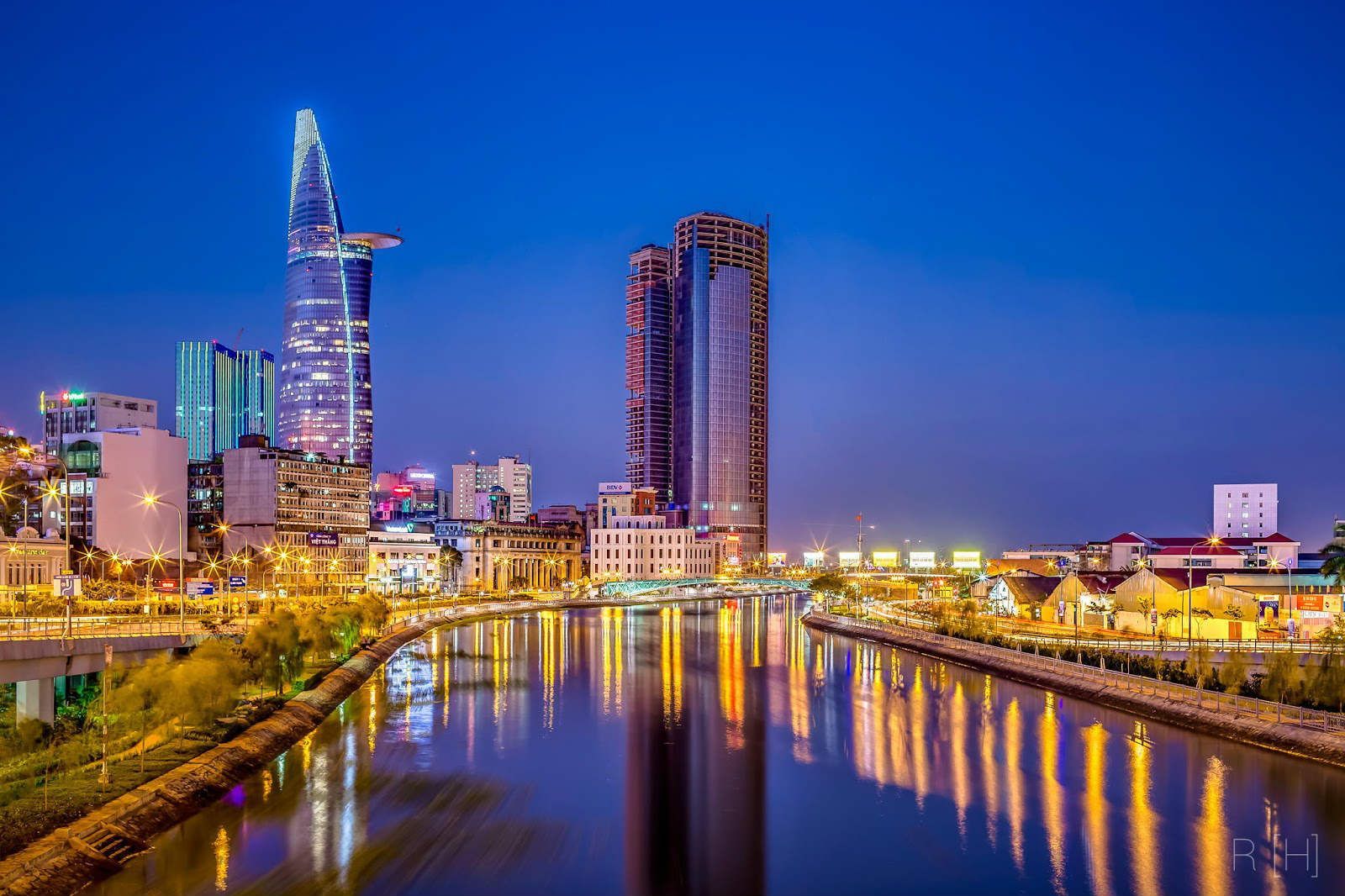
Vietnam itinerary 21 days overview of a meaningful north to south journey
Conclusion
Designed to balance exploration, comfort, and authenticity, this Vietnam itinerary 21 days offers an immersive way to discover the country from north to south without feeling overwhelmed. If you are looking for a thoughtfully planned journey tailored to your interests, Bestour can help customize this itinerary or create a private tour that matches your travel style. Reach out to Bestour to begin planning a Vietnam experience shaped entirely around you.