Vietnam’s incredible geographical diversity means that understanding the Best Time to Visit Vietnam is one of the most important steps in planning a smooth, enjoyable, and weather-friendly trip. From cool mountain climates to sunny tropical beaches, each region offers unique conditions that can shape your travel experience dramatically. This guide breaks down Vietnam’s weather patterns, activities, and monthly climate highlights so you can choose the perfect moment for your journey.
Introduction
Overview of Vietnam’s Diverse Climate
Vietnam stretches over 1,600 kilometers from north to south, crossing multiple climatic zones that create a wide spectrum of weather conditions. While the northern region experiences distinct seasonal changes, the central and southern parts follow tropical patterns with warm temperatures year-round. Because of this diversity, travelers often encounter different climates within a single trip, depending on their itinerary — a key factor when determining the best time to visit Vietnam.
The overall climate is influenced by monsoon patterns, elevation, and regional geography. Mountainous areas in the north can become surprisingly cold, while southern coastal areas remain warm and humid even in winter. Understanding these variations is essential for anyone researching the best time to visit Vietnam to ensure a comfortable and rewarding experience.
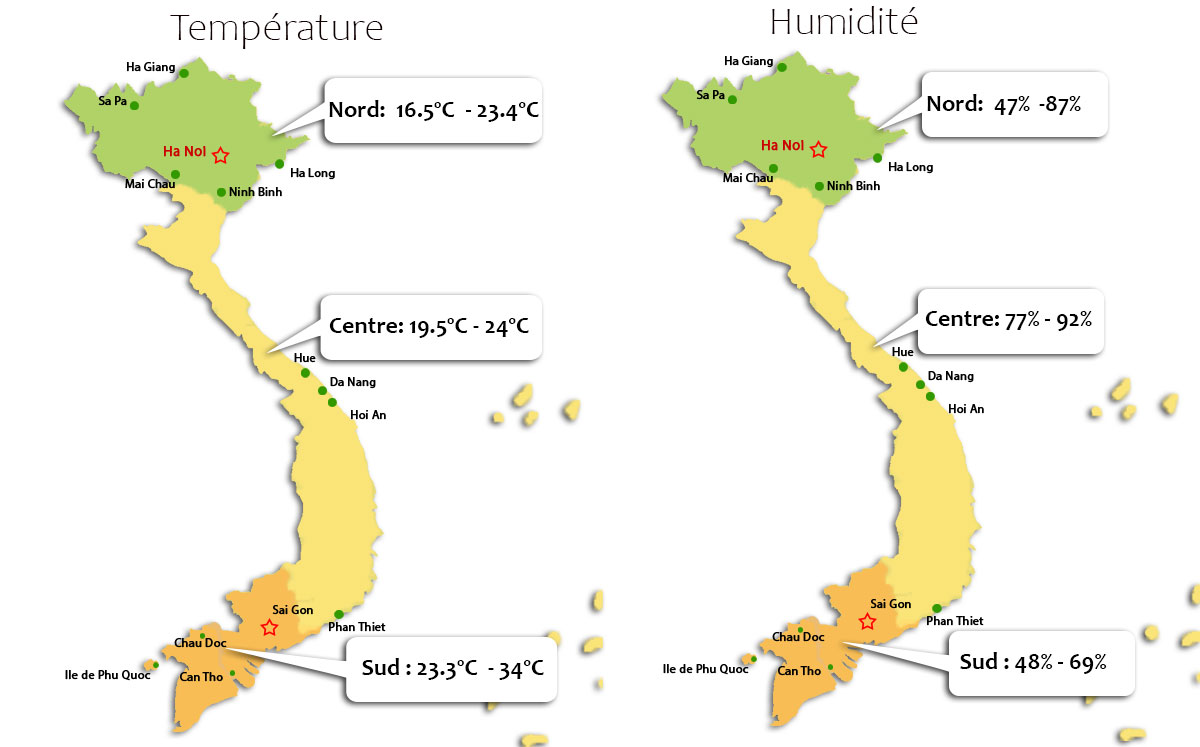
Best Time to Visit Vietnam – Vietnam weather by month across Northern, Central, and Southern regions
Why Determining the Best Time to Visit Vietnam Matters for Travelers
Weather affects everything — transportation, activities, scenery, comfort level, and even safety in certain regions. Knowing the best time to visit Vietnam can help you:
- Avoid heavy rain or storms
- Choose the right clothes to pack
- Maximize your chance of clear skies for trekking or photography
- Align your trip with cultural festivals
- Enjoy beaches in their best conditions
- Prevent disruptions due to seasonal weather changes
Whether you’re planning a slow cultural journey, an active adventure, or a relaxing beach escape, choosing the best time to visit Vietnam will enhance every part of your experience.

Overview of diverse climates during the best time to visit Vietnam
Vietnam Weather by Month
Understanding Vietnam weather by month is essential for planning the perfect trip. Because the climate varies significantly between Northern, Central, and Southern Vietnam, knowing what each month brings will help you decide the best time to visit Vietnam, avoid the Vietnam rainy season, and pick the ideal moment for beach holidays or cultural exploration.
Below is a detailed month-by-month breakdown of Vietnam’s weather across all three regions.
January – Cold in the North, Sunny in the South
- Northern Vietnam: Cold, dry, 10–18°C. A great time to explore Hanoi, Sapa, and Ninh Binh.
- Central Vietnam: Huế and Đà Nẵng become drier, though the sea may still be chilly.
- Southern Vietnam: Beginning of peak sunshine—best time for Vietnam beaches such as Phu Quoc and Con Dao.
Tip: Ideal for festive atmosphere and early-spring cultural experiences.
February – Festival Season & Mild Weather
- North: Light drizzle and cool temperatures.
- Central: Stable, pleasant weather—great for sightseeing.
- South: Dry, sunny, excellent for outdoor activities.
Vietnam travel guide tip: Pack a light jacket for the North and sun protection for the South.
March – Warmer Days & Clear Skies
- North: Warmer, slightly humid, comfortable for city walking tours.
- Central: This is the best time to visit Central Vietnam—sunny and calm.
- South: Dry season continues with gentle sunshine.
Experience: Perfect for photography, spring markets, and nature exploration.
April – Transition Season, Beaches Begin to Shine
- North: 23–27°C, mild and refreshing.
- Central: Sea conditions improve—Da Nang, Quy Nhon, and Ly Son are stunning.
- South: Warmer days but still dry.
Highlight: A great month to enjoy early beach vacations before summer crowds arrive.
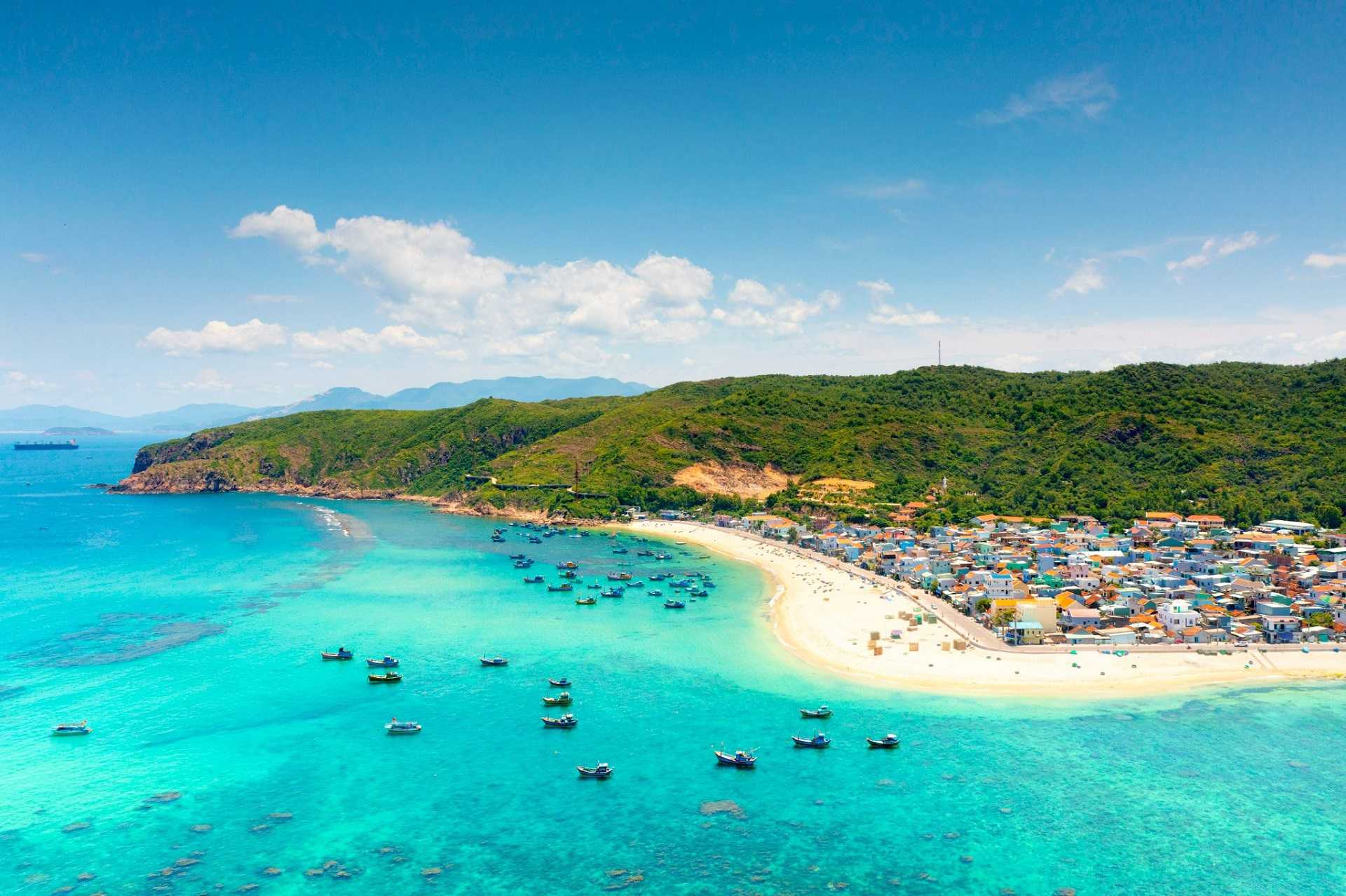
Best Time to Visit Vietnam – April beach weather in Central Vietnam
May – Start of Summer
-
North: Hot with occasional showers.
-
Central: Bright sunshine, ideal beach weather.
-
South: End of dry season; humidity rises.
Secondary keyword: Prepare for scattered showers as the Vietnam rainy season approaches.
June – Peak Beach Season
- North: Frequent rain but with clear intervals.
- Central: Strong sun, turquoise water—perfect for snorkeling and island trips.
- South: Rain begins, usually in short afternoon bursts.
Perfect for: Long beach holidays and family summer vacations.
July – Heavy Rain in the North, Sunny in the Central Region
- North: High rainfall; occasional storms.
- Central: Still sunny but with higher waves.
- South: Short but intense rain showers.
Secondary keyword: Keep track of the Vietnam rainy season forecast when traveling this month.
August – Rainiest Month of the Year
- North: Heavy rainfall and potential flooding in cities.
- Central: Mix of sunshine and strong winds.
- South: Prolonged rain, mostly in the afternoons.
Best activities: Indoor sightseeing, culinary tours, museum visits.
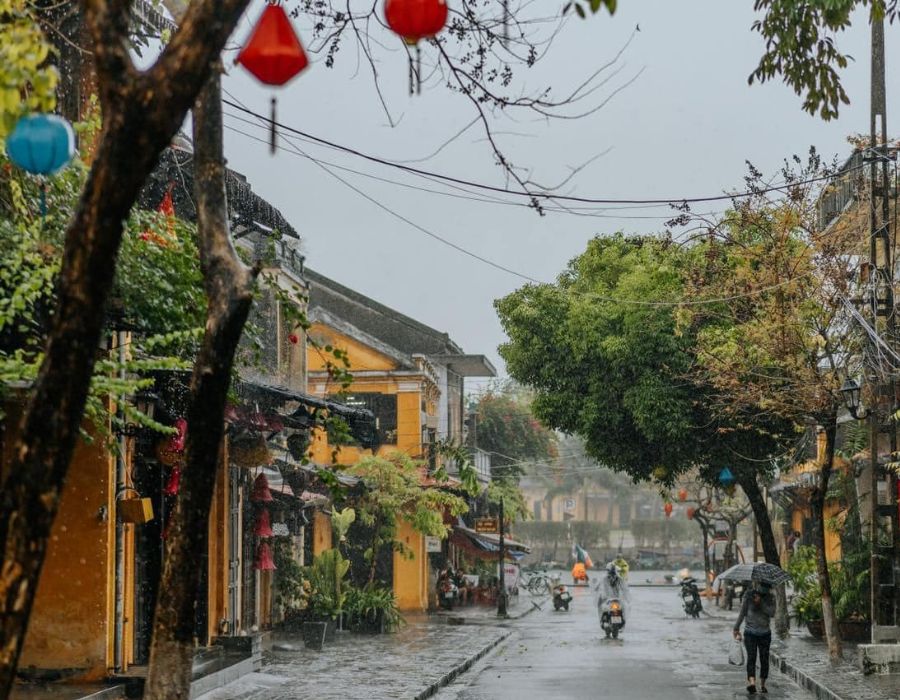
Best Time to Visit Vietnam – August rainy season conditions across Vietnam
September – Autumn Arrives in the North
- North: Stunning autumn weather → best time to visit Northern Vietnam (Hanoi, Ha Giang, Moc Chau).
- Central: Light rain but still travel-friendly.
- South: Rain starts decreasing.
Season highlight: Golden rice terraces in the northern mountains.
October – Perfect Weather in the North, Rain in the Central Region
- North: Mild, clear, ideal for outdoor exploration.
- Central: Rainy and stormy period begins.
- South: Transition to dry season.
Vietnam travel guide note: Prioritize northern journeys during this month.
November – One of the Best Months to Visit
-
North: Cool, dry, and scenic—prime travel season.
-
Central: Rain continues in some provinces; however, Hoi An & Da Lat remain popular.
-
South: Clear skies and mild weather → best time to visit Southern Vietnam.
December – Peak Travel Season & Festive Atmosphere
- North: Cold, sometimes foggy—great for cloud hunting and mountain views.
- Central: Hue and Da Nang may have light rain, but Hoi An stays charming.
- South: The best sunshine of the year—perfect for beaches and festivals.
Secondary keyword: Marking the end of the yearly cycle of Vietnam seasons, December is one of the most comfortable months for international visitors.
The best time to visit Vietnam by Region
Vietnam stretches over 1,600 km from north to south, meaning its climate varies dramatically by region. Understanding these weather patterns is essential for choosing the best time to visit Vietnam according to your travel style and destination. Below is a regional breakdown to help you plan your trip with confidence.
Northern Vietnam (Hanoi, Sapa, Ha Giang, Halong Bay)
The best time to visit Northern Vietnam is generally during the autumn months (September–November) and spring (March–April). These seasons offer comfortable temperatures, clear skies, and excellent conditions for trekking, sightseeing, and photography.
Climate Overview
- Spring: Mild and fresh, with blooming flowers and great visibility.
- Summer: Hot, humid, and rain-prone—travel remains possible but less comfortable.
- Autumn: The most breathtaking season, with golden rice terraces and crisp air.
- Winter: Cold and misty; mountainous areas can drop below 10°C.
Best Experiences
- Hiking the terraced fields in Sapa or Ha Giang.
- Cruising Halong Bay during clear-skied spring days.
- Strolling through Hanoi’s Old Quarter in cool autumn weather.
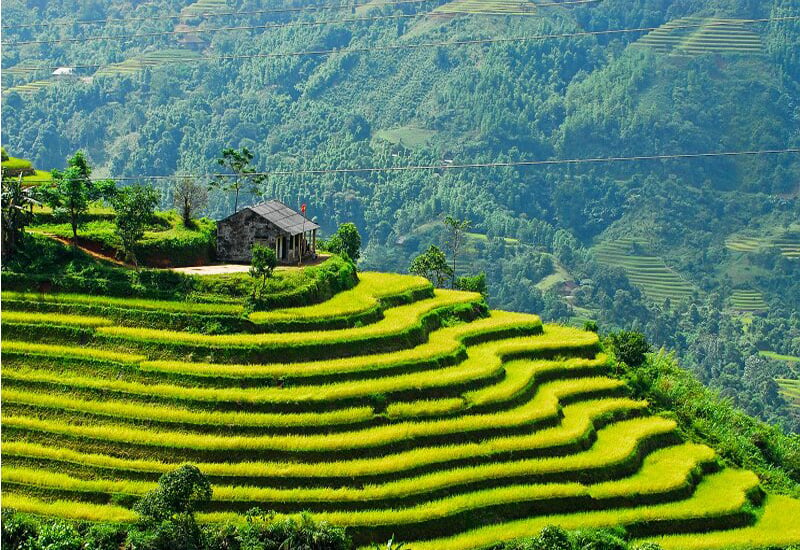
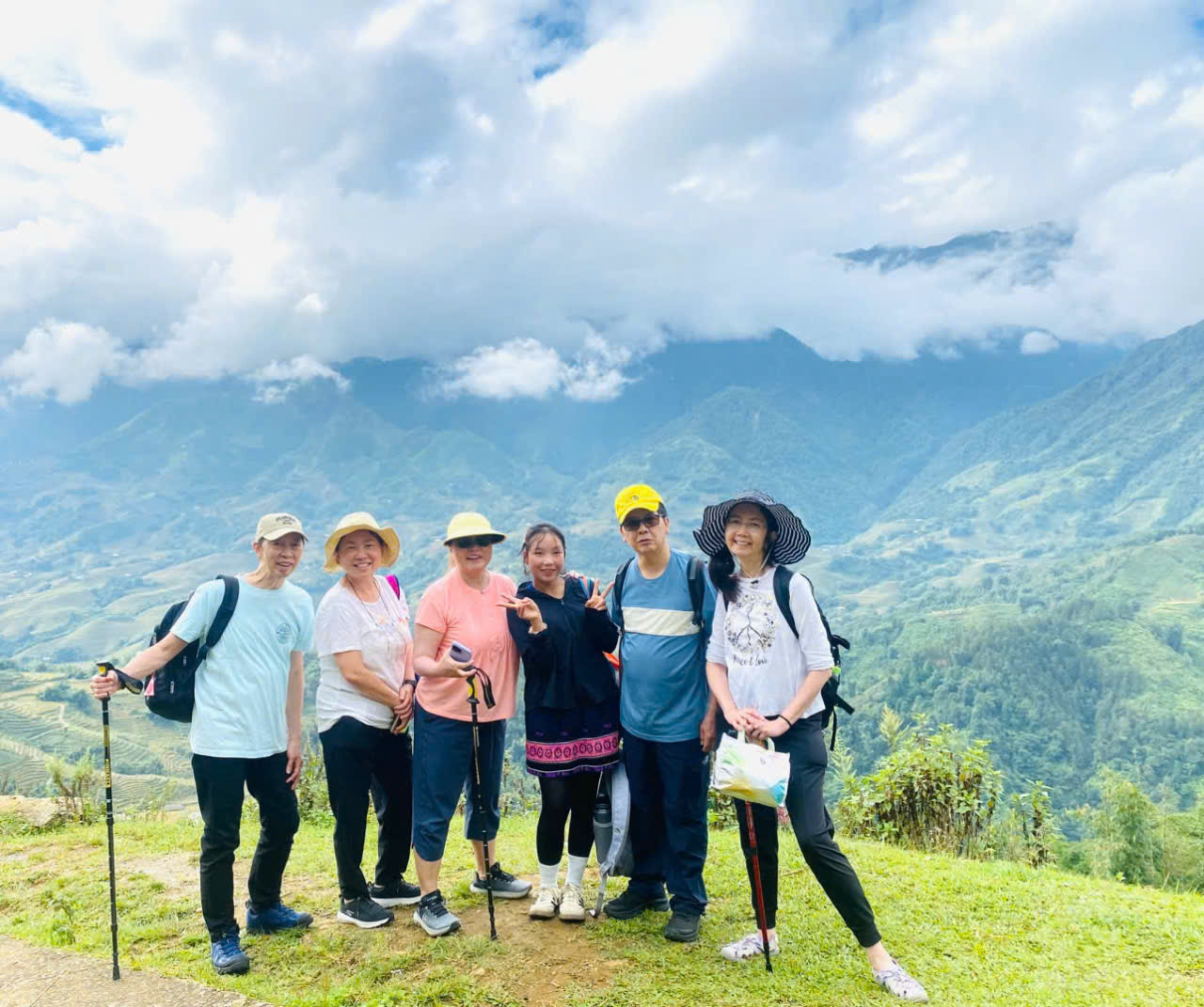
Scenic Northern landscapes representing the Best time to visit Northern Vietnam.
Central Vietnam (Da Nang, Hoi An, Hue, Nha Trang)
The Best time to visit Central Vietnam is during the dry season (February–August), when the region enjoys long hours of sunshine and stable weather. This area is ideal for beach lovers, cultural travelers, and those seeking calm resort escapes.
Climate Overview
- Dry Season: Bright skies, warm temperatures, and calm seas—excellent for beaches and sightseeing.
- Wet Season (Sept–Dec): Frequent rains and occasional typhoons, especially in Hue and Hoi An.
Best Experiences
- Enjoying the beaches of Da Nang and Nha Trang.
- Evening strolls around Hoi An Ancient Town.
- Exploring Hue’s imperial sites under warm spring weather.
Southern Vietnam (Ho Chi Minh City, Mekong Delta, Phu Quoc)
The Best time to visit Southern Vietnam is during the dry season (December–April). With its tropical climate, the south is warm year-round, making it suitable for urban exploration, river cruises, and island getaways.
Climate Overview
- Dry Season: Sunny skies and low humidity — perfect for outdoor activities.
- Wet Season (May–Nov): Daily short showers but generally pleasant travel conditions.
Best Experiences
- Street-food tours and nightlife in Ho Chi Minh City.
- Boat trips along the Mekong Delta’s floating markets.
- Relaxation and snorkeling in Phu Quoc.
Best Time to Visit Vietnam by Activities
Vietnam offers an incredible diversity of activities thanks to its varied landscapes and shifting climate patterns. Depending on what type of traveler you are, the best time to visit Vietnam may differ significantly. Below is a detailed breakdown of the ideal travel periods for beaches, adventure activities, cultural festivals, and culinary experiences.
Beach Vacations
Vietnam boasts more than 3,200 km of coastline, meaning beach weather changes depending on the region. The best time for Vietnam beaches varies due to different weather systems, but you can enjoy sunny beach days almost year-round if you choose the right destination.
Northern Beaches (Halong Bay, Cat Ba, Do Son)
- Best months: May–August
Warm temperatures and clear waters make summer ideal, though occasional storms may occur.
Central Beaches (Da Nang, Hoi An, Nha Trang, Quy Nhon)
- Best months: February–August
This is the most reliable beach region in Vietnam, offering calm waters, bright sunshine, and ideal conditions for swimming, snorkeling, and diving.
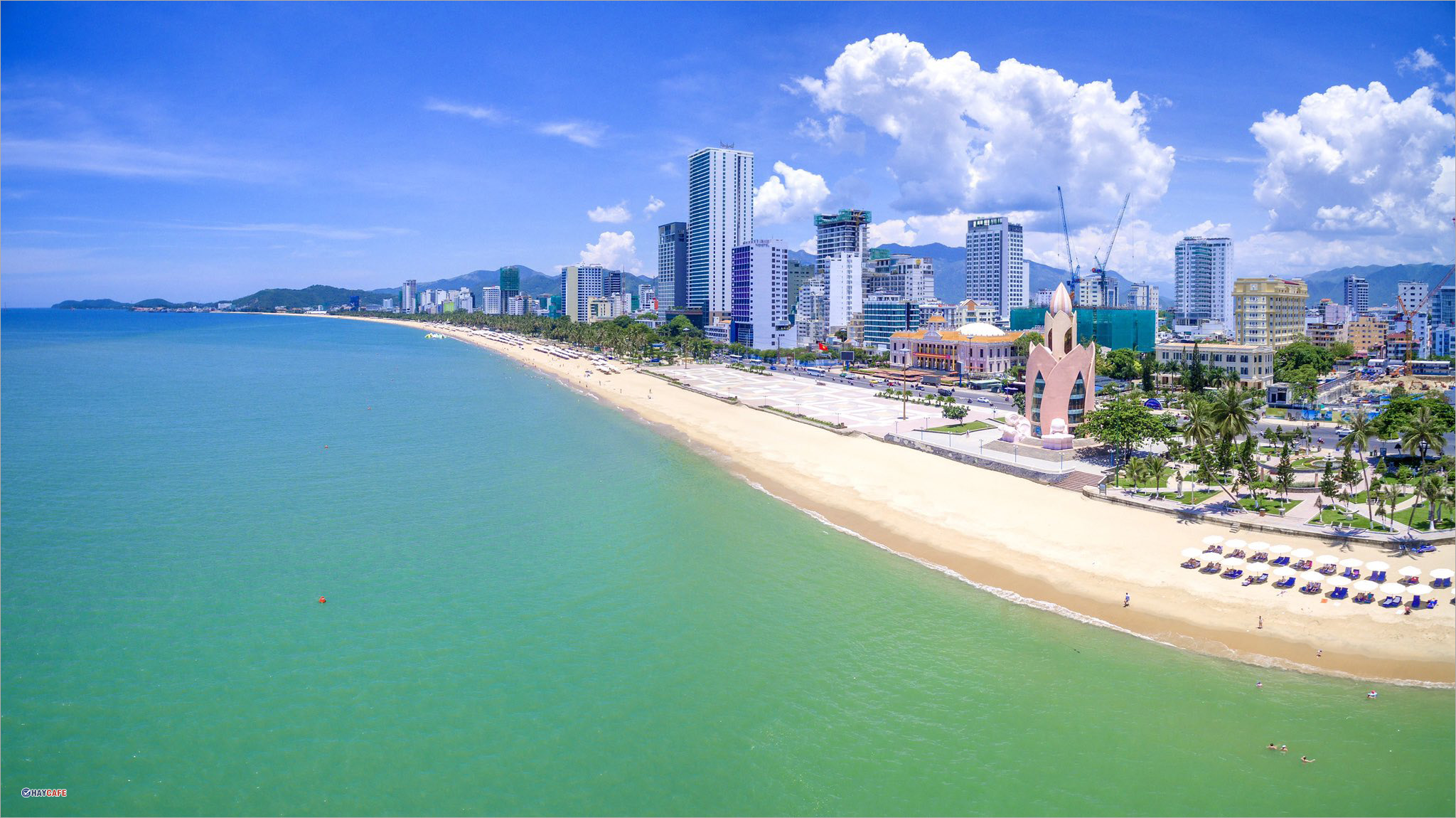
Tropical shoreline showcasing the Best time for Vietnam beaches
Southern Beaches (Phu Quoc, Vung Tau, Con Dao)
- Best months: December–April
Dry season offers calm seas and exceptional water clarity, perfect for island escapes.
Travel insight: With such a long coastline, Vietnam always has at least one region in peak beach season, no matter the month.
Trekking & Adventure Travel
Adventurers will find Vietnam a playground of mountains, forests, and limestone landscapes. The best period for trekking aligns closely with the transition of Vietnam seasons, when temperatures are mild and skies are clear.
Northern Trekking (Sapa, Ha Giang, Cao Bang)
- Best months: September–November & March–April
Cool air, vibrant scenery, and excellent visibility make these months ideal for long hikes and landscape photography.
Central Highlands (Da Lat, Kon Tum)
- Best months: November–April
Dry weather keeps forest trails safe, with less fog and more scenic views.
Caving & Jungle Adventures (Phong Nha-Ke Bang)
- Best months: February–August
Stable weather enables safe cave expeditions, including world-famous Son Doong.
Travel insight: Avoid high-rainfall months in mountainous regions to reduce the risk of slippery trails or road closures.

Best Time to Visit Vietnam – Caving and jungle adventures in Phong Nha-Ke Bang
Cultural Festivals
Vietnam’s rich cultural heritage shines through its festivals, which take place throughout the year. These events allow travelers to understand local traditions, spiritual beliefs, and community celebrations.
Tet Holiday (Lunar New Year) — January February
The most important Vietnamese festival. Streets transform with lights, flowers, and family gatherings. Travels costs and crowds increase, but the cultural immersion is unforgettable.
Mid-Autumn Festival — September
Lanterns illuminate towns across the country, especially magical in Hoi An.
Hue Festival — Every Two Years (April–June)
A celebration of royal culture through music, dance, boat parades, and art.
Perfume Pagoda Festival — February–April
A spiritual journey featuring boat rides, mountain temples, and traditional rituals.
Travel insight: Festival travel enhances cultural understanding, but travelers should book accommodations early due to high demand.
Food Trips
Vietnam’s culinary landscape is shaped by geography, climate, and local traditions. Food lovers can enjoy regional specialties throughout the year, but certain dishes shine in particular periods.
Northern Vietnam
- Winter: Ideal for hotpots, grilled dishes, and hot bowls of pho.
- Autumn: Seasonal fruits like persimmons and grapes.
Central Vietnam
- Dry Season: Best for exploring seafood markets and coastal cuisine. Outdoor dining becomes much more enjoyable.
Southern Vietnam
- Year-round: Tropical fruits remain abundant no matter the season.
- Vietnam rainy season: Afternoon showers create a cozy setting for exploring street food stalls, coffee shops, and iconic southern desserts.
Travel insight: Whether you’re after fresh seafood, traditional soups, or vibrant market snacks, Vietnam offers unforgettable culinary experiences every month of the year.
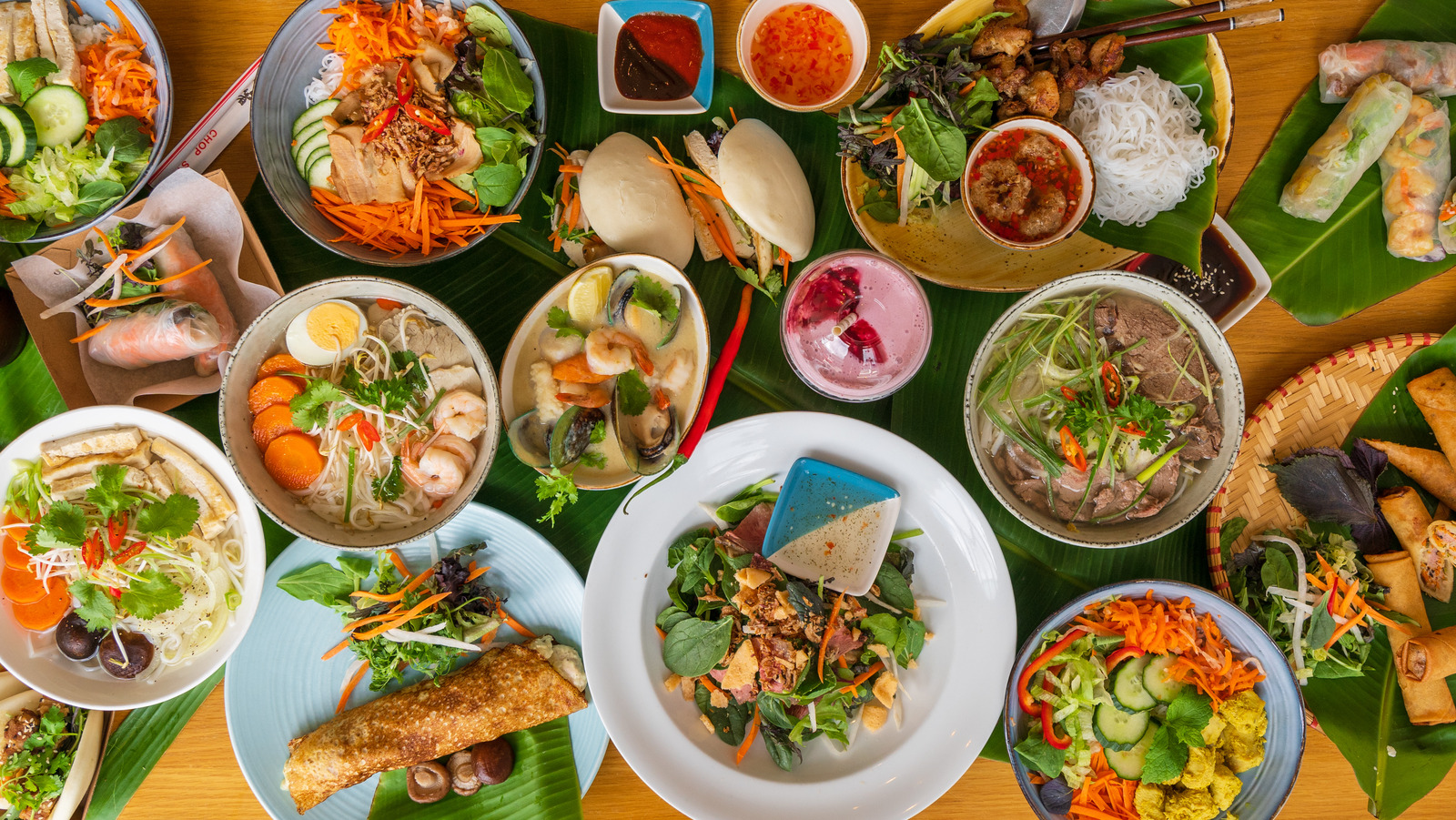
Food spread on a large table with different authentic Vietnamese dishes.
Month-by-Month Breakdown
Travelers often look for a clear and practical overview of Vietnam weather by month to decide the best time to visit Vietnam. Because the country spans multiple climate zones, understanding monthly changes helps you choose cities, routes, and activities with confidence. Below is a comprehensive month-by-month guide to help you plan your journey like a professional Vietnam travel guide.
January
Weather: January brings cool, crisp winter air to the north, mild sunshine to the center, and bright, dry days in the south.
Best for:
- Hanoi city walks
- Halong Bay cruises
- Southern beaches (Phu Quoc, Vung Tau)
Drawbacks: - North may feel cold and foggy
- Higher travel costs near Lunar New Year
February
Weather: Temperatures begin to warm slightly, and dry weather dominates most regions.
Best for:
- Tet celebrations (if dates fall in February)
- Da Nang & Hoi An exploration
- Mekong Delta river trips
Drawbacks: - Crowds and high prices during Tet
- Misty conditions may reduce visibility in the north
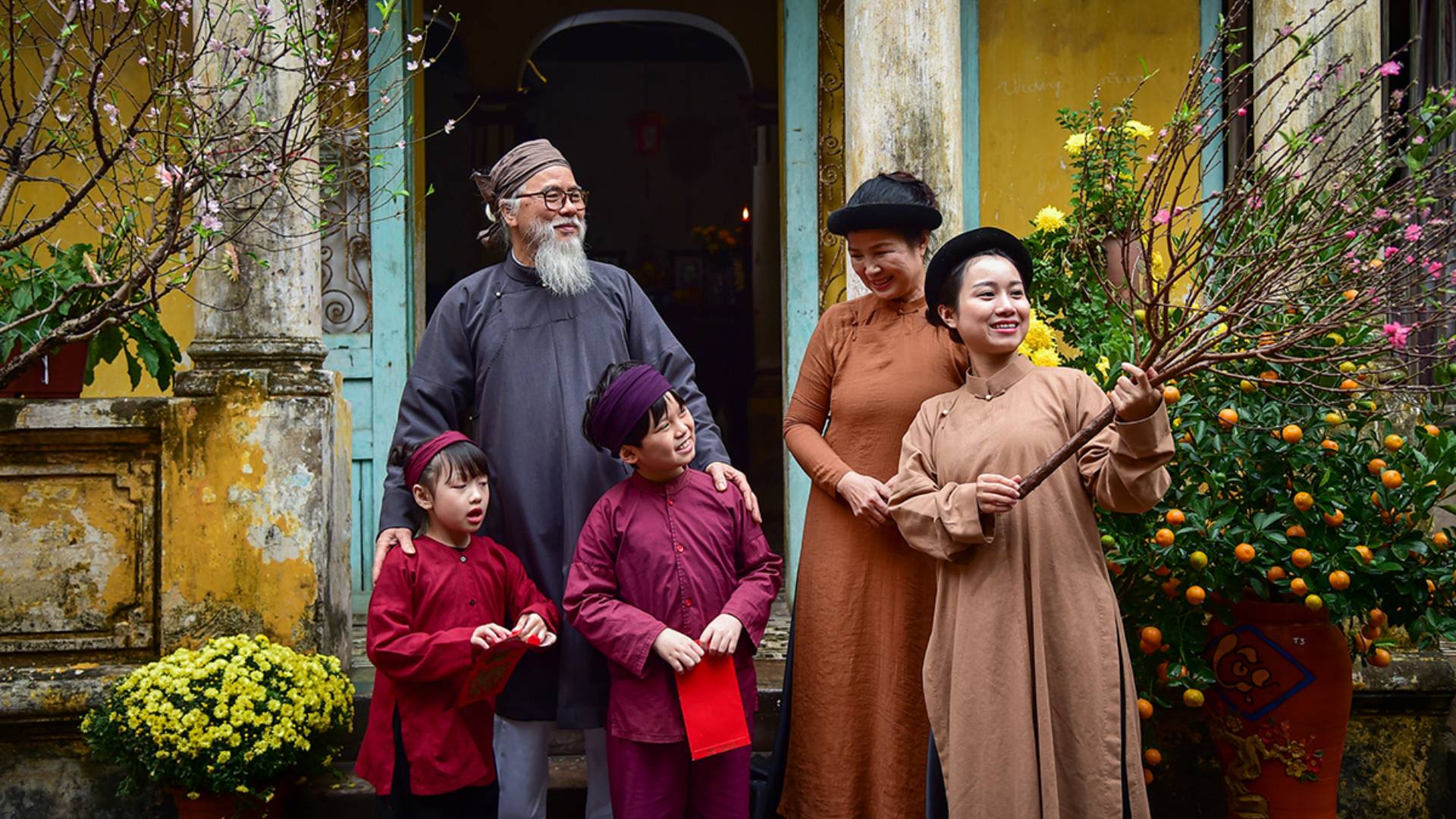
Tet holiday celebrations in Vietnam during February, highlighting cultural experiences in the Best Time to Visit Vietnam.
March
Weather: One of the most pleasant months nationwide. The North enters a mild spring, the center stabilizes, and the south remains sunny.
Best for:
- Sapa & Ha Giang trekking
- Hue’s imperial sites
- Phu Quoc snorkeling
Drawbacks: - Slight humidity rise in Ho Chi Minh City
April
Weather: A transitional month with warm, comfortable temperatures across Vietnam.
Best for:
- Flower season in the northern mountains
- Early beach trips in Da Nang
- City sightseeing anywhere in the country
Drawbacks: - Occasional early rainy showers in the south
May
Weather: Heat increases nationwide. The North enters early summer, Central Vietnam gets beach-perfect weather, and the south nears the start of rainy season.
Best for:
- Halong Bay cruising
- Nha Trang & Quy Nhon beaches
- Dalat escapes from the heat
Drawbacks: - Rising humidity, especially in the south
June
Weather: Hot and humid in the North; sunshine and stable conditions in the central coast; tropical showers begin in the south but often last only an hour.
Best for:
- Hoi An lantern nights
- Beach vacations in Da Nang & Nha Trang
- Adventure activities in Phong Nha
Drawbacks: - Heatwaves in northern cities
- Afternoon rain in Ho Chi Minh City
July
Weather: Similar to June, with peak temperatures in the north and vibrant blue skies in central Vietnam.
Best for:
- Family beach holidays
- Water sports (surfing, diving, parasailing)
- Northern mountain trips with green rice terraces
Drawbacks: - Occasional storms in the Gulf of Tonkin (Halong area)

July beach activities and water sports in Vietnam, a vibrant highlight of the Best Time to Visit Vietnam
August
Weather: One of the hottest months for the north, while central Vietnam continues to shine as the top summer destination.
Best for:
- Beach trips in Da Nang, Hoi An, Quy Nhon
- Ha Giang’s lush green landscapes
Drawbacks: - Start of typhoon risks in some northern coastal areas
September
Weather: A beautiful month: the north enters autumn, central Vietnam transitions toward rainy season, and the south is cooling off.
Best for:
- Golden rice fields in Sapa & Mu Cang Chai
- Cultural festivals
- Southern city exploration
Drawbacks: - Early rains return in Da Nang and Hoi An
October
Weather: Autumn peak in the north, rainy season strengthening in central Vietnam, dry weather gradually returning to the south.
Best for:
- Hanoi & Halong Bay sightseeing
- Trekking in Ha Giang
- Ho Chi Minh City food tours
Drawbacks: - Central Vietnam prone to heavy rainfall and storms
November
Weather: One of the best months for northern and southern Vietnam. Central Vietnam continues to experience rains.
Best for:
- Ha Giang Loop
- Dalat outdoor activities
- Mekong Delta floating markets
Drawbacks: - Flood risks in Hue and Hoi An
December
Weather: Winter begins in the north with cool and festive charm, the central region starts to dry, and the south enters peak travel season.
Best for:
- Christmas in Ho Chi Minh City
- Phu Quoc beaches
- Hanoi winter cuisine
Drawbacks: - Chilly temperatures in northern highlands
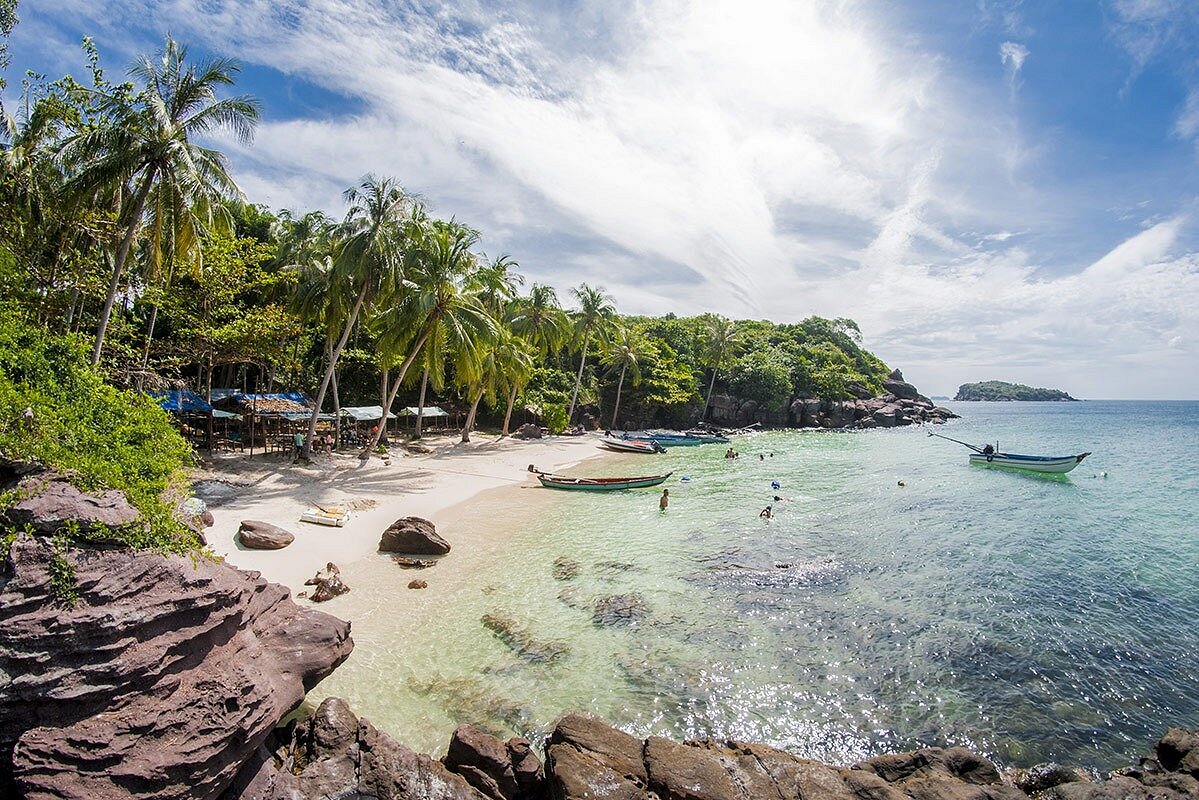
Sunny December beaches in Phu Quoc part of the Best Time to Visit Vietnam
Summary: Choosing the Right Month
Every month in Vietnam offers a unique travel window, and your personal interests—beaches, hiking, culture, or food—will ultimately shape your perfect trip. This month-by-month review illustrates why determining the Best Time to Visit Vietnam depends on understanding regional climate patterns and travel priorities.
Travel Tips for Choosing the Right Time
Choosing the Best Time to Visit Vietnam depends not only on weather patterns but also on how you prepare for the trip. Vietnam’s climate can shift quickly from dry to humid, from cool mountain breezes to tropical heat, so thoughtful planning will help you enjoy your itinerary to the fullest.
Packing Tips
Because temperatures vary greatly across the country, packing smart is essential. For northern destinations, especially during the cooler months, bring a light jacket or thermal layers. For central and southern regions, breathable clothing, sunscreen, and a hat will help you stay comfortable in the heat. A compact raincoat or waterproof shell is recommended year-round, as showers can happen unexpectedly. If you plan to trek or explore rural areas, don’t forget sturdy shoes and insect repellent.
Crowd Levels & Price Fluctuations
Vietnam’s peak tourism periods—such as December to March and summer months—often bring heavier crowds and higher hotel prices. If you prefer a quieter experience, consider traveling during mildly off-peak months, when attractions are less busy but still enjoyable. Booking transportation and accommodations early can help you secure better rates, especially during festival times or near national holidays.
Weather Risks to Note
Even during the Best Time to Visit Vietnam, travelers should remain aware of potential weather-related disruptions. Occasional storms, misty conditions in northern mountains, or high humidity in coastal areas may affect travel plans. If you visit during transitional months, keep an eye on local forecasts, especially when planning flights, outdoor excursions, or boat trips. Flexibility in your itinerary will ensure you can adjust smoothly if weather shifts unexpectedly.

Packing tips included in a practical Vietnam travel guide
Conclusion
Understanding the differences in weather across Vietnam’s regions will help you choose the ideal time to explore the country according to your preferences. Knowing the Best Time to Visit Vietnam makes your journey smoother, richer in experiences, and far more memorable.